Portable Power
Oukel P201 Review: What a 2,000W Battery Inverter Can Actually Run
A practical look at the Oukel P201 portable power station, including what it runs well, what it struggles with, and how long to realistically expect it to last under load.
Introduction
Portable power stations generate a lot of questions, and the most common one is simple: what will this thing actually run? The Oukel P201, a 2,000W inverter with a 2,000Wh battery, is a good case study because it sits in the size class people most often overestimate. This review walks through real-world loads, including heat guns, saws, convection ovens, and coffee makers, and looks at runtimes and voltage behaviour along the way.
What the Oukel P201 Is
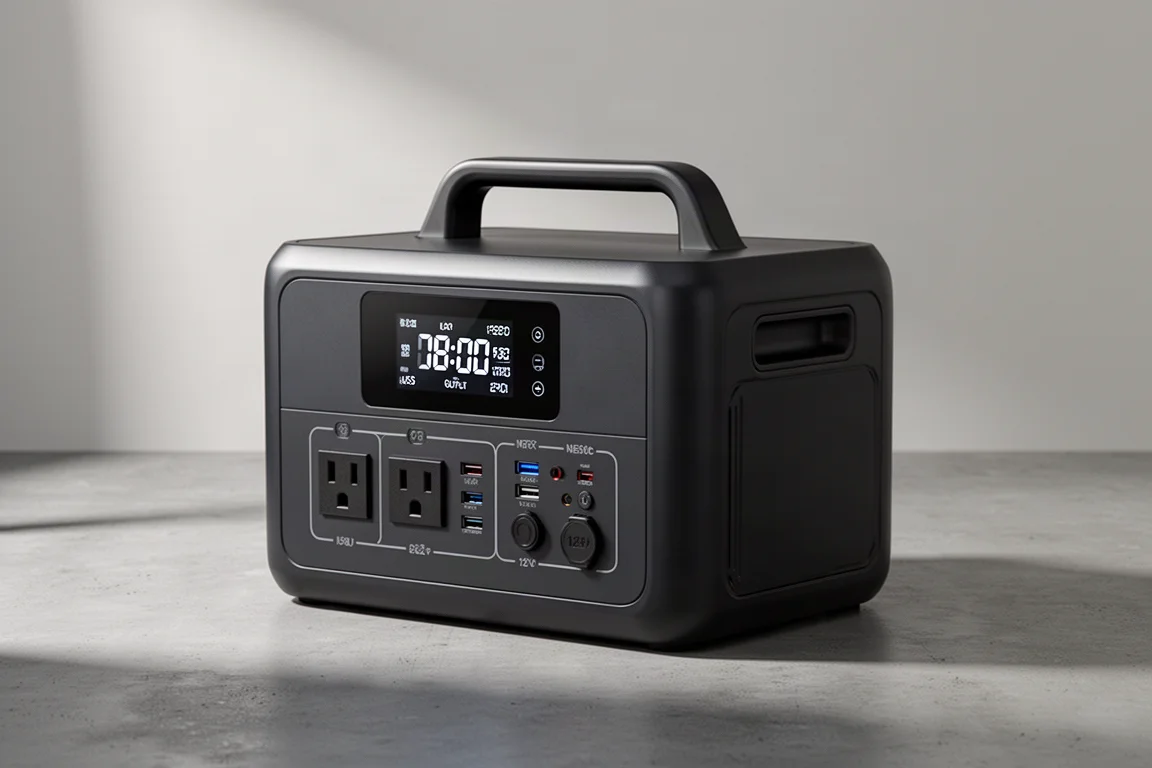
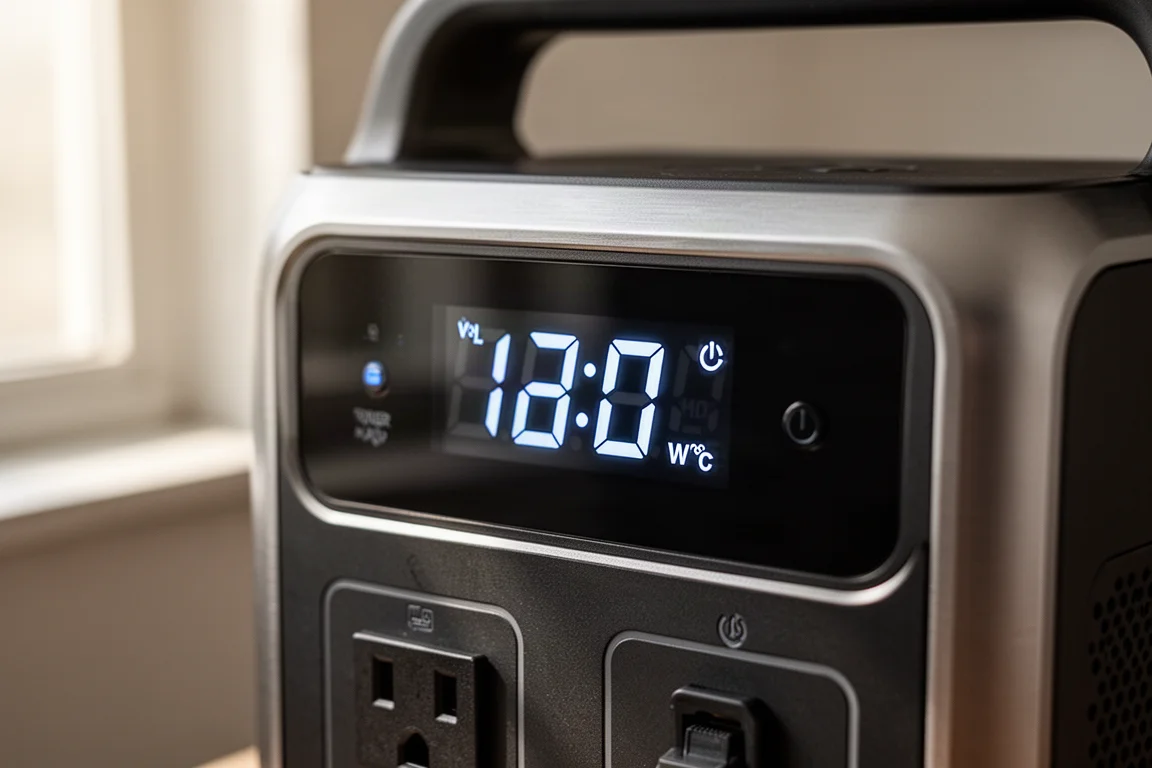
The Oukel P201 is rated at 2,000W of sustained output with a 4,000W peak, and it carries a 2,000Wh battery, meaning it can deliver 2,000 watts for roughly one hour at full draw. The unit was seen as a pre-production model ahead of its planned Kickstarter launch, with the display outputting around 110 volts AC.
One detail worth noting: some brands tweak output voltage to advertise higher wattage numbers, since volts times amps equals watts. At 110V, the P201 pushed a 1,400W heat gun to a reading of about 1,161W with very little voltage drop. The on-screen remaining runtime estimate showed 80 minutes, though these estimates tend to be optimistic.
Who This Product Is For
The P201 makes the most sense for people running low-draw devices for long stretches. If your goal is to power a laptop, charge phones over USB, or run a 12V refrigerator from the 12V side, battery power stations like this are genuinely efficient and can last a long time.
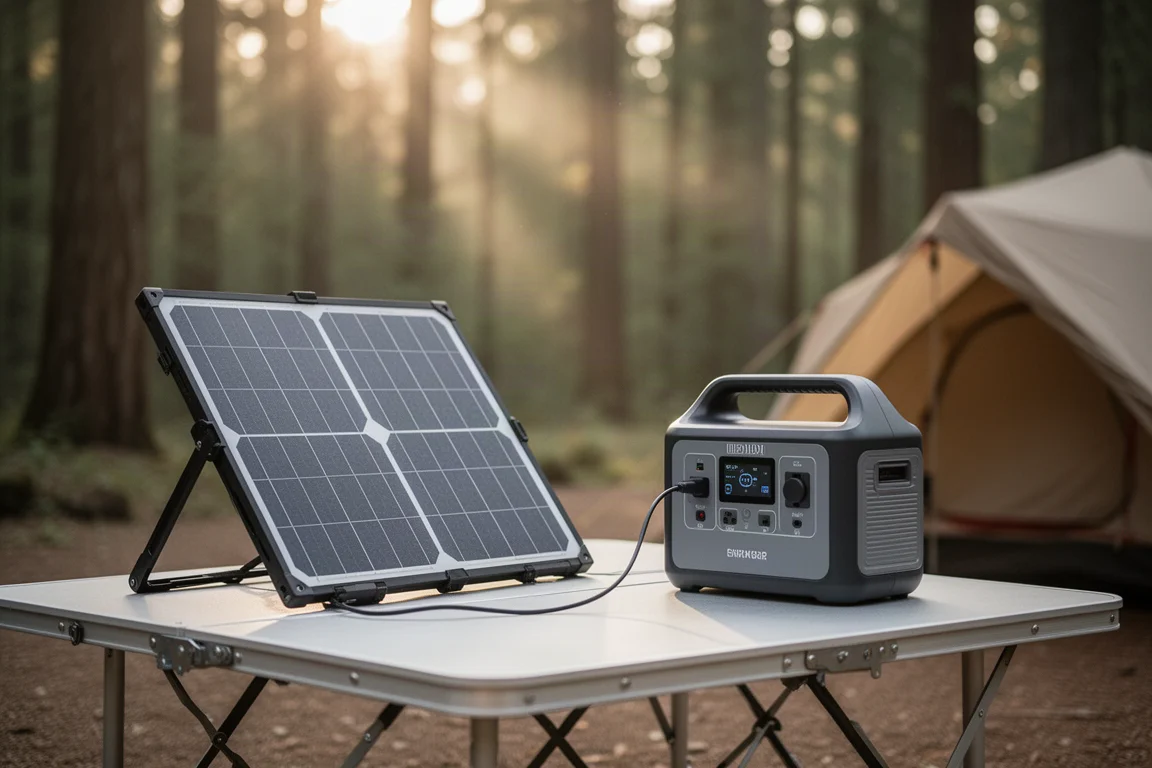
The quiet operation is a genuine advantage over a gas generator. For tailgating, camping, or van setups where noise matters, that alone can justify the price. It also supports solar charging at up to roughly 500W, and it can charge its battery while simultaneously outputting power, which works well for van owners who can mount panels on the roof.
High-Draw Tools: The Reality Check
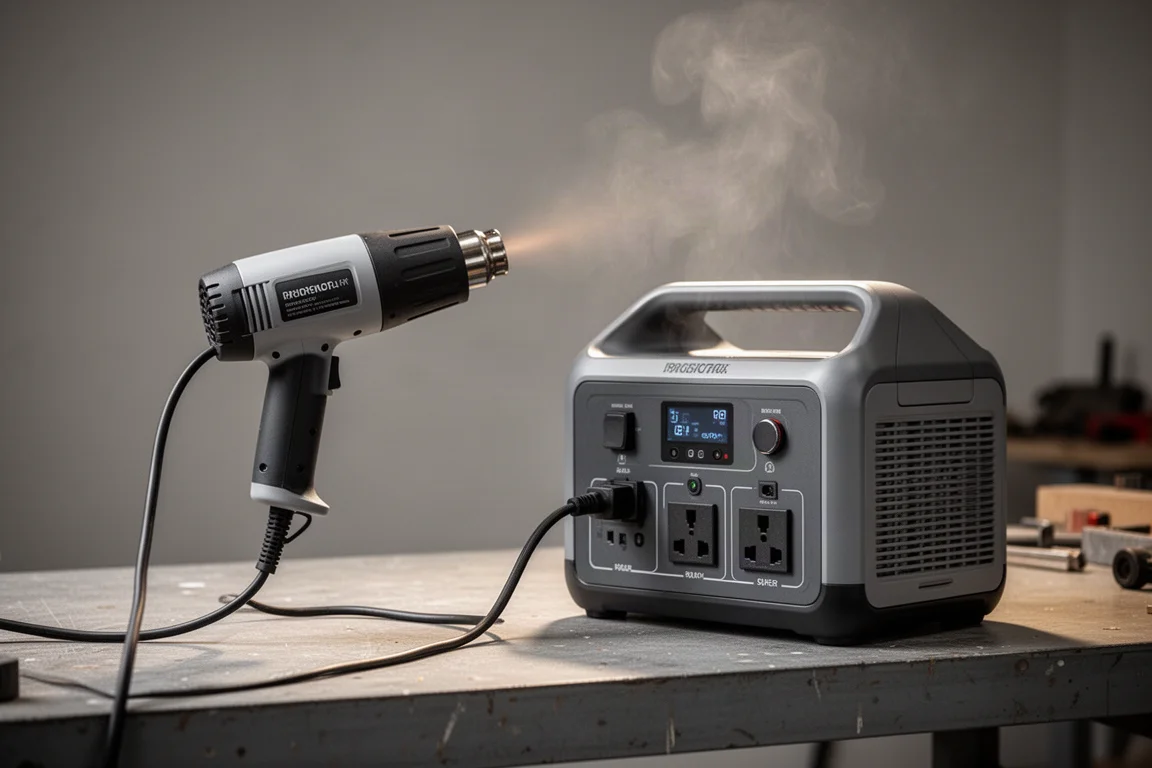
Corded power tools are where expectations collide with physics. A battery-operated drill runs fine, but a corded circular saw is a different story. Even just starting the saw, without cutting anything, pushed output to around 1,250W. Once a real cut begins and the amp draw climbs, the unit peaks out quickly.
The P201 can run the saw, but the runtime is short enough that using it as an all-day job site power source simply is not realistic. A 1,400W heat gun is a similar story: the unit handles it at just over half capacity, with a claimed 80 minutes of runtime, but that is not a long working window.
Cooking: Convection Ovens and Crockpots
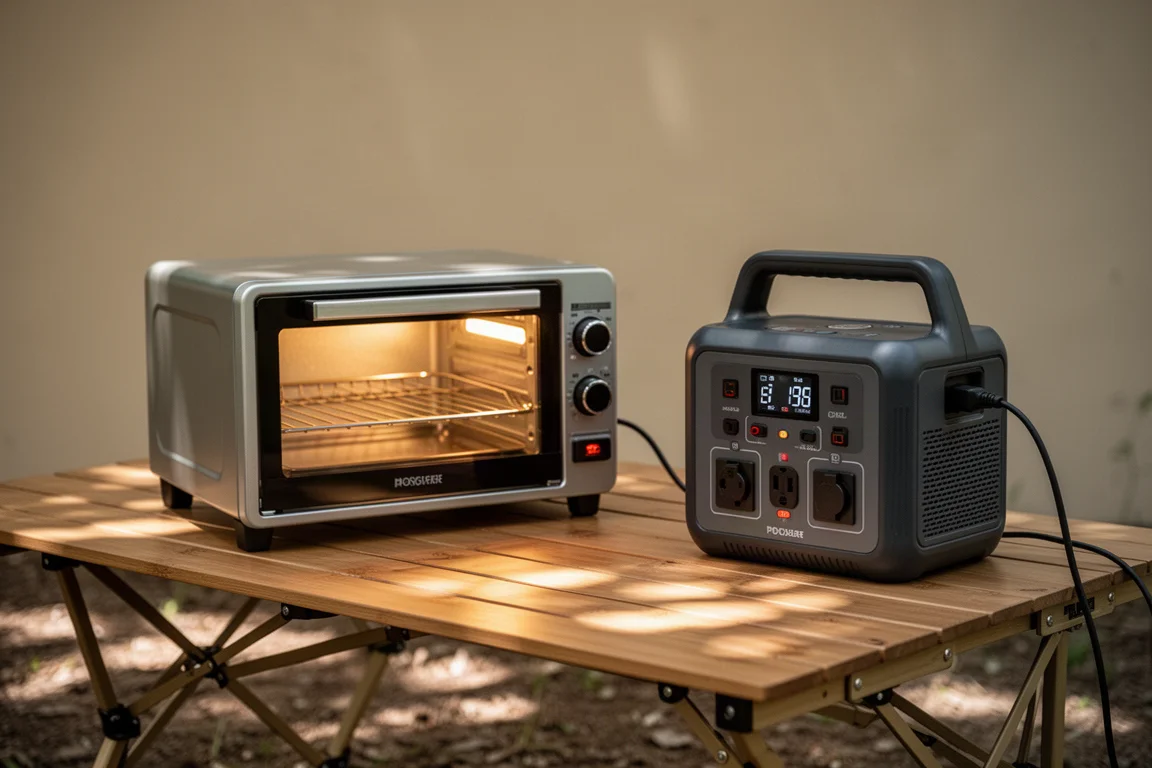
A convection oven set to 350 degrees for 30 minutes caused a large initial wattage spike before settling at about 1,422W. Voltage held around 109.5V, which is lower than the 118-120V you would ideally want. The remaining runtime estimate dropped quickly, showing roughly an hour, and in five minutes of running the battery dropped about 3 to 4 percent even after the heating element cycled down to around 30W.
A crockpot fares better because its heating element cycles on and off, and you can typically stretch a run to around an hour and a half on this 2,000Wh pack. Coffee is possible too: a small pod-style coffee maker drew nearly 1,200W just to heat up, so you need a substantial unit to run even that. Larger drip machines with a hot plate need even more. Once the water was heated, the draw dropped to almost nothing, then spiked again when reheating.
Things to Consider Before Buying
A useful rule of thumb: battery inverters lose at least 10 percent in the DC-to-AC conversion. Take 90 percent of the battery capacity as your realistic usable energy. On a 2,000Wh unit, that is about 1,800Wh, which means a steady 1,800W load gets you close to one hour of runtime from a full battery.
Voltage also matters. At the lower output voltage, some appliances do not produce heat as quickly as they would at a full 120V, so heating devices take longer to get going. And keep expectations grounded on the extremes: claims of charging an electric car do not hold up. An EV charging at its slowest setting draws close to 1,800W, which translates to roughly four miles of range per hour. That is not practical.
Buying Advice
Match the unit to your actual loads. Check the wattage listed on the back of your appliances before buying anything, and remember that higher-wattage devices will drain the battery far faster than the marketing suggests. Runtime estimates on the display are optimistic, and real-world figures bounce around as battery heat and conversion efficiency take their toll.
A few practical cautions: if you plug in a refrigerator, make sure the unit does not shut itself off after 20 to 30 minutes of low draw to conserve the battery. Solar charging works but requires a near-perfect day, a several-hundred-dollar panel investment, and panels sitting out in the open. And while “gas is dead” makes a catchy line, a quiet battery unit is a complement to, not a replacement for, a fuel generator for home backup or EV charging.
Conclusion
The Oukel P201 is a capable 2,000Wh / 2,000W power station with quiet operation, solar charging input, and pass-through charging, and it shines when running small, efficient loads like 12V fridges, USB devices, and cycling appliances such as a crockpot. Where it disappoints is the heavy stuff: corded saws, heat guns, and convection ovens work but eat through the battery in an hour or less. If you know your wattages and buy with realistic expectations, it can be a great fit. If you expect it to cook dinner or charge a car, it is the wrong tool.
Product link
View more details for Oukel P201
This product is mentioned in the review. Check the specifications, options, and compatibility before buying.
View more details for Oukel P201Further reading
Related Reviews
Portable Power
Best Portable Power for Camping and Remote Work: Six Power Banks and Solar Panels Compared
A practical comparison of six portable power options, from a 500W solar generator for car camping to a one pound solar power bank built for backpacking.
Portable Power
Best Portable Power Stations 2026: Nine Models Compared for Real-World Use
We compared nine portable power stations across output, capacity, charging speed, noise, and UPS performance to find the best value and the best overall pick.
Portable Power
Best Portable Power Stations and Power Banks for Blackouts and Travel
Five portable power solutions compared: two EcoFlow power stations, a flight-friendly Zendure power bank, a see-through Shargeek, and the feature-packed Omni 20c+.