Camping Tents
Otimus Xlite Nomad Solo Review: A Four-Season Solo Tent for Year-Round Camping
A close look at the Otimus Xlite Nomad Solo, a fully freestanding four-season one-person tent with a strong feature set and a few details worth weighing up before you buy.
Introduction
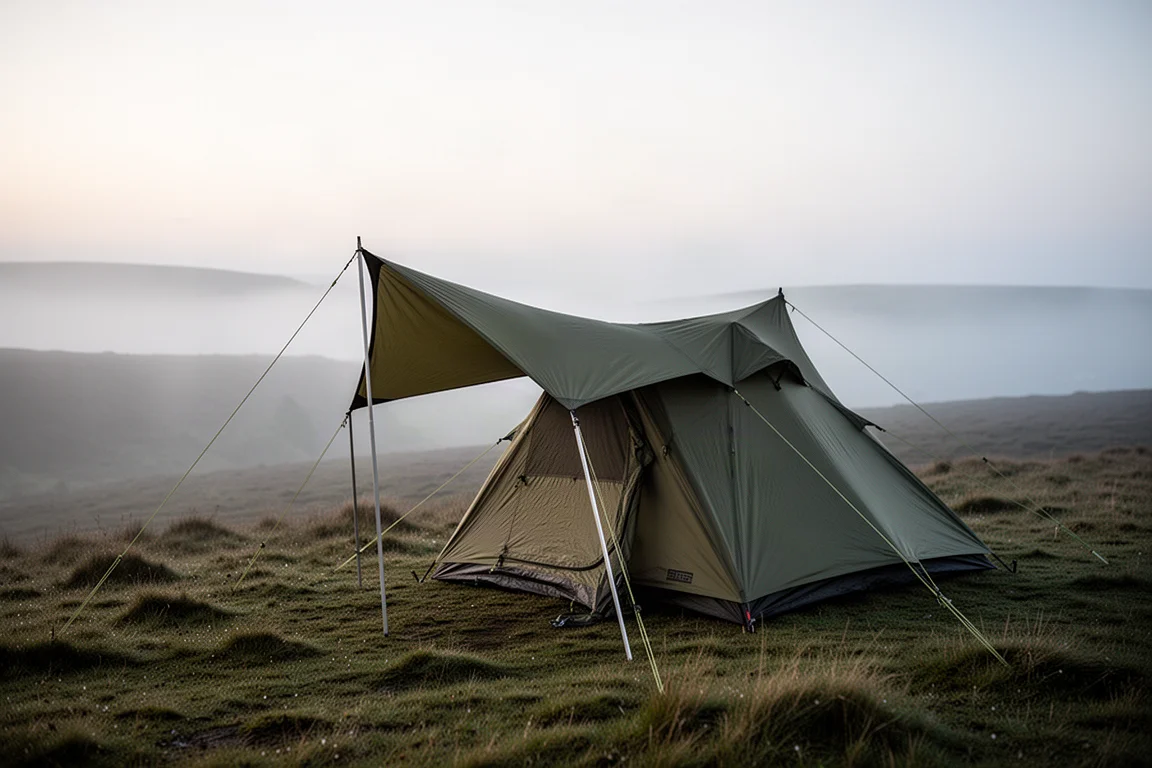
The Otimus Xlite Nomad Solo arrives with an unusually confident pitch: a four-season, one-person tent that its maker describes as the only tent you will ever need. It comes from a young UK company, and the first production batch sold out quickly after launching in May.
At around £294 for the tent and £30 for the footprint, it sits in a price bracket where buyers expect taped seams, alloy poles and a flysheet that stays attached to the inner. The Nomad Solo delivers all three, along with a fully freestanding design and a set of small details that suggest a manufacturer paying attention to how tents are actually used.
The open question is not whether it is well made. It is whether one tent can genuinely cover summer heat, autumn rain and winter wind without compromise.
Who the Otimus Xlite Nomad Solo Is For
This is a tent for solo campers who want a single shelter for the whole year rather than a collection of seasonal options. The solid inner and low-profile shape point towards colder months, while the freestanding structure means it can be pitched without pegging where the ground will not take stakes.
It also suits backpackers who are willing to carry a little more weight in exchange for weather protection. At 1.8 kg it is not ultralight by modern standards, but for a four-season solo tent that figure is reasonable rather than excessive.
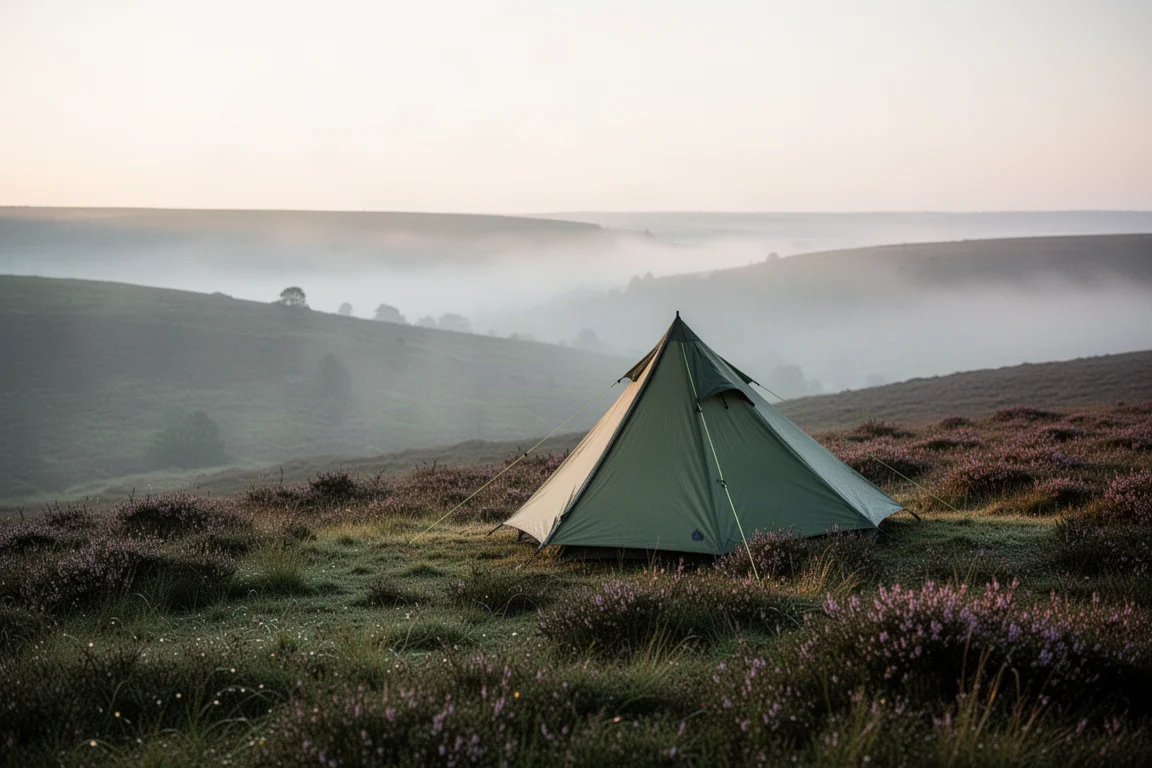
Campers who regularly walk long-distance routes in warm, humid conditions may want to think carefully. The inner uses a fairly solid fabric with limited mesh, which is a benefit in cold weather and less of one in a hot summer.
Design and Build Quality
The flysheet is 20 denier ripstop nylon, silicon coated on the outside and PU coated on the inside, with taped seams and double stitching throughout. The inner and flysheet arrive connected, held by clips that make separation and reattachment straightforward. Ventilation openings on both sides include a mesh layer.
The poles are 8.5 mm aluminium in a 701 T6 grade, a common specification in the tent industry. They are colour coded, with red ends matching red sleeves and a black centre pole. The design is fully freestanding, so the shelter holds its shape before any pegs go in, though pegging out is still recommended.
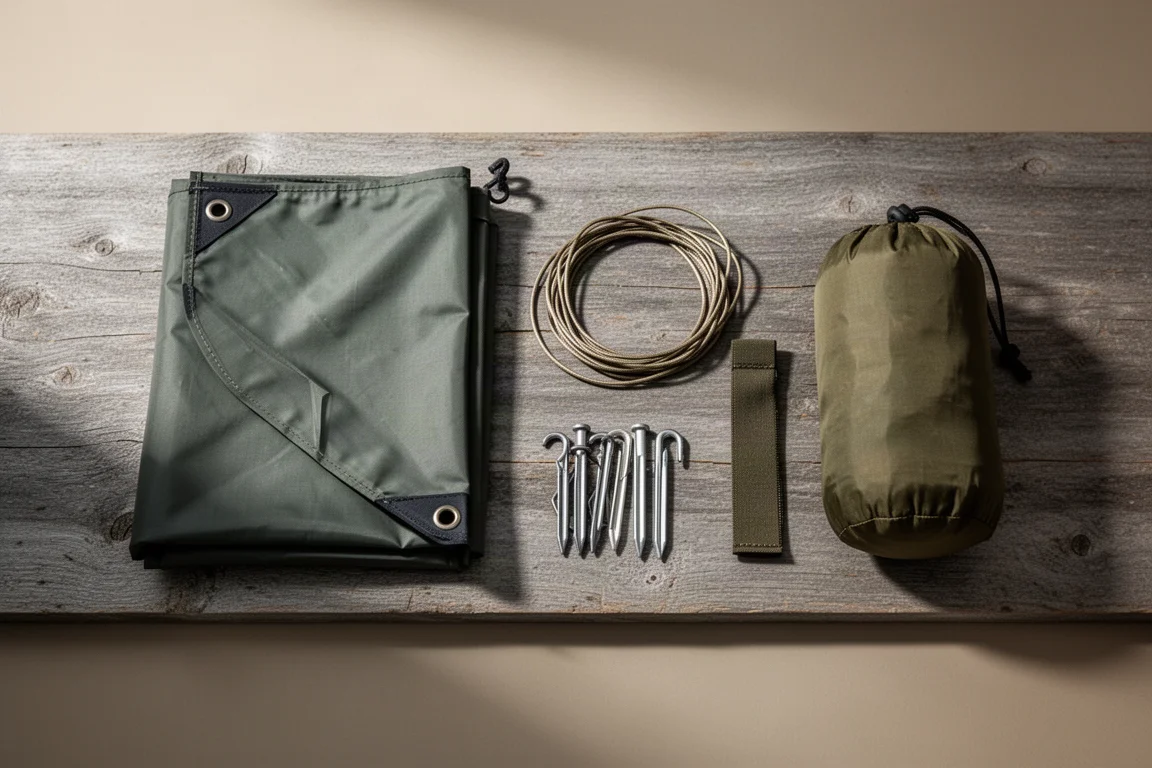
The footprint attaches with toggles and rings at each corner rather than bungee cord, which is the kind of hardware usually reserved for more expensive tents. It can stay attached between trips, so the whole package remains a single unit. The stuff sack is deliberately oversized, which makes packing up considerably less frustrating.
Pegs are Y-shaped with a spiral twist, and the package includes a repair kit and a pole repair sleeve. The pegs are shorter than ideal for a four-season tent, where longer stakes for the main guy lines are worth having in wind.
Pitching and Weather Performance
Pitching runs from the bottom up. The two top sleeves are colour coded, and the pole ends slot into them. These sleeves spread load across the top of the tent, reducing pressure on individual tabs and adding real strength to the structure.
The trade-off appears in wind. Because the top of the tent has to be raised early in the pitch, the rest of the flysheet is left flapping while the poles go in. A design that could be built up level by level, guying out as it goes, would be easier to manage in exposed conditions.
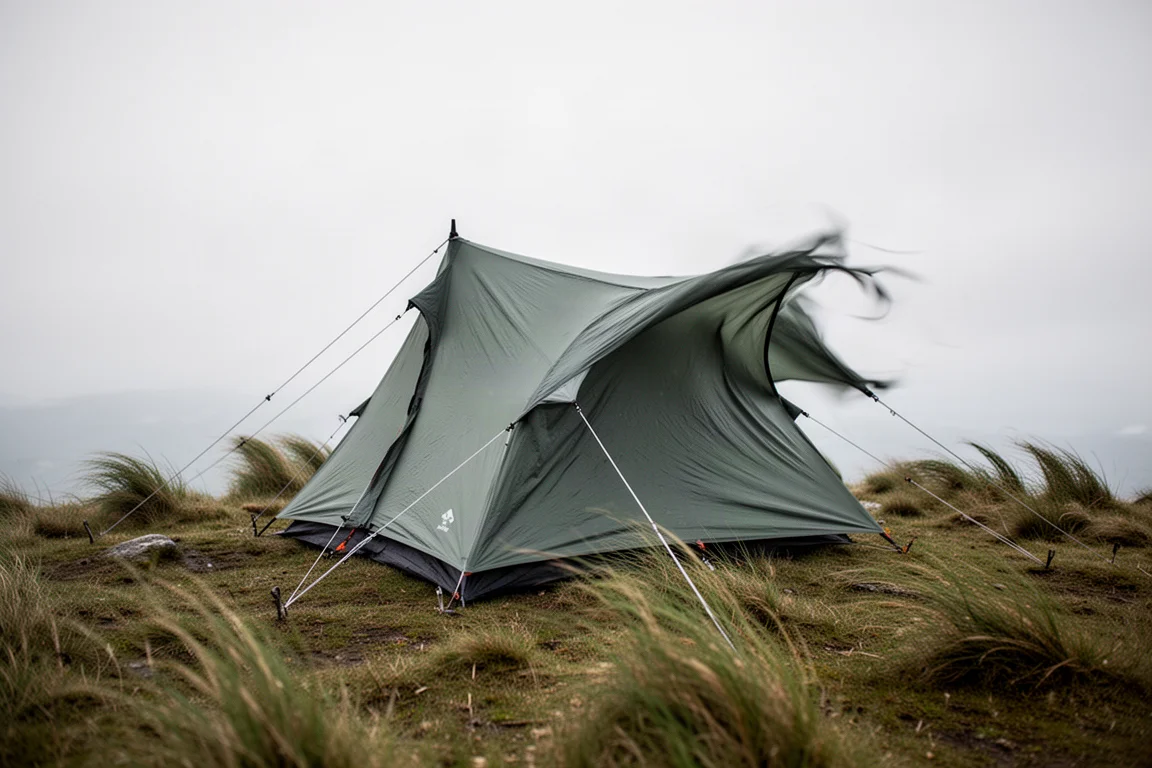
Adjustable clips at the top, three in total, wrap around the poles and tighten the fly. The guy lines are around 3 mm and supplied as a single length, so they can be cut into sections and doubled up with loops at each end for extra security. Once every line is pegged out, the tent becomes noticeably more taut and stable, including across the largest panels.
Living Space and Interior Details
For a one-person tent, the interior is generous. A regular wide sleeping pad fits with room left at the foot end and space alongside for gear. Headroom is adequate for most users, though anyone around 6 ft 6 in may touch the top, and sleepers over roughly 6 ft 2 in may find their feet close to the end wall.
The bathtub floor sits high, and the zips are YKK units that run smoothly. A strap tucked under the door makes rolling it up easier, and the inner door can be opened and closed one-handed, with a pocket to store it rather than rolling it away. There is a washing line across the interior and a hang point for a lantern.
Storage is modest. There are small pockets at the head end on both sides, a gear storage area that will hold a stove and titanium pots off the floor, and a pocket at the bottom for the stowed inner door. The vestibule offers useful space, and the footprint can be unclipped and pulled back to create a floor for cooking.
One detail to note is the gap between inner and outer. It is not especially wide, so a strong crosswind could push the flysheet into contact with the inner.
Things to Consider Before Buying
The most important consideration is that this is a new tent from a new company. There is no long-term data on how the tie-out points, sleeves and coatings hold up over several seasons, and no track record for how the fabric behaves through days of continuous rain or repeated multi-day trips.
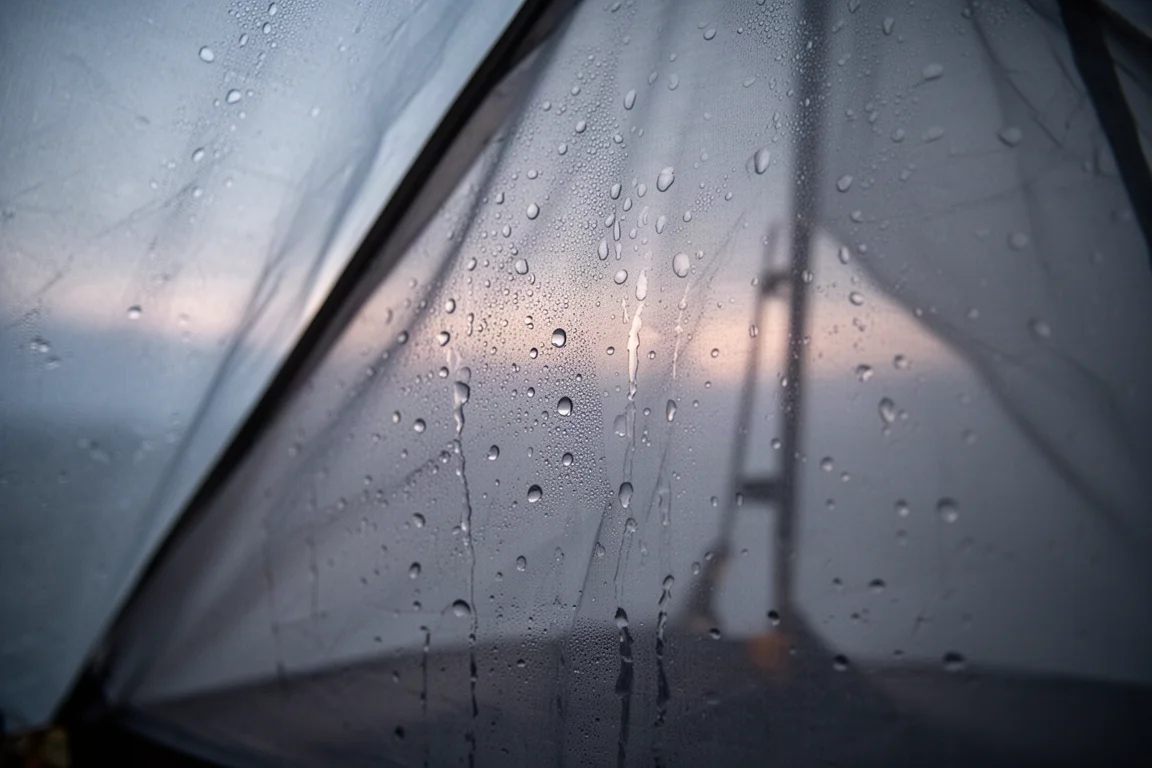
There is also a question of condensation. With a fairly solid inner and a narrow gap to the fly, managing moisture over consecutive wet days takes more effort than it would with a more breathable or easily wiped inner. The door zip is not two-way, so it cannot be opened from the top to vent warm, damp air.
A few smaller points are worth knowing. The inner fabric is thinner than some four-season tents use, and it is not yet clear how windproof or breathable it proves in practice. The door opening works well when seated inside but could be a little wider. The branding on the side is large and prominent, which will not appeal to everyone.
In warm summer conditions, the limited mesh makes the tent less comfortable than a dedicated summer shelter. Buyers who camp mostly in heat should weigh that against the cold-weather strengths.
How the Four-Season Claim Holds Up
The claim that this is the only tent you will ever need is best read as a statement about compromise rather than perfection. Any single tent can cover a full year if the owner is willing to adapt: a solid inner means warmer clothing is needed in summer, and a mesh inner means extra insulation is needed in winter.
Judged on that basis, the Nomad Solo makes a sensible case. Its solid inner, taped seams and load-spreading top sleeves suit colder months and exposed pitches, and the freestanding structure helps on hard or rocky ground. It is a genuinely versatile shelter rather than a specialist one.
What it cannot do is remove the trade-offs. Anyone walking long distances in hot, humid conditions may still prefer a lighter, more breathable tent, and anyone expecting serious snow loading will want more evidence from harsh winter use before committing.
Buying Advice
At £294 for the tent and £30 for the footprint, the Nomad Solo sits in a competitive part of the market. Buying both together came to £313, and a 5% discount is available for signing up by email, which softens the cost of the footprint further.
For the money, the specification is strong: alloy poles, a silicon and PU coated flysheet, taped and double-stitched seams, YKK zips and a footprint that attaches with toggles instead of cord. The attention to detail, from the oversized stuff sack to the gear storage area and washing line, is the sort of thing usually found on more expensive tents.
The honest recommendation is to buy it as a capable three-to-four-season solo tent for UK and similar conditions, not as a universal answer to every trip. Campers who want one shelter for most of the year and value a freestanding pitch will find a lot to like here. Those who need proven performance in extreme winter weather, or maximum ventilation in summer heat, should look at more established options and accept a higher price.
Conclusion
The Otimus Xlite Nomad Solo makes a strong first impression. Build quality looks high, the materials are appropriate for the price, the pitch is robust once fully guyed out, and the small design decisions suggest a manufacturer thinking about real use.
The reservations are equally clear. It is a new product from a new brand, so durability is unproven, and the ventilation and condensation behaviour over long wet trips remains an open question. The four-season label is credible, but the claim of being the only tent anyone will ever need applies to almost any well-chosen tent.
For solo campers shopping around £300, it is a well-considered option worth shortlisting, provided the compromises match the trips being planned.
Product link
View more details for Otimus Xlite Nomad Solo
This product is mentioned in the review. Check the specifications, options, and compatibility before buying.
View more details for Otimus Xlite Nomad SoloFurther reading
Related Reviews
Camping Tents
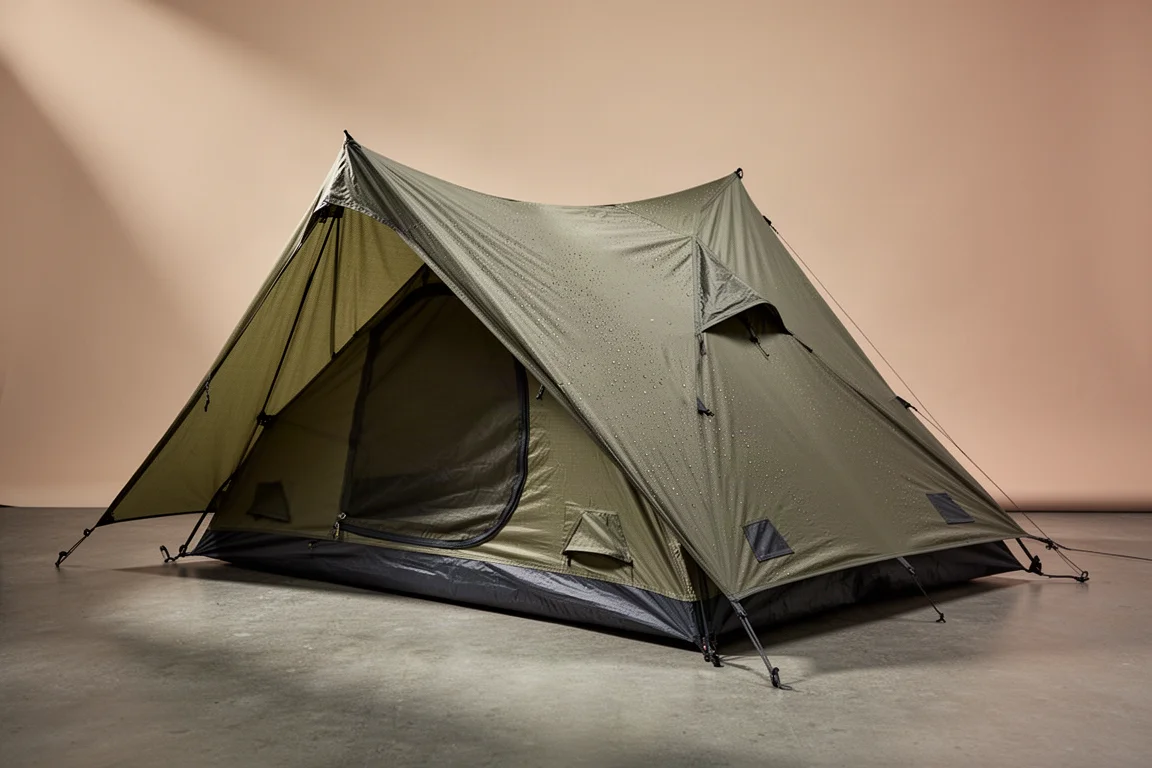
3F UL Gear Taiji Two-Person Tent Review: Field Waterproofing Results and Buying Advice
The Taiji pairs an attached fly with a removable inner, but sustained rain exposed untaped vent seams that need sealing before this shelter can be trusted.
Camping Tents
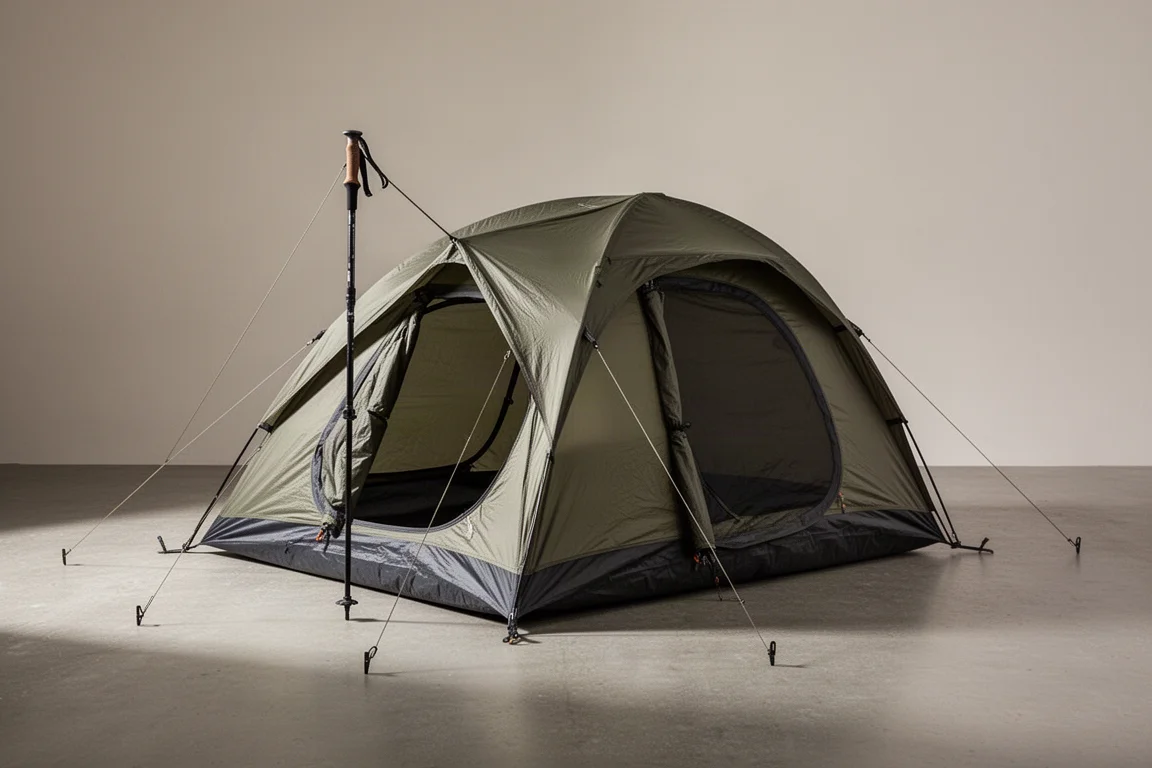
3FUL Gear Lanshan 2 Pro 4-Season Review: A Sub-$200 Single-Wall Trekking Pole Tent
An early look at the 3FUL Gear Lanshan 2 Pro 4-Season, covering its straightforward pitch, generous interior space, and the condensation and seam-sealing questions that come with any single-wall shelter.
Camping Tents
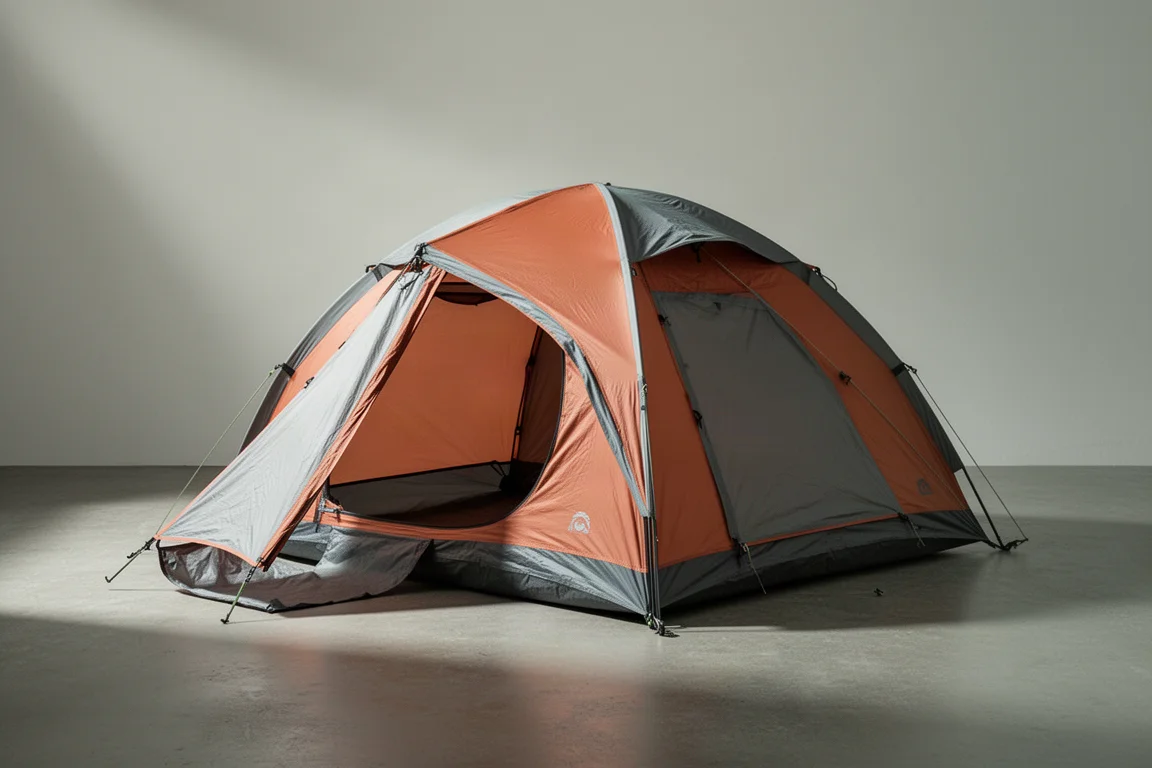
Alps Mountaineering Lynx 1-Person Tent Review: Big Value in a Small Budget Tent
A close look at the Alps Mountaineering Lynx 1-Person Tent, covering real interior dimensions, materials, setup time, ventilation limits, and who should buy it.