Backpacking Gear
Osprey UNLTD AntiGravity Review: A $700 Pack Built for Comfort and Ventilation
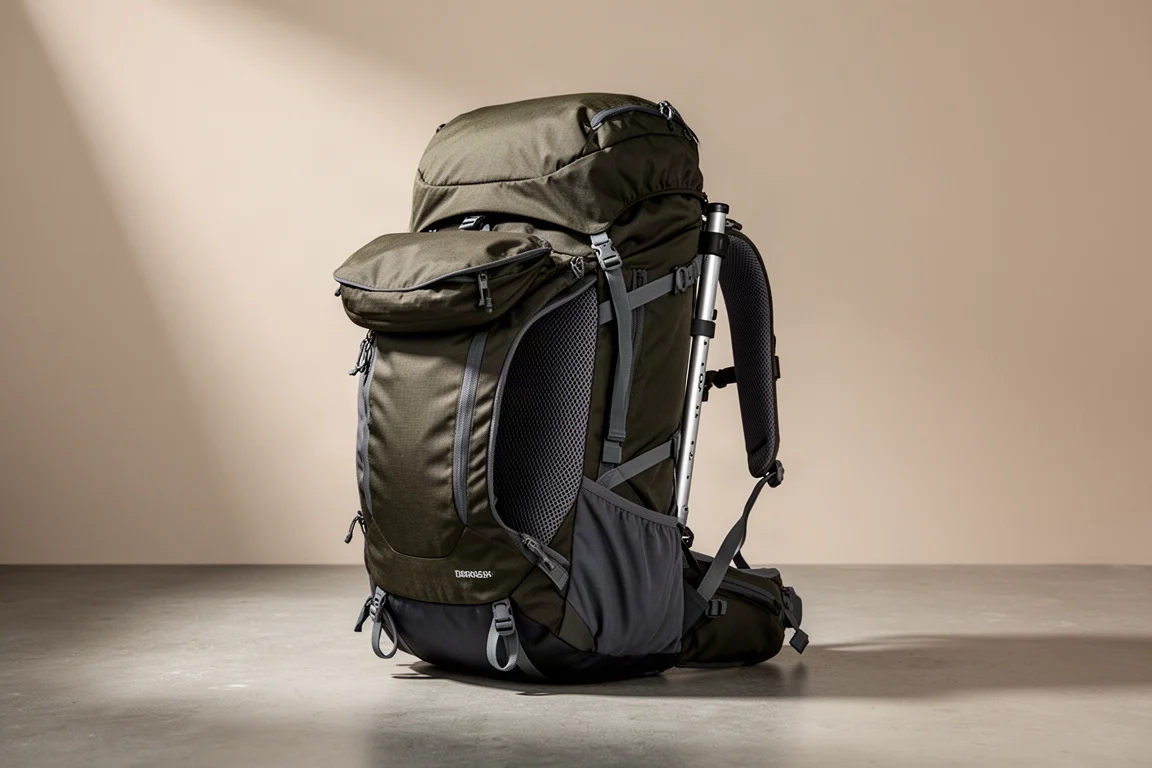
The Osprey UNLTD AntiGravity pairs a detachable lumbar lid, a 3D printed carbon fibre lumbar pad, and a highly adjustable harness with a price that sits far above the mainstream backpacking market.
Introduction
Osprey positions the UNLTD AntiGravity as the most advanced backpack it has built, and the company spent roughly two years developing it. It sits in the UNLTD series alongside the AirScape, which is shaped to sit close to the body and carry heavier loads, while the AntiGravity is tuned specifically for maximum comfort and maximum ventilation.
The price is the first thing most buyers will notice. At $700 plus shipping and tax, the AntiGravity sits well above the mainstream backpacking market, where even the lightest packs generally stay below that figure. That gap is what makes the pack interesting: it is not competing on weight, it is competing on comfort, ventilation, and adjustability.
This review walks through what the pack actually offers, who it suits, and where the trade-offs sit before you commit.
Who the Osprey UNLTD AntiGravity Is For
The AntiGravity is aimed at backpackers who rank carrying comfort and airflow above pack weight. It comes in men’s and women’s versions, each in two sizes: a small to medium at 64 litres and a large to extra large at 67 litres. The small to medium weighs 5.5 pounds, which is substantial for a modern backpacking pack and a clear signal about where the priorities lie.
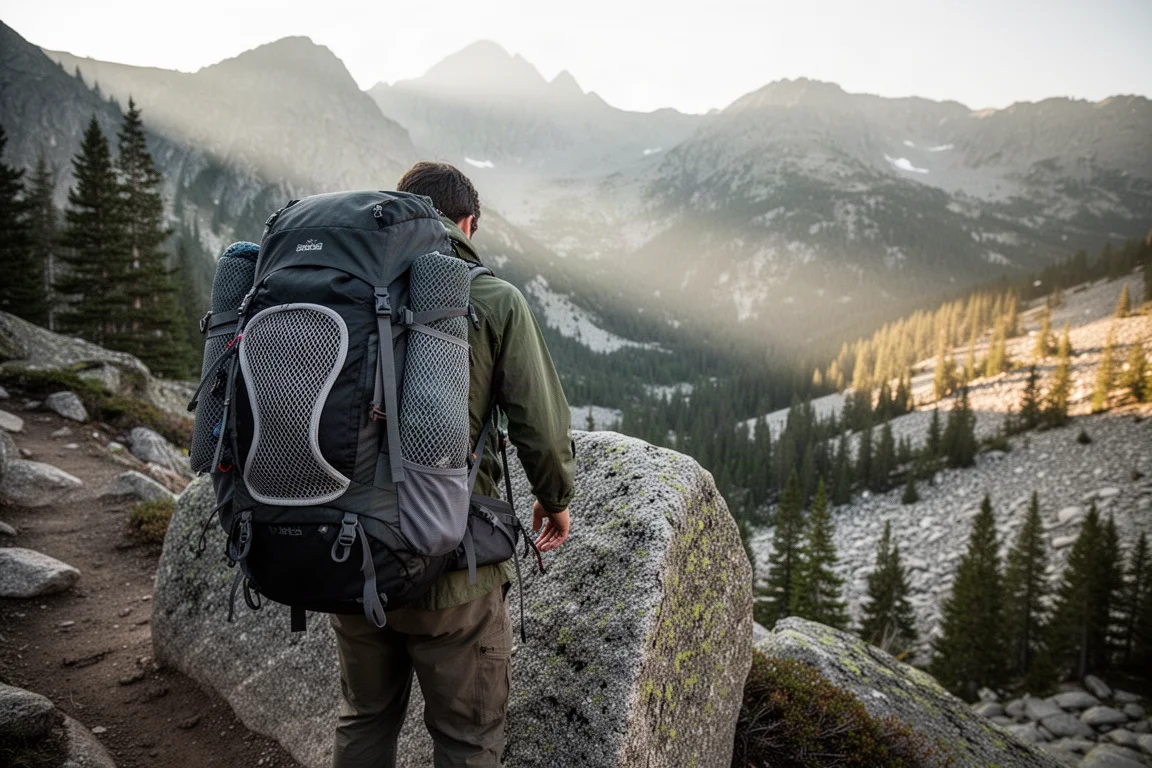
That weight is the price of a suspension system designed to spread load across the back and hips rather than strip grams. It makes most sense for multi-day trips where a heavier pack that carries well is a better trade than a lighter pack that carries poorly. Buyers chasing the lowest possible base weight should look elsewhere in the range.
Main Strengths
Build quality is the first thing that stands out. The main body uses a 210 denier nylon with an ultra high molecular weight polyurethane ripstop, the bottom uses a 500 denier bluesign recycled nylon, the zippers come from YKK, and the frame is 7D75 aluminium. The construction reads as a premium product, and the feature list is unusually long.
A Detachable Lid That Becomes a Lumbar Pack
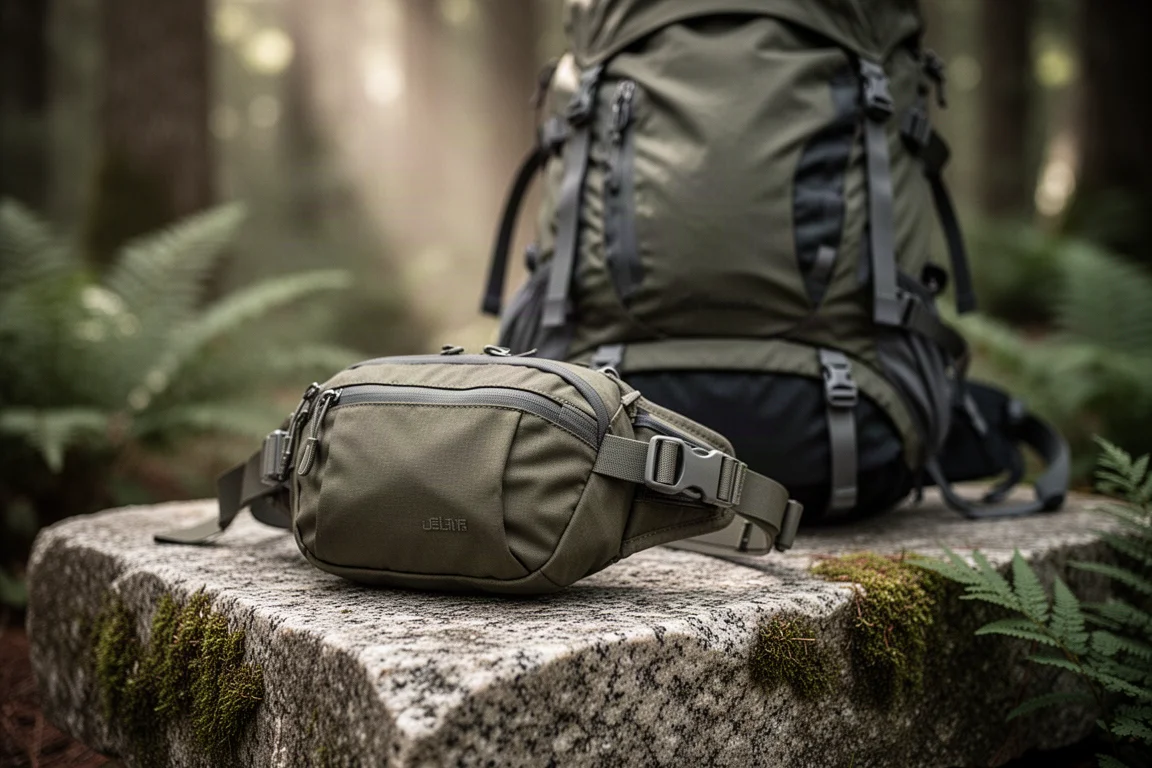
The top lid detaches and converts into a lumbar pack worn around the waist. Inside there is enough room for water bottles, a snack, a phone, a battery bank, a GPS unit, and even a small hydration bag. The lid connects to the main body through a hook at the top plus an additional connector lower down, so it stays secure when attached.
As a lid, it carries a set of loops for strapping down items, a water resistant zip with a pocket and a key clip inside, and a second, larger double-zipper pocket below it. Once the lid is removed, the top of the pack sits completely flat around the top-loading entry.
Below the top entry, a second access point opens the pack through a side clamshell, and it runs in the opposite direction to most clamshell designs. The interior is deliberately simple, with no sleeves or hooks, and the only fixed compartment is a sleeping bag section at the bottom, secured by a flap and two buckles. A rain cover lives in its own zippered pocket beneath the clamshell zips, and the sides carry large stretchy pockets that swallow gear or bottles, with a quick access hydration sleeve on the right side.
Ventilation-First Back Panel and AutoLift Suspension
The back panel is where the design gets genuinely unusual. There is mesh throughout, and the webbing across the back has a sticky, almost rubberised feel so the pack grips and moves with your body rather than sliding around. At the base of the back panel sits a 3D printed carbon fibre lumbar pad, a construction that is rare in backpacking packs.
The AutoLift system is the other headline feature. Its load lifters do not work like traditional load lifters: adjusting the main straps also moves the load lifters, so the shoulder straps and the lift geometry change together. Elsewhere on the harness there are clips for hydration tubes, an adjustable sternum strap with an emergency whistle, and thick padding with a mesh outer layer. A zippered compartment at the top of the back panel holds a hydration bladder in a sleeve with a support hook, placing the bladder behind your back.
Adjustability Across the Whole Harness
Few packs adjust in as many places as this one. The harness can be raised or lowered, the torso length can be set, and the hip pads can be extended or shortened, all secured with a centre buckle. There is a single pocket on the left side of the hip belt and none on the right, which keeps the right side clear for the hydration access.
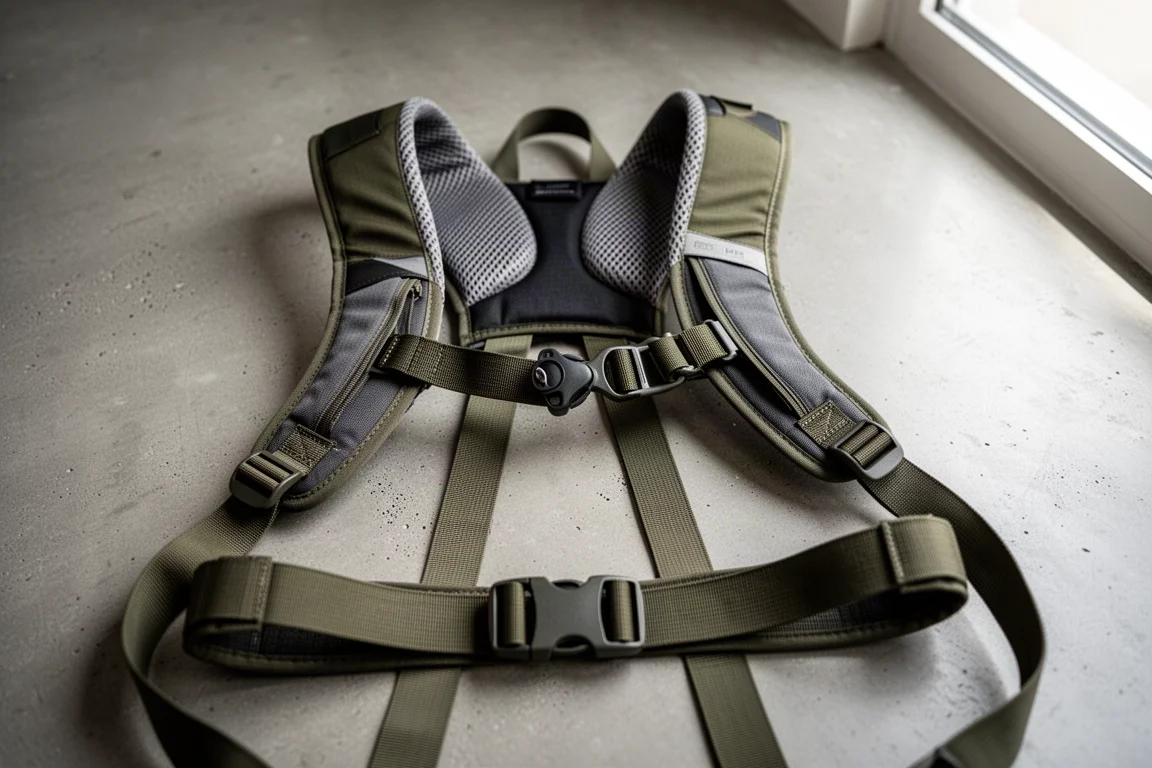
Because the harness, torso and hip belt all move independently, the pack can be dialled in closely for different body shapes and load sizes. That level of adjustment is the core of the comfort argument at this price.
Materials, Frame, and Included Travel Cover
The pack measures 31.8 inches high, 16.1 inches wide and 15.3 inches deep, with the 7D75 aluminium frame running through the back panel. Practical details are covered too: gear loops for trekking poles and ice axes, bottom loops that can be pulled out or stowed away, two buckled straps for attaching gear to the outside, and compression straps on each side.
Those compression straps do more than tighten the load. Releasing them pulls back a flap and reveals two independent centre pockets with a divider between them, each running a good distance down the pack. Importantly, those pockets are not squeezed shut when the main compartment is full, because the design leaves extra material for them.
The pack also ships with an air travel cover for the whole system.
Things to Consider Before Buying
Price is the central question. The AntiGravity builds on the design of the original Atmos AG, which sells for around $270. At $700, the difference has to be justified by more than a nicer finish. If the pack turns out to be a more comfortable version of a proven design rather than a genuine step forward, that is a hard gap to close.
Weight is the second consideration. At 5.5 pounds for the small to medium, this is not an ultralight pack, and buyers spending at this level often expect ultralight materials. Anyone prioritising base weight will find the AntiGravity working against them.
Third, the air travel cover is included rather than offered as an optional add-on. It is genuinely useful for some travellers, but everyone pays for it whether they use it or not.
Buying Advice
The AntiGravity makes sense for a specific buyer: someone who carries moderate to heavy loads on multi-day trips, values airflow across the back on warm climbs, and wants a harness that can be adjusted in almost every dimension. For that person, the comfort and ventilation features are the reason to look at this pack rather than a lighter one.
If instead your priority is the lowest possible pack weight for the money, the AntiGravity is the wrong tool. The Atmos AG remains a strong option at a much lower price, and it shares the design language this pack grew out of. It is also worth deciding up front whether you will actually use the included travel cover, since that cost is baked into the price.
A reasonable approach is to compare the AntiGravity against the lightest pack you would realistically carry and ask which one you would rather have on your back at hour six of a long day. The answer usually points clearly to one side of that trade.
Conclusion
The Osprey UNLTD AntiGravity is a genuinely feature-rich pack with premium materials, an unusual 3D printed carbon fibre lumbar pad, a detachable lumbar lid, and an adjustability system that few rivals match. It is also heavy for its class and priced far above the mainstream backpacking market.
Whether the performance justifies the price is the question that matters, and it comes down to how much you value carrying comfort and ventilation over grams and dollars. Backpackers who prioritise those two things will find a lot to like here. Those who want the lightest pack their money can buy should look at the alternatives first.
Product link
View more details for Osprey UNLTD AntiGravity
This product is mentioned in the review. Check the specifications, options, and compatibility before buying.
View more details for Osprey UNLTD AntiGravityFurther reading
Related Reviews

Backpacking Gear
Building a 10 lb Base Weight: An Ultralight Backpacking Gear List
A practical walkthrough of the ultralight pieces behind a 10 lb base weight, from a 765 g pack and a roomy one-person tent to a full camp chair and a dependable water filter.
Backpacking Gear
A 15-Pound Lightweight Backpacking Gear List for Solo Trips
A beginner-friendly 15-pound backpacking setup built from easy-to-find gear, with notes on what each piece does, how it packs, and where to spend your attention.
Backpacking Gear
8 Ultralight Backpacking Gear Upgrades Worth Carrying
Eight small, affordable backpacking upgrades that solve real trail annoyances, from a pillow that stays put to a fuel valve that rescues leftover canister gas.