Backpacking Gear
Osprey Unlimited Anti-Gravity 64 vs Atmos AG: Which Backpacking Pack Is Worth It?
A long-term look at Osprey's premium backpacking pack and how it stacks up against the more affordable Atmos AG it was built upon.
Introduction
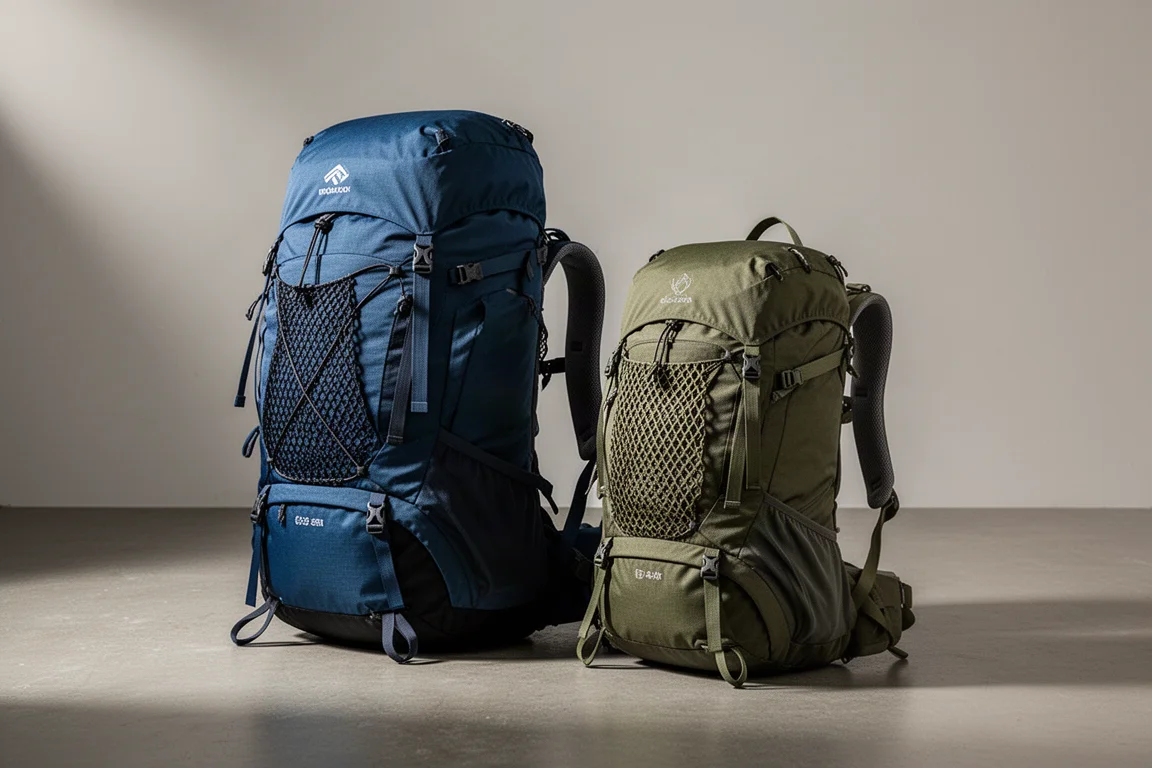
Osprey’s Unlimited Anti-Gravity 64 is the most ambitious backpacking pack the brand has produced: a 64 liter hauler built from the strongest materials in its catalog, with a suspension system that took more than two years to develop. It is also priced around $700, which puts it roughly three times the cost of the Atmos AG, the pack it was built upon and the pack it still has to beat.
That comparison shapes everything below. After extended use with loads from about 22 lbs up to around 35 lbs, the verdict is straightforward. The Unlimited Anti-Gravity 64 is a very good backpack with one genuinely exceptional strength. The Atmos AG delivers most of the same experience for a fraction of the money.
How the Osprey Unlimited Anti-Gravity 64 and Atmos AG Compare
The two packs share a family tree. The Atmos AG is the platform; the Unlimited Anti-Gravity 64 takes that design and rebuilds it with every material and component Osprey could put into a backpack. The Unlimited line also includes an Airscape version built for carrying heavier loads, though the Anti-Gravity is the model covered here.
The meaningful differences come down to three things: ventilation, rigidity, and weight. The Unlimited moves air better than any pack in this class, holds its shape more firmly against the back, and carries more mass because of its stronger fabrics and frame. The layout, access points, and general carrying philosophy stay close to the original.

If you already like how the Atmos AG carries, you will recognize the Unlimited Anti-Gravity 64 immediately. The question is not whether it works. The question is whether the upgrades justify the price gap.
Osprey Unlimited Anti-Gravity 64: Materials, Comfort, and Fit
Materials are the first thing you notice. Every stitch is clean, the fabrics feel premium, and the pack gives the impression that it will outlast several ownership cycles. This is a clear step up from the Atmos AG, which uses tough, durable materials of its own but sits at a much lower price point.
The harness system is fully adjustable. Torso length, waist belt, and shoulder harness can all be dialed in without taking the pack off, which is something the Atmos AG cannot match. With loads ranging from 22 lbs to around 35 lbs, the pack carried comfortably in every configuration, and the numerous compression straps let you lock a load down so it barely shifts on the move. A top zipper and a U-shaped lower zipper give two ways into the main compartment, and the lid can be run on the pack, worn as a fanny pack, or left at home when you do not need the space.
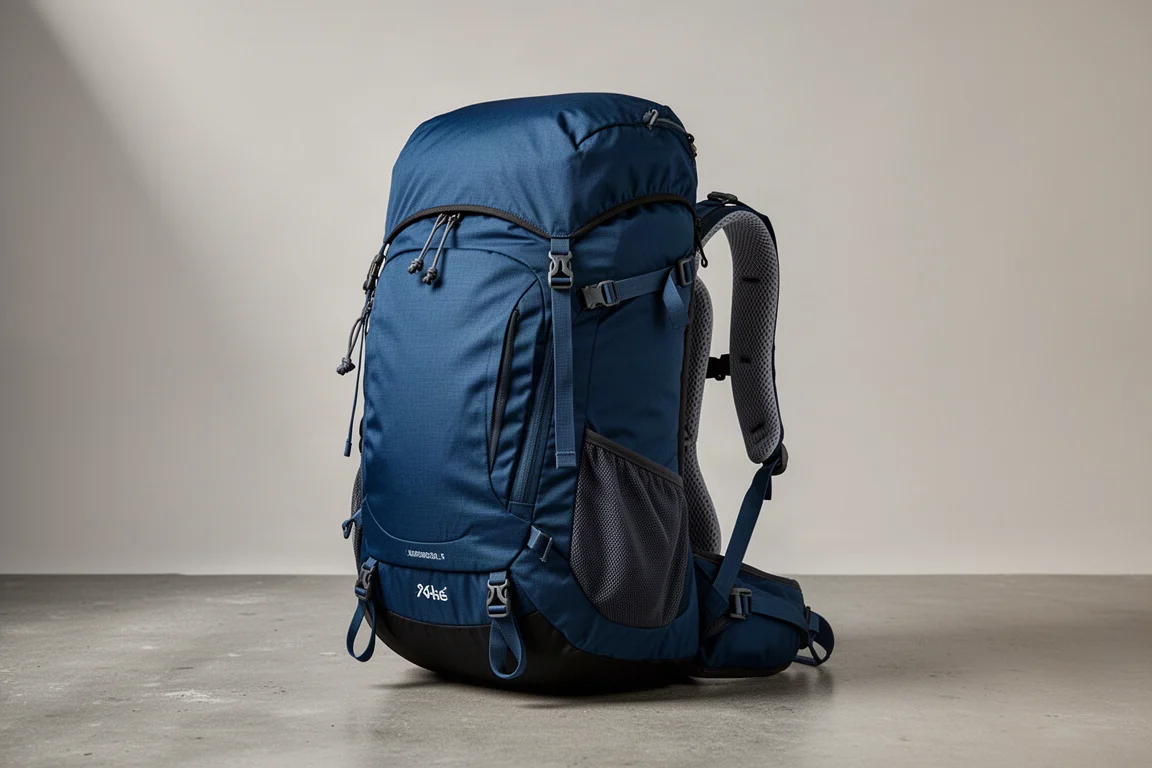
Comfort is excellent, with one important caveat covered further down: the frame is extremely rigid, so the fit is very much a matter of matching the pack to your body.
Ventilation and Weather Protection on the Unlimited Anti-Gravity 64
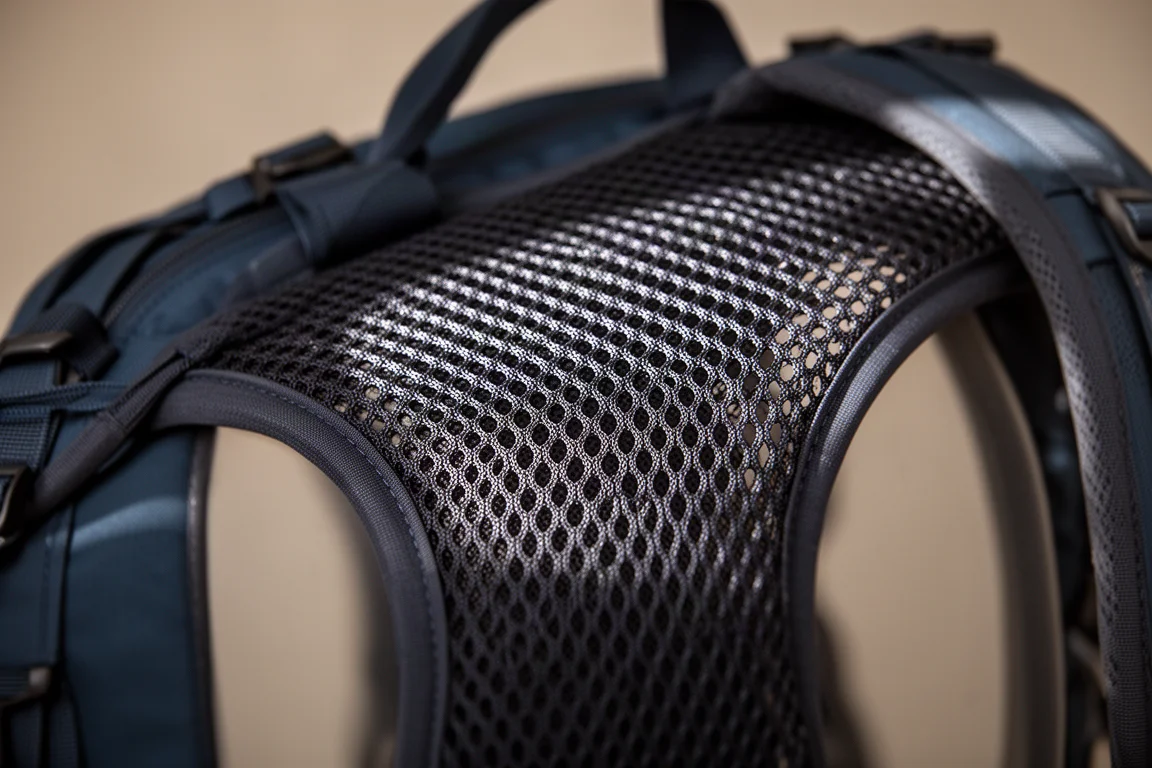
This is where the Unlimited Anti-Gravity 64 separates itself. The 3D printed back panel and lumbar support create a level of airflow that is noticeably better than the Atmos AG and better than any other pack in this comparison. In hot, dry conditions, including off-trail hiking in desert terrain with temperatures around 85 degrees Fahrenheit, the back and shoulders stayed dry after the pack came off. That is a rare result.
Weather protection is strong as well. The fabrics are highly water resistant, which is enough for light rain, and a rain cover is included for heavier downpours. The compression straps help keep the load tight and the profile narrow when the pack is not fully packed out.
Where the Unlimited Anti-Gravity 64 Gives Ground
Price is the first issue. At around $700, the pack needs to be better than the Atmos AG in more than one area, and it is not. Aside from ventilation, the difference in day-to-day performance is small, and the Atmos AG already handles the same terrain with the same comfort.
Weight is the second. The Unlimited Anti-Gravity 64 weighs about 5.5 lbs, which is heavy for a 64 liter backpacking pack. The stronger materials that make it durable also make it heavier, and the Atmos AG is backed by the same lifetime guarantee, so the extra toughness matters less than it first appears.
Size and rigidity round out the list. The pack is very large, and when worn it sits high enough that you cannot tip your head straight back without contacting the top of the frame. It hugs the body like a shell, which is comfortable but always noticeable. Because the frame offers very little flex, larger body types are likely to find it less comfortable than smaller, leaner users will. Trying it on before buying is essential.
Two more practical points: the pack ships with a travel duffel designed for flying with the backpack, which adds cost for buyers who will never use it, and the angled water bottle pockets cannot be reached while the pack is worn, so drinking on the move means stopping or asking for help.
Osprey Atmos AG: The Value Alternative
The Atmos AG is the pack the Unlimited Anti-Gravity 64 was built on, and it remains the more sensible purchase for most backpackers. At around $240, it carries well, stays comfortable over long distances, offers strong ventilation of its own, and uses materials that are tough enough to last. It also comes with the same lifetime guarantee.
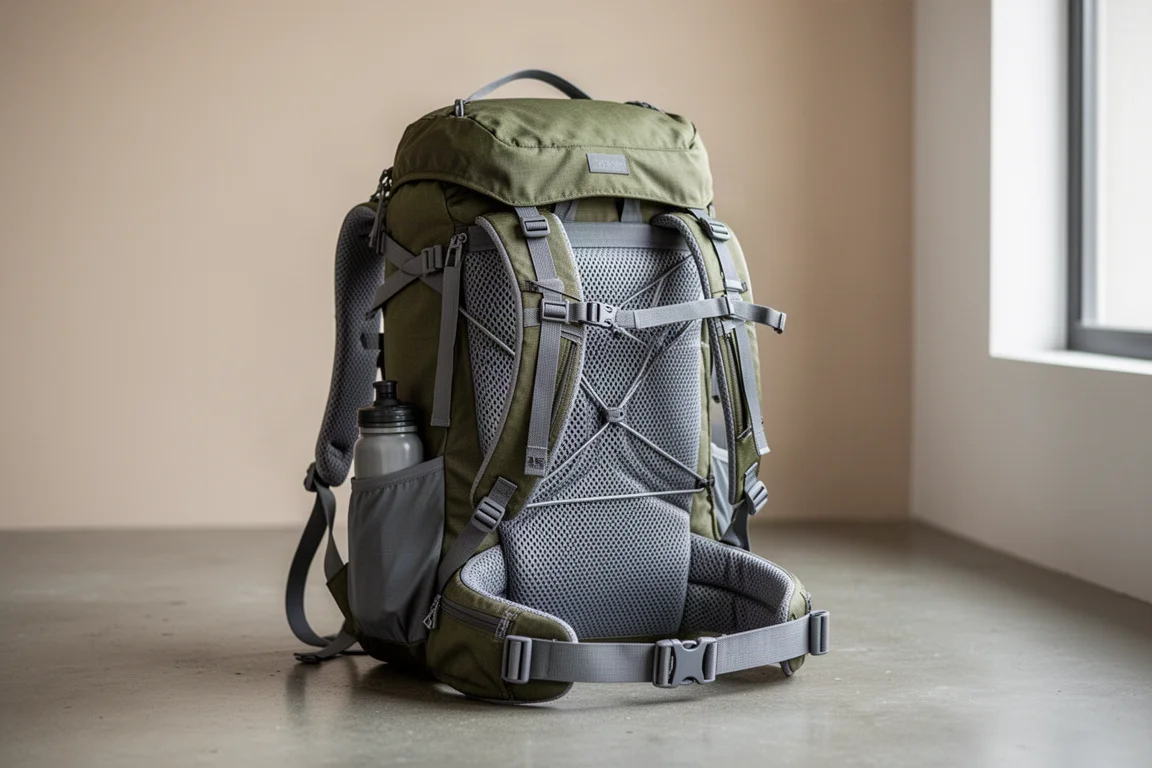
What you give up is the on-the-fly adjustability and the top tier materials. What you keep is the large majority of the real-world experience, at roughly a third of the price.
Fit, Loadouts, and Real-World Performance
Both packs handle real backpacking loads without drama. The Unlimited Anti-Gravity 64 carried everything from a 22 lb overnight setup to a 35 lb load with no complaint, and the on-the-fly adjustment made it easy to fine-tune the fit as the day went on. The Atmos AG does the same job with slightly less rigidity and a friendlier fit across a wider range of body types.
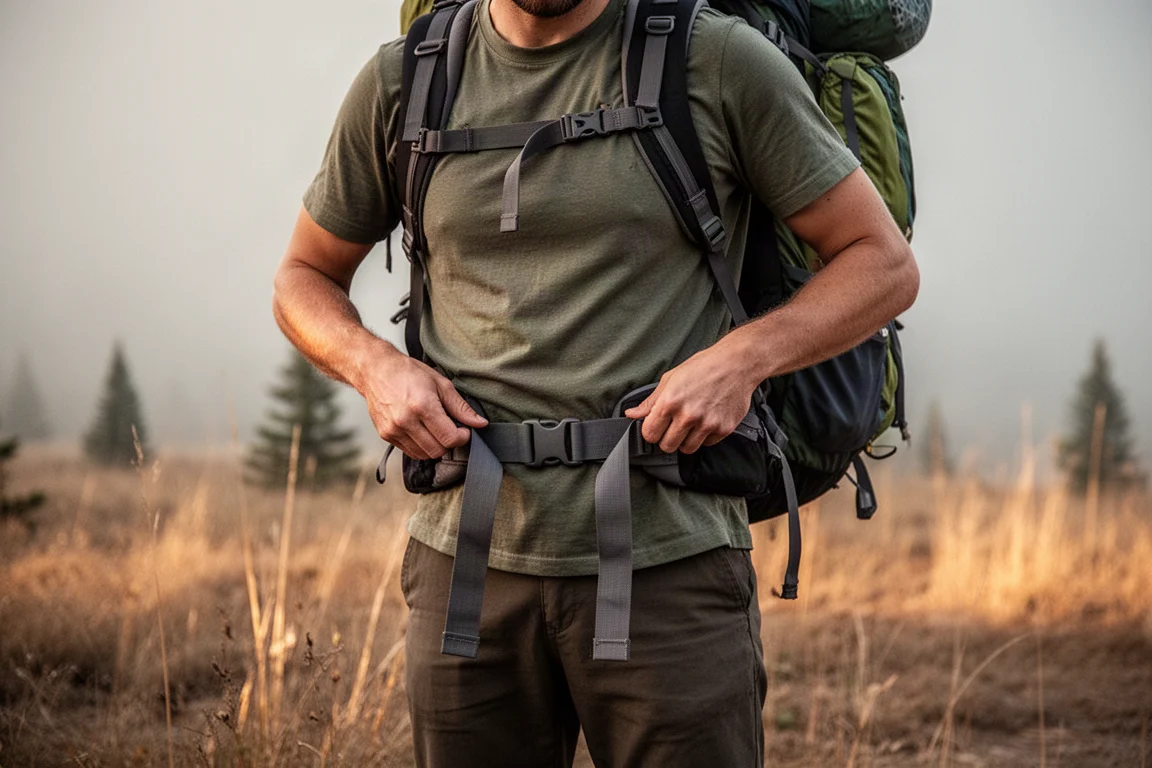
The trade-off is that the Unlimited never disappears from your awareness. Its shell-like fit, its size, and the contact at the top of the frame keep it present in a way that a lighter, softer pack does not. Whether that matters depends on how much you value the airflow on hot, exposed climbs.
Warranty, Longevity, and Ownership Costs
Both backpacks are covered by a lifetime guarantee that applies regardless of when the product was made, which lowers the risk of buying either one. That coverage is worth factoring into the value calculation: the Atmos AG is already built to last, and the guarantee covers it, so paying extra for stronger-than-necessary materials has a limited return.
The included travel duffel on the Unlimited Anti-Gravity 64 is a good example of cost that not every buyer needs. It is a useful item if you fly with your pack, and dead weight on the price tag if you do not.
Buying Advice: Which Osprey Backpack Makes Sense
If ventilation is your single biggest priority and you regularly hike hard in hot conditions, the Unlimited Anti-Gravity 64 is the better pack, and nothing else in this comparison comes close on airflow. Budget for the weight and the size, and try it on before committing, because the rigid frame rewards a precise fit.
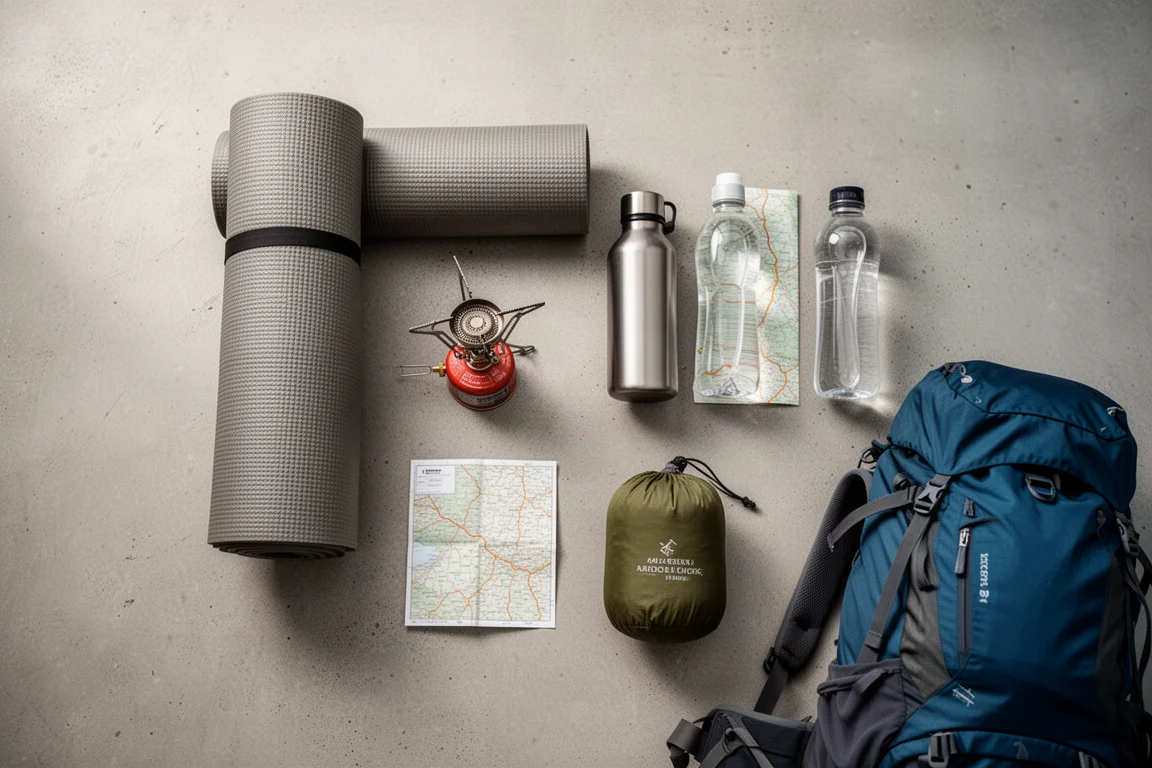
For everyone else, the Atmos AG is the recommendation. It is comfortable, durable, well ventilated, backed by the same lifetime guarantee, and costs far less. The money saved covers a lot of other gear, or a lot of extra trail time.
Conclusion
The Unlimited Anti-Gravity 64 is a very good backpack that struggles to justify its price. Its materials, build quality, adjustability, and ventilation are all genuinely impressive, and the ventilation in particular stands apart from everything else here. But it is heavy, it is bulky, it is rigid, and against the Atmos AG it does not move the needle far enough to make sense at around $700.
Choose it for the airflow and the build. Choose the Atmos AG for nearly everything else.
Further reading
Related Reviews

Backpacking Gear
Building a 10 lb Base Weight: An Ultralight Backpacking Gear List
A practical walkthrough of the ultralight pieces behind a 10 lb base weight, from a 765 g pack and a roomy one-person tent to a full camp chair and a dependable water filter.
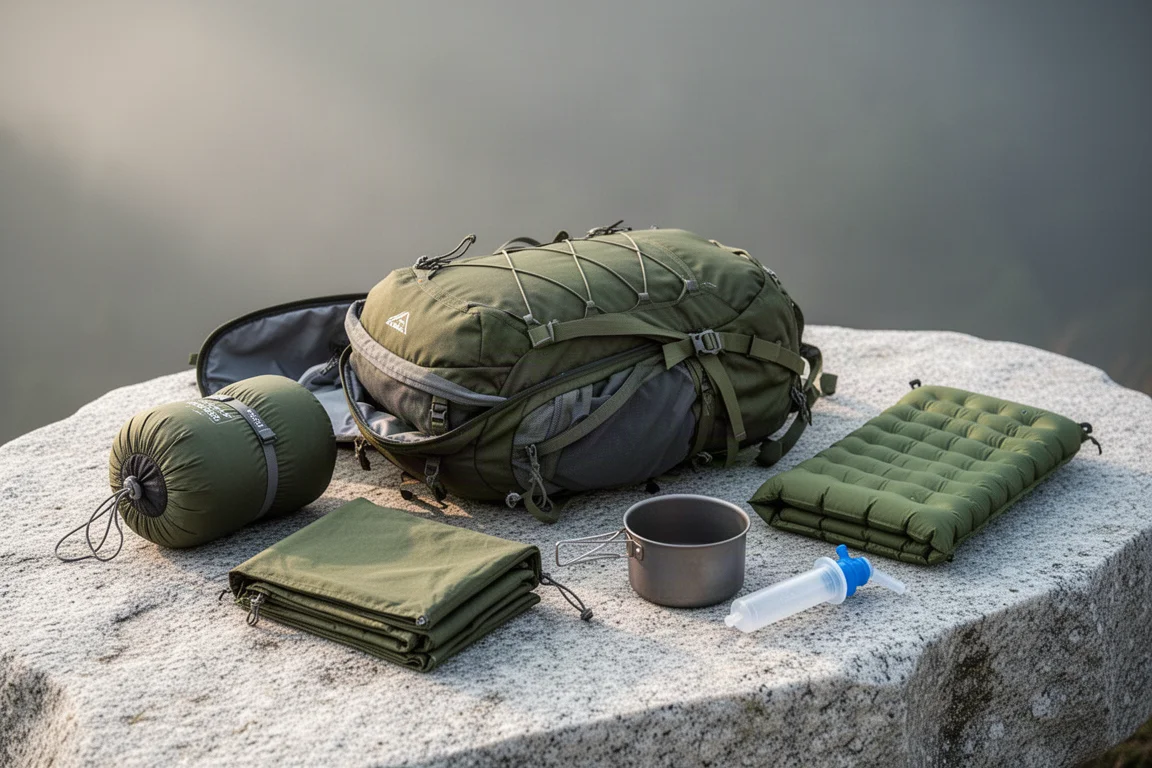
Backpacking Gear
A 15-Pound Lightweight Backpacking Gear List for Solo Trips
A beginner-friendly 15-pound backpacking setup built from easy-to-find gear, with notes on what each piece does, how it packs, and where to spend your attention.
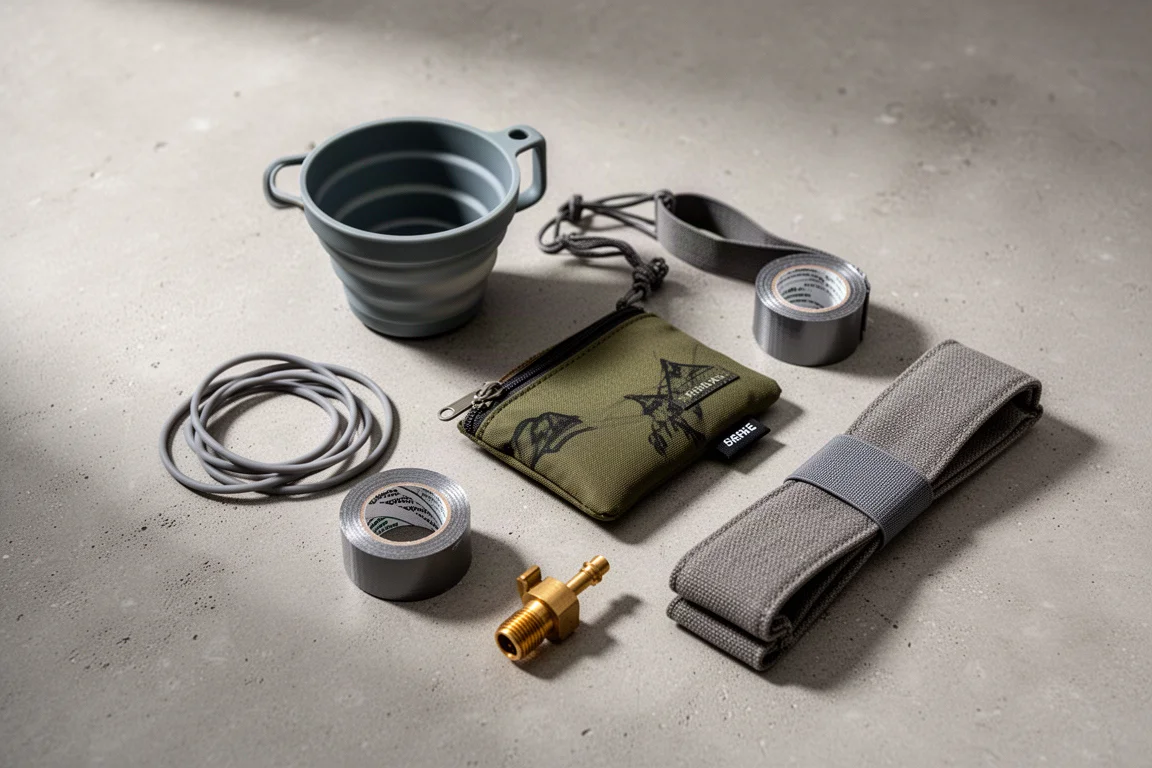
Backpacking Gear
8 Ultralight Backpacking Gear Upgrades Worth Carrying
Eight small, affordable backpacking upgrades that solve real trail annoyances, from a pillow that stays put to a fuel valve that rescues leftover canister gas.