Backpacking Gear
Osprey Unlimited 64 Anti-Gravity Review: A Premium Load Hauler Built Around Comfort
A close look at the Osprey Unlimited 64 Anti-Gravity, a premium 64-litre backpacking pack with a ventilated Anti-Gravity harness, clamshell access, and a lid that converts into a lumbar pack.
Introduction
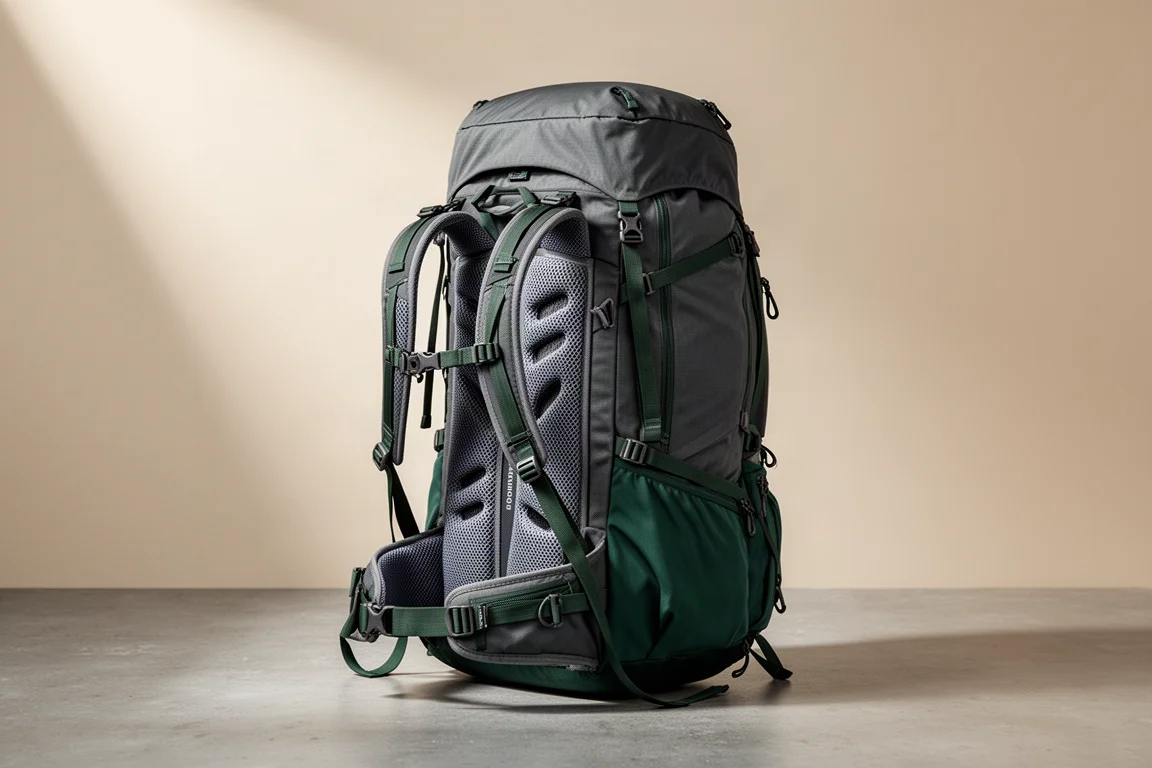
The Osprey Unlimited 64 Anti-Gravity sits at the very top of Osprey’s backpacking range, and it is priced to match at around £650. That number places it firmly in premium territory, so the fair question is not whether it is expensive but whether the design earns the outlay. It does not read like a familiar Osprey pack with a larger price tag attached. It introduces an entirely different frame architecture, a new back system, and a lid that detaches into a separate carry option.
At 64 litres, the pack offers enough capacity for multi-day trips and longer travel, and Osprey offers it in two configurations. One version uses a convertible day sack as the lid, while the version examined here uses a convertible lumbar pack. Both share the same core body, harness, and frame.
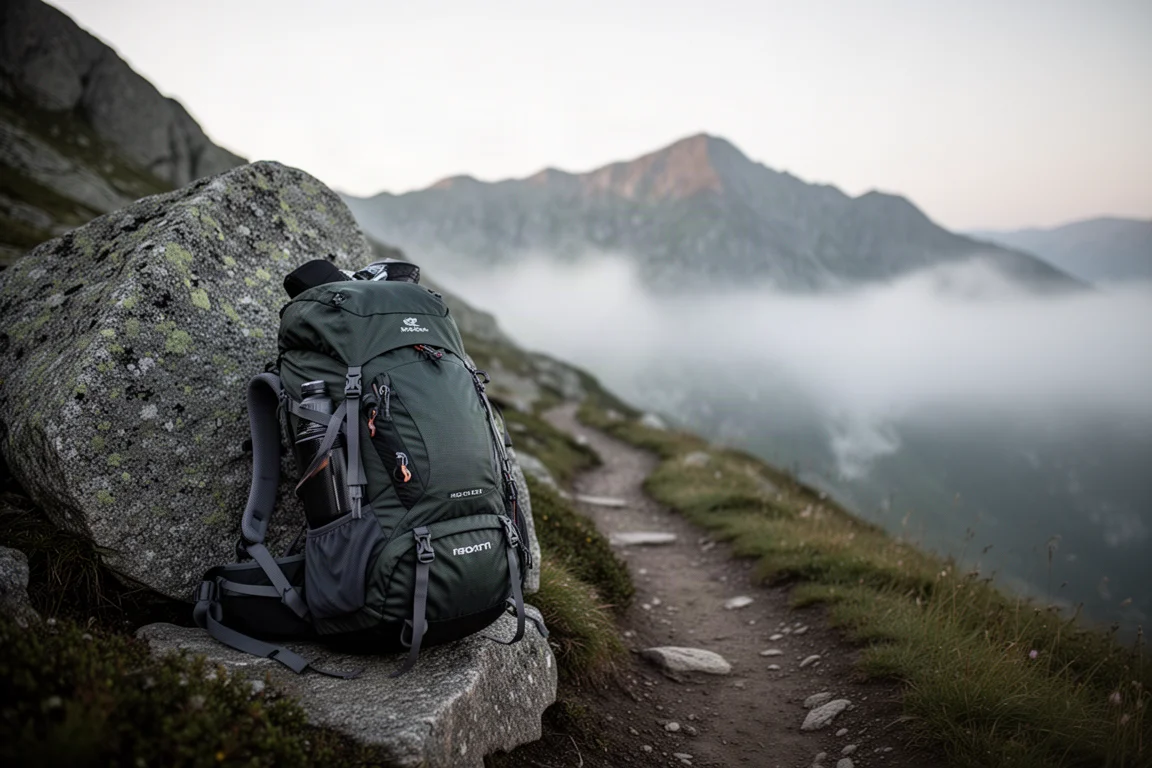
This review walks through who the pack suits, where it performs best, and what to weigh up before committing to a purchase at this price point.
Who This Backpack Is For
This is a pack for backpackers who carry meaningful weight and want that weight managed properly. The Anti-Gravity back system, the ventilated harness, and the aluminium and stainless steel frame are all built around load transfer rather than shaving grams. Anyone who has struggled with a lighter pack that becomes uncomfortable once it is fully loaded will immediately understand the appeal.
It is also a strong candidate for travellers who move between camps and cities. The removable lid converts into a lumbar pack for valuables, and the travel cover stored inside the lid lets the main pack be covered for transport. That combination makes it a genuinely dual-purpose design rather than a pure trail pack.
It is not aimed at ultralight purists. The pack weighs approximately 2.5 kg, which is a deliberate trade for structure, padding, and ventilation.
Main Strengths
The strongest arguments for this pack sit in three areas: how it carries weight, how easy it is to get at gear, and how the lid and travel cover extend its usefulness.
Carry Comfort and the Anti-Gravity Back System
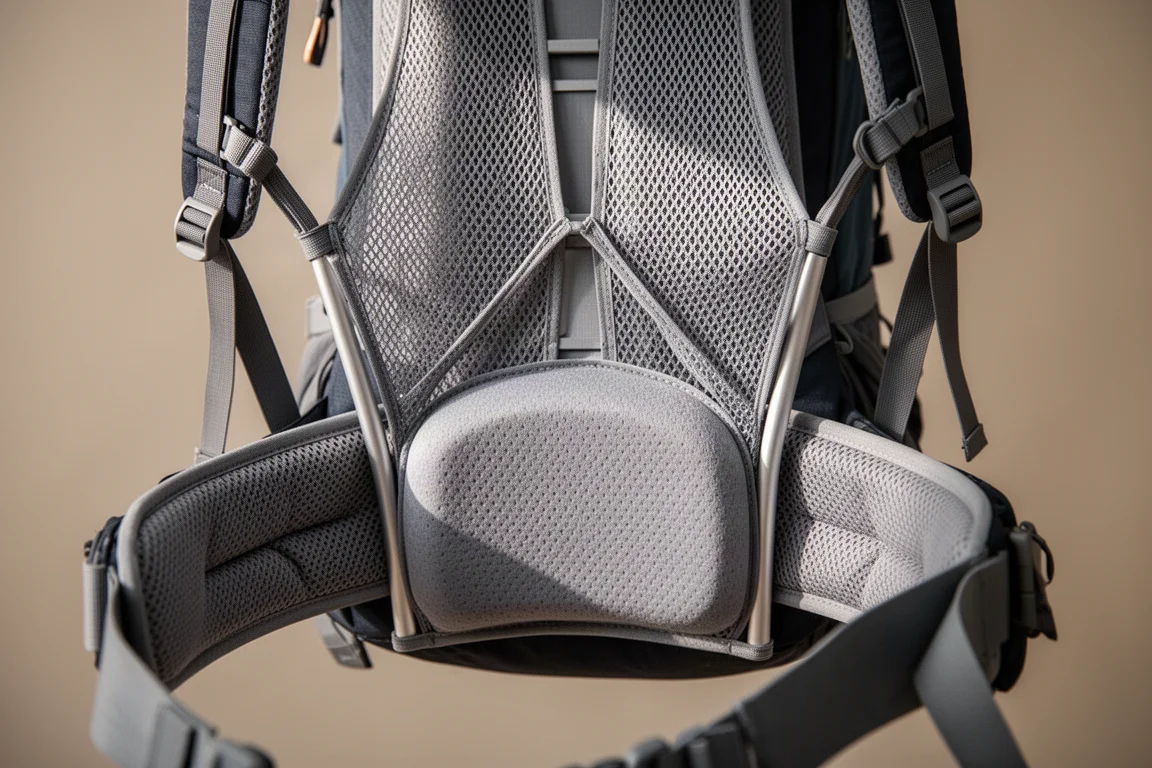
The Anti-Gravity back system combines AirSpeed ventilation with a suspended, highly breathable structure, so air moves freely across the back rather than being trapped against it. A rubberised crisscross web across the contact area helps stop the pack from slipping as you move.
The standout component is a 3D printed carbon lumbar support pad. It is soft and squishy in the hand, heavily ventilated, and non-slip, and it sits exactly where lower back strain tends to build up over a long day. The hip belt is equally airy, with gel-like padding that stays comfortable under load, and it can be adjusted on the fly.
The frame mixes aluminium and stainless steel so that it stays stiff where stiffness matters and flexes where flexibility helps. Combined with four points of adjustment and thickly padded, well-ventilated shoulder straps, the result is a harness that spreads weight across the back, shoulders, and hips rather than concentrating it anywhere.
Access and Organisation
The main compartment offers two points of entry. You can load and reach gear from the top, and you can also open the pack in a clamshell layout that lays the body flat. The clamshell access is the more useful of the two in practice, because you can see the whole interior and fill the awkward gaps that a purely top-loading design hides. A sleeping bag divider and compression straps keep the load stable, and the base holds an integrated rain cover.
Storage is asymmetric by design. On one side there is a generous hip pocket plus a side pocket sized for a one-litre water bottle. On the other side, the hip pocket is replaced by a much larger dual-access side pocket that can be reached without removing the pack. There is no single traditional front stash pocket, so waterproofs live in the side pockets instead.
Elsewhere you get ice axe and trekking pole loops, a detachable strap for lashing a sleeping mat, and a dedicated zip at the top of the back panel for the hydration reservoir. External hydration access is a small detail that makes a real difference once the pack is fully loaded and you do not want to unpack it. The shoulder straps include hydration hose sleeves on both sides and adjustable chest straps.
The Convertible Lid and Travel Cover
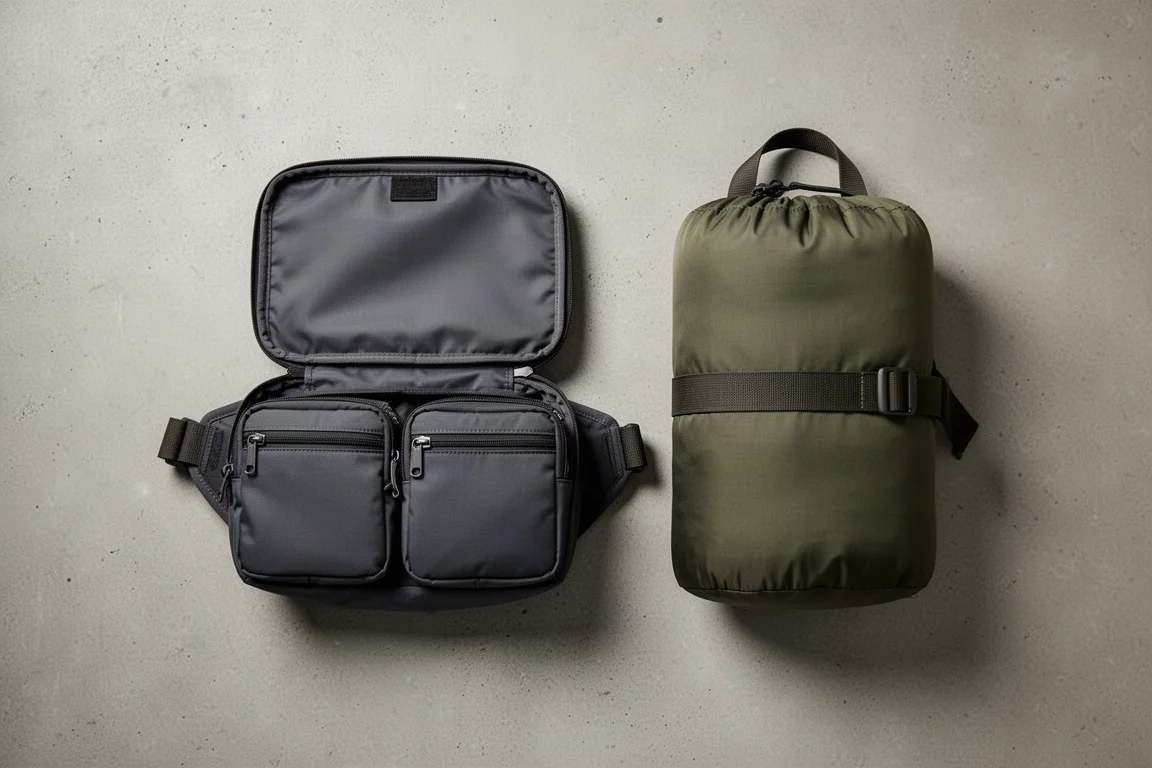
The lid detaches with a clip on each side and a strap at the top, and once removed it becomes a lumbar pack, effectively a bum bag, with waterproof zips and two pockets. It has its own ventilated, fully adjustable back panel, so it carries comfortably on its own. The idea is simple and effective: leave the main pack at camp or in a hotel and take your valuables with you.
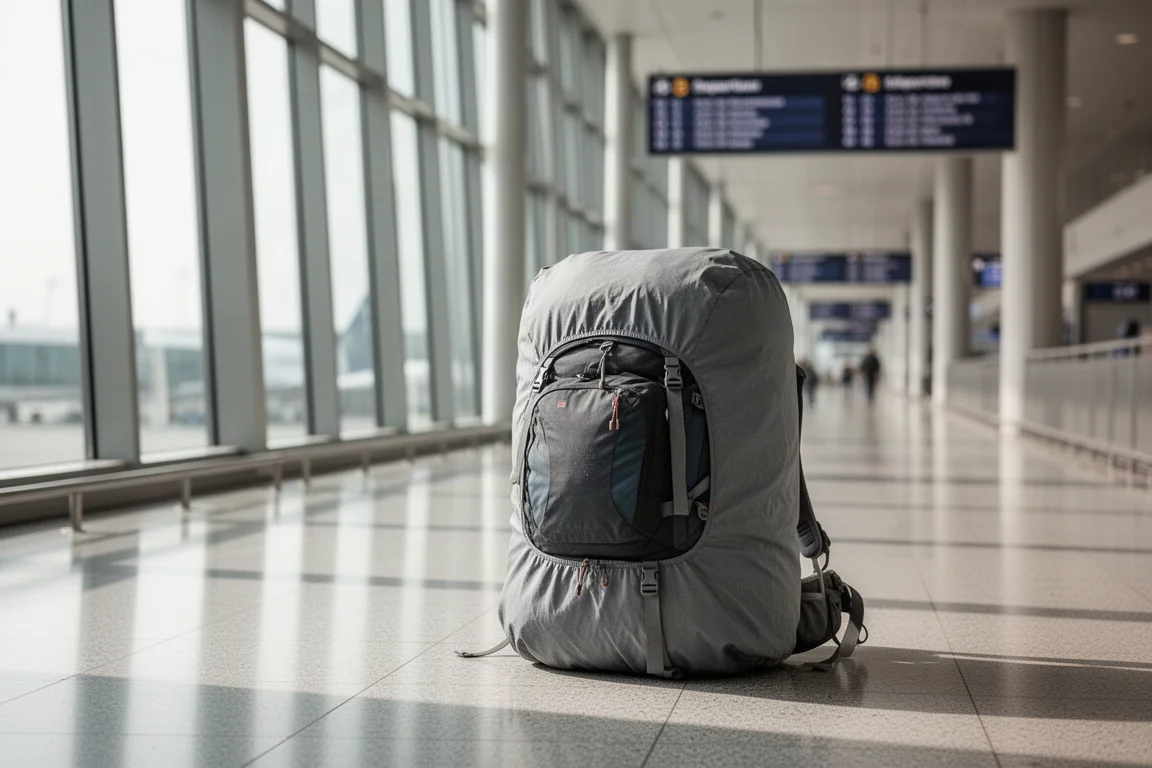
Tucked inside the lid is the travel cover, which folds out to wrap the entire backpack. The cover has a grab handle, a slot for a luggage tag, a shoulder strap, a pocket, and two zips that can be secured with a lock. It turns the pack into something you can hand over for transport without exposing the harness and straps.
Things to Consider Before Buying
The first consideration is weight. At roughly 2.5 kg, this pack is heavier than many alternatives in the same capacity class, and that figure will put some buyers off immediately. The counter-argument is that the harness carries a load so comfortably that the pack’s own weight becomes far less noticeable once it is on your back, particularly with heavier gear inside. If your priority is the lowest possible number on a scale, this is not the pack for you.
The second consideration is price. At around £650, the Unlimited 64 costs more than most backpackers spend on a pack, and that money could cover a substantial amount of other kit. What you are paying for is the frame system, the 3D printed lumbar support, the convertible lid, and the travel cover, all of which are unusual in combination.
The third is sizing and configuration. The pack is available in small/medium, large, and extra large, and the small/medium fitted a 172 cm wearer comfortably. It is also worth confirming which lid variant you want, since the lumbar pack and the day sack versions are different products with different strengths.
Buying Advice
Start with fit rather than features. This pack has four points of adjustment and is designed to be tuned to your torso, so it is worth confirming your size against the small/medium, large, and extra large options before ordering. A correct fit is what allows the frame and hip belt to do their job.
Then decide honestly what you carry. If your trips involve a full load, a sleeping bag, food, and water, the structure here will pay for itself in comfort over long days. If your base weight is already very low and you rarely carry more than ten kilograms, a lighter pack will serve you better and cost less.
Finally, think about how you travel. If your trips combine flights, transfers, and time spent away from the main pack, the convertible lid and travel cover add genuine day-to-day value that a straightforward trail pack cannot match. That combination is the strongest reason to choose this model over a cheaper alternative.
Conclusion
The Osprey Unlimited 64 Anti-Gravity is a remarkable piece of design. The Anti-Gravity back system, the 3D printed carbon lumbar support, the mixed aluminium and stainless steel frame, and the clamshell access all work together to make a heavy load feel considerably lighter than it is. The convertible lid and travel cover turn it into a pack that works as well in transit as it does on the trail.
It is expensive and it is not light, and neither of those facts can be argued away. What can be said is that the comfort on offer is difficult to find elsewhere, and for backpackers who carry real weight and want a harness that spreads it properly, that comfort is the whole point. If the price and the weight are acceptable to you, this is a pack that will look after you for a long time.
Product link
View more details for Osprey Unlimited 64 Anti-Gravity
This product is mentioned in the review. Check the specifications, options, and compatibility before buying.
View more details for Osprey Unlimited 64 Anti-GravityFurther reading
Related Reviews

Backpacking Gear
Building a 10 lb Base Weight: An Ultralight Backpacking Gear List
A practical walkthrough of the ultralight pieces behind a 10 lb base weight, from a 765 g pack and a roomy one-person tent to a full camp chair and a dependable water filter.

Backpacking Gear
A 15-Pound Lightweight Backpacking Gear List for Solo Trips
A beginner-friendly 15-pound backpacking setup built from easy-to-find gear, with notes on what each piece does, how it packs, and where to spend your attention.
Backpacking Gear
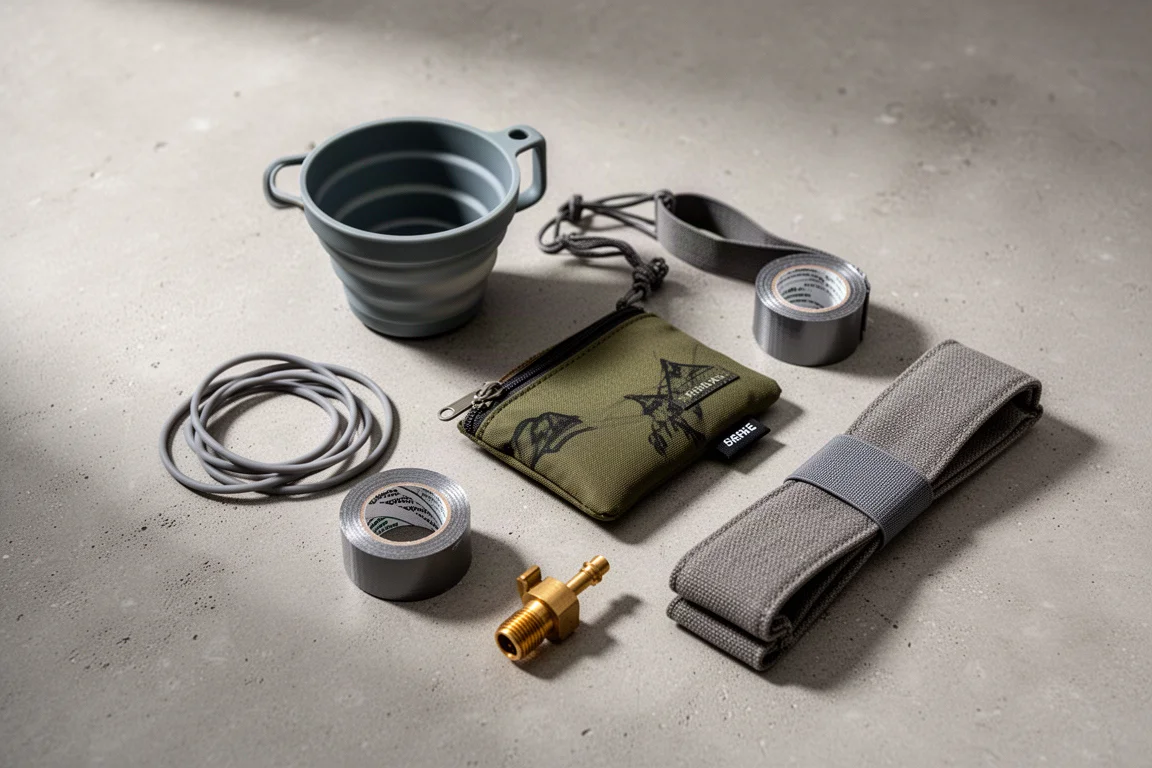
8 Ultralight Backpacking Gear Upgrades Worth Carrying
Eight small, affordable backpacking upgrades that solve real trail annoyances, from a pillow that stays put to a fuel valve that rescues leftover canister gas.