Backpacking Gear
Osprey Rook vs Osprey Atmos AG 65L: Which 65L Backpack Matches Your Load?
A practical comparison of the Osprey Rook and the Atmos AG 65L, covering load range, ventilation, pocket layout, and where the higher price actually pays off.
Introduction
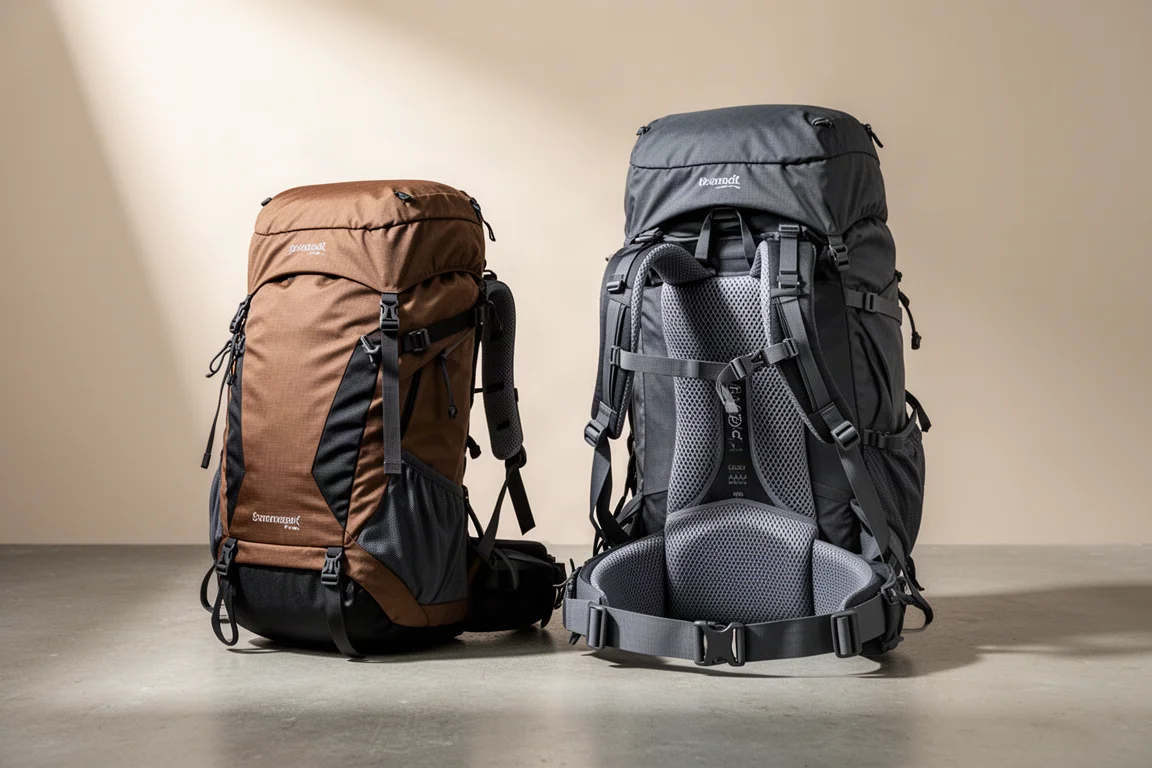
Two Osprey packs, both around 65 litres, and a price gap of well over a hundred dollars. The Rook sells for about $190, while the Atmos AG 65L retails at $325. They look similar, they are built for similar trips, and that raises the obvious question: what does the extra money actually buy?
The short answer is heavy-load comfort. Everything else, from ventilation to stability to build quality, sits closer together than the price tags suggest. This comparison breaks down where the Rook stands on its own, where it gives ground, and which load range should decide the purchase.
What Separates the Rook From the Atmos AG 65L
The Rook is the lighter and simpler of the two at 3.7 lb, and it uses an adjustable torso system that is unusually quick to set up. The Atmos AG 65L is the more expensive option and the one that handles weight better once the load climbs past 35 lb.
The real dividing line is load range. The Rook is comfortable from roughly 20 lb up to about 35 lb, and it performs best toward the lighter end of that window. Loads beyond 35 lb are where the Atmos AG 65L takes over, carrying the same weight with noticeably more composure. The two packs also share one quirk: the structure that provides ventilation in the harness and frame can be audible while hiking.
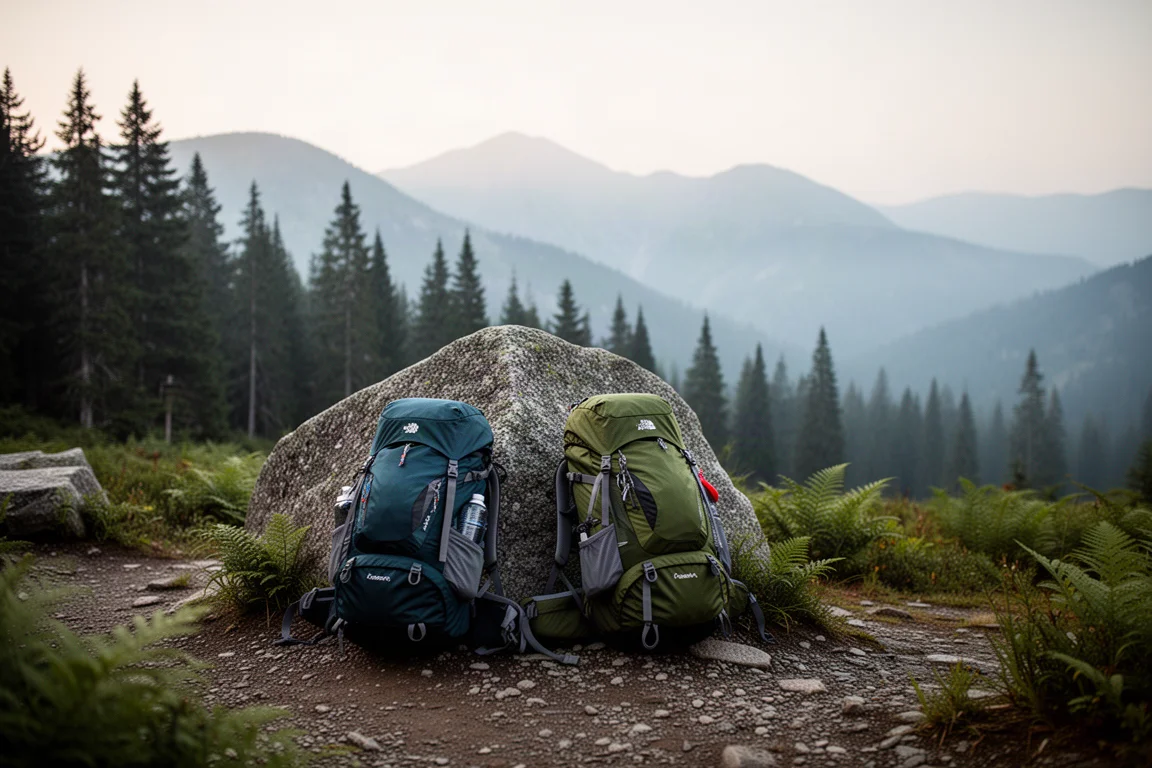
For most three-season trips, total pack weight lands inside the Rook’s sweet spot, which is exactly why the price gap matters less in practice than it looks on paper.
Osprey Rook: Quality, Appearance, and Fit
The Rook is a well-made pack. The stitching is clean, the materials are good, and the craftsmanship is consistent with a brand that has been building backpacks for a long time. The brown and black colorway is also one of the better-looking combinations in this class, and it is the kind of finish that suits a trail rather than only a shop shelf.
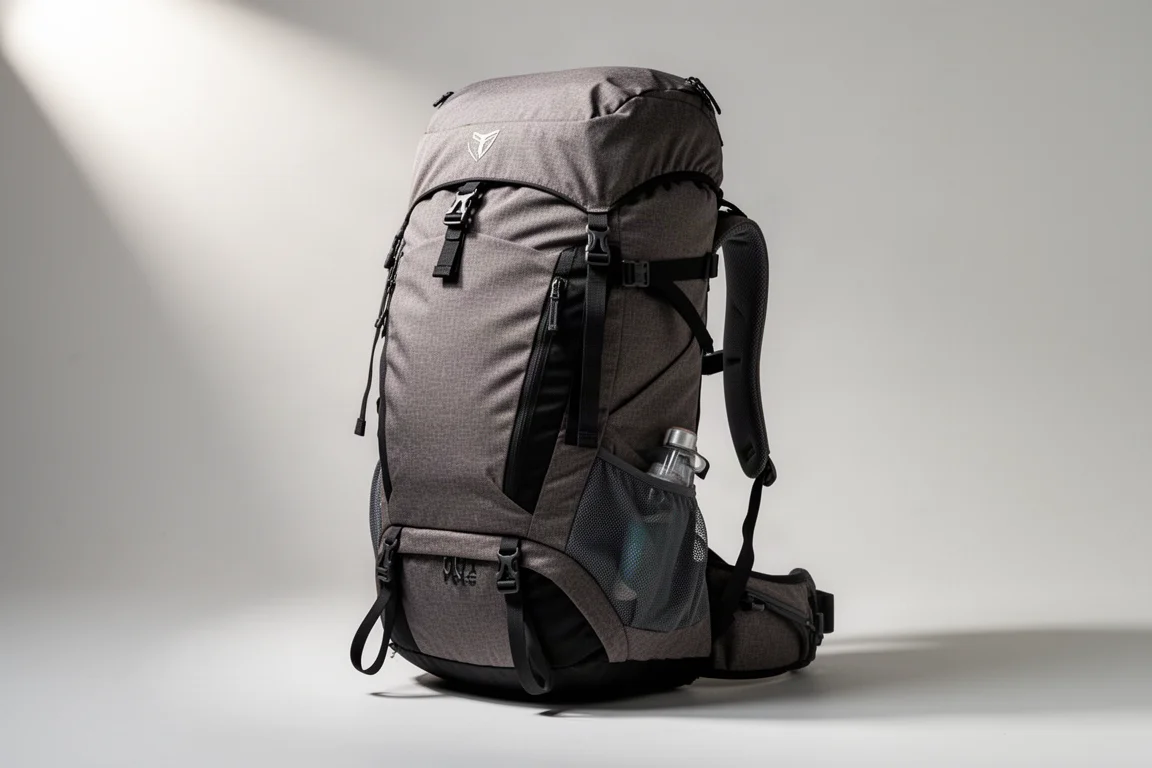
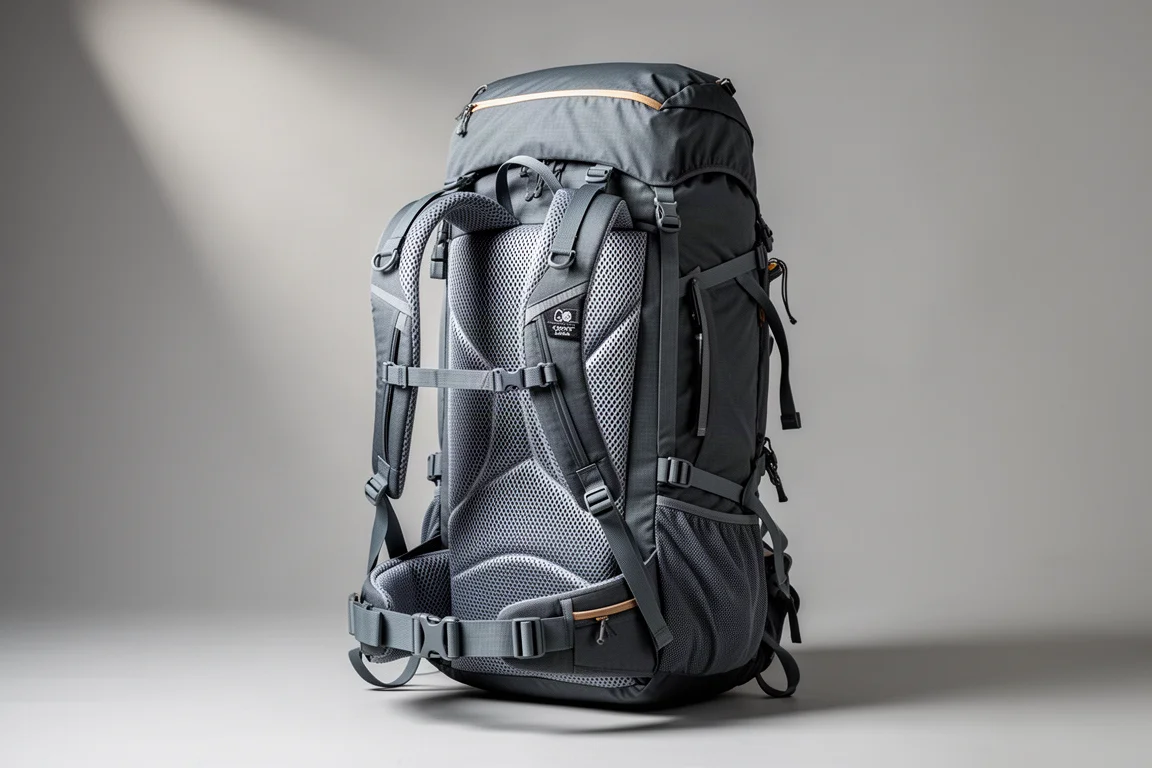
The adjustable torso system deserves its own mention. The ladder-style adjustment is simple enough to change quickly, which matters when a pack is shared between users or when layers change with the seasons. Once the pack is on, the harness, waist belt, and adjustment points work together to keep the load close to the body. There is very little sway, and the pack settles into a stable, connected feel instead of shifting around on descents.
Osprey Rook: Ventilation, Pockets, and Load Carrying
Ventilation is one of the Rook’s strongest attributes. The back panel moves air effectively, and while sweating is still possible, moisture is far better controlled than with many backpacking systems. The same structure contributes to stability, which is why the pack feels planted even when the ground is uneven.
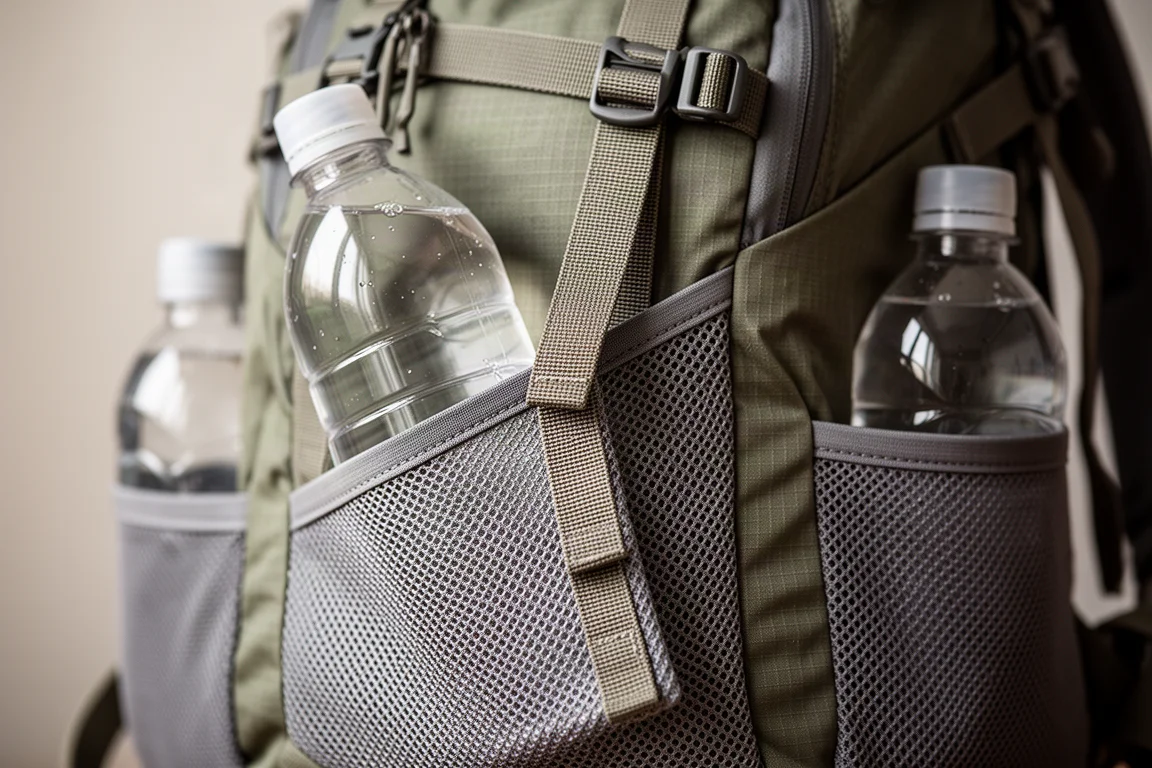
Storage is straightforward but effective. The side mesh pockets are slanted for easy access and can hold up to 4 L of water depending on bottle size. Compression straps secure the load and double as attachment points for extra gear, and a pack cover is included, which is not a given even on considerably more expensive packs.
The sleeping bag compartment has external compression straps and swallows summer sleep systems without trouble. Larger synthetic bags can be a struggle in winter, but undoing the divider between the compartment and the main body solves that.
Padding across the harness and waist belt is firm rather than soft. At 35 lb and below it stays comfortable mile after mile, and that is the range this pack was designed around.
Osprey Rook: Trade-offs to Weigh Before Buying
Three details are worth knowing before buying. The first is padding firmness, which is comfortable at moderate loads but noticeably less forgiving once the pack is heavy.
The second is the lid, which is not free floating. That limits how much the pack can be overstuffed, because the lid cannot extend upward as the main compartment fills, and the result looks awkward when the bag is packed past its capacity.
The third is pocket count. There is a lid pocket, the main compartment, the sleeping bag compartment, and waist belt pockets, and that is the complete list. There are no front pockets and nothing on the sides beyond the bottle pockets. Anyone who organizes gear across many small compartments will find that limiting; anyone who packs in separate kit bags will not miss them at all.
Osprey Atmos AG 65L: Where the Extra Money Goes
The Atmos AG 65L is the pack to consider when loads regularly exceed 35 lb. It carries heavy loads more comfortably than the Rook, and that is the main reason to accept the higher price. It is also a long-running design that has been refined across several generations, which is part of why it has stayed a favorite for backpackers who carry a lot of weight.
It shares the Rook’s one recurring annoyance. The ventilation structure in the harness and frame can be noisy on the move, and the sound is more noticeable on quiet trails. It is rarely a dealbreaker, but it is worth knowing before committing.
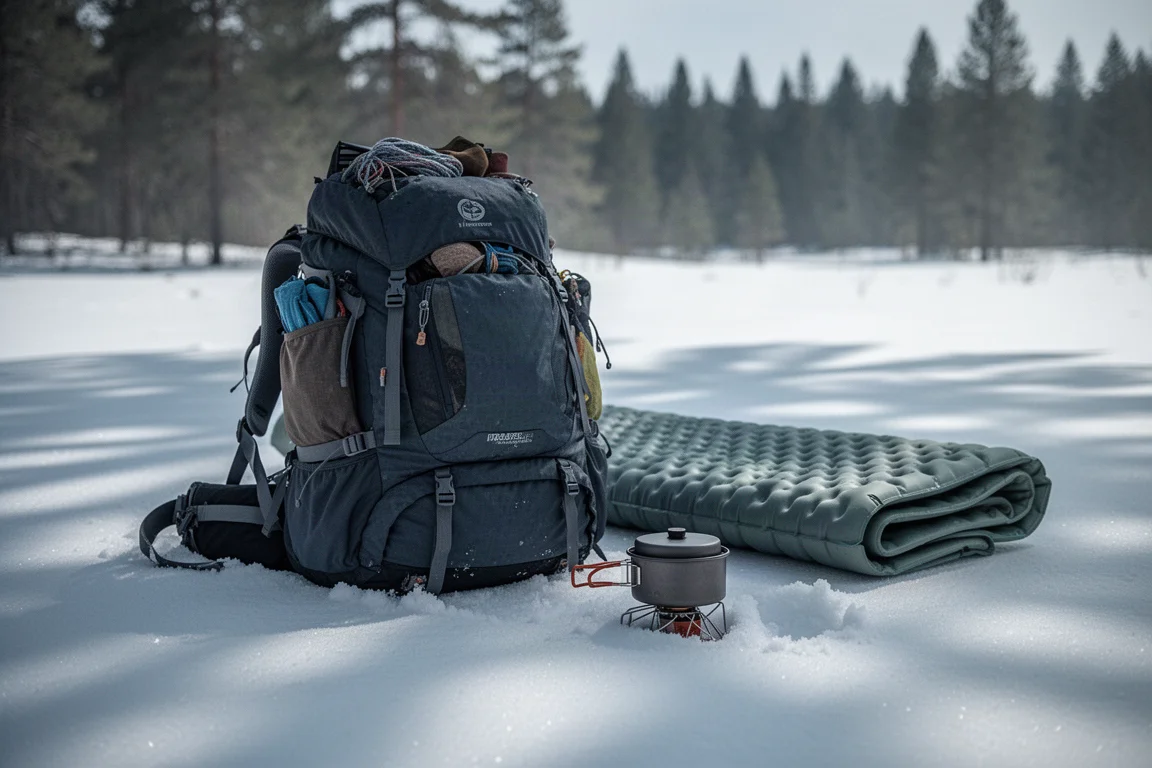
For trips that involve bulky winter gear, long food carries, or shared group equipment, the extra load capacity is the entire point of the upgrade.
Durability and Warranty Coverage
Long-term quality is where the Rook makes its case. Clean stitching, sound materials, and careful construction point to a pack built to last rather than one assembled purely to hit a price. Osprey covers the pack with a lifetime warranty, which adds genuine long-term value at this price point.
Buying Advice: Matching the Pack to Your Load
Choose the Rook if total pack weight stays at or below roughly 35 lb. It is light at 3.7 lb, comfortable, stable, and well ventilated, and at $190 it includes features such as a pack cover that some pricier packs leave out. It is a strong entry point into a full-featured 65-litre pack.
Choose the Atmos AG 65L if you routinely carry more than 35 lb. At $325, the premium buys better heavy-load comfort rather than a longer feature list.
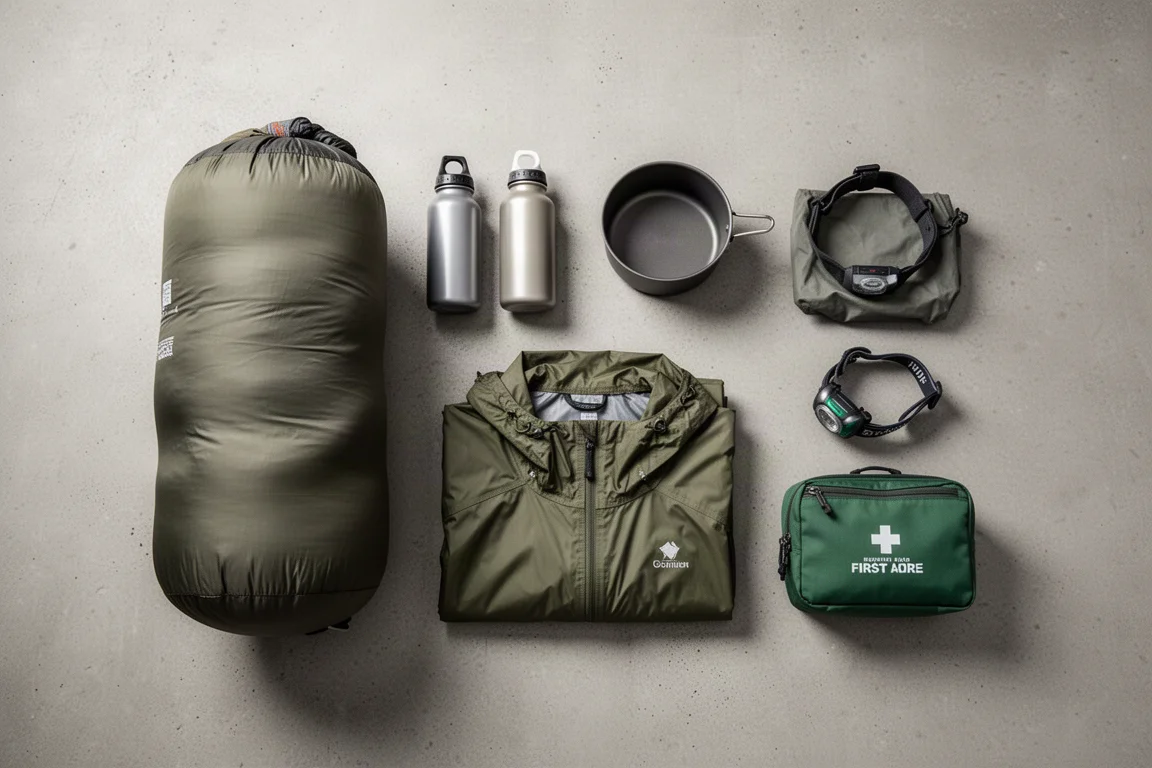
If you are undecided, estimate the heaviest load you realistically carry, food and water included. If that number stays under 35 lb, the Rook will handle nearly everything the more expensive pack does.
Conclusion
The Rook comes remarkably close to the Atmos AG 65L for most trips, and it does so at a much lower price. Its limits are clear and predictable: firm padding, a fixed lid, and a short list of pockets. Keep your loads at or under 35 lb and the Rook is an easy recommendation. Carry more than that on a regular basis and the Atmos AG 65L is the pack that earns its higher price.
Further reading
Related Reviews

Backpacking Gear
Building a 10 lb Base Weight: An Ultralight Backpacking Gear List
A practical walkthrough of the ultralight pieces behind a 10 lb base weight, from a 765 g pack and a roomy one-person tent to a full camp chair and a dependable water filter.
Backpacking Gear
A 15-Pound Lightweight Backpacking Gear List for Solo Trips
A beginner-friendly 15-pound backpacking setup built from easy-to-find gear, with notes on what each piece does, how it packs, and where to spend your attention.
Backpacking Gear
8 Ultralight Backpacking Gear Upgrades Worth Carrying
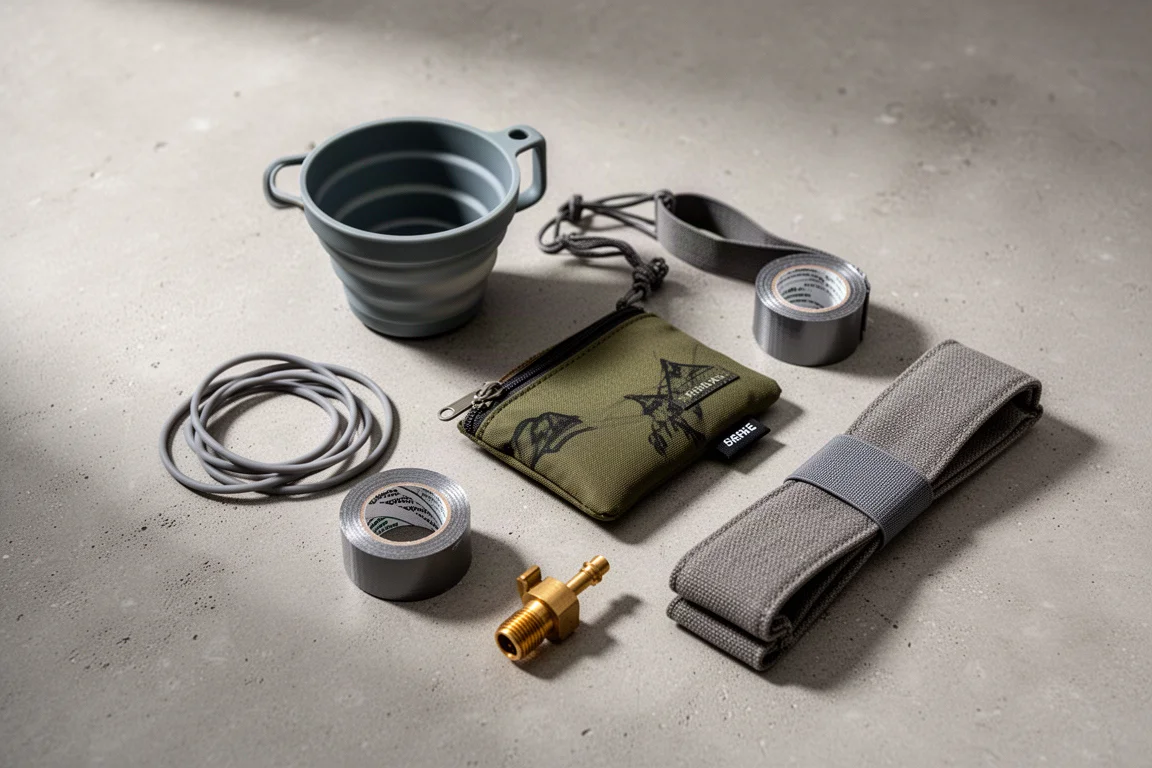
Eight small, affordable backpacking upgrades that solve real trail annoyances, from a pillow that stays put to a fuel valve that rescues leftover canister gas.