Backpacking Packs
Osprey Rook Review: A 65 L Pack That Handles Most Trips for $190
A long-term look at the Osprey Rook 65 L: excellent ventilation, stable carry up to roughly 35 lb, a light 3.7 lb build, and a few trade-offs to weigh first.
Introduction
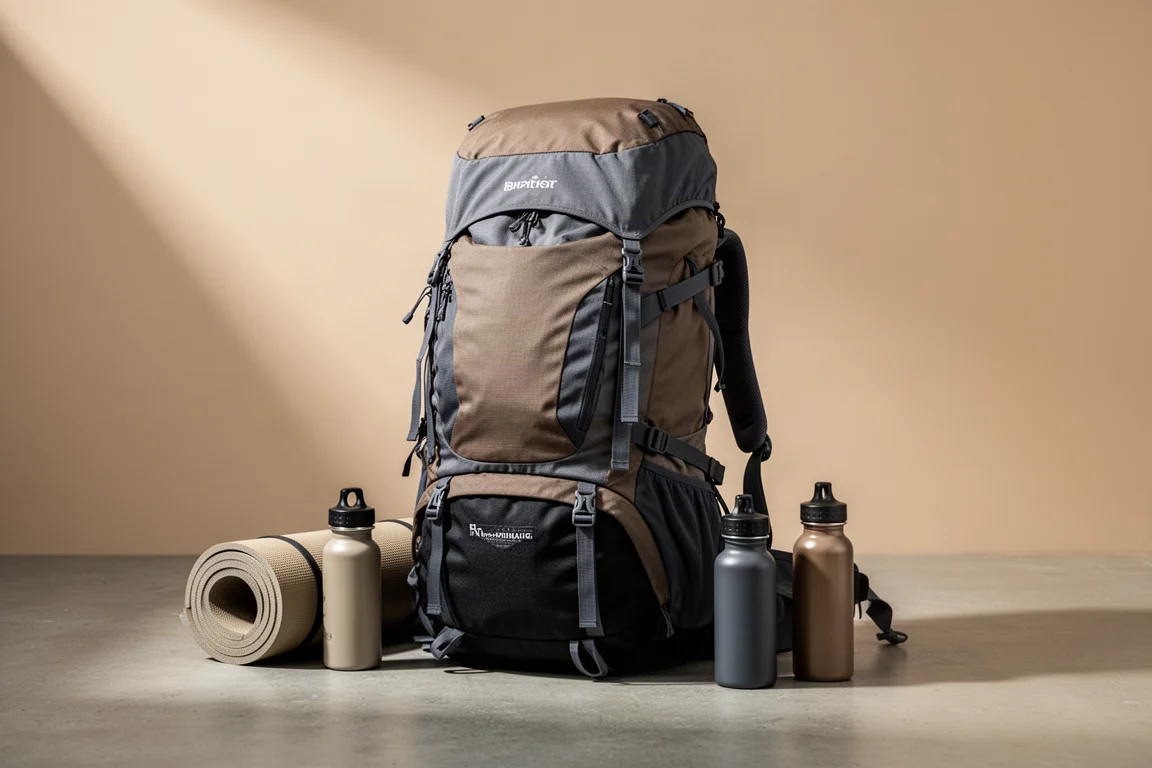
The Osprey Rook is a 65 litre backpacking pack with a list price of around $190, which places it well below Osprey’s premium hiking packs. The Atmos AG 65 L, the model many backpackers treat as the benchmark, is referenced at $325. That gap raises an obvious question: what had to be given up? After several months of use across a range of load weights, the answer is less dramatic than the price difference suggests. The Rook keeps the ventilation, the stable carry and Osprey’s lifetime warranty, and it gives up a modest amount of heavy-load composure and pocket organisation.
This article covers what the Rook does well, where it stops making sense, and how to judge whether it suits your trips.
Who the Osprey Rook Is For
The Rook is built for hikers whose total load stays moderate. In use it handled loads from roughly 40 lb down to 25 lb, and it performed best at the lighter end, shining between 20 lb and 35 lb. At those weights the frame transfers the load to the hips cleanly, the pack stays close to the body, and comfort holds up mile after mile.
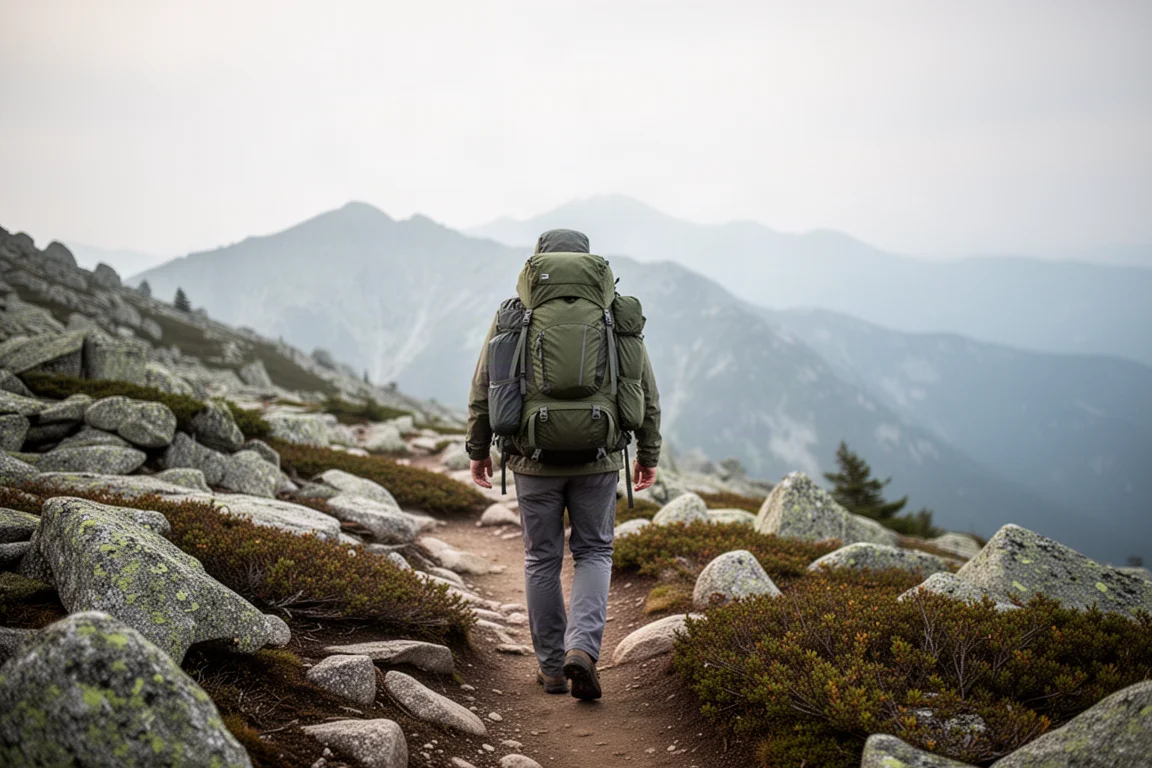
That range covers a lot of ground: three-season overnight trips, weekend loops and longer summer routes where food and water are the heaviest items. The 65 litre capacity is generous enough for a summer sleep system, spare layers and several days of food, and the pack weighs only 3.7 lb, which is light for a full-featured pack of this volume.
If your typical load runs heavier than 35 lb, the calculation changes. The padding on the harness and the waist belt is firm rather than soft, and once the weight climbs past that point you begin to feel it. Backpackers who regularly carry more, particularly in winter with bulkier gear, are better served by a pack designed around heavier loads, such as the Atmos AG 65 L.
Main Strengths
Three things stand out after months of use: how the pack is built, how it carries, and how much it offers for the money.
Build Quality and Design
Construction is excellent. The stitching is neat and consistent, the materials feel durable, and the overall finish reflects a company that has been making packs for a long time. The colour combination of brown and black is one of the better looking options in Osprey’s line, and it is a large part of why this pack stands out at first glance.
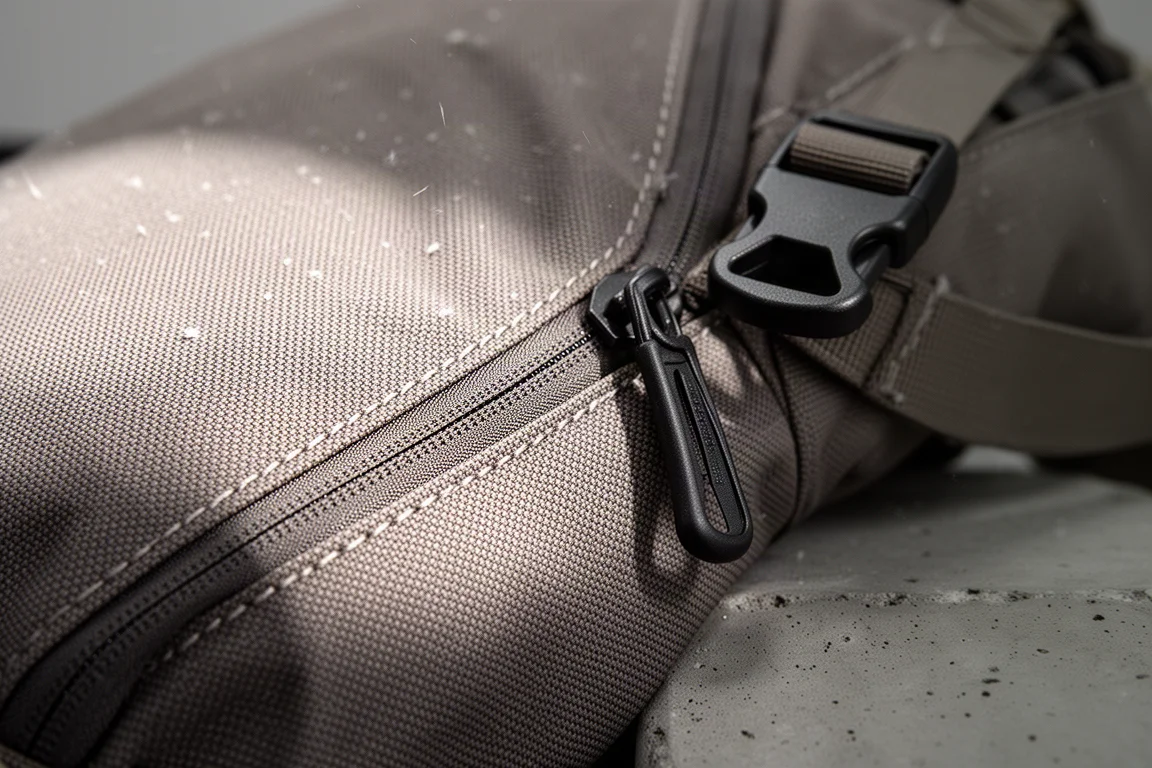
At 3.7 lb the Rook is among the lightest full-featured 65 litre packs on the market, and that saving is noticeable over a long day. The adjustable torso system deserves a mention too: it uses a ladder-style arrangement that is genuinely simple to set up, which makes dialling in the fit far easier than on many comparable packs.
Ventilation, Comfort, and Load Carrying
Ventilation is where the Rook performs exceptionally well. The back panel system moves air effectively, and while no pack eliminates sweating entirely, moisture is well controlled here, noticeably better than with many other backpacking designs.
Comfort is strong, with one important caveat: it depends on the load. The frame pulls the weight in toward the body without letting the pack shift, and once it is on, the load feels connected to you rather than swinging behind you. The harness, the waist belt and the torso adjustment work together to produce a very stable carry on uneven ground.
The padding itself is firm. Below 35 lb that firmness is fine, and the pack stays comfortable for hours at a time. Above 35 lb the waist belt and shoulder straps begin to feel harder than you would like.
Storage, Pockets, and the Included Pack Cover
The side mesh pockets are excellent. They are slanted for easy access and can hold up to 4 litres of water in bottles, or be used for other gear instead. A set of compression straps secures the load and doubles as attachment points for extra items.
The sleeping bag compartment has compression straps on the outside and is roomy enough for summer sleep systems. In winter a bulky synthetic bag may not fit; when that happens, the divider between the main compartment and the sleeping bag section can be undone to open up the space. A pack cover is included, which is not always the case even on considerably more expensive packs.
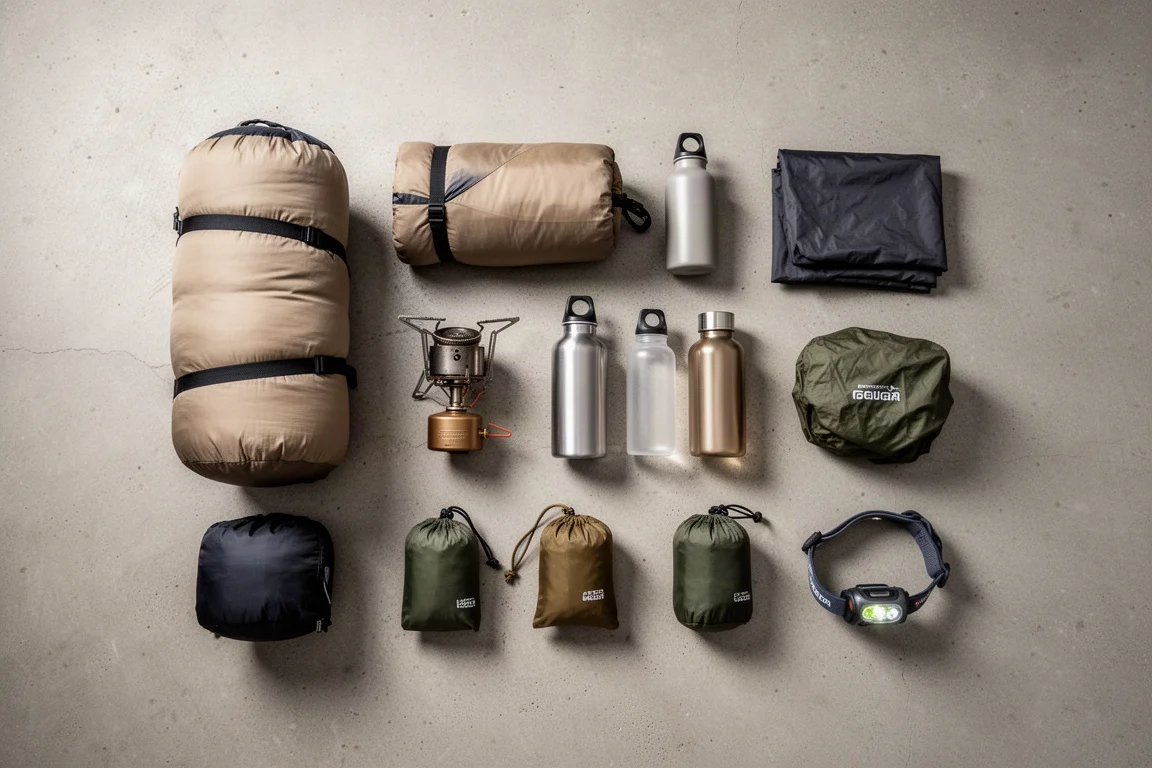
Storage is deliberately simple: a lid pocket, the main compartment, the sleeping bag compartment and the waist belt pockets. For hikers who pack in stuff sacks and know where everything is, that simplicity is a feature rather than a shortcoming.
Things to Consider Before Buying
A few trade-offs are worth knowing before you commit.
Noise from the Harness and Frame
The system that provides such good ventilation also produces some noise as you walk. It is not loud, and over months of use it never became irritating, but hikers who are sensitive to that kind of sound should be aware of it. The same characteristic is present on the Atmos AG.
The Lid Is Not Free Floating
The lid is fixed to the body of the pack rather than floating above it. That limits how far you can overstuff the Rook: fill it beyond its comfortable capacity and the lid no longer sits correctly on top. A floating lid would have solved this, and its absence is the clearest sign of where costs were trimmed.
Limited Pocket Organisation
There is no front pocket and no additional side storage beyond the mesh bottle pockets. Hikers who like to spread small items across many compartments will find the layout restrictive and may end up searching for things. Those who group gear in kit bags, so that everything has a predictable place, will not miss the extra pockets at all.
Buying Advice
At $190, the Rook is a straightforward value proposition. It carries loads up to about 35 lb comfortably, weighs 3.7 lb, includes a pack cover, and comes with Osprey’s lifetime warranty. On the trail it performs close to the level of packs that cost considerably more.
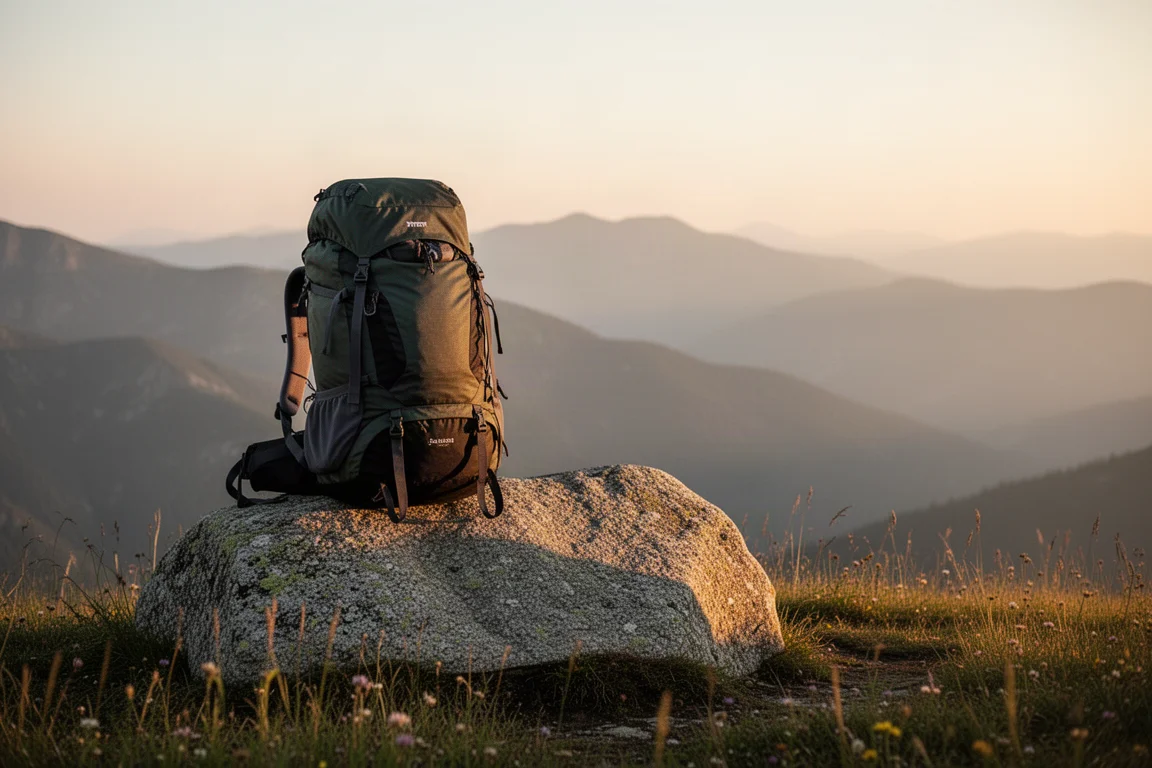
The decision comes down to your typical load. If you rarely carry more than 35 lb of gear, food and water, the Rook will cover nearly every trip, including winter ones, and there is little reason to spend more. If heavy loads are a regular part of your hiking, the extra budget is better spent on a pack such as the Atmos AG 65 L, which handles weight above that threshold better.
Because Osprey does not publish recommended load limits for its packs, the 35 lb figure here is a practical observation rather than a specification. Weighing your usual kit, including food and water, is the most reliable way to decide.
Conclusion
The Rook answers its own question well. Osprey kept the ventilation, the stable carry and the build quality, trimmed a little heavy-load capability and pocket count, and landed at a price that makes a 65 litre pack accessible. It is a very good pack for moderate loads, and for hikers who stay under 35 lb it is easy to recommend.
Product link
View more details for Osprey Rook
This product is mentioned in the review. Check the specifications, options, and compatibility before buying.
View more details for Osprey RookFurther reading
Related Reviews
Backpacking Packs
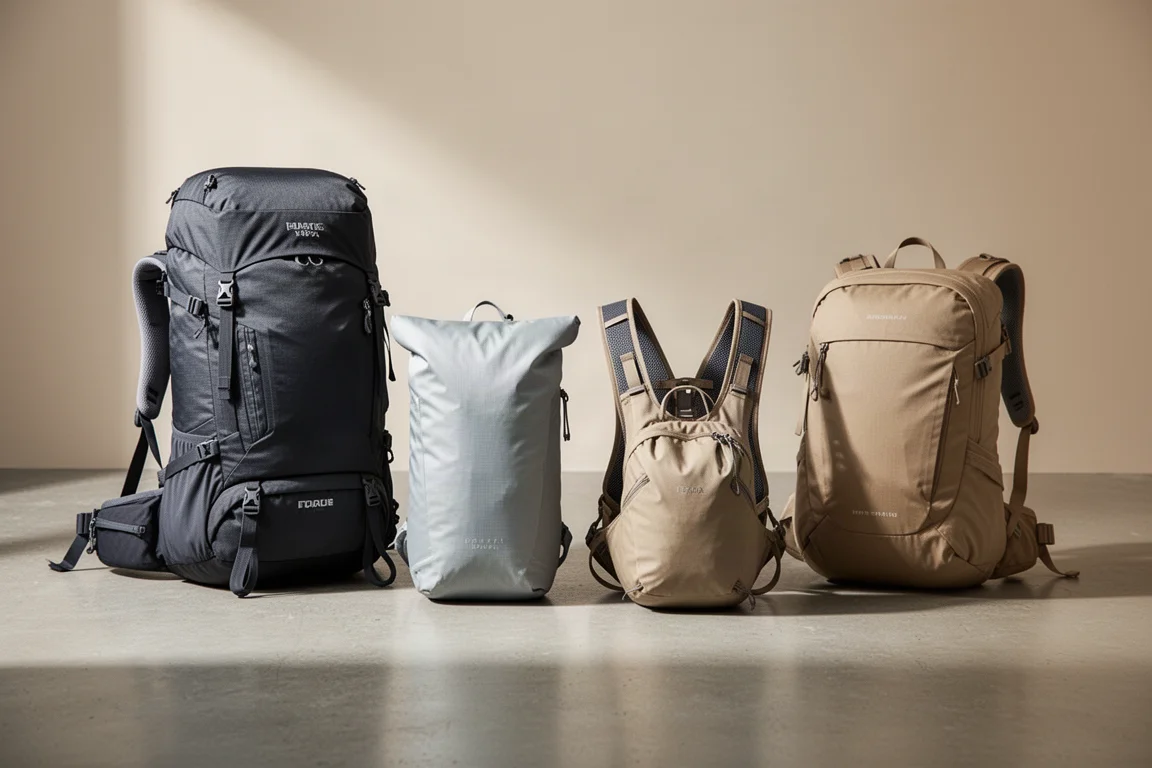
Backpacking Pack Types Compared: Traditional, Ultralight, Frameless, and Hybrid
Four pack categories, four representative packs, and a practical way to decide which kind of backpacking pack matches the weight of your gear.
Backpacking Packs
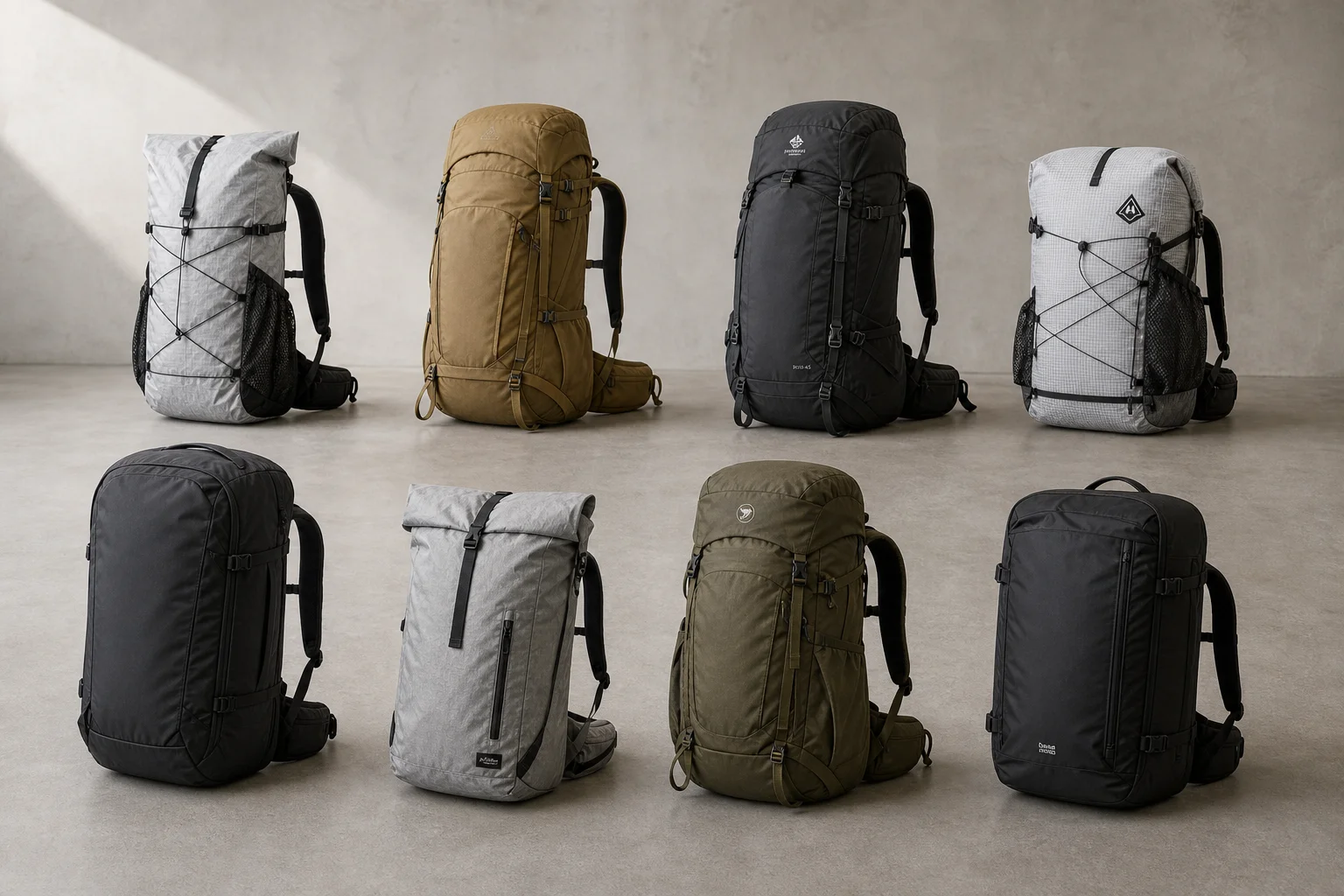
Best Backpacking Packs 2026: Six Picks for Every Style of Trip
Six backpacking packs that earned their place by weight class and purpose, with the real strengths and trade-offs to weigh before you buy.
Backpacking Packs
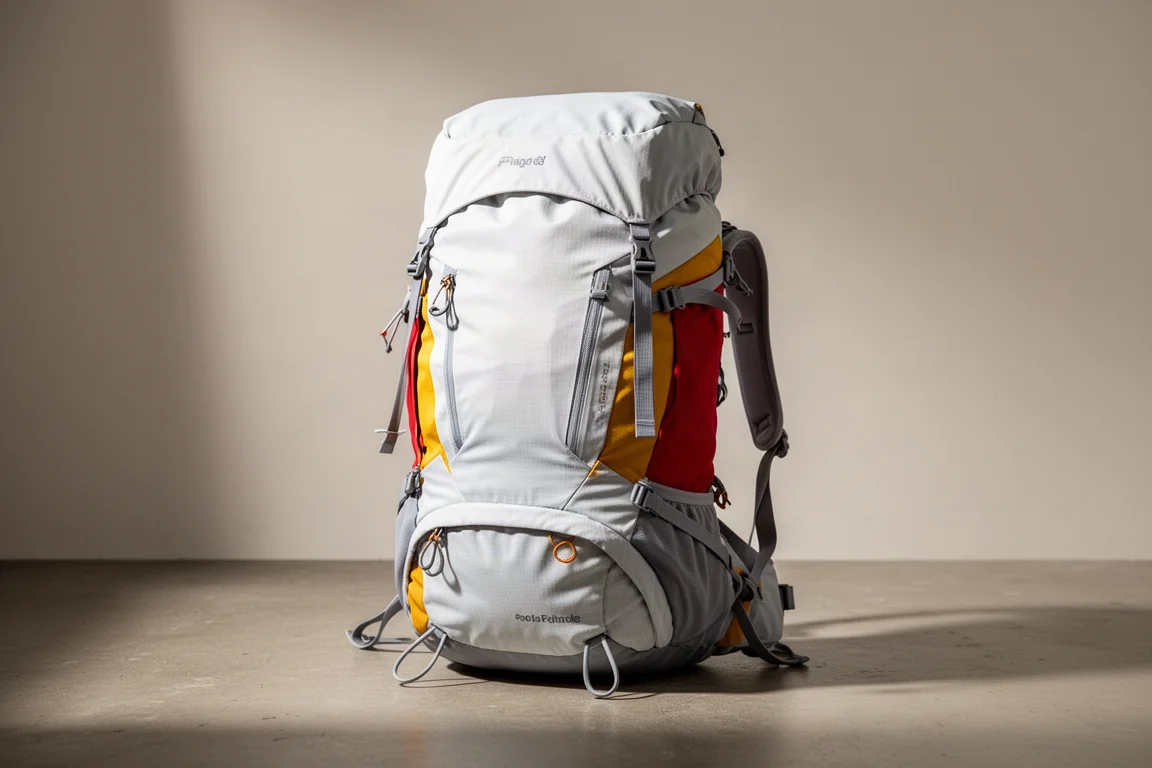
Big Agnes Prospector 50 Review: A Hybrid Pack That Sits Between Two Worlds
A 50-liter backpacking pack that mixes ultralight features with traditional padding and panel access. Here is who it suits and where it falls short.