Bookshelf Speakers
OSD Nero 5 Review: A Budget Bookshelf Speaker With Real Potential
The OSD Nero 5 delivers clear sound, deeper-than-rated bass and a surprisingly solid crossover for around $64. Here is what to know before buying.
Introduction
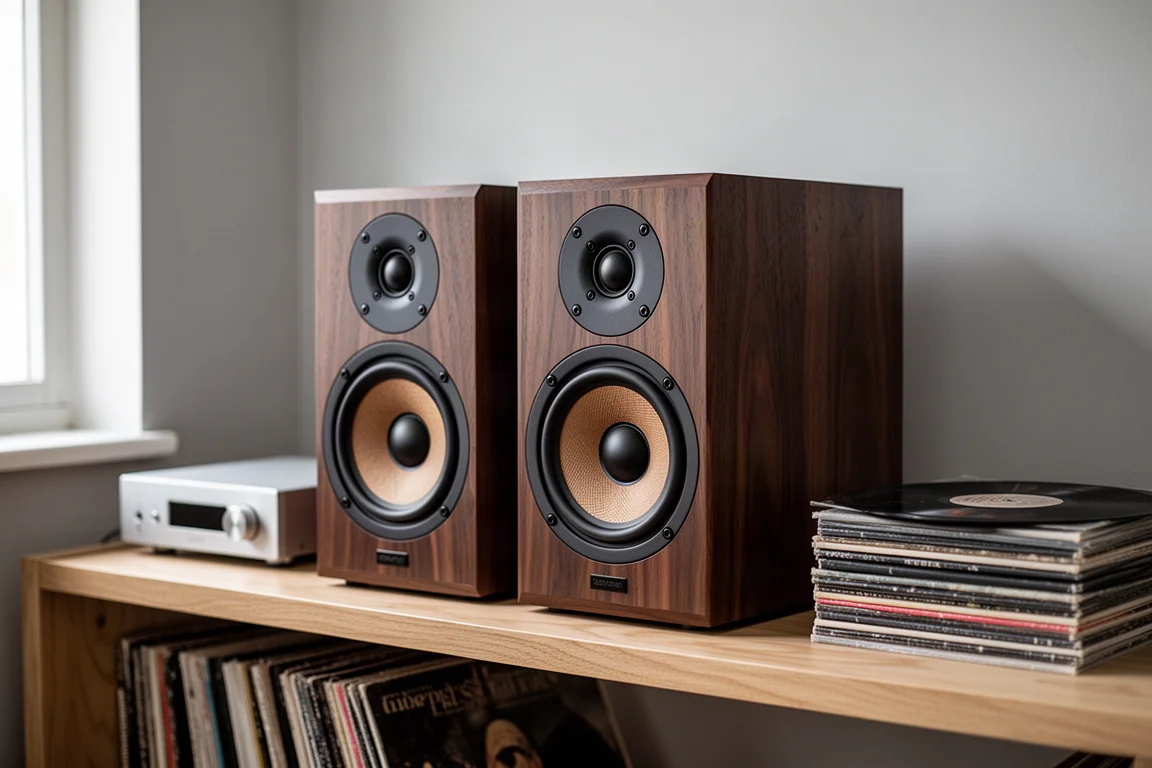
The OSD Nero 5 is a small rear-ported bookshelf speaker that has been selling for around $64 once a 20 percent coupon is applied, against a list price of roughly $80. It pairs a 1-inch soft dome tweeter with a 5.25-inch woofer, and it is rated down to 90 Hz with a nominal 4-ohm impedance and 87 dB sensitivity. On paper, that is a familiar budget recipe.
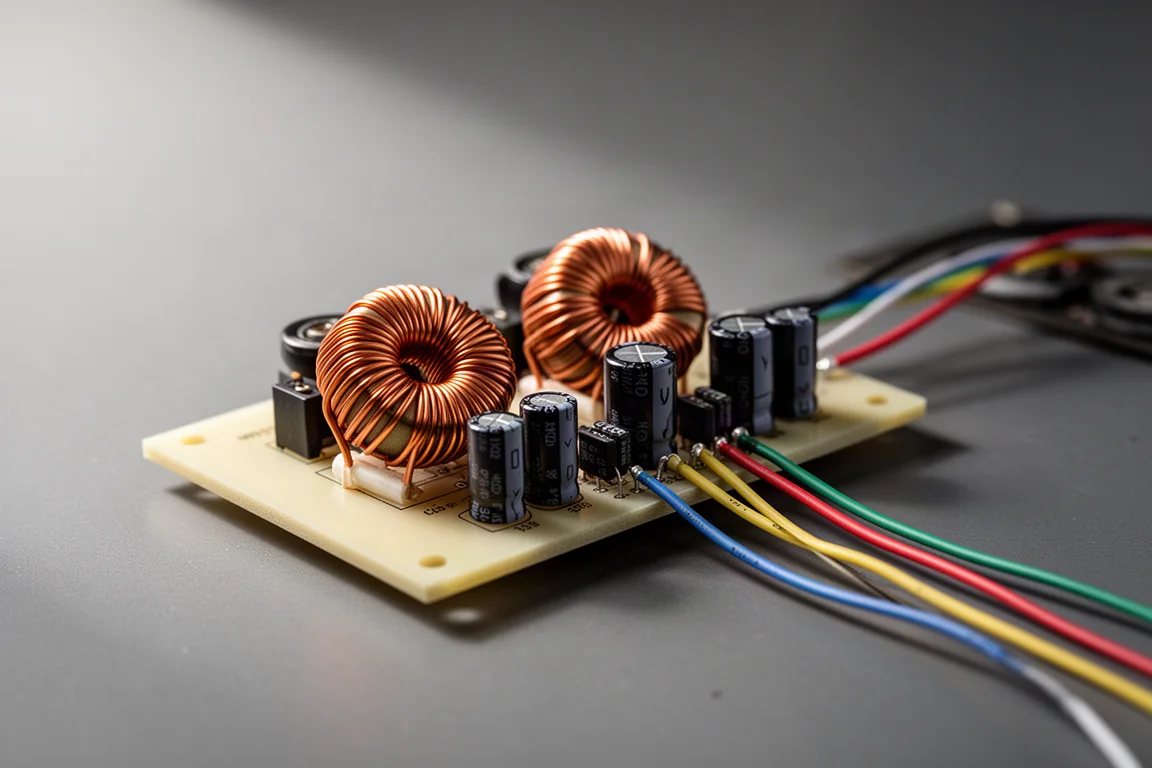
What sets it apart is what sits behind the woofer. Opening the cabinet reveals a crossover built from two air-core inductors and a set of capacitors, a level of parts quality that is unusual at this price.
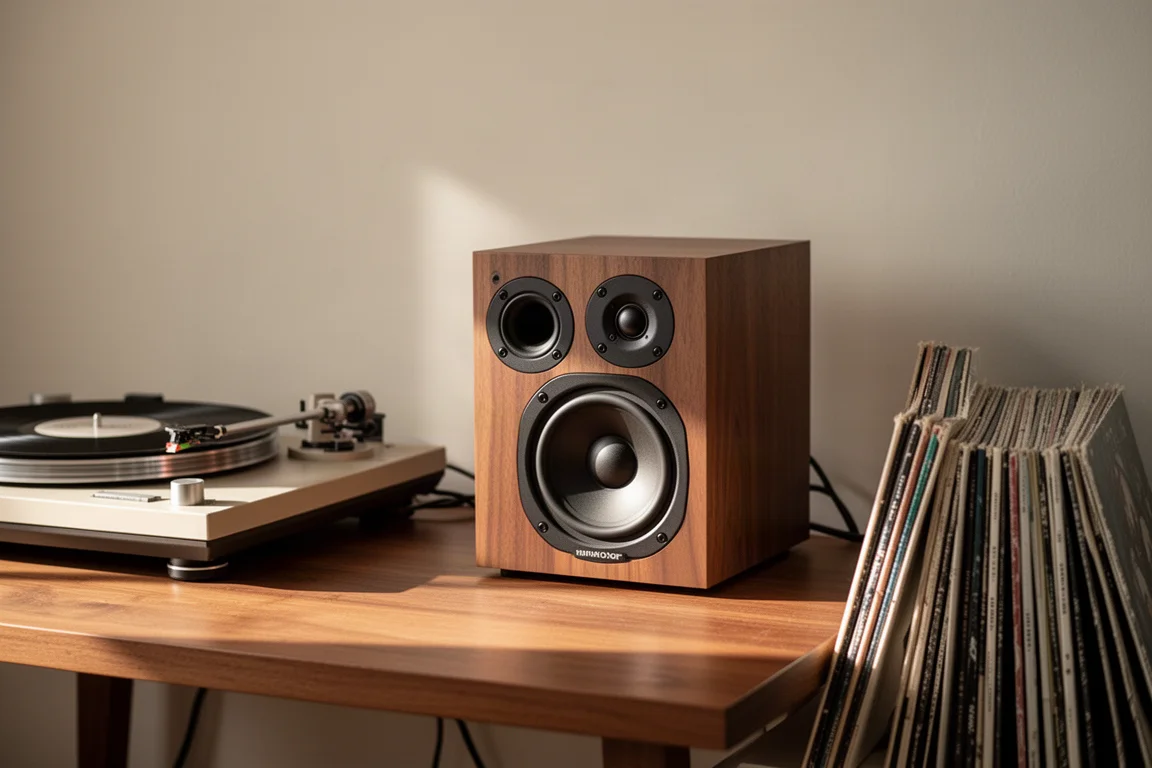
The result is a speaker with real potential: one that can sound far better than its price suggests once the treble is brought under control, and one that rewards a little curiosity from anyone willing to spend a few dollars on a resistor.
Who the OSD Nero 5 Is For
The clearest fit is a first proper stereo system on a tight budget. Listeners getting into vinyl and looking for an affordable pair of speakers to sit alongside an entry-level turntable will find a lot to like here, and so will tinkerers who enjoy squeezing extra performance out of inexpensive gear.
It is worth being honest about the other side of that. This is not a set-and-forget speaker for someone who listens loudly and never touches a tone control. Stock, the upper midrange and the treble sit forward of the rest of the response, and at higher volumes that becomes tiring quickly.
Main Strengths: Sound, Build, and Crossover Quality
Driven by high-end electronics, the Nero 5 sounded genuinely good: a clear top end, a clear midrange and a cohesive overall presentation. The surprise is the bass. Despite a 90 Hz rating, usable low-frequency output extended into the upper 60s, which is refreshing given how often budget speakers overstate their low-end roll-off.
That character carried over to far cheaper amplification. Powered by an inexpensive class D DAC and amp, the speaker still sounded very good, with bass tone and texture that held up well. Pulling the treble down by four notches on that amplifier made it comfortable to listen to, although the upper midrange stayed slightly forward.
Inside the cabinet, the story is just as encouraging. The crossover uses two air-core inductors, two electrolytic capacitors and one further capacitor, and appears to be a second-order high-pass and second-order low-pass design with an additional cap. The enclosure is filled with poly fill, and the rear port is flared on the inside. The cabinet could use a little more bracing, but the foundation is solid.
A Simple DIY Tweak for the Treble
The crossover’s one notable omission is resistors. Tweeters and woofers rarely share the same sensitivity, and designers normally use a resistor before or after the high-pass section to bring the tweeter level in line with the woofer. There is no such resistor here, which means the tweeter is crossed over but left wide open, and its output is never trimmed to match.
That makes for an easy fix. The crossover comes out together with the binding posts, and four leads run from it: positive and negative for the woofer, positive and negative for the tweeter. Cutting the positive tweeter lead a couple of inches from the board and adding a resistor in line brings the overall treble response down. Values between 1 and 4 ohms are worth trying, and there is no need to solder anything permanently at first. Twist the resistor into place, listen, and settle on the value that suits the room and your taste.
None of this is mandatory. Tone controls work perfectly well on this speaker, and a treble cut of a few decibels is enough to make it comfortable without ever opening the cabinet.
Things to Consider Before Buying
The stock tuning is the main thing to plan around. With no tone shaping at all, the speaker runs hot on top and in the upper midrange. It sounds pleasant at low levels, but push volume through it and fatigue sets in fast. Cymbal decay is brief, and the treble does not sit in line with the rest of the response.
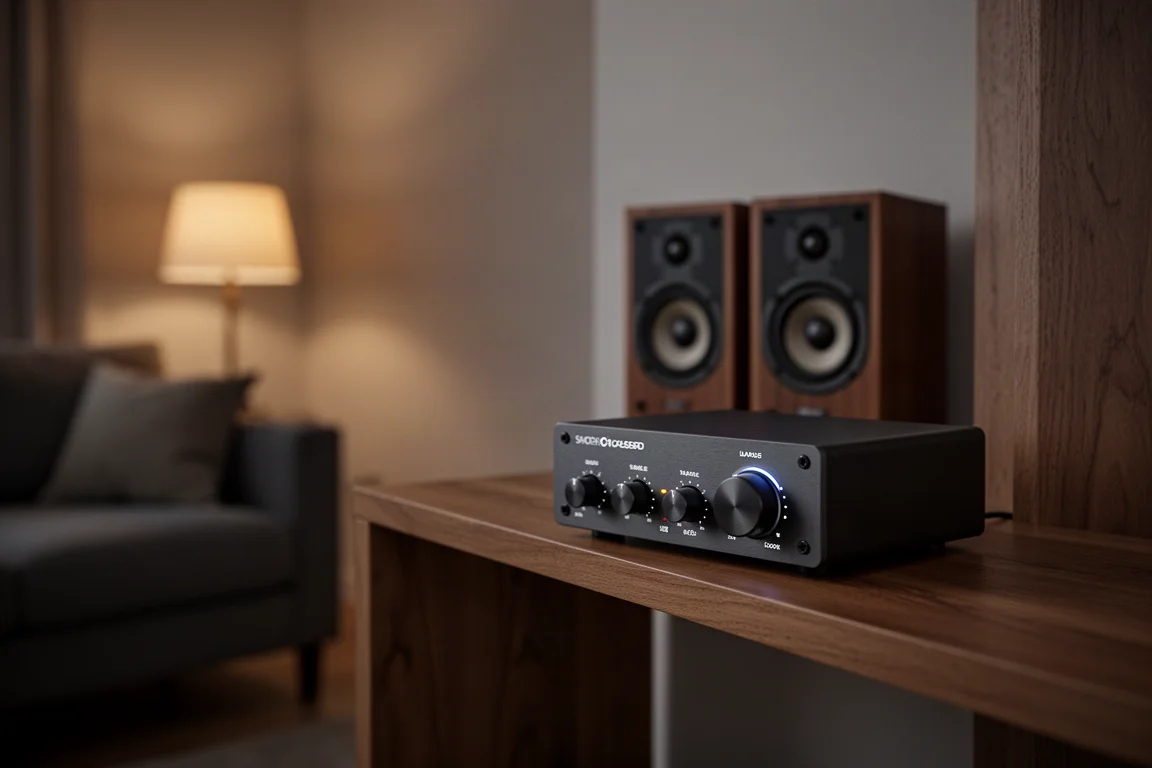
Amplifier matching matters too. At 4 ohms and 87 dB, this is not an extreme load, but it is not a trivial one either. An amplifier with tone controls, or one with a warmer tonal character, suits it far better than a strictly neutral one. The official low-end figure is 90 Hz, even though the speaker plays lower than that in practice.
Availability is the last practical point. The model can be surprisingly hard to track down, and searching the exact product name works far better than searching the brand alone.
How the OSD Nero 5 Compares
At $64, this speaker sets the benchmark for anything under $100. The one clear exception is the Sony SSCS5, a different animal entirely that can climb to $150 or even $160 when it is not discounted. Outside of that, the Nero 5 outclasses the usual budget favorites. Given a straight choice between it and the other sub-$100 options, it is the one to take.
Buying Advice
Buy it if you are assembling a low-cost system and are willing to spend a few minutes with tone controls. Pair it with an amplifier that offers treble and bass adjustment, or with something on the warmer side of neutral. A compact class D DAC and amp with tone controls in the $160 range is enough to drive it well, and inexpensive class D integrated amplifiers with a bit of power make a good match as well.
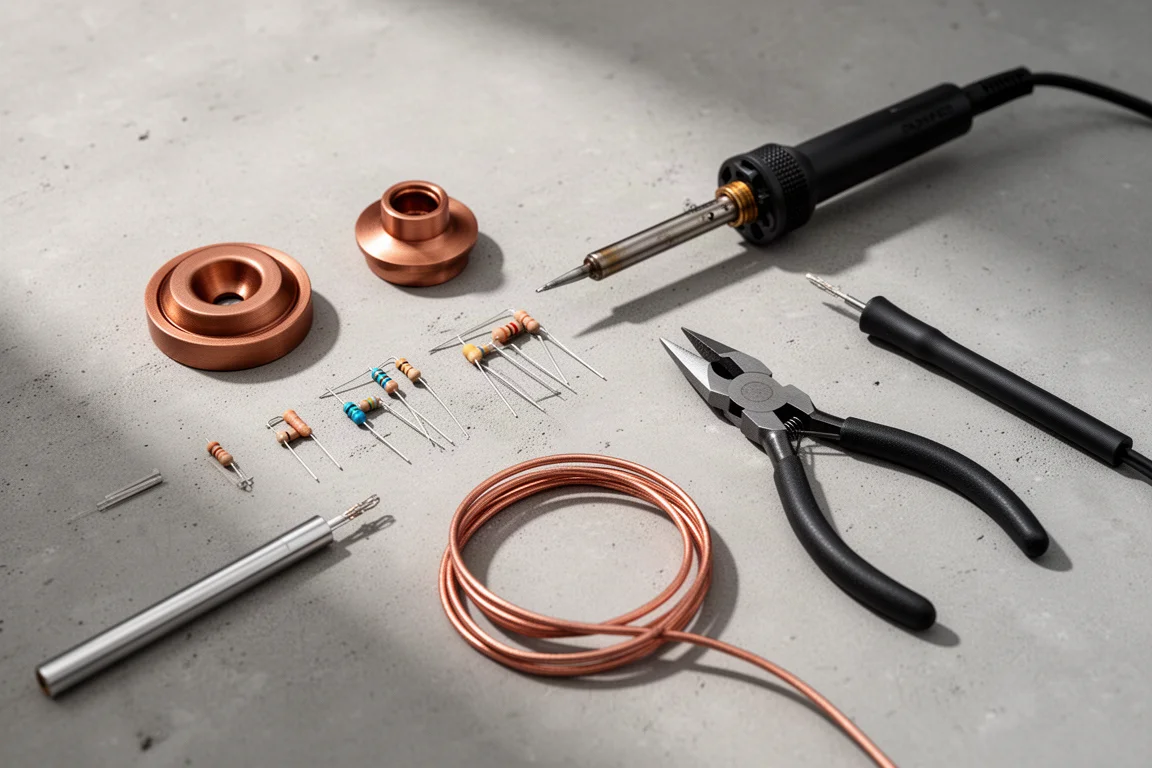
If you are comfortable with a screwdriver, the resistor tweak costs a couple of dollars in parts, and shipping will likely cost more than the resistors themselves. It is not required, but it is the difference between a very good $64 speaker and one that performs far above its price.
Conclusion
The OSD Nero 5 is not perfect. It is too forward on top out of the box, and it asks for an amplifier that can shape its response. But the drivers, cabinet and crossover components are better than the price suggests, the bass reaches deeper than the rating claims, and the upgrade path is genuinely simple. At $64, that combination is hard to argue with.
Product link
View more details for OSD Nero 5
This product is mentioned in the review. Check the specifications, options, and compatibility before buying.
View more details for OSD Nero 5Further reading
Related Reviews
Bookshelf Speakers
Acoustic Energy A100 Mark II Review: A Compact Standmount With an Expansive Soundstage
The Acoustic Energy A100 Mark II brings clarity, natural tonality and a wide soundstage to an entry-level standmount, with a few setup details worth knowing first.
Bookshelf Speakers
Acoustic Energy AE-100 Mark II Review: Compact Bookshelf Speakers With Standout Imaging
A compact British two-way bookshelf speaker with deep, layered imaging, fast bass, and a slight treble lift to weigh against a crowded $500 field.
Bookshelf Speakers
Acoustic Energy AE100 MK2 Review: Measured Performance and Four Alternatives
A close look at the Acoustic Energy AE100 MK2 bookshelf speaker, what its measured performance reveals, and four alternatives with different trade-offs.