Astronomy
Orion 8-inch Dobsonian Telescope Review: The Sweet Spot for New Stargazers
An 8-inch Dobsonian offers serious light gathering power, simple operation, and lasting value for anyone getting into amateur astronomy.
Introduction
The most common question in amateur astronomy is simple: what telescope should you actually buy? The goal is picking one that gets used on a regular basis rather than one that ends up collecting dust in a closet. The Orion 8-inch Dobsonian has proven itself over more than a decade of observing, and it represents the type of telescope many beginners should be aiming for.
Why Telescope Type Matters
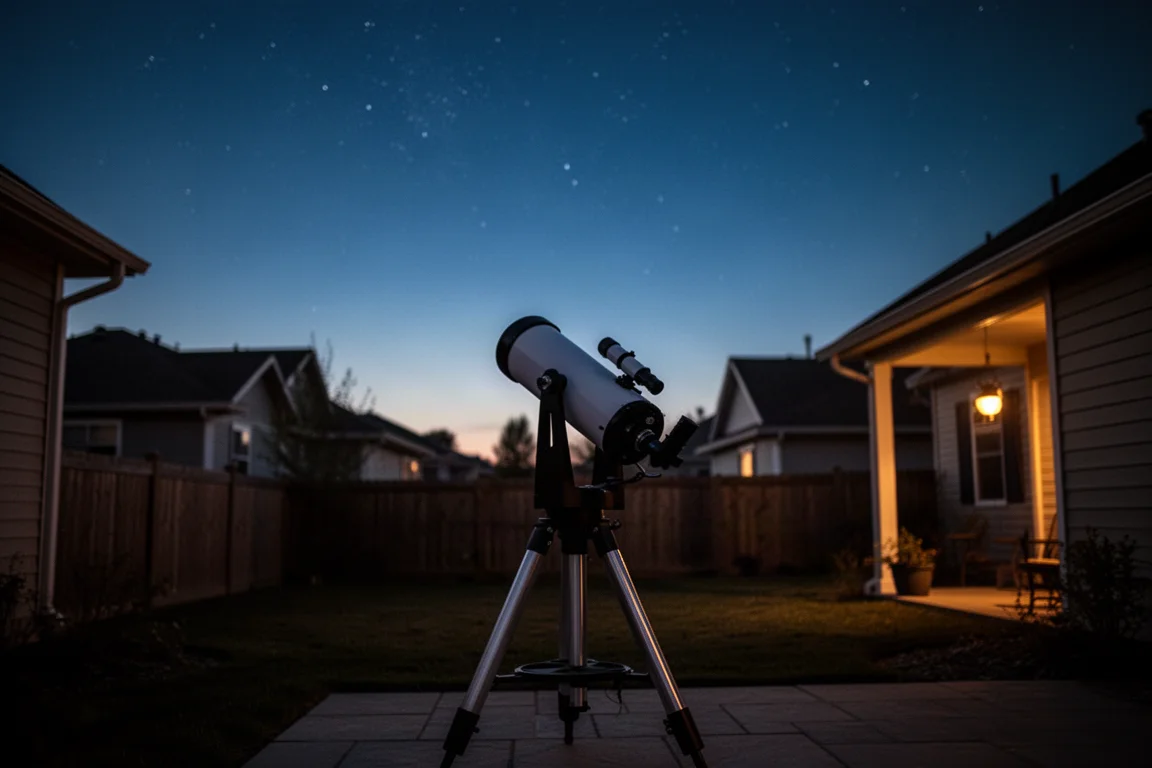
Most people start with a small 60mm refractor. These are affordable, low maintenance, and easy to move around, but the smaller aperture collects less light. That hurts at higher magnifications on the planets, and it means faint deep sky objects can be missed entirely.
The next common step is a small reflector, such as a 114mm model. Reflectors use mirrors to gather large amounts of light, but a four-and-a-half-inch mirror can still feel limiting on dimmer objects. Wobbly mounts are another frequent problem, making views at higher magnification difficult to enjoy.
A Dobsonian takes a reflector telescope and places it on a sturdy, simple-to-use base. The design is incredibly straightforward and powerful, and it is widely considered the best bang for your buck in the hobby. Mirror size is the most critical factor because it determines how much light you gather, which leads to sharper high-magnification views and more faint objects at low magnification.
A six to eight inch Dobsonian is the sweet spot for most people in terms of starting budget and portability. Jumping straight to a 10, 12, or 14 inch model blows the budget and makes transport to dark sky locations much harder. It also pays to keep some money aside for eyepieces and accessories rather than spending everything on the telescope itself.
Build Quality and Included Accessories
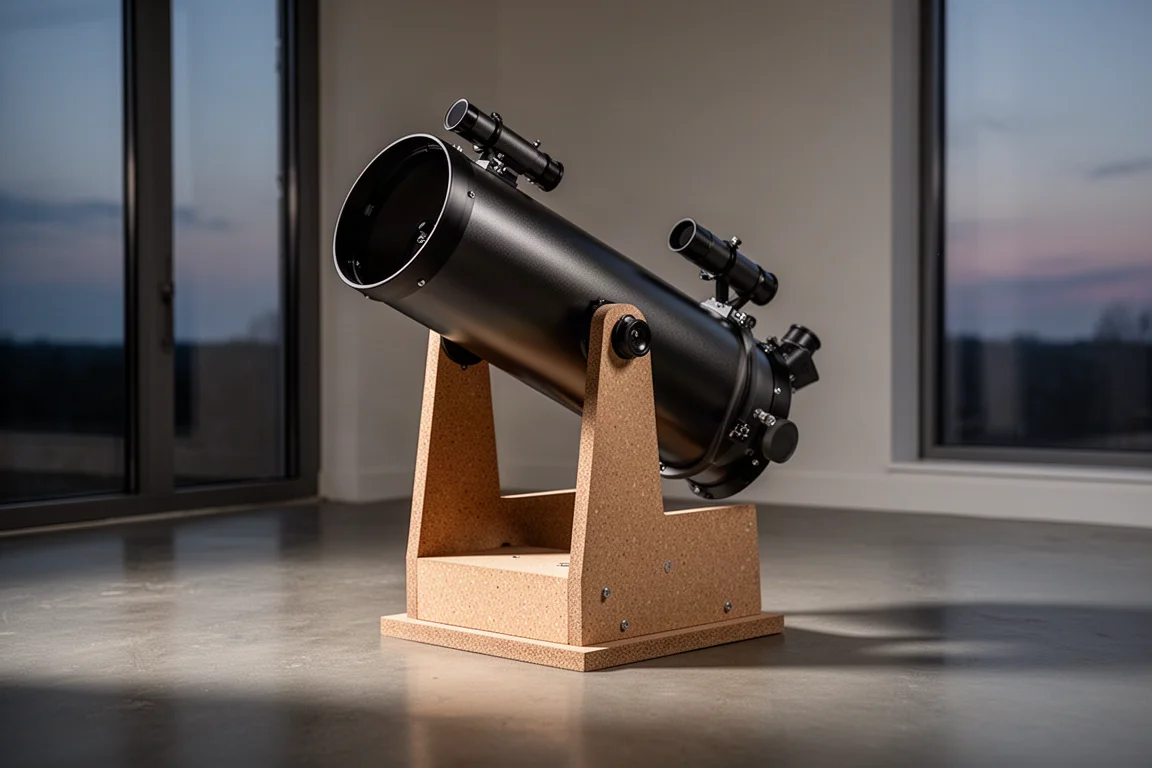
The Orion 8-inch Dobsonian houses a 203mm (8-inch) mirror with a 1200mm focal length, giving a focal ratio of f/5.9. With this aperture, star clusters, galaxies, nebulas, and everything on the Messier list open up.
The included particle board base uses Teflon pads for movement. Higher-end Dobsonians sometimes use smoother roller bearing systems, but the Teflon pads work just fine in practice. A two-inch rack-and-pinion style focuser handles both two-inch and 1.25-inch eyepieces smoothly, though a model with a ten-to-one fine-tuning focuser is worth seeking out as a genuinely nice addition.
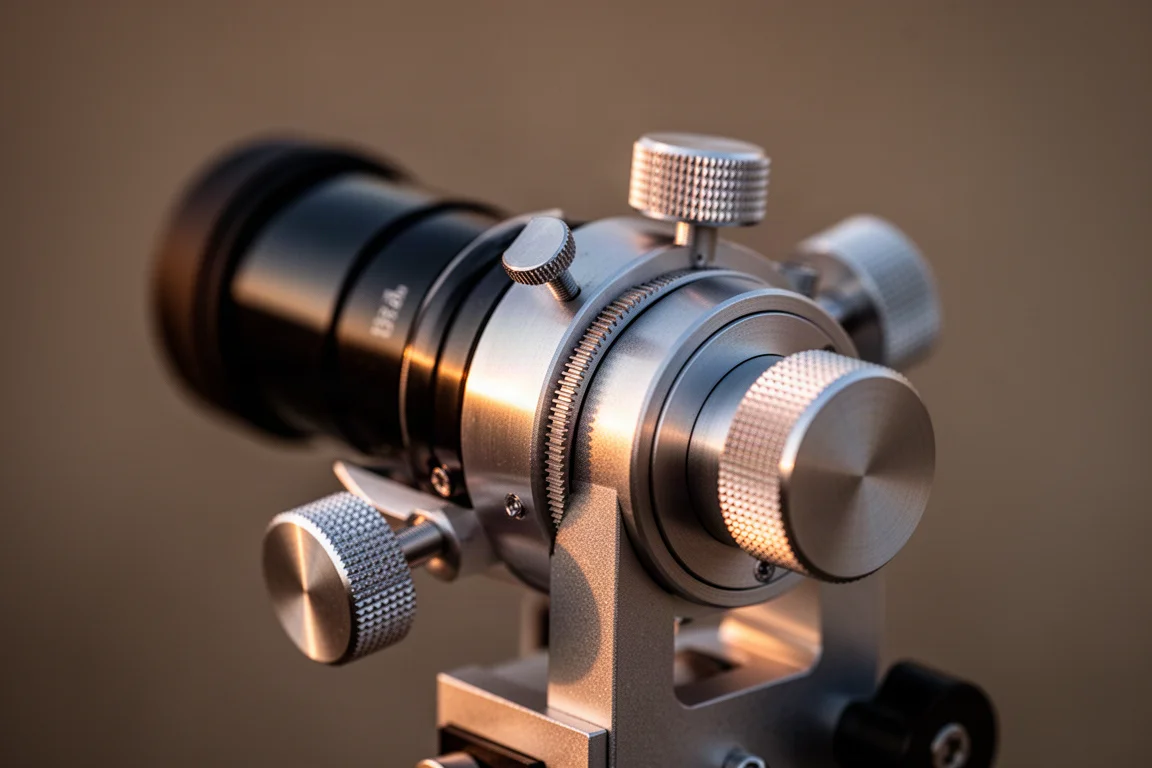
The 9x50 right-angle finder scope is an excellent addition. While a red dot finder has its appeal, the light gathering and magnification of a 9x50 has been a game changer when star hopping from one dim star to another while hunting down deep sky objects manually.
Orion includes 25mm and 10mm Plossl eyepieces. The 25mm is the workhorse for locating objects, while the smaller 10mm opening does not provide the most comfortable high-magnification views. An eyepiece rack and a navigation knob are two additional accessories worth looking for.
Observing Tips for a New Telescope
Collimation matters. Aligning the secondary and primary mirrors can be the difference between a good view and an exceptional view, especially at higher magnifications. Check it right away using the manual and resources like The Backyard Astronomer’s Guide.
Start at the lowest magnification possible when hunting for objects. The instinct to use high magnification for distant objects is wrong and leads to hours of frustration. Use the finder scope to get into the right general area, then switch to a low-power eyepiece. Magnification is calculated by dividing the telescope’s focal length by the eyepiece focal length: 1200mm divided by 25mm gives around 48x, an excellent starting point for planets and deep sky objects alike. Move up to medium or high magnifications only if conditions allow.
What You Can See
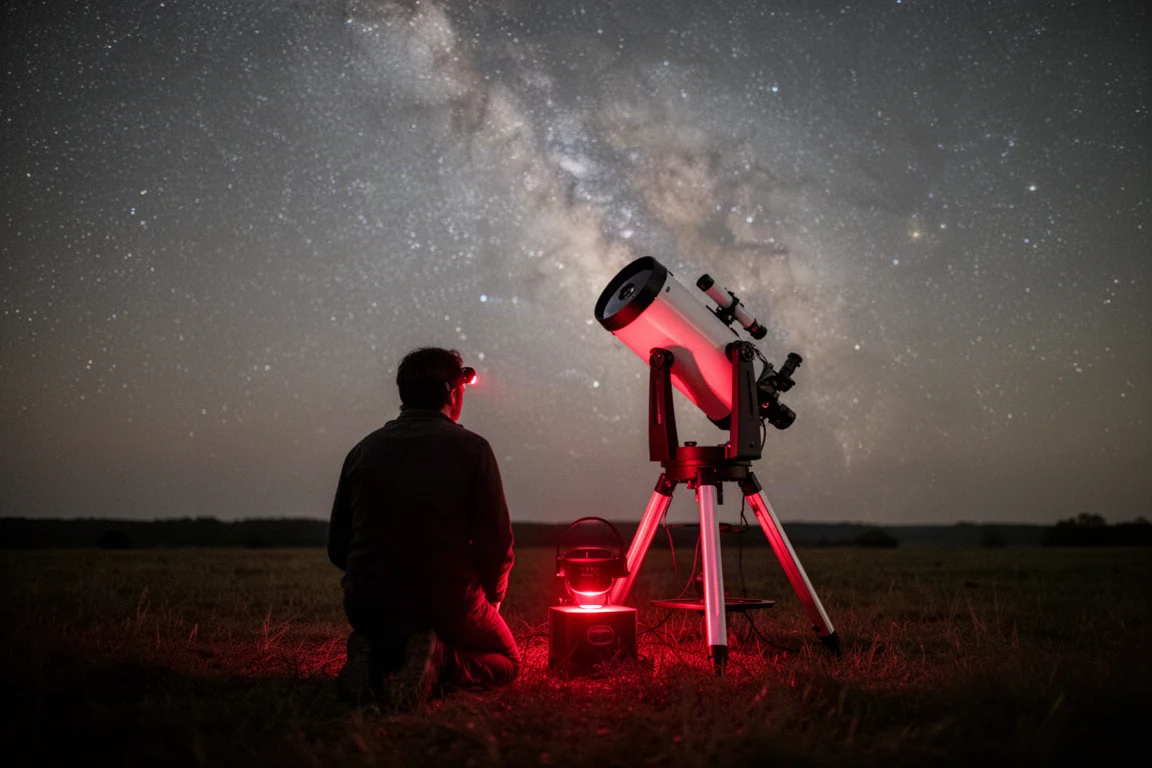
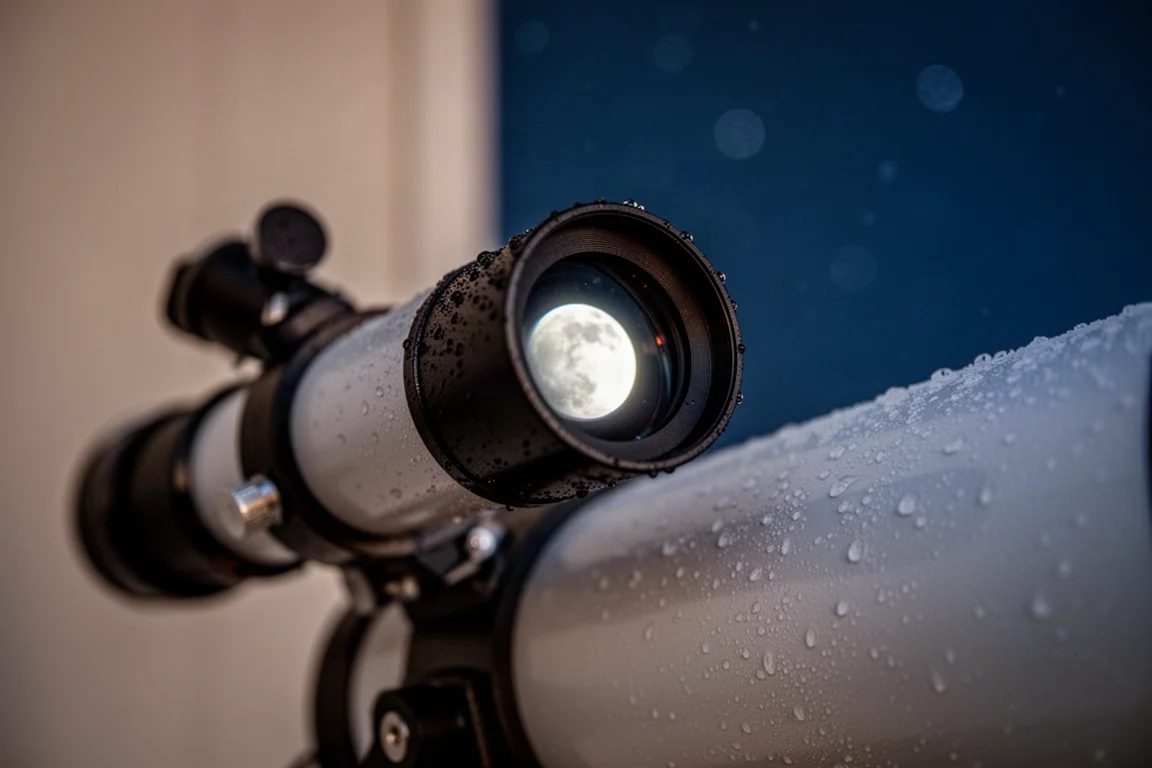
Over more than a decade of ownership, this telescope has revealed the craters of the Moon, seven planets of the solar system, and star clusters, nebulas, and galaxies that are incomprehensibly far away. Weather and light pollution often have as much impact on what you can see as the telescope itself, but the 8-inch aperture gives you plenty of headroom.
The best telescope to buy is one that is affordable within your budget, in line with your experience level, and easy to move around and quick to set up, particularly if you need to travel to darker skies.
Conclusion
For anyone serious about getting into amateur astronomy, an 8-inch Dobsonian like the Orion offers sharp optics, strong build quality, a useful set of included accessories, and a design that is easy to operate night after night. It is a first telescope that will keep getting used rather than gathering dust.
Product link
View more details for Orion 8-inch Dobsonian Telescope
This product is mentioned in the review. Check the specifications, options, and compatibility before buying.
View more details for Orion 8-inch Dobsonian TelescopeFurther reading
Related Reviews
Astronomy
Astronomy Gifts for Dads: Binoculars, Telescopes and Accessories Worth Giving
A practical gift guide covering stargazing binoculars from around $50, beginner telescopes under $500, and accessories under $100.
Astronomy
Best Filters for EAA in Light Pollution: What Short-Exposure Testing Actually Showed
Five astronomy filters and two noise reduction tools tested under light polluted skies for electronically assisted astronomy, with practical results for broadband and narrowband targets.
Astronomy
Six Premium Eyepieces That Transform a Beginner Telescope
A hands-on comparison of Tele Vue Panoptic, Tele Vue Nagler, and Baader Hyperion eyepieces, and why upgrading the stock eyepieces is the best first move in stargazing.