Audio Video Processors
OREI HDA-939 Review: A 4K HDMI Scaler With Audio Downmixing and eARC
A practical look at the OREI HDA-939, a 4K HDMI scaler that splits video from audio, downmixes Dolby Atmos to two-channel stereo, and adds eARC routing to older receivers.
Introduction
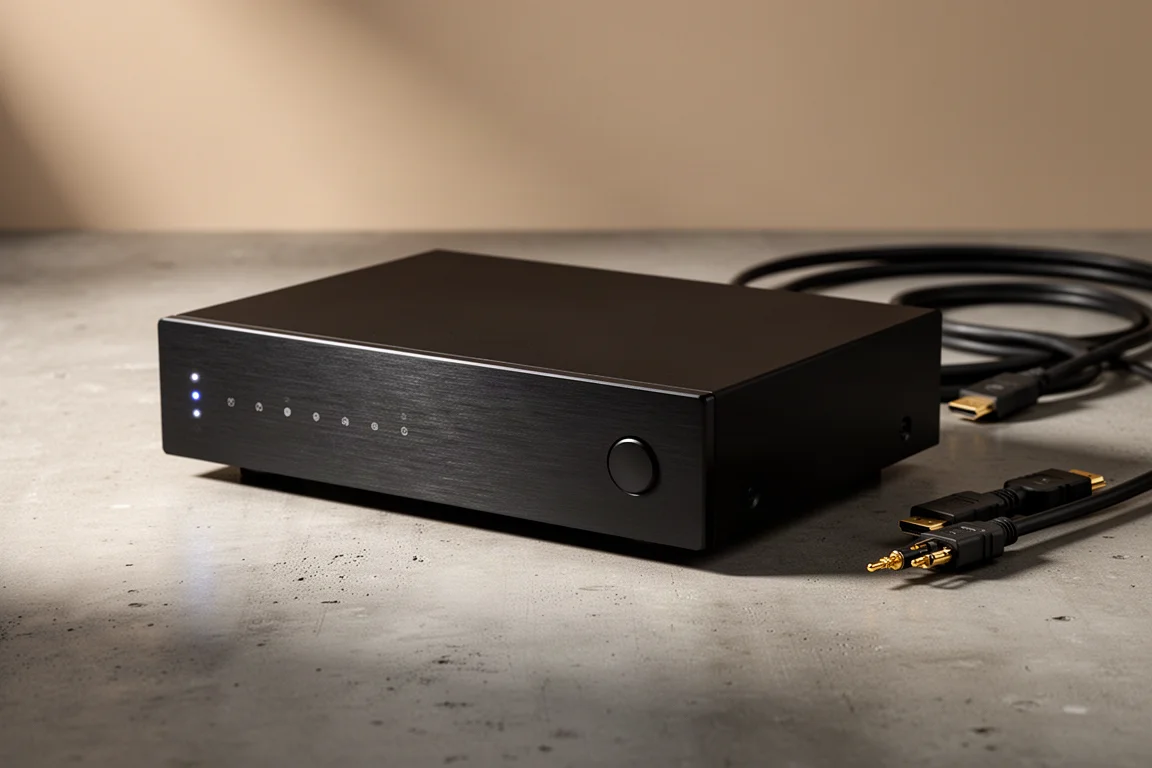
The OREI HDA-939 is a 4K HDMI scaler with audio downmixing and eARC, and it is built around one clear job: take an HDMI signal, send the video to a display, and send the audio somewhere better. It is HDMI 2.0 compliant with HDCP 2.2 support, and it passes resolutions up to 4K at 60Hz at 4:4:4 along with HDR, HLG, and Dolby Vision.
What separates it from a basic splitter is the second HDMI output. HDMI output 1 carries video to the screen, HDMI output 2 carries audio to an AVR, processor, soundbar, or pair of powered speakers, and both run at the same time. That single design decision is what makes the HDA-939 interesting for anyone whose display and sound system do not agree on formats.
Who this product is for
The most obvious candidate is a household with a capable sound system and a display that cannot pass the audio it needs. If the screen is a monitor or an older television without speakers worth using, the HDA-939 lets the video go where it belongs while a receiver handles Dolby Atmos.
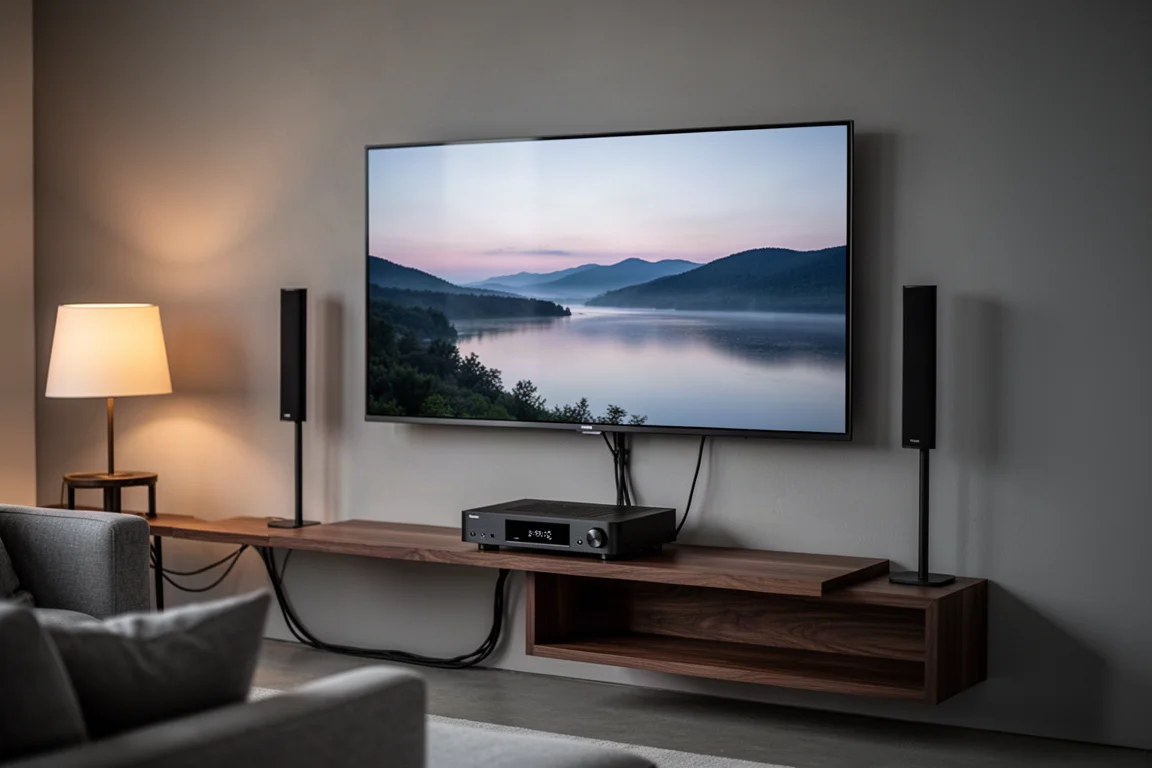
A second, less obvious case is an AV receiver or processor that predates eARC. The HDA-939 can downmix audio coming from a television’s eARC output into a receiver’s ARC input, so an upgrade to an eARC-capable receiver is not automatically required.
It is also relevant for stereo listeners. Anyone with a pair of powered speakers or a two-channel system can use the analog outputs and let the scaler reduce a multichannel stream to two channels.
Main strengths
Format support is broad for a device at this level: HDMI 2.0, HDCP 2.2, 4K at 60Hz at 4:4:4, and HDR, HLG, and Dolby Vision passthrough. HDMI output 1 can also downscale a 4K input to 1080p, which is useful with older displays.
The audio path is the headline feature. HDMI output 2 downmixes anything from Dolby Atmos down to two-channel stereo, with support for 24-bit/192k. Optical, coaxial, and left/right analog outputs are available as well, so the scaler can feed a soundbar, an AVR, a processor, or powered speakers without extra conversion hardware.
There is also real flexibility in control. EDID management is included, and the audio outputs can be driven through API commands. Gamers get FreeSync support. The front panel shows power, HDMI input and output status, and signal format indicators for PCM, Dolby, DTS, and DTS HD, alongside HDMI input, ARC, and eARC indicators and a selection button. Build quality feels solid for the price.
Audio downmixing and output options
Downmixing is where the HDA-939 earns its place in a stereo setup. A Dolby Atmos stream can be reduced to two-channel audio and sent out through RCA jacks to a receiver, processor, or powered speakers. In practice the two-channel auxiliary input shows two channels in and two channels out, which is exactly the behaviour you want when the source is multichannel and the destination is not.
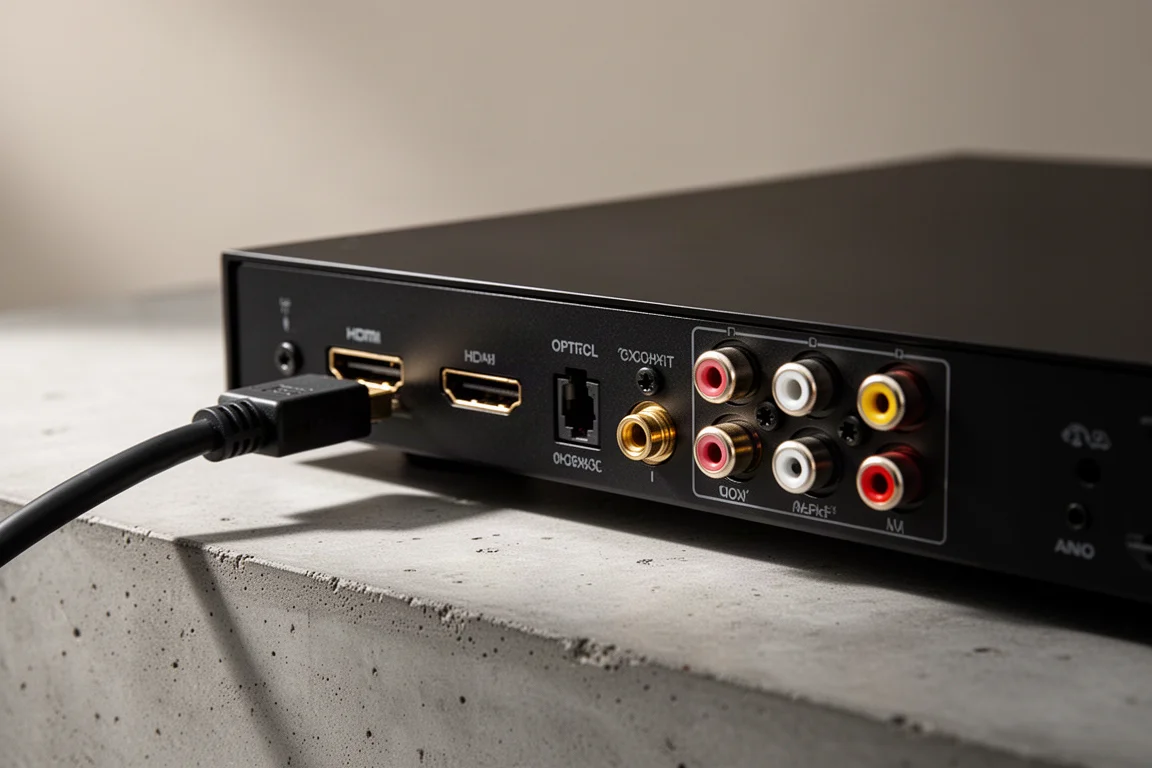
Beyond HDMI, the optical and coaxial outputs give additional ways to extract audio from an HDMI stream, so the unit can slot into setups that already have a spare digital input. Outputs are controlled through API commands when needed, and EDID management helps keep the handshake predictable.
Setup and real-world use
A representative setup pairs a streaming box with a monitor that has no speakers at all. The streamer feeds the HDA-939, HDMI output 2 goes to an AV receiver, and HDMI output 1 goes to the display. The scaler extracts the audio, sends it to the receiver, and passes video to the screen, so the display still gets 4K while the receiver gets Dolby Atmos.
In that configuration the streaming device’s audio menu reports Dolby Atmos as available, and content mixed in Atmos plays back as Atmos rather than being folded down. The receiver confirmed a Dolby Atmos stream at 48k, with all 9.1 channels active.
The same box also demonstrates the stereo path: switching to the two-channel auxiliary input shows two channels in and two channels out, confirming that a Dolby Atmos stream can be downmixed for a stereo system. Everything hinges on setting the dip switches to match the intended configuration.
Dip switch and EDID configuration
The dip switches on the underside of the unit define the supported formats, and the correct configurations are printed on the bottom of the chassis. It is worth checking those before assuming something is broken.
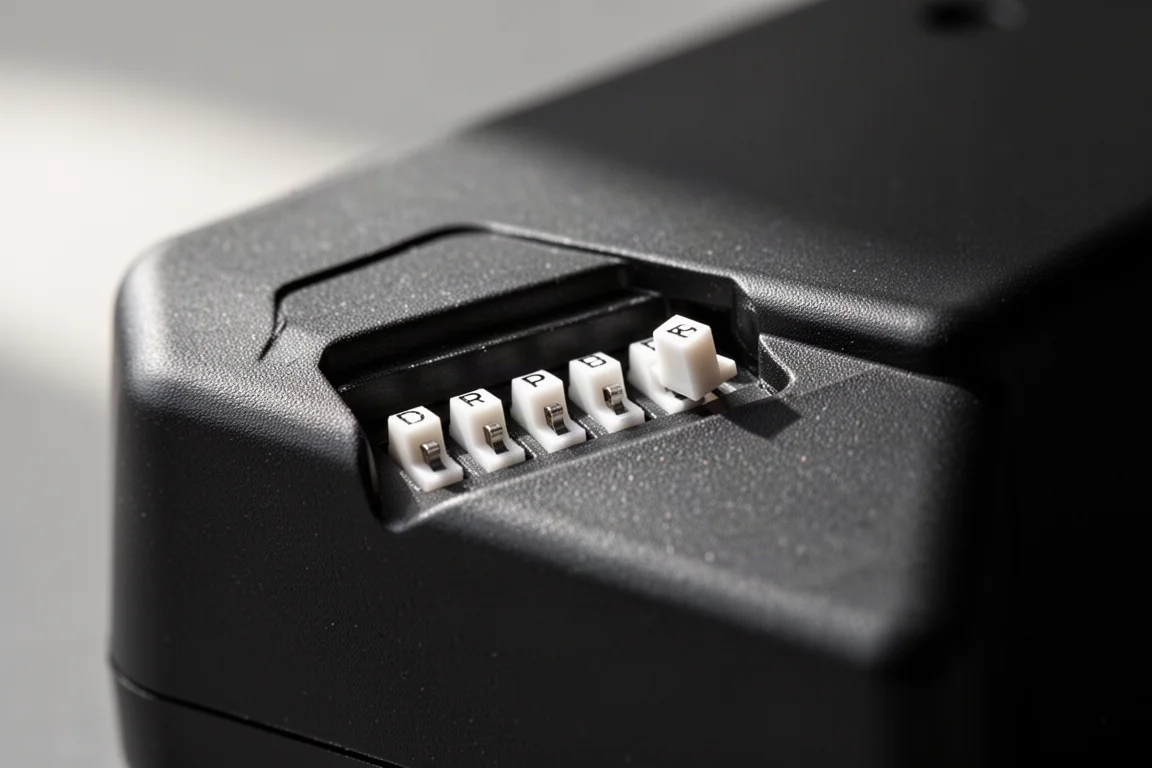
If every dip switch is set to off, the device expects API commands instead, which is a deliberate option rather than a fault. EDID management rounds out the configuration story and helps the scaler negotiate sensibly with both the display and the audio device.
Things to consider before buying
The HDA-939 is not HDMI 2.1 compatible, so the newest HDMI 2.1 features are out of scope. FreeSync works, but not while the video input is being downscaled.
Because format behaviour is governed by dip switches, buyers should expect a short configuration step rather than a pure plug-and-play experience. Getting the switches right is what unlocks the audio formats, the downmix, and the ARC or eARC behaviour.
On price, the unit was selling for $200 at the time of writing, which is modest next to the cost of a new display or an eARC-capable receiver.
Buying advice
The case for the HDA-939 is straightforward: it separates the two halves of an HDMI signal so each half can go to the device best suited to handle it. If you have an older display but a soundbar or home theater system you have been waiting to use properly, this is an easy and user-friendly way to try current audio formats without replacing the screen.
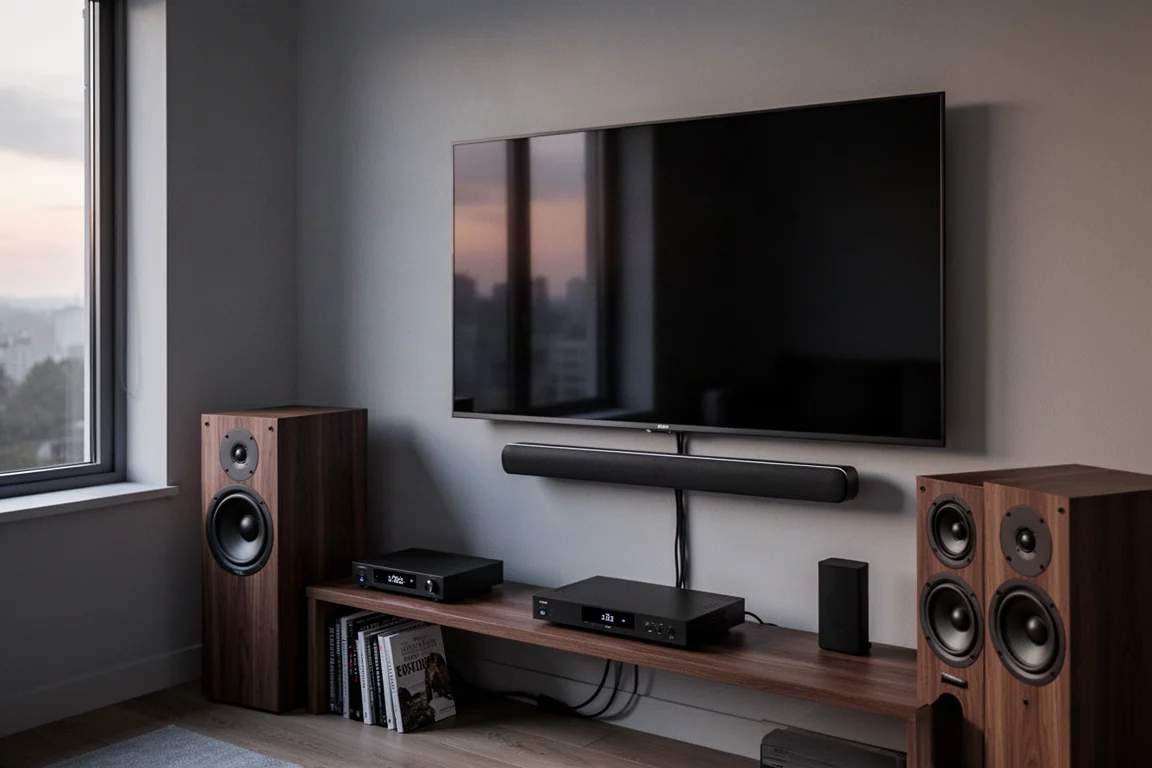
It also makes sense as a stopgap for ARC-era receivers, since eARC audio from a television can be downmixed into an ARC input. Check the dip switch table on the bottom of the unit, confirm the outputs you need, and the rest of the setup is largely cable work. For $200, it addresses a specific problem that otherwise tends to be solved with much more expensive hardware.
Conclusion
The OREI HDA-939 does not try to be everything. It is a 4K HDMI scaler with audio downmixing and eARC routing, and it handles that job with broad format support, dual simultaneous HDMI outputs, and a useful stereo downmix path. For anyone with a good sound system and a display that cannot keep up, it is a sensible and affordable bridge between the two.
Product link
View more details for OREI HDA-939
This product is mentioned in the review. Check the specifications, options, and compatibility before buying.
View more details for OREI HDA-939Further reading
Related Reviews
Room Correction
Anthem ARC Genesis Beta Review: Smarter Speaker and Subwoofer Integration
A practical look at Anthem's ARC Genesis beta, including phase-aware speaker calibration, all-pass subwoofer blending, and the settings worth adjusting.
AV Processors
Anthem AVM 90 8K Review: A Reference-Grade AV Processor for Music and Movies
A close look at the Anthem AVM 90 8K AV processor: measured performance, two-channel and immersive listening notes, bass control, and what to weigh before buying.
Home Theater
Anthem AVM 90 Review: A 15.4-Channel Flagship Preamp Processor
A close look at Anthem's flagship preamp processor, covering its dual ESS DAC architecture, 15.4-channel layout, ARC Genesis calibration and four independent subwoofer outputs.