AV Processors
Anthem AVM 90 8K Review: A Reference-Grade AV Processor for Music and Movies
A close look at the Anthem AVM 90 8K AV processor: measured performance, two-channel and immersive listening notes, bass control, and what to weigh before buying.
Introduction
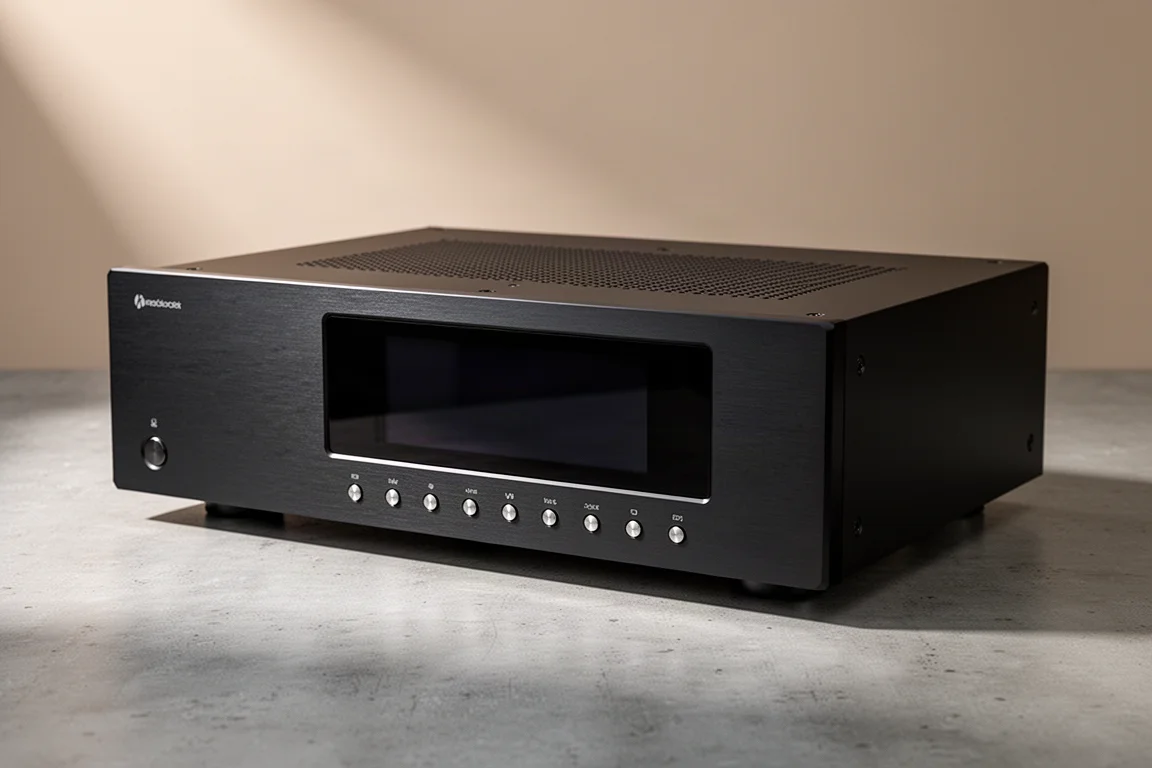
Most AV processors are bought for one job: making a film soundtrack hit hard. The Anthem AVM 90 8K takes a wider brief. It is designed to serve as a reference-grade two-channel preamplifier and as the hub of a large immersive cinema system at the same time, and at an MSRP of $7,499 it sits firmly in flagship territory.
The case for a processor at this price rests on audio circuitry rather than channel count alone. This review covers how the AVM 90 8K measures, how it handles music and film material, and which limitations are worth knowing about before you commit.
Who This Processor Is For
The AVM 90 8K is built for listeners who care about both halves of the hobby. It suits a system organised around a 9.4.6 speaker layout, and it is just as comfortable driving a carefully assembled two-channel setup. If your listening splits between streamed albums, multichannel music, and film soundtracks, that overlap is exactly what this unit is designed to cover.
It is also a natural fit for large floor-standing speakers that deserve an uncoloured front end. The design goal is transparency: a low noise floor, a wide dynamic range, and enough resolution to let differences between recordings come through instead of being smoothed over.
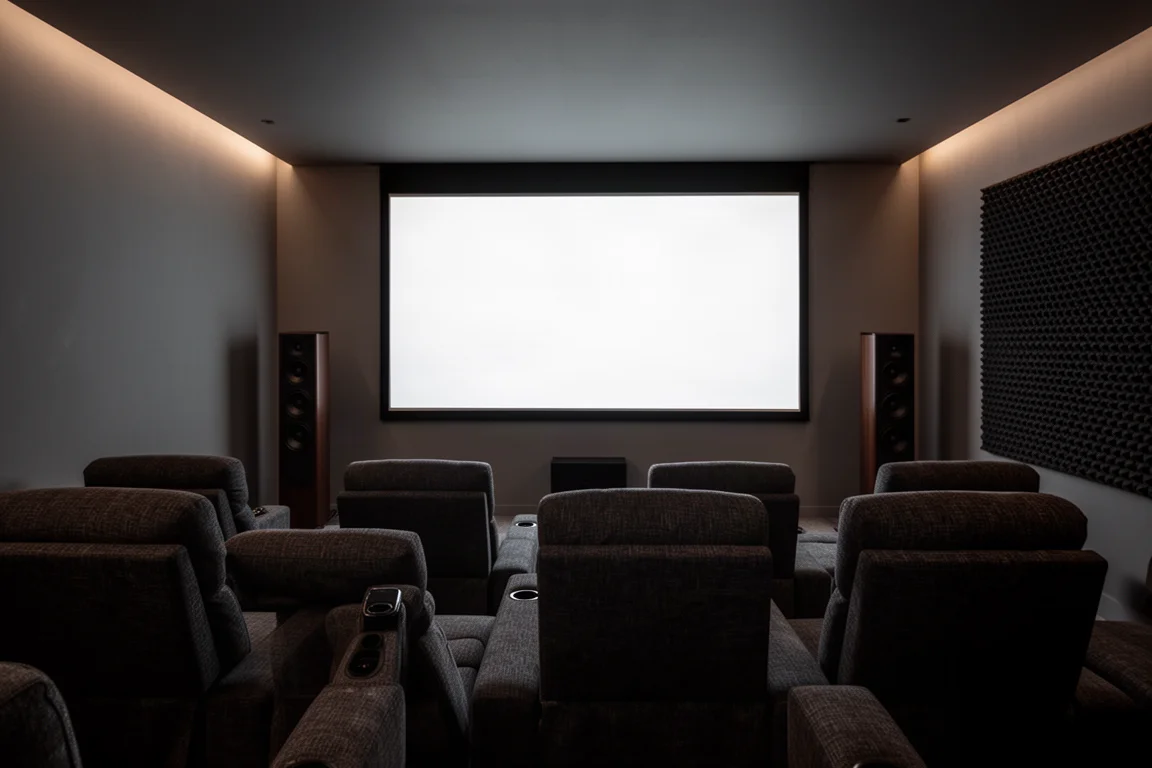
Buyers stepping up from a mid-tier AV receiver should expect the differences to appear in subtle places. The gains show up in quiet passages, in the space around individual instruments, and in how cleanly a system holds together when a complex mix gets loud.
Main Strengths
Measured Performance
The AVM 90 8K measures exceptionally well. Total harmonic distortion plus noise is negligible at roughly 0.0076%, and the unit posts an impressive 102.4 dB figure for listeners who track that metric. Dynamic range lands at around 116.3 dB, close to 19.4 bits of effective resolution.
Linearity is excellent, the multitone test is solid, and jitter is well controlled on both HDMI and coaxial inputs. Distortion versus frequency holds up too, which suggests the updated audio circuitry is doing real work rather than dressing up an existing platform.
Two-Channel Music Performance
With music, the standout quality is transparency. The AVM 90 8K removes the sense of a screen sitting in front of the performance, and the ESS Pro DAC and updated audio stage are central to that impression. Instruments and voices appear against a very quiet background, so audience cues, room ambience, and small production details register clearly.
Soundstaging is the other headline. The processor builds a tall, wide, and deep three-dimensional image, and speakers tend to disappear into it. Rather than stacking flat layers, it presents a single coherent stage where each element holds its own position in space and time. Tonality stays neutral without tipping into the analytical, and timbre sounds accurate on both acoustic and electric material.
Dynamics are handled with real authority as well. Percussion has punch and snap, finger snaps carry the sense of moving air, and vocal lines that begin recessed step forward with clarity and presence as a track builds. The result is the kind of engagement that usually separates a very good processor from a reference one.
Movie and Immersive Audio Performance
Film soundtracks bring the same qualities into sharper focus. With Dolby Atmos and DTS:X material, the AVM 90 8K expands the soundstage well beyond the room’s physical walls, and it does so without blurring the individual elements inside the mix.
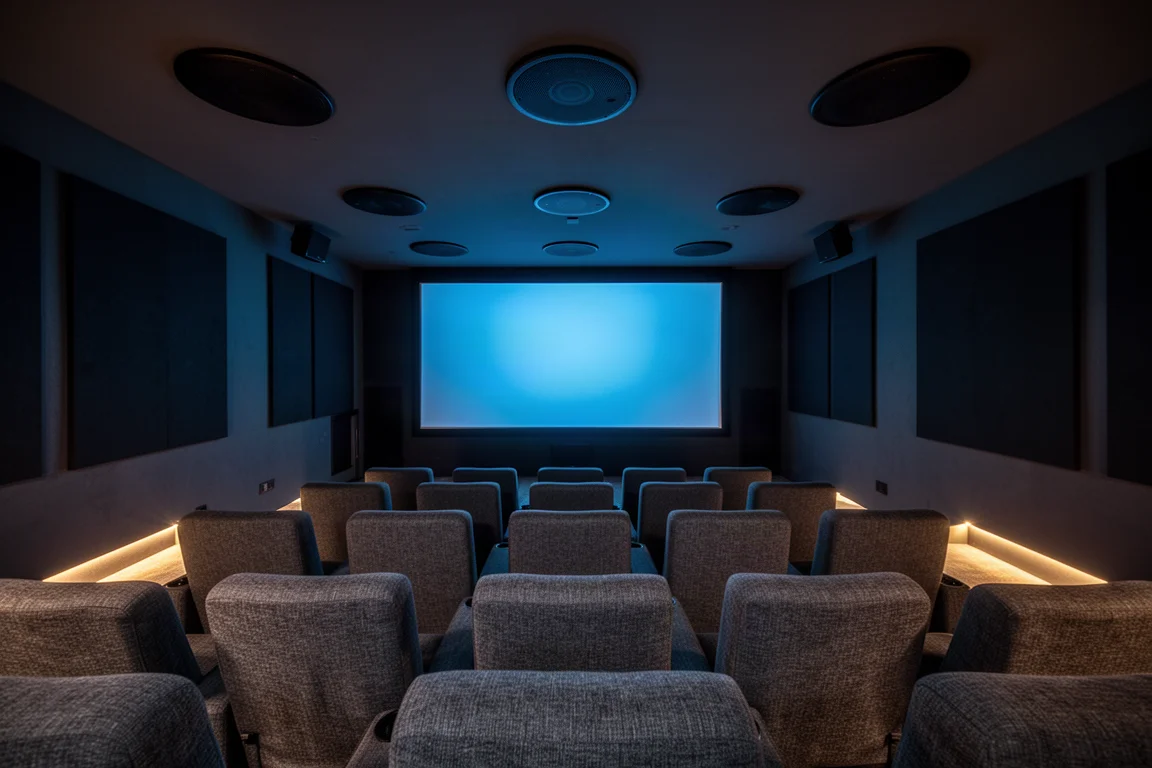
Two things stand out. First, complex layering stays legible: score, dialogue, engine noise, and effects each occupy their own layer, so dense action sequences remain readable rather than turning into a wall of sound. Second, the sense of detail and dimensionality on individual objects is noticeably heightened, which makes familiar demo scenes feel newly resolved. Bass integrates as a foundation rather than an obstacle, and the processor never lets low-frequency energy muddy the midrange.
Bass Control and Quad Subwoofer Outputs
Bass performance is a reference-level strength. The AVM 90 8K provides four independent subwoofer outputs and can equalise each connected subwoofer separately, which gives a multi-sub system far more control than a single summed output allows. The result is bass that is visceral and precise at the same time, with texture and decay preserved rather than smeared.
That control matters most at moderate volumes, where the processor still delivers a physically tactile low end while keeping vocals clean and unaltered. Even on bass-heavy tracks, the low end stays an instrument that complements the music instead of something the rest of the mix has to fight through.
Calibration, Streaming, and Daily Use
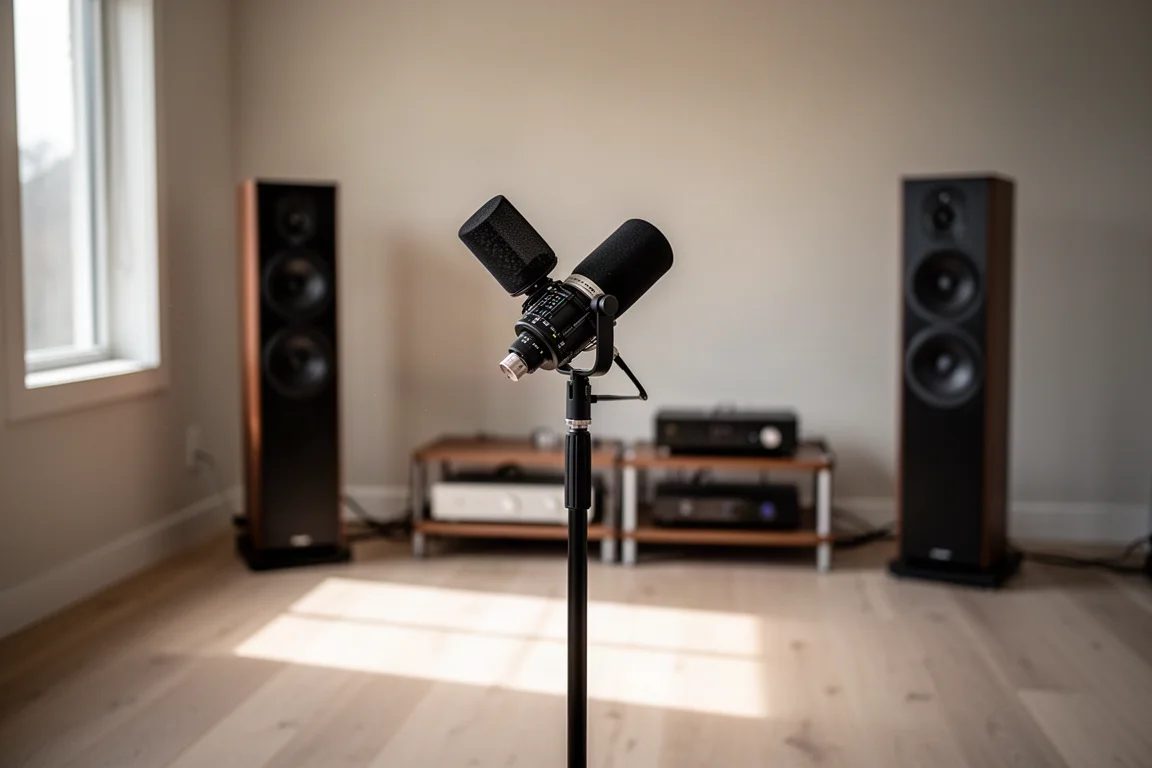
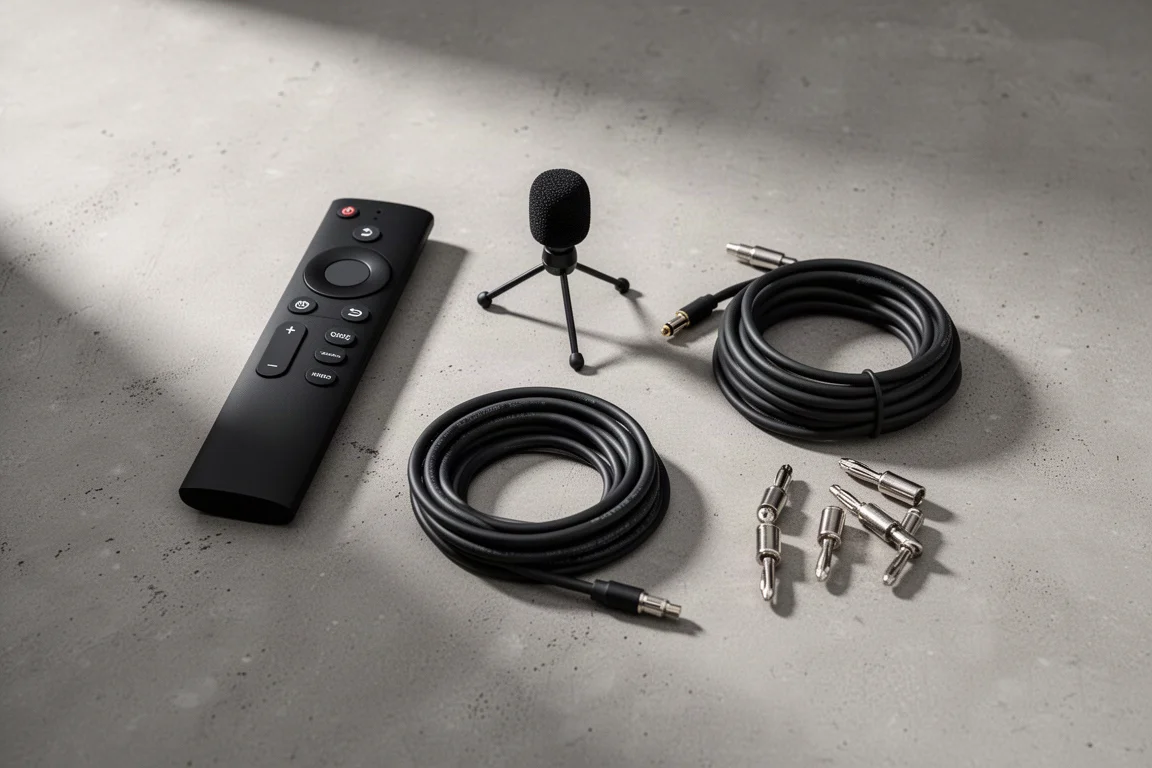
Setup is unusually straightforward for a processor at this level. ARC Genesis room correction with phase control is included, and it is easy to run. The system supports up to four independent measurement or profile configurations, each of which can be assigned on an input-by-input basis, so a film profile and a music profile can coexist without menu diving. A directional calibrated microphone ships with the unit, and the front panel uses a large, easy-to-read colour display.
Streaming is covered by onboard AirPlay, Chromecast, and Spotify Connect, with Roon Ready certification for high-resolution streaming stated as forthcoming. Combined with HDMI 2.1 and 8K support, that makes the AVM 90 8K a multi-protocol hub rather than a processor that only makes sense inside a disc-based system.
Things to Consider Before Buying
A few limitations are worth knowing. Speaker outputs cannot be assigned independently, so a layout that would benefit from a second row of surrounds in place of front wides cannot be configured that way. Auro-3D is not supported, although the format has little mass-market content.
Within the Anthem range, the AVM 70 costs less, but the AVM 90 8K improves on it in dynamic range, noise floor, and distortion, and it adds independent quad subwoofer outputs. The closest rival at this level also offers quad independent sub outputs and high-end DACs, but it requires additional spending on a calibrated microphone and room-correction upgrades, and it uses a much smaller display.
Price is the other consideration. Moving to processors with more channels, finer feature granularity, and deeper control over the theatre environment generally means spending at least double, and sometimes several times more, while adding considerable setup complexity that many owners will never use.
Buying Advice
The AVM 90 8K makes the most sense for an enthusiast who wants one processor to handle two-channel music, multichannel music, and film without compromise. Pair it with high-performance speakers and a properly integrated multi-subwoofer array to hear what the design is capable of.
If your system is built around a 9.4.6 layout and you value transparency, imaging, and bass control above an exhaustive feature list, the value calculation is straightforward. Buy through an authorised dealer so that setup support and after-sales service match the level of the product. Anthem’s platform stability and long product life cycles also matter here: this is a component intended to stay in a rack for years rather than a single generation.
Conclusion
The Anthem AVM 90 8K is a reference-grade AV processor that earns its price through measured performance and, more importantly, through the way it presents music and film. Its low noise floor, three-dimensional imaging, and authoritative bass control are the qualities that justify the step up, while the missing Auro-3D support and fixed speaker output assignment are the compromises to accept.
For a system that has to be equally convincing with a two-channel recording and a full Dolby Atmos soundtrack, it is one of the strongest options available below the flagship price bracket.
Product link
View more details for Anthem AVM 90 8K
This product is mentioned in the review. Check the specifications, options, and compatibility before buying.
View more details for Anthem AVM 90 8KFurther reading
Related Reviews
AV Processors
Anthem AVM 90 vs Marantz AV10: Which 15.4-Channel AV Processor Fits Your System?
A practical comparison of two flagship 15.4-channel AV processors, covering formats, streaming, video processing, room correction, converters, and everyday usability.
AV Processors
Marantz AV10 Review: Advanced LFE Bass Management in a Mainstream Processor
The Marantz AV10 adds an LFE distribution feature that routes low frequency effects back into large main channels while keeping subwoofers active, a capability usually reserved for specialty processors.
AV Processors
Marantz AV10 Review: A 15.4-Channel AV Processor With Serious Measured Performance
A detailed look at the Marantz AV10, covering measured output drive, noise floor, channel isolation, phono performance, and its advanced bass management features.