Hi-Fi Audio
Orchard Audio Starkrimson Review: GaN Class D Power With Real Bass Authority
A close look at the Orchard Audio Starkrimson, a GaN Class D power amplifier with 250W into 8 ohms, modular internals, and a kit price that undercuts its rivals.
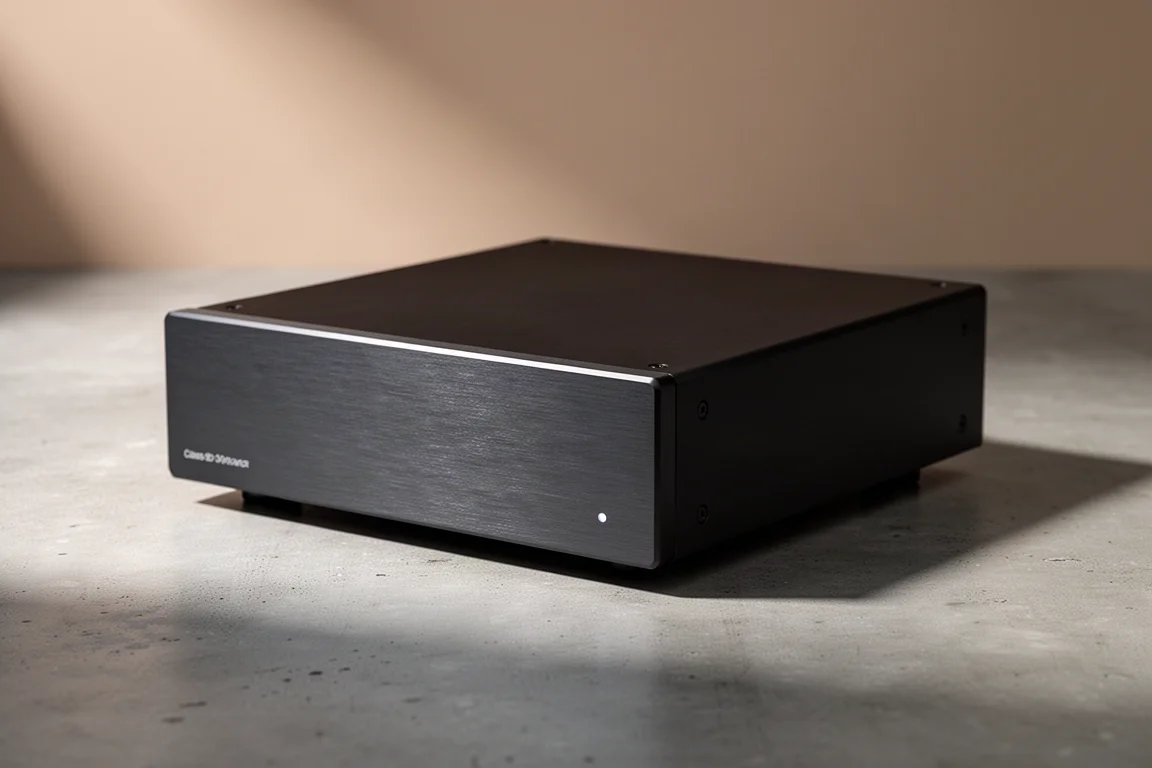
Introduction
The Orchard Audio Starkrimson is a Class D power amplifier built around gallium nitride (GaN) output devices rather than conventional silicon. That choice matters. GaN offers faster switching, higher thermal capability, and a waveform much closer to the ideal, and those advantages translate into stronger measured performance in areas such as distortion and slew rate. Orchard Audio publishes the full measurement set for this amplifier, so anyone who wants the underlying numbers can dig into them directly.
Open the chassis and the layout is refreshingly simple. There is a power supply, then a separate Class D module for the left channel and another for the right, in a fully balanced design. The amplifier takes XLR inputs only, so RCA sources need a separate converter. That simplicity is also the point: the unit is fully modular, which means the power supply and the channel modules can be swapped as upgrades arrive. This is the 2.0 version, and owners of the earlier 1.0 can move up simply by changing the power supply.
It would be easy to mistake that clean interior for a low-output design. It is not. The Starkrimson delivers 250W into 8 ohms, doubles to 500W into 4 ohms, and remains stable down to 2 ohms. Orchard Audio also sells a true dual mono version with a dedicated power supply for each channel, priced at $4,000. The standard amplifier is available as a kit for $2,100 shipped in the US, including the casing and cables, with only solder and basic tools left to source. A fully assembled version is $2,650 with shipping included.
Who the Orchard Audio Starkrimson Is For
This amplifier makes the most sense for listeners who want serious drive capability and bass authority without stepping into flagship territory. The power rating and 2-ohm stability mean it can handle demanding, hard-to-drive loudspeakers with headroom in reserve, which is often exactly where modest amplifiers run out of composure.
It also suits two specific kinds of buyer. The first is the listener running neutral to warm loudspeakers, since the Starkrimson’s balance leans slightly toward the bass with a touch of edge and definition around strings and vocals. The second is the builder: if you are comfortable with a soldering iron and basic tools, the kit version cuts the cost meaningfully and produces the same amplifier.
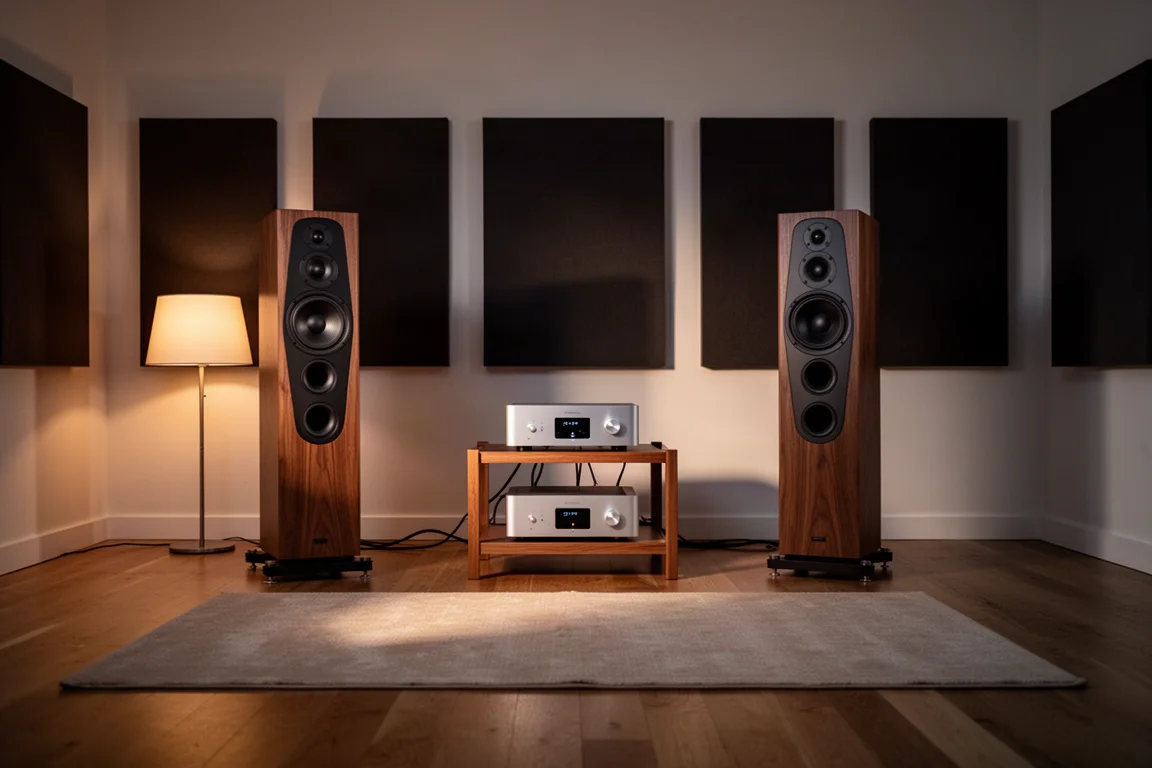
What it is not is a lifestyle component. The chassis is metal and functional rather than decorative, and this is a purchase made for value and performance rather than for how the unit looks on a shelf.
Main Strengths
Bass Depth and Dynamic Control
Bass is the headline. The low end here is extended, quick and controlled, and it holds together with the kind of authority usually associated with large Class A and Class AB designs. Transients are fast, and the amplifier drives a speaker with genuine dynamics rather than simply volume, keeping grip when the music asks for it.
That combination of extension and control is where the Starkrimson separates itself from far more expensive competition, and it is the single strongest argument for the design.
Tonality and Vocal Character
Overall the sound signature is neutral, with a modest lift in the bass and a little edge and definition around strings and voices. That character pairs particularly well with neutral to warm loudspeakers.
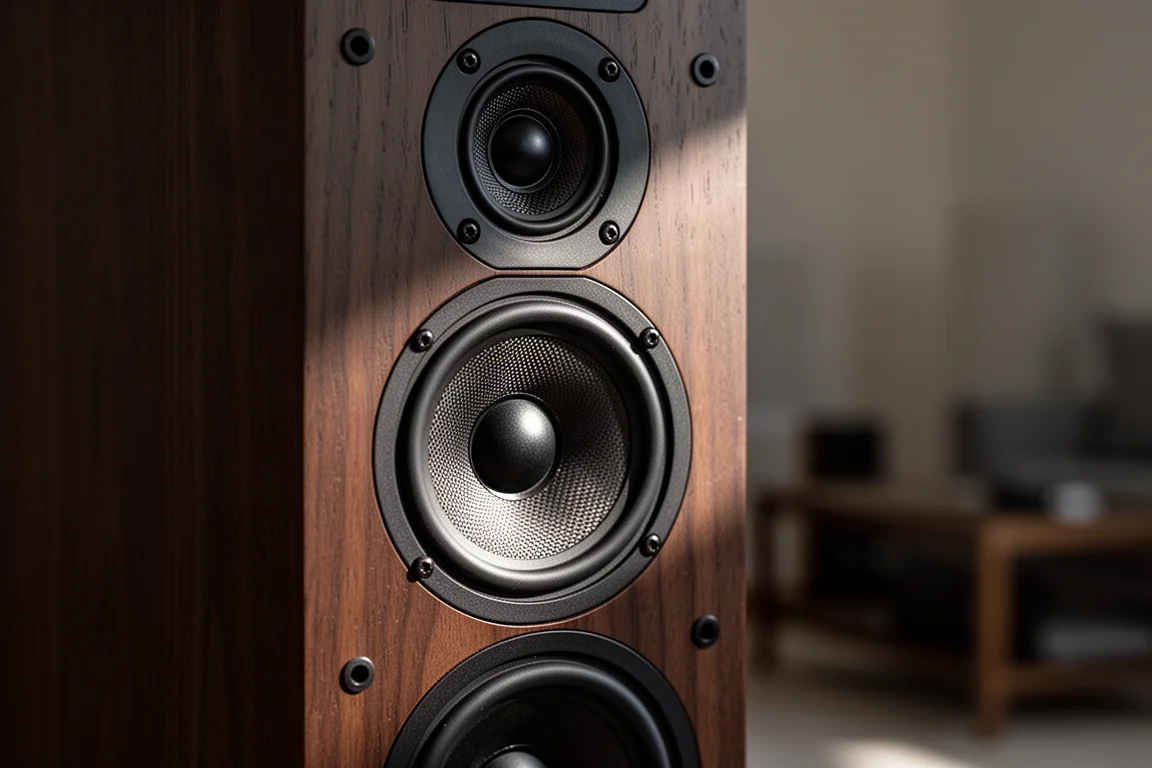
On vocal passages and string instruments, that slight edge adds definition. Some listeners will hear it as extra bite and detail, while others will prefer a smoother presentation. That is a matter of taste rather than a flaw, and it is worth knowing which side of the line you sit on before buying.
Soundstage and Imaging
Imaging is a strong point: a locked centre image, convincing side placement, and micro details that come through cleanly. The soundstage is open and generous in both width and depth.
How It Compares With Pricier Amplifiers
Against the Axxess Forte 1, an all-in-one integrated with streaming and conversion built in, the Starkrimson offers more bass extension and a fuller, meatier low end in both the sub-bass and mid-bass. The Forte 1 counters with faster attack and decay and a very clean, precisely separated presentation with a blacker background, and it edges slightly ahead on imaging. The Starkrimson’s stage is the more grand and open of the two.
The AGD Tempo is the closest match of the group, and both are GaN designs. The differences come down to three things: the Tempo has more refined edges and a smoother midrange and top end while keeping the micro details, it carries more sub-bass weight, and the Starkrimson is the more extended and detail-forward of the pair, with more edge and definition in strings and vocals.
Moving up in price, the AGD Audion shares a very similar tonal character, but its refinement in the midrange and high frequencies sits on another level, with an analog smoothness that still preserves micro details, plus a more atmospheric and grand stage. The Starkrimson and the Tempo give up a little of that polish and offer more bass weight, extension and heft in return.
Across the group, the Starkrimson carries the highest power rating, which matters when you are driving difficult loudspeakers and want headroom to spare.
Things to Consider Before Buying
The Starkrimson is not without compromises, and most of them are about ergonomics rather than sound. Budget for the right preamplifier, plan for a little chassis housekeeping, and decide early whether you want to build the kit or buy the finished unit.
Balanced Inputs Only
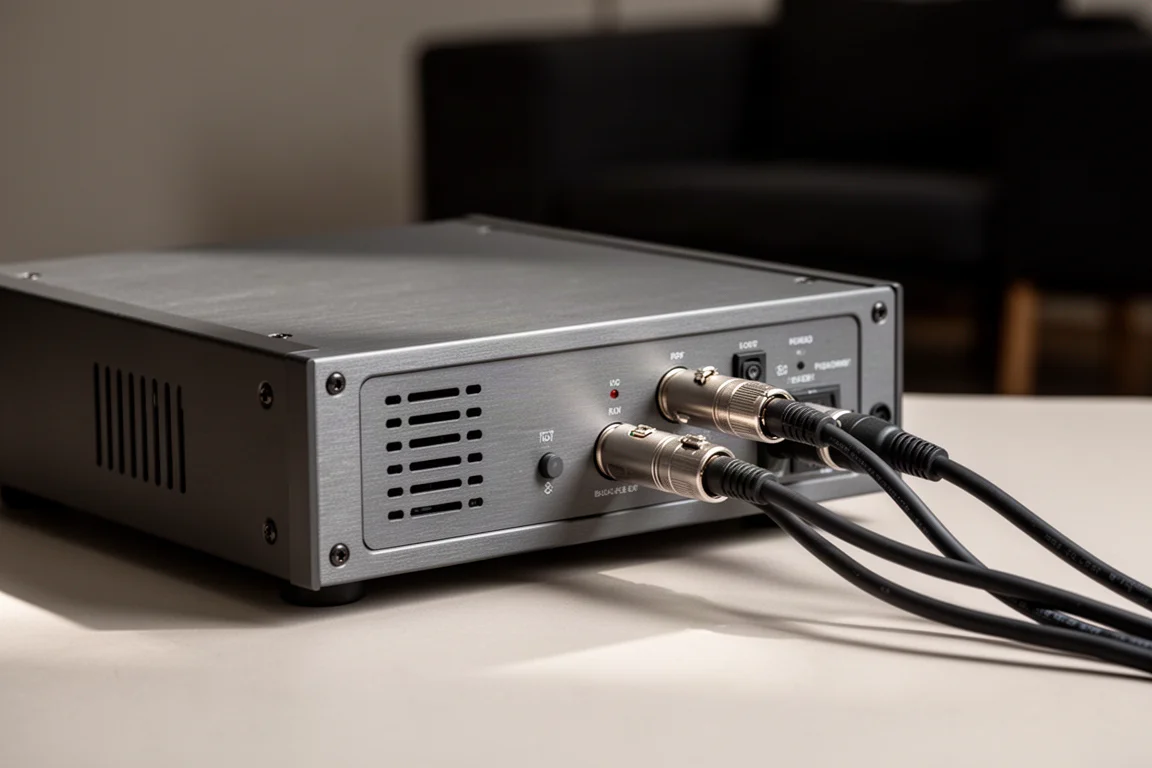
The amplifier accepts XLR inputs only. If your source or preamplifier has RCA outputs, you will need a separate converter. This also narrows preamplifier options, because balanced outputs are effectively mandatory unless you add that converter. Tube preamplifiers pair especially well with Class D designs like this one, and they often offer balanced outputs only on their more expensive models, which is worth factoring into the total system cost.
Chassis Vibration
The metal chassis is solid but not inert. On bass-heavy tracks it can vibrate enough to feel through the top panel, something that simply does not happen with the higher-priced amplifiers in this comparison. Isolation feet underneath the amplifier reduce it but do not eliminate it. Adding mass on top of the chassis removed the problem entirely during extended listening, and the same experiment suggested tighter bass and a cleaner midrange with the weight in place. It is a free tweak, and vibration is never desirable, so it is worth trying both ways.
Kit or Assembled
The kit is $2,100 shipped in the US and includes the casing and cables; you supply solder and basic tools such as screwdrivers. The assembled amplifier is $2,650 with shipping included. If you enjoy building, the kit is the better value. If you do not, the difference is modest for a finished unit.
Buying Advice
If you have been shopping for a high-power amplifier and the prices of premium alternatives have pushed you out of the market, the Starkrimson is the straightforward recommendation. It gives up very little against amplifiers costing significantly more, and it offers more power than any of them, which is useful insurance with demanding speakers.
Matching matters as much as the amplifier itself. Neutral to warm loudspeakers suit its balance well, and a good preamplifier brings out more of what it can do. If you would rather avoid a separate preamplifier altogether, a DAC with a built-in preamplifier stage is a viable route: it will not deliver the grandest soundstage, but it retains solid bass authority, good nuance and dependable staging.
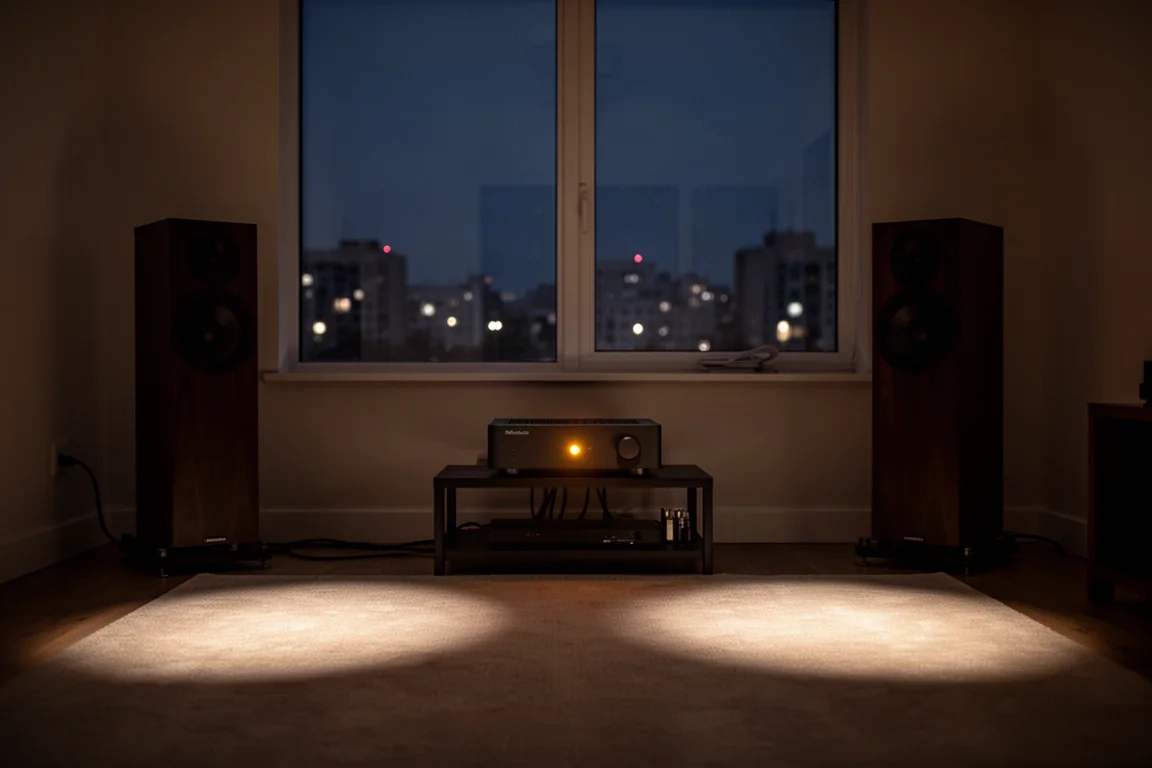
One practical note: if your preamplifier has RCA outputs only, buy the XLR converter rather than working around it. It is a small cost that keeps the rest of the system simple and lets the amplifier do what it was designed to do.
Conclusion
The Orchard Audio Starkrimson is a no-frills amplifier that competes on performance rather than presentation. GaN output devices, a modular balanced design, 250W into 8 ohms with 2-ohm stability, and bass control that holds its own against far pricier designs make it an easy recommendation for anyone who wants high-end sound without the high-end price. Accept the XLR-only inputs, give the chassis a little damping if it needs it, and pair it with speakers and a preamplifier that suit its slightly bass-forward, neutral character.
Product link
View more details for Orchard Audio Starkrimson
This product is mentioned in the review. Check the specifications, options, and compatibility before buying.
View more details for Orchard Audio StarkrimsonFurther reading
Related Reviews
Hi-Fi Audio
Accuphase C-57 vs Allnic H-7000V: Two High-End Phono Stages Compared
A fully balanced solid-state phono stage with a pitch-black noise floor meets a tube design built for well-loved records. Here is how to choose between them.
Hi-Fi Audio
Active vs Passive Hi-Fi: Five Components for a Modern System
Five components that define modern active and passive hi-fi systems, with the strengths, trade-offs and setup details worth weighing before you buy.
Hi-Fi Audio
Advance Paris A10 Apex Review: A Hybrid Integrated Amplifier That Covers a Lot of Ground
A French hybrid integrated amplifier with a class A tube preamp stage, analogue power meters, and an internal DAC and phono stage good enough to make extra boxes unnecessary.