Wetsuits
Orca Wetsuits Compared: The Suit You Want vs the Suit You Need
Orca builds wetsuits around flexibility, buoyancy, or a balance of both. Here is how the Flex, Float and Flow families differ, and how the Athlex and Apex tiers fit in.
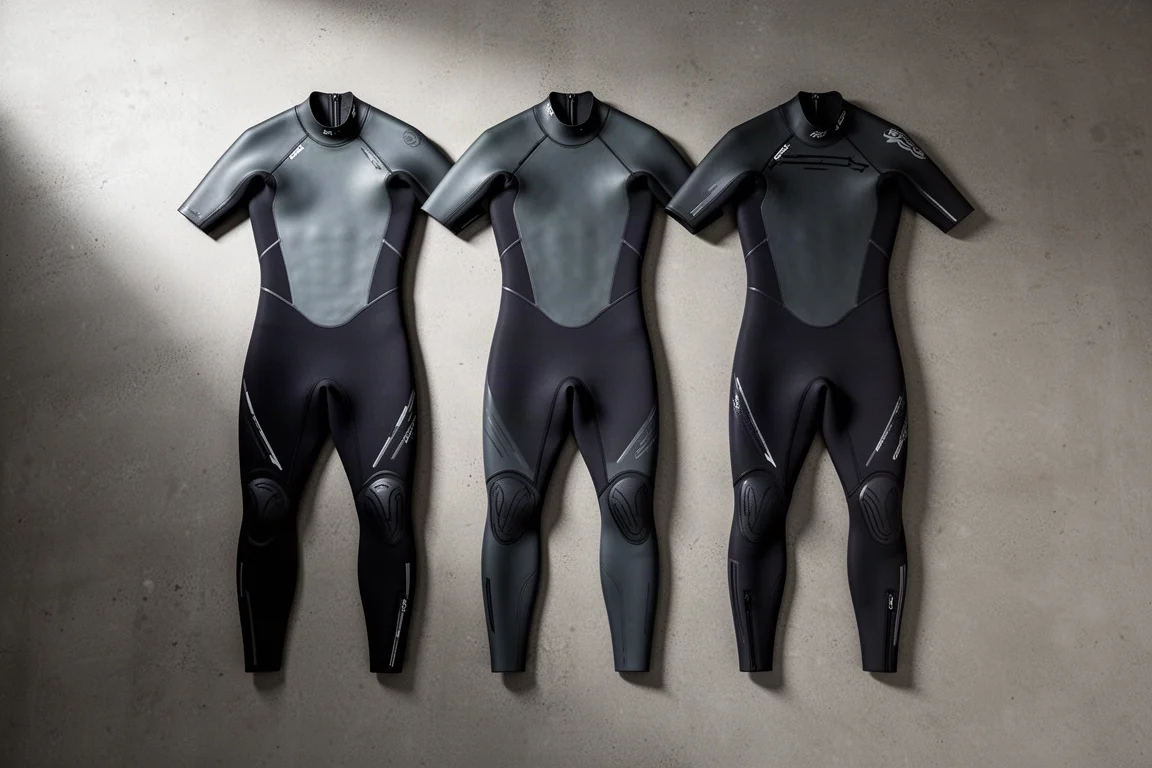
Introduction
The most advanced wetsuit in a range is rarely the fastest suit for every swimmer wearing it. Price and performance are not the same curve, and the gap between them can be large. Orca’s line-up is a good example: the same brand builds suits that prioritise flexibility, suits that prioritise buoyancy, and suits that sit between the two, then splits each family across an intermediate Athlex tier and a top-end Apex tier.
That structure exists because swimmers are not identical. Two people can line up at the same start line, wear two different suits from the same brand, and each be quicker in the one the other person left in the bag.
How to Choose: Flexibility, Buoyancy, or a Balance
Orca’s range covers three broad design ideas. Flexibility-led suits keep the neoprene thickness fairly consistent from the chest down into the legs, so the suit does not force the body into a noticeably different position in the water. They reward swimmers who already hold a good horizontal line.
Buoyancy-led suits do the opposite. They run thicker material through the legs relative to the chest, which lifts the lower body and helps correct a position where the hips and feet sink.
The third category blends the two, adding a modest amount of lift in the legs while keeping a good deal of elasticity, aimed at swimmers correcting smaller faults or covering long distances.
On top of those design families, Orca splits the range by price. The Athlex tier is positioned as the intermediate range at a lower price point, while the Apex tier carries the most advanced materials and construction, including Yamamoto 44 plus and 0.883 technology with a hydrodynamic nano SCS coating intended to reduce drag through the water.
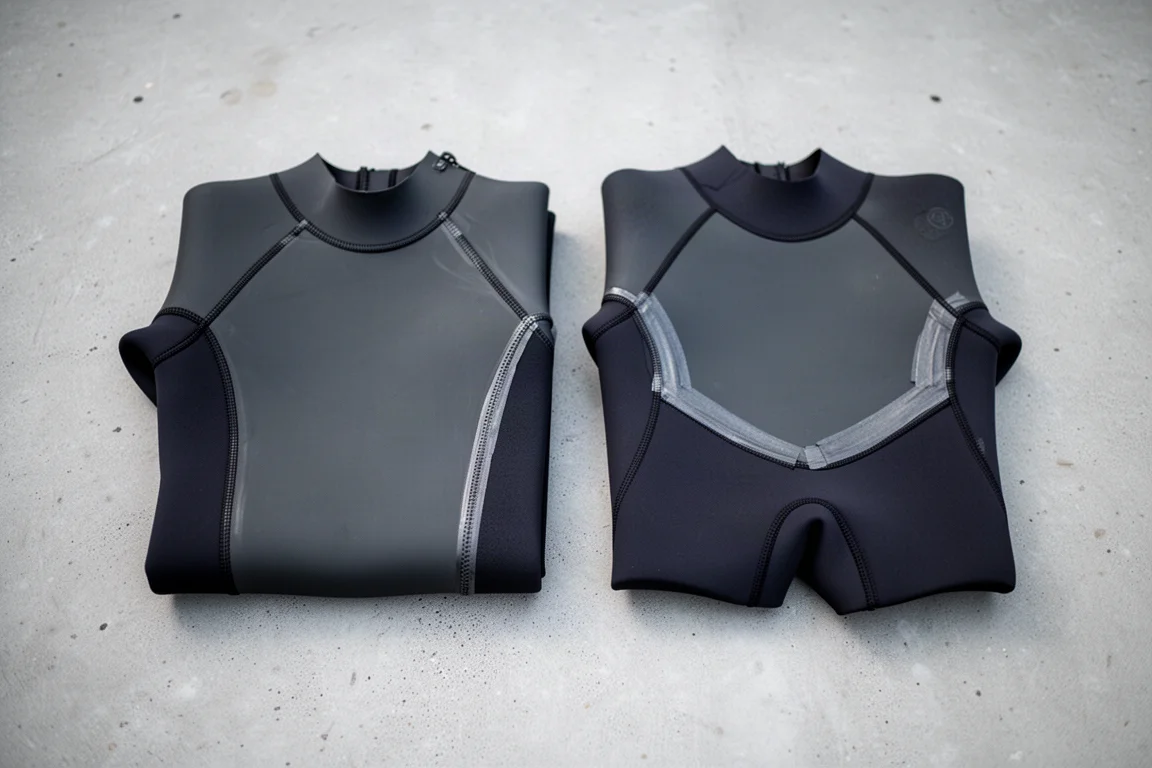
A 400m comparison swim between two swimmers of clearly different ability made the point better than any spec sheet. The more efficient swimmer covered the distance in 4 minutes 49 seconds in the lower-priced suit and 4 minutes 45 seconds in the top-end suit, a four second spread. The less efficient swimmer went from 9 minutes 20 seconds in the top-end flexibility suit to 7 minutes 49 seconds in the buoyancy-led suit, a difference of a minute and a half.
That is the heart of it. A top-end suit can cost several times the price of an entry model without being several times faster, and for some swimmers the extra spend buys the wrong kind of help.
Orca Apex Flex
The Apex Flex sits at the very top of Orca’s range. It uses Yamamoto 44 plus and 0.883 technology, the most advanced materials in the line-up, and is built for maximum freedom of movement, particularly through the shoulder area. A hydrodynamic nano SCS coating is applied to help the suit slip through the water.
This is the type of suit that appears on professional athletes, and the design logic follows from that. It rewards a swimmer who already generates most of their speed from technique, and who benefits most from an unrestricted catch and recovery.
Orca Athlex Flex
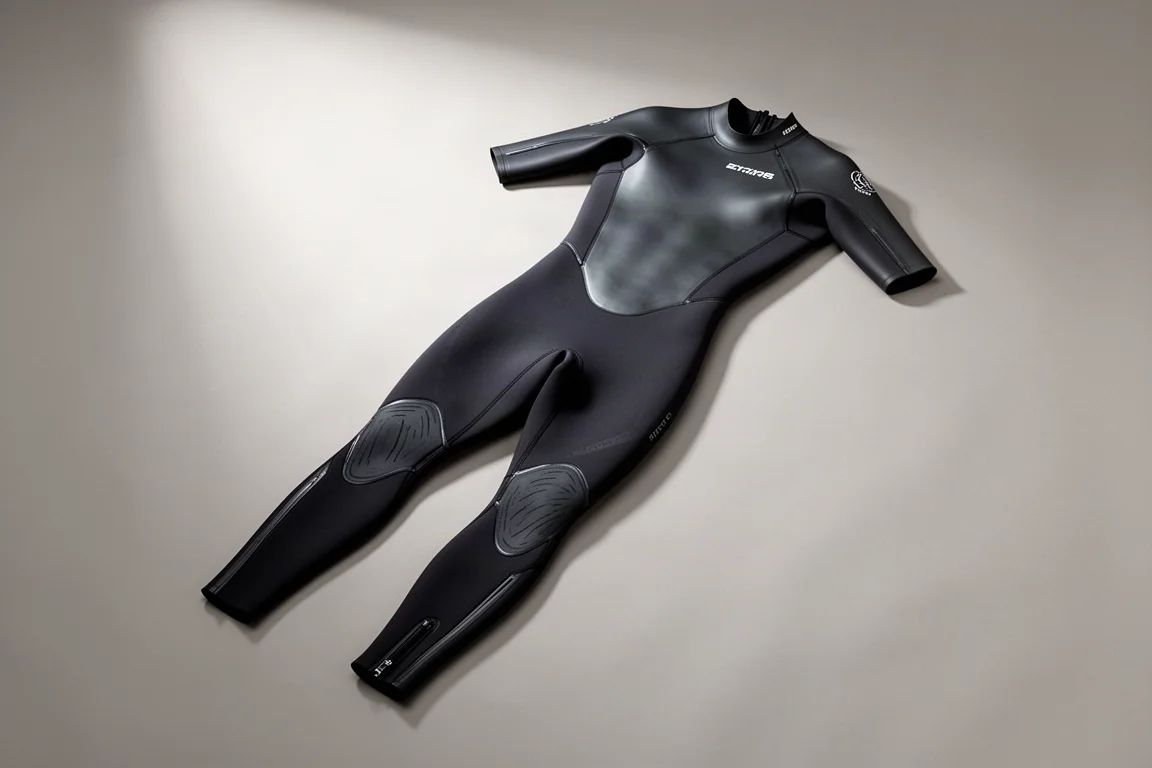
The Athlex Flex applies the flexibility-led idea at Orca’s intermediate price point. It keeps the neoprene thickness fairly consistent from the chest into the legs, so it does not push the body into a different position, and it is designed with a technically sound swimmer in mind.
For swimmers who already hold a flat, efficient line, this is often the more sensible way to buy into the Flex idea. The saving goes toward the rest of your kit rather than into materials whose main benefit is measured in fractions of a second.
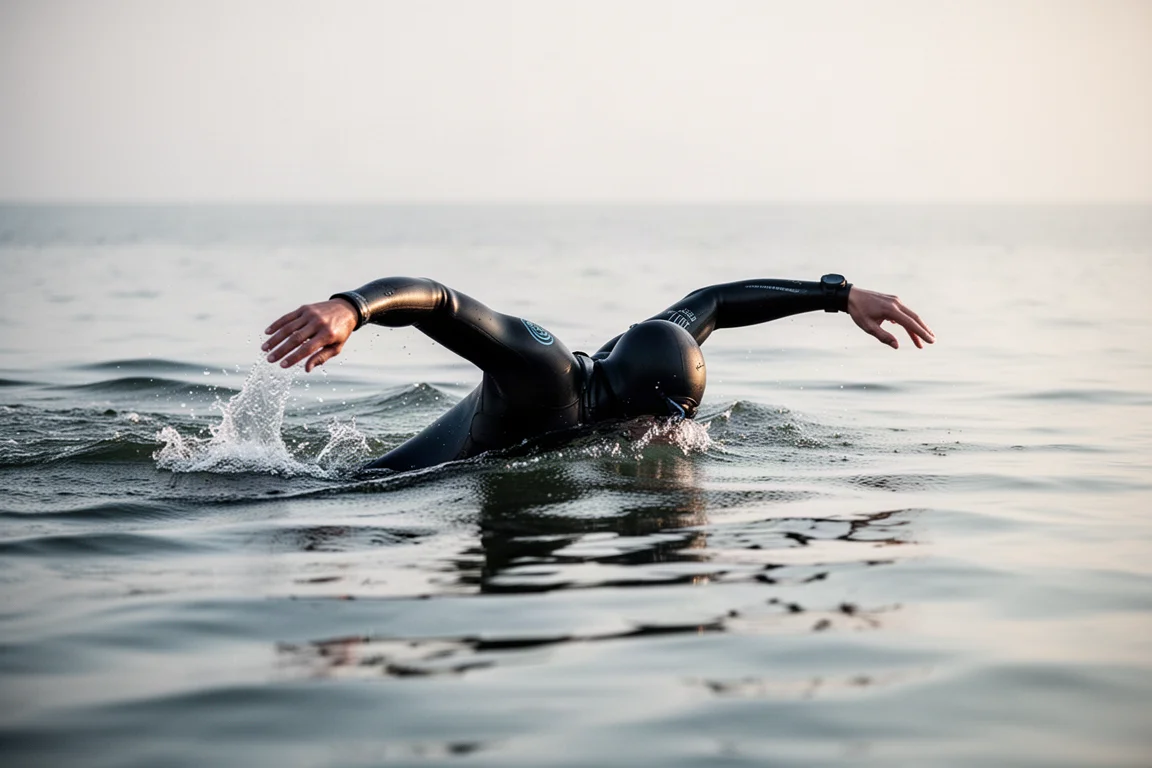
Choosing between the Athlex Flex and the Apex Flex is largely a question of how much you value the top-tier materials and coating, because both share the same underlying approach to body position.
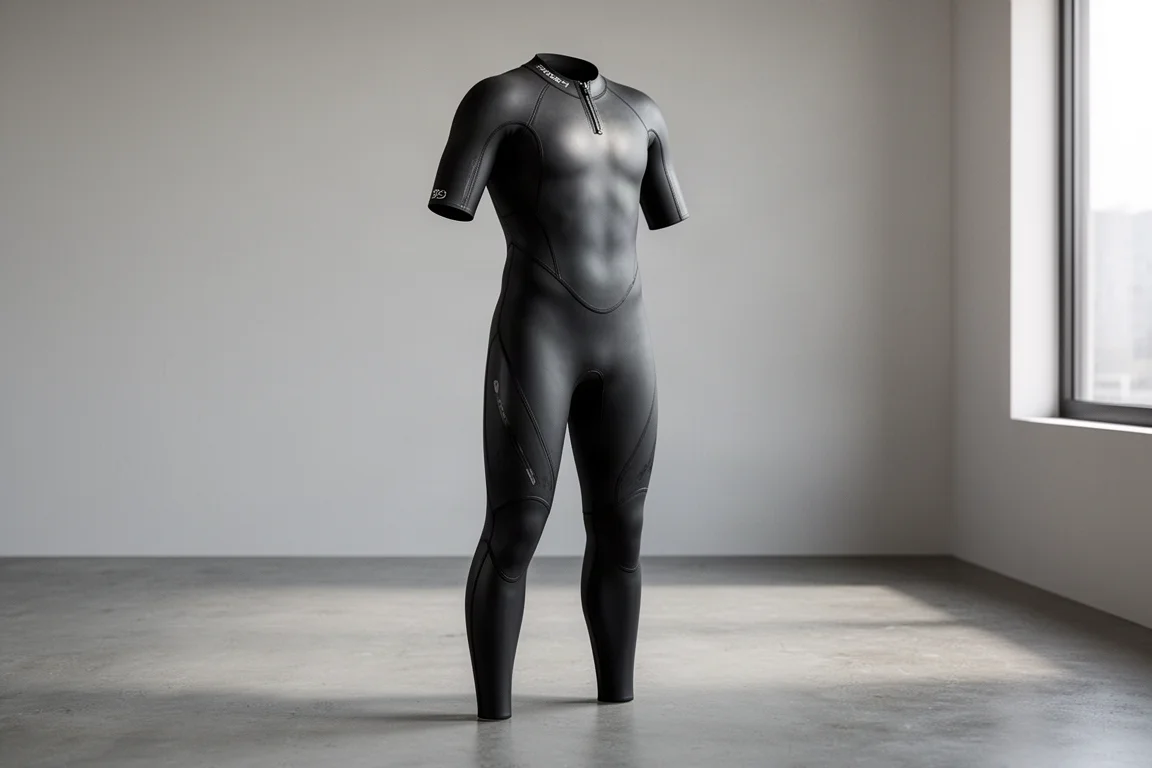
Orca Flex
The Flex is the clearest expression of the flexibility-first philosophy. With a smaller difference in neoprene thickness between the chest and the legs, it leaves your natural swim position largely alone and lets the shoulders work freely.
The trade-off is straightforward. A suit like this gives you very little assistance in holding your legs up, so it suits swimmers whose legs already sit high without help. Anyone who drags their hips and feet through the water will find more support elsewhere in the range.
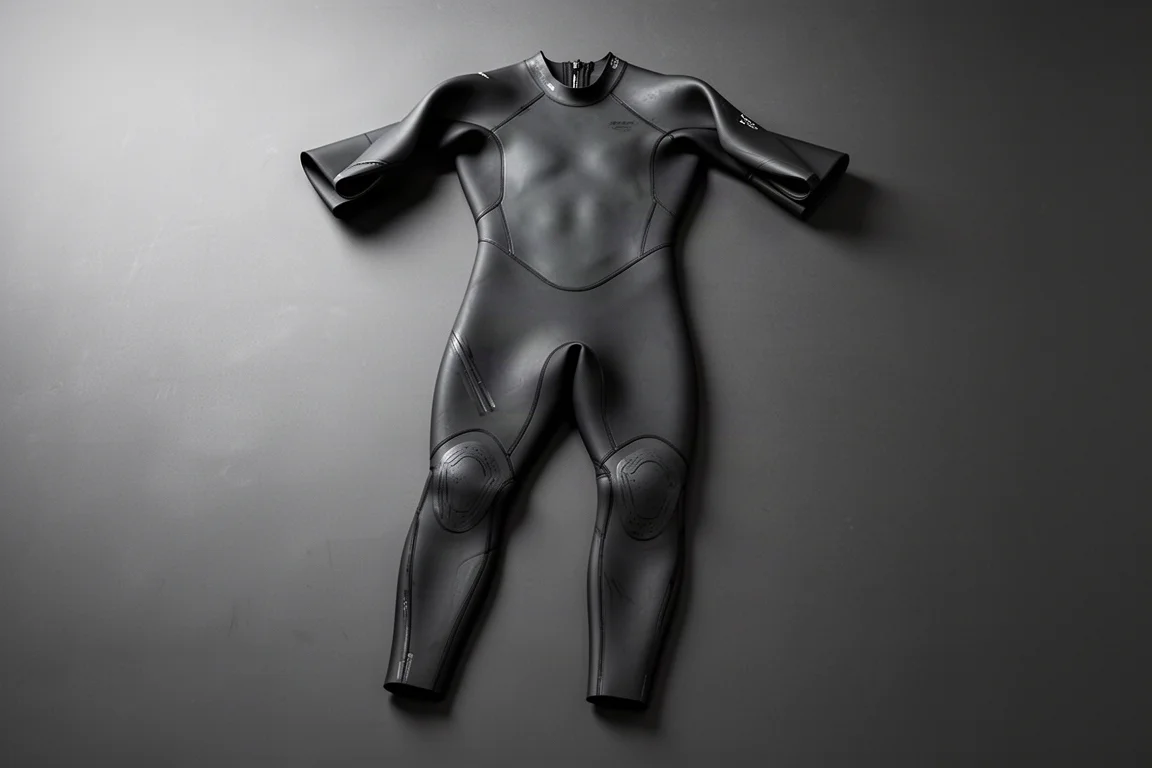
Orca Athlex Float
The Athlex Float pairs high buoyancy with high elasticity. It uses thinner material through the upper body and thicker material through the lower body, so the shoulders stay free while the legs receive meaningful lift.
This is the intermediate-price version of the buoyancy idea, and it is well matched to swimmers who need added buoyancy to correct their position in the water rather than swimmers chasing ultimate shoulder mobility.
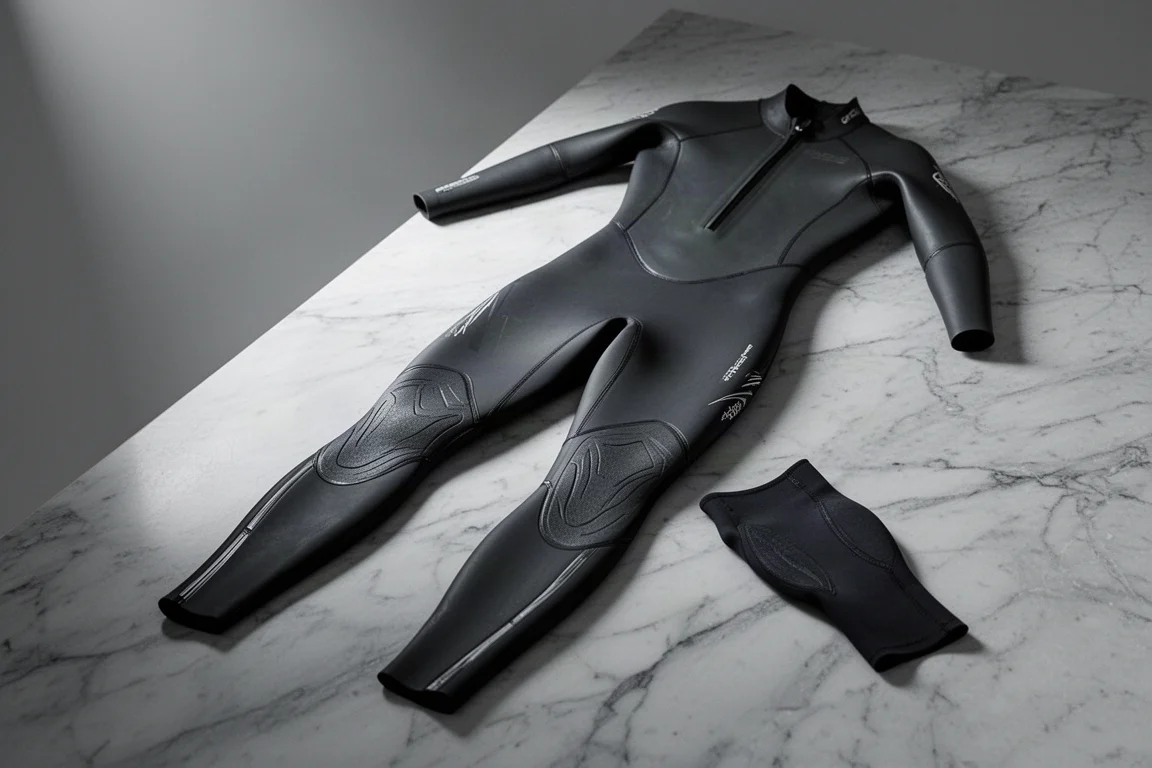
Orca Float
The Float is the buoyancy-first design in its purest form. Thicker neoprene through the legs compared with the chest raises the lower body, which is exactly what a swimmer whose feet or hips drop behind them needs.
The change is felt almost immediately. Swimmers who move to a suit like this often describe the stroke becoming more efficient rather than simply more powerful, because the body is no longer fighting to stay level.
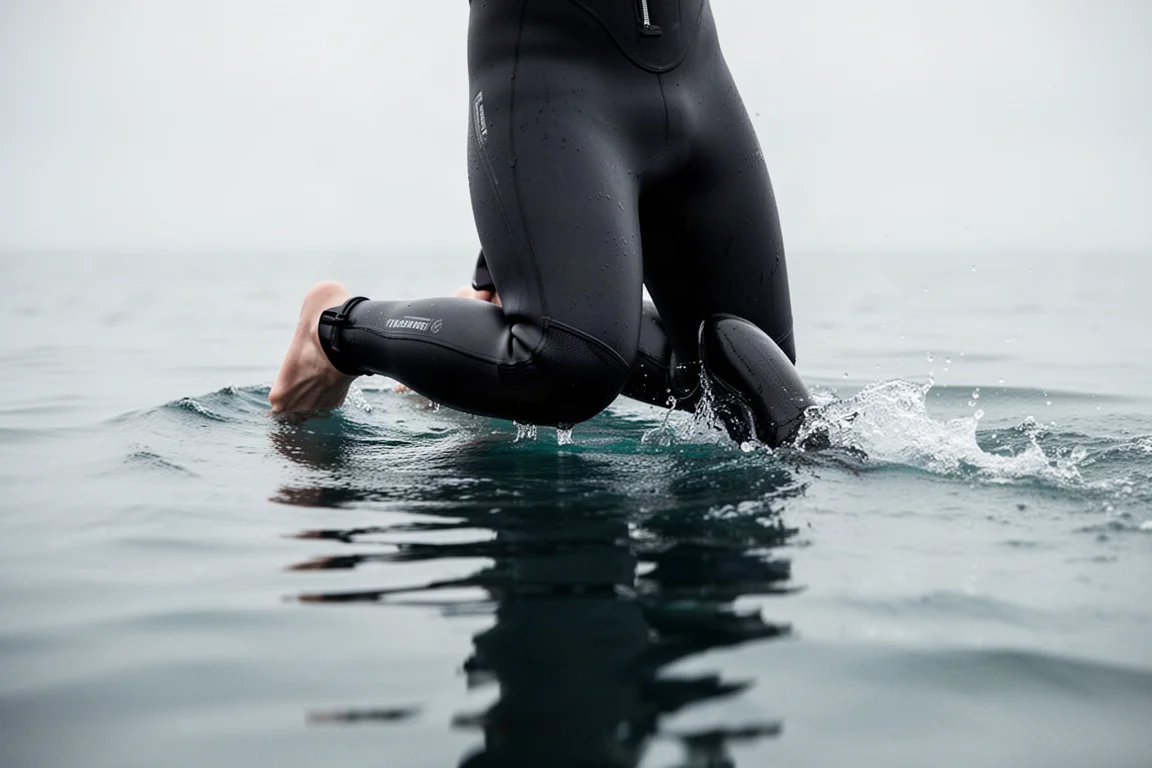
That extra lift is also why the less efficient swimmer in the comparison gained so much more from it, taking a minute and a half off a 400m effort while the stronger swimmer gained only seconds from a flexibility-led suit.
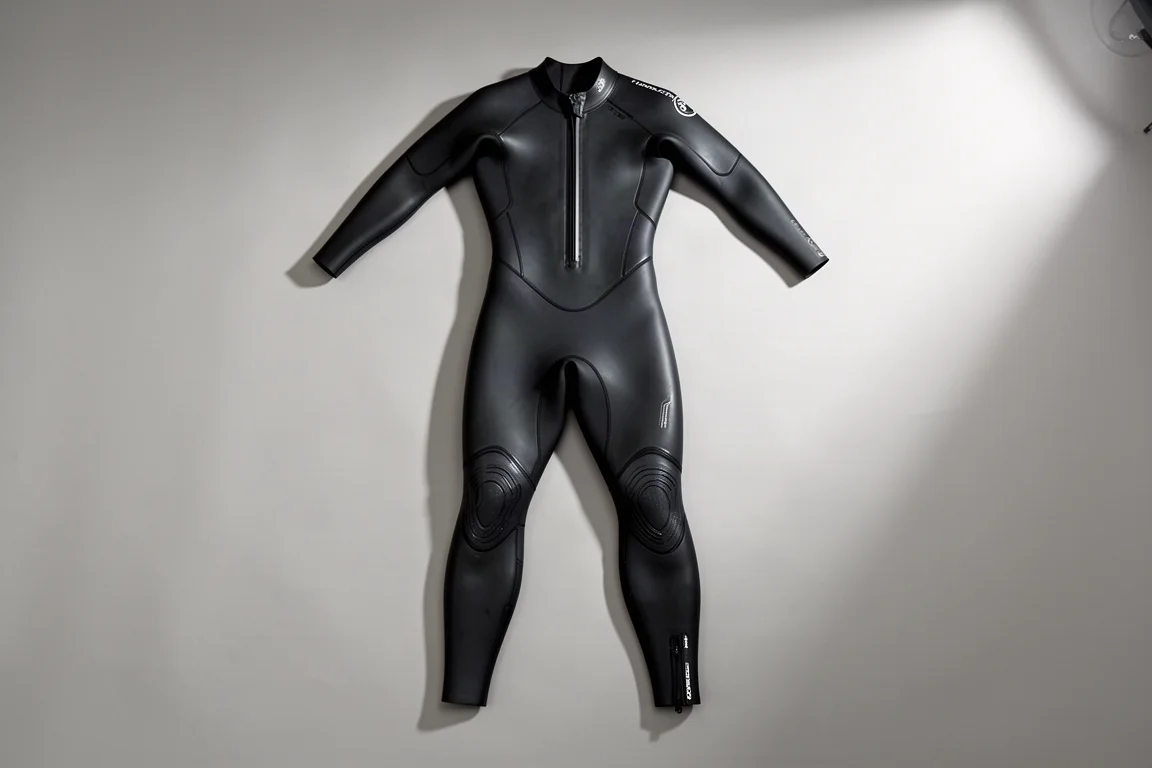
Orca Flow
The Flow sits between the two extremes. It balances elasticity and buoyancy, adding a modest amount of lift in the legs while keeping the upper body free to move, and it is geared toward swimmers looking to correct smaller faults or wanting support over long-distance swims.
It is also Orca’s most popular selling suit, which makes sense. Most swimmers do not sit at either extreme of the flexibility and buoyancy spectrum. If you are unsure which side of the range you belong on, the Flow is the most reasonable starting point to judge from.
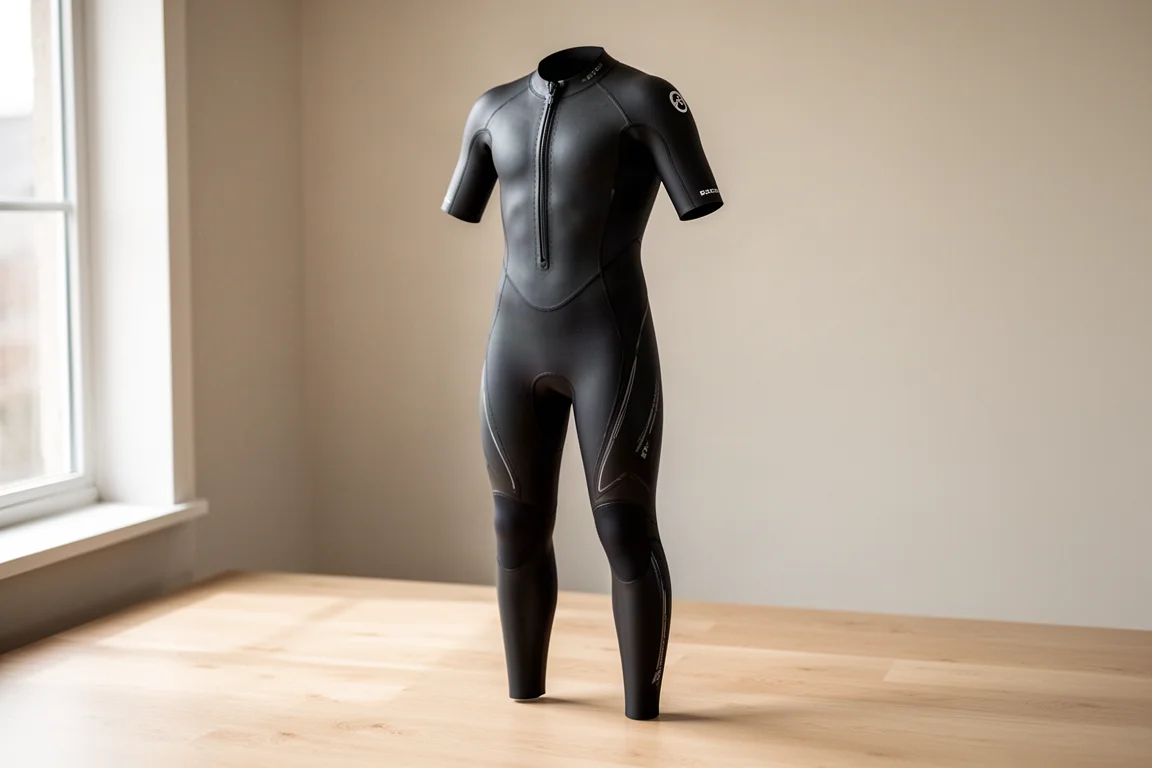
Buying Advice
Start with your body position rather than the price tag. If your legs and hips drop behind you when you swim, a buoyancy-led suit such as the Float or the Athlex Float is the one doing useful work. If you already hold a flat line and want your shoulders to move without restriction, a flexibility-led suit such as the Flex or the Athlex Flex will serve you better.

Then decide on the tier. The Athlex models deliver the same broad design intent at the intermediate price point, while the Apex models add the top-end materials and coating. If you are between the two, the honest test is whether your stroke is already efficient enough that you would notice the difference.
And if you genuinely cannot decide, the balanced Flow covers the middle ground, with a little leg lift and plenty of elasticity for longer swims.
Conclusion
The suit you want and the suit you need are not always the same one. The clearest lesson from the comparison is that the lower-priced, buoyancy-led suit was dramatically faster for the swimmer who needed lift, while the top-end flexibility suit was only marginally faster for the swimmer who did not. Match the design to your stroke first, then choose the tier you can justify.
Further reading
Related Reviews
Wetsuits
Orca Apex Wetsuit Range Compared: Float, Flex and Flow Explained
A practical breakdown of Orca's high-end Apex wetsuits, the Float, Flex and Flow, and which swim style each model is built to support.

Backpacking Gear
Building a 10 lb Base Weight: An Ultralight Backpacking Gear List
A practical walkthrough of the ultralight pieces behind a 10 lb base weight, from a 765 g pack and a roomy one-person tent to a full camp chair and a dependable water filter.

Road Bikes
10 New Road Bikes Worth Watching: Aero, Titanium, Steel and Endurance Standouts
A practical roundup of 10 new road bikes, from aero flagships chasing single-watt gains to titanium, steel and endurance platforms built for real roads.