Wetsuits
Orca Apex Wetsuit Range Compared: Float, Flex and Flow Explained
A practical breakdown of Orca's high-end Apex wetsuits, the Float, Flex and Flow, and which swim style each model is built to support.
Introduction
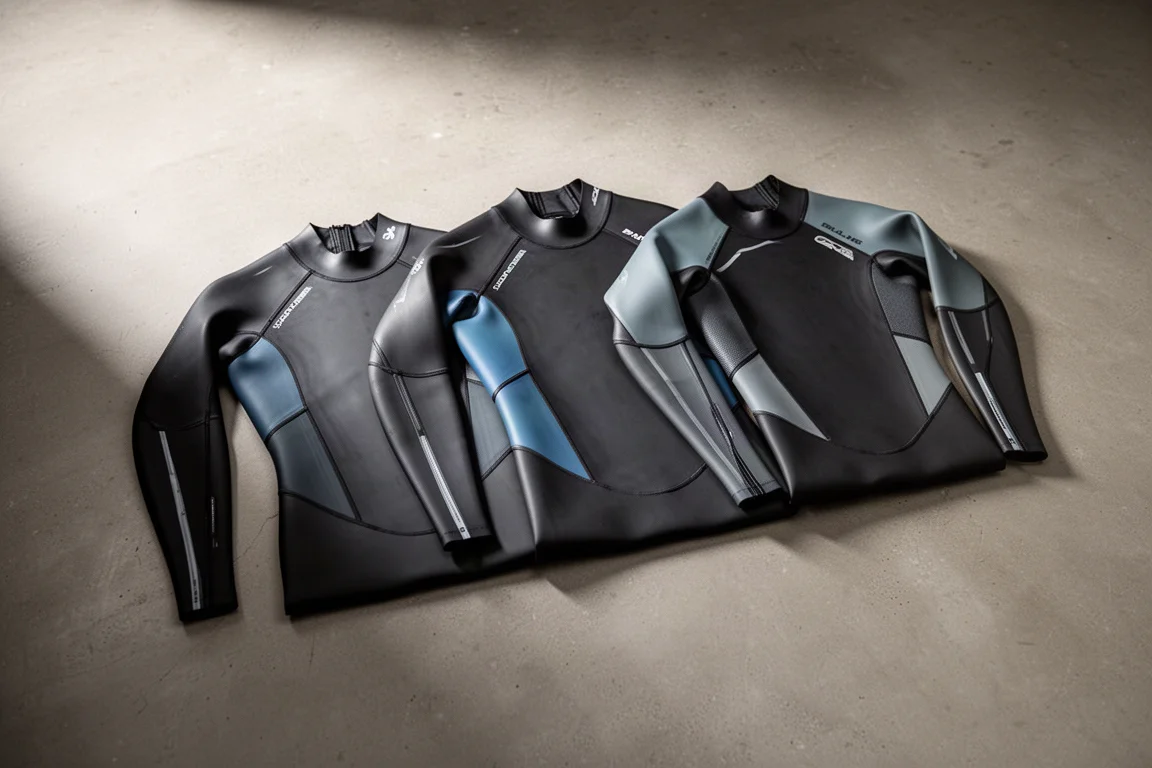
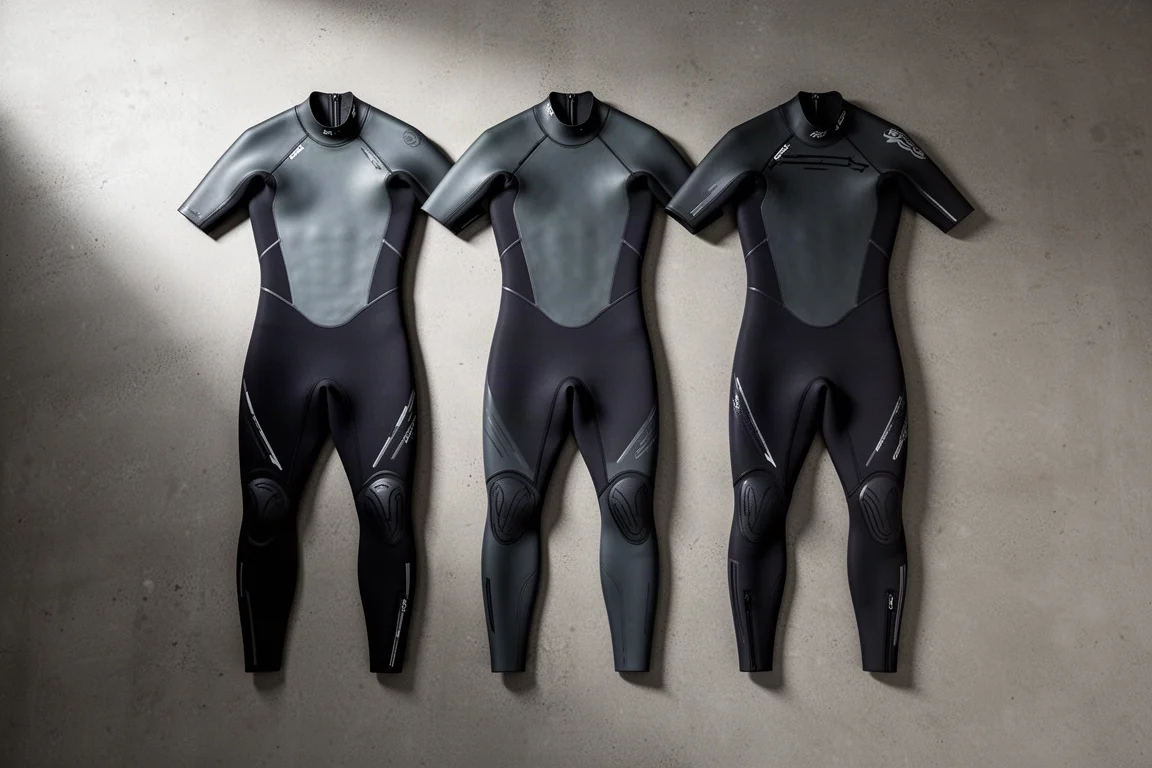
Choosing a triathlon wetsuit is often treated as a question of budget, but the more useful question is how a suit holds your body in the water. Orca’s Apex collection is organised around exactly that idea: three models, the Float, the Flex and the Flow, that divide by swim style rather than simply by price. Professional triathletes tested all three during a preseason camp, with flexibility and range-of-movement measurements, in-water sessions and temperature data used to see how each suit behaved. This guide breaks down what separates the three models and which type of swimmer each one is built for.
How the Apex Range Is Organised
Orca splits its wetsuit line into two collections. Athlex is positioned around technologies that support a swimmer’s overall technique, while Apex is the most technically advanced of the two, with performance as the priority. The Apex collection is the one that has been updated and refined, and within it the three models cover different swimming styles: Flow, Flex and Float.
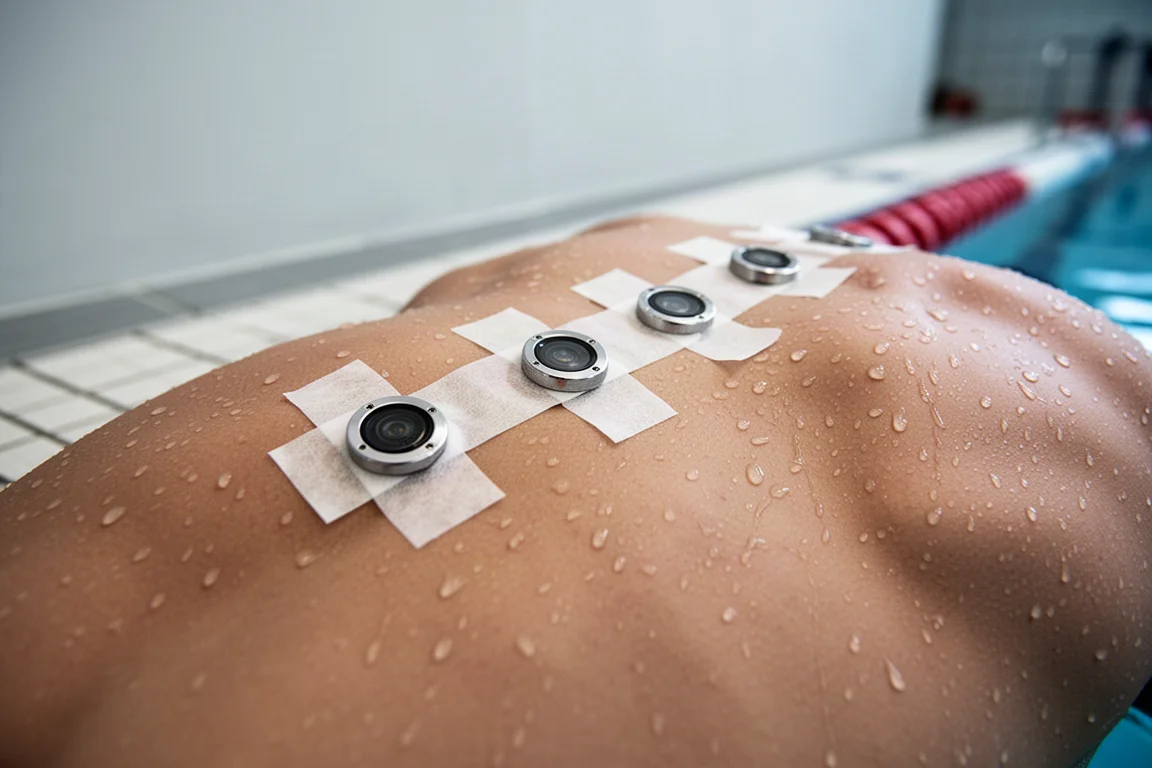
The testing behind the range goes well beyond a few laps. Athletes are measured for flexibility and range of shoulder movement, and body measurements are retaken to confirm that sizing carries over from the previous season. In the water, pace, heart rate, core temperature and skin surface temperature are recorded, with small metal nodes attached to the skin to show how much water enters and flushes through each suit. A well-fitted wetsuit should show very little flushing at all. Underwater filming then captures any change in body position between suits.
For a buyer, the practical takeaway is that the three Apex models are not a simple good, better, best ladder. Each one holds the body differently, and the right choice depends on your stroke, your kick and the distance you race.
Orca Apex Float: Maximum Buoyancy for Less Confident Swimmers
The Apex Float is the highest-buoyancy wetsuit in the high-end Apex range. It is designed for swimmers who do not have the strongest technique and need extra support to stay high and horizontal in the water. That lift reduces the amount of kicking required, which is why it also makes sense for middle-distance races, triathlons and long-distance events where conserving energy matters more than raw speed.
Despite the buoyancy, the Float remains a very elastic suit. It uses high-end rubber panels and aims at a balance between substantial lift and good flexibility, so the extra flotation does not come with a restricted arm stroke.
Orca Apex Flex: For Swimmers Who Want Nothing to Alter Their Technique
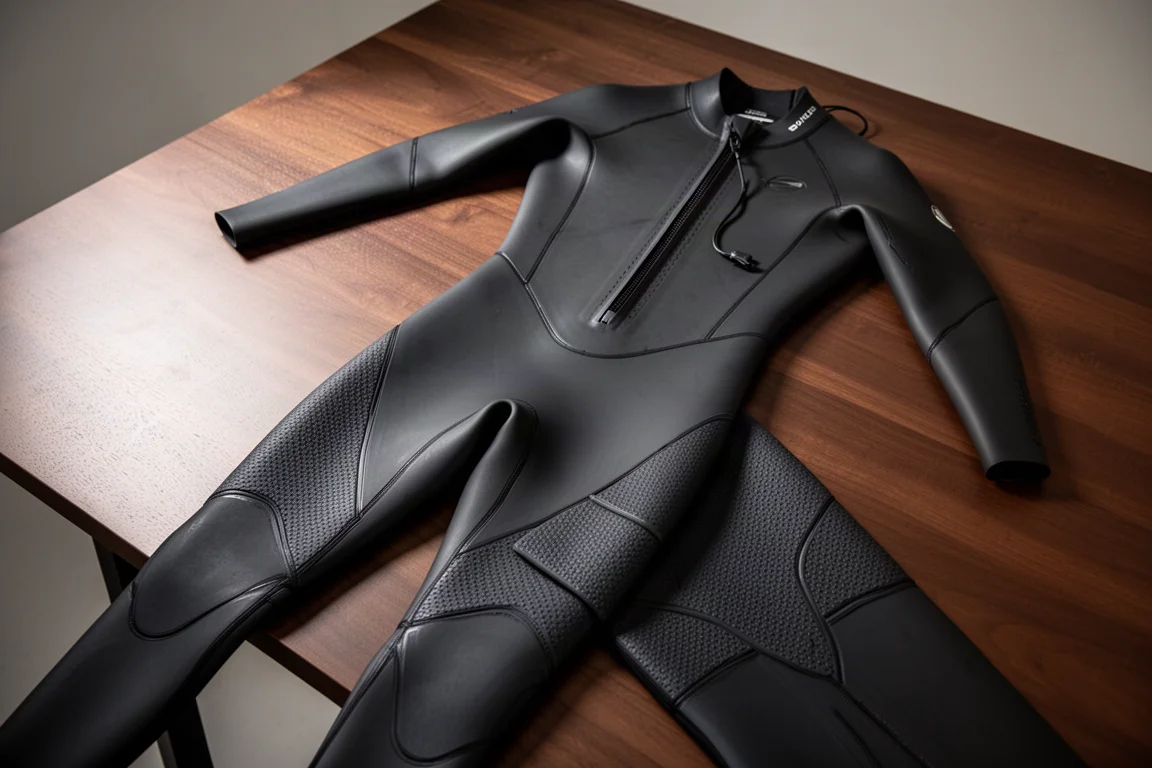
The Apex Flex sits at the opposite end of the range in intent. It is built for strong swimmers with good technique who do not want a wetsuit to change their position or their stroke. Its panels are thinner than the Float’s and it does not use the high-buoyancy lift panels found elsewhere in the range, while the upper body is highly elastic and matches the Flow.
The result is a suit that largely leaves a good swimmer’s natural posture alone. Swimmers testing it described it as thin, and one noted that for shorter-distance racing it may be the strongest of the three, because nothing interferes with a fast, high-tempo stroke.
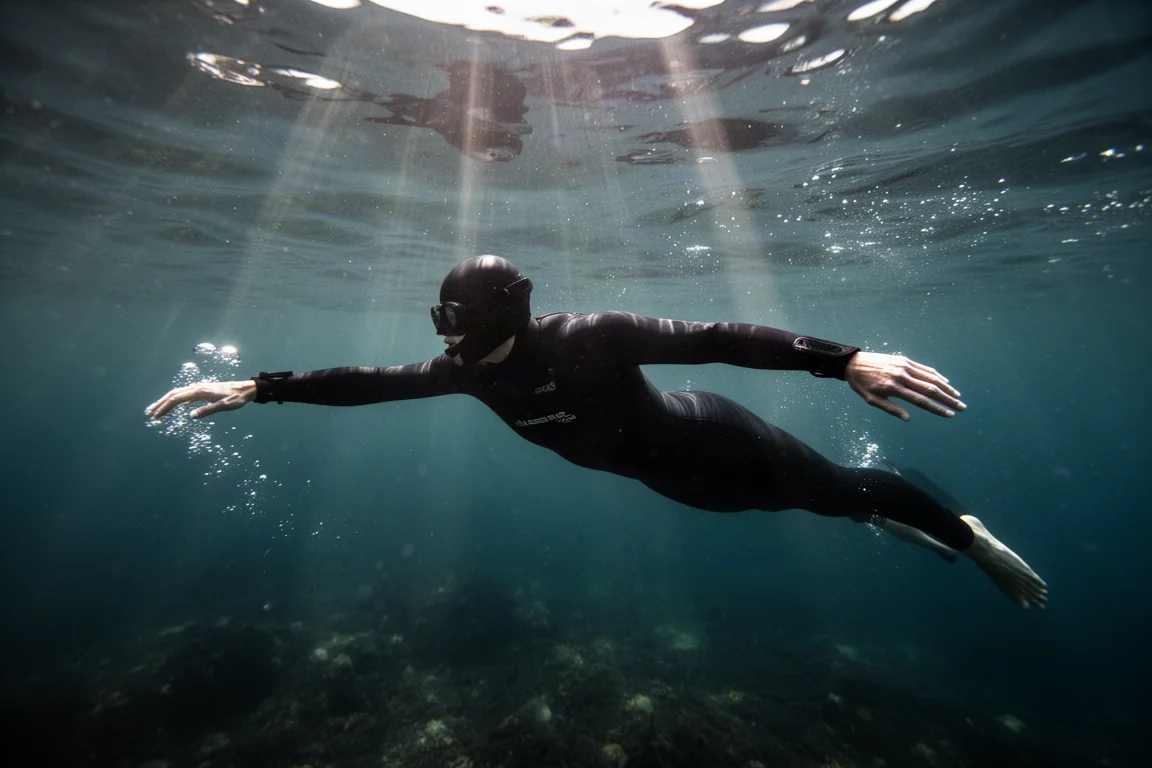
That neutrality is the whole point. If you already hold a good horizontal line without assistance, added buoyancy is not helping you, it is simply changing the way you swim.
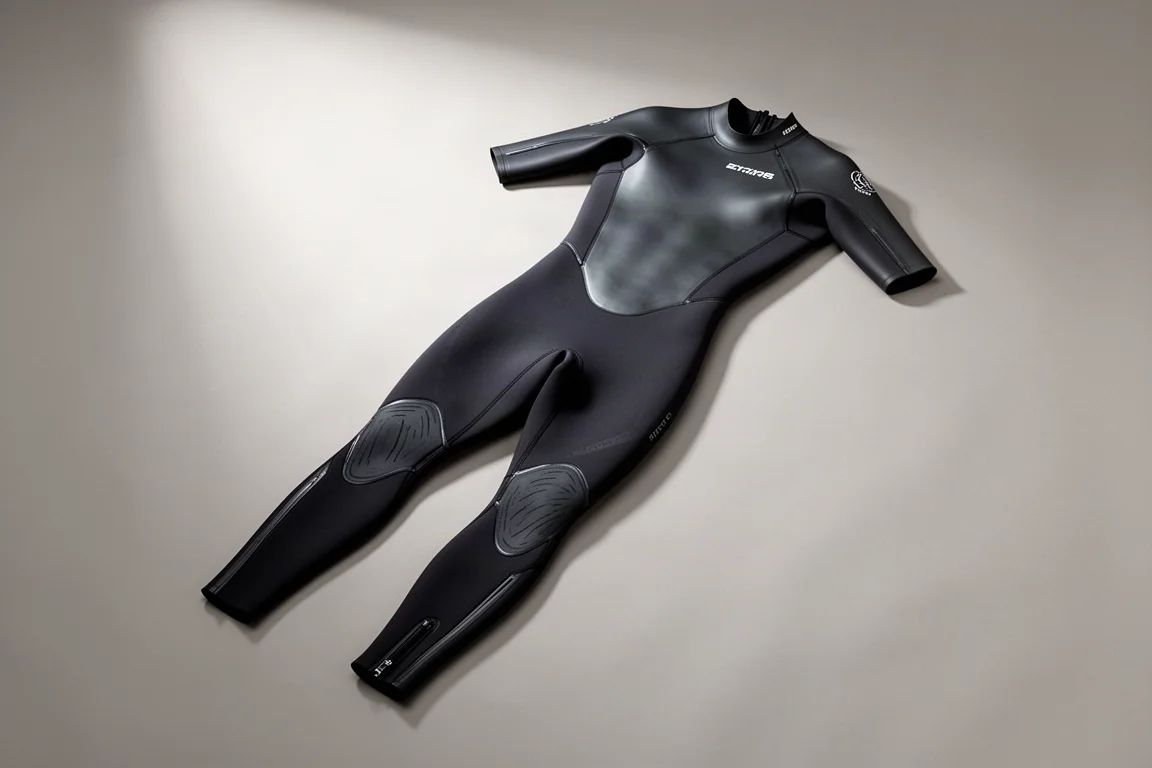
Orca Apex Flow: The Balanced Choice for Longer Races
The Apex Flow combines the two approaches. It shares the highly elastic upper body of the Flex, using the most elastic neoprene panels across the shoulders and arms, and adds a moderate amount of buoyancy in the legs. That leg lift is less pronounced than on the Float, but it is enough to provide support and save energy over middle-distance and, in particular, long-distance racing.
Feedback from the water was consistent. A swimmer who had already raced in the Flow called it the best of the three for its balance of buoyancy and flexibility, noting that the Flex might suit shorter distances while the Flow comes into its own over middle distance.
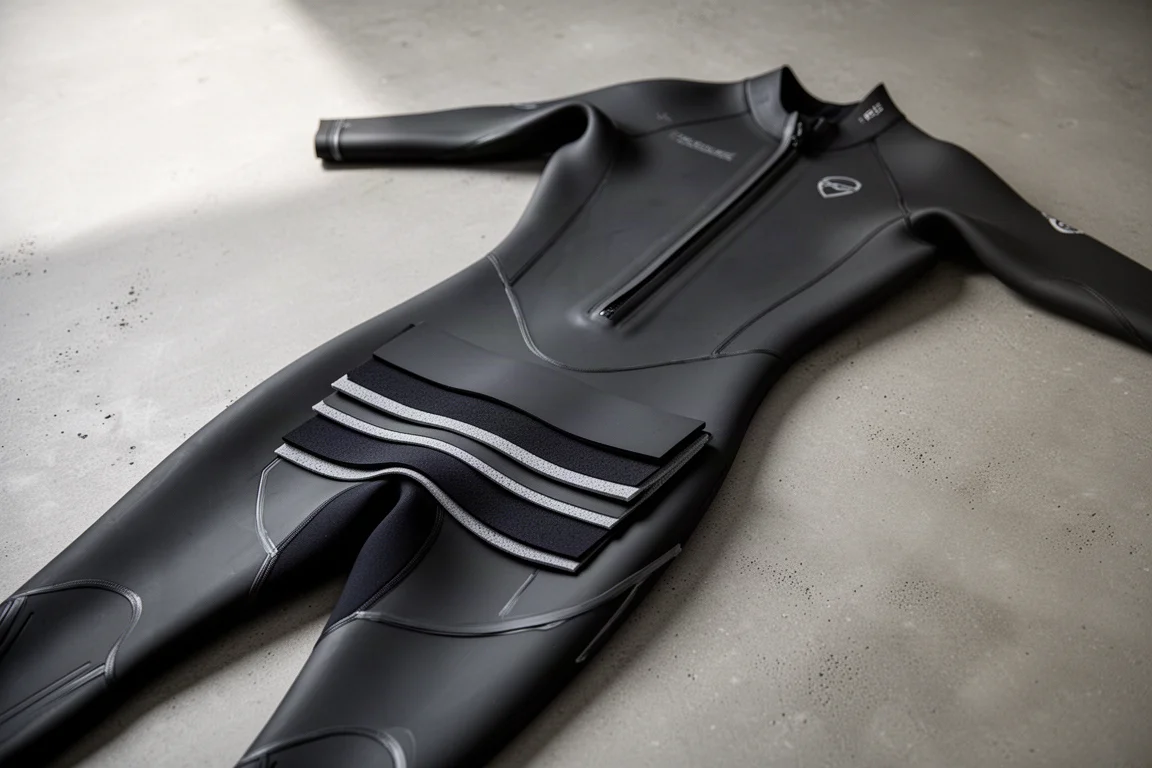
What Changed in the Updated Apex Collection
Two changes stand out in the refined Apex line. The first is the shoulder patterning. The neutral position of the hands has been changed to create more room through the shoulder, which reduces tension and increases the range of movement. Less tension in the shoulder means less effort per stroke, and that is the kind of small gain that accumulates over a long swim.
The second change concerns the prints on the suit. Print panels have been moved from the shoulders to the sleeves. Measurements showed a clear difference between stretching a panel with print and one without, and relocating the graphics takes that energy cost away from the shoulder area, where freedom of movement matters most.
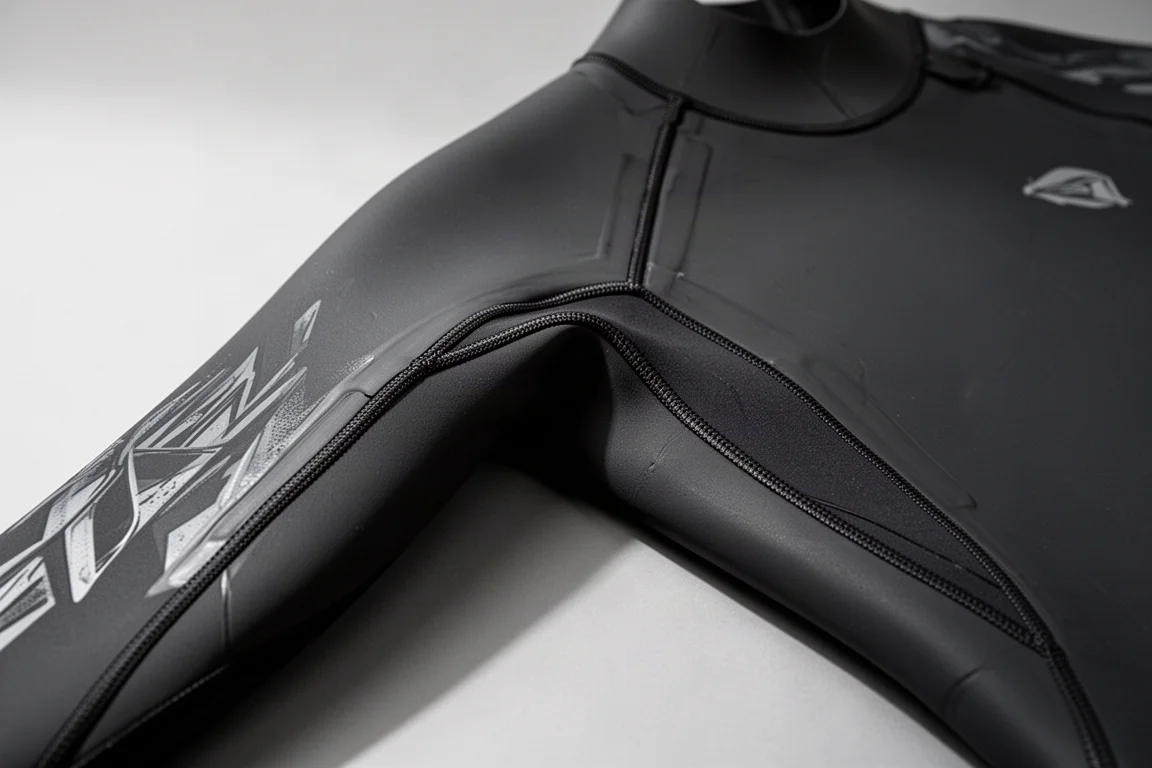
Neither change is dramatic on paper. Together they target the same goal: a wetsuit that resists your stroke as little as possible while still holding you in the right position.
Fitting and Sizing: What to Check Before You Order
Fit does more for performance than any single model choice. A suit that flushes water is wasting the energy you are trying to save, which is why the range testing includes body measurements and a check that sizing carries over from one season to the next rather than relying on feel alone.
When you are between sizes or unsure, treat the fit across the shoulders and chest as the priority. That is where tension limits your stroke, and it is also where the updated patterning and relocated prints have the most effect. If a suit feels tight across the shoulders before you get in the water, it will feel worse once you start swimming.
Buying Advice: Matching the Suit to Your Swim Style
The three Apex models answer three different problems, so the decision is easier than the range might suggest.
Choose the Float if you want maximum buoyancy and support, particularly if your technique is still developing, or if you race middle and long distances and want to reduce kicking effort. Choose the Flex if you are a strong, efficient swimmer who wants a thin, elastic suit that leaves your technique untouched, and you race shorter distances. Choose the Flow if you want the elastic upper body of the Flex with enough leg buoyancy to save energy over middle and long-distance racing, which is the balance most age-group triathletes end up looking for.
All three sit in Orca’s high-end Apex collection, so the differences come down to how each suit positions you in the water rather than to the level of finish.
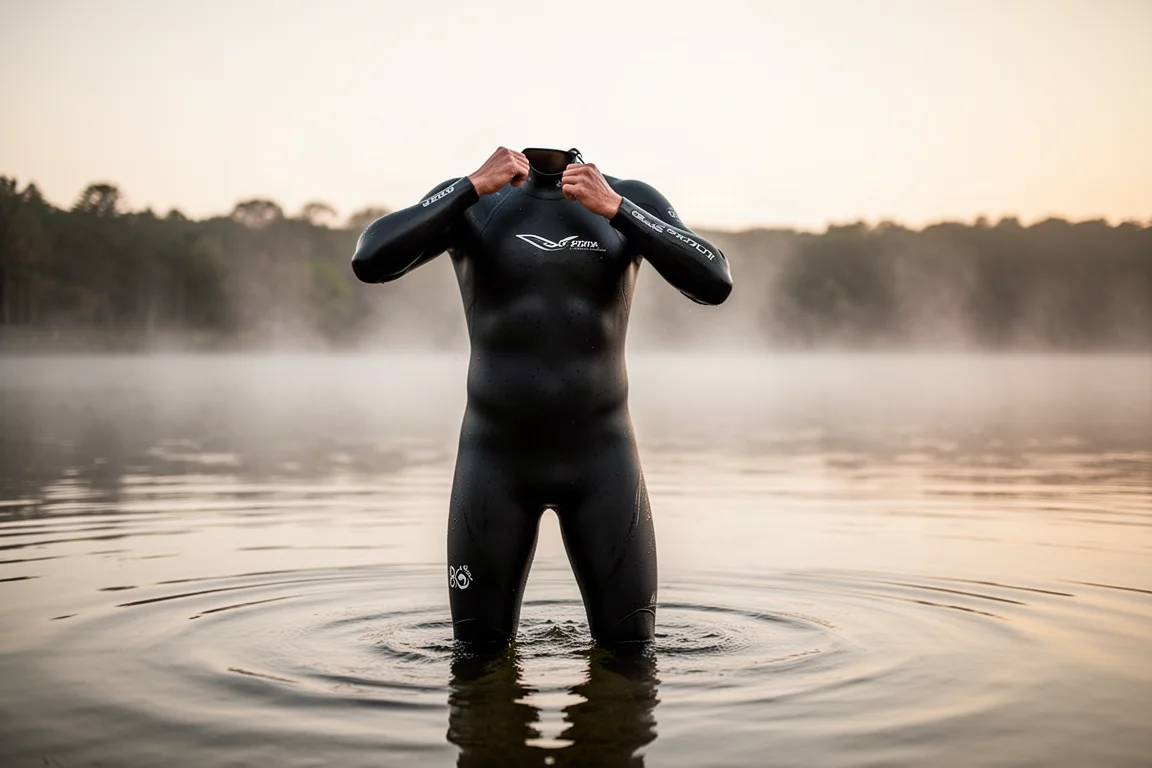
One last practical note: the professionals went through every model in their size before settling on a suit, and the same logic applies to anyone buying. The right answer is the model that matches your stroke and your race distance, in a size that fits your shoulders properly.
Conclusion
The Apex Float, Flex and Flow are not three grades of the same wetsuit. They are three different answers to the question of how a suit should hold you in the water: maximum lift for swimmers who need support, near-neutral freedom for strong swimmers, and a balanced middle ground for longer races. Match the model to your stroke and race distance, get the fit right, and the choice becomes considerably simpler.
Further reading
Related Reviews
Wetsuits
Orca Wetsuits Compared: The Suit You Want vs the Suit You Need
Orca builds wetsuits around flexibility, buoyancy, or a balance of both. Here is how the Flex, Float and Flow families differ, and how the Athlex and Apex tiers fit in.

Backpacking Gear
Building a 10 lb Base Weight: An Ultralight Backpacking Gear List
A practical walkthrough of the ultralight pieces behind a 10 lb base weight, from a 765 g pack and a roomy one-person tent to a full camp chair and a dependable water filter.

Road Bikes
10 New Road Bikes Worth Watching: Aero, Titanium, Steel and Endurance Standouts
A practical roundup of 10 new road bikes, from aero flagships chasing single-watt gains to titanium, steel and endurance platforms built for real roads.