Swim Wetsuits
Orca Wetsuit Range Guide: Athlex and Apex Explained
A practical walkthrough of Orca's six-suit wetsuit range, from the buoyant Float models to the flexible Flex, and how to choose between Athlex and Apex.
Introduction
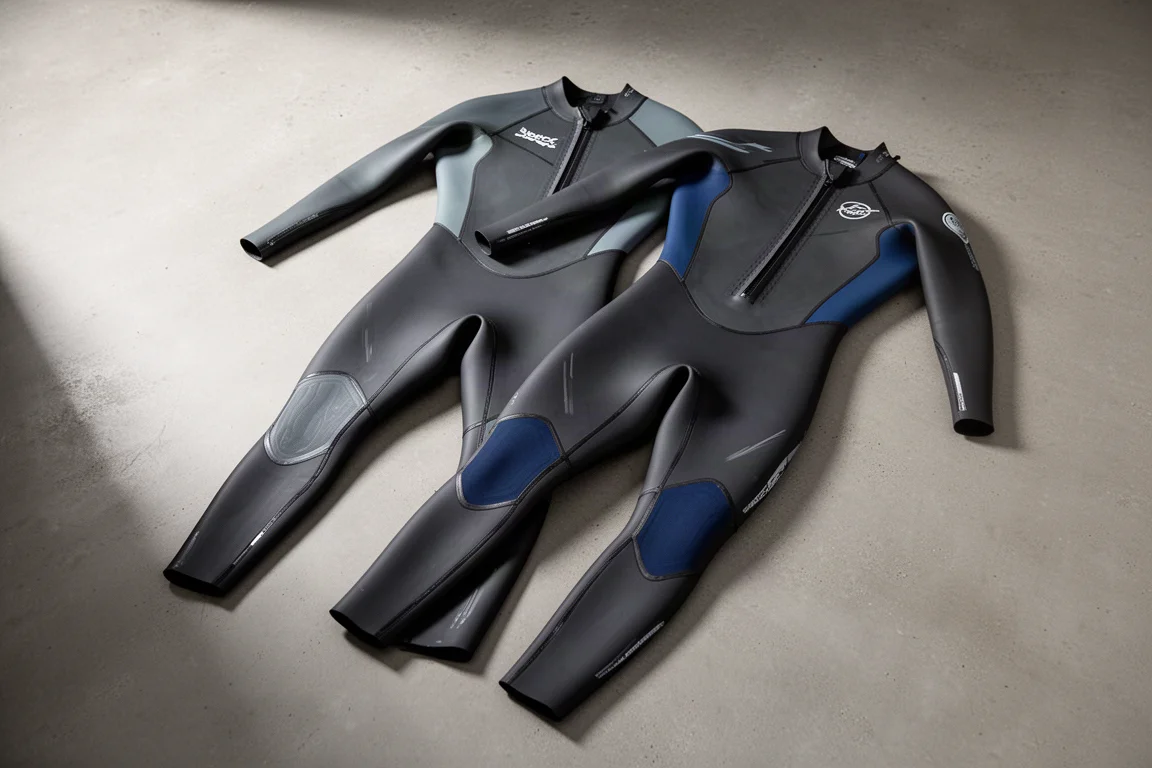
Orca has introduced a new edition of its wetsuit line, and the range is unusually broad. There are six suits in total, split into two families of three. The Athlex family is built around Orca’s advanced technologies for supporting a swimmer’s overall technique. The Apex family is the more technically advanced of the two, with performance as its primary purpose.
Within each family, the three models follow the same naming logic. Float is the most buoyant. Flow sits in the middle. Flex is the most flexible.
That structure covers a wide spread of abilities and swimming styles, from a complete beginner who is new to open water through to the most experienced and technically advanced swimmer. Choosing the right suit for your own stroke makes a real difference to how the swim feels, how you perform, and how much you enjoy the water.
How the Orca Wetsuit Range Is Organized
Orca has been building swimming wetsuits since 1994, and the brand’s earlier innovations include AirLight technology, which traps air pockets inside the neoprene to increase buoyancy, and Air Release technology, first used on the 3.8 model, which employs breathable neoprene to wick heat and moisture away from the swimmer while staying water resistant.
The current range is arranged around two families, each containing the same three models:
- Float: the most buoyant of the three, aimed at less experienced swimmers who need the most help with body position in the water. It increases buoyancy and also adds stability.
- Flow: the middle of the range, for swimmers with a little more experience who still benefit from added buoyancy, particularly through the legs, while keeping good flexibility through the shoulders and arms.
- Flex: the most flexible of the three, aimed at the most experienced and technically advanced swimmers, helping them maintain technique without a negative effect on technique or body position.

The practical upshot is that the model name tells you the priority. Float prioritises lift and stability, Flex prioritises freedom of movement, and Flow balances the two. The family name tells you the intent: Athlex leans toward technique support, Apex leans toward performance.
Orca Athlex Float
The Athlex Float is the most buoyant suit in the Athlex family. It is positioned for the less experienced swimmer, and specifically for anyone whose body position in the water needs the most help.
That focus matters more than it might first appear. A swimmer who is working to keep their legs near the surface is spending energy on position rather than propulsion, and a suit that holds that position for them frees effort for the stroke itself. Orca also notes that this model adds stability alongside buoyancy, which is useful for anyone still settling into open water conditions.
For a newer open water swimmer, or a triathlete still building confidence in the water, this is the model in the range built around that exact problem.
Orca Athlex Flow
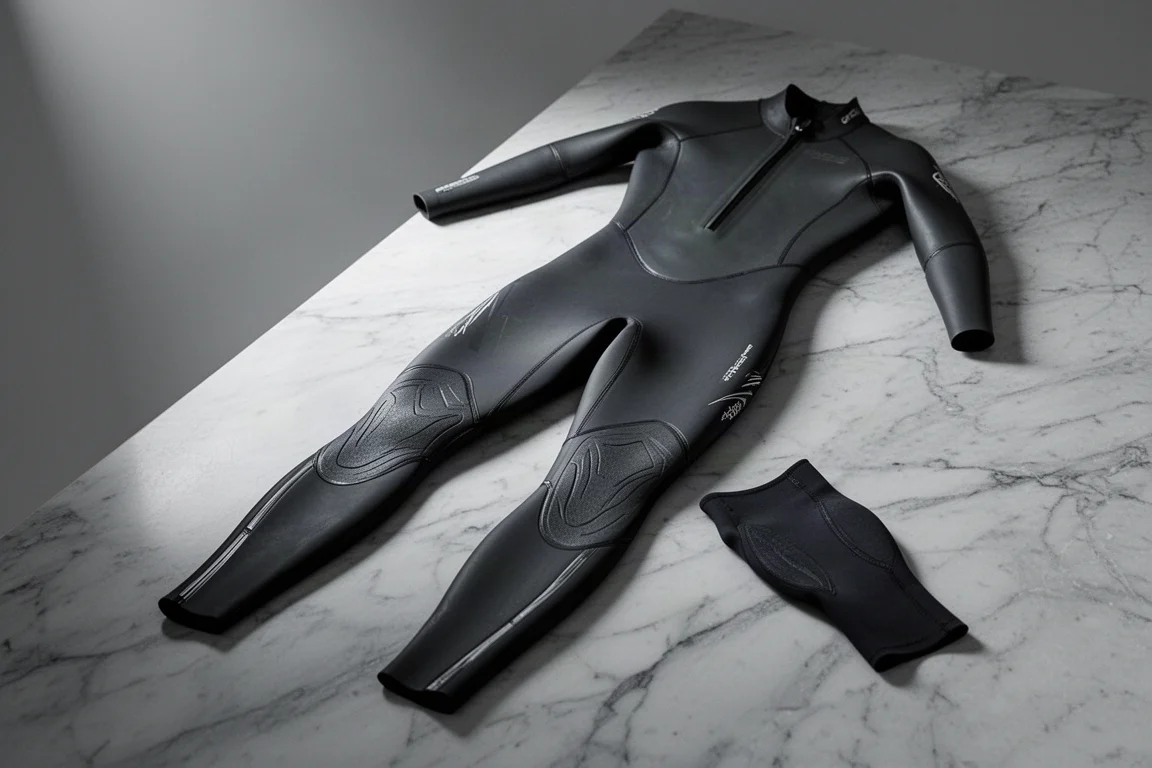
The Athlex Flow sits in the middle of the Athlex family. It is designed for a swimmer with a bit more experience than the Float’s target buyer, but one who still benefits from added buoyancy, particularly in the legs.
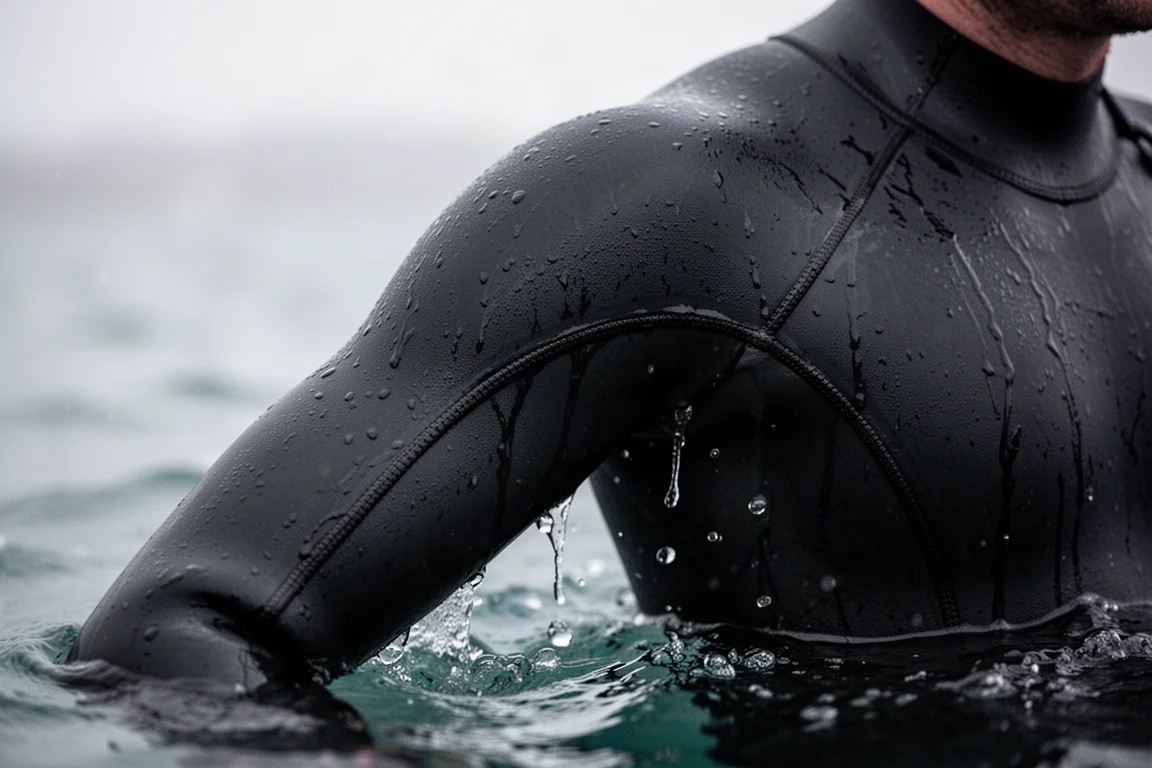
Where the Flow differs is balance. It keeps a good amount of flexibility through the shoulders and arms, so the extra leg buoyancy does not come at the cost of an unrestricted stroke. For swimmers whose legs sit low in the water but who do not want to feel restricted through the upper body, this is the middle ground in the family.
Orca Athlex Flex
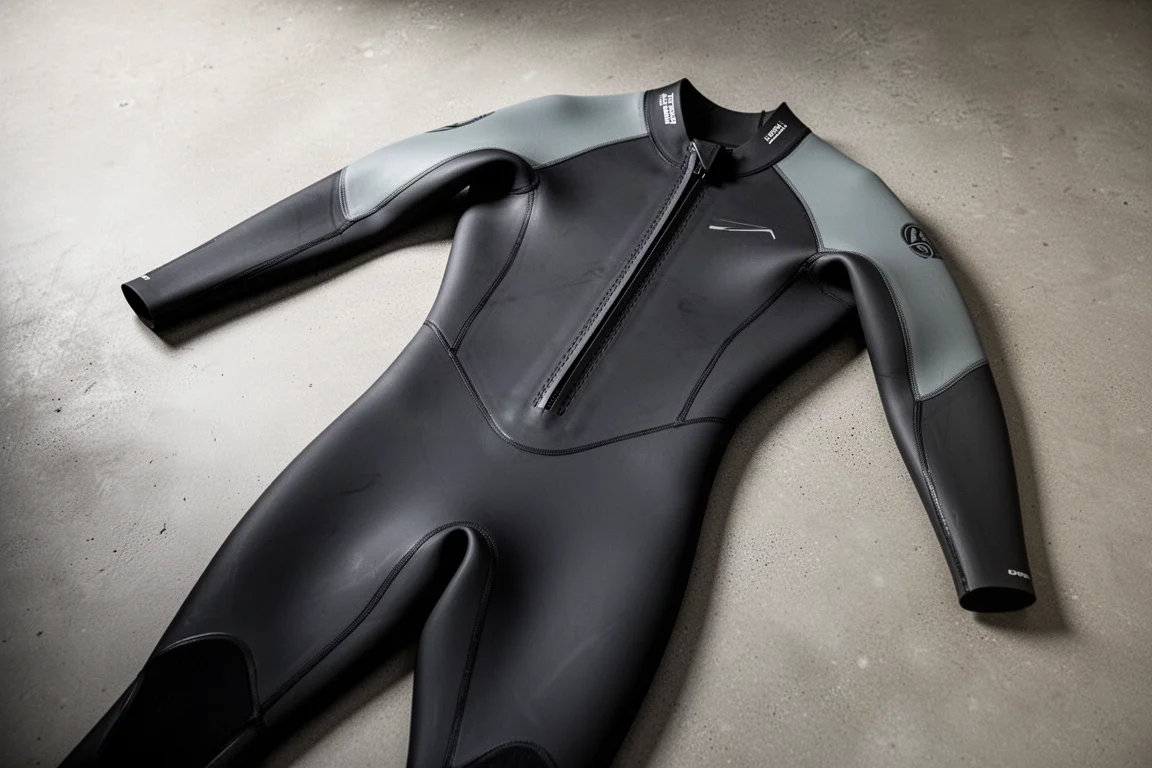
The Athlex Flex is the most flexible suit in the Athlex family, aimed at the more accomplished swimmer: the most experienced or technically advanced, whose technique is already working and who does not want a wetsuit to interfere with it.
It is worth understanding how it sits against its Apex counterpart. The Athlex Flex carries a little more buoyancy than the Apex Flex, and while it is very flexible, it is not quite as flexible as the Apex version. For a strong swimmer who still wants a touch of extra lift, that trade-off is precisely why the Athlex Flex exists in the line-up.
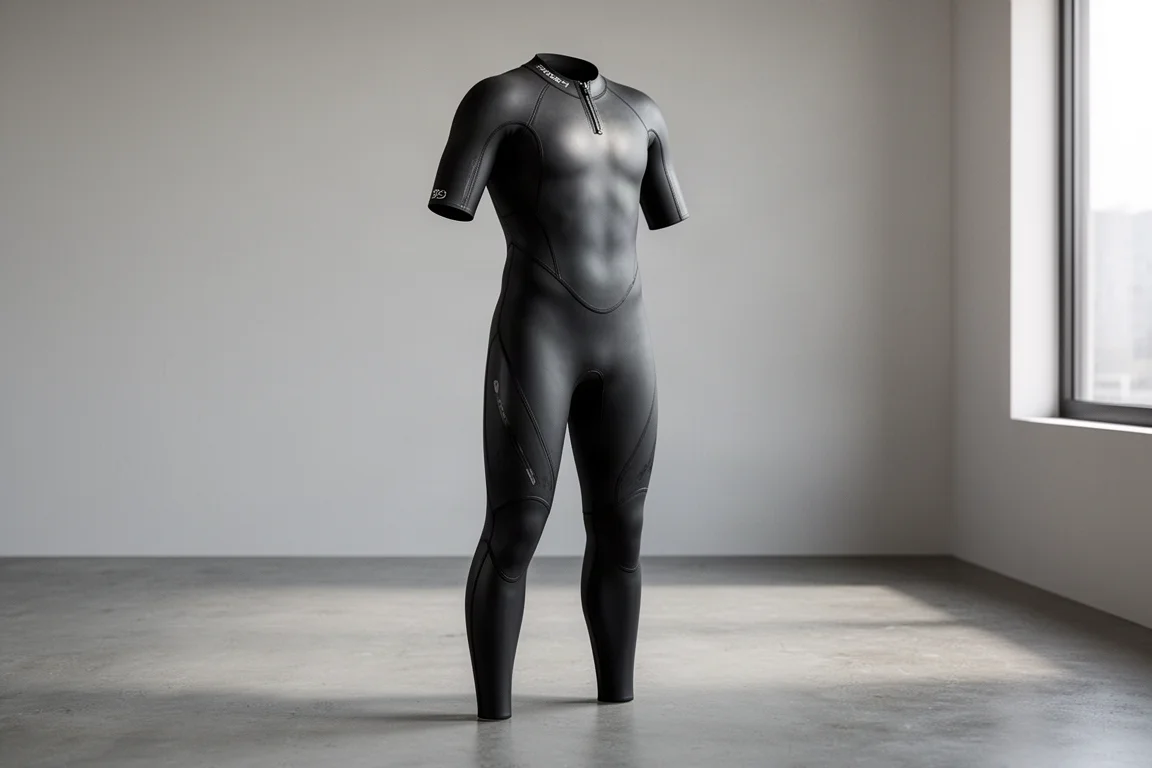
Orca Apex Float
The Apex Float takes the same buoyancy-first approach as the Athlex Float, but places it inside Orca’s more technically advanced family, where performance is the guiding purpose.

In practice that means the same priorities: the highest buoyancy in its family, aimed at the swimmer who needs the most support with body position, delivered through the construction and materials reserved for the Apex range. If your legs drop and you want the most lift available alongside the more performance-oriented build, this is the model to look at first.
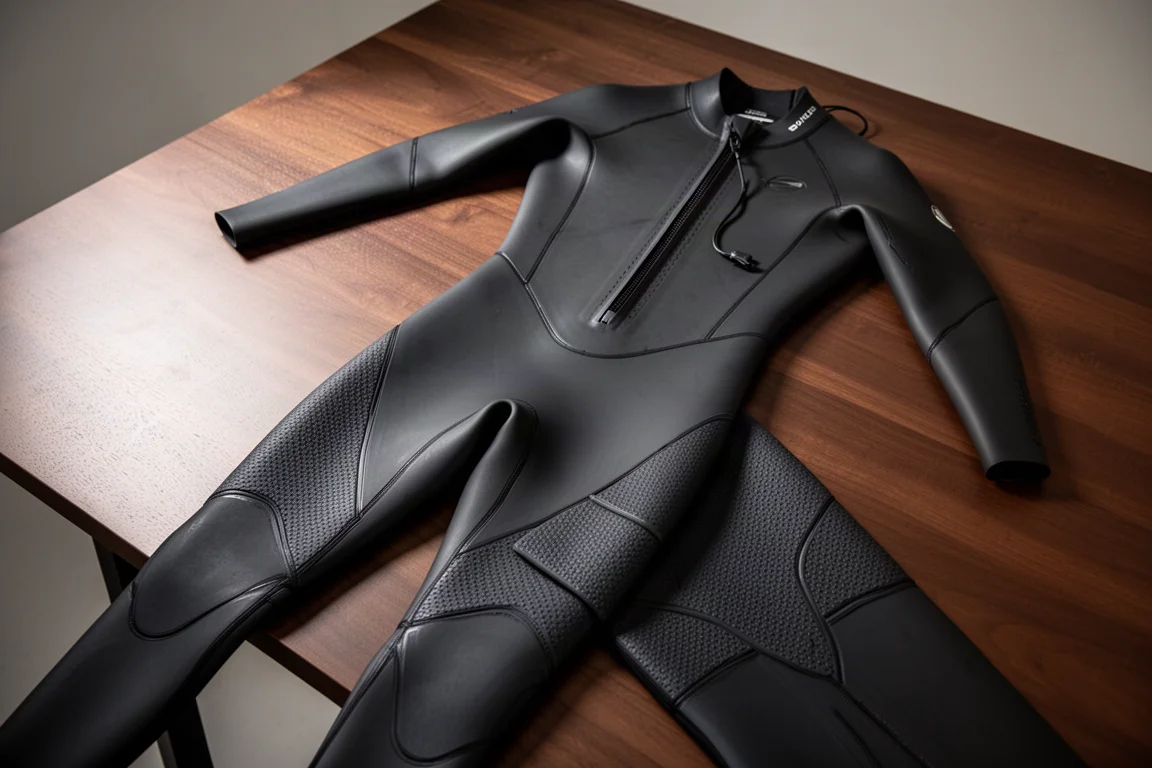
Orca Apex Flow
The Apex Flow occupies the middle of the Apex family, and it is the model Orca cites when describing its Exo Lift construction.
Exo Lift is a sandwich-type build that combines a neoprene layer carrying AeroDome technology with a third interior layer of neoprene, treated specifically to make certain models such as the Apex Flow more durable. The result is maximum buoyancy with zero water absorption, which is the combination most swimmers are chasing in cold, long open water.
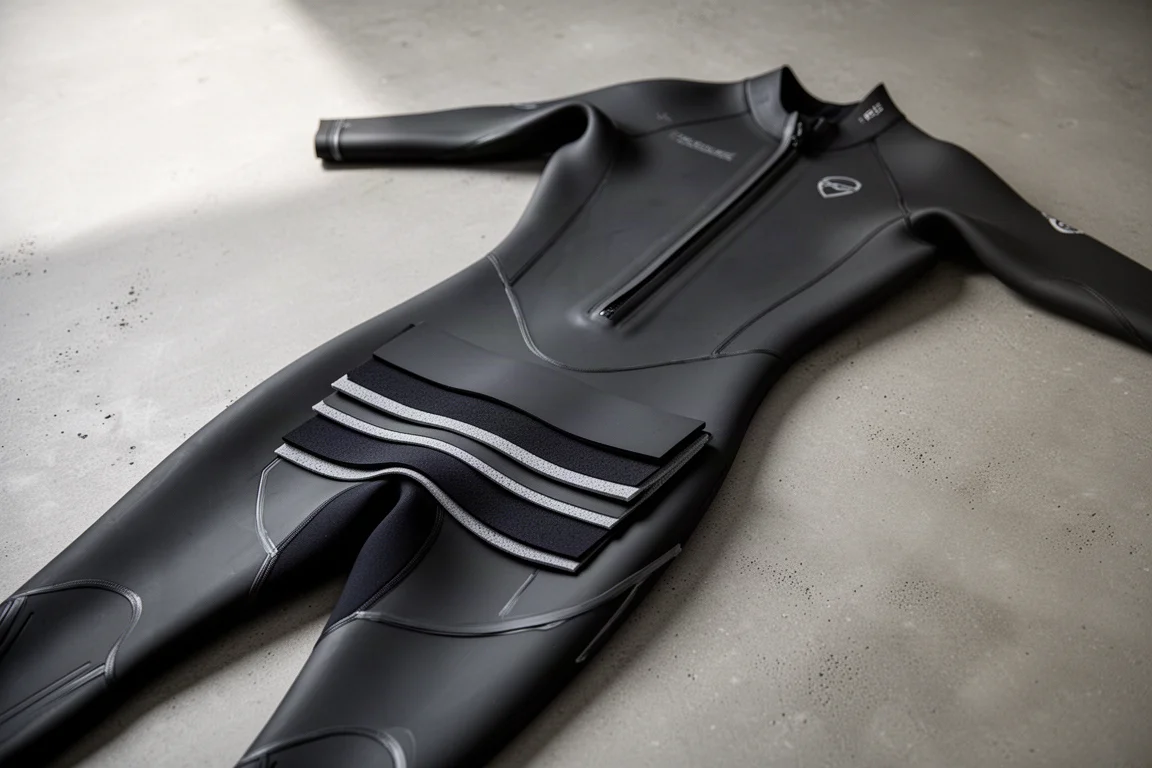
Orca Apex Flex
The Apex Flex is the most flexible suit in the entire range, and it sits at the performance end of the line-up. It is built for the most experienced and technically advanced swimmers, the ones whose technique and body position are already where they want them.
The purpose is simple: to let that swimmer keep their stroke exactly as it is, with no negative effect on technique or body position through the water. Nothing in the suit should interfere with the catch, the rotation, or the rhythm the swimmer has already built. If you come from a swimming background with relatively good technique and neutral buoyancy, this is the model the range is pointing you toward.
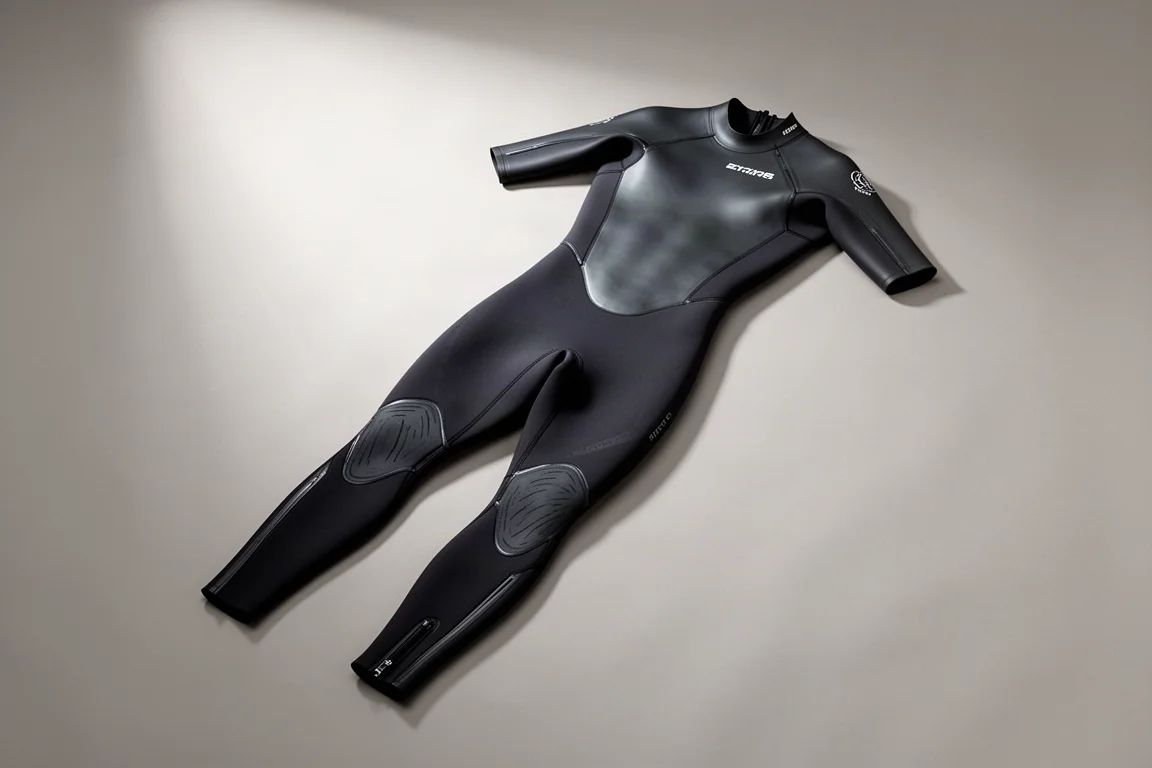
What the Range Shares: Materials and Technologies
Every suit in the range is made from Yamamoto neoprene, widely regarded as the benchmark material for swim wetsuits. Orca is the only brand certified to make all of its suits using exclusive Yamamoto material. The neoprene is sourced from limestone rather than oil, which Orca says supports both material performance and durability.
On buoyancy, the headline addition is AeroDome, a new technology applied to the lower body and described by Orca as adding 30 percent more buoyancy. Its construction uses hundreds of pockets located between two layers of pre-treated neoprene, with the inner layer made from a high-quality lining that gives the neoprene more elasticity. These pockets are placed in specific areas to help facilitate rotation. Exo Lift then builds on that with the sandwich construction already mentioned, adding a treated third interior layer for durability.
On flexibility, one material developed exclusively with Yamamoto for Orca is remarkably thin and carries a titanium coating for thermal insulation, and it is used on the arms to increase freedom of movement. The wider range also uses a spread of other materials, including 38 Plus, 39 Plus, 40 Plus, 44 Plus, 39 FS, 40 FS and 40 PF Plus, each bringing different levels of flexibility, support and buoyancy to different areas of the body. Some are claimed to require 72 percent less force to stretch than conventional neoprene.
On hydrodynamics, the neoprene is treated with SCS coating, short for Super Composite Skin. Its microcell structure repels water when in contact with air and reduces surface resistance when in contact with water, so less friction means easier swimming and, more importantly, more speed. Some suits go a step further with Nano SCS.
Buying Advice: Which Wetsuit Suits Which Swimmer
Start with body position, because that is what separates the models. If your legs sink and you need the most help staying horizontal, the Float models are the starting point. The Athlex Float covers that need within the technique-focused family, while the Apex Float delivers the same priority through the more performance-oriented build.
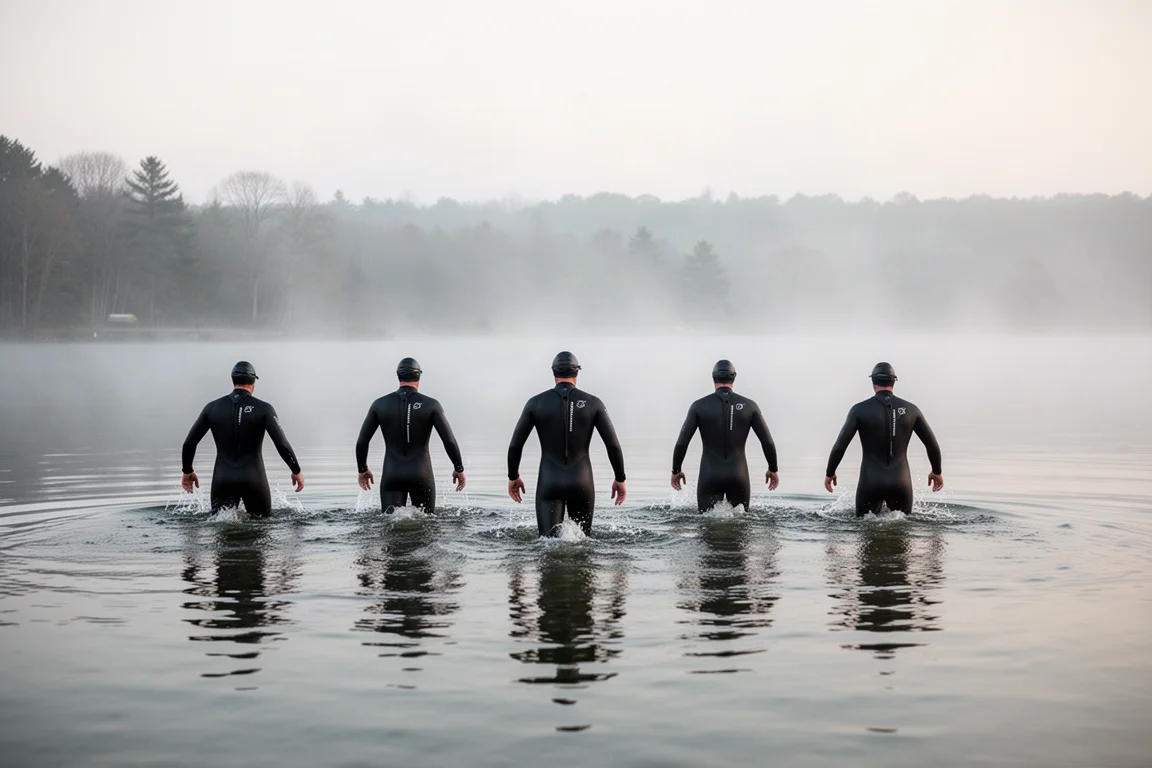
If your position is reasonable but your legs still sit lower than you would like, Flow is the sensible middle. It gives you the added buoyancy, particularly in the legs, while keeping good flexibility through the shoulders and arms, and the Apex Flow is the version that benefits from the Exo Lift durability treatment.
If you are an experienced, technically strong swimmer with fairly neutral buoyancy and no leg drop, Flex is the answer, and the remaining question is which Flex. The Apex Flex is the most flexible of the six, so it suits a swimmer who wants maximum freedom and does not need extra lift. The Athlex Flex adds a little more buoyancy while giving up a small amount of that flexibility, which makes it a strong choice for a capable swimmer who still welcomes some assistance.
Because the differences between neighbouring models come down to feel, the most reliable approach is to identify which of the three priorities matters most to you, buoyancy, balance or flexibility, then pick the family that matches your ambitions. Riders… sorry — swimmers moving from a technique focus to a performance focus will find the Apex versions of the same model name waiting for them.
Conclusion
Six suits sounds like a lot, but the range is built on a simple grid. Three models, Float, Flow and Flex, each answering a different question about buoyancy and freedom of movement. Two families, Athlex and Apex, each answering a different question about technique support versus outright performance.
Find your model by looking honestly at your body position in the water, then choose your family based on how much you want the suit to work with your technique rather than around it. Shared Yamamoto neoprene, AeroDome buoyancy and SCS coating run across the range, so the decision comes down to fit, feel and the kind of swimmer you are.
Further reading
Related Reviews

Backpacking Gear
Building a 10 lb Base Weight: An Ultralight Backpacking Gear List
A practical walkthrough of the ultralight pieces behind a 10 lb base weight, from a 765 g pack and a roomy one-person tent to a full camp chair and a dependable water filter.

Road Bikes
10 New Road Bikes Worth Watching: Aero, Titanium, Steel and Endurance Standouts
A practical roundup of 10 new road bikes, from aero flagships chasing single-watt gains to titanium, steel and endurance platforms built for real roads.
Bikepacking Gear
11 Bikepacking Essentials for Long-Distance Cycling
Eleven bikepacking essentials for long-distance cycling, from a steel gravel frame and a two-person tent to helmet lights, packable gloves, and a frame bag that puts weight in the right place.