Open Water Wetsuits
Orca Vitalis Thermal and Vitalis TRN: Choosing a Thermal Open Water Wetsuit
A practical look at Orca's thermally insulated open water wetsuit, how its lining and Yamamoto neoprene work, and when the non-thermal Vitalis TRN is the smarter buy.
Introduction
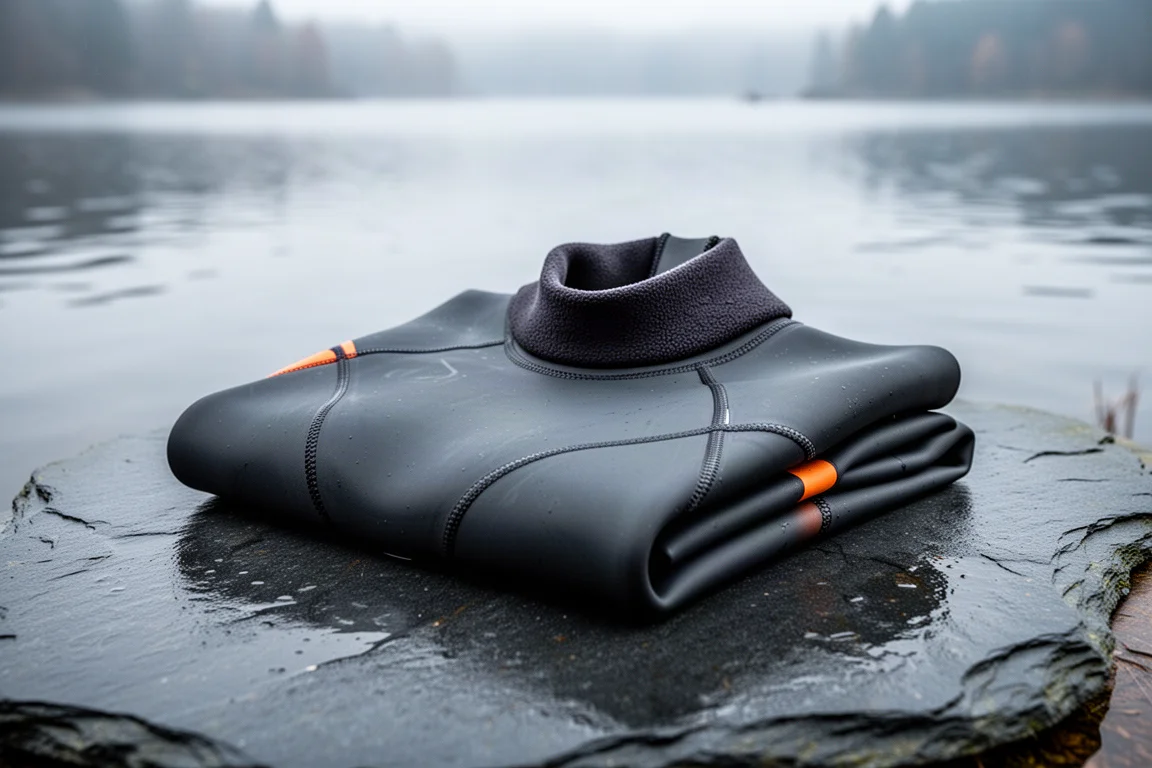
Orca has refreshed its open water wetsuit range, and the headline addition is the Orca Vitalis Thermal, a thermally insulated suit that still carries the credentials of the brand’s top-end open water designs. Warmth is the whole point here. A thermal suit lets you swim in open water when conditions would otherwise be too cold, and it can also help if cold water is the thing holding your performance back. Cold-water events increasingly call for suits of this type, and for many swimmers the difference between a good session and a miserable one comes down to how warm they stay.
This guide covers what the Vitalis Thermal actually does, how its Yamamoto neoprene construction works, and how it differs from the non-thermal Orca Vitalis TRN, which shares the same platform at a lower price.
Why a Thermal Wetsuit Makes Sense
Most swimmers do not need convincing that cold water is uncomfortable. What matters practically is that cold limits how long you can stay in, how relaxed your stroke feels, and how much you enjoy the session. A thermal wetsuit changes that equation. It opens up sessions earlier in the season, later in the year, and in water that would otherwise be off limits.

It is worth being clear about what a thermal suit is not. It is not a substitute for judgement about water temperature, and it is not a licence to swim anywhere. It is a tool for staying warmer for longer, which is exactly what many swimmers want from an open water wetsuit. If cold is the main reason your open water season stays short, a thermal option is the most direct fix available.
Orca Vitalis Thermal: Insulation, Hood, and Seals
The Vitalis Thermal builds its warmth from two elements: thicker material and a lining designed to hold heat against the skin.
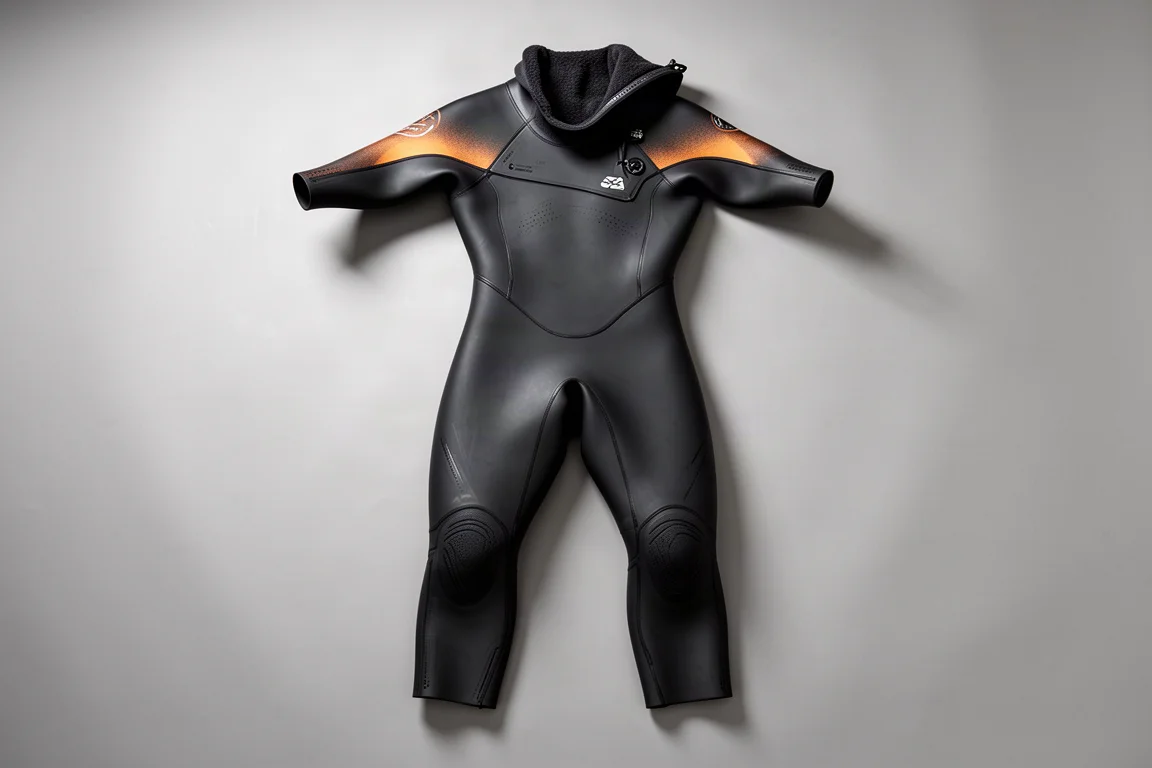
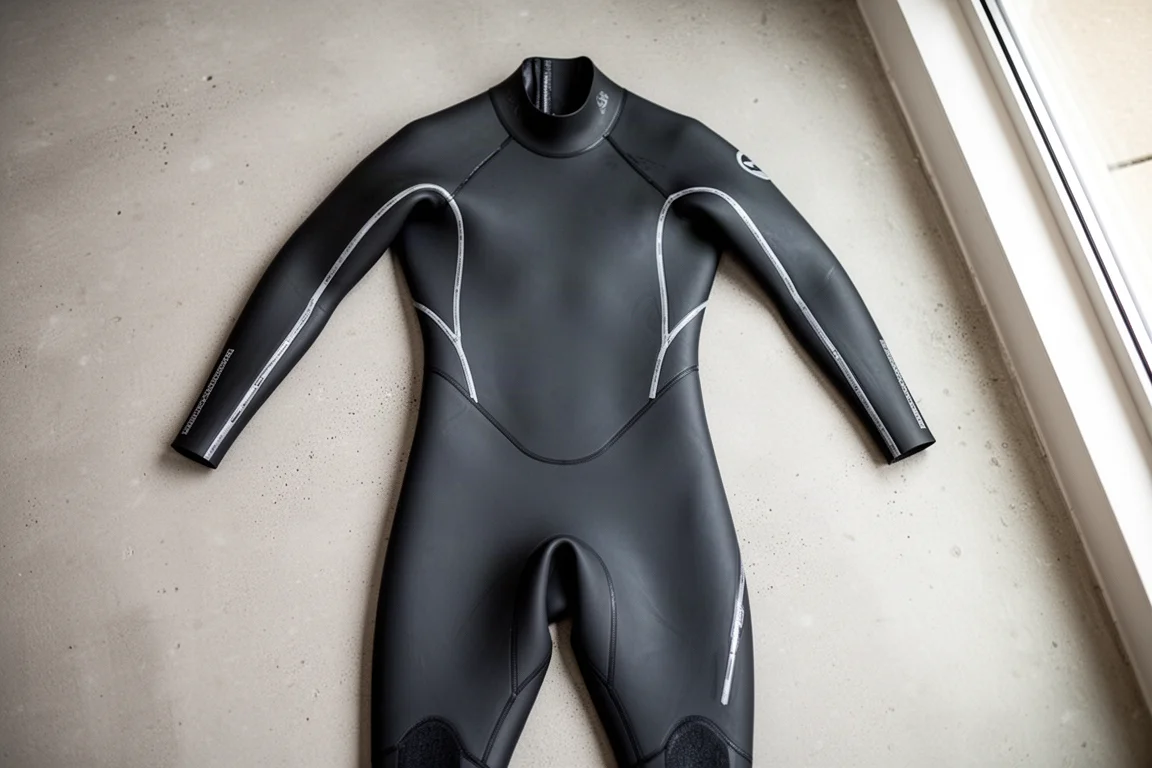
The suit uses panels up to 5mm thick, paired with a fleecy thermal lining. Beyond feeling soft and comfortable, that lining works by trapping air and a small amount of water, which the body then warms and keeps close to the skin. Some water will always enter a wetsuit, so the real goal is limiting how much fresh water flushes in and out, because constant flushing pulls heat away from the body.
Orca addresses that with a neck design it calls the Batwing Hood, pulled up and over the head, together with the Ultimate Seal collar. Combined, they add another layer of protection and improve the fit around the neck and zipper areas, which reduces how much extra water seeps into the suit.
Yamamoto Neoprene, Buoyancy, and Flexibility
The neoprene itself is Yamamoto, a material produced by a Japanese rubber manufacturer that has been making wetsuit material from limestone since around 1961. Its advantages are increased buoyancy, better insulation, greater water resistance and, importantly for swimming, considerably more flexibility.
When wetsuit brands quote codes such as Yamamoto 38 or Yamamoto 39, they are referring to different levels of flexibility, which is why different grades appear in different areas of a suit. Orca is the only brand certified to build all of its suits using exclusive Yamamoto material, and the Vitalis Thermal uses the 39 grade in several forms. Yamamoto 39X provides the thermal insulation. A 39 Plus variant is combined with the Infinity Skin 2 lining for increased elasticity and free movement, and carries an SCS coating that reduces friction and water resistance. Yamamoto 39 FS is used around the shoulders and under the arms for freedom of movement.
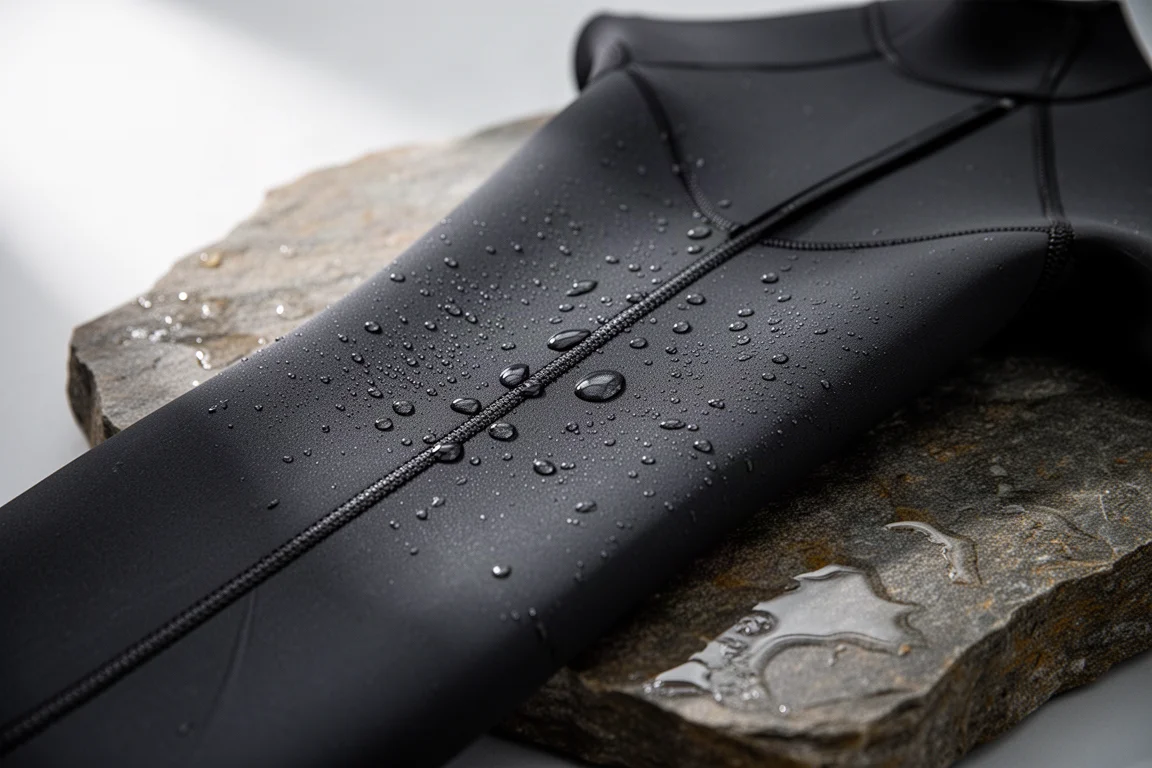
The combined result is a suit that is both warm and buoyant, a useful pairing: buoyancy supports body position in the water while the thermal layers keep the swimmer comfortable enough to stay in it.
Fit, Sizing, and the VFit Option
The Vitalis Thermal sits in Orca’s Open Water range rather than its triathlon range. That distinction matters. The suit is optimised for swimming without the need for quick removal in transition, which makes it a strong choice for day-to-day training and general open water swimming rather than for races where you are stripping the suit off against the clock.
Sizing covers all the usual options, and the range includes Orca VFit sizing, an improved fit for the female body that offers a closer fit and improved mobility. Getting the fit right matters more with a thermal suit than with most, because a well-sealed neck and shoulder area is what keeps the warm layer working as intended.
Orca Vitalis TRN: The Same Suit Without Thermal Insulation
If the price of thermal insulation is more than you need, the Orca Vitalis TRN is essentially the same suit without the added thermal properties. It retails at £219 against £369 for the thermal version, so the saving is meaningful if you mostly swim in milder water and do not need the extra warmth built into the material.
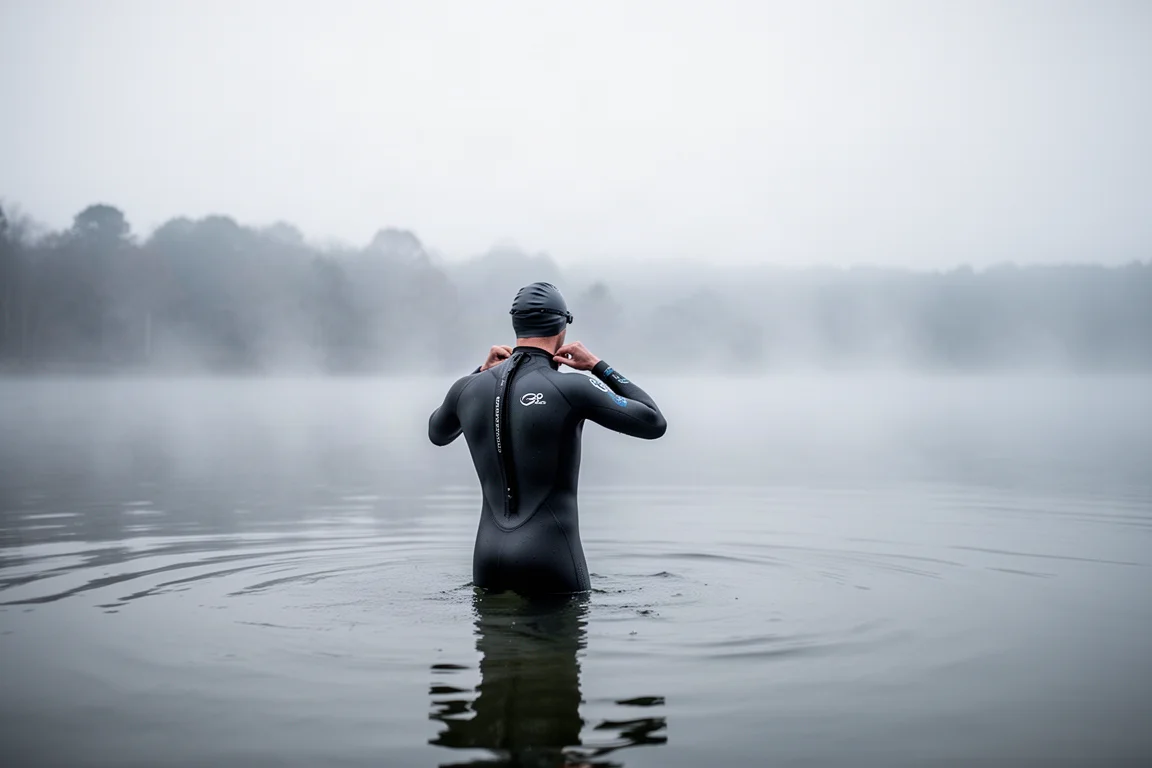
The TRN is the sensible pick for swimmers whose open water season already sits in comfortable temperatures, or who want the same fit and platform without paying for insulation they will not use. The thermal version makes more sense if cold is the thing currently keeping you out of the water.
The Wider Orca Open Water Range
The Vitalis Thermal is one part of a broader line-up. Alongside it are the Vitalis TRN, a sleeveless light version, and a shorty. The range also includes the higher performance ZAL line, which features the FINA-approved ZAL Perform suit, a high VI option, and even a two-piece top and bottom combination. The range is still growing, with more releases expected over the next year, so it is worth checking back if nothing in the current line-up suits your swimming.
Buying Advice
Start with water temperature and season length. If you swim in water that regularly leaves you cold, or you want to extend your season into cooler months, the Vitalis Thermal’s 5mm panels, fleecy lining and sealed neck are designed for exactly that job. If you swim in milder water, the Vitalis TRN gives you the same underlying suit at £219 rather than £369.
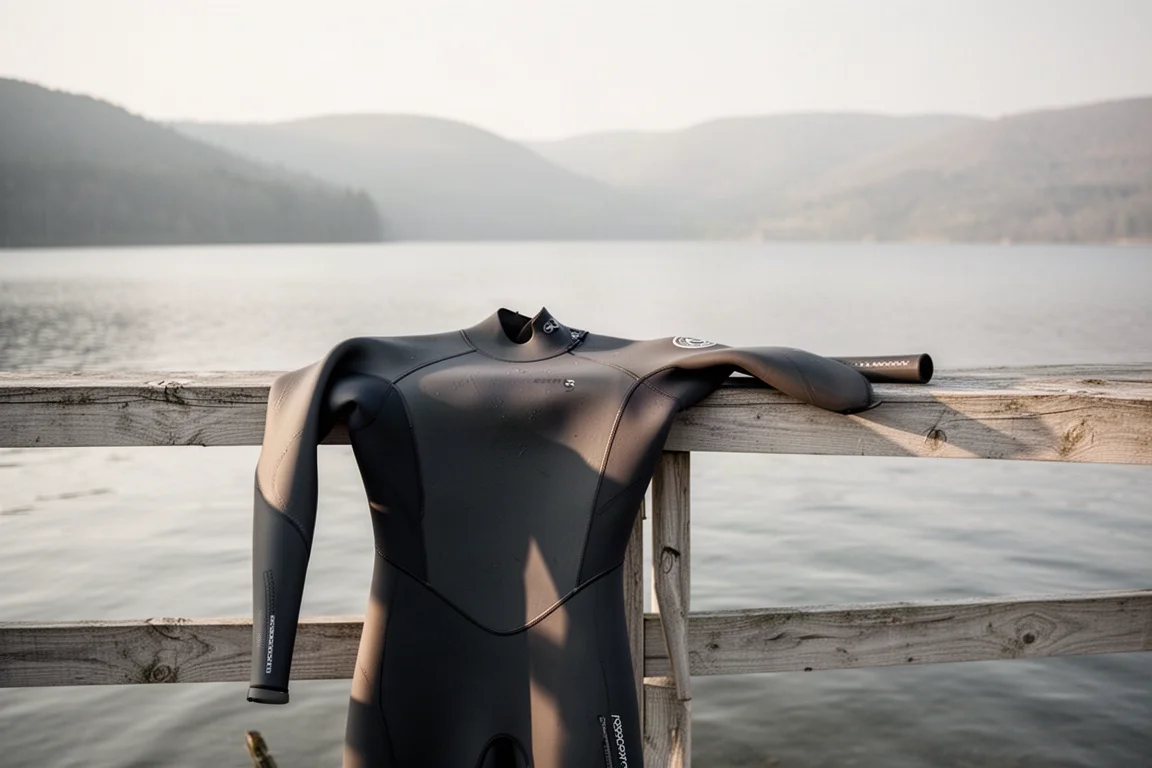
Fit deserves as much attention as the specification. Orca’s VFit sizing is worth considering if it applies to you, and the neck and shoulder area should feel sealed without restricting movement, since that seal is doing a great deal of the thermal work. Be honest about use as well: the Open Water range is built for swimming rather than fast removal in transition, so if your priority is racing with quick changes, a triathlon-oriented suit is the better place to look.
Conclusion
The Orca Vitalis Thermal is a well-considered answer to a common problem. Its fleecy lining, up to 5mm panels, Batwing Hood and Ultimate Seal collar are all aimed at keeping warm water close to the body, while the Yamamoto 39 construction adds buoyancy and flexibility rather than trading them away. At £369 it is a serious purchase, and the £219 Vitalis TRN covers swimmers who do not need the thermal layer. If cold water is what currently shortens your season, the thermal option is the more direct route to more time in the open water.
Further reading
Related Reviews

Backpacking Gear
Building a 10 lb Base Weight: An Ultralight Backpacking Gear List
A practical walkthrough of the ultralight pieces behind a 10 lb base weight, from a 765 g pack and a roomy one-person tent to a full camp chair and a dependable water filter.

Road Bikes
10 New Road Bikes Worth Watching: Aero, Titanium, Steel and Endurance Standouts
A practical roundup of 10 new road bikes, from aero flagships chasing single-watt gains to titanium, steel and endurance platforms built for real roads.
Bikepacking Gear
11 Bikepacking Essentials for Long-Distance Cycling
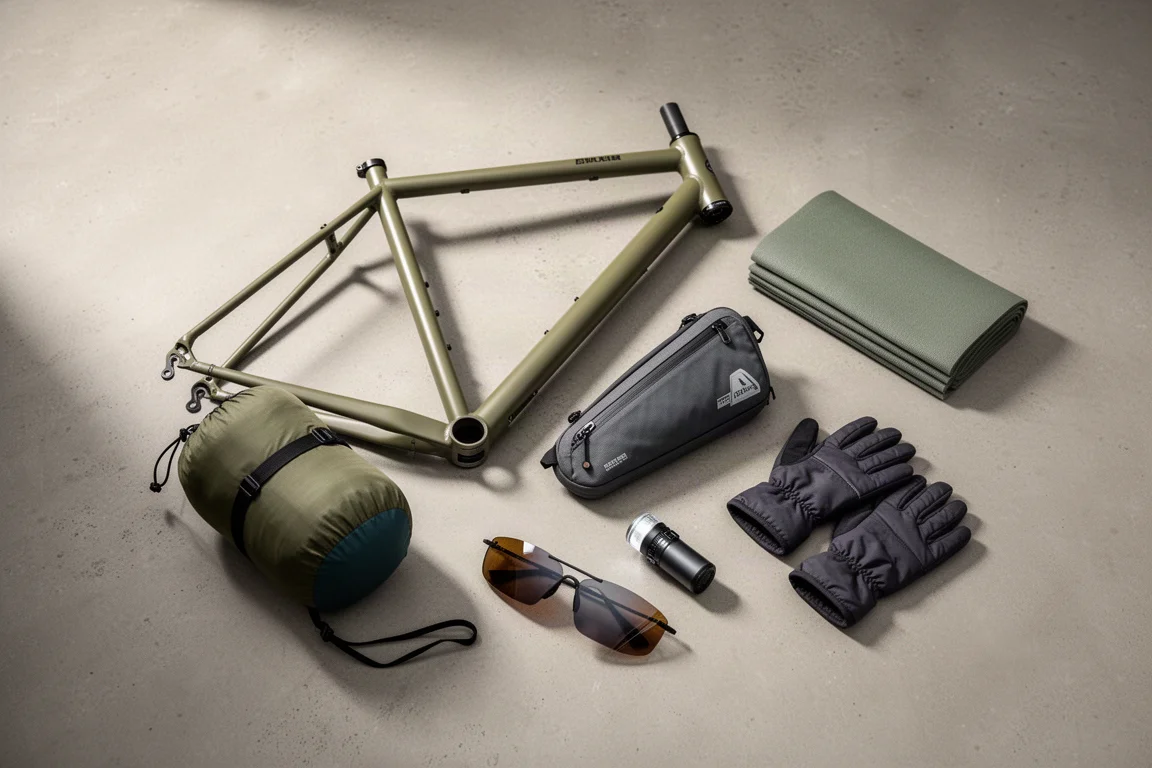
Eleven bikepacking essentials for long-distance cycling, from a steel gravel frame and a two-person tent to helmet lights, packable gloves, and a frame bag that puts weight in the right place.