Triathlon Swim Gear
Orca RS1 Swim Skin Review: Is It Worth the Spend for Non-Wetsuit Races?
A close look at the Orca RS1 swim skin, how it behaves over a tri suit, what the rules allow, and whether the drag savings justify the cost.
Introduction
When the water is warm enough that wetsuits are banned, the swim leg becomes a different problem entirely. At around 26 degrees Celsius, or 78 degrees Fahrenheit, race organisers in venues such as Kona are required to prohibit wetsuits, and that leaves athletes in a tri suit, a swim skin, or both.
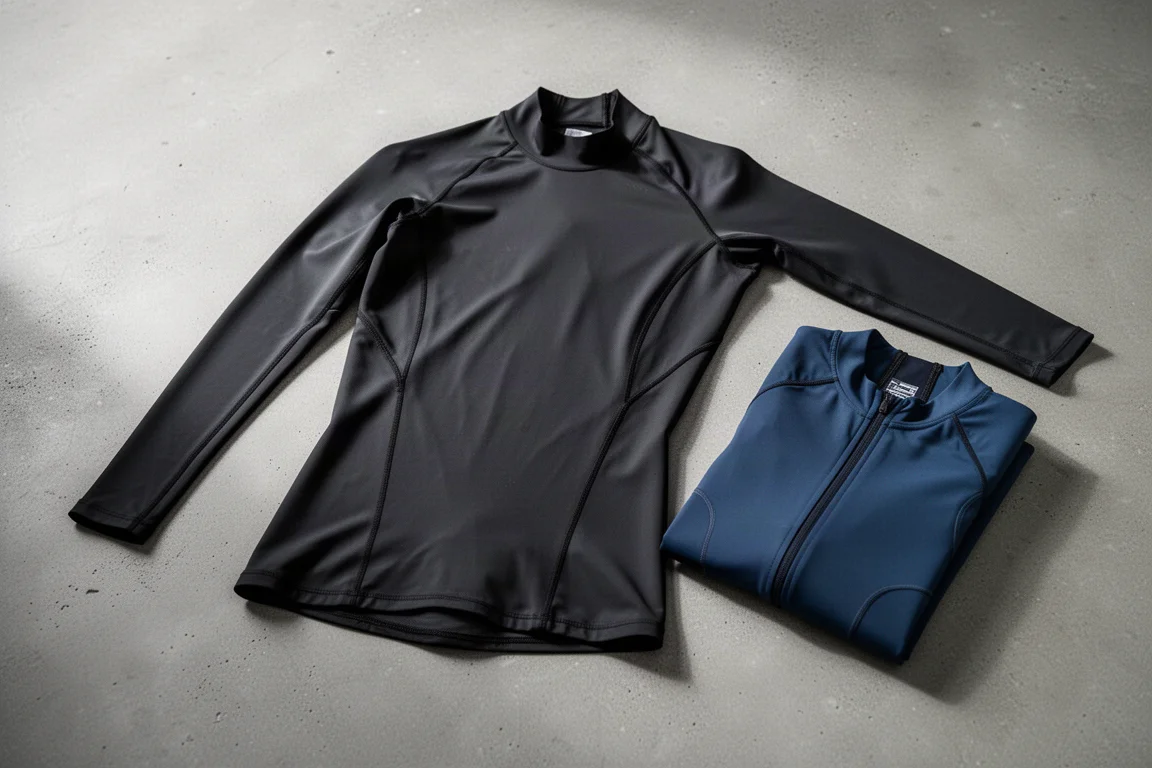
The Orca RS1 swim skin exists for exactly that scenario. It is a sleeved garment designed to be worn over a textile race suit during the swim leg, then removed in T1. The question worth answering is not whether it looks fast, but whether the savings it produces are worth the money.

The short version is that the gains are real but modest, and they add up over a full-distance swim. Whether that matters to you depends on how much you value one or two minutes.
What a Swim Skin Is and What the Rules Allow
Ironman rules state that when wetsuits are prohibited, no clothing of any sort may extend below the knee or elbow. A covering may be worn over a textile race suit, but it must be 100 percent textile, contain no rubberised material such as neoprene, and provide no buoyancy. Swimwear may extend to, but not past, the elbows and knees.
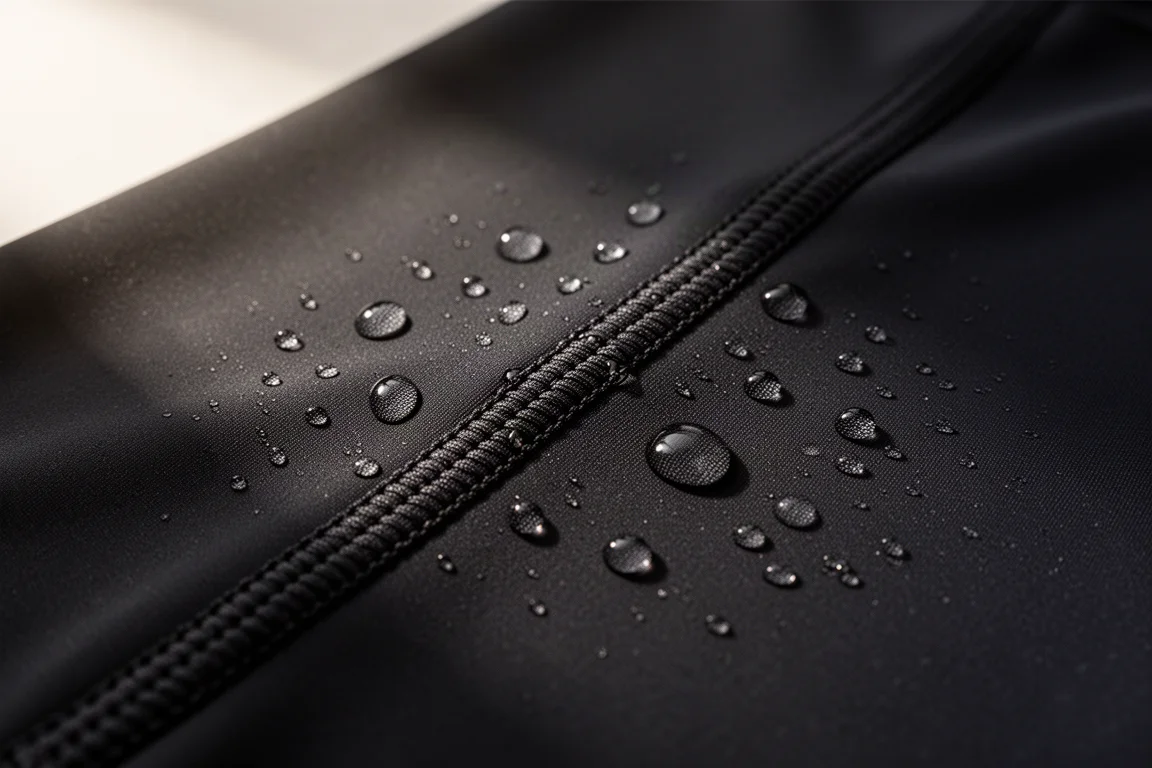
Within those limits, brands build swim skins from hydrophobic textile that adds compression and reduces drag through the water. Most designs end at the shoulders and run down to the knees, though some, including the RS1, extend to the elbow and cover the arms.
The design logic is simple. A tight garment with a slippery surface moves through the water more efficiently than a looser tri suit. The trade-off is that it must be taken off in transition, which costs a little time, though swim skins generally come off more easily than a wetsuit does.
How the Orca RS1 Performed in the Water
The most useful way to judge a swim skin is a controlled comparison over a short distance, where variables stay manageable. Over 200 metres, a tri suit produced a time of 2 minutes 50 seconds. The same swimmer then rested, changed into the Orca RS1, and swam 2 minutes 46 seconds.
That works out to roughly a two second per 100 metre difference, about 1 minute 25 seconds per 100 in the tri suit against 1 minute 23 seconds in the swim skin. Extrapolated to a 3.8 kilometre Ironman swim, that puts the tri suit at roughly 53 minutes 50 seconds and the swim skin at roughly 52 minutes 34 seconds. The overall gap comes to about 1 minute 16 seconds.
On paper, just over a minute may not sound dramatic. Placed alongside an hour of effort on the bike, where a handful of minutes can be found or lost, it is a meaningful return for a single piece of equipment.
Who the Orca RS1 Swim Skin Is For
This is a product for athletes racing in warm water where wetsuits are not permitted, and who want to protect their position on the swim without buying an entirely new race suit. It suits age groupers preparing for a specific non-wetsuit race, and it suits anyone who has found that their tri suit feels slow or draggy in open water.
It is less relevant if you rarely race in warm water, or if your priority is comfort across the bike and run rather than swim speed. The RS1 is also available in a sleeveless version, and the choice between the two is largely a matter of how much shoulder freedom you want.

Main Strengths
The clearest strength is the measurable drag reduction from the hydrophobic textile, which is what turns into that two second per 100 metre advantage. The compression is the second benefit, and it is the one most swimmers notice immediately. Even without buoyancy, the fit creates a feeling of sitting higher in the water, which appears to be at least partly psychological but is still a genuine confidence boost on race morning.
The sleeved construction covers the arms, which is useful if your tri suit sleeves are loose enough to catch water. An alternative often used by experienced racers is to unzip the tri suit and roll it down underneath the swim skin, leaving the arms free and exposed, then pull the tri suit back up while running through transition. That is fiddly in wet conditions, but it works.
Finally, swim skins are durable. Because they are raced in relatively rarely, they hold up well over seasons, which makes the secondhand market a realistic option.
Things to Consider Before Buying
Fit matters more than any other factor here. A swim skin should squeeze and hold the torso firmly, while still allowing plenty of movement through the shoulders. A loose, ill-fitting swim skin fills with water, and the hydrophobic material then holds that water in, effectively acting like a parachute. A badly fitted garment can slow you down considerably despite the material.
The second consideration is temperature. A tight, coated swim skin is far less breathable than a tri suit, which is precisely why it is designed to be removed in T1 rather than worn for the whole race. It would be extremely hot and uncomfortable over a long bike and run.
The third is transition discipline. Swim skins must come off before the bike leg, and forgetting that step is not a theoretical risk. It has happened to professionals at major races, and racing in one for several hours is not a comfortable proposition. Budget a little extra time in T1, and practise the removal so it is automatic.
Buying Advice
The RS1 sits at the upper end of the market, with swim skins typically priced around 300 pounds or 400 dollars. Before committing, ask whether the money is better spent on a swim skin or on a new tri suit.
If you are upgrading specifically with the swim leg in mind, the swim skin is the more targeted purchase. Tri suits vary in fit and material, and some swim faster than others, but a purpose-built hydrophobic layer addresses the problem directly.
If your goal is comfort across the whole race, a well-fitting tri suit will serve you better, because the swim skin cannot stay on past the water. Sizing down from your usual tri suit size is normal for a swim skin, provided the shoulders still move freely. Given how seldom they are used and how well they last, buying secondhand is a sensible way to test the concept before paying full price.
Conclusion
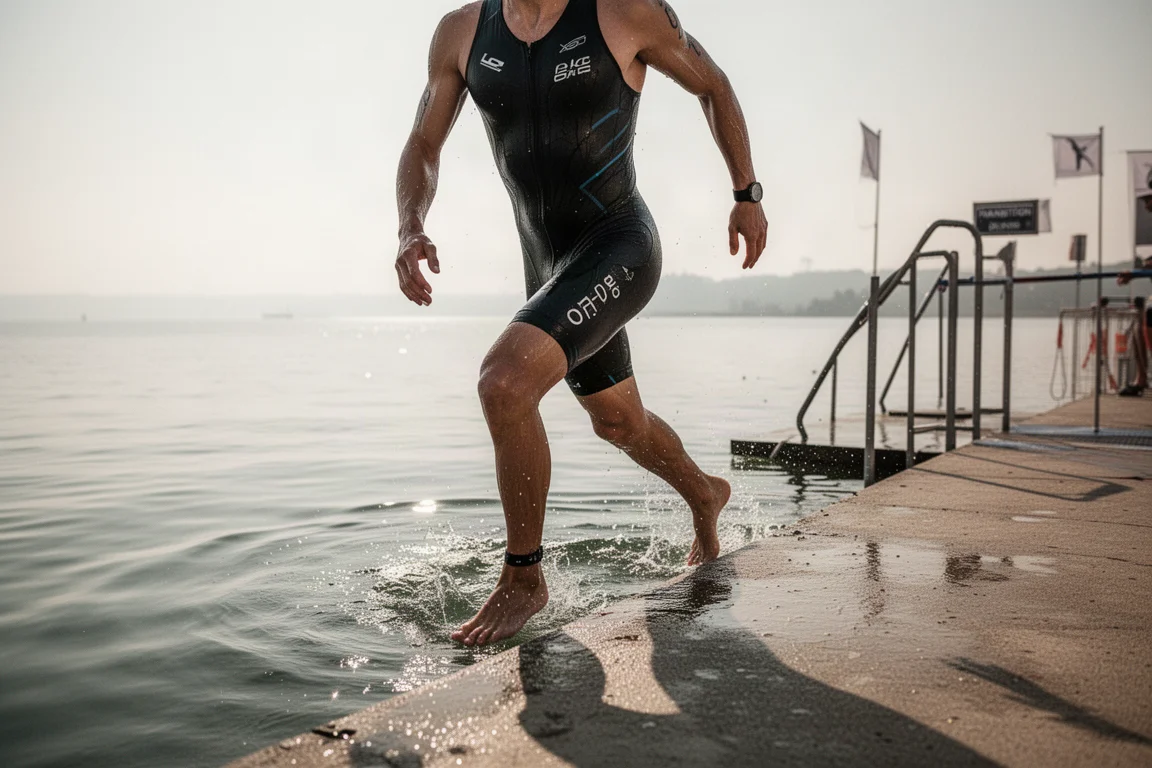
The Orca RS1 swim skin delivers a modest but repeatable advantage in the water, translating to around a minute and a quarter over a full Ironman swim in this comparison. It is a precise tool for a precise problem, aimed at warm water races where wetsuits are not allowed. Buy it for the swim, size it tight, and remember to take it off before the bike.
Product link
View more details for Orca RS1 Swim Skin
This product is mentioned in the review. Check the specifications, options, and compatibility before buying.
View more details for Orca RS1 Swim SkinFurther reading
Related Reviews

Backpacking Gear
Building a 10 lb Base Weight: An Ultralight Backpacking Gear List
A practical walkthrough of the ultralight pieces behind a 10 lb base weight, from a 765 g pack and a roomy one-person tent to a full camp chair and a dependable water filter.

Road Bikes
10 New Road Bikes Worth Watching: Aero, Titanium, Steel and Endurance Standouts
A practical roundup of 10 new road bikes, from aero flagships chasing single-watt gains to titanium, steel and endurance platforms built for real roads.

Bikepacking Gear
11 Bikepacking Essentials for Long-Distance Cycling
Eleven bikepacking essentials for long-distance cycling, from a steel gravel frame and a two-person tent to helmet lights, packable gloves, and a frame bag that puts weight in the right place.