Kitchen Appliances
Expensive vs Budget Rice Cooker: Does Price Matter for Taste?
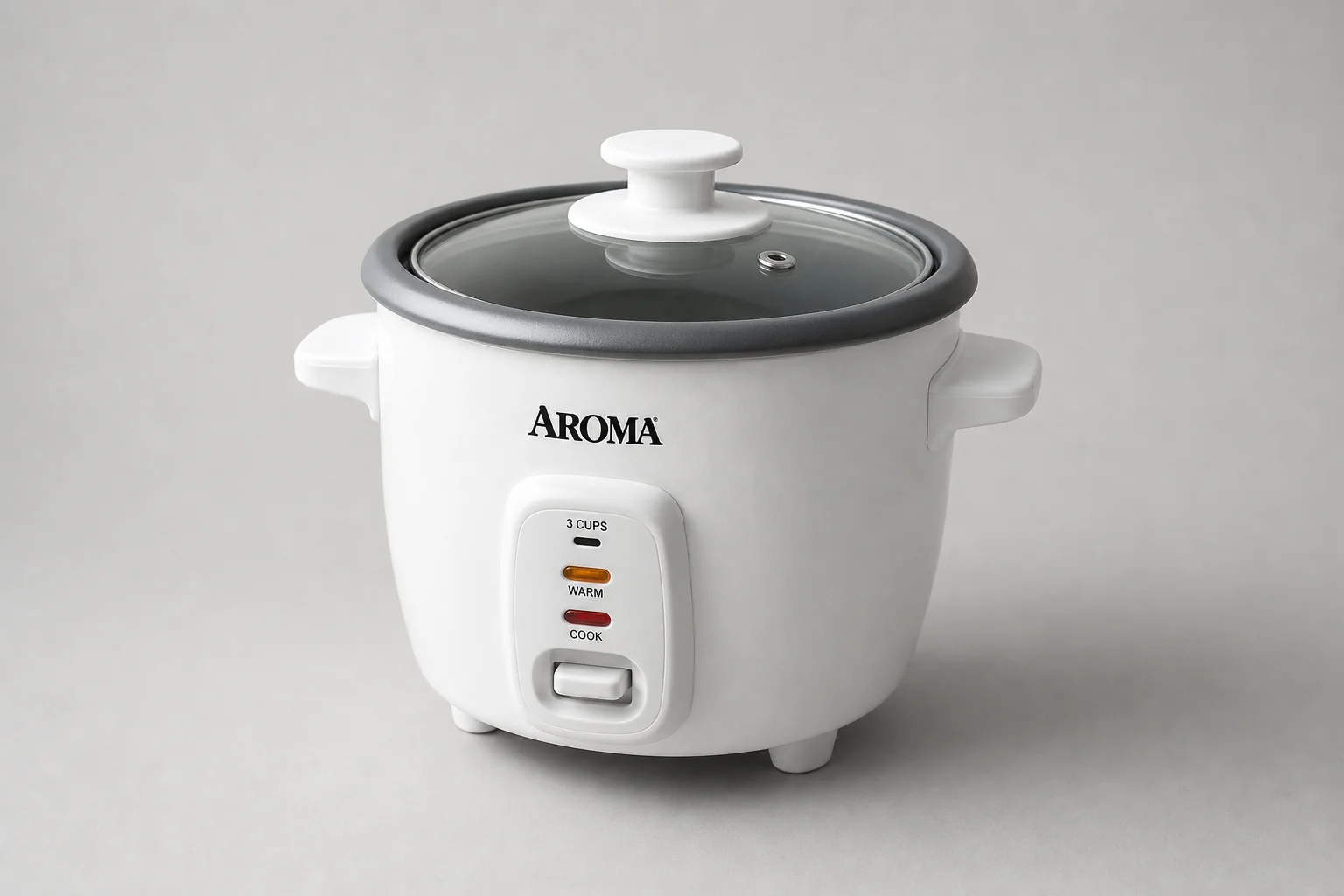
We blind-tested an Aroma budget rice cooker against a premium Zojirushi model across five dishes to see if the $180 price difference actually improves the final result.
Introduction
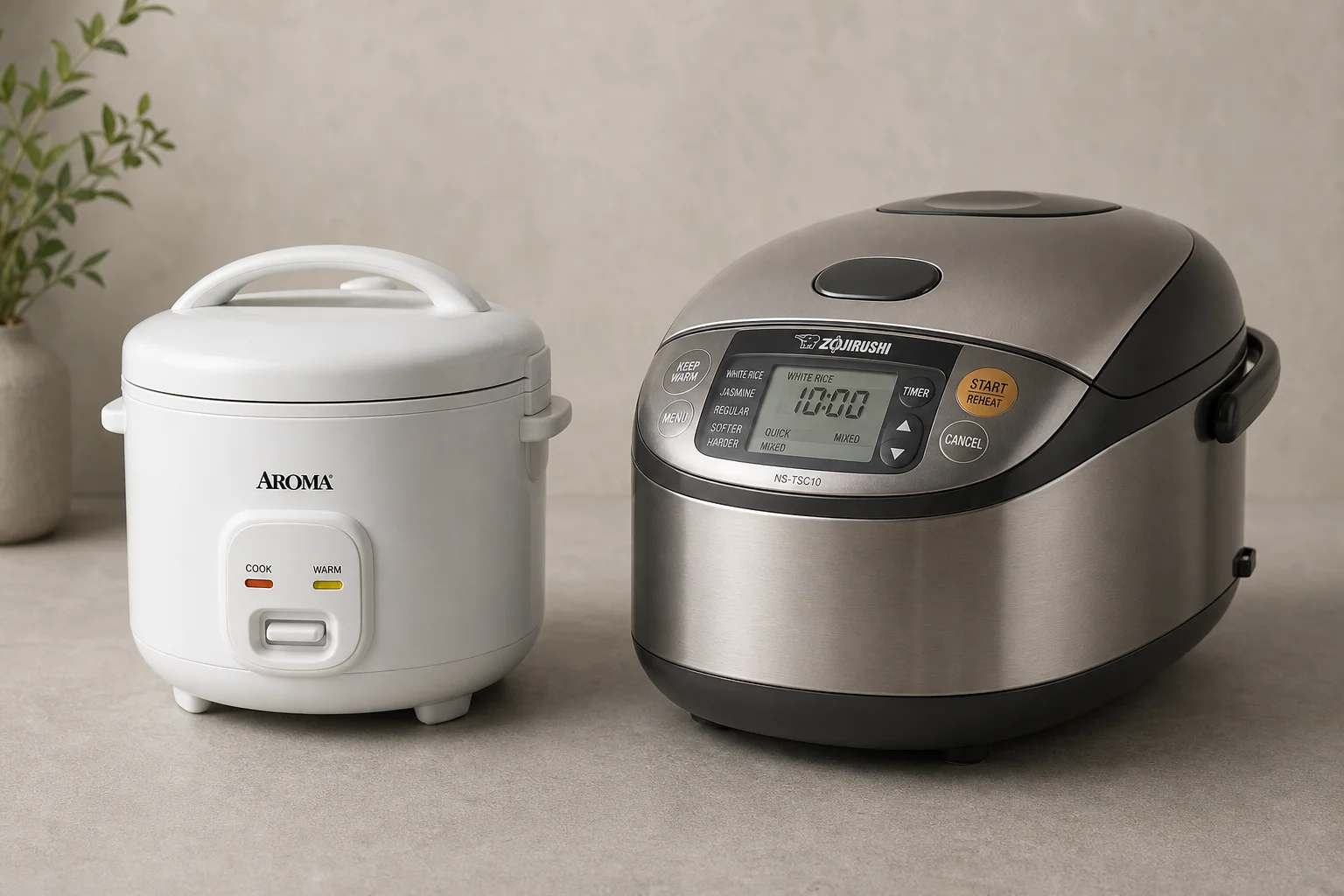
When shopping for a rice cooker, the price range is striking. You can find models for under $20 or spend $200 on a premium Japanese brand. The question is straightforward: does the expensive option actually cook rice better, or is the extra cost unnecessary?
We tested two rice cookers across five different dishes to find out. On one side, the Aroma rice cooker at $19.86 represents the budget option. On the other, the Zojirushi at $199 is a Japanese brand widely considered to make some of the best rice cookers available. Both have the same three-cup capacity, but their features and build quality differ significantly.
Sushi Rice Test
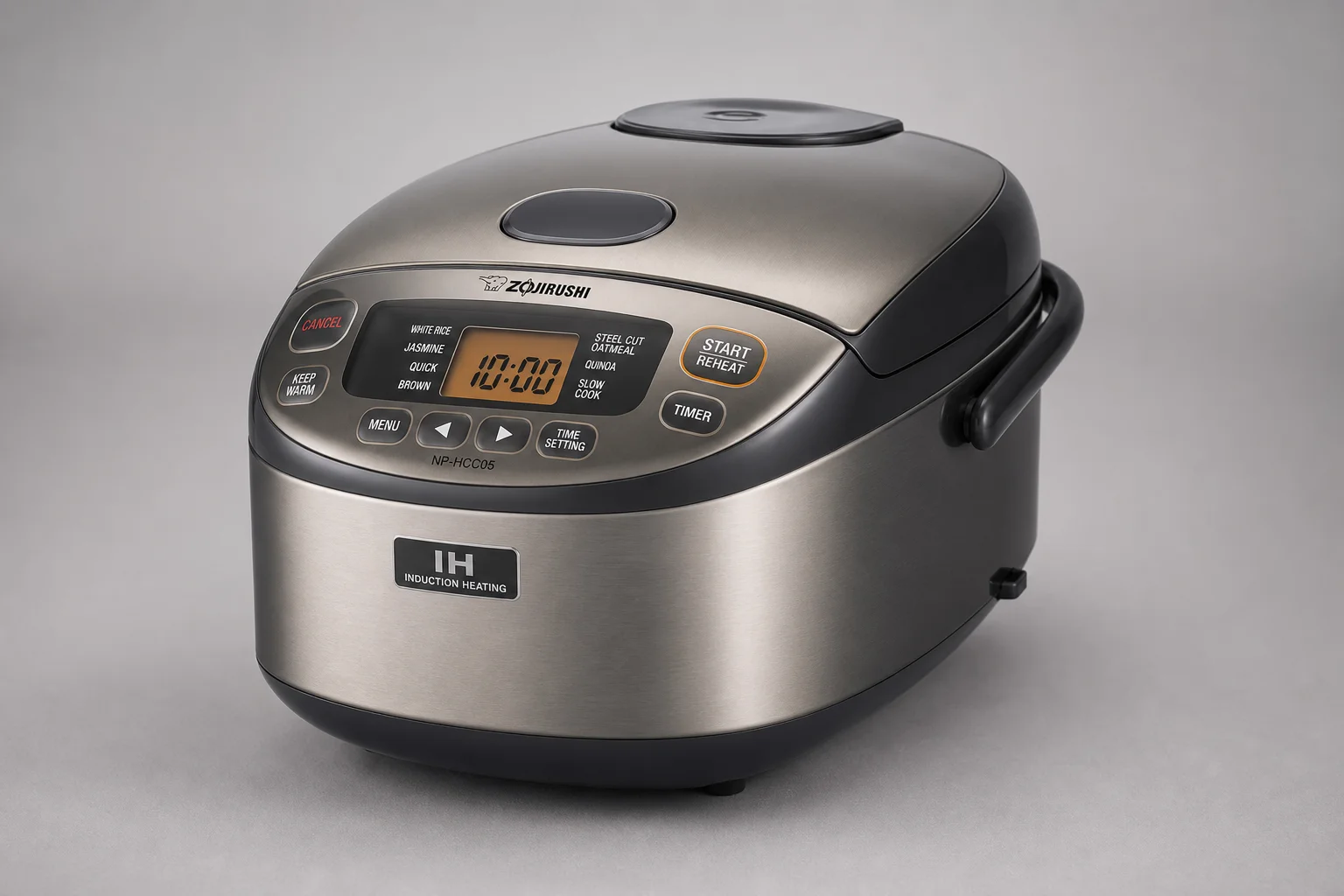
The first test used sushi rice, where precision matters. The Aroma finished cooking in about 25 minutes, while the Zojirushi took 48 minutes. The Zojirushi includes a dedicated sushi rice setting, which the Aroma lacks.
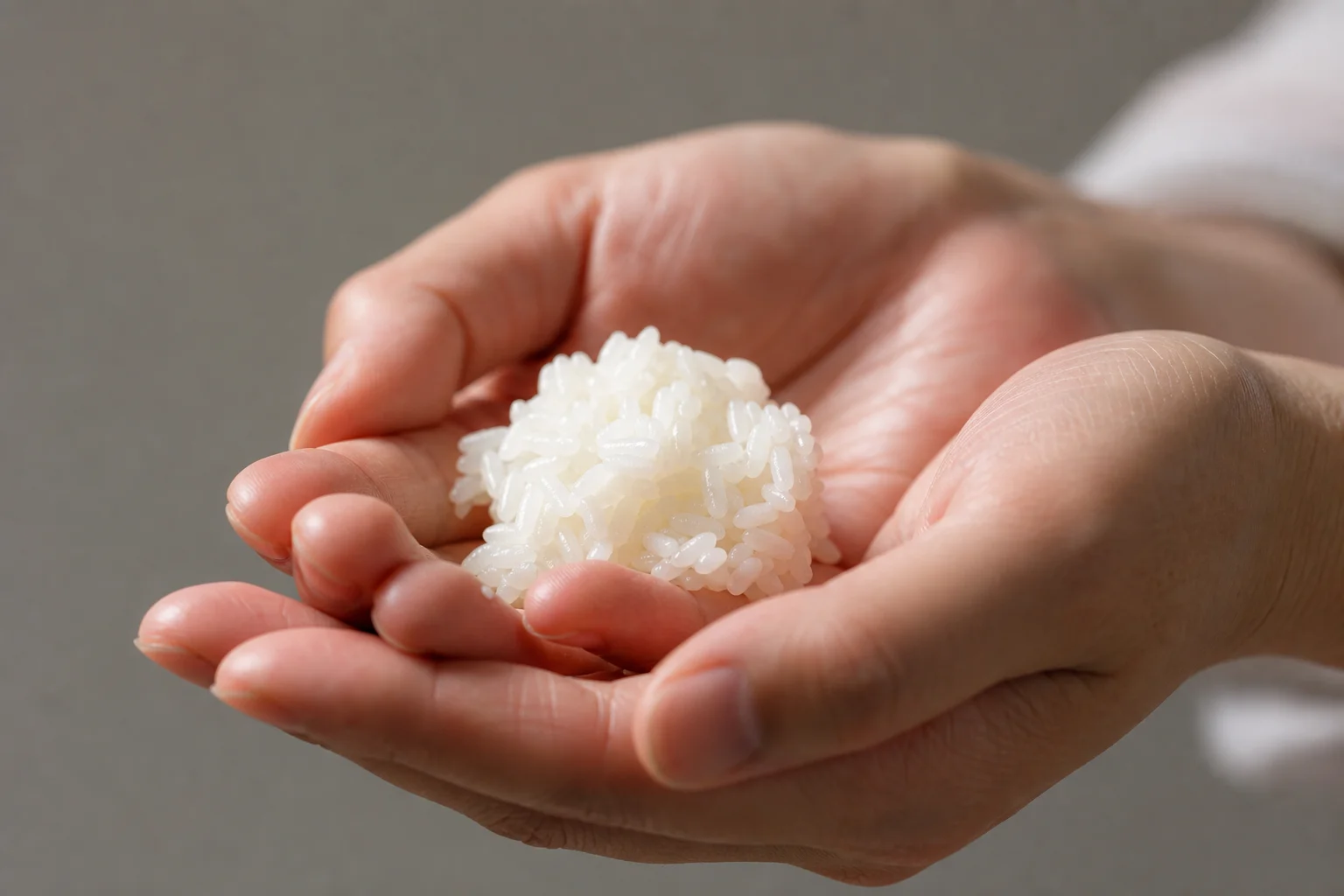
When tasting blind, the difference became apparent. The rice from the Zojirushi was noticeably stickier, which is exactly what you want for sushi. The grains held together better, creating the proper texture for nigiri. The Aroma’s rice was more granular and fell apart more easily, which is less ideal for sushi preparation.
The Zojirushi proved its worth here. For sushi specifically, the premium cooker’s specialized settings and longer cooking time produced measurably better results.
Mushroom Risotto Test
Risotto presents a different challenge. Both cookers produced risotto, but with noticeably different textures. The Aroma’s risotto was mushier, with less definition between individual grains. The Zojirushi’s version was more granular, with each grain remaining distinct.
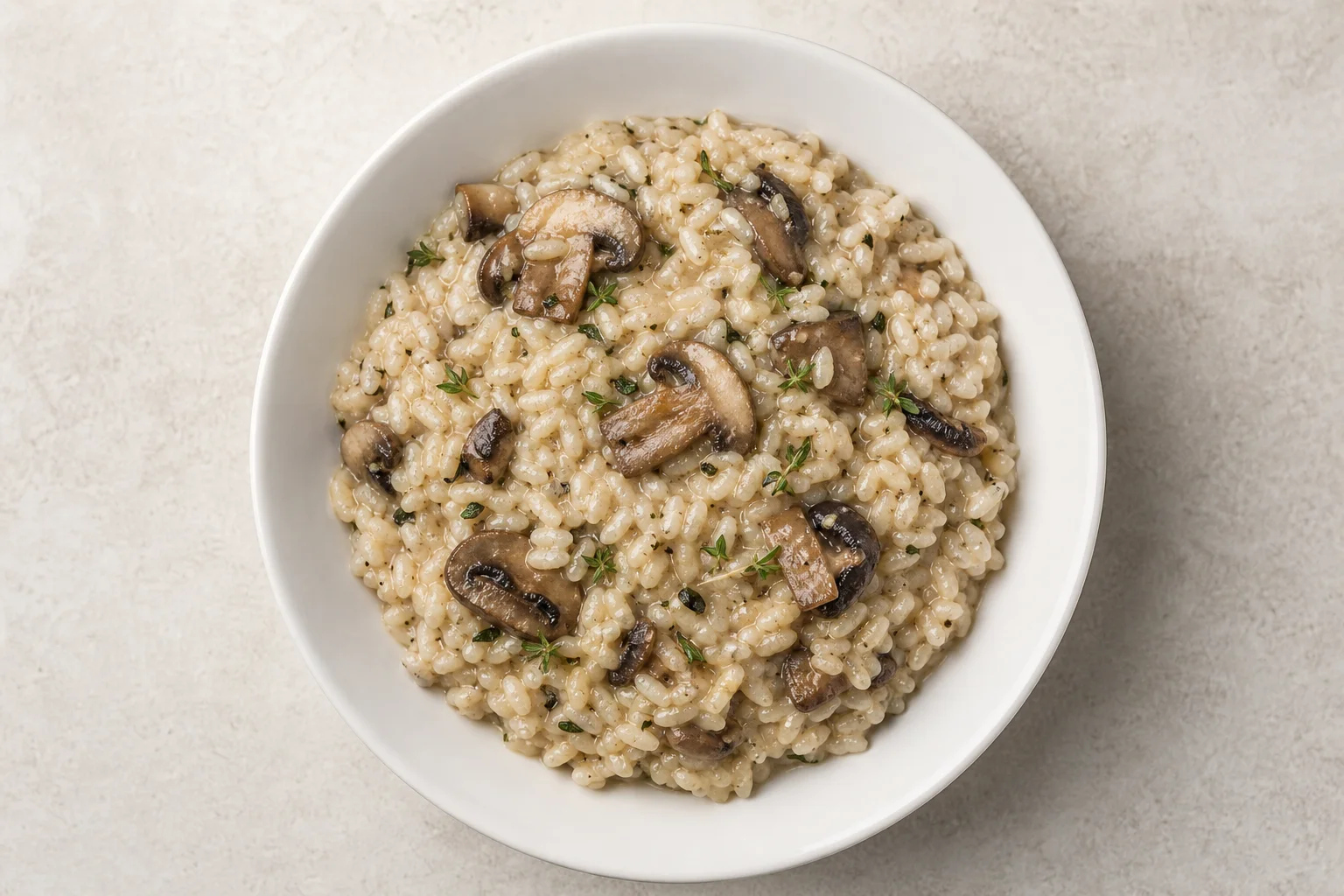
The taste difference was clear enough that blind tasters consistently preferred the Zojirushi’s result. The rice maintained better structure and didn’t collapse into a paste. However, this advantage comes at the cost of cooking time. The Zojirushi took roughly twice as long to complete the cooking cycle.
For risotto enthusiasts who care about texture and grain definition, the premium cooker delivers noticeably better results. For casual cooks who simply want a finished dish, the budget option works fine.
One Pot Adobo Chicken Rice Test
This Filipino dish cooks rice and chicken together in one pot, testing whether the rice cooker’s heating method affects the final result. Both cookers handled the task, though the results differed.
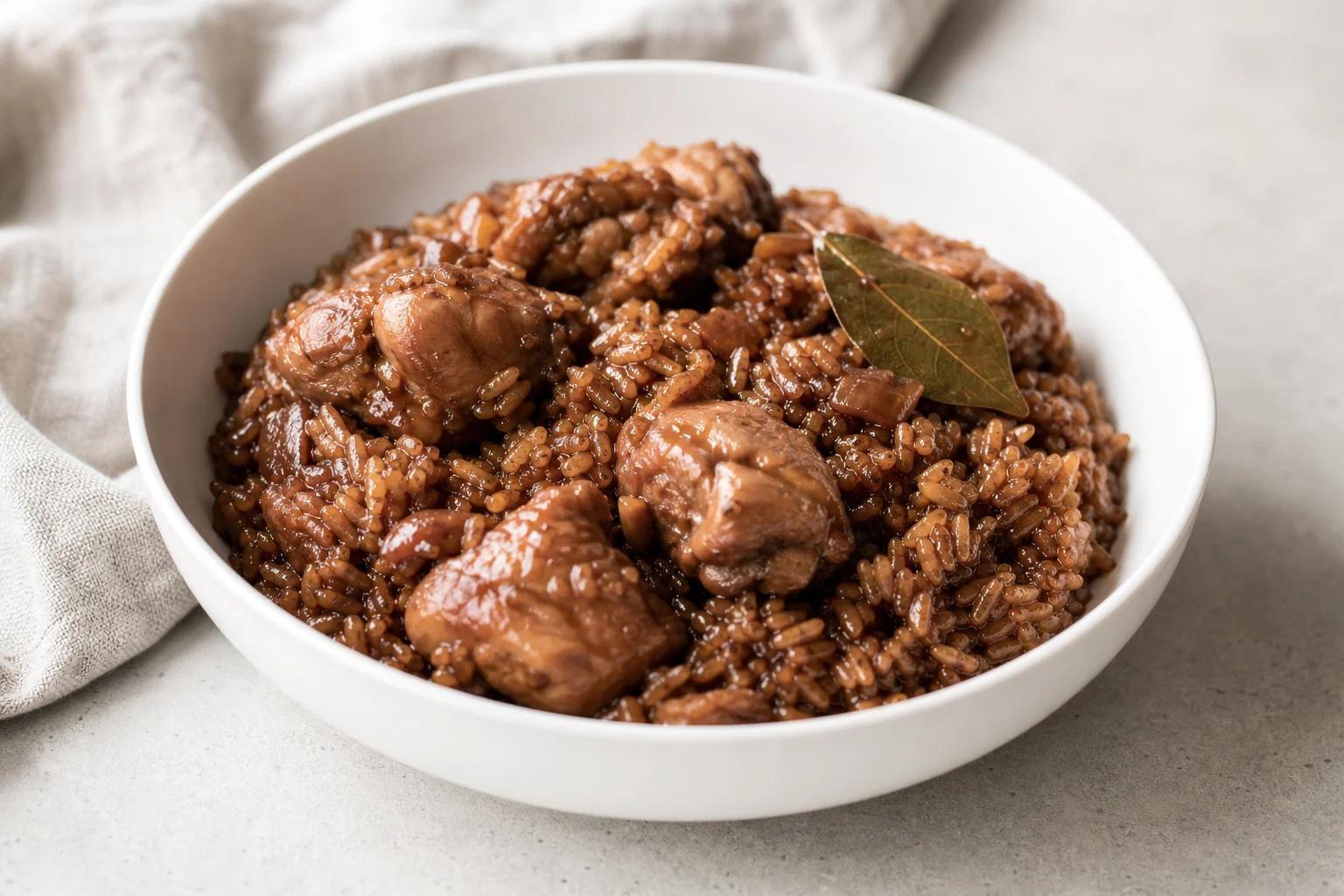
The Zojirushi produced rice with better individual grain separation and a more refined texture. The Aroma’s rice was softer and less defined. The chicken cooked in both was similarly tender, so the main difference came down to rice quality.
Interestingly, blind tasters preferred the Aroma’s result in this round, valuing the softer, more integrated texture when rice and protein cook together. This suggests that the “better” cooker depends on how you plan to use it.
Japanese Cheesecake Test
The final test revealed the most dramatic difference. Japanese cheesecake requires precise temperature control and timing. The Aroma failed this test entirely. Its cook cycle completed in just 10 minutes, leaving the cheesecake completely raw. The operator had to manually hold the cook button down until the cake was fully set, defeating the purpose of using an automated cooker.

The Zojirushi handled the cheesecake perfectly. Its longer, more controlled heating cycle produced a properly cooked cake with a crusty golden top and creamy custard interior. The Aroma’s cake was undercooked and required manual intervention.
For delicate cooking tasks like desserts, the Zojirushi’s precision is essential. The budget cooker simply lacks the sophistication to handle anything beyond basic rice.
The Verdict
The answer depends on how you use your rice cooker. If you cook only plain rice or simple one-pot meals, the Aroma’s $19.86 price tag makes it hard to justify spending $200 more. The budget cooker handles these tasks adequately.
However, if you cook sushi, risotto, or attempt more delicate dishes like cheesecake, the Zojirushi’s specialized settings and precise temperature control become valuable. The premium cooker’s longer cooking times and multiple settings allow it to handle a wider range of recipes with better results.
For casual cooks who throw ingredients into a pot and want a finished meal, the budget option is fine. For anyone developing cooking skills or regularly preparing dishes that demand precision, the premium cooker is worth the investment.
Conclusion
The expensive rice cooker does cook better, but only if you’re cooking dishes that benefit from its specialized features and precise control. For basic rice cooking, the budget option delivers acceptable results at a fraction of the cost.
Further reading
Related Reviews
Kitchen Appliances
Arboleaf Smart Kitchen Scale Review: Connected Cooking Made Simple
A Bluetooth-enabled kitchen scale that syncs with a nutrition-tracking app, offering real-time weight monitoring and recipe guidance for home cooks.
Kitchen Appliances
Best Air Fryer Toaster Ovens: Three Top Picks for Multi-Function Cooking
Three high-performing air fryer toaster ovens tested for versatility, ease of use, and real-world cooking results. Find the right fit for your kitchen.
Kitchen Appliances
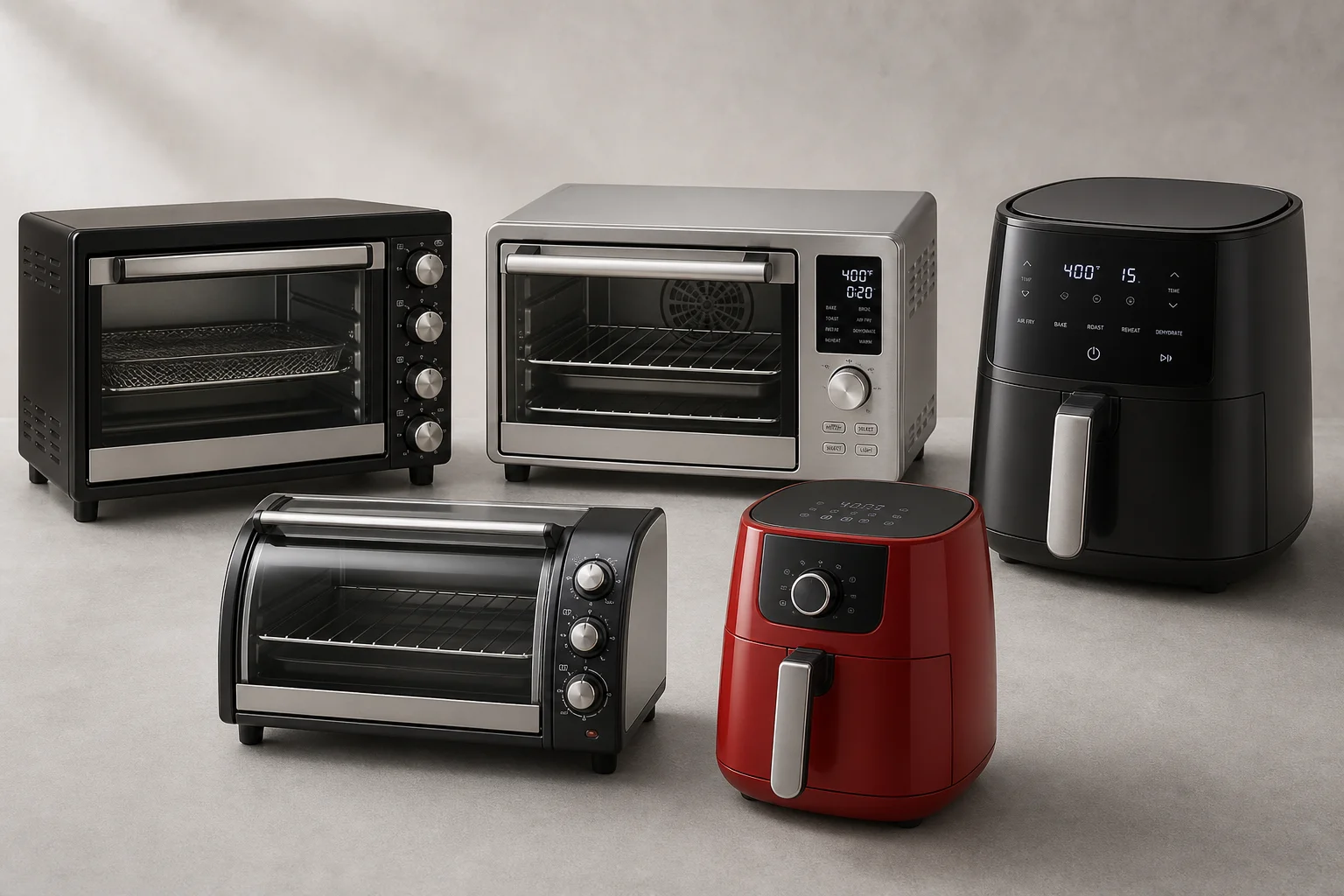
Best Air Fryer Toaster Ovens Under 100: Five Practical Options for Budget-Conscious Kitchens
Five air fryer and toaster oven combinations that deliver real cooking performance without breaking the bank, each with distinct strengths for different kitchen needs.