Electric Mountain Bikes
Orbea Wild Range Guide: Which Model Suits Your Riding?
The new Orbea Wild adds travel, slacker geometry and an updated Bosch drive unit. Here is how the flagship carbon M Limited, the M20, the aluminium H20 and the trail-focused Wild ST H30 compare.
Introduction
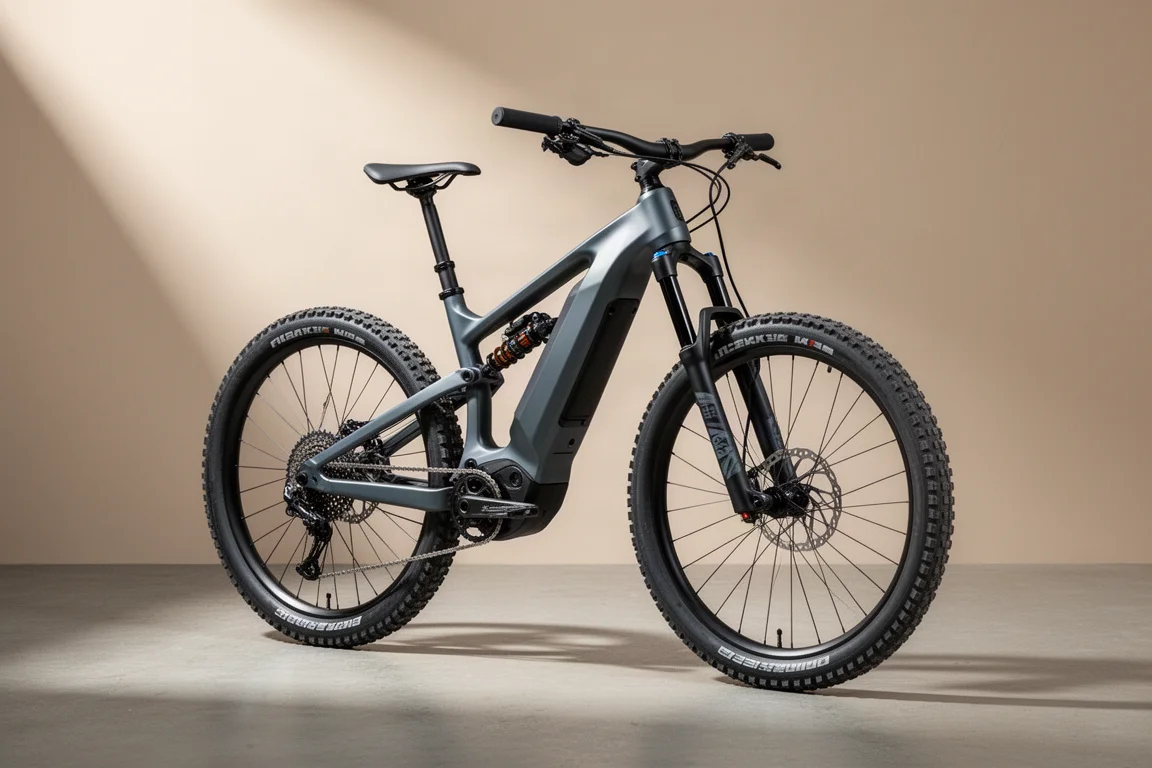
Orbea’s Wild has been the brand’s flagship full-power enduro electric mountain bike, and the latest version leans further into aggressive descending. Rear travel grows by 10mm, the geometry is slacker and longer, and the frame has been reworked to handle the extra forces a motor and battery put through a bike. There are also new motor and battery options, plus a wide spread of builds, from a top-spec carbon flagship to a more affordable, trail-focused aluminium model.
This guide covers what changed on the platform and then looks at four builds in the range worth knowing about.
What the New Orbea Wild Platform Brings
The new Wild runs 170mm of travel front and rear, up from 160mm at the rear on the outgoing model, and Orbea has slackened and lengthened the geometry. The changes are aimed at making the bike suitable for even more aggressive descending and for racing on extreme terrain.
Orbea says the new frame has been optimised for stiffness in e-MTB applications, claiming it is 10% stiffer than an equivalent non-assisted bike in order to cope with the added forces generated by the weight of the battery and motor when pedalling. Anti-squat levels are said to stay close to those of the outgoing model, so the suspension still behaves predictably under pedalling.
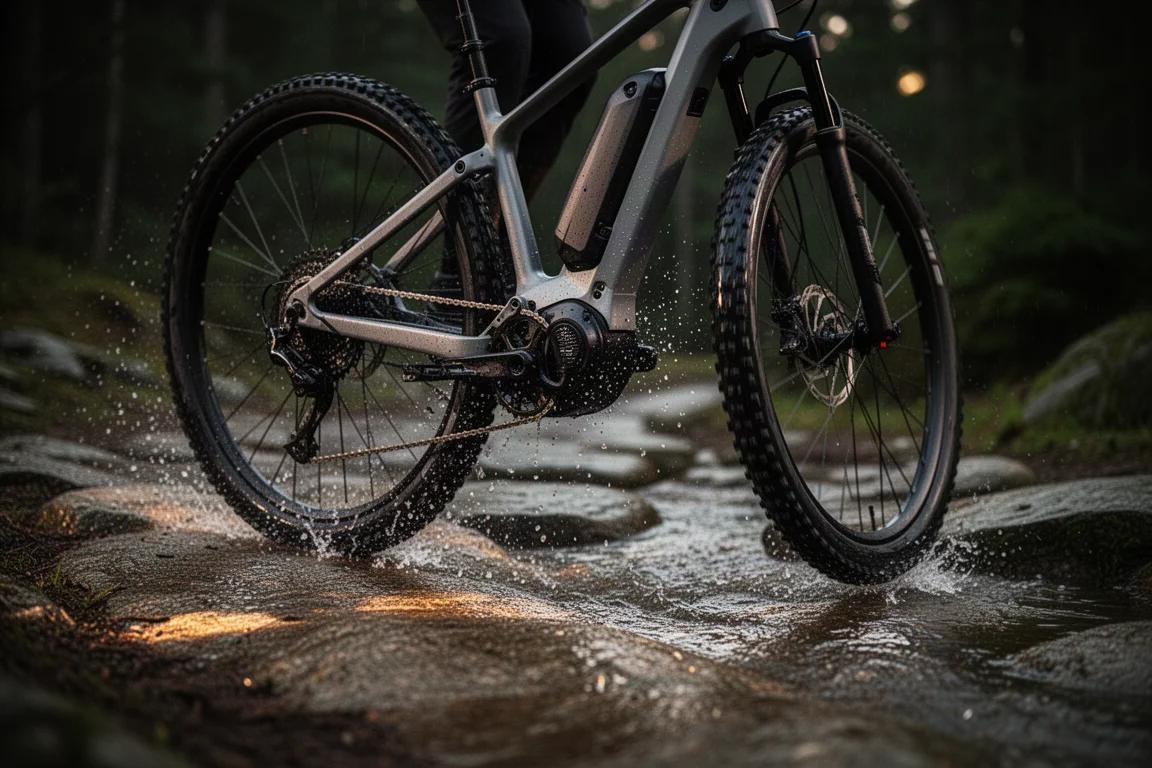
The suspension is a refined version of Orbea’s Concentric Boost 2 pivot system, using a single-pivot linkage-driven shock while a split pivot at the rear axle deals with braking forces. The shock also has a climb switch to firm up rear damping on smooth or steeply ascending sections of trail.
Motor and Battery Options
The Wild now uses the updated Bosch Performance Line CX drive unit. It offers the same torque, power and assistance percentage as the Performance CX motor on the previous model, but Bosch says the new unit is 100g lighter, and it is also quieter.
The motor brings a more compact display with more data available, including an accelerometer that measures in six dimensions plus tilt and inclinometers. A new hill start assist uses the inclinometer, and the improved walk mode changes speed according to your walking speed.
Battery choice is broader than before. A new, slightly smaller 600Wh Bosch battery makes the bike lighter but reduces range compared with the larger 750Wh battery used on the outgoing Wild. The 750Wh battery remains available for longer days in the saddle, and riders who spend most of their time in the highest assistance mode can add an optional 250Wh range extender, taking combined capacity to 1kWh.
The battery attaches to the frame through Orbea’s SPS (Secure Battery System), which Orbea describes as stiff, light and reliable. Custom battery hardware lets Orbea tune the placement of the battery in the frame to optimise weight distribution.
Suspension and Geometry
On a medium frame, the numbers are a 455mm reach, 634mm stack, a 77.5-degree effective seat tube angle and a 63.5-degree head tube angle, with 448mm chainstays across every size. The steeper effective seat angle is intended to perch the rider over the bottom bracket for an efficient pedal stroke and to reduce front-end lift on steep climbs.
Orbea also shortened and straightened the seat tube so long-travel dropper posts fit easily, with up to 210mm of dropper insertion on small and medium frames and 240mm on large and XL.
Orbea says the new Wild is one of the lightest truly full-power e-bikes at under 21kg, and that nothing was compromised to reach that figure.
Orbea Wild M Limited
The flagship of the range is the Wild M Limited, a top-spec carbon fibre build with Fox Factory suspension: a Fox 38 fork and a Float X2 shock. It comes with Maxxis Double Down rear tyres and EXO+ front tyres, and Orbea’s MyO online configurator lets you specify a tougher DH casing instead. Orbea says a build like this can come in at under 21kg, which puts it among the lightest truly full-power e-bikes.
For riders who want the sharpest, lightest version of the Wild and are not limited by budget, this is the build that represents the platform at its most complete.
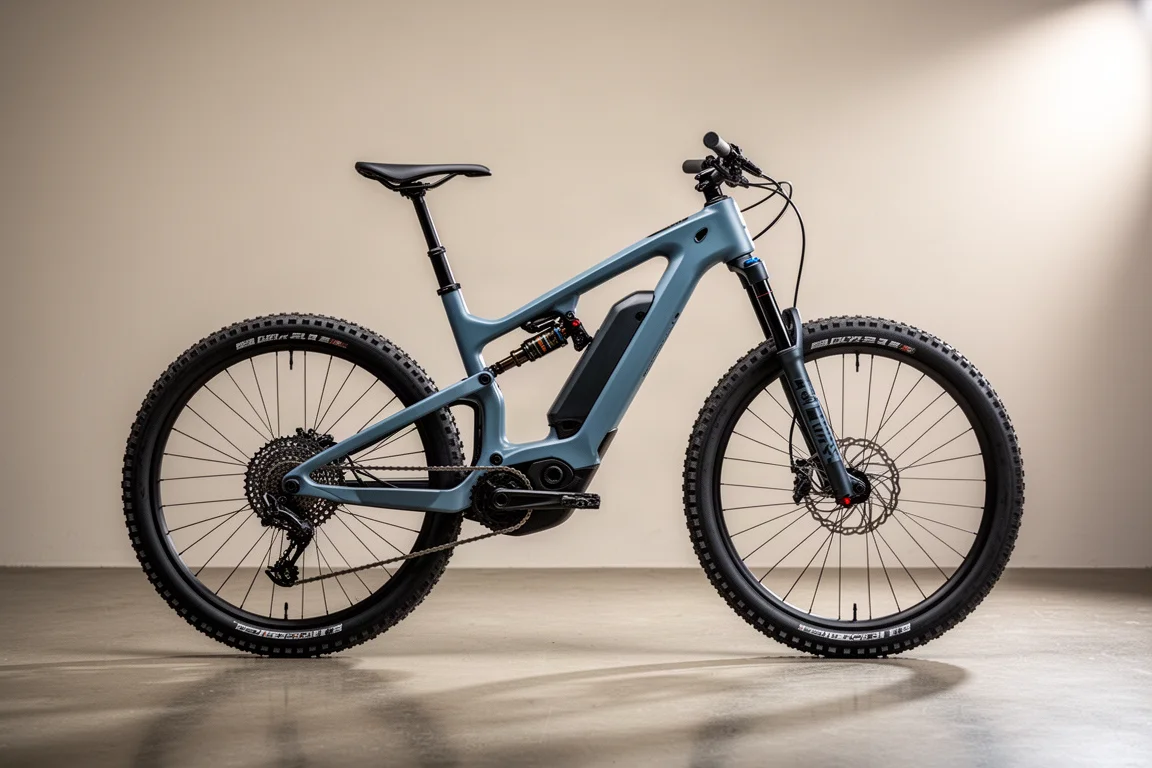
Orbea Wild M20
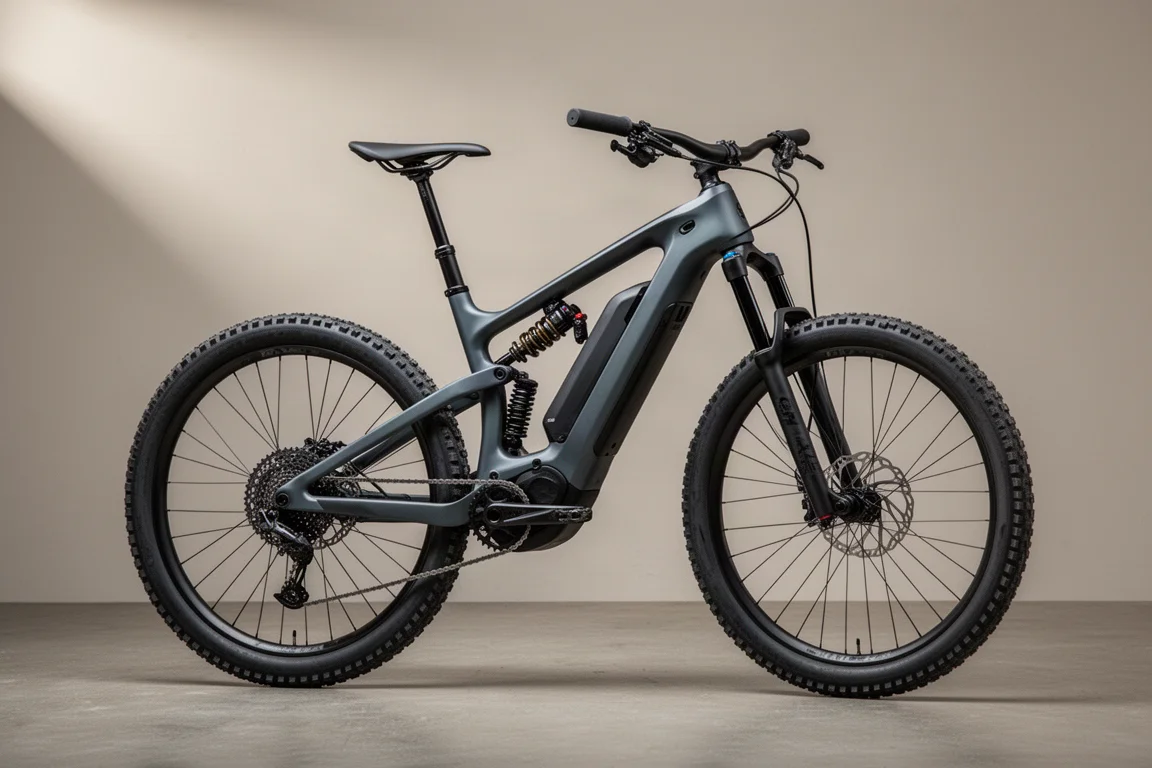
The M20 uses the same carbon frame as the top-spec M Limited, paired with a more budget-conscious specification. Orbea positions it around £2,000 / $2,000 below the carbon Wild M-T that sits above it in the range, which makes it the most accessible route into the carbon Wild chassis.
Because the frame is shared with the flagship, the M20 carries the same stiffness claims and the same suspension layout, and it can still be set up with the same battery options. The savings come from the components rather than the platform.
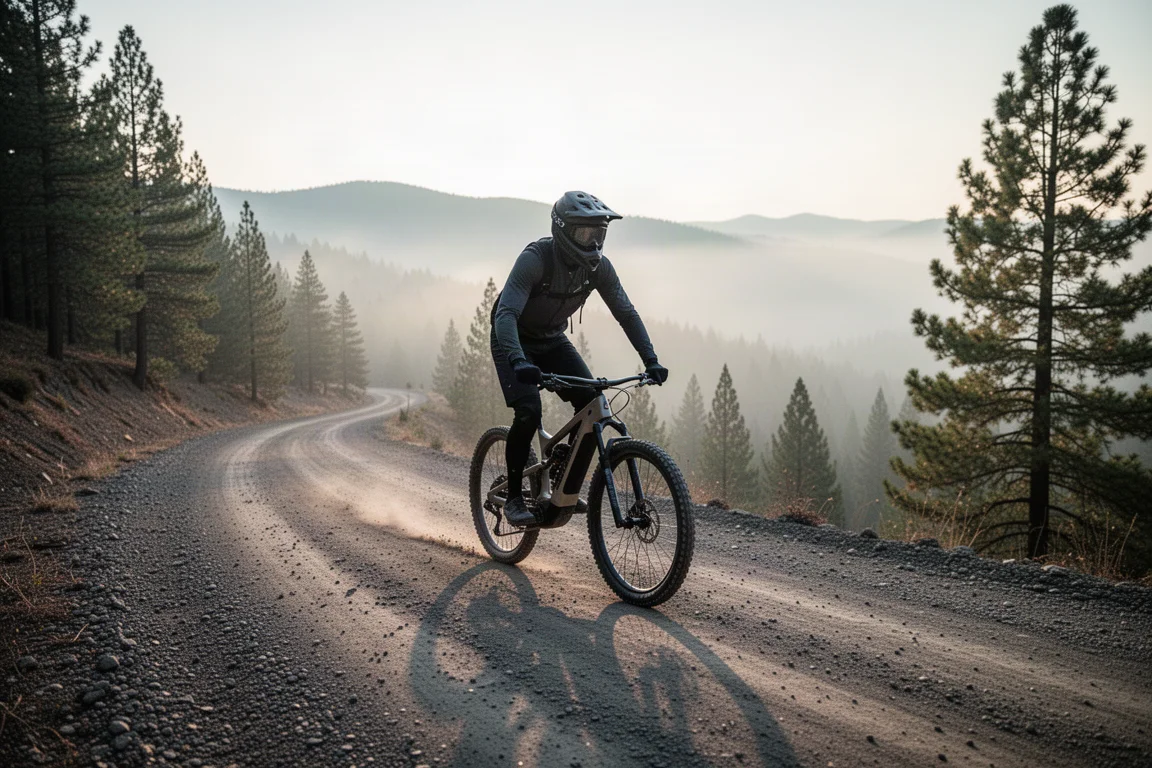
For riders who want the carbon frame and the full 170mm of travel but do not need Fox Factory suspension, this is the build that makes the most sense. It also leaves room in the budget for the choices that matter most to you, whether that is a tougher tyre casing or a second wheelset.
Orbea Wild H20
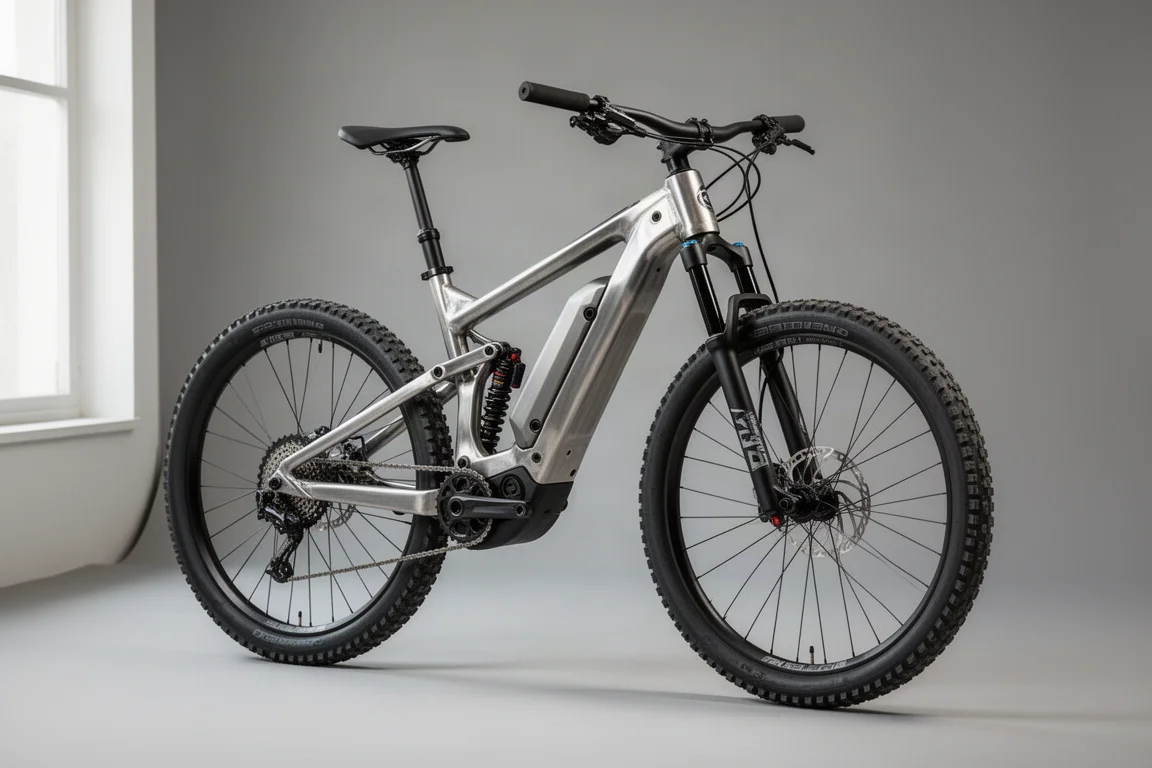
The H20 moves to an aluminium frame while keeping the same motor and battery technology as the rest of the range, and it is priced at £5,799 / $6,499. That makes it the aluminium option for riders who want the full-travel Wild platform at a lower price than the carbon builds.
Nothing changes under the motor cover: the same updated Bosch Performance Line CX drive unit and the same 600Wh or 750Wh battery choices apply, so the ride character and the range you can expect stay familiar. The difference is in frame material and the cost that comes with it.
Orbea Wild ST H30
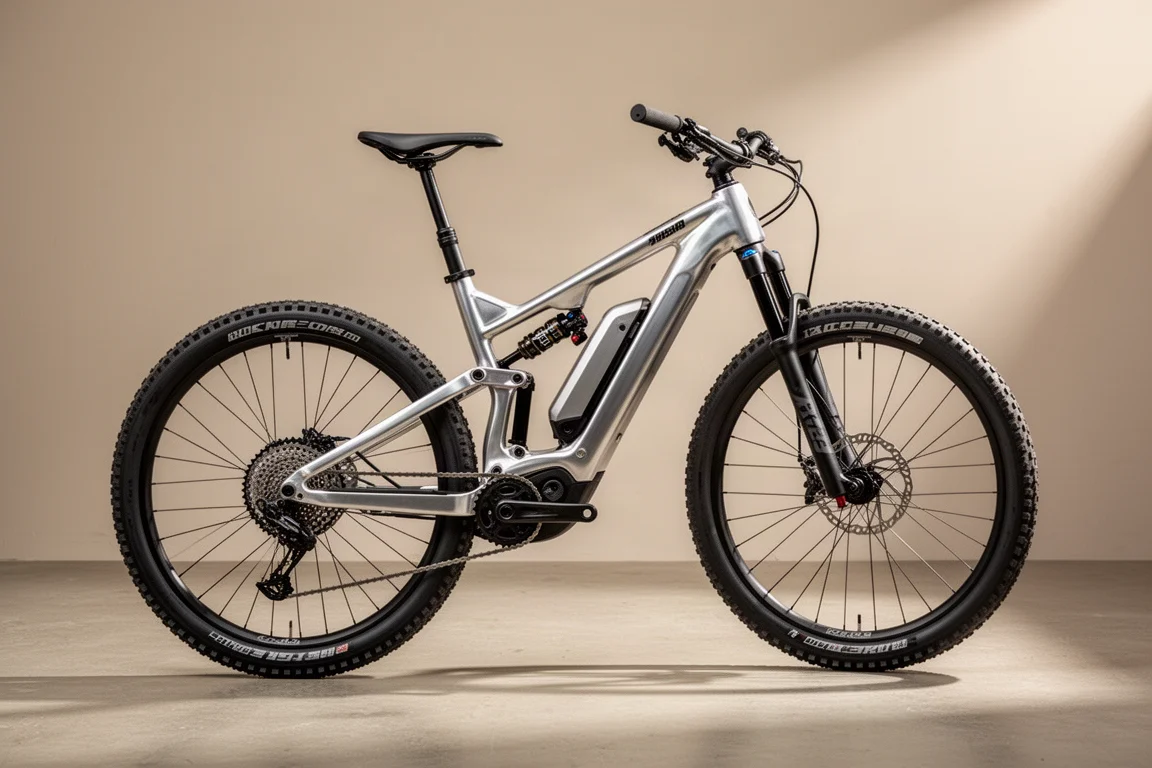
The Wild ST is the little sibling to the full-travel Wild. It is aluminium only, with wallet-friendly components, geometry tamed down for more intuitive handling, and travel reduced to 150mm front and rear, or roughly six inches. It runs 29in wheels front and rear, so the mullet option stays exclusive to the full-travel Wild.
The ST still uses the same frame design, the same Bosch Performance Line CX motor and the same choice of 600Wh or 750Wh batteries. Orbea builds the frame in a high-polish aluminium finish, polishing it to remove stress points.
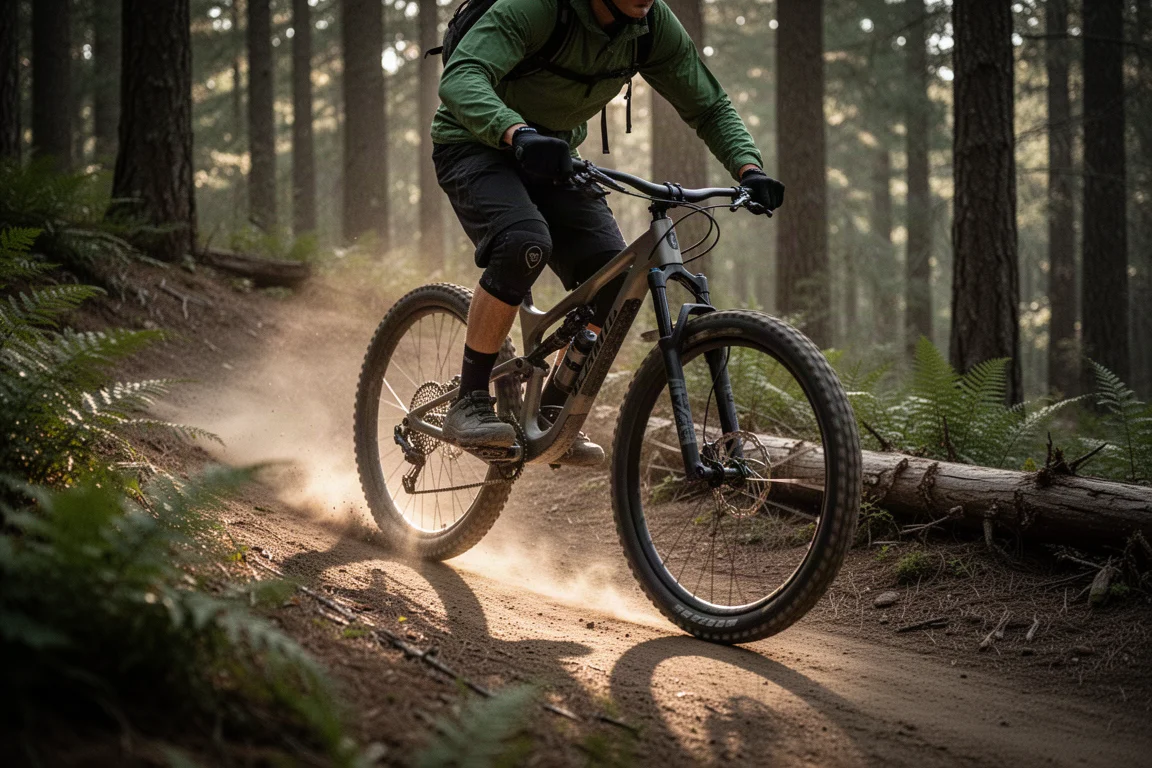
The H30 is the lowest-spec build in the ST line and the most budget-conscious bike in the range at £4,799 / $5,399. For riders whose priority is trail riding rather than racing downhill, the calmer geometry and shorter travel make it easier to live with day to day, and the motor and battery package is unchanged from the more expensive models.
Wheel Options and Custom Build Choices
The most significant choice on the full-travel Wild is the mullet setup, which pairs a 29in front wheel with a 27.5in rear. Two shock linkages allow the rear wheel size to change without affecting the geometry, so you can run 29in front and rear for maximum speed or switch to the smaller rear wheel for handling and packaging reasons. Combined with the low seat tube, the 27.5in rear wheel also gives the rider plenty of space to move around on the bike.
Orbea’s MyO online configurator covers the finer details, including the option of a tougher DH tyre casing for riders who spend their time on rough, steep terrain. Flagship builds can also be specified with one of two carbon wheelsets: the MC32 Limited, described as the lightest ride for smoother riders, and the new MC32 Team wheel, which uses an updated rim designed to stand up to downhill runs and suits the most aggressive riders.
Buying Advice
The first decision is travel. The full-travel Wild runs 170mm front and rear and is built around aggressive descending and racing on extreme terrain. The Wild ST reduces that to 150mm front and rear, with geometry that Orbea has tamed for more intuitive handling. If your riding is mostly trail centres, long climbs and flowing descents, the ST is the easier bike to live with. If you are chasing steep, rough descents, the full-travel Wild is the one that matches that intent.
Frame material is the next decision. The M Limited and M20 share the same carbon frame, while the H20 and the Wild ST models use aluminium. Carbon costs more; aluminium brings the price down while keeping the same motor and battery technology across the range.
Battery capacity matters as much as the frame. The 600Wh option makes the bike lighter but shortens range compared with the 750Wh battery. Riders who spend long days in the highest assistance mode can add the optional 250Wh range extender for a combined 1kWh of capacity.
On price, the flagship Wild M Limited is £10,999 / $11,999. The carbon Wild M-T is £8,499 / $9,499, with the M20 around £2,000 / $2,000 below it. The aluminium H20 is £5,799 / $6,499, and the lowest-spec Wild ST H30 is £4,799 / $5,399. Orbea lists eight models in the range, so there is room to move between these price points depending on the build you want.
Finally, remember that the mullet option is available on the full-travel Wild rather than the Wild ST, and that the MyO configurator handles details such as tyre casing and wheel choice.
Conclusion
The new Wild is a clear step further into enduro territory: 170mm of travel, slacker geometry, a stiffer frame and an updated Bosch drive unit with a wider choice of batteries. The range then splits along familiar lines. The M Limited is the flagship for riders who want the lightest and most capable build, the M20 brings the same carbon frame at a lower price, the H20 moves to aluminium without changing the motor or battery technology, and the Wild ST H30 trades travel and geometry for a much lower price and easier trail manners.
Work out the travel and frame material that match your riding first, then settle on battery capacity, and the right Wild becomes a fairly straightforward choice.
Further reading
Related Reviews
Electric Mountain Bikes
Best E-Mountain Bikes: Five Electric Trail and Enduro Bikes Compared
A practical look at five electric mountain bikes, from a lightweight carbon trail build to long-travel enduro machines, with the trade-offs that matter before you buy.
Electric Mountain Bikes
Best Electric Mountain Bikes 2026: Four Price Points Compared
Four electric mountain bikes from £999 to £9,999 compared on motor power, battery capacity, weight, and trail performance.
Electric Mountain Bikes
Best Electric Mountain Bikes: Five E-MTBs Worth Shortlisting
Five full-suspension electric mountain bikes compared, from lightweight trail machines to full-power enduro rigs, with the strengths and trade-offs to weigh before buying.