Road Bike Tech
Orbea Orca Aero, Shimano Dura-Ace and Zipp 858 NSW: A Modern Road Build Tested on Real Roads
A deliberately modern aero road build tested on wet, windy roads: what the Orbea Orca Aero, Shimano Dura-Ace and Zipp 858 NSW deliver, and what they ask in return.
Introduction
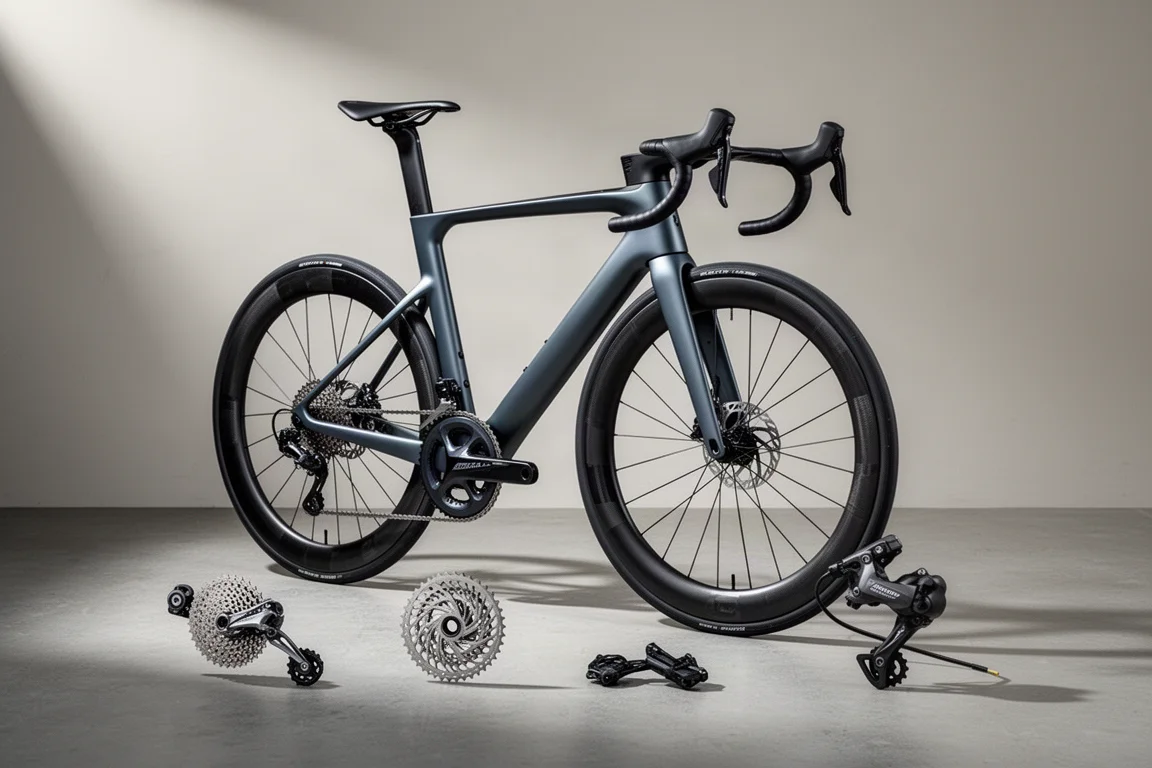
Modern road bikes have changed considerably in the space of a decade. Wider tyres, hydraulic disc brakes, hookless tubeless rims, deeper aero wheels and 12-speed groupsets are now standard on high-end road builds, and not every rider is convinced the changes are worth it. To look at the question honestly, one deliberately modern aero build was put on real roads: an Orbea Orca Aero frameset, a Shimano Dura-Ace 12-speed groupset with hydraulic disc brakes, and a set of Zipp 858 NSW wheels.
The test route ran roughly 30 km through a national park in central England, climbing out of a valley, over a long classic ascent, and then down a steep, straight descent that runs away from you quickly. Conditions were wet and windy, which turned out to be useful.
What Modern Road Bike Tech Changes in Practice
The build was chosen to be as tech-heavy as possible. The rider riding it has spent years on lightweight, slim-tubed bikes with rim brakes, exposed cables and shallow wheels, and prefers climbing above everything else. The point was not to win an argument, but to see which parts of the modern package are actually felt on the road and which are not.
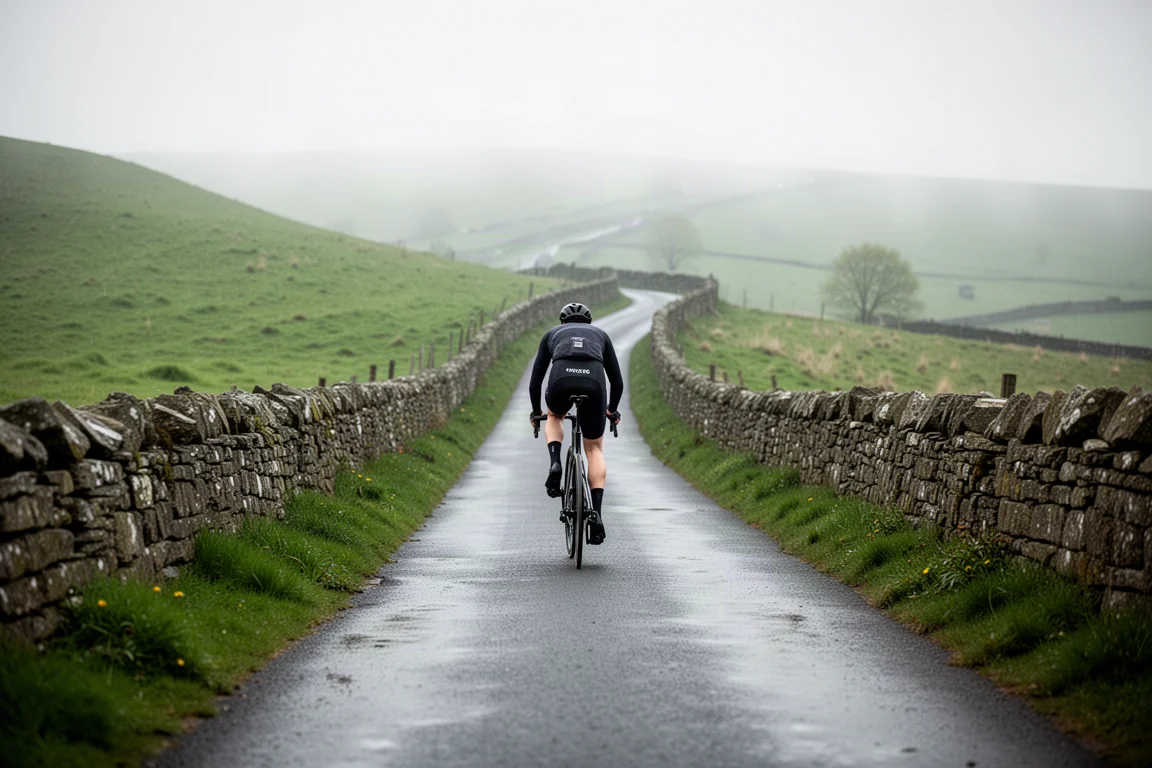
Several things stood out. Running 28 mm tyres tubeless at around 65 to 68 PSI, roughly half the pressure of a traditional setup, removed a lot of the vibration that chip-seal surfaces send through the bars. A bike that feels zippy because it transmits every bump is not necessarily a faster bike, and the low-pressure setup made that distinction easier to notice. Hydraulic disc brakes needed less of a bedding-in squeeze in the wet than carbon rim brakes, which often need a brush of water off the surface before they bite.
What was harder to judge by feel alone was speed. The aero frame and deep wheels made the bike feel solid rather than lively, and sensations on the climb did not match the stopwatch.
Orbea Orca Aero: The Aero Frameset
The Orca Aero is built around aerodynamics first. The frame is quoted at around 1,100 g, roughly 350 g more than the brand’s lighter road frame, so riders who count grams will notice the trade-off before they even ride it. In practice the bike felt firm, rigid and responsive, and it came alive on flat, open roads where it could be held at speed.
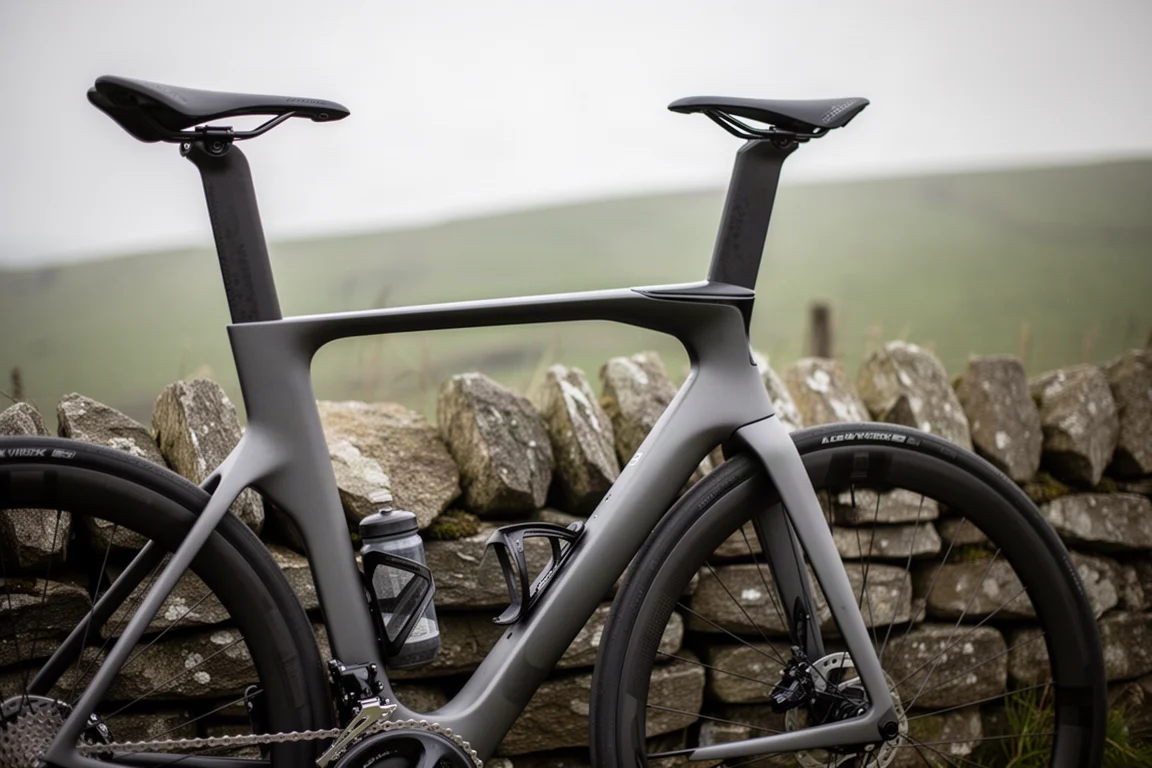
On the climb, the initial impression was of a bike dragging slightly, which is what you would expect from a heavier aero frame. The timed result told a different story: the ascent was completed about a minute faster than the rider’s previous best on that climb. Sensation and reality do not always agree, and the gap between the two is worth remembering whenever a first ride is described.
The Orca Aero makes most sense for riders whose roads are rolling or flat, who ride at speed and want stability underneath them, and who accept a small weight penalty in exchange for aerodynamic efficiency. Riders who live on steep, long climbs and prioritise a lively, low-weight feel may prefer a lighter frameset from the same range.
Shimano Dura-Ace: 12-Speed with Hydraulic Disc Brakes
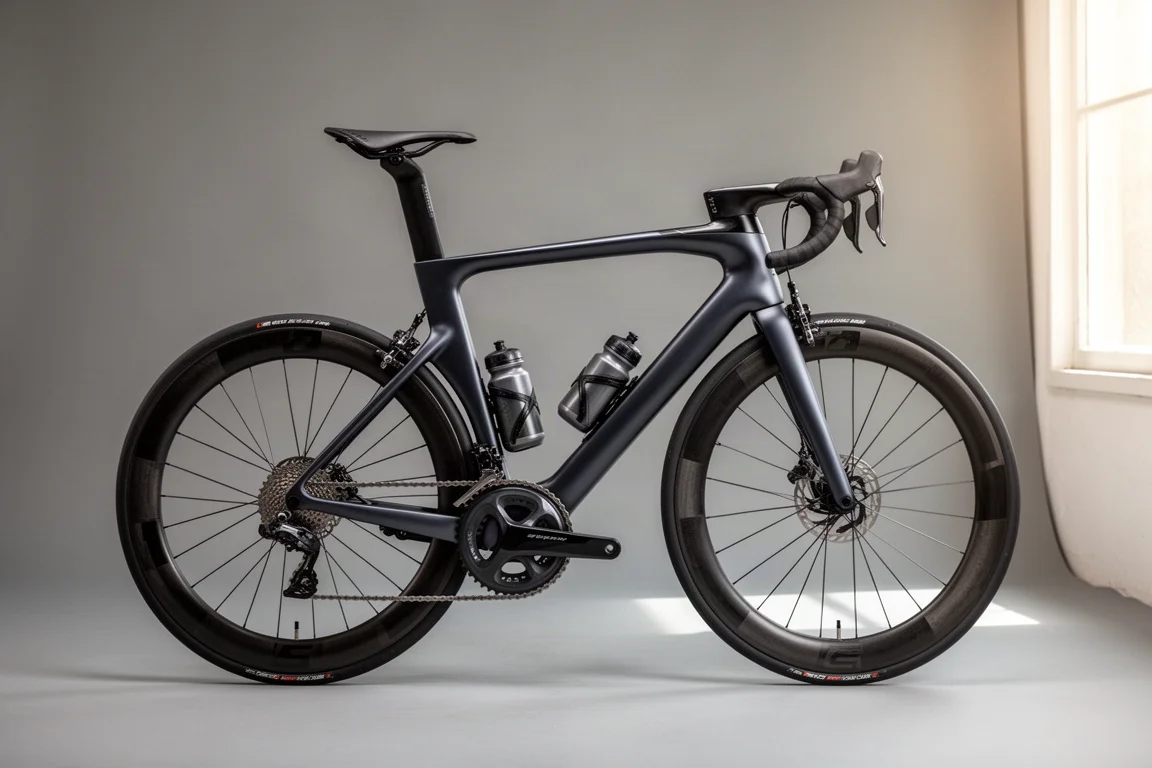
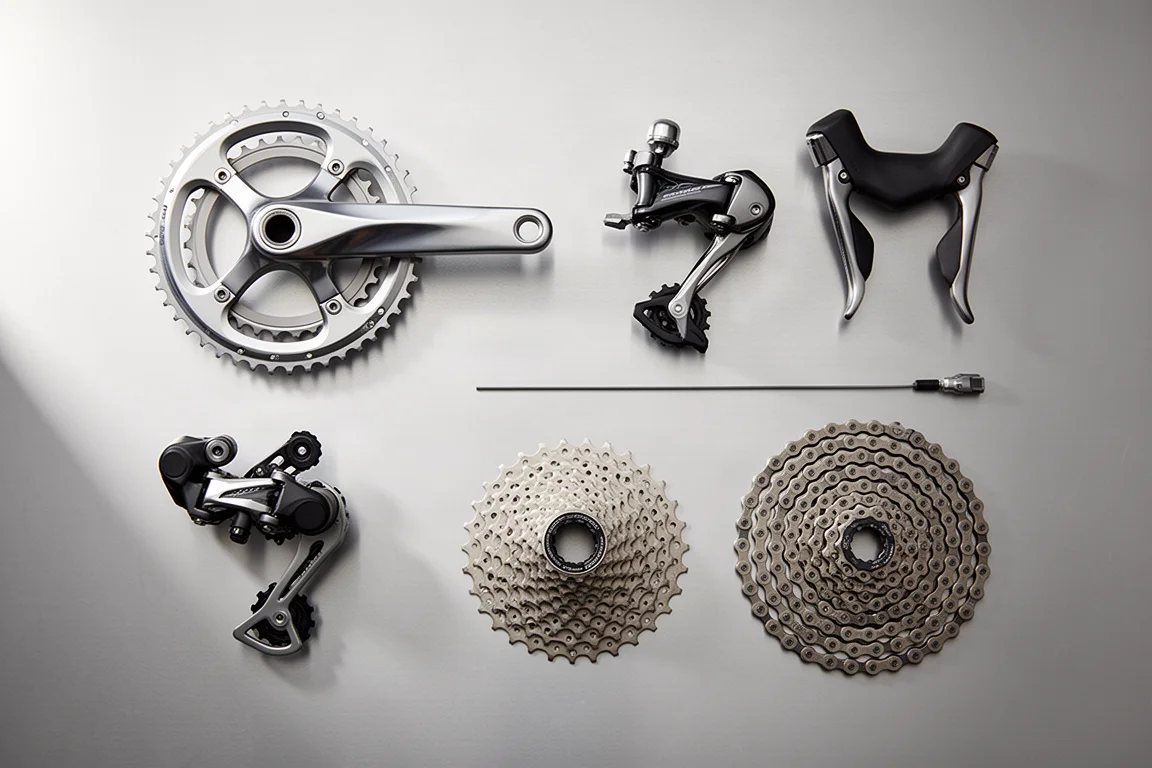
Dura-Ace brings a 12-speed drivetrain together with hydraulic disc brakes. On the steep, wet descent, the brakes were strong and consistent, with noticeably less lag than carbon rim brakes, which can feel vague until the water has been scrubbed off the braking surface. The difference in outright stopping power was not dramatic, but the consistency in poor weather was clear.
The catch is compatibility. A disc brake groupset cannot be bolted onto a rim brake frame, so upgrading means a new frame, new wheels and a new groupset together. That makes disc brakes a decision made at the point of buying a bike rather than a component upgrade later, and it is the main reason riders who are happy with their existing bikes tend to stay where they are.
Zipp 858 NSW: Deep, Hookless and Tubeless
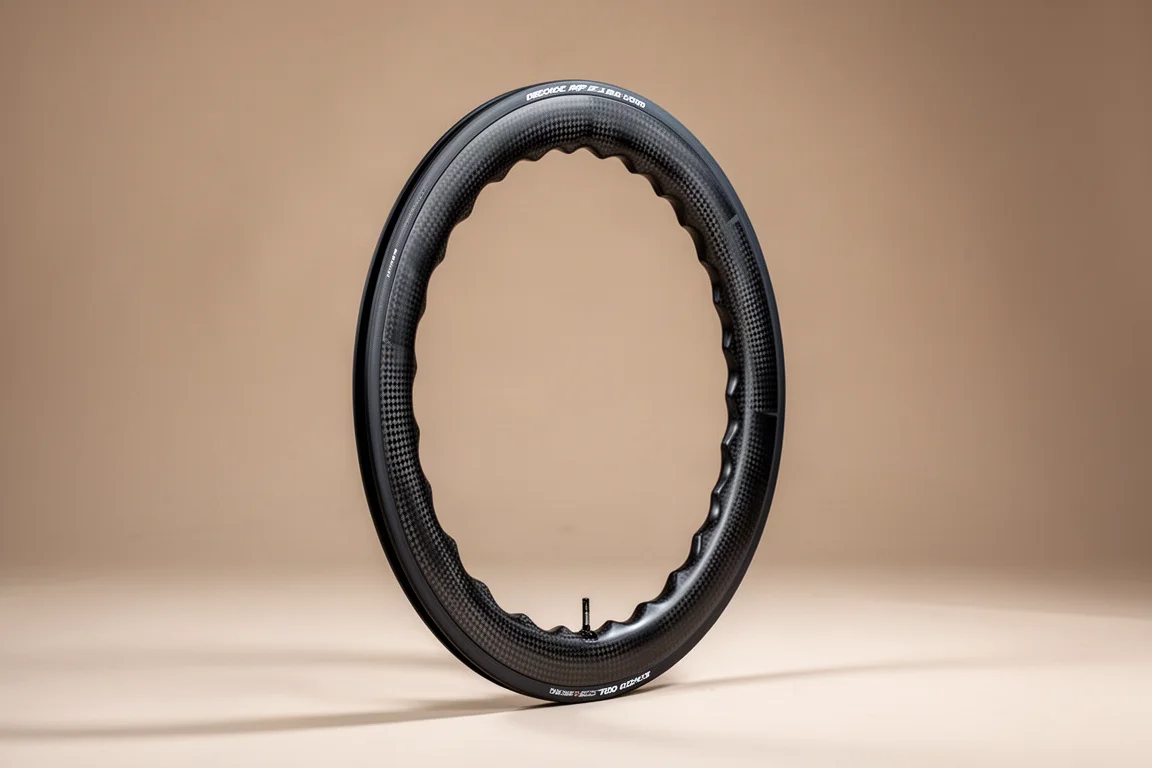
The 858 NSW is an 85 mm deep wheelset with a hookless rim bed, designed to run tubeless tyres. At around 1,500 g for the pair, the weight is low for that rim depth, which is why they were specified on this build. With 28 mm tyres fitted and pressures around 65 to 68 PSI, they rolled quickly on flat roads and felt stable once the rider was tucked in.
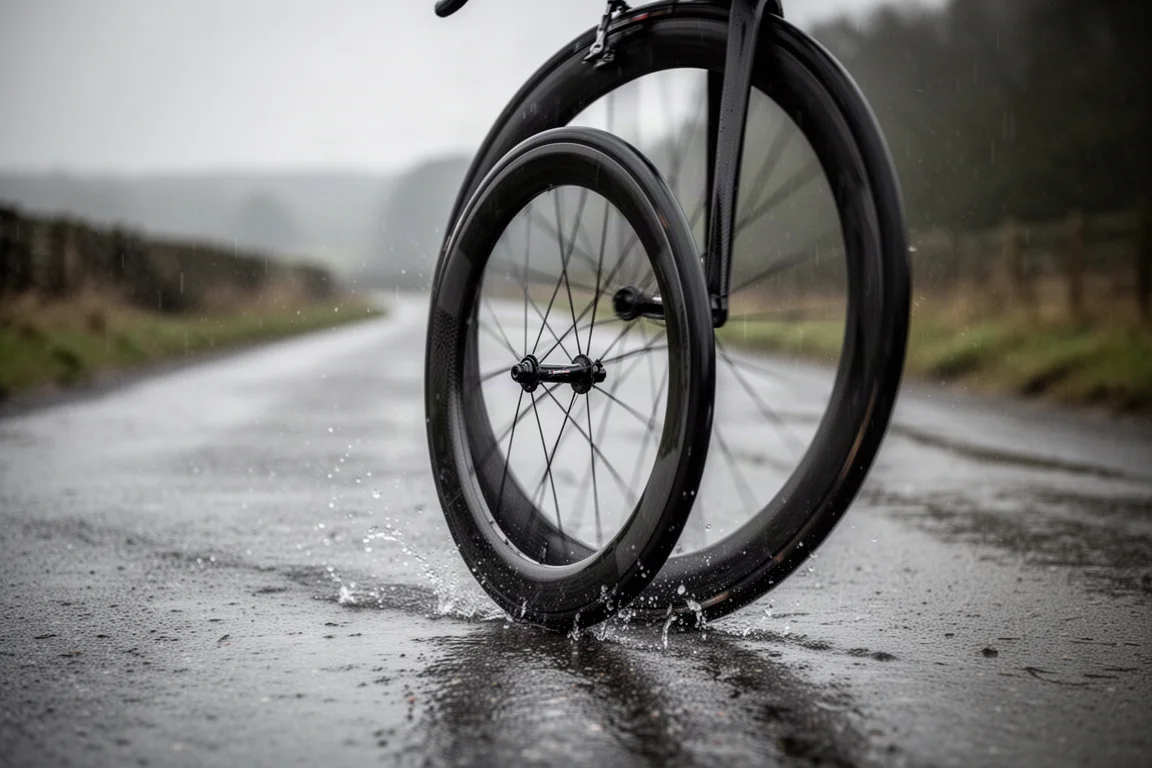
The trade-off showed up in the weather. An 85 mm front wheel takes real effort to hold in a straight line in gusty wind and rain, and on a day like that a shallower front rim would have been the smarter choice. Hookless rims depend on tubeless tyres, which is a system commitment rather than a preference, and on this ride the tubeless setup was not noticeably different in feel from a conventional tyre and tube combination.
For riders who spend their time on flat and rolling roads in reasonably calm conditions, the depth and low weight make a strong case. For anyone riding exposed roads in gusty weather, or who wants one wheelset for everything, a shallower profile will be easier to live with.
Buying Advice: Where Modern Tech Makes Sense
The most useful conclusion from a build like this is that modern road tech is not all or nothing. Tubeless tyres at lower pressure, hydraulic disc brakes and aerodynamic wheels each solve a specific problem, and each one carries a cost in money, compatibility or handling. Buying decisions get easier when you separate the parts you will actually feel from the parts you are told to want.
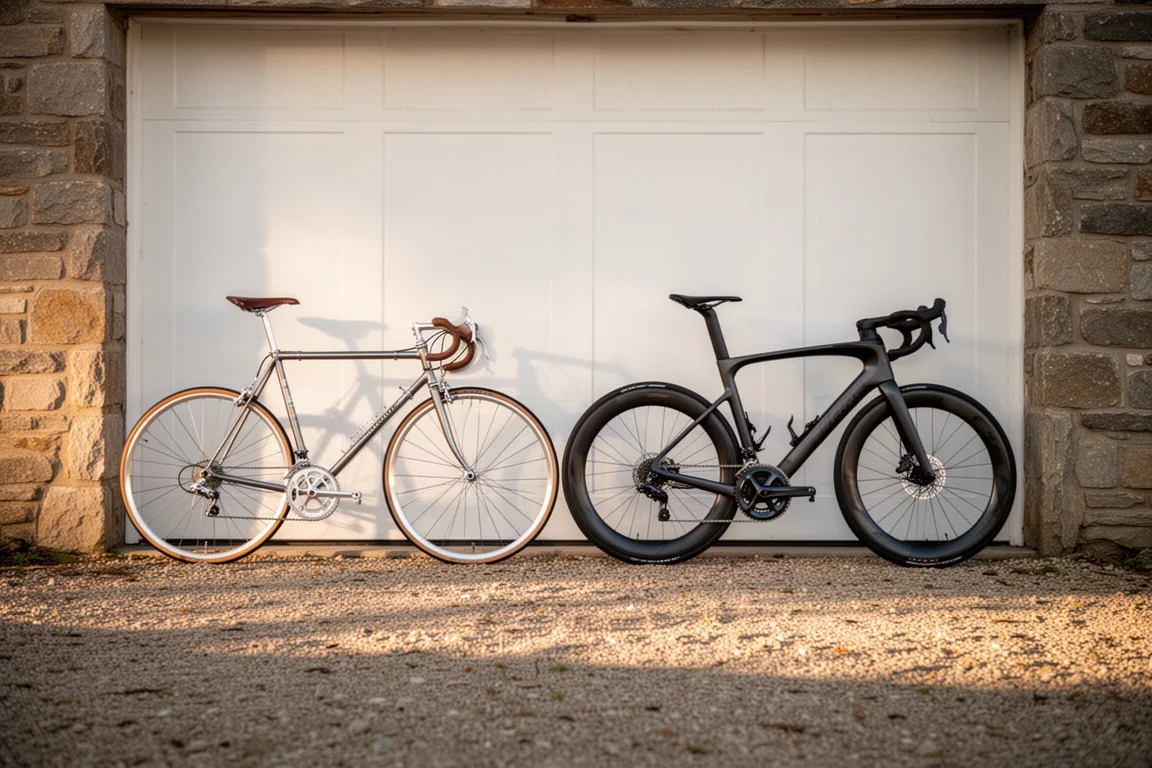
There is also no obligation to replace a bike you already like. New technology existing does not make older technology obsolete, and a well-maintained rim brake bike with shallow wheels remains fast, light and pleasant to ride. Where the calculation changes is at the point of buying new: if a disc brake frame and a 12-speed groupset are already in the plan, then aero tube shapes, hookless tubeless wheels and wider tyres cost comparatively little to add.
Match the build to the terrain. Flat and rolling roads reward aerodynamic depth and a rigid frame. Long steep climbs reward low weight and a livelier feel. Gusty, exposed roads reward a shallower front rim. If you ride in the wet, disc brakes earn their place. And if you already own a bike that fits you well, keeping it going is a perfectly rational choice.
Conclusion
Modern road bikes are genuinely different from those of a decade ago, and the differences are measurable even when they are not always felt. The Orbea Orca Aero, Shimano Dura-Ace and Zipp 858 NSW combination delivered speed on the flat, confident braking in the wet and a personal best on a climb, while asking for a weight penalty, careful wheel choice in the wind and a full-system commitment. Buy the parts that match your roads and your priorities, and the rest can wait.
Further reading
Related Reviews

Backpacking Gear
Building a 10 lb Base Weight: An Ultralight Backpacking Gear List
A practical walkthrough of the ultralight pieces behind a 10 lb base weight, from a 765 g pack and a roomy one-person tent to a full camp chair and a dependable water filter.

Road Bikes
10 New Road Bikes Worth Watching: Aero, Titanium, Steel and Endurance Standouts
A practical roundup of 10 new road bikes, from aero flagships chasing single-watt gains to titanium, steel and endurance platforms built for real roads.
Bikepacking Gear
11 Bikepacking Essentials for Long-Distance Cycling
Eleven bikepacking essentials for long-distance cycling, from a steel gravel frame and a two-person tent to helmet lights, packable gloves, and a frame bag that puts weight in the right place.