Mountain Bikes
Orbea Oiz Review: A 120mm Cross-Country Race Bike Built for Rougher Trails
A closer look at the Orbea Oiz, a 120mm full-suspension cross-country bike with aggressive geometry and a lever-actuated lockout, plus the trade-offs to weigh before buying.
Introduction
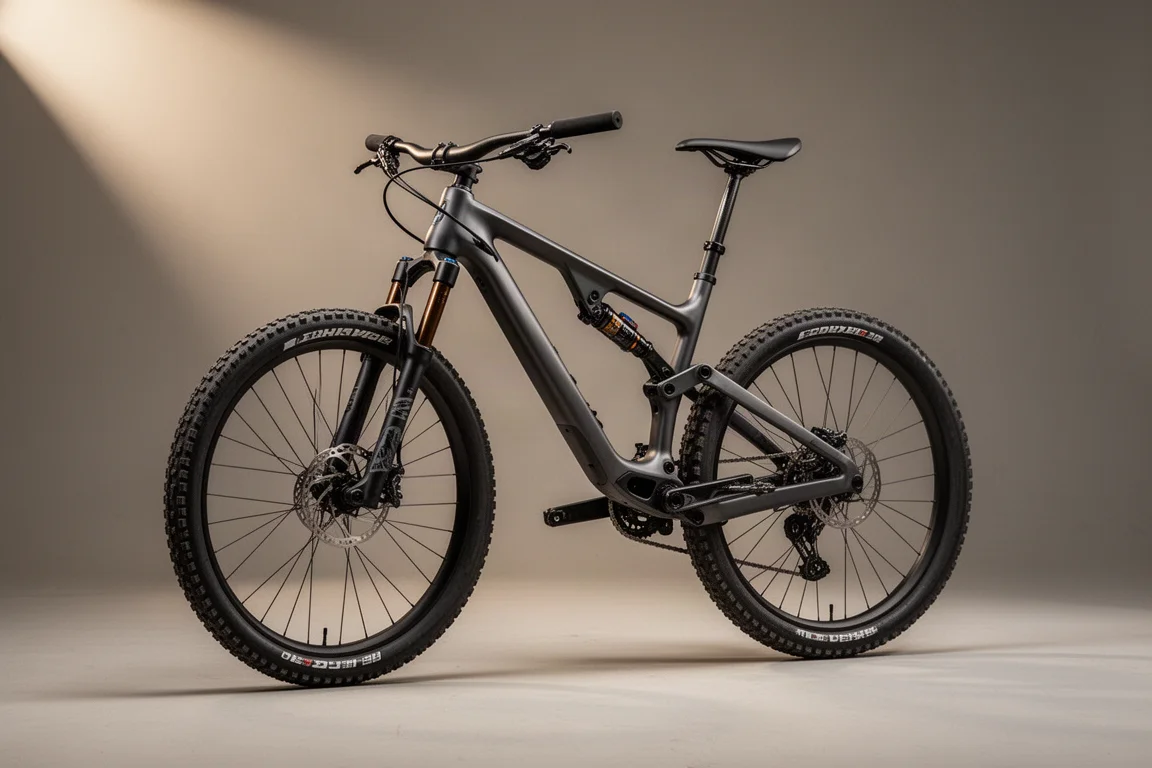
Cross-country racing has changed. Courses are rougher, descents are faster, and the bikes at the front of the field now look much closer to short-travel trail machines than to the pared-back hardtails of a decade ago. The Orbea Oiz sits squarely inside that shift. It is the latest in a long line of high-achieving cross-country bikes, and it has been designed around aggressive geometry with 120 mm of suspension at both ends.
The travel is the headline, but how it is controlled matters just as much. The suspension can be locked out at the push of a lever, which means that on pavement, fire roads, and smooth trails the bike effectively behaves like a rigid machine. You get hardtail efficiency when the surface is kind, and full suspension when it is not.
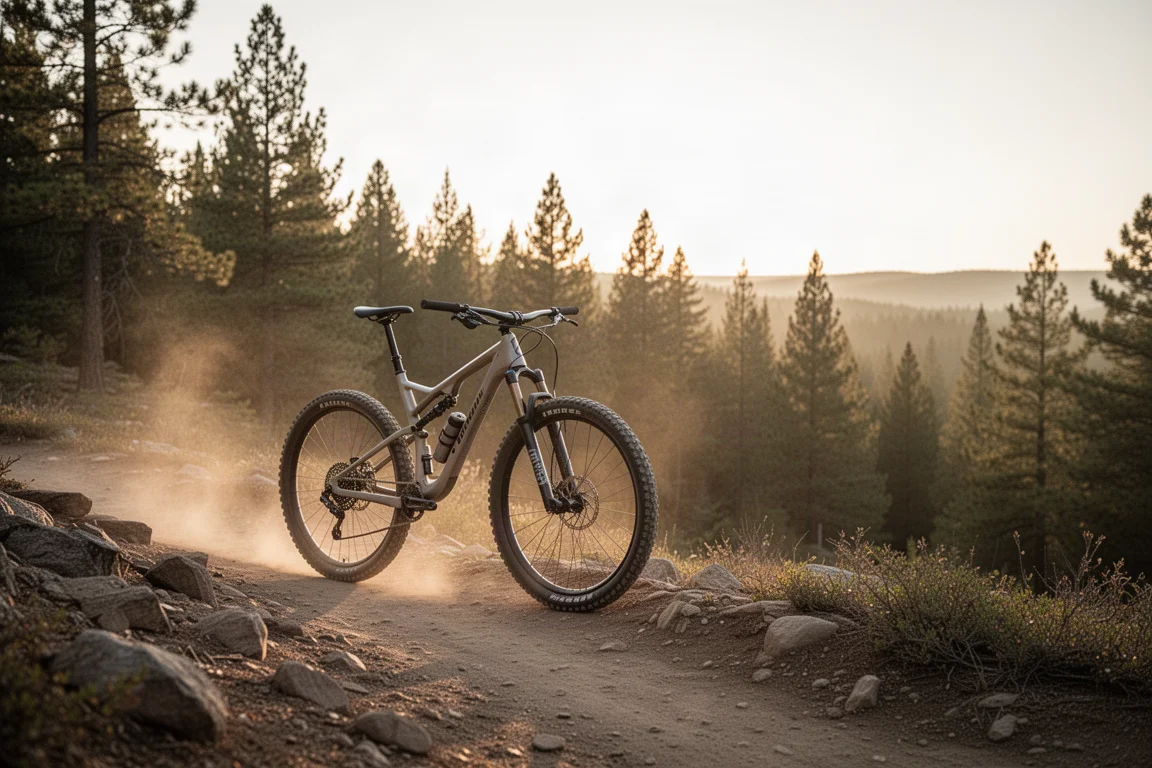
The platform is also a good example of modern integration. A one-piece carbon cockpit and internally routed cables and hoses keep the front end clean and quiet, and the frame is built to accept the wide, high-volume tires that have become standard on rough-terrain race bikes.
Who This Bike Is For
The Oiz is aimed at riders whose idea of cross-country includes rocks, roots, and long, loose descents rather than a smooth ribbon of dirt. If your races or regular rides take in genuinely technical ground, the extra travel and the slacker front end give you more room to make mistakes and more composure when you are tired.
It also suits riders who value comfort as much as speed. Bigger tires and suspension absorb a large amount of the chatter and impact coming up from the trail, so you can stay seated and keep pedalling instead of being bounced around.
It is worth being clear about what it is not. If your riding is mostly smooth, groomed gravel and long steady efforts in a straight line, a rigid gravel bike still makes more sense. This is a mountain bike, and it is happiest where the terrain justifies the suspension.
Main Strengths
The strongest argument for the Oiz is the combination of 120 mm of travel front and rear with a lockout that you can flick on and off while riding. On smooth surfaces you are not paying a meaningful penalty for carrying suspension, because you can switch it out of the equation entirely. On rough ground you get the full benefit back.
Wide tires are a bigger part of that story than they first appear. A high-volume mountain bike tire can use a thinner casing without increasing puncture risk, because the volume of air inside it is doing so much of the work. A thinner casing usually means lower rolling resistance, which is particularly noticeable on gravel and loose surfaces. That runs against the instinct that wide tires feel slow.
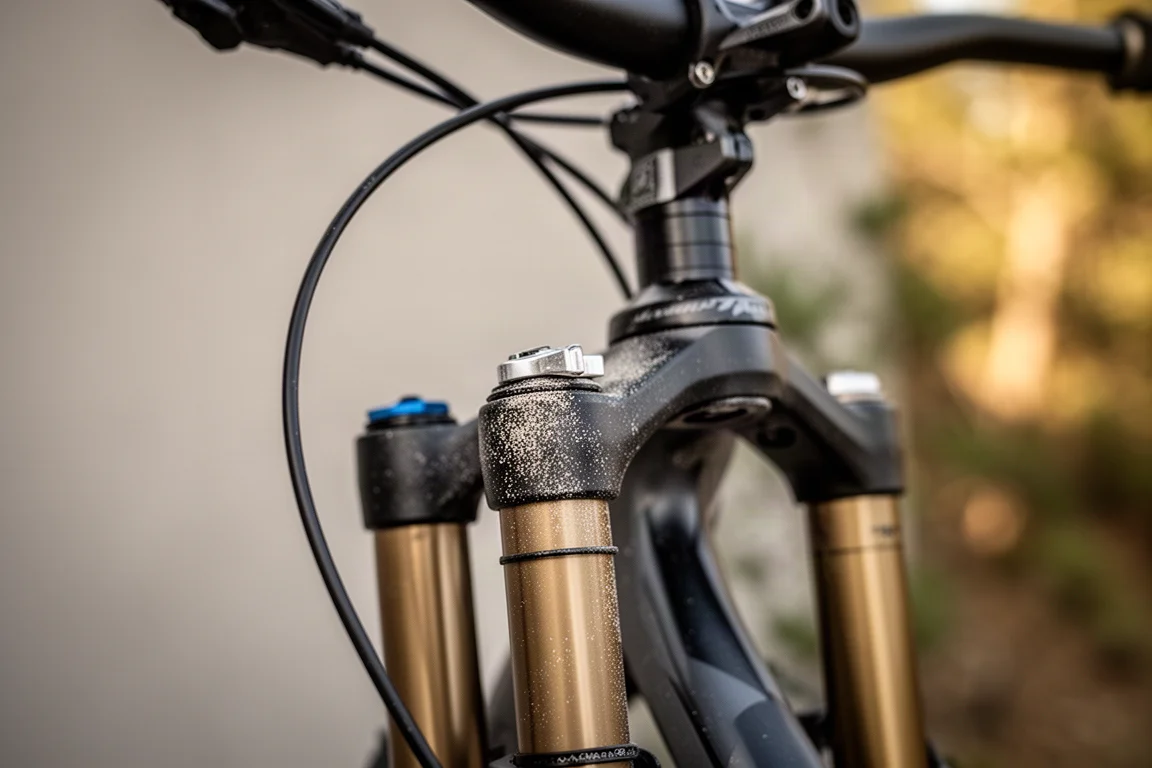
Suspension amplifies the effect further. Bumps, rocks, and washboard gravel interrupt forward momentum by knocking the bike around and sending vibration through the frame. More volume and more travel let the bike absorb that energy instead of you, which means you roll faster for less effort. When the trail points downhill the advantage grows again, because higher speeds bring more control and more puncture resistance.
There is a comfort argument that stands on its own, too. Small hits and big hits alike are soaked up by the tires and the suspension together, so long days on mixed surfaces leave you less rattled and less fatigued.
Ride Feel and Handling
Locked out, the Oiz pedals with the directness you would expect from a race bike. Seated and turning over a steady tempo, it feels efficient and familiar, and there is very little to separate it from a rigid machine on smooth ground.
Open the suspension and the character changes. The bike tracks the ground more calmly through rocky sections, and grip under braking and in corners improves because the tires spend more time in contact with the surface. You can brake later and lean harder before the bike starts to feel unsettled.
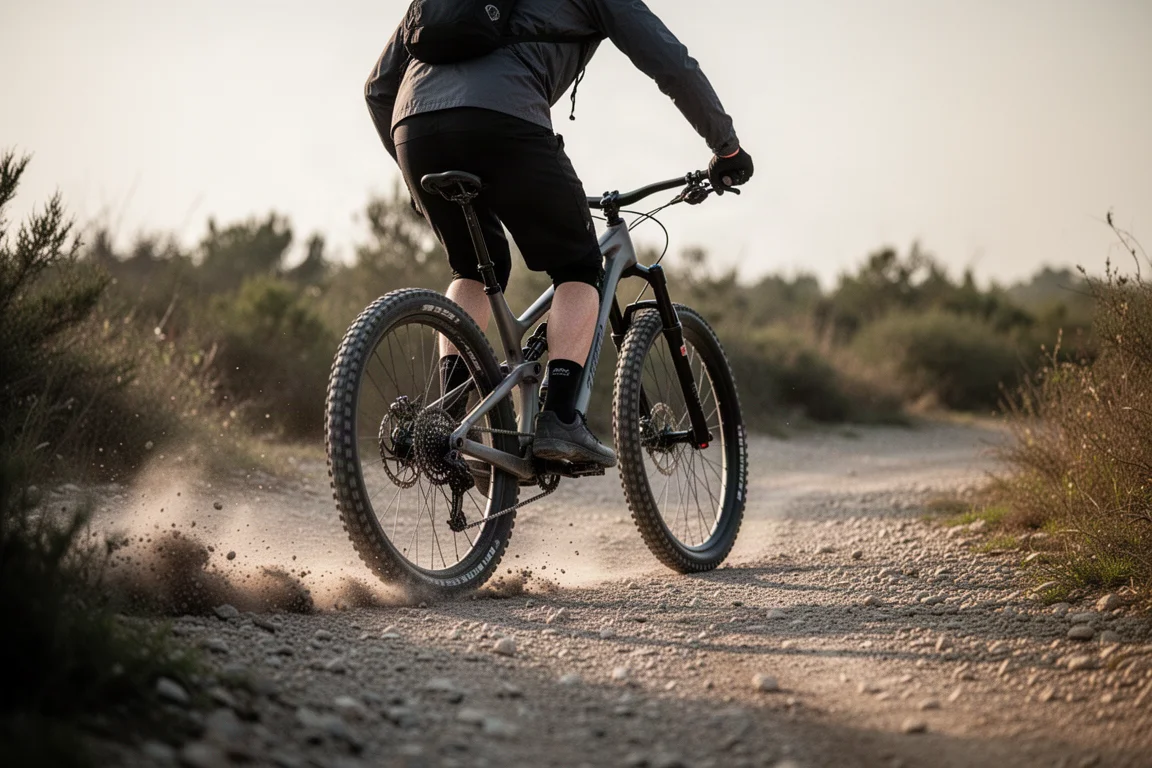
Where the platform asks for a little more from the rider is steering. With narrow bars and hands set further forward, you have less leverage, so it takes more pressure through your hands to change direction quickly. That is a matter of setup as much as anything else, but it is worth knowing if you are used to a wider, flatter cockpit. Set up as intended, the bike stays agile and responsive when you push it around.
Things to Consider Before Buying
Weight is the most obvious trade-off. A fully rigid mountain bike frame can weigh the same as, or even less than, a gravel frame, and mountain bike wheels can be as light as gravel or road wheels. The real penalty sits in the tires and in the suspension itself: adding a fork and rear suspension typically means roughly a kilo at each end. In performance terms you get a great deal back, but the numbers do move.
Complexity is the second consideration. The lockout lever, the one-piece cockpit, and the internal routing are all part of what makes the bike fast and tidy, and they also make unusual setups harder to build. Converting a bike like this to drop bars, for example, is far from straightforward: the lockout lever does not fit, the stem does not fit, and cables and hoses that were hidden end up on display. Road levers also cost considerably more than mountain bike brakes and shifters, which are simpler to manufacture.
It is also worth noting that front and rear suspension paired with drop bars has been tried before and quietly disappeared from the market within a few seasons. That does not make the idea wrong, but it does suggest the audience for it is narrow. For most riders, the version of this bike with flat bars is the one that makes sense, and it is cheaper too.
Buying Advice
Buy the Oiz as a mountain bike. That is the configuration where everything lines up: the geometry, the cockpit, the lockout lever, and the price. Adding drop bars to a platform like this costs more and takes away some of the responsiveness that makes it enjoyable in the first place.
Think honestly about the terrain you actually ride. If your calendar is full of courses that sit somewhere between cross-country mountain biking and gravel racing, the suspension and the aerodynamic position of a drop bar are not the point here. What matters is that the bike stays efficient when you need it to and composed when the ground turns nasty.
If comfort over long, quiet tracks and trails is the goal, the Oiz delivers that comfortably and without fuss. If straight-line speed on smooth gravel is the goal, a dedicated gravel bike remains the simpler answer. Matching the bike to the surface is still the decision that matters most.
Conclusion
The Orbea Oiz is a modern cross-country race bike that has been shaped by rougher courses and faster descents. With 120 mm of suspension front and rear, a lockout that turns it into an efficient rigid machine on demand, and aggressive geometry, it covers a wider range of terrain than a traditional race hardtail.
The trade-offs are honest ones: extra weight from the suspension, more integration to work around, and a clear bias toward technical ground over smooth gravel. For riders whose idea of cross-country includes rocks, roots, and long descents, that is a fair exchange.
Product link
View more details for Orbea Oiz
This product is mentioned in the review. Check the specifications, options, and compatibility before buying.
View more details for Orbea OizFurther reading
Related Reviews
Mountain Bikes
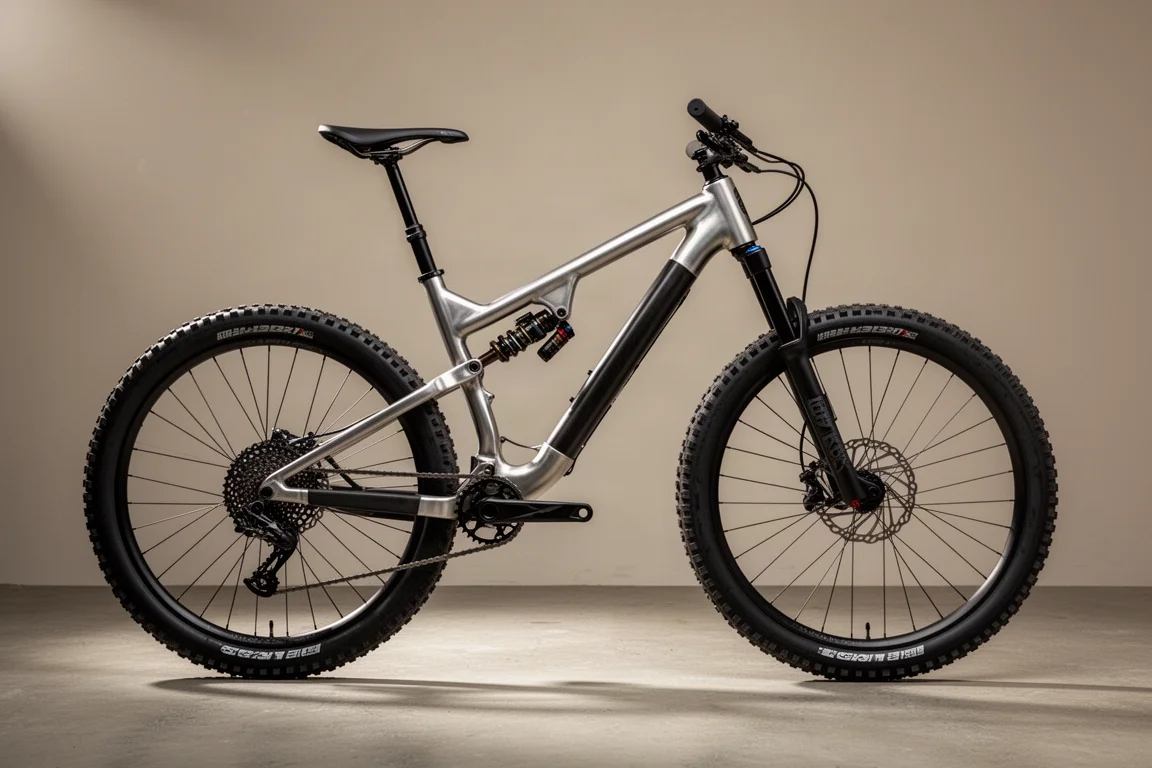
Atherton AM.130 Review: 3D-Printed Titanium Lugs and a 130mm Trail Bike That Descends Like a Bigger Machine
The Atherton AM.130 pairs 3D-printed titanium lugs with carbon tubes and a DW6 suspension platform. Here is how it rides, what the build delivers, and who it suits.
Mountain Bikes
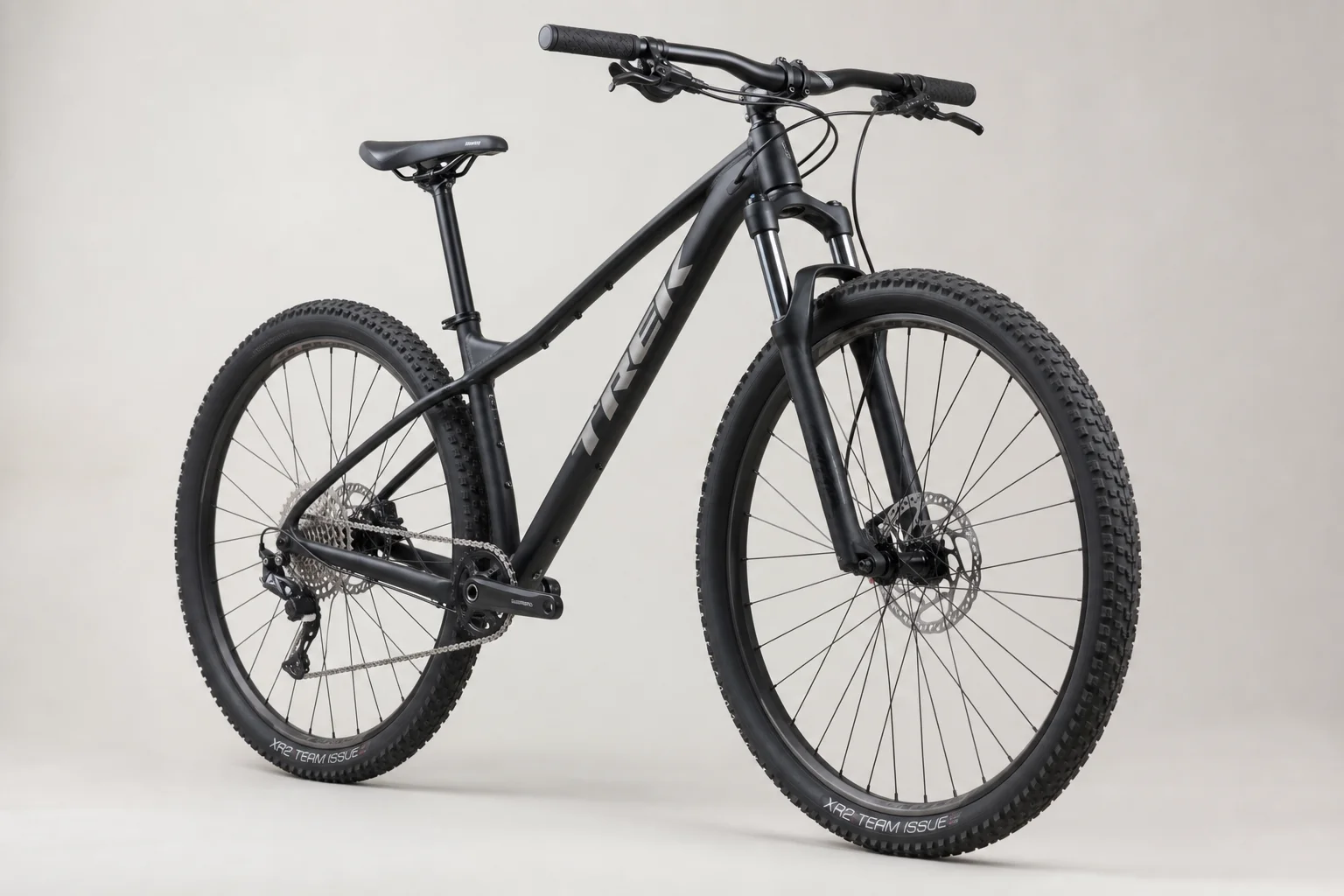
Beginner Mountain Bike Buying Guide: What to Look For in a Trailworthy Hardtail
A practical framework for evaluating beginner mountain bikes, whether new or used, by examining key components that indicate real trail capability.
Mountain Bikes
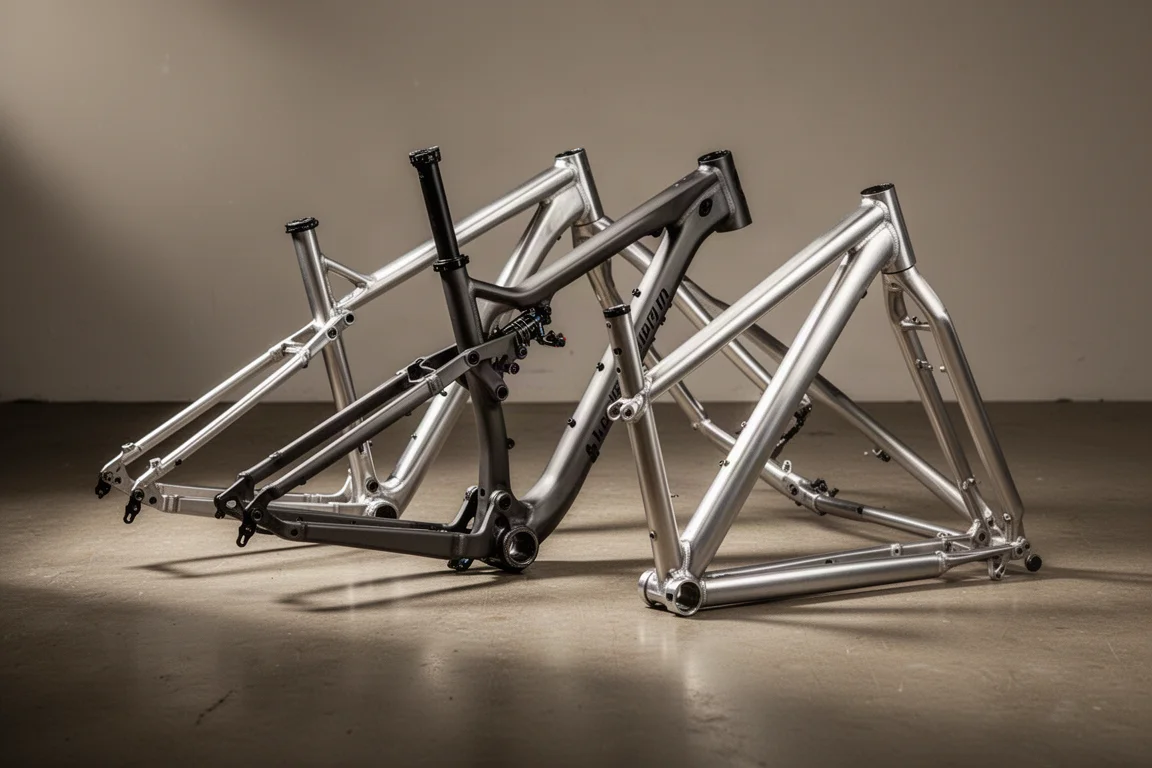
Best Aluminum Mountain Bikes 2026: Five Alloy Bikes Worth Your Attention
Five aluminum mountain bikes that show how far alloy has come, from a 120mm trail bike and a versatile machined frame to a 180mm freeride machine.