Mountain Bikes
Orbea Oiz 2026 Review: Does 120mm of Travel Make Sense on an XC Race Bike?
The Orbea Oiz moves to 120mm front and rear and gains a slacker, longer geometry. Here is how it climbs, how it descends, and who it suits.
Introduction
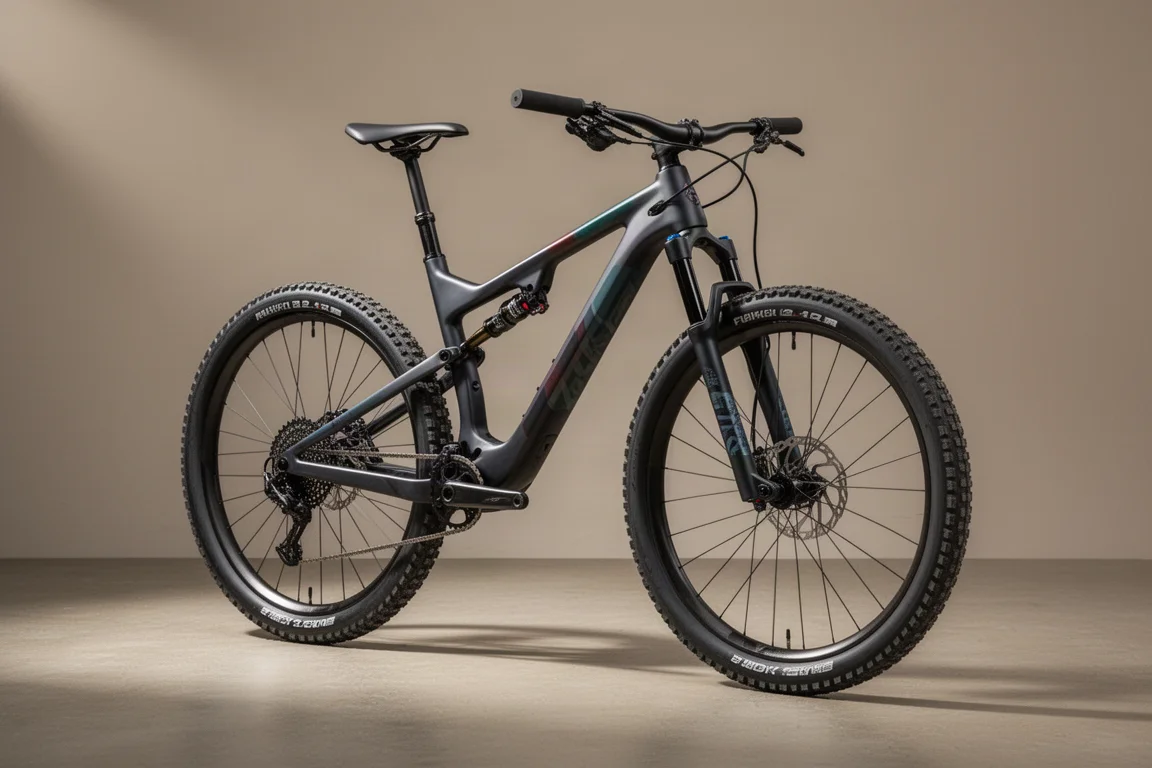
The Orbea Oiz has long been the Basque brand’s dedicated cross-country race platform, and this generation makes a decision that not every XC bike has made: it moves to 120mm of travel front and rear, 20mm more than the average race bike. Down-country suspension numbers and progressive geometry would normally point toward a trail bike, but the Oiz is still unmistakably a race-focused rig.
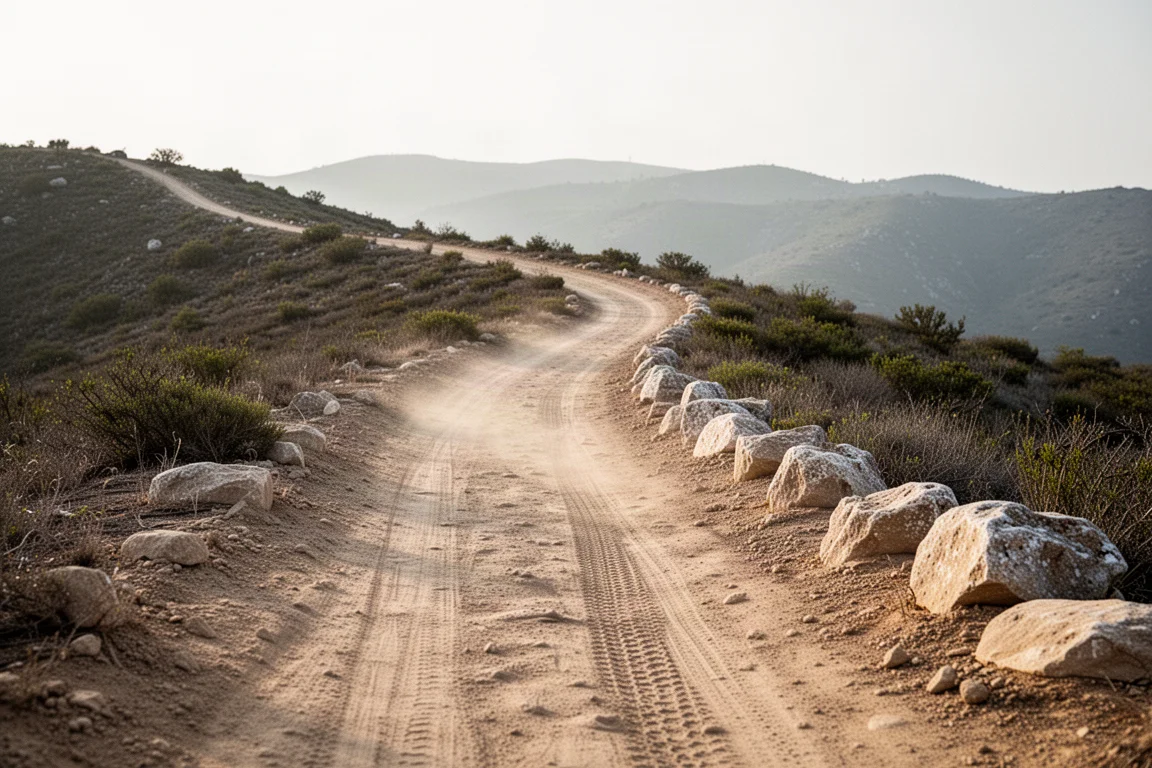
The question worth answering is whether that extra travel helps or hinders it, and how much the updated geometry contributes to the way it rides. The bike was put through its paces over two rides in Northern Spain on dry, dusty trails at race pace, chasing riders in season form, with a longer marathon-style day thrown in for good measure.
Who the Orbea Oiz Is For
The Oiz is aimed squarely at cross-country racers, marathon riders and fast trail riders who want a bike that climbs with purpose but no longer feels sketchy the moment the trail gets technical. The line covers two grades of carbon plus alloy options, and pricing spans from the more accessible alloy and lower-grade carbon builds up to a top figure of £10,499.
The second-tier build tested here sits at £8,399 or $8,599 and weighs 10.4kg in a size medium. It uses the top-level OMX carbon frame, which is claimed at 1,740 grams. The visible difference from the cheaper OMR frame is a flat mount rear brake mount instead of post mount, which matters because it opens compatibility with higher-end Shimano and SRAM brakes rather than the value-focused flat mount units the cheaper frames require.
Frame, Geometry, and Suspension Changes
Visually the Oiz has changed very little, but under the surface Orbea has made meaningful adjustments. Two profiles in the rear triangle were altered to improve stiffness by 12 percent, and the pivots now use larger or double-row roller bearings to aid reliability. Cables are routed through an in-house headset design that Orbea says gives a cleaner look and reduces steering resistance, because the cables flex less as the bars turn. A spin block system is integrated into the headset to stop the bars rotating too far in a crash.
The geometry has moved on noticeably from the previous generation. The head angle is two degrees slacker, reach has grown by around 15mm, and the seat angle has been steepened by roughly one and a half degrees. That does not make it the most radical XC bike on the market, but it places it among the more progressive options available. Rear centre stays short at 432mm.
The suspension uses a flex stay layout, with the flex built into the lower sections of the seat stays, where the tube is flattened compared with the rest of the stay. The main pivot sits just above the chainring. Chainrings are 34 tooth from stock, and up to 38 tooth rings can be fitted. A Flexlink linkage drives the rear shock nestled below the top tube, and it is both lighter and stiffer than the previous version. Kinematics changed very little compared with the outgoing bike.
Climbing Performance
Climbing is where the Oiz feels most at home. The Maxxis Rekon Race tyres offer little hindrance on the way up: the central tread is shallow and closely packed, so rolling resistance on smoother surfaces is minimal, and the 120 TPI carcass keeps weight low. Combined with the low rotating mass of the carbon rims, the result is a zippy feel that responds well to short bursts of power.
The rims’ 30mm internal width allows moderately low pressures, and around 22 PSI at the front and 24 PSI at the rear worked well in very rocky terrain. On steep technical climbs the tyres generated more grip than expected, though on loose gravel drags it was possible to break rear traction when pedalling without finesse. The suspension feels efficient in open mode, with little pedal bob until you stand up and mash the pedals. Smooth pedalling translates into efficient height gain, and open mode lets the rear wheel move freely over rocks and steps.
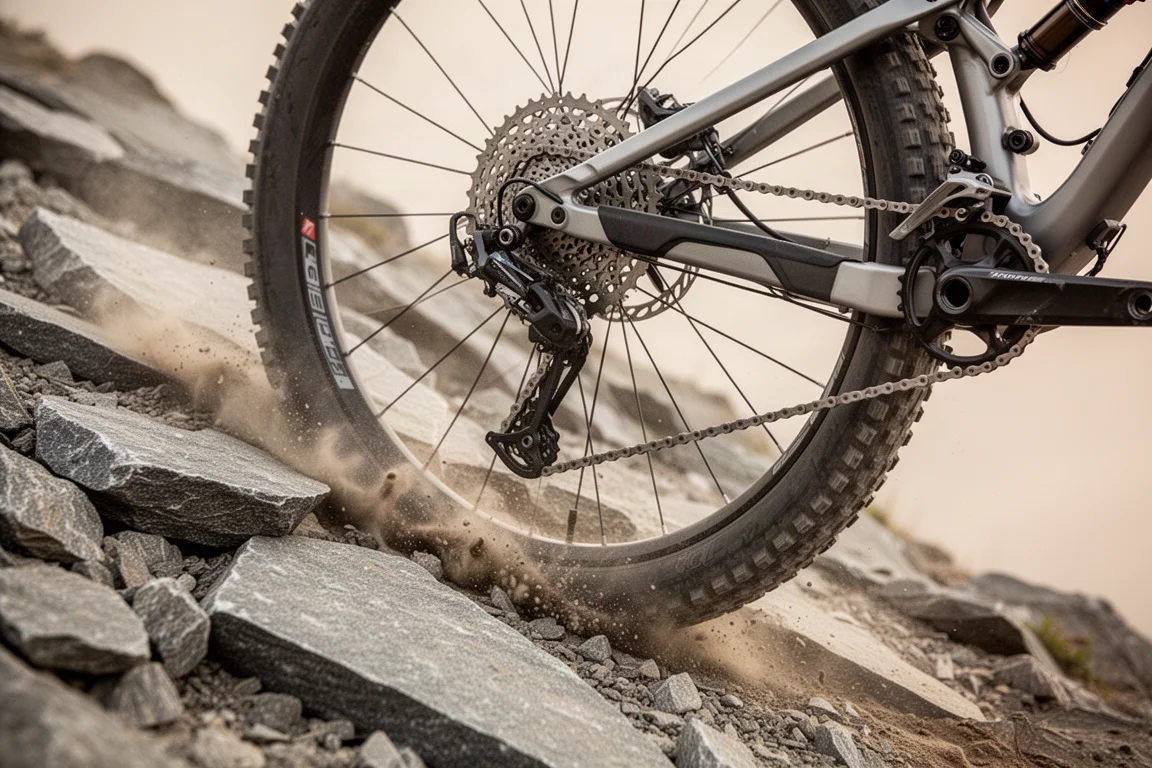
Medium mode handled the bulk of off-road climbing. There is still some shock movement to help traction, but an obvious platform is there to feel, and it helps keep the bike efficient when standing. Because the shock sags less in this setting, the effective seat angle stays relatively steep. On smooth dirt roads or against the clock, the firm position puts the shock into an almost locked state with no pedal bob to sap leg power, at the cost of traction since grip is then left entirely to the tyre.
The Squidlock lever controls the Fox shock’s three damping positions and the fork’s two, leaving the fork open in the middle position. It defaults to locked and needs a push to move into more open settings. The lever is comfortable in use and easy to hit, though push-to-open is not the most intuitive arrangement at first and becomes natural with familiarity. On the climbs the geometry poses no problems. The steep seat angle centres your weight nicely, hips are well placed over the pedals, and the roomy front end leaves space to shift forward and back to regulate traction and direction.
Descending and Technical Terrain
On descents the extra travel is most noticeable when the bike is rattled hard through technical sections. It never feels vague or squishy, but hit an unexpected drop or a square edge and there is more of a safety margin than before. That is the core argument for the travel increase, and the weight penalty is small because the Fox 34 Step Cast fork carries little extra heft over a smaller-stanchion option. There is no 32 Step Cast available in this configuration anyway.
The trade-off is at the rear. The back end is plentiful in travel but not the smoothest ever, with the rear wheel often skipping about, particularly under braking, and some feedback coming through. That is the obvious compromise of a more stable pedaling platform. Even so, it rarely became a handful to control, and it did not cause discomfort across a 60km marathon day.
Against the Giant Anthem, a 110mm front and 100mm rear bike, the Oiz is better at pedalling whether uphill or along the flat, while the Anthem is smoother on descents when both are left open. The Oiz has a classic-feeling cross-country back end.
Geometry does the heavy lifting for confidence. A traditionally shaped XC bike with more travel would still feel sketchy, but lengthening the front and slackening the head angle makes the Oiz a competent descender. The short rear triangle means it never feels reluctant to change direction, and point it down a fast rough trail or tip it into a steep corner and there is plenty to like. Ridden back to back with the previous generation, the change in head angle and the 15mm of extra reach make a palpable difference: it is more confident, more stable, and consequently a little easier to go faster.
Build and Specification Notes
The tested build rolls on Orbea’s own carbon wheels with 30mm wide rims, DT Swiss hubs and Sapim spokes, wrapped in Maxxis Rekon Race tyres in a 2.4 inch width. Fox supplies the suspension: a Float DPS shock and a 34 Step Cast fork, both in Factory flavour.
Shimano’s XTR drivetrain and two-piston brakes handle the stop and go. The mechanical drivetrain is a standout, and the brakes are light and moderately punchy, though the race levers lack the adjustability of the trail levers even though they get a carbon lever blade. A Fox Transfer SL dropper moves the saddle up and down. Orbea’s own OC finishing kit completes the picture with a lightweight wrap-around stem, and the top-end models use ESI silicone grips.
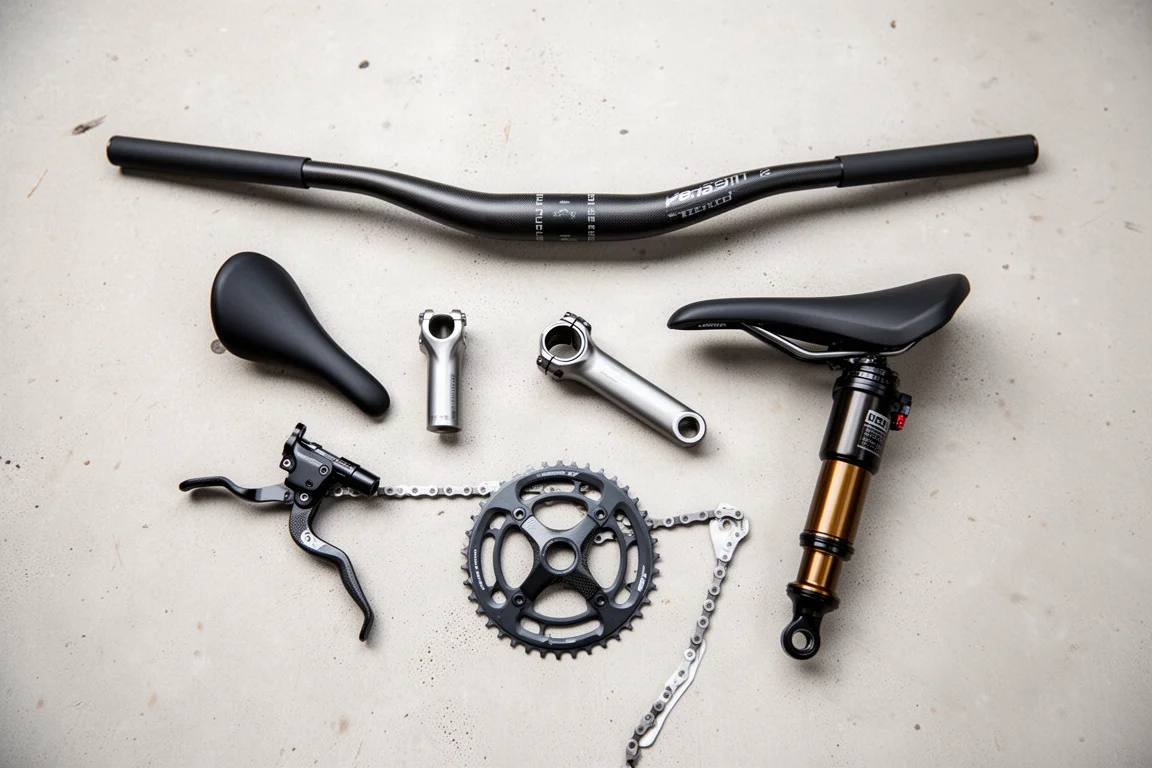
Paint can be customised free of charge through Orbea’s MyO programme, and as with most models in the range there are specification options available when ordering directly through Orbea’s website, which helps get the bike set up exactly as you want it.
Things to Consider Before Buying
The most honest caveat is rear-end composure. The Oiz prioritises a stable pedalling platform, and the payoff is a back end that skips around more than the smoothest cross-country bikes, especially under braking.
Braking power is another area to weigh up. The XTR brakes are light and reasonably punchy, but more power from the front brake would have been welcome, and the race levers do not offer the adjustment range of trail levers. The Transfer SL dropper is a slick performer but does not have infinite travel, and there were moments when it returned too early and needed to be pushed back down.
The Rekon Race tyres deserve a mention too. They are excellent in dry conditions and their slight shoulder tread makes a real difference to cornering traction in all but the most marginal terrain, but braking traction is not their strong point and loose surfaces can get exciting.
Buying Advice
The Oiz makes the most sense for riders who race, or who ride with race pace in mind, and who want a bike that no longer feels fragile once the trail turns rough. The extra 20mm of travel is difficult to see as a downside at this point. The weight remains competitive, the travel is packaged without hurting the geometry, and more travel simply means more room to move when things get technical.
If you spend your time prioritising uphill speed, the Oiz rewards that focus. If descending smoothness matters more than pedalling efficiency, another bike in this class may suit better. On specification, think about brakes before you buy: the OMX frame’s flat mount standard accepts higher-end Shimano and SRAM brakes, while the cheaper OMR frame uses post mount and is therefore restricted to flat mount brakes aimed at more value-focused builds. Buying through Orbea’s website also opens up specification options and free custom paint, which is worth factoring in if you plan to keep the bike for several seasons.
Conclusion
The Orbea Oiz is a clear, deliberate take on the modern cross-country race bike. Adding 20mm of travel has not blunted it: it still climbs sharply, still feels light on its feet, and the revised geometry has made it noticeably more confident and stable on the way back down. The compromises are real and specific, mostly around rear-end smoothness, braking traction and race-lever adjustability, and riders who value descending composure above all else should look carefully at the alternatives.
For racers and fast trail riders who want a bike that is quick everywhere and far less sketchy when the terrain turns technical, the Oiz makes a persuasive case.
Product link
View more details for Orbea Oiz
This product is mentioned in the review. Check the specifications, options, and compatibility before buying.
View more details for Orbea OizFurther reading
Related Reviews
Mountain Bikes
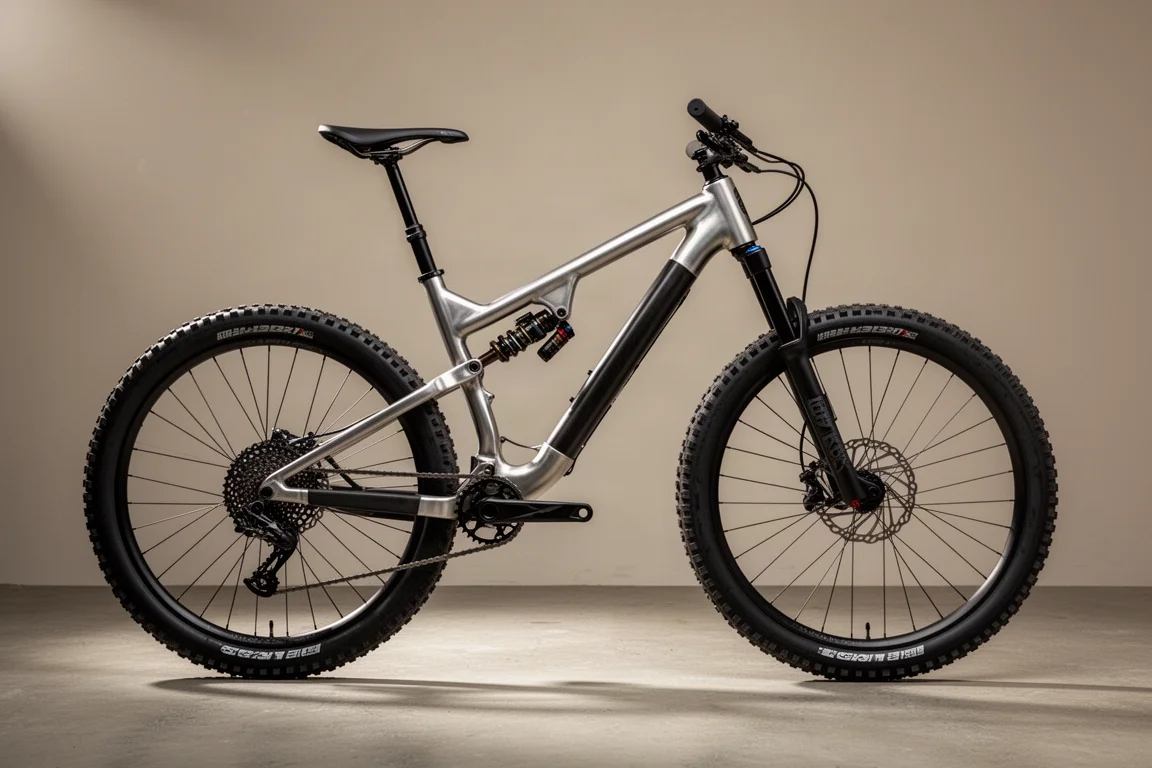
Atherton AM.130 Review: 3D-Printed Titanium Lugs and a 130mm Trail Bike That Descends Like a Bigger Machine
The Atherton AM.130 pairs 3D-printed titanium lugs with carbon tubes and a DW6 suspension platform. Here is how it rides, what the build delivers, and who it suits.
Mountain Bikes
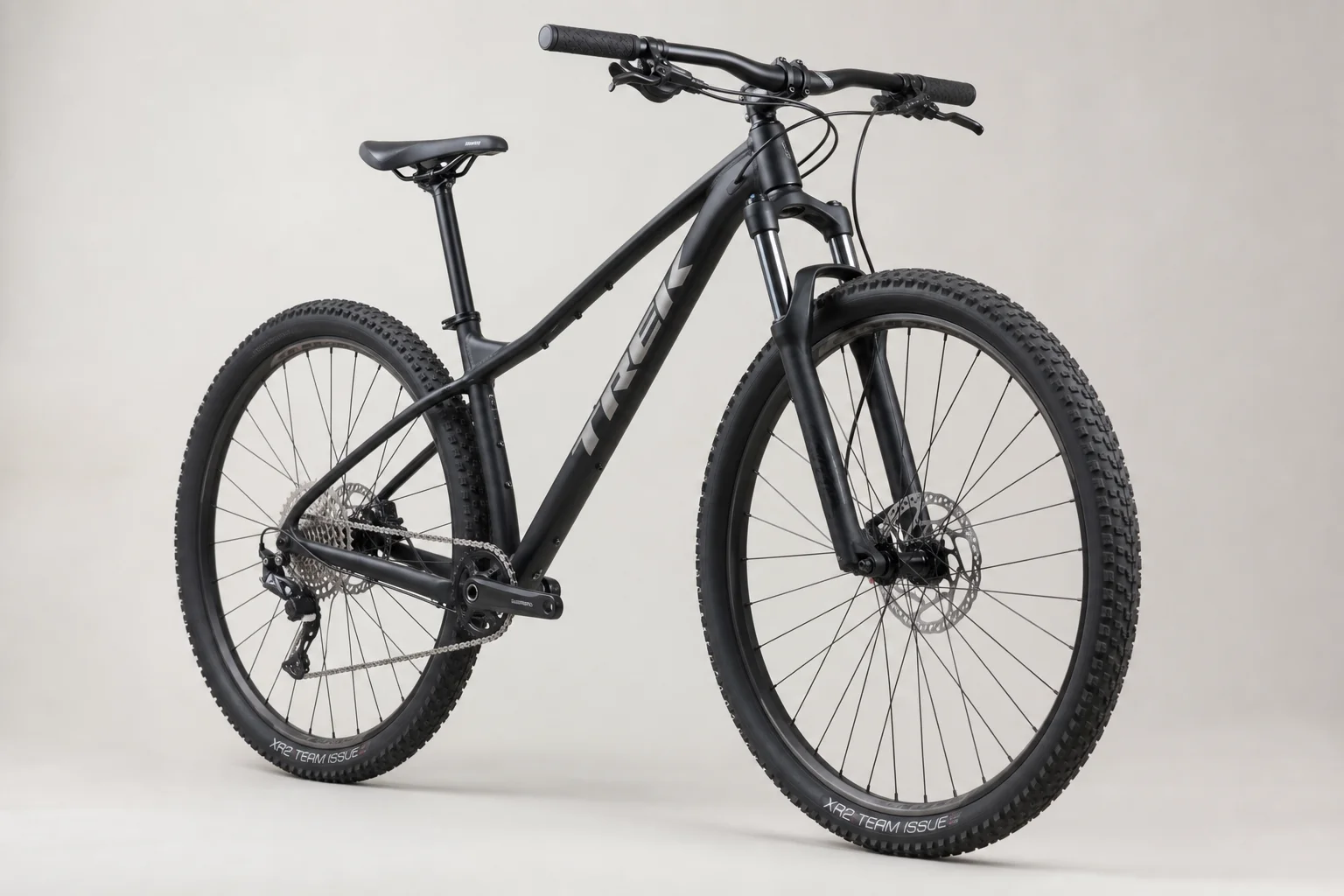
Beginner Mountain Bike Buying Guide: What to Look For in a Trailworthy Hardtail
A practical framework for evaluating beginner mountain bikes, whether new or used, by examining key components that indicate real trail capability.
Mountain Bikes
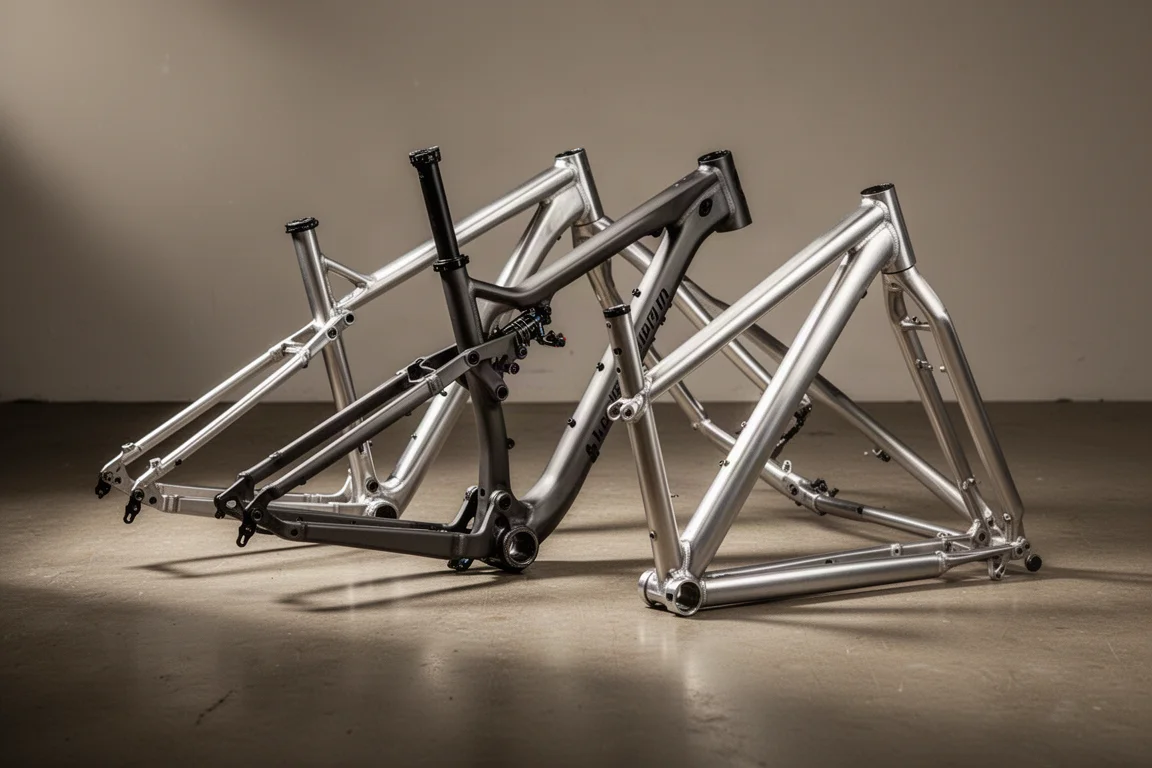
Best Aluminum Mountain Bikes 2026: Five Alloy Bikes Worth Your Attention
Five aluminum mountain bikes that show how far alloy has come, from a 120mm trail bike and a versatile machined frame to a 180mm freeride machine.