Mountain Bikes
Orbea Oiz Drop Bar Review: A Full-Suspension XC Bike Turned Gravel Racer
A practical look at a drop bar Orbea Oiz build, covering 120mm of suspension, wireless road levers, and whether the combination is genuinely faster.
Introduction
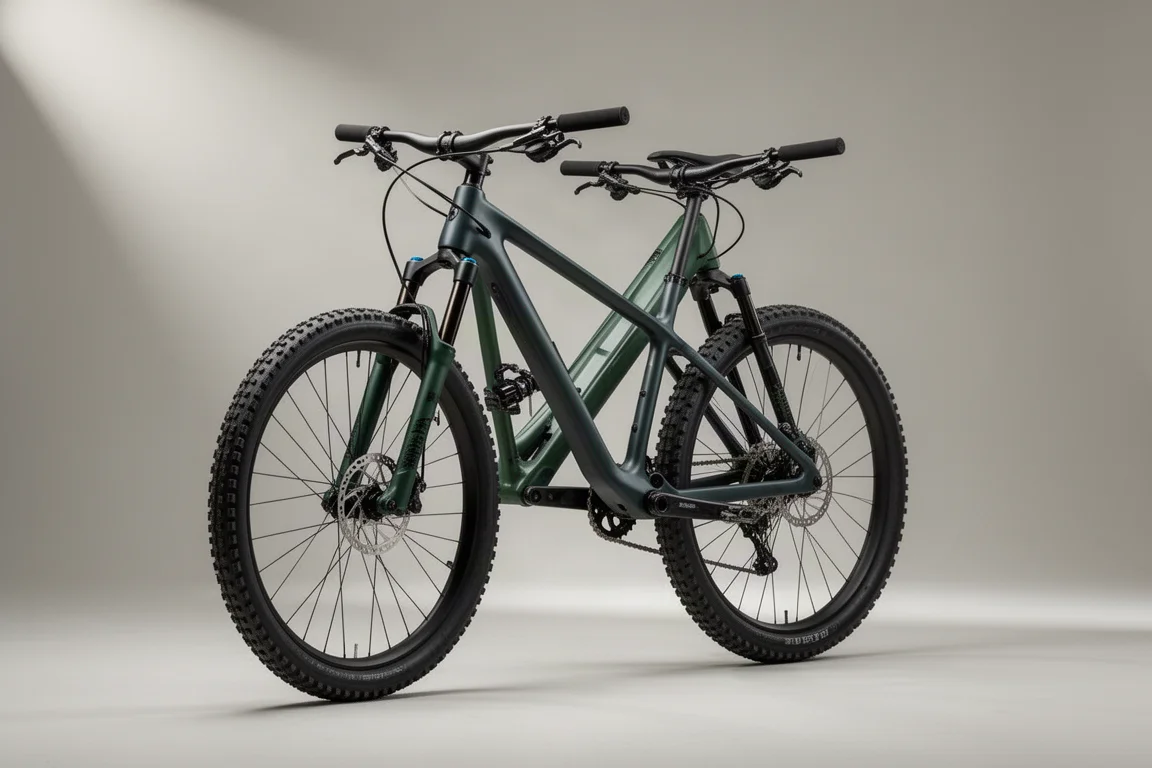
Gravel riding has moved quickly in a short space of time. Tire clearance has grown, geometry has been retuned, and a wide range of gravel-specific components now exists, from groupsets and wheels to handlebars and saddles. At the same time, cross-country mountain bikes have become more aggressive, and the Orbea Oiz is a clear example: a race platform built around 120mm of suspension at both ends, designed for terrain that is rougher than cross-country used to be.
That overlap raises an obvious question. If the fastest gravel racers are running mountain bike tires, and some mountain bike racers are fitting drop bars, what happens when a full-suspension cross-country bike is converted properly? This build answers that by removing the Oiz one-piece carbon cockpit and fitting drop bars, paired with wireless road levers, a mountain bike rear derailleur and mountain bike brakes.

The conversion is not a bolt-on job. The original cockpit is gone, the suspension lockout lever no longer fits, the stem does not sit perfectly, and the neatly integrated cables and hoses are now visible along the frame. Functionally it works, but this is a project rather than a finished production bike.
Who This Bike Is For
A drop bar full-suspension build suits two fairly specific groups. The first is riders chasing straight-line speed over long, rough courses, the kind of terrain found in the biggest gravel race series, where sitting in the saddle and pedalling hard matters more than quick direction changes. The second is riders who simply want comfort: bigger tires and suspension soak up small hits and big hits alike, so more time is spent seated and pedalling and less time rattling around.
If your riding is mostly smooth, technical singletrack, or if you value a light and agile feel above everything else, this is unlikely to be the right direction. The bike is quick, but it does not feel quick in the way a gravel bike does.
Main Strengths
The case for wide tires and suspension rests on two effects. Wider tires can use a thinner casing without raising puncture risk, because the air volume is much higher, and a thinner casing usually means lower rolling resistance, particularly on gravel. That conclusion comes from repeated testing on a pedalling efficiency rig and in a wind tunnel.
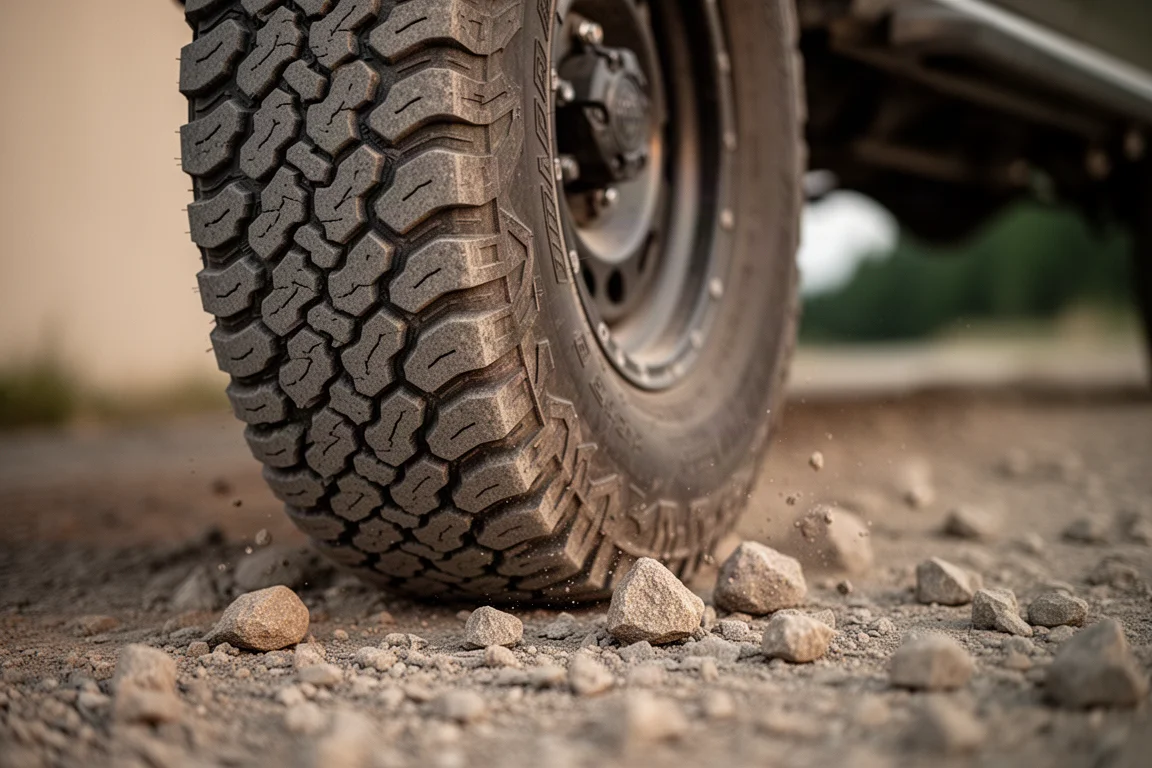
Suspension adds a second layer. Bumps, rocks and loose gravel interrupt forward momentum by shaking the bike and creating vibration. More volume and more travel absorb that vibration, so the bike rolls faster for less effort. On descents the benefit grows with speed, since control and puncture resistance both improve.
Then there is grip. With suspension, the tires stay in contact with the ground more of the time, which means you can brake harder and corner harder. Add a lockout lever and the bike can behave like a rigid machine on pavement or smooth trails, so the suspension only costs you when it is actually working.
How the Drop Bar Conversion Changes the Ride
Sat in the saddle and pedalling at a steady tempo, the position feels familiar, much like a gravel bike, with normal shifters and a normal seated posture. The suspension is remarkably smooth, quietly absorbing everything underneath and making rough surfaces feel far calmer than they look.
The steering is where the difference shows. On a mountain bike the hands sit much further apart, which gives more leverage. With narrow drop bars the hands are closer together and further forward, so more pressure has to go through the hands to make the bike change direction. Everything works, but the bike asks for a little more input than a gravel bike does.
Things to Consider Before Buying
Weight is the first thing to weigh up. A fully rigid mountain bike frame can weigh the same as, or even less than, a gravel frame, and mountain bike wheels can match gravel or road wheels. Tires are the component that usually carries extra weight. Adding suspension changes the picture: roughly a kilogram for a front fork and another kilogram for rear suspension. In return you get a great deal back in performance, but it is still weight.
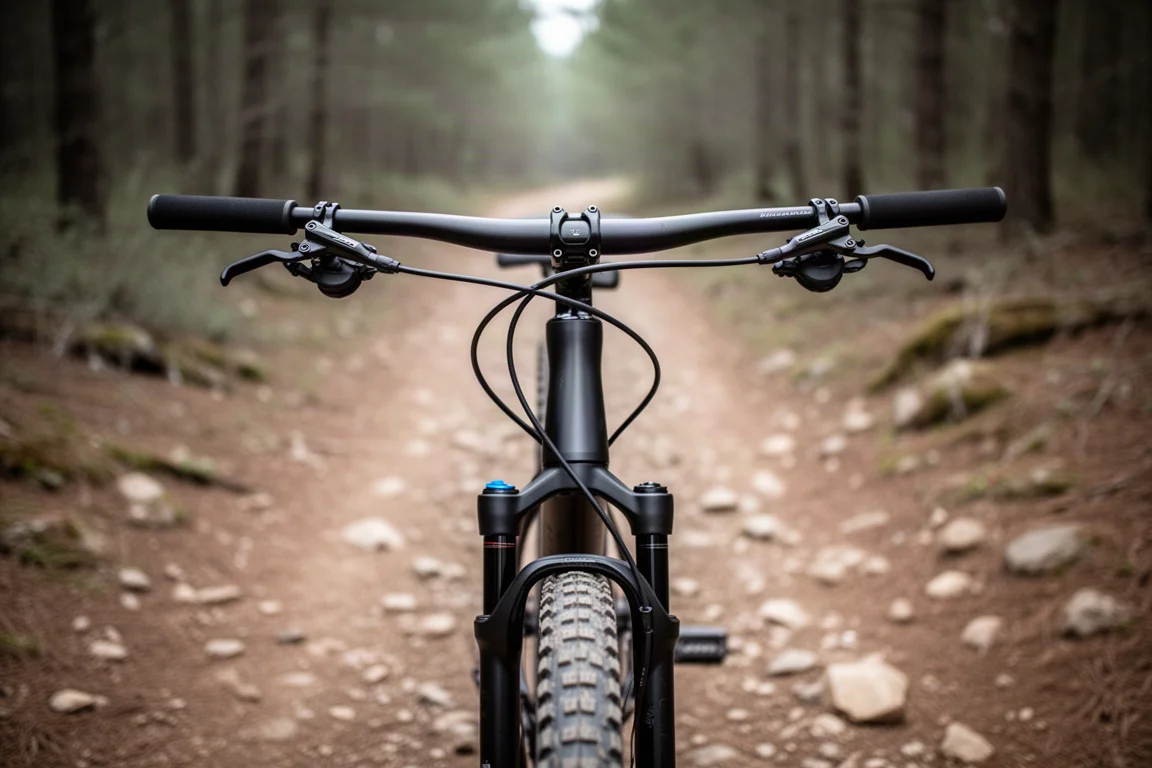
The drop bar conversion also carries practical costs. Road levers are considerably more expensive than mountain bike brakes and shifters, which are also simpler to manufacture. On this build, the one-piece cockpit had to go, the lockout lever was lost in the process, and the stem fit is a compromise rather than a clean solution.
It is also worth remembering that drop bars on a mountain bike are only faster for a narrow band of terrain, the races that sit between a mountain bike course and a gravel course. They are not faster everywhere, and the trade-off is responsiveness: the bike can feel like a steamroller rather than something light and playful, and some of the fun goes with it.
There is precedent to consider too. A front and rear suspension gravel bike appeared around five years ago and was well received by those who rode it, but production stopped four years later and nothing similar has followed since. Front suspension is now common on gravel bikes. Full rear suspension is not.
Where This Concept Makes Sense
The strongest case is a very specific one: a course or an event where the terrain sits between mountain bike and gravel, where long stretches of rough, loose surface reward vibration damping and where the aerodynamic benefit of a drop bar position matters. Outside that window, a rigid or front-suspension gravel bike is likely to feel sharper and more rewarding.
For riders whose priority is comfort on quiet tracks and trails rather than outright speed, the same formula works for a different reason. The combination of high-volume tires and suspension turns rough surfaces into something far more pleasant, and the lockout keeps the bike efficient when the surface smooths out.
Buying Advice
If the appeal is speed on a specific course, a full-suspension frame with drop bars can deliver it, provided the setup is done properly and the geometry is not compromised too far. Wireless road levers paired with a mountain bike derailleur and brakes work well together and keep the build tidy.
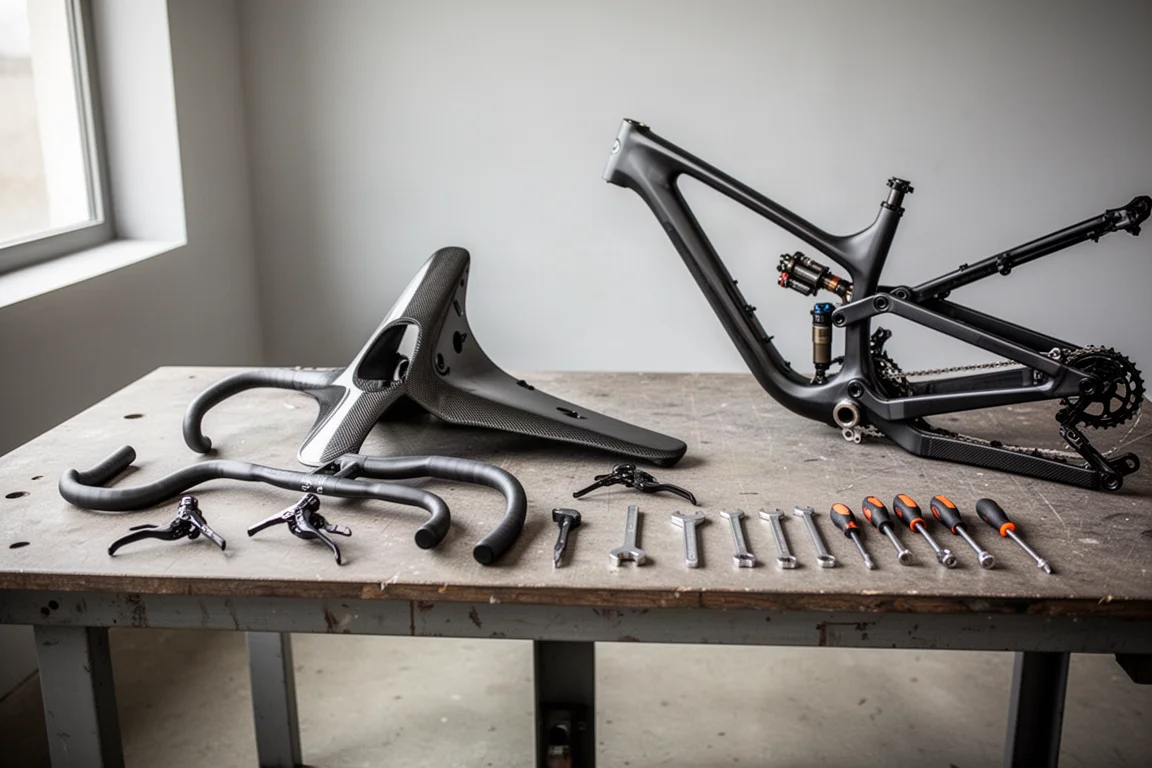
If the appeal is general riding, think carefully. The same bike with flat handlebars is cheaper, simpler and more responsive, and mountain bike shifters and brakes cost less than road levers. In many cases the sensible route is to keep the mountain bike as a mountain bike and choose a gravel bike for gravel, unless the terrain really does sit in the middle.
Anyone considering a conversion should also budget for the details that are easy to overlook: cockpit and stem compatibility, the loss of a handlebar-mounted lockout lever, and the exposed cable routing that comes with removing an integrated front end.
Conclusion
A drop bar Orbea Oiz is a genuine experiment rather than an obvious upgrade. The suspension and wide tires deliver real speed and comfort benefits on rough, loose surfaces, and the drop bar position adds aerodynamic efficiency on long, steady efforts. The cost is responsiveness, extra weight, higher component prices, and a build that gives up some of the integration that makes the original bike so clean.
For a narrow set of races and a narrow set of riders, it works. For most riders, the same platform with flat handlebars remains the better bike, and a dedicated gravel bike remains the better answer for gravel.
Product link
View more details for Orbea Oiz
This product is mentioned in the review. Check the specifications, options, and compatibility before buying.
View more details for Orbea OizFurther reading
Related Reviews
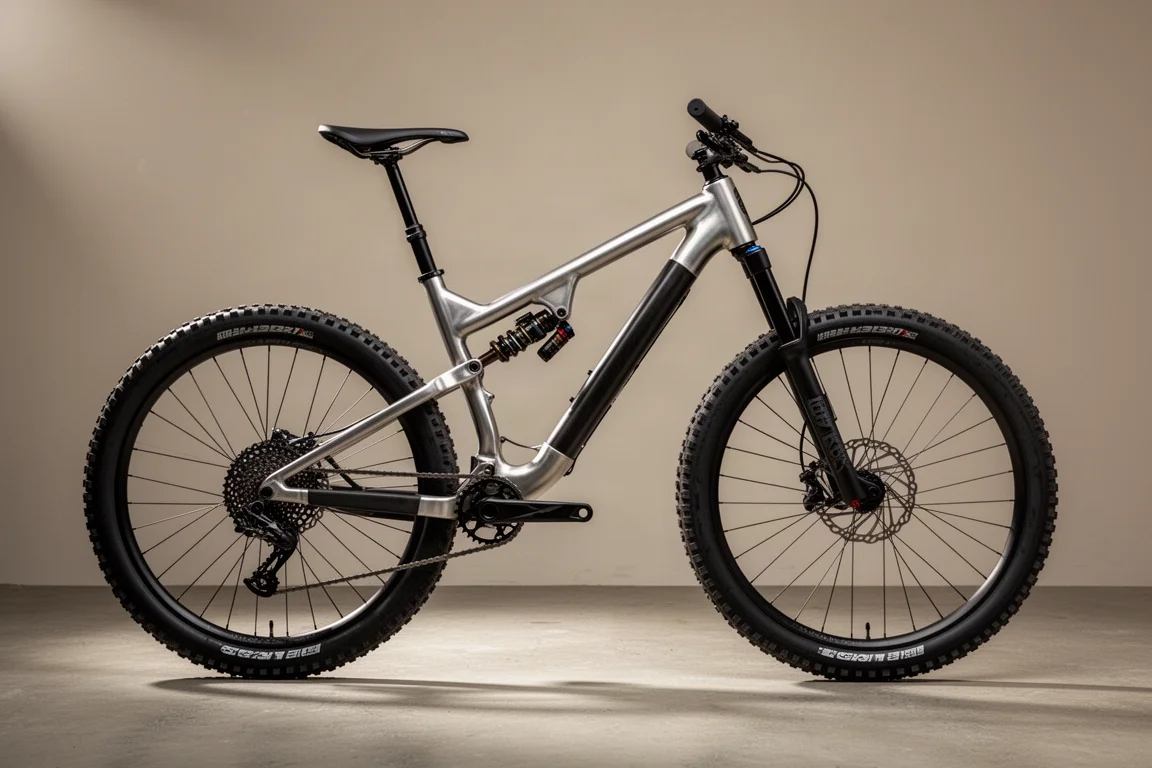
Mountain Bikes
Atherton AM.130 Review: 3D-Printed Titanium Lugs and a 130mm Trail Bike That Descends Like a Bigger Machine
The Atherton AM.130 pairs 3D-printed titanium lugs with carbon tubes and a DW6 suspension platform. Here is how it rides, what the build delivers, and who it suits.
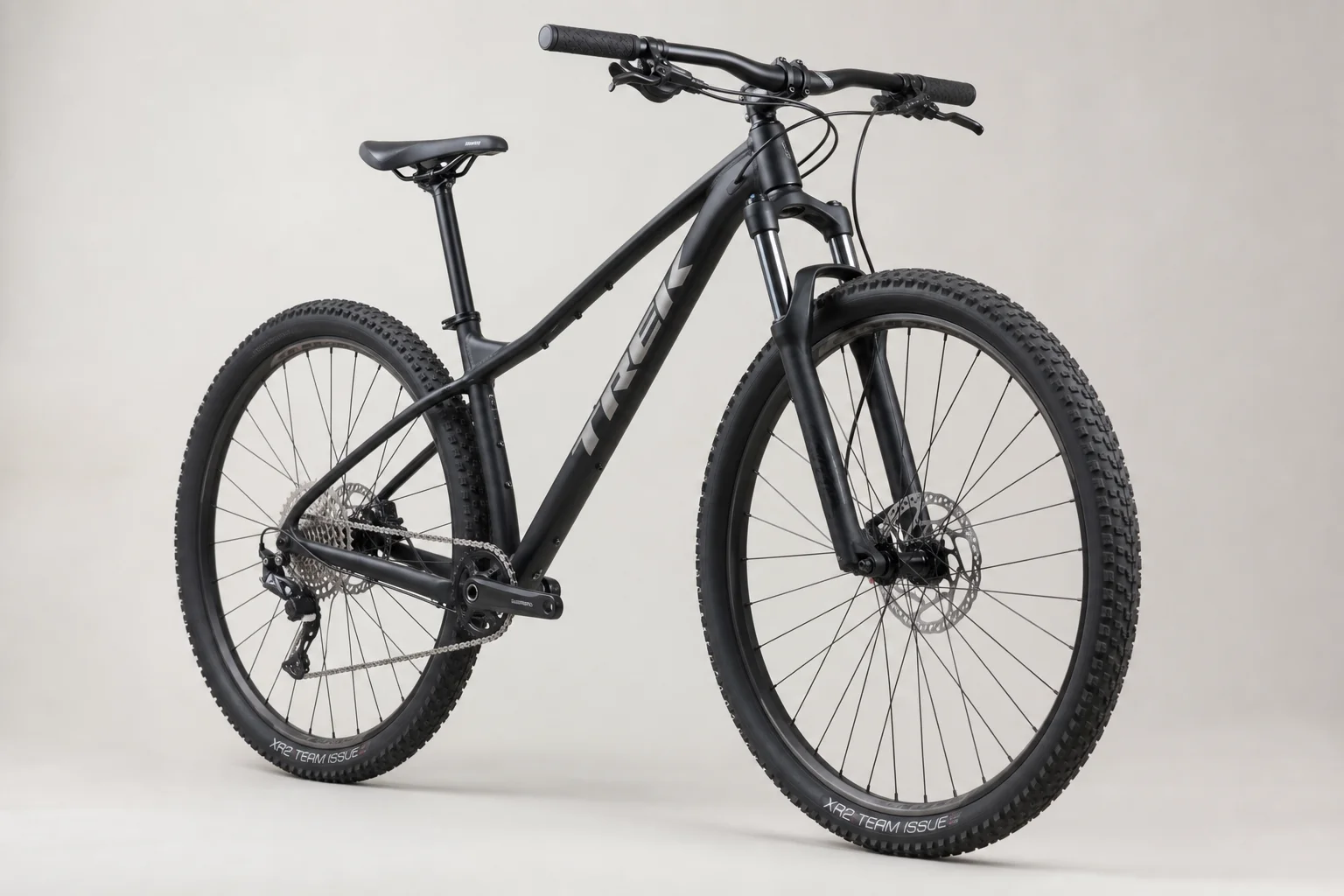
Mountain Bikes
Beginner Mountain Bike Buying Guide: What to Look For in a Trailworthy Hardtail
A practical framework for evaluating beginner mountain bikes, whether new or used, by examining key components that indicate real trail capability.
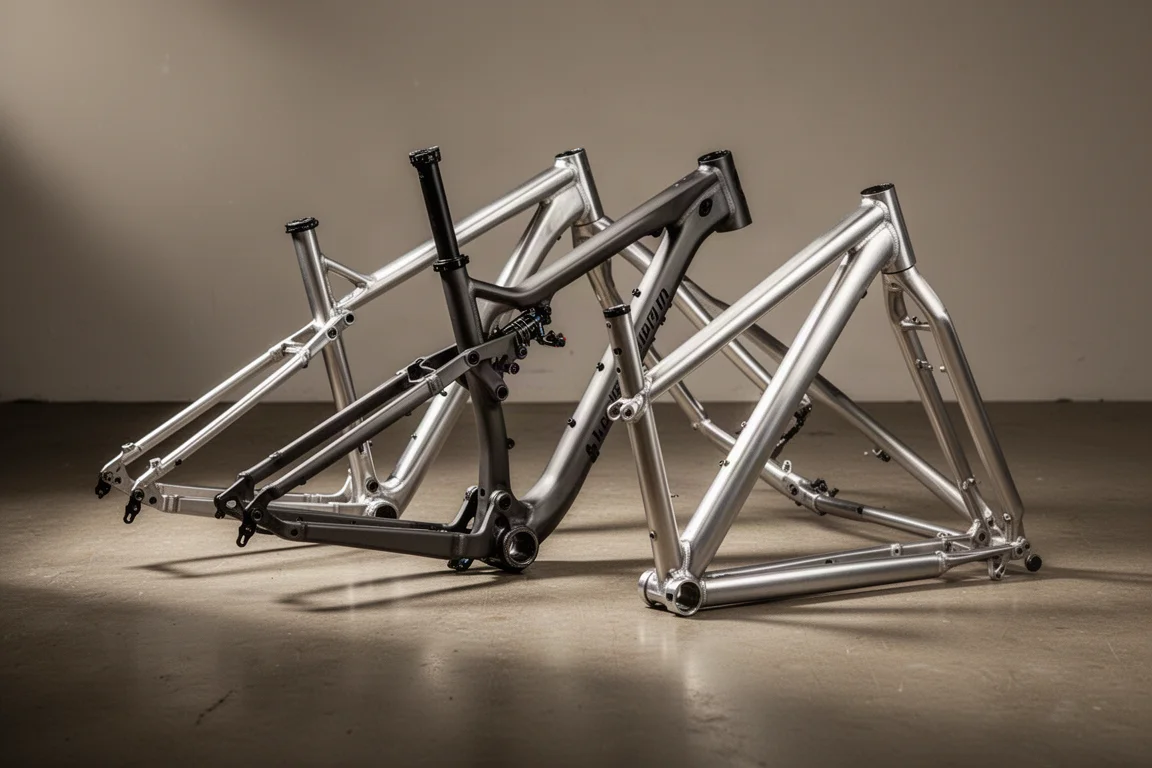
Mountain Bikes
Best Aluminum Mountain Bikes 2026: Five Alloy Bikes Worth Your Attention
Five aluminum mountain bikes that show how far alloy has come, from a 120mm trail bike and a versatile machined frame to a 180mm freeride machine.