Astrophotography
Optolong L-Ultimate Review: Dual-Band Narrowband Imaging Under a Full Moon
A field-tested look at Optolong's 3nm dual-band filter, shot on the Veil Nebula from Bortle 7 skies during a full moon.
Introduction
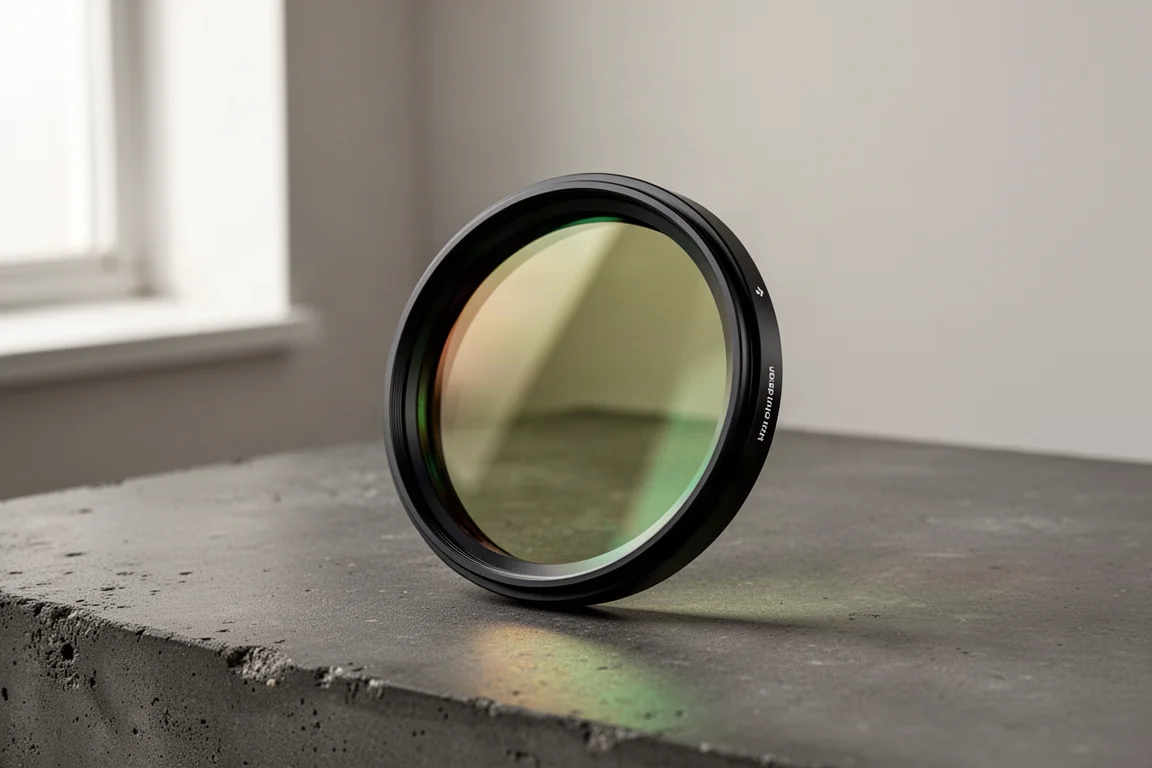
Optolong’s narrowband filter lineup has long been built around the L-eNhance and L-eXtreme. The L-Ultimate is the newest addition, a 3nm dual-bandpass filter designed for one-shot color cameras that want cleaner contrast and tighter stars. We took it into the field for a multi-night imaging run on the Veil Nebula to see how it performs where it matters most: under a bright Moon, from light-polluted skies.
How It Was Tested
The filter was paired with a one-shot color astronomy camera on a compact 71mm refractor, mounted on a German equatorial mount with an 11-pound counterweight for balance. The imaging train used the filter’s 48mm threads directly, with spacers added to reach the correct back focus.
The conditions were far from forgiving. The target was imaged from a Bortle 7 suburban sky during a full Moon, with Saturn and Jupiter also visible nearby. Two clear nights produced roughly 13.5 hours of raw data at 600-second sub-exposures, of which 10 hours and 10 minutes survived quality screening. Only one subframe was discarded on the first night due to star trailing, while cloud-affected and oddly vignetted frames were culled on the second.

Guiding held at around 0.74 arcseconds, and stars stayed round throughout. Even a single 600-second subframe looked promising under the full Moon, which is a strong early signal for a narrowband filter.
Image Quality and Star Performance
Stacked results from just 71mm of aperture under a full Moon in Bortle 7 conditions held up remarkably well. The final image showed clean nebula structure with minimal unwanted artifacts, which is exactly what you want from a 3nm filter in challenging conditions.
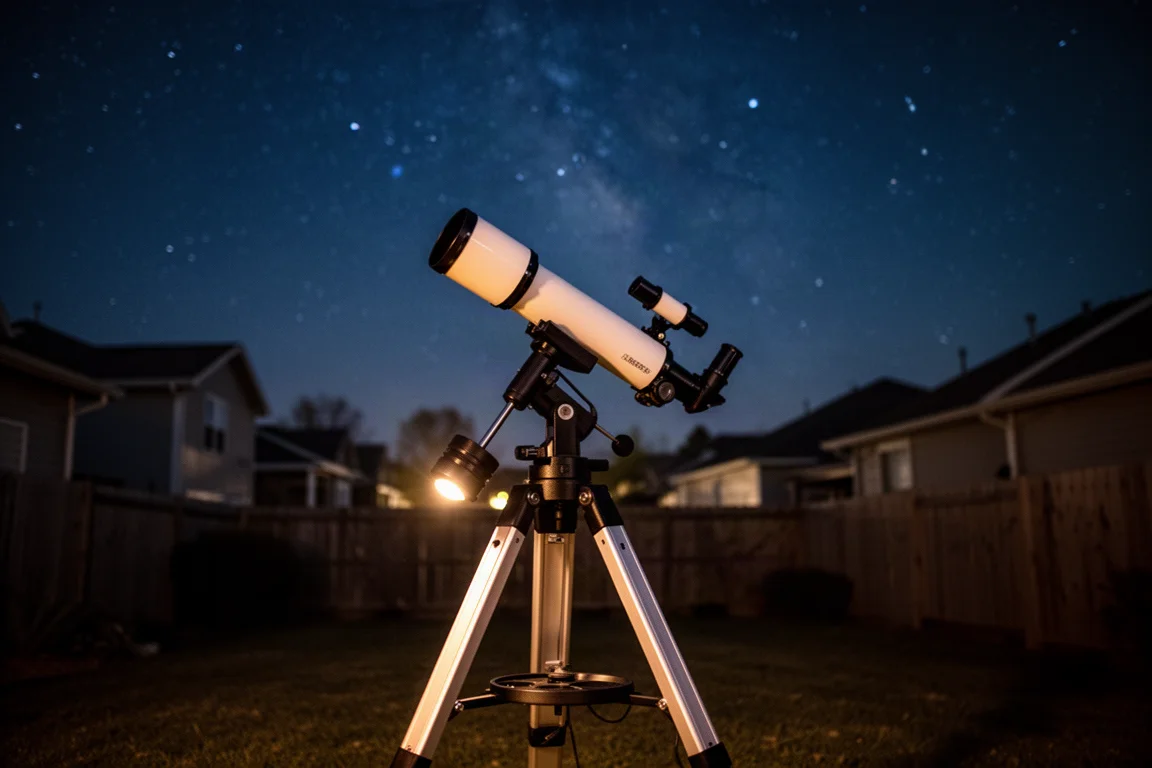
The critical star test focused on 52 Cygni, a bright star sitting at the top of the Witch’s Broom section of the Veil Nebula. About three hours of good data stacked on this star showed no haloing. That matters, because this star is bright enough to produce halos in filters from other brands. Testing on something as bright as Vega was cut short by clouds, but based on the results, the filter’s star performance is nearly flawless.
Specs That Matter
The two-inch version tested here uses M48 filter threads, which screw directly into compatible telescope rear cells. As a dual-bandpass filter, it collects light in both the H-alpha and OIII emission lines, making it well suited to one-shot color cameras shooting narrowband targets.
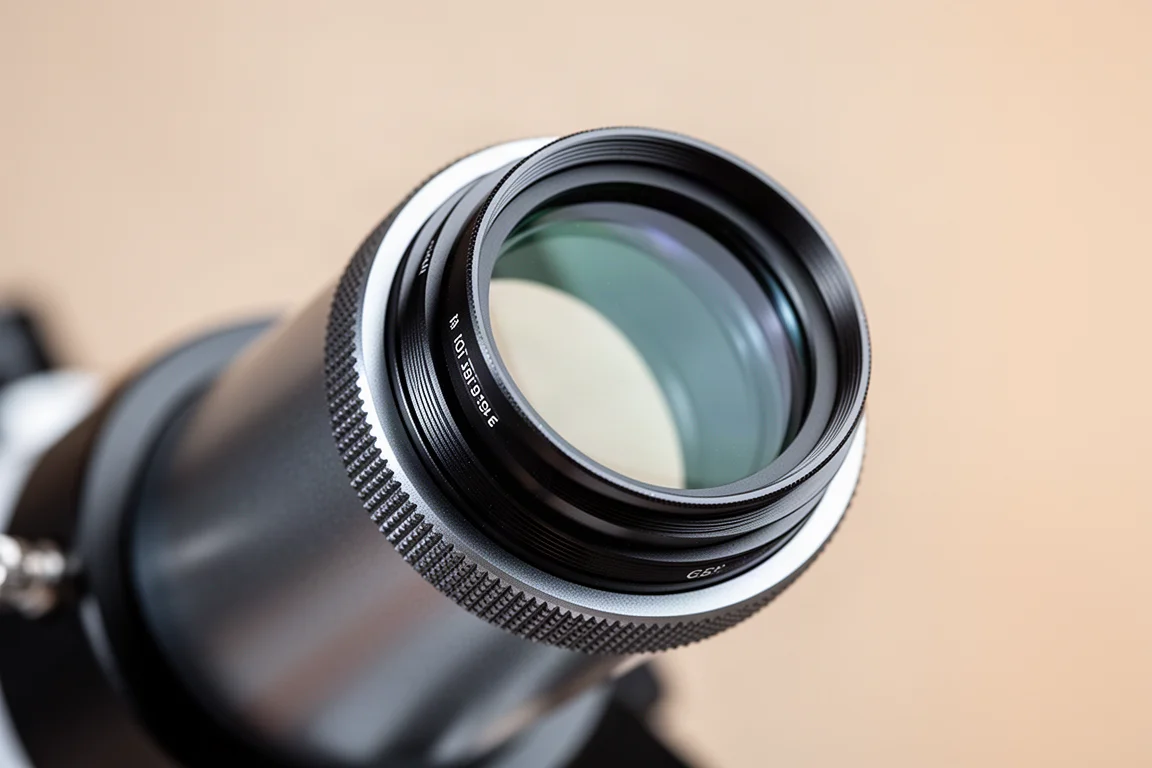
The 3nm bandpass brings several practical benefits over the wider 6-7nm filters in Optolong’s lineup: improved contrast, stronger light pollution blocking, improved detail, and a reduction in apparent star size. These gains apply over both the L-eNhance and the L-eXtreme.
One important caveat: this filter is intended for systems down to roughly f/3.5 to f/4. Any faster and you will experience band shifts, so owners of very fast optical systems like a Celestron RASA should consider a wider bandpass filter such as the L-eXtreme instead.
Who Should Buy the L-Ultimate
One-shot color cameras have become extremely popular, especially with beginner astrophotographers, and many of those newcomers want to shoot narrowband targets without juggling multiple filters and monochrome cameras. The L-Ultimate is a strong solution for exactly that use case.
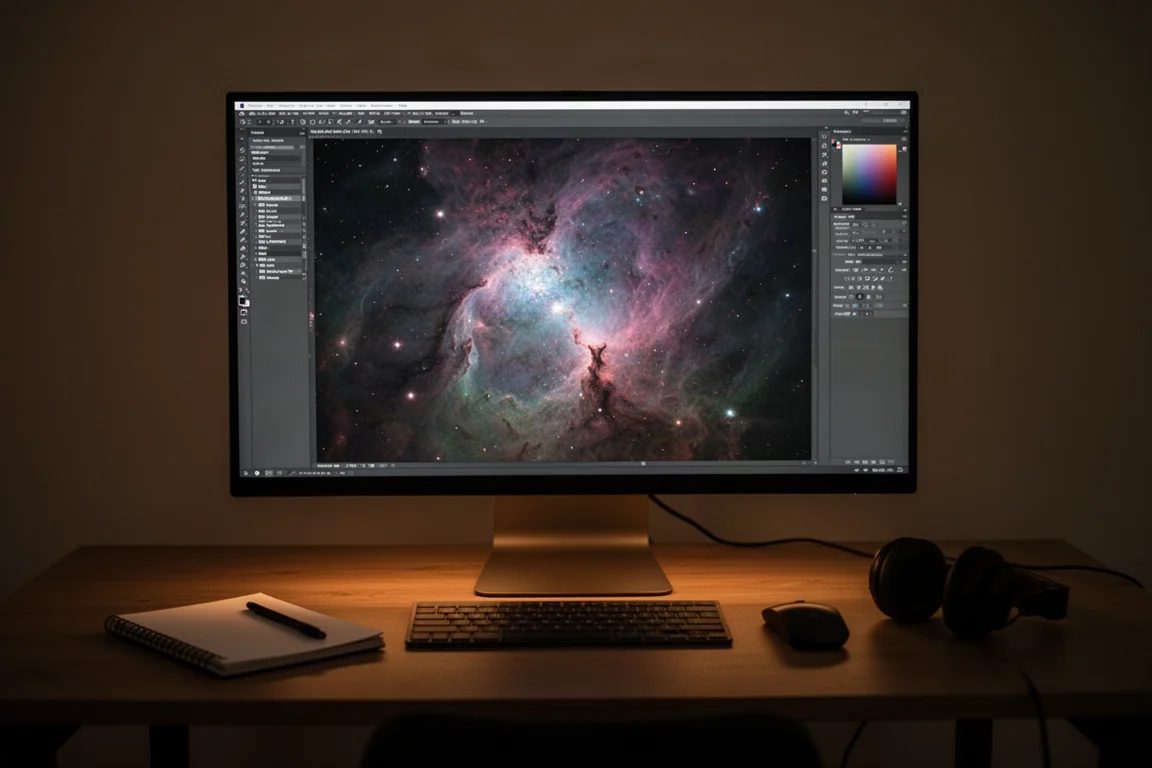
If you image from light-polluted skies, shoot through Moonlit nights, or simply want tighter stars and better contrast on emission nebulae with a color camera, this filter is a clear upgrade path over the older L-eNhance and L-eXtreme, provided your optical system is not faster than about f/3.5.
Conclusion
The L-Ultimate delivered clean, contrasty results in genuinely hostile conditions: a full Moon, Bortle 7 skies, and only 71mm of aperture. With no visible halos on a demanding star test and meaningful spec improvements over Optolong’s earlier dual-band filters, it is a filter well worth upgrading to for one-shot color narrowband imaging. Just make sure your system’s focal ratio stays at f/4 or slower to avoid band shift issues.
Product link
View more details for Optolong L-Ultimate
This product is mentioned in the review. Check the specifications, options, and compatibility before buying.
View more details for Optolong L-UltimateFurther reading
Related Reviews
Astrophotography
ASKAR FRA400C Review: A Versatile 400mm Refractor for Astrophotography and More
The ASKAR FRA400C is a compact 72mm refractor that balances reach, versatility, and portability for astrophotographers and visual observers.
Astrophotography
Askar SQA106 Review: A Premium 106mm Astrograph With Exceptional Optics
The Askar SQA106 is a premium 106mm quintuplet astrograph with impressive sharpness across full-frame sensors, though its price and weight demand careful consideration.
Astrophotography
Astro Imaging Gear 2026: Eight New Products Worth Watching
A look at the most interesting new astrophotography and astronomy products announced this year, from fast telescopes to smart cameras and wireless accessories.