Astrophotography
Optolong L-Synergy Review: True Hubble Palette Imaging for One Shot Color Cameras
A dual narrowband S2/O3 filter that pairs with the L-eXtreme to bring genuine SHO-style images to color camera astrophotography.
Introduction
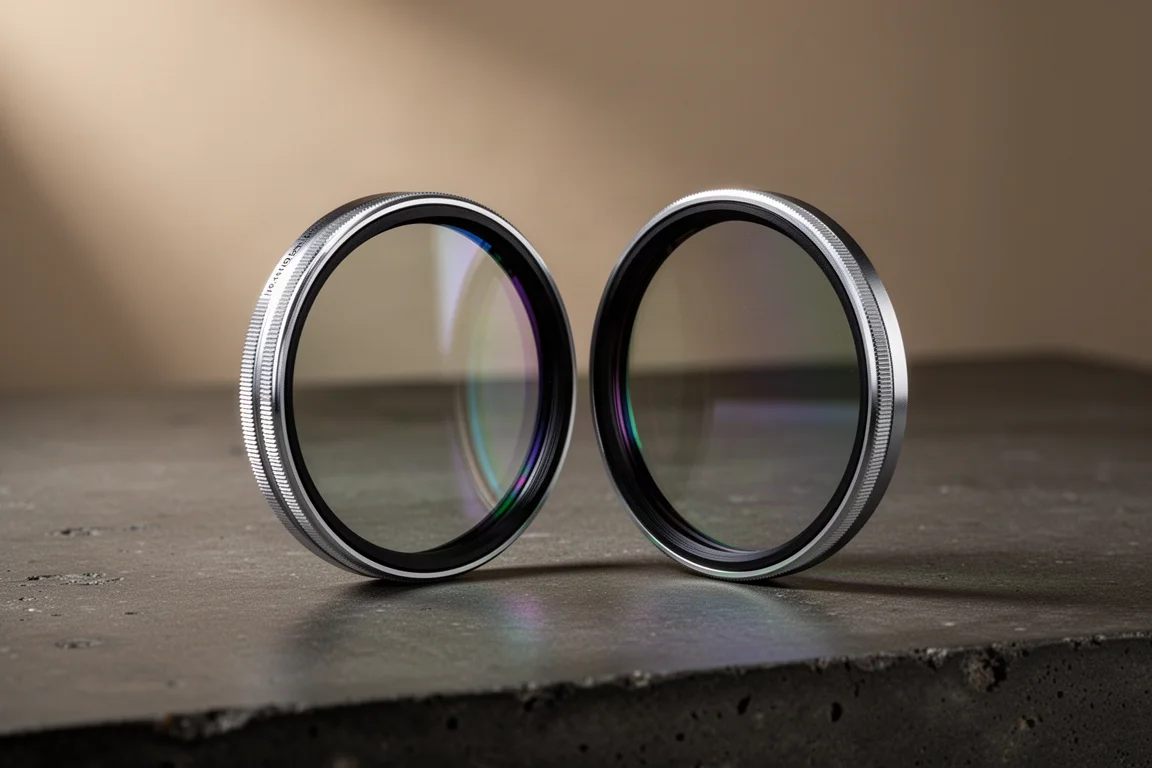
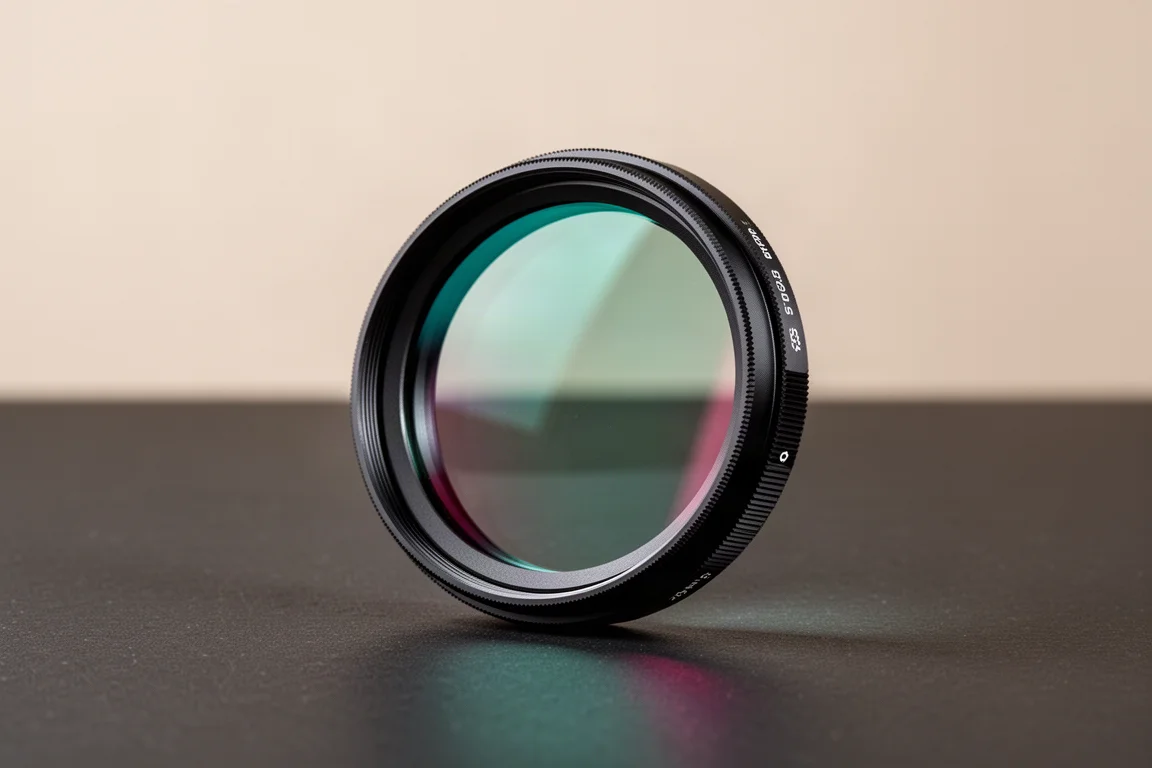
Optolong’s new L-Synergy is a dual narrowband filter aimed squarely at one shot color camera users who have been jealous of monochrome imagers and their Hubble palette images. It is a 2 inch, 7 nanometer dual band S2/O3 filter designed to pair with the L-eXtreme, and together the two filters let you build a true SHO image from a color camera without faking any of your data.
Having spent time with both filters on the Bubble Nebula, we can say this combination delivers on that promise in a way that genuinely changes what color camera astrophotography can look like.
What the L-Synergy Actually Is
The L-Synergy isolates two emission lines: sulfur 2 at 672.4 nanometers and oxygen 3 at 500.7 nanometers, each at 7 nanometers bandwidth. It uses the hobby standard 2 inch M48 filter threads, so it works with nearly any filter drawer, focal reducer, field flattener, or coma corrector designed for 2 inch filters.
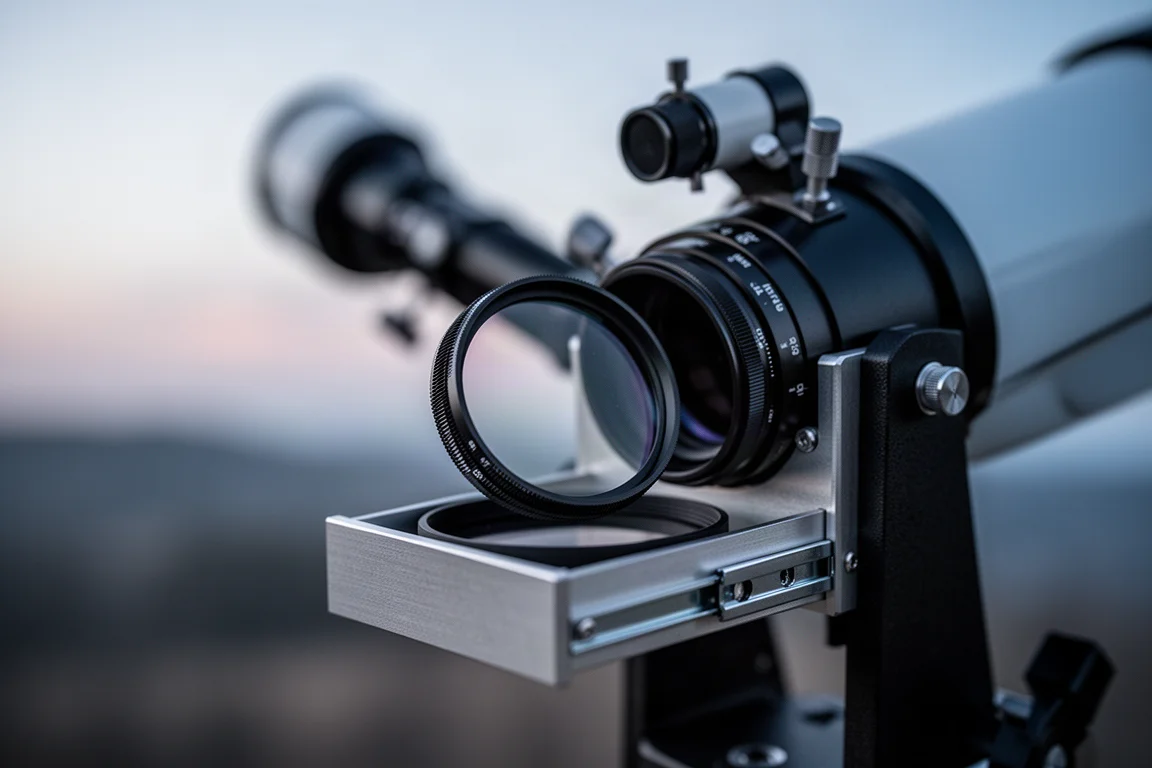
Optolong sells it either as a bundle with the L-eXtreme or separately, which makes sense for anyone who already owns one of Optolong’s dual narrowband filters. Worth noting as well: alongside the L-Synergy release, the L-eXtreme itself received an upgrade with further halo reduction, and that improvement applies both to the bundled version and to units sold separately going forward.
How the Two Filters Work Together
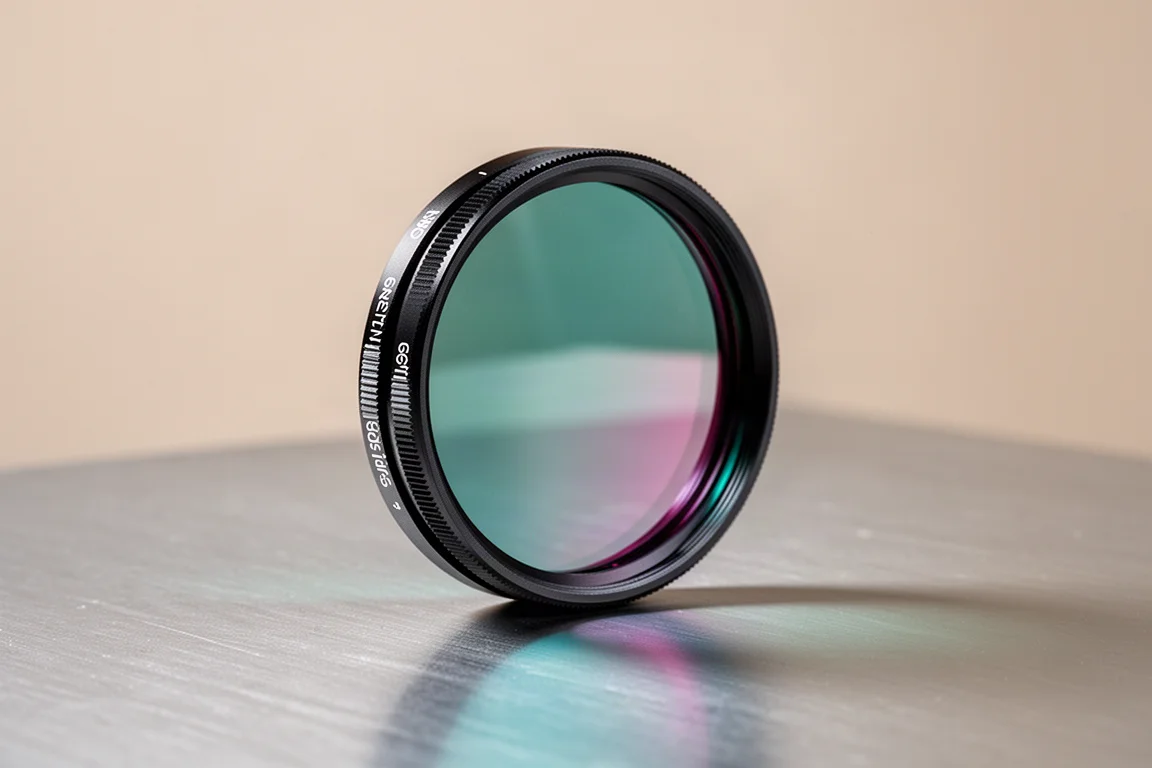
Here is the problem the L-Synergy solves. Dual band filters like the L-eXtreme are excellent for red and blue HOO-style images, but building an SHO image from one alone is awkward. The hydrogen alpha signal tends to overpower the weaker oxygen 3 signal, and there is simply no sulfur 2 data in an Ha/O3 filter. The usual workaround involves splitting RGB channels in post and manufacturing faux S2 data, which is inconvenient and not really honest SHO imaging.
The L-Synergy changes that entirely. Because it captures real S2 and additional O3, you can combine the data from both filters and map it exactly as a monochrome imager would: S2 to red, Ha from the L-eXtreme to green, and O3 from both filters to blue. The result is a vibrant SHO palette image that is nearly indistinguishable from a monochrome camera workflow.
There is also flexibility for existing Optolong owners. Optolong states that the 3 nanometer L-Ultimate and the 12 nanometer L-Enhance can work in place of the L-eXtreme if you already own one of those dual band filters.
Real-World Results on the Bubble Nebula
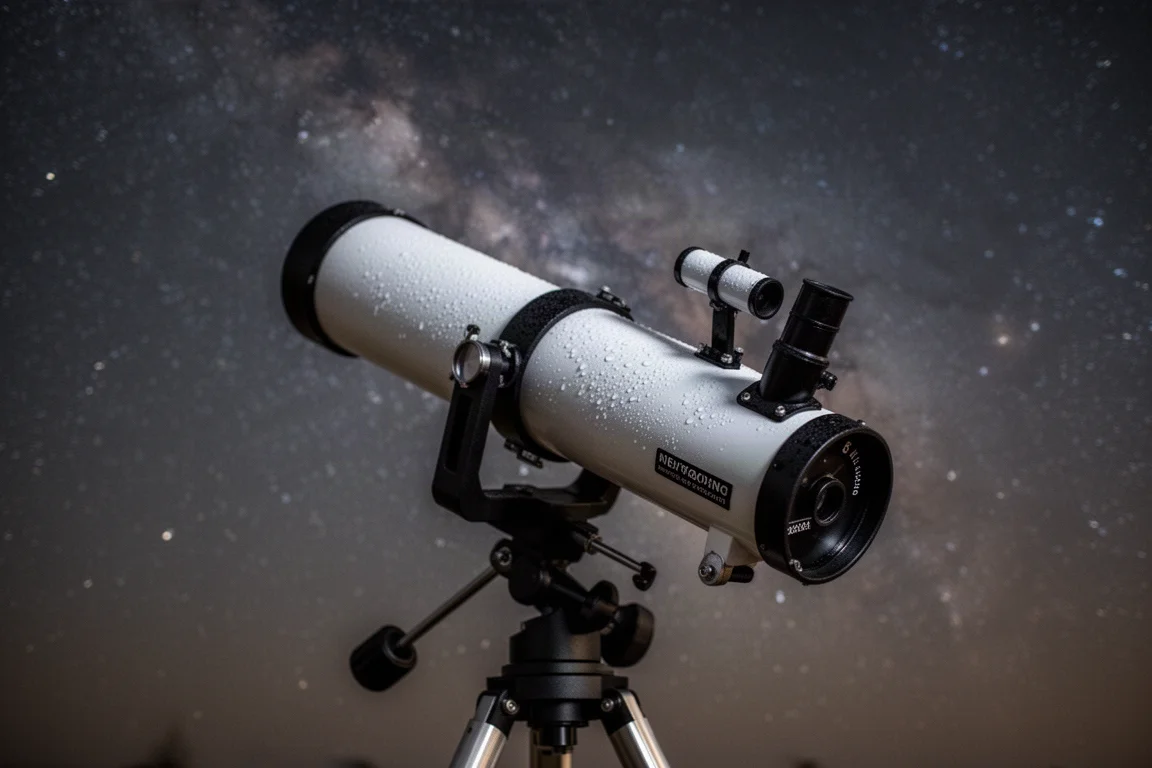
To put the pairing to the test, two setups imaged the Bubble Nebula, a target about 7,100 light-years away whose round shell is carved by the winds of a massive star. One setup used an 8 inch CarbonStar imaging newtonian with a 585MC Pro camera and the L-eXtreme, collecting 4 hours of data with impressively sharp hydrogen alpha signal around the bubble. The other used an Askar 103 APO with a 2600MC Air camera and the L-Synergy, gathering 13 hours of data with vibrant blue ionized oxygen in the central bubble and strong sulfur 2 detail in the surrounding regions.
Signal levels through the L-Synergy exceeded expectations, and the halos test was equally encouraging: images of the bright star Navi in Cassiopeia, shot at f/3.9 through both the upgraded L-eXtreme and the L-Synergy, showed no haloing in single 5-minute exposures.
Processing the Combined Data
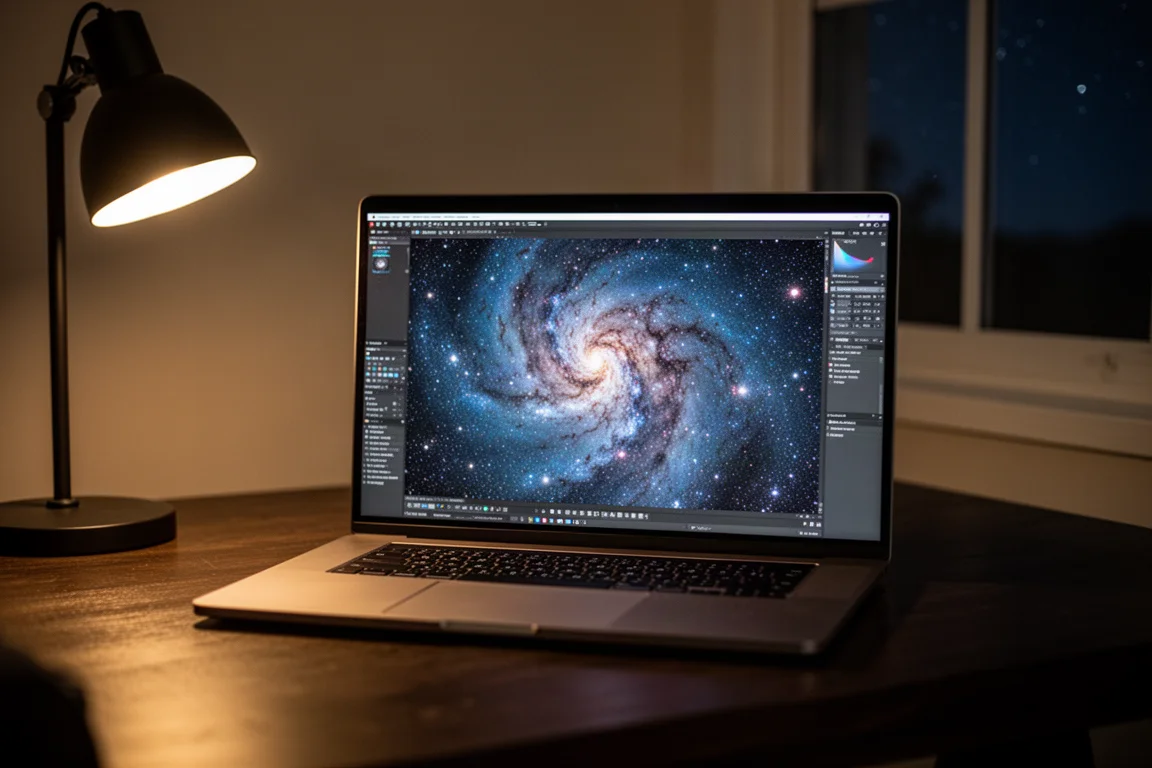
The workflow in PixInsight is straightforward once you understand the channel mapping. From each filter’s data you create a starless image, extract the RGB channels, and rename the relevant ones: the red channel of the S2/O3 data becomes your S2 master, the red channel of the Ha/O3 data becomes your Ha master, and an O3 master comes from averaging the green and blue channels. An LRGB combination then maps S2 to red, Ha to green, and O3 to blue, producing an SHO image with rich oranges from sulfur alongside the greens and blues of hydrogen and oxygen, just as you would expect from a monochrome system.
Who Should Consider the L-Synergy
For color camera astrophotographers, filters like this genuinely change the game. Color cameras are convenient and have their place, but dual band filtering alone never quite produced the results many imagers wanted. The L-Synergy makes post-processing simpler and opens up those striking Hubble palette images that were previously the territory of monochrome shooters.
If you shoot faint targets, targets with weak O3 emission, or you simply want a genuine SHO workflow without buying a monochrome camera and filter wheel, this pairing deserves serious consideration.
Conclusion
The Optolong L-Synergy is one of the more meaningful upgrades one shot color astrophotography has seen. Paired with the improved L-eXtreme, it delivers real S2, Ha, and O3 data that combines into a convincing Hubble palette image, and the halo reduction on the refreshed L-eXtreme makes the bundle more attractive still. For anyone shooting deep sky with a color camera who has felt limited by dual band filters alone, this is a very easy recommendation.
Further reading
Related Reviews
Astrophotography
ASKAR FRA400C Review: A Versatile 400mm Refractor for Astrophotography and More
The ASKAR FRA400C is a compact 72mm refractor that balances reach, versatility, and portability for astrophotographers and visual observers.
Astrophotography
Askar SQA106 Review: A Premium 106mm Astrograph With Exceptional Optics
The Askar SQA106 is a premium 106mm quintuplet astrograph with impressive sharpness across full-frame sensors, though its price and weight demand careful consideration.
Astrophotography
Astro Imaging Gear 2026: Eight New Products Worth Watching
A look at the most interesting new astrophotography and astronomy products announced this year, from fast telescopes to smart cameras and wireless accessories.