Astrophotography
Optolong L-Quad Review: A Flexible Light Pollution Filter for One-Shot Color Cameras
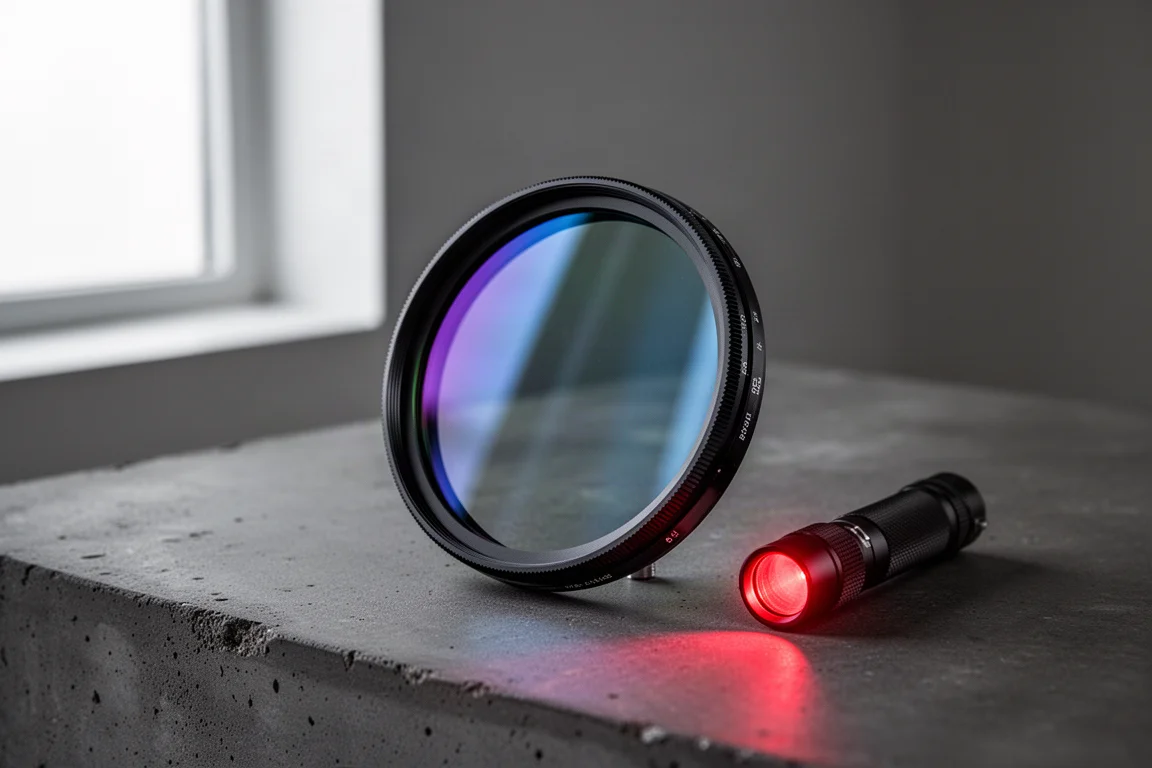
The Optolong L-Quad broadband filter cuts city sky glow while keeping natural color balance for nebulae, galaxies, clusters, and wide-field Milky Way shots.
Introduction
Imaging from a backyard near a city means fighting the sky itself. Street lights, sodium and mercury lamps, and natural sky glow brighten the background and wash out faint detail. The Optolong L-Quad is a broadband light pollution filter built specifically for people shooting with one-shot color cameras under exactly those conditions.
Rather than locking you into narrowband-only imaging, it trims the unwanted wavelengths that cause sky glow while letting through the light deep sky objects actually emit, keeping your workflow flexible and your colors natural.
What Light Pollution Does to Your Images
If you image near a city, your biggest problem is usually the brightened background that makes faint nebula structure hard to pull out. A filter like the L-Quad addresses this at capture time, cutting the offending wavelengths before they ever reach your sensor.
The payoff is practical: better contrast, improved color saturation, a cleaner background, and a stronger signal to noise ratio in your stacked data.
How the Quad-Bandpass Design Works
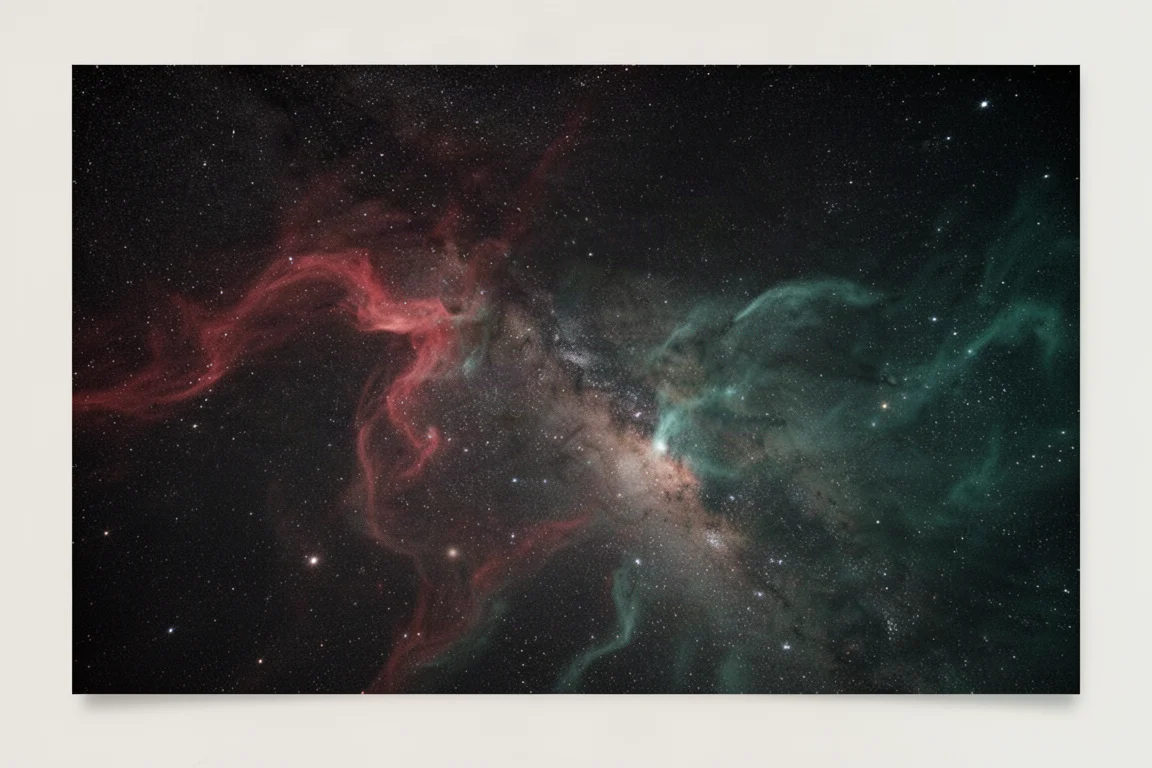
The L-Quad is a quad bandpass broadband filter, which sets it apart from narrowband filters that mainly target emission nebulae. It passes key wavelengths including H beta, O3, H alpha, and S2, but also passes a broader part of the spectrum.
That broader passband means you can use it on a much wider variety of targets: nebulae, galaxies, star clusters, reflection nebulae, and even wide-field Milky Way shots. It also includes near infrared cutoff up to 1,000 nanometers, which helps reduce IR noise and keeps images looking cleaner.
For one-shot color cameras, this makes it a genuinely versatile all-around light pollution filter rather than a specialist tool for a single target type.
Compatibility and Fit
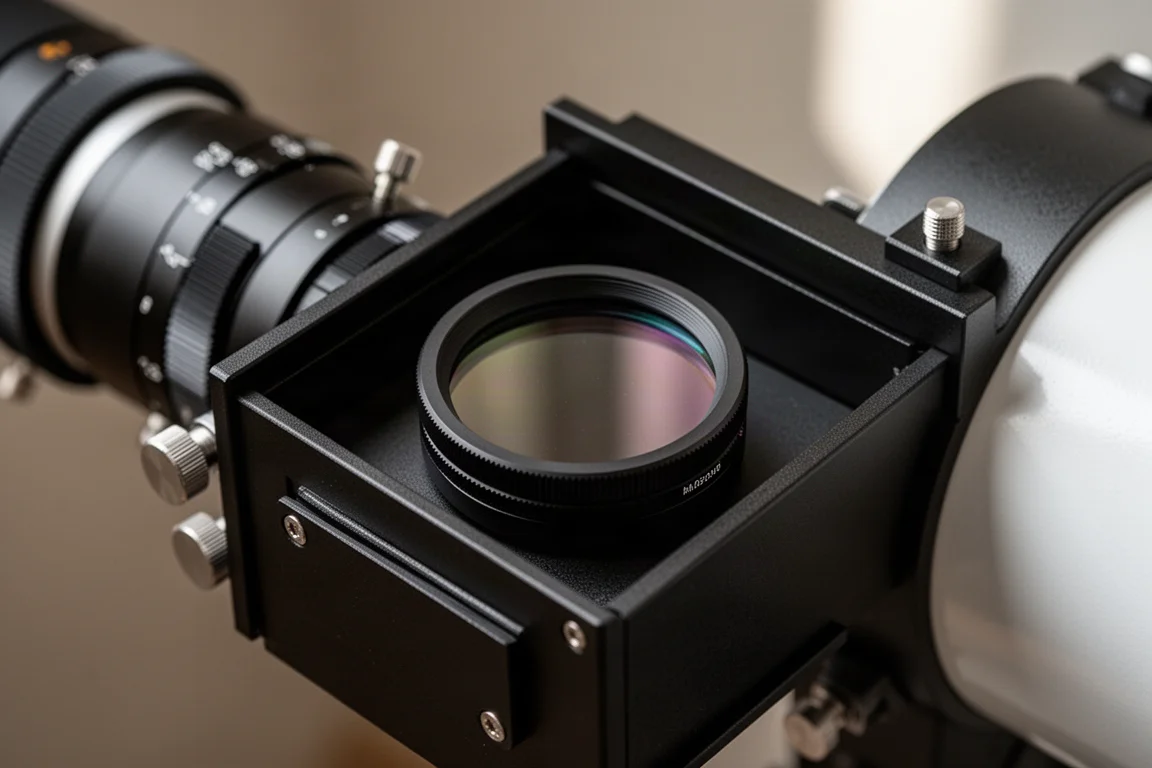
This version is a 2-inch mounted filter with a standard M48 thread, so it fits many common imaging trains, filter drawers, and filter wheels. That makes it straightforward to slot into an existing setup without adapters or reconfiguration.
Who the L-Quad Is Best For
Optolong recommends the L-Quad for Bortle 1 through 7 skies, covering everything from genuinely dark sites to moderately light-polluted suburbs. The filter suits imagers who want a more natural color balance, better contrast, and a more flexible, less harsh alternative to narrowband alone.
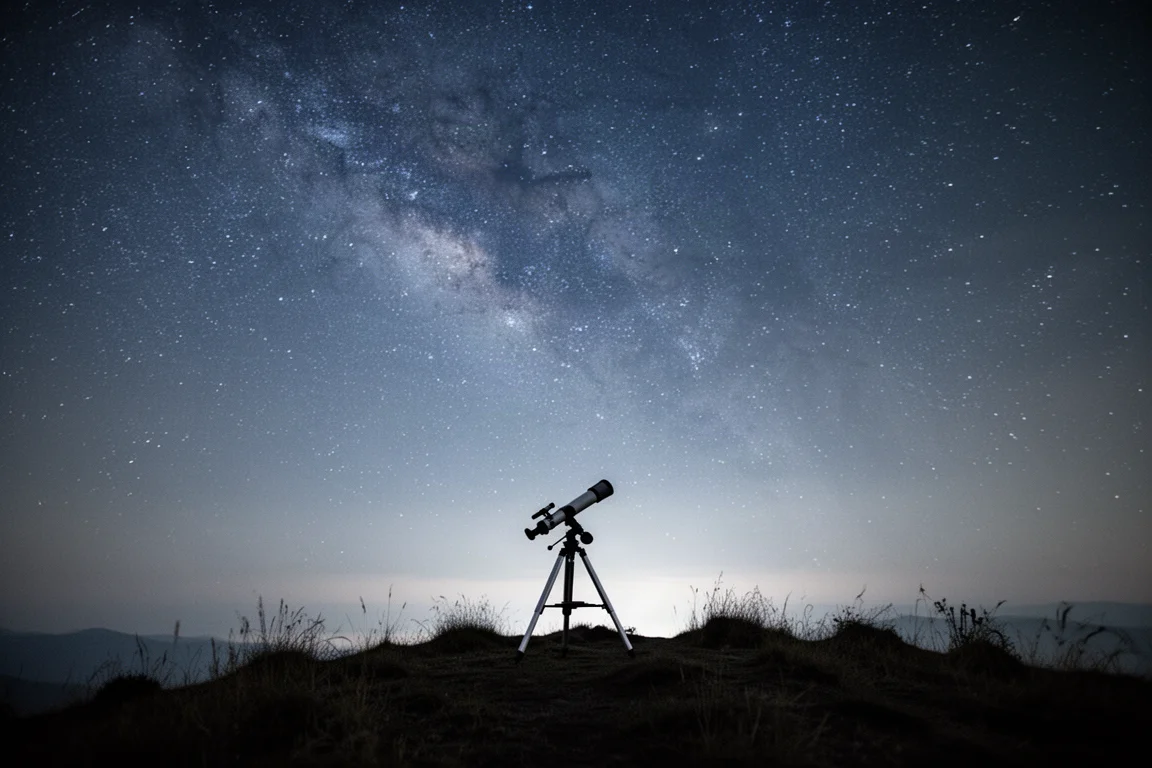
If you shoot from extremely heavy light pollution, such as Bortle 8 or 9 skies, a stronger narrowband filter like the L-Extreme or L-Ultimate is likely the better choice. Comparing example images from a Bortle 7 sky with and without the filter shows the difference clearly: a noticeably darker, cleaner background with the L-Quad in place.
Buying Advice
Choose the L-Quad if you use a one-shot color camera and want a single filter that works across a broad range of deep sky targets. Reserve narrowband options for extreme sky conditions or when you exclusively shoot emission nebulae.
Conclusion
The Optolong L-Quad stands out as a flexible broadband light pollution filter for color camera imaging, cutting sky glow while preserving natural color and signal quality across nebulae, galaxies, clusters, and wide-field work. For Bortle 1 to 7 skies, it is a well-rounded addition to an imaging kit.
Product link
View more details for Optolong L-Quad
This product is mentioned in the review. Check the specifications, options, and compatibility before buying.
View more details for Optolong L-QuadFurther reading
Related Reviews
Astrophotography
ASKAR FRA400C Review: A Versatile 400mm Refractor for Astrophotography and More
The ASKAR FRA400C is a compact 72mm refractor that balances reach, versatility, and portability for astrophotographers and visual observers.
Astrophotography
Askar SQA106 Review: A Premium 106mm Astrograph With Exceptional Optics
The Askar SQA106 is a premium 106mm quintuplet astrograph with impressive sharpness across full-frame sensors, though its price and weight demand careful consideration.
Astrophotography
Astro Imaging Gear 2026: Eight New Products Worth Watching
A look at the most interesting new astrophotography and astronomy products announced this year, from fast telescopes to smart cameras and wireless accessories.