Astrophotography
Optolong L-Para Filter Review: A Dual Narrowband Filter Built for Fast Optics
A 10nm dual narrowband astrophotography filter rated for focal ratios from F/2 up to F/15, with strong contrast and reduced star halos.
Introduction
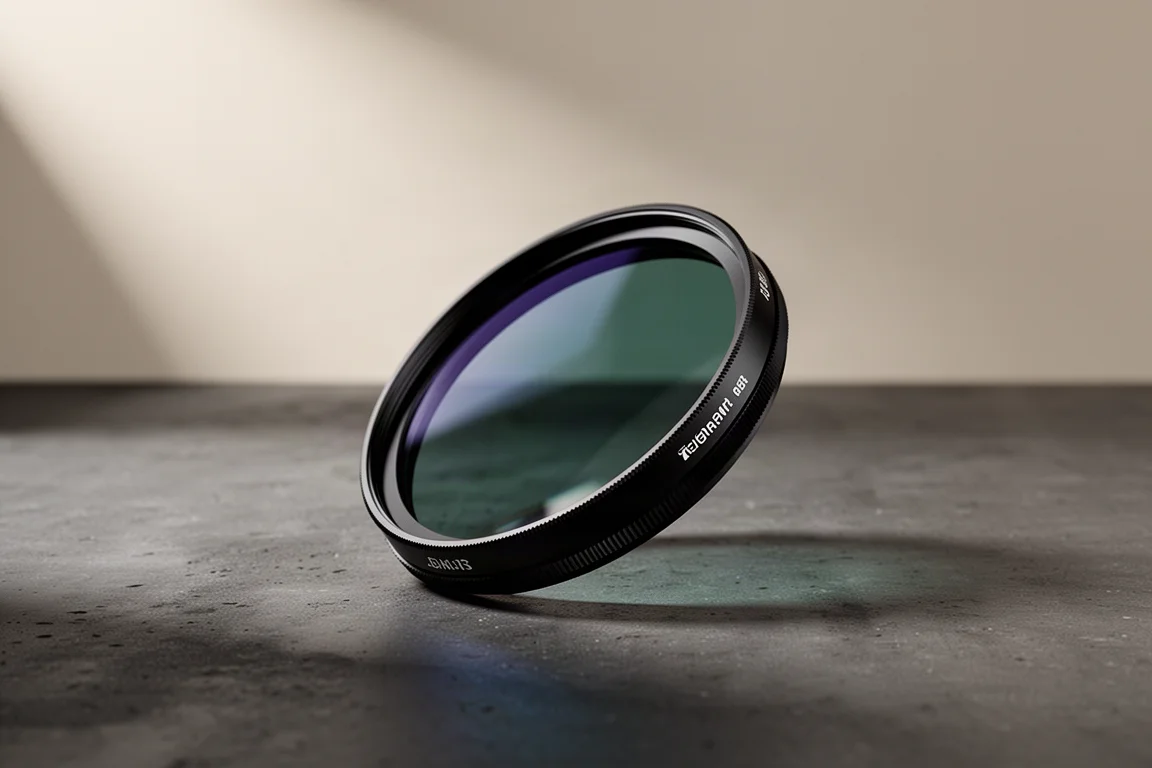
Optolong has built a strong reputation in astrophotography with filters like the L-Enhance, L-Extreme, and L-Ultimate. The newest addition to that lineup is the L-Para, a 10nm dual narrowband filter that aims to fill a gap the older filters left open. After extended hands-on testing with real imaging results, it is a filter worth taking seriously.
What the L-Para Is Designed to Do
The L-Para is a dual narrowband filter targeting hydrogen alpha and OIII emission lines, with a 10nm bandpass and an 85% transmission rate. Optolong designed it to work with imaging systems down to a focal ratio of F/2, which sets it apart from ultra narrow 3nm filters like the L-Ultimate, where around F/4 is about as fast as you can go.
It blocks light pollution from sodium and mercury lamps and delivers contrast similar to the L-Extreme. That makes it relevant for anyone shooting emission nebulae from light-polluted locations without giving up the option of faster optics.
Using the L-Para in Your Imaging Train
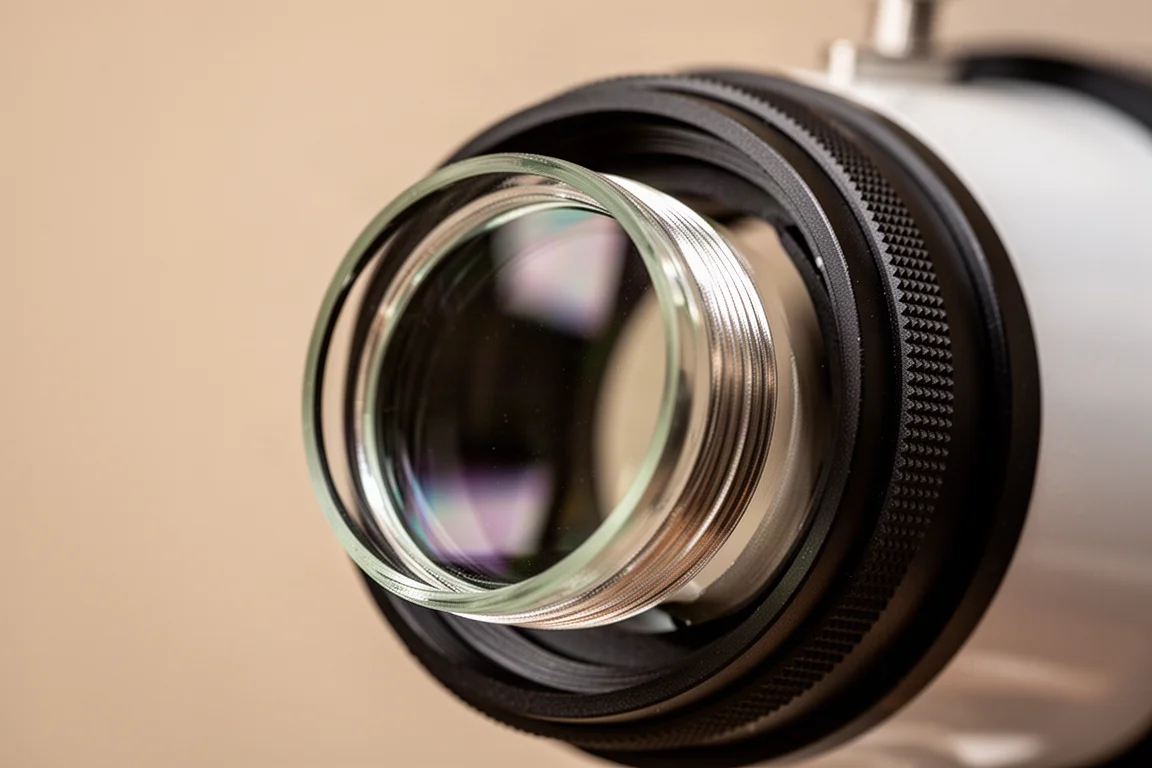
The filter comes in a standard 2 inch (48mm) casing and fits standard 2 inch filter wheels and filter drawers. It also threads into reducers, coma correctors, and field flatteners with M48 filter threads.
In testing, it threaded directly into a dedicated 0.8x reducer with 2 inch filter threads on an Apertura 90 APO refractor, seating perfectly and ready for imaging. The rating covers focal ratios from F/2 up to F/15 or slower, so it spans a very wide range of setups.
First Night Results: The Jellyfish Nebula
On the first night out, just one hour of integration time captured an impressive amount of nebulosity, with vibrant colors and fine detail in the Jellyfish Nebula. For a single hour from a first session, the amount of data collected stands out.
Encouraged by that result, a follow-up session pushed the total to six hours of exposure on the same target. The filter revealed an extraordinary amount of OIII emission data, with rich, natural, and beautifully balanced colors bringing out the nebula’s intricate structure with real clarity.

How It Handles Bright Star Halos
Haloing around bright stars is a common frustration with narrowband filters, and it was tested deliberately. The bright star Propus, which sits below the Jellyfish Nebula, was used as a test case.
Where other common narrowband filters can create harsh, distracting halos, the L-Para produced a soft, gentle glow instead. For images that include bright stars in the field, that difference alone is a meaningful advantage.
Buying Advice
If you shoot emission nebulae and want a single dual narrowband filter that covers everything from fast F/2 systems to slower refractors at F/15, the L-Para is an easy recommendation based on the tested results. It offers L-Extreme-level contrast, strong light pollution rejection, and noticeably better control of halos around bright stars. If you already own an L-Extreme or L-Ultimate and shoot exclusively at F/4 or slower, an upgrade is less urgent, but the halo control and fast-optic compatibility give the L-Para a clear identity of its own.
Conclusion
The Optolong L-Para delivers impressive results: strong contrast, rich and natural color, excellent OIII data, and remarkably clean rendering of bright stars. For astrophotographers wanting one dual narrowband filter that works across a wide range of focal ratios, it earns a place at the top of the shortlist.
Product link
View more details for Optolong L-Para
This product is mentioned in the review. Check the specifications, options, and compatibility before buying.
View more details for Optolong L-ParaFurther reading
Related Reviews
Astrophotography
ASKAR FRA400C Review: A Versatile 400mm Refractor for Astrophotography and More
The ASKAR FRA400C is a compact 72mm refractor that balances reach, versatility, and portability for astrophotographers and visual observers.
Astrophotography
Askar SQA106 Review: A Premium 106mm Astrograph With Exceptional Optics
The Askar SQA106 is a premium 106mm quintuplet astrograph with impressive sharpness across full-frame sensors, though its price and weight demand careful consideration.
Astrophotography
Astro Imaging Gear 2026: Eight New Products Worth Watching
A look at the most interesting new astrophotography and astronomy products announced this year, from fast telescopes to smart cameras and wireless accessories.