Cycling Maintenance
Optimize Graphene Wax and Graphite Wax: Is Hot Wax Worth the Extra Time?
A practical look at Optimize Graphene Wax and Optimize Graphite Wax, how hot waxing works, and what you gain in durability and efficiency.
Introduction
Chain lubricant is one of those subjects where almost every rider has a habit and very few have a system. Your chain is the hardest working mechanical component on the bike. It sits in the weather, it carries the power you put through the pedals all the way to the rear wheel, and it is easy to ignore until it looks like it has been left outside.
Wax has moved from a niche experiment to a normal sight in elite racing, and the argument for it is straightforward: lower friction and far longer intervals between applications. The question is whether that trade is worth the extra time at the workbench.
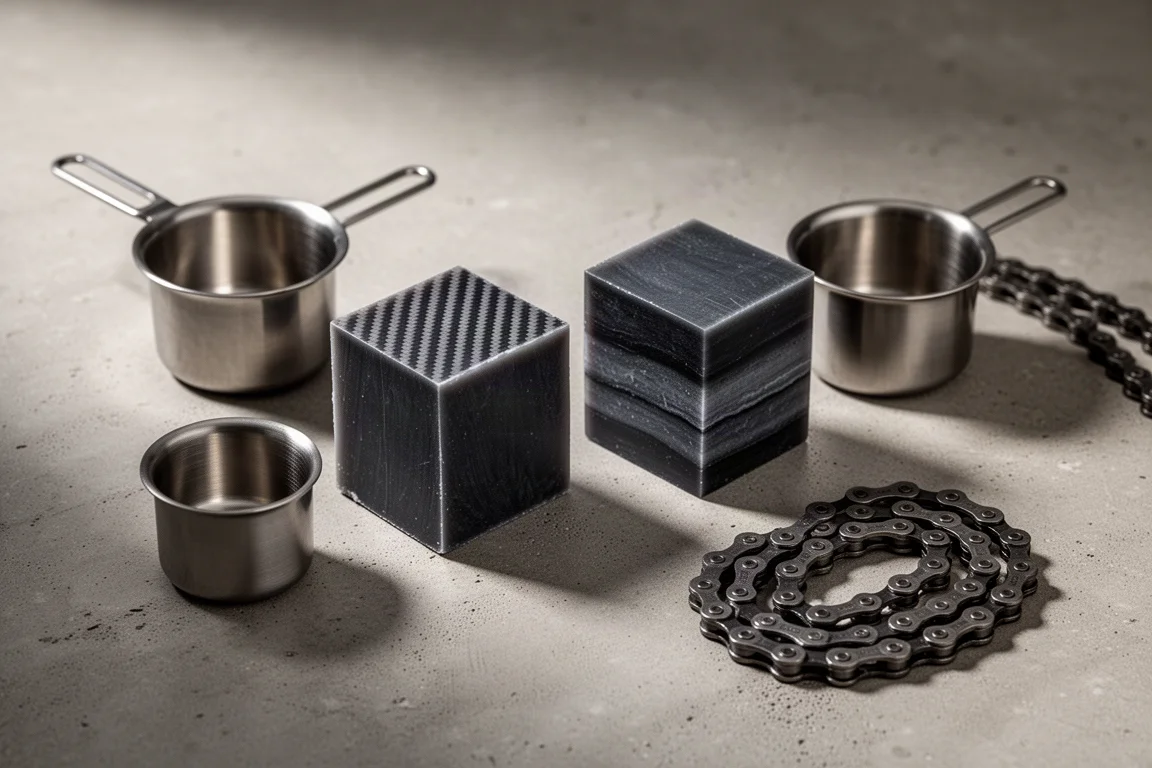
Optimize specialises in wax lubricants, and the two formulations here sit at the top of that range: Optimize Graphene Wax and Optimize Graphite Wax. Both are hot wax products designed to be melted and used as an immersion treatment. This guide covers what each one is, how the process works, and who should consider it.
What Wax Actually Changes
The first difference is contamination. Dirt and debris do not stick to a waxed chain the way they cling to an oiled one, so the chain stays cleaner for longer. A cleaner chain runs with less friction, and the rest of the drivetrain wears more slowly as a result.
The second difference is durability. A standard chain lubricant typically needs reapplying around every 200 km, while a waxed chain can go somewhere between 800 and 1,000 km before it needs attention. For anyone riding long weeks, that changes the maintenance rhythm rather than just the numbers.
The efficiency gain itself is small in absolute terms. Testing on a pedal efficiency rig showed just over two watts of difference between a used wax chain and a used chain running an ordinary lubricant. That is a marginal gain, and the gap tends to widen as both chains accumulate distance and one of them picks up more grit than the other.
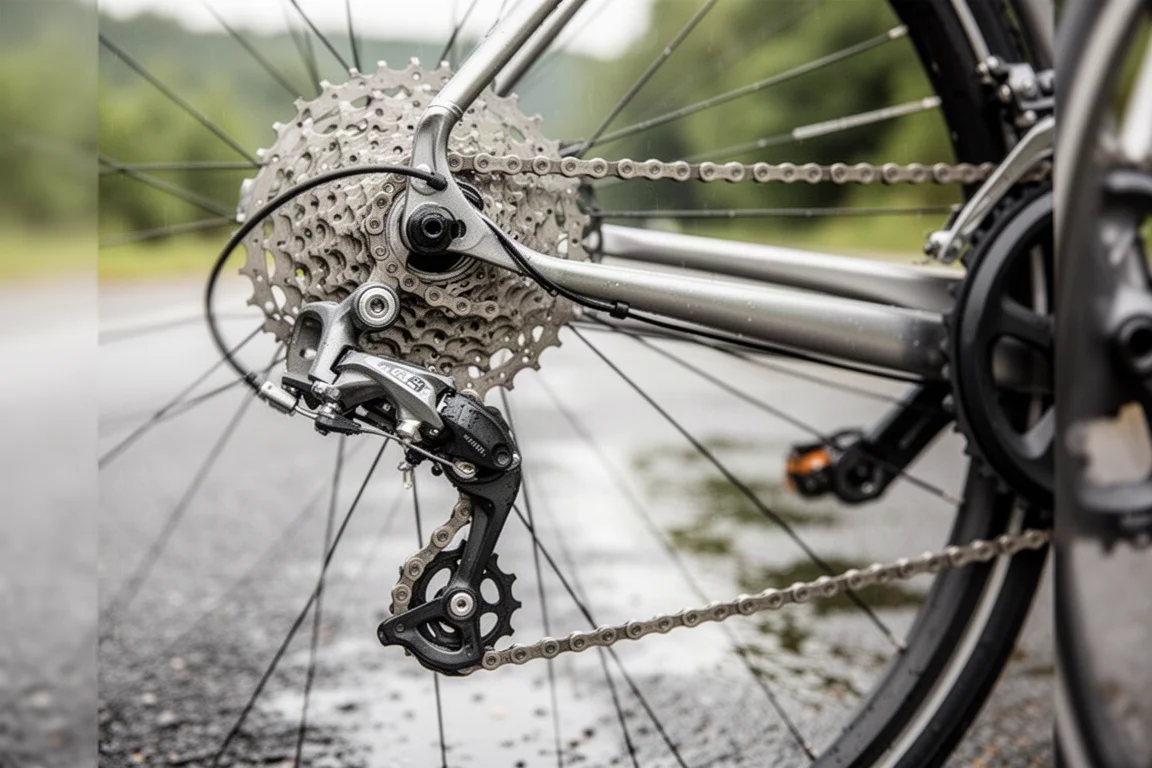
You can feel the difference off the bike as well. A waxed chain looks clean and articulates smoothly link by link, while a chain that has been running on a conventional lubricant feels coarser and carries visible road debris. That contrast is not a laboratory measurement, but it is a useful indicator of what is happening inside the drivetrain.
How the Hot Wax Process Works
Hot waxing is a bench job, and the first attempt takes patience. Start by removing the chain from the bike and giving it a pre-clean. From there you have two options: seal the chain in a jar with degreaser and shake it, refreshing the degreaser and brushing the links as you go, or use an ultrasonic cleaner filled with water and roughly 10 percent degreaser. Repeat the cleaning at least twice with fresh degreaser until the liquid stays relatively clear.
While the chain dries, clean the cassette and the chainrings with a degreaser-soaked cloth so the freshly treated chain goes back onto clean surfaces. Let the chain air dry fully, then rinse it with water so the wax can adhere properly.
For the waxing itself, melt the wax in a small pot until it is completely liquid, then thread the chain onto a wire so it is easy to lift out later. Place the chain in the pot at 90 degrees Celsius and let the chain and wax reach the same temperature, then turn off the heat after two minutes. Leave the chain in the pot and let everything cool to around 60 degrees Celsius, where a thin skin forms on the surface. Lift the chain out while moving it as little as possible, and hang it over the wax bath so it cools gradually. Wait around two hours before breaking the chain, then install it and ride.
One step is easy to miss: the chain should run for at least 50 km before it is considered bedded in. In total the job takes about an hour, and most of that is waiting rather than working.
Optimize Graphene Wax
Optimize Graphene Wax is the fastest formulation in the range. Graphene is, in simple terms, a single-layer platelet of carbon atoms, and that structure makes it very slippery. In practice it is the wax to reach for when the goal is the lowest possible friction rather than the simplest routine.
That focus makes it a natural choice for race days and hard efforts, where the difference between a fresh chain and a tired one is at its most meaningful. It shares the same core benefits as any hot wax: a clean drivetrain and a long interval between treatments.
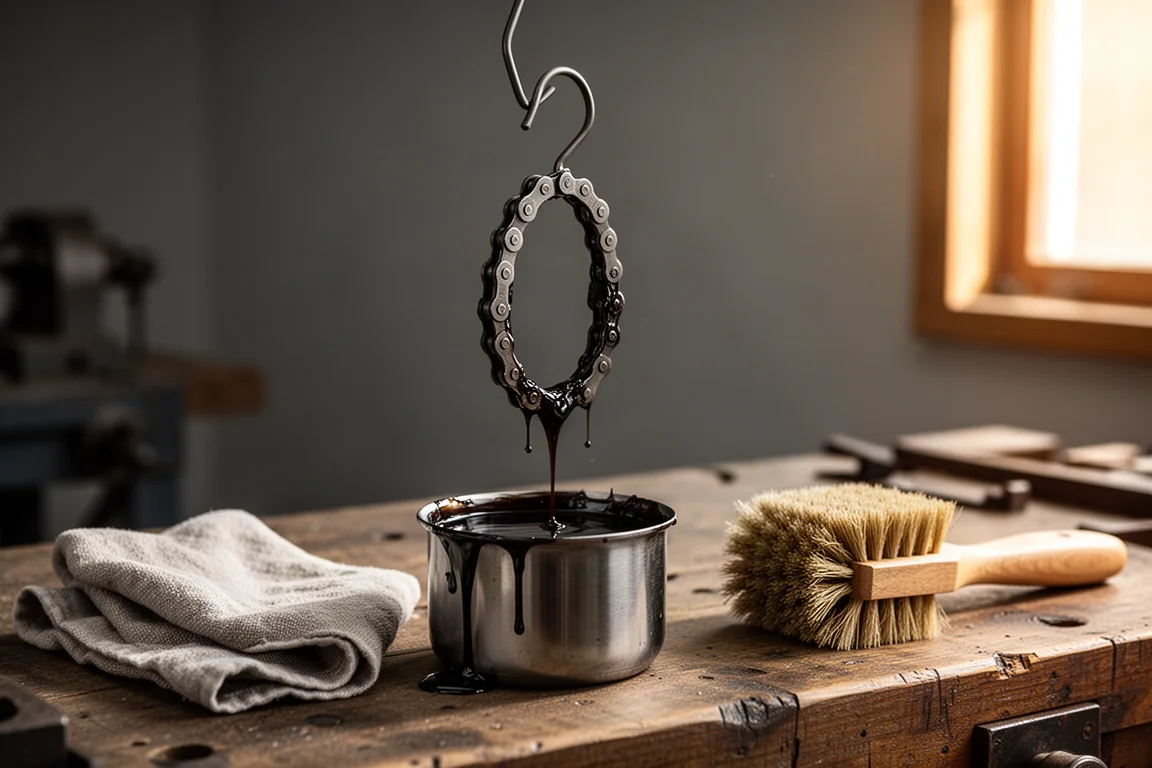
Like any immersion wax, it depends on preparation. The chain has to be genuinely clean before it goes into the pot, and the cooling stage should be left alone rather than rushed. Done properly, the result is a chain that runs quietly and stays that way for a long stretch of riding.
Optimize Graphite Wax
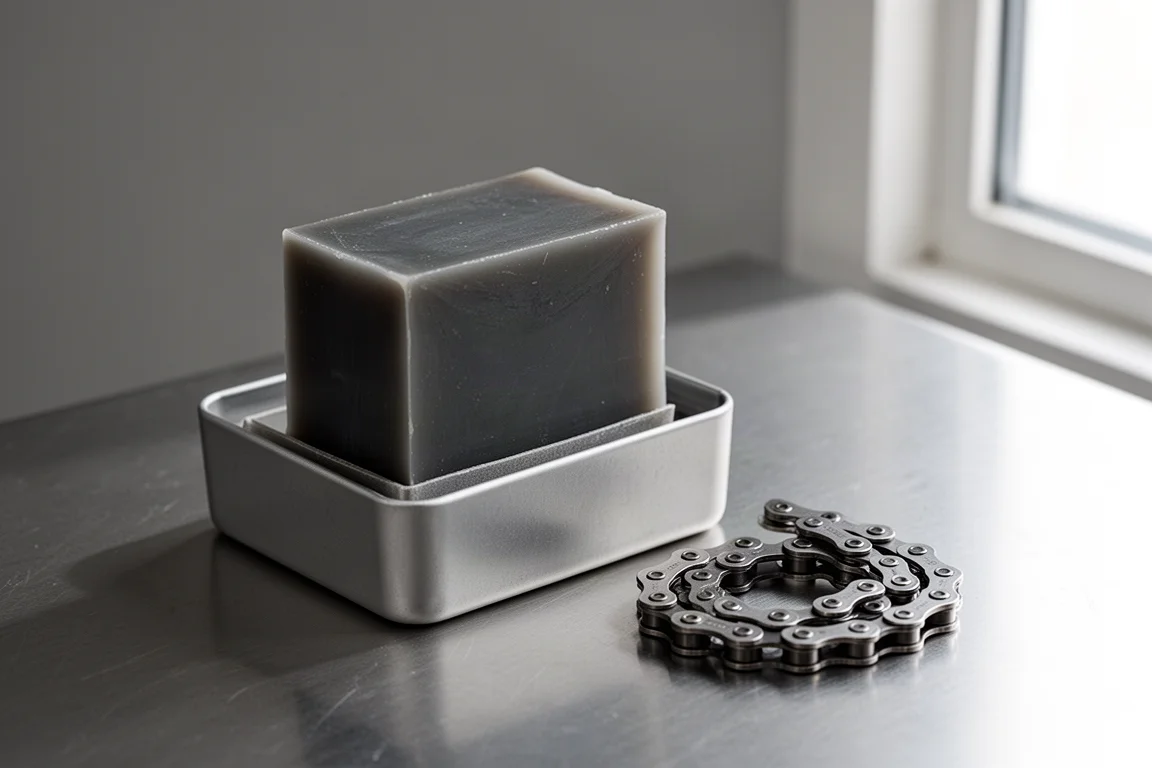
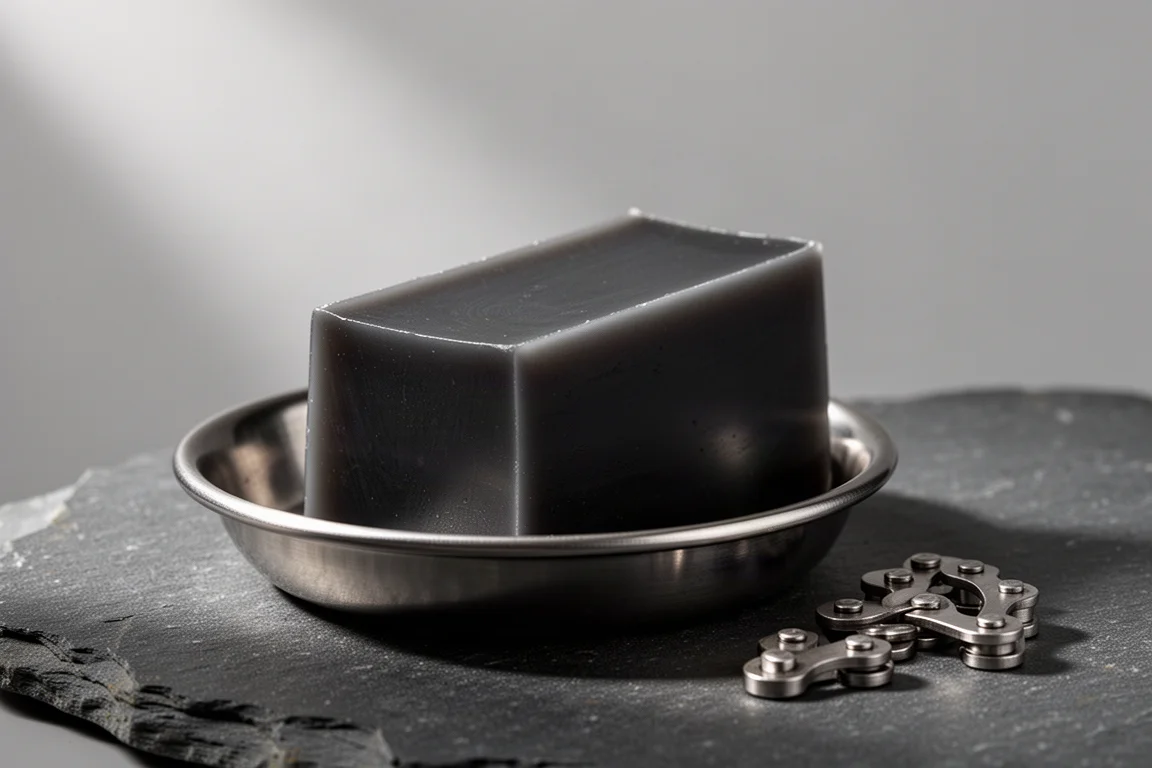
Optimize Graphite Wax takes a different route to low friction. Graphite consists of several layers of carbon atoms, and those atomic layers slide against each other with very little energy. The result is a wax that delivers the same cleanliness and durability profile with its own friction characteristics.
For most riders, the choice between the two comes down to how you ride rather than any dramatic performance gap. Both are hot wax products, both need the same preparation, and both are designed to be melted and applied as an immersion treatment.
Time, Durability, and Real-World Trade-Offs
The honest trade-off with hot wax is time. A standard drip lubricant takes about a minute to apply, while an immersion wax needs a clean-down, a melt, a cooling period, and a bedding-in ride. That is a real cost, and it is the main reason many riders never make the switch.
What you get in return is interval. Going from roughly 200 km between applications to somewhere between 800 and 1,000 km means far fewer sessions at the workbench over a season, and the chain stays cleaner between them. The two-watt gap measured on the rig is small, but it is a gap that persists rather than disappearing after the first ride.

There is also a learning curve to factor in. The first waxing session is the slowest because the cleaning, the temperature control, and the cooling all have to be done carefully. Once the routine is familiar, the process becomes more predictable, and the chain does not need to be stripped back to bare metal every time.
Matching Wax to the Way You Ride
Hot wax suits riders who cover a lot of distance and are happy to batch their maintenance rather than top up a chain every week. If the goal is efficiency over long rides and a drivetrain that stays clean, the case for it is strong.
If the full immersion process sounds like too much, there are shortcuts. A pre-waxed chain removes the preparation entirely, which is useful before an event. There are also liquid drip wax versions of the graphene and graphite formulations, which apply as quickly as a standard drip lubricant, last around 200 to 300 km, and reduce friction more than a conventional lubricant, though not quite as much as a hot wax treatment.
Riders who value a one-minute routine above all else are probably better served by a conventional lubricant, and that is a perfectly reasonable position. Wax is a marginal gain, and it only makes sense if you are willing to spend the time to collect it.
Buying Advice
Between the two, Optimize Graphene Wax is the pick for anyone who wants the lowest-friction formulation available and is prepared to follow the process properly. Optimize Graphite Wax is the more general-purpose option, using layered carbon to achieve low friction while keeping the same durability and cleanliness benefits.
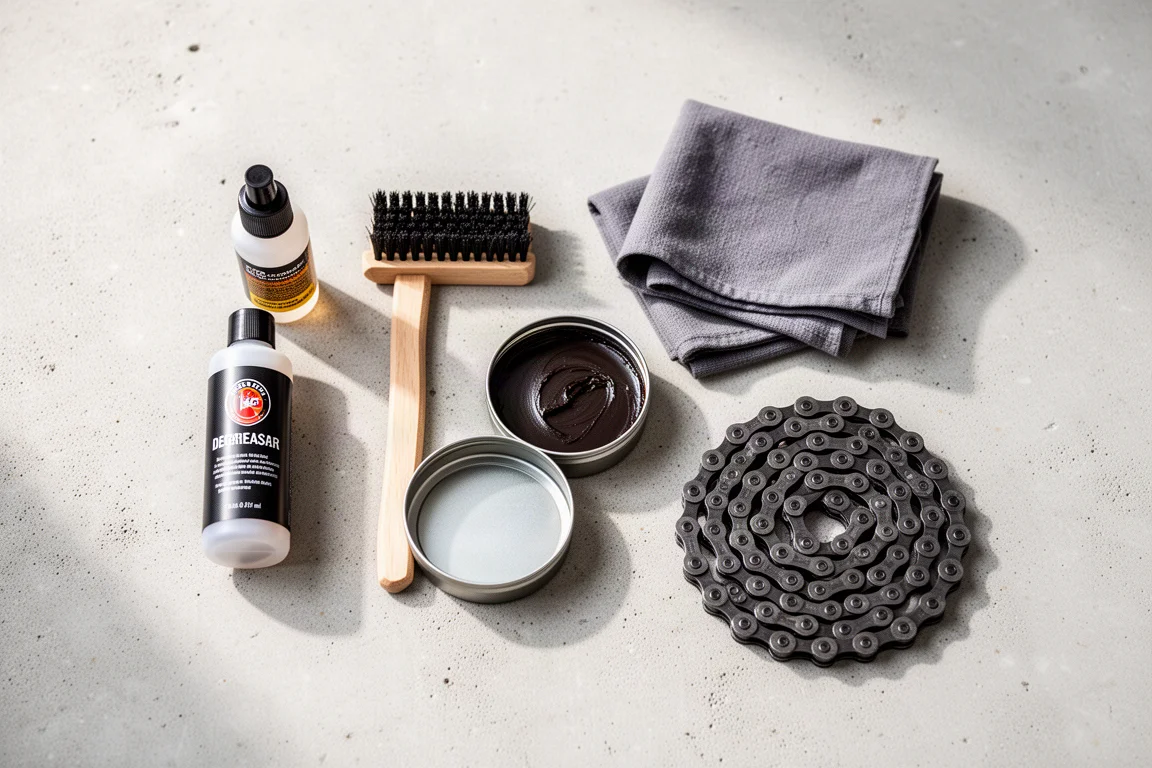
Whichever you choose, budget for the supporting setup rather than just the wax. A dedicated wax cooker makes temperature control much easier, a wire hook simplifies lifting the chain out, and a reliable degreaser is essential for the preparation stage. If you are unsure whether hot wax fits your habits, start with a drip wax version and see how the chain behaves over a few hundred kilometres before committing to the full immersion routine.
Conclusion
Hot wax is not a free upgrade. It asks for an hour of your time, a clean chain, and a willingness to plan ahead. In exchange, it delivers lower friction, a drivetrain that stays clean, and an interval between applications that a conventional lubricant cannot match.
Optimize Graphene Wax and Optimize Graphite Wax both sit at the performance-focused end of that idea, with graphene offering the fastest formulation and graphite offering layered-carbon low friction. If you race, ride long distances, or simply want your chain to hold its efficiency for hundreds of kilometres at a time, either is a sensible place to start. If you would rather spend a minute on your chain than an hour, a standard lubricant remains a perfectly good answer.
Further reading
Related Reviews
Cycling Maintenance
Best Chain Lubes for a Faster, Smoother Drivetrain
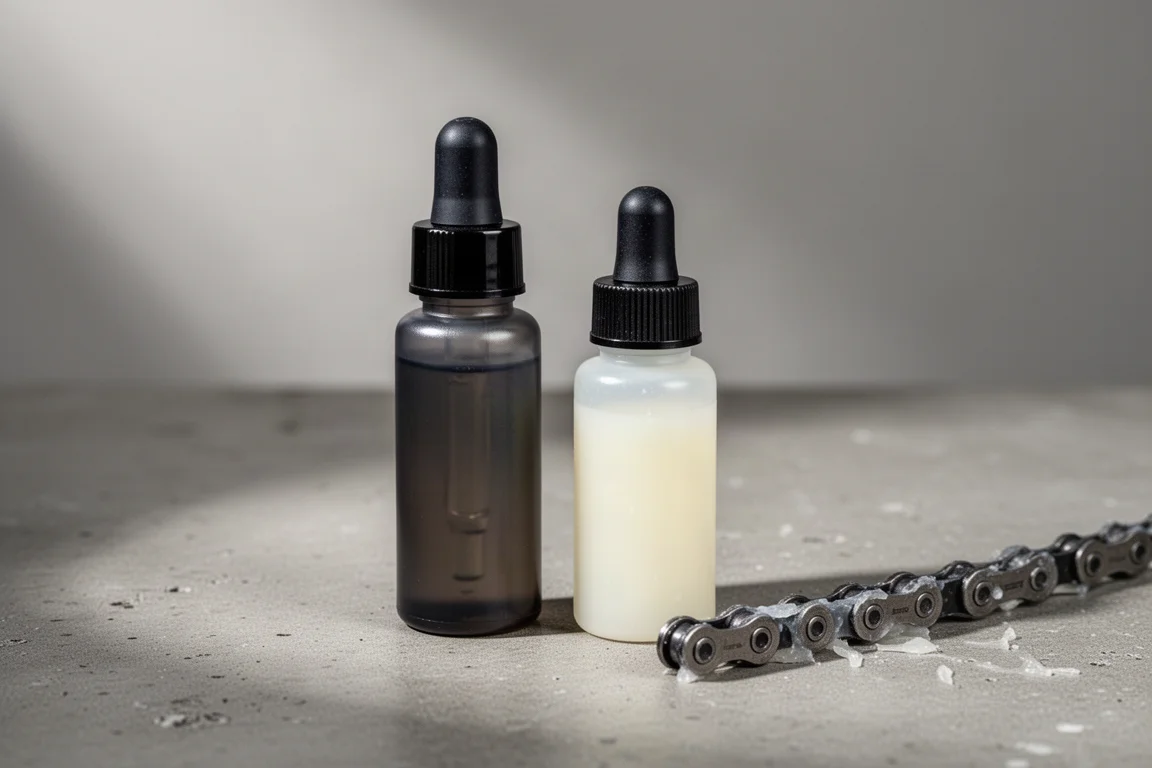
Two bottle-applied wax chain lubes compared on efficiency, cleanliness, maintenance effort, and long-term drivetrain value.

Backpacking Gear
Building a 10 lb Base Weight: An Ultralight Backpacking Gear List
A practical walkthrough of the ultralight pieces behind a 10 lb base weight, from a 765 g pack and a roomy one-person tent to a full camp chair and a dependable water filter.

Road Bikes
10 New Road Bikes Worth Watching: Aero, Titanium, Steel and Endurance Standouts
A practical roundup of 10 new road bikes, from aero flagships chasing single-watt gains to titanium, steel and endurance platforms built for real roads.