Cycling Maintenance
Best Chain Lubes for a Faster, Smoother Drivetrain
Two bottle-applied wax chain lubes compared on efficiency, cleanliness, maintenance effort, and long-term drivetrain value.
Introduction
Chain lubrication is one of the least glamorous parts of bike maintenance, and also one of the most consequential. A clean, correctly lubricated chain runs quieter, shifts more smoothly, and wears more slowly, which matters a great deal when replacement chains and cassettes are expensive.
The starting point is always a clean chain. Whether it is new and still covered in factory grease or carrying old oil from previous applications, it needs to be cleaned and dried before any lubricant goes on. Starting from a clean surface gives the lube a chance to work inside the rollers, which is the only place it is actually needed.
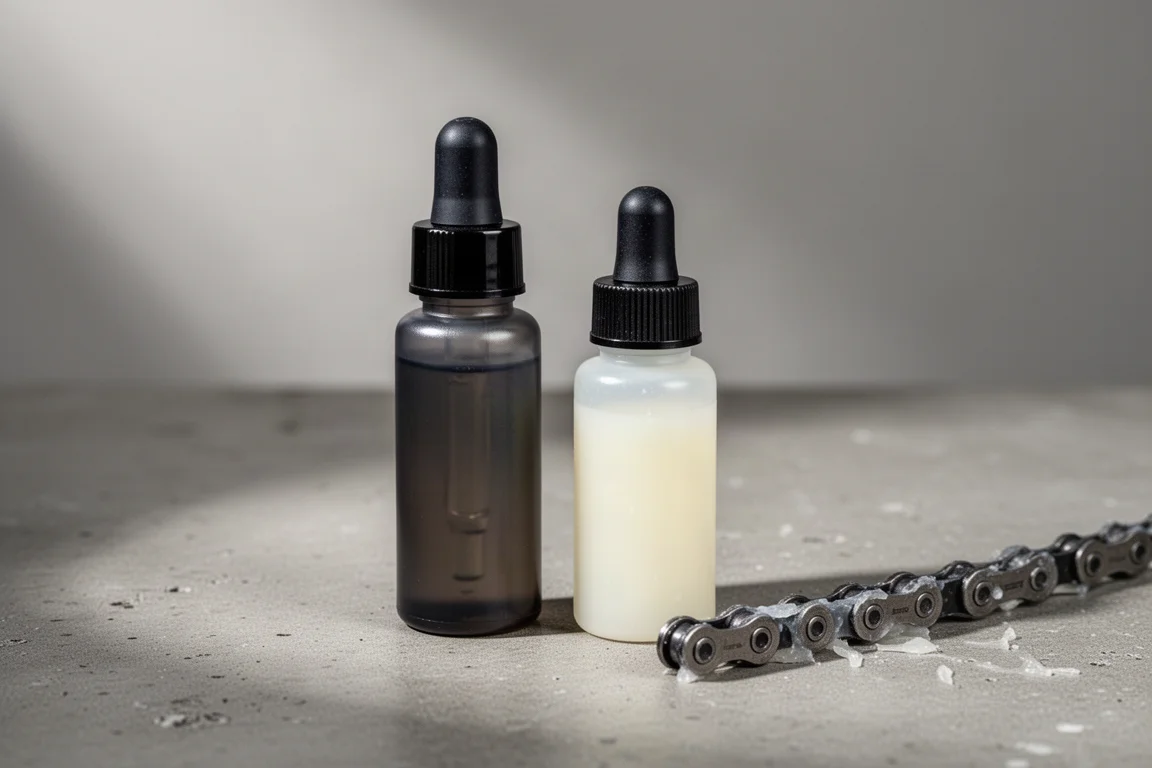
From there, the decision comes down to the type of lube and the conditions you ride in. Two bottle-applied wax lubes stand out for riders who want good drivetrain efficiency and a clean-looking chain without the fuss of removing a chain for hot waxing.
Riders who cover long distances or ride in wet, gritty conditions have different priorities, and matching the lubricant to those priorities is what separates a quiet, efficient drivetrain from a noisy, worn one.
How Chain Lube Types Differ
Lubricants broadly fall into two camps: wet and dry. The names describe the conditions they are built for.
Wet lubes are thick and oil based. They stay put in wet and grimy conditions, resist being washed off by the first puddle, and typically last longer between applications, which makes them suitable for long rides, multi-day trips, bikepacking, and anyone who wants long intervals between top-ups. The trade-off is that they attract dirt and grime, leaving the chain filthy, and that debris can accelerate wear. They also call for more regular cleaning and degreasing to keep the drivetrain in good condition.
Dry lubes, more commonly called wax lubes, leave a waxy film that is not sticky and does not attract dirt. The chain stays visibly clean, and there is no need to degrease on a regular basis: you simply wipe off any buildup and apply more lube over the top. The downside is that they do not last as long as wet lubes in adverse conditions, so riders facing heavy rain, puddles, and mud, or heading out on multi-day trips, may want to carry a small bottle for top-ups.
Water-displacement sprays are designed for shifting water after a wash rather than lubricating a chain, and their spray format risks overspray landing on disc brake calipers and rotors. A dedicated chain lube is the safer choice for the drivetrain itself.
Silca Super Secret Chain Lube: A Wax Drip Formula
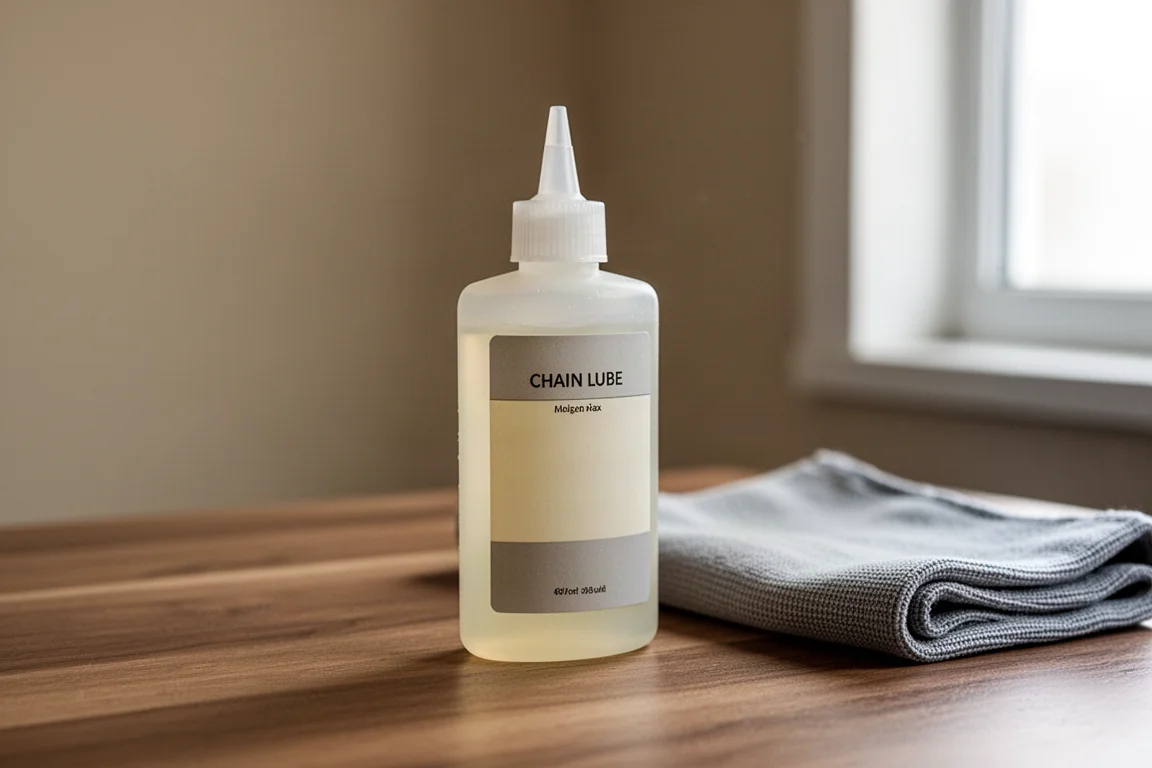
Silca Super Secret Chain Lube is a wax-based formula supplied in a drip bottle, and it applies much like any other bottle lube. The appeal is that it aims to deliver the benefits riders associate with hot waxing, longer chain life and better efficiency, without taking the chain off and dipping it into a pot of melted wax.
The brand claims a 7 watt saving over comparable lubes, and independent testing has shown strong results for both chain longevity and drivetrain efficiency. The company also claims that each bottle can last up to 12,000 miles, while independent testing reported zero percent wear after 1,000 kilometres. Those figures go some way to explaining the high price of a single bottle.
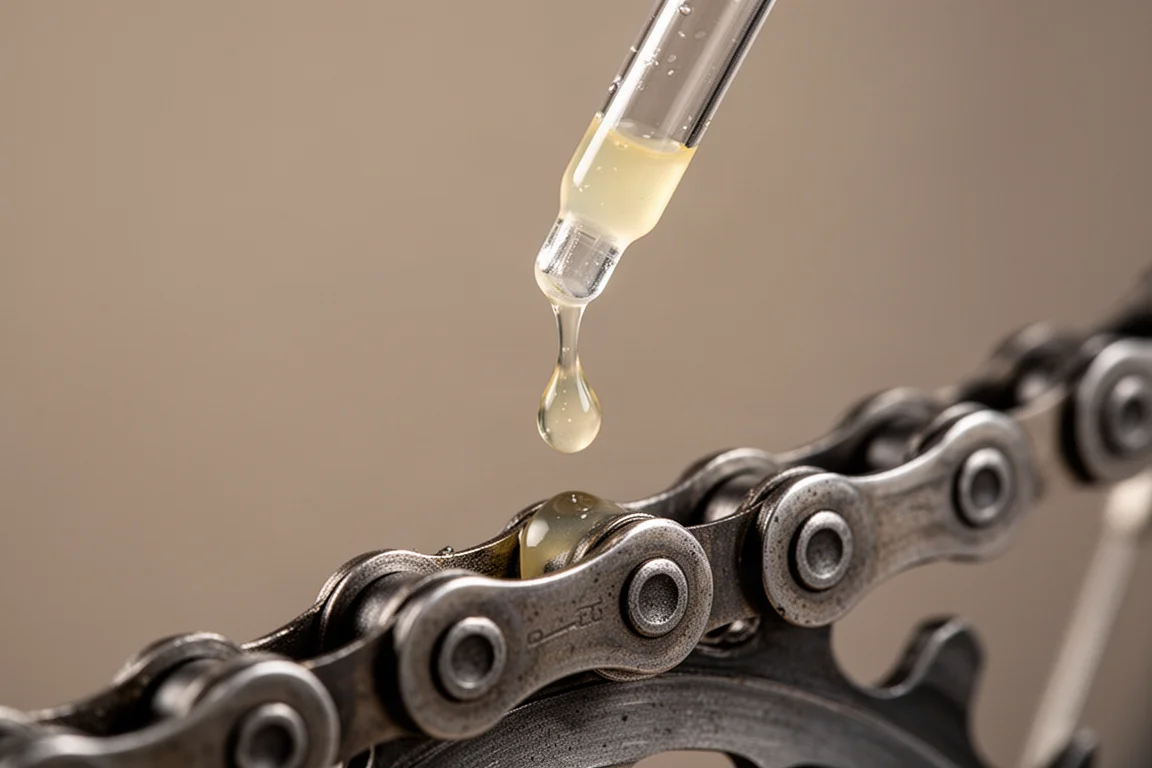
Application is straightforward, but the details matter. Shake the bottle properly before use, apply a small amount to each link, and resist the temptation to over-apply. Wet-style formulas make it very easy to use too much, so a sparing hand and a wipe of the outside of the chain afterwards keep things clean and ready to ride.
Squirt: Low Maintenance Wax Lube
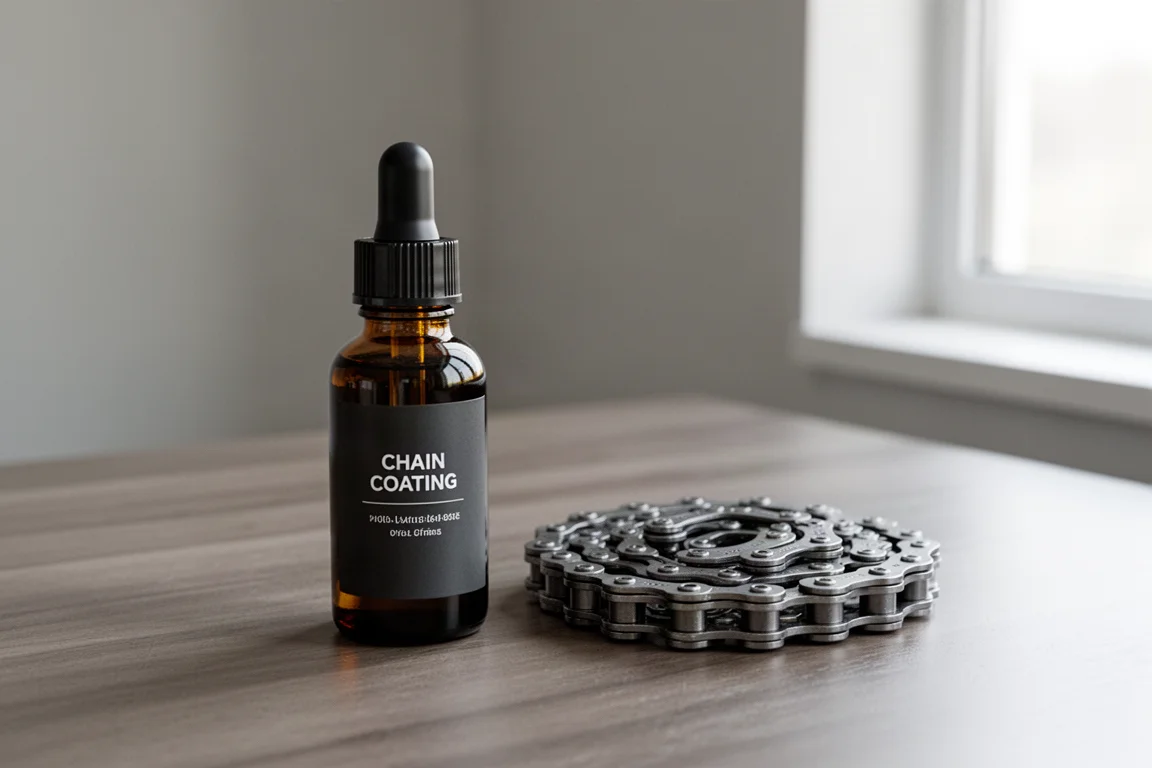
Squirt is a long-standing favourite for riders who want wax-style cleanliness with minimal effort. It is easy to apply, offers good value for money, and works best when you begin with a clean chain.
Apply it to the inside of the chain, let it work in, and wipe off any excess. There is no degreasing routine to follow: as the chain picks up mileage, you simply add more lube where it is needed. That low barrier to proper lubrication is the real strength here.
The main compromise is longevity. Squirt does not last quite as long as some alternatives, particularly in wet and gritty conditions. For regular road riding in the region of 200 to 300 kilometres it holds up well, and for longer multi-day trips a small bottle is easy to carry in a bikepacking setup.
Applying Chain Lube Correctly
Good technique matters as much as the choice of lube. Put the chain on the big ring and a middle sprocket at the back, then find the connecting pin and use it as a reference point so you know exactly where you started and where you finished.
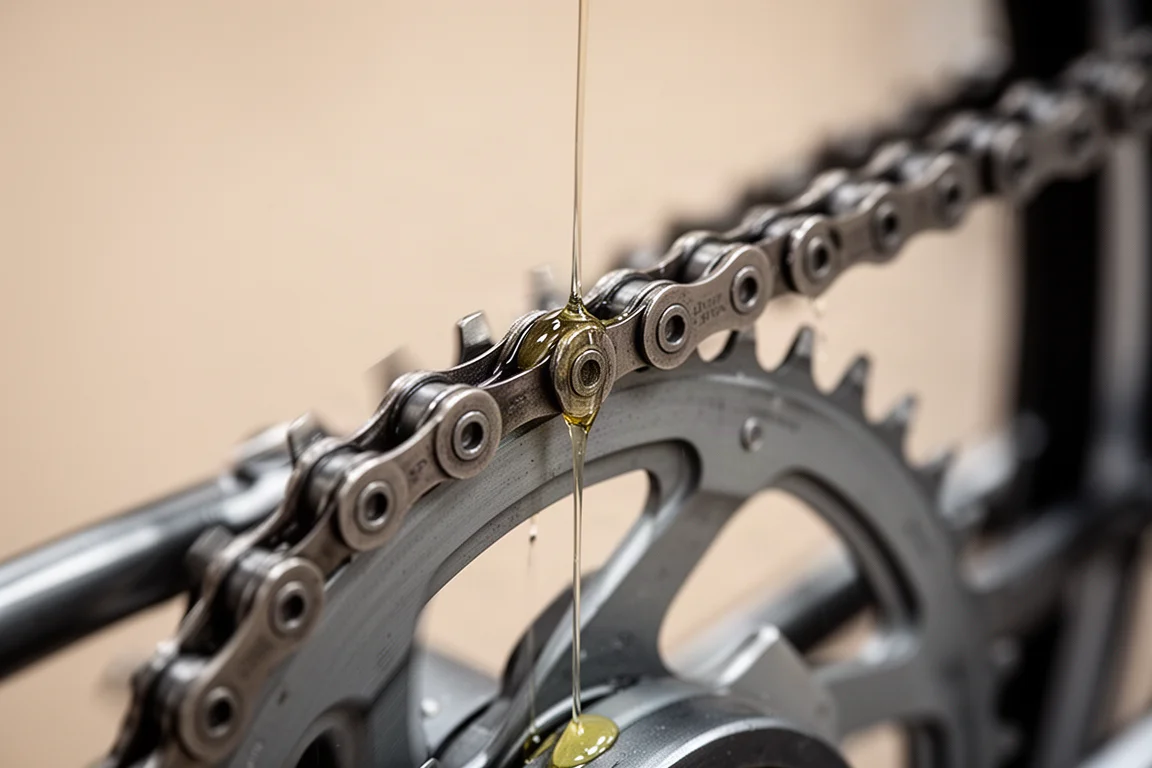
There are two approaches, and both achieve the same result. The first is to place a drop of lube on each individual roller and work your way along the chain. The second is to back-pedal steadily while applying a continuous stream of lube to the chain. Either way, the lubricant ends up inside the rollers and pins, which is the only place it needs to be. Lube on the outside of the chain plates does not help and simply collects dirt.
Once the whole chain is covered, run through the gears, shifting up and down the cassette and between chainrings, to work the lube into the rollers and pins. Then wipe the excess off the outside of the chain.
Timing varies by product. Some lubes recommend applying 30 minutes before a ride, others 12 or even 24 hours ahead, and some suggest a second application after 30 minutes. Following the instructions on the bottle is the safest approach, and applying the lube the night before a ride is a practical habit that suits most products.
Running Costs and Long-Term Value
A premium bottle can look expensive next to a cheap alternative, and it is fair to question whether the difference is worth it. The more useful comparison is the running cost of the drivetrain over a long distance, for example 10,000 kilometres.
If a better lube reduces wear and extends chain life, the savings on replacement chains and related drivetrain parts can offset the higher purchase price. Chains are expensive and not always easy to find, so extending the service life of the one you already own has genuine value.
Seen this way, money spent on lubrication is money spent on the parts that wear fastest. It is a less glamorous purchase than boutique jockey wheels, but it has a more direct effect on efficiency and on how long components last.
Buying Advice
Choose based on how and where you ride. If you want maximum efficiency and the longest possible chain life, and you are comfortable paying more up front, Silca Super Secret Chain Lube is the more ambitious option, thanks to its wax-based drip formula, its claimed watt savings, its claimed bottle life, and its strong independent test results.
If you want an easy, low-maintenance routine at a friendlier price, Squirt is the practical pick. It keeps the chain clean, requires no degreasing, and is simple to top up, with the caveat that it does not last as long in wet or gritty conditions.
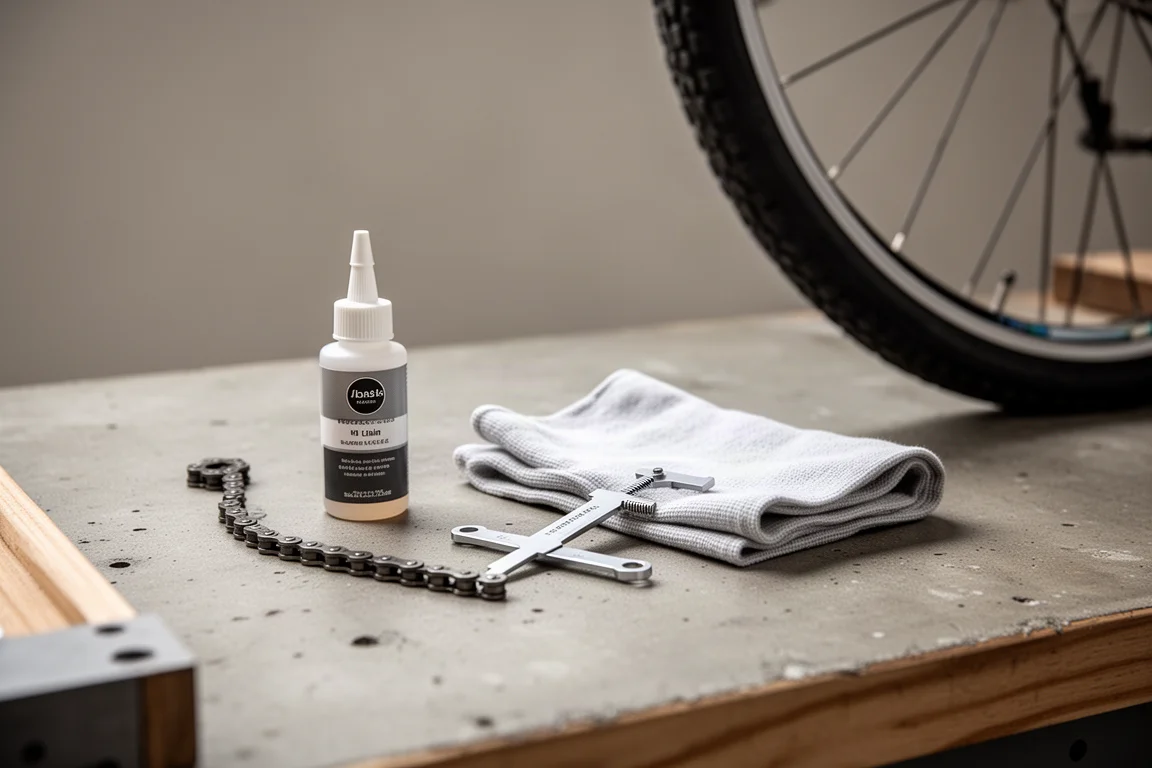
Either way, the fundamentals stay the same: start with a clean, dry chain, apply sparingly, work the lubricant into the rollers and pins, wipe off the excess, and reapply before the chain starts to sound dry. Riders who spend a lot of time in rain and mud may still prefer a wet lube for longer intervals between applications, or carry a small bottle of wax lube for top-ups on longer trips.
Conclusion
Chain lube is a small purchase with an outsized effect on how a bike feels and how long its drivetrain lasts. Both of these wax drip lubes make it easy to keep a chain clean and efficient without the ritual of hot waxing, and the choice between them comes down to budget and how much time you want to spend on maintenance.
Further reading
Related Reviews
Cycling Maintenance
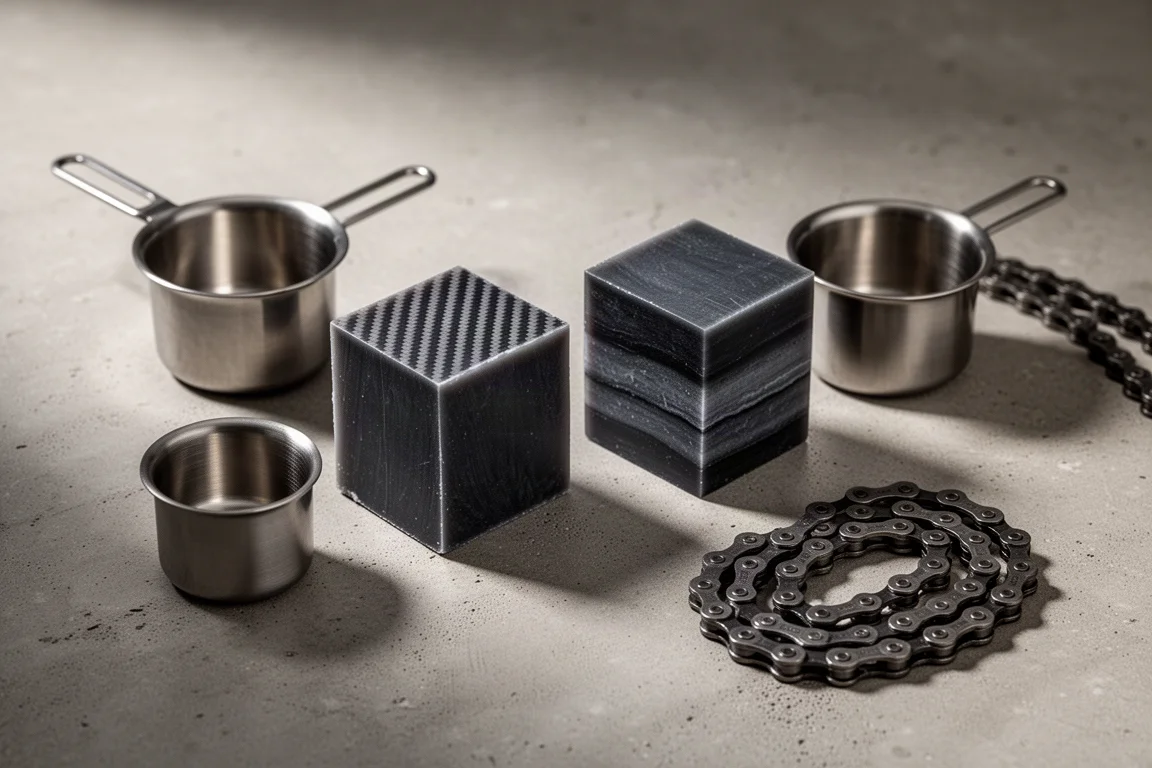
Optimize Graphene Wax and Graphite Wax: Is Hot Wax Worth the Extra Time?
A practical look at Optimize Graphene Wax and Optimize Graphite Wax, how hot waxing works, and what you gain in durability and efficiency.

Backpacking Gear
Building a 10 lb Base Weight: An Ultralight Backpacking Gear List
A practical walkthrough of the ultralight pieces behind a 10 lb base weight, from a 765 g pack and a roomy one-person tent to a full camp chair and a dependable water filter.

Road Bikes
10 New Road Bikes Worth Watching: Aero, Titanium, Steel and Endurance Standouts
A practical roundup of 10 new road bikes, from aero flagships chasing single-watt gains to titanium, steel and endurance platforms built for real roads.