Astrophotography
Open Astro Explorer and Open AstroTech Guider: A DIY Astrophotography Duo Worth Watching
Two open-source astrophotography projects that bring automatic polar alignment and an integrated guider to the DIY community at a remarkably low cost.
Introduction
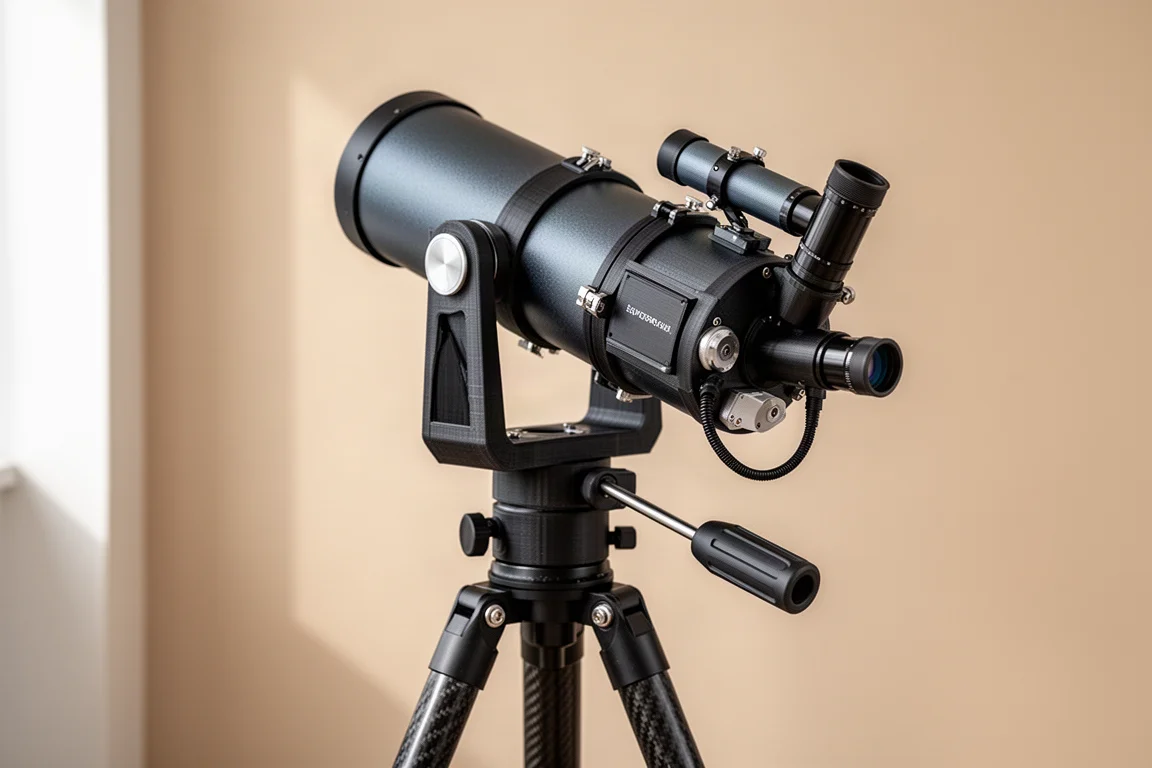
The Open Astro Explorer is a fully open-source, 3D printed equatorial mount that brings automatic polar alignment to the DIY community. It is a complete go-to mount controlled via ASCOM, and it can align itself without any manual adjustment from the user. The project comes from Open AstroTech, the same group behind the earlier Open Astro Tracker, and it shows clear DNA from that design in its removable side arches and overall approach.
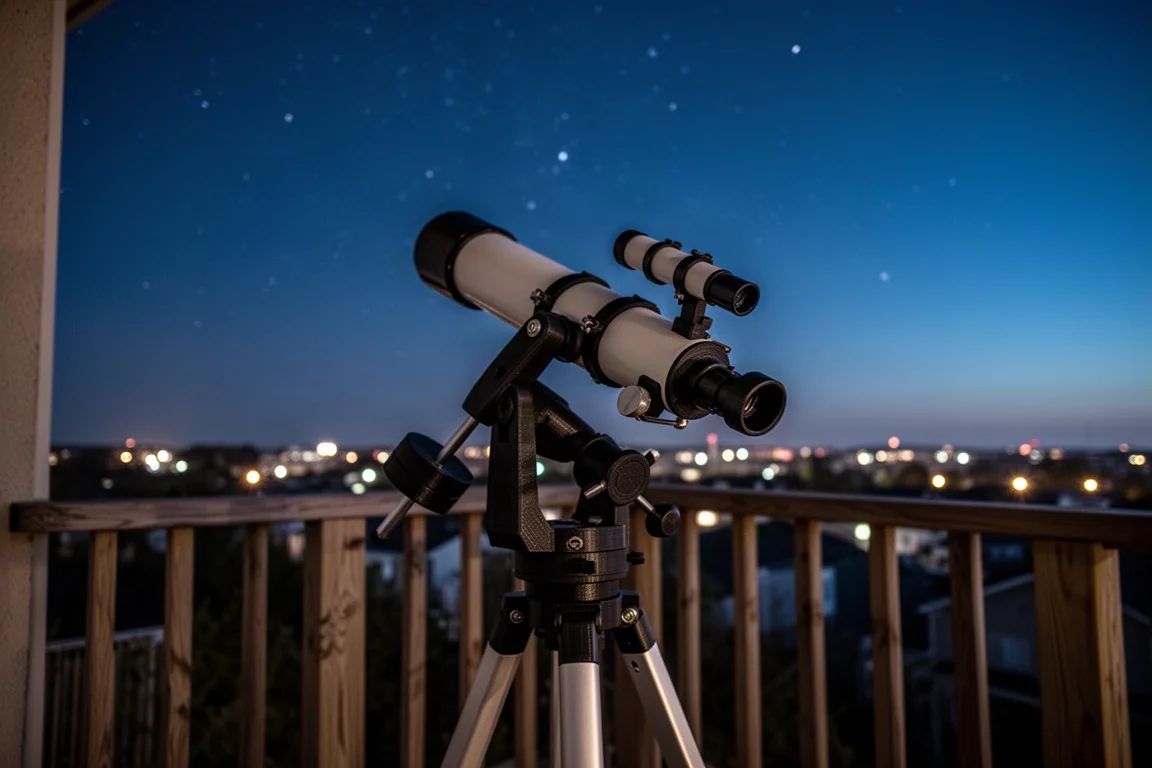
The mount is designed for someone who enjoys tinkering, understands the mechanics of their equipment, and wants to build their own gear from scratch. The bill of materials for a self-built unit runs roughly $200 to $350 US, which is remarkably low for a fully functional go-to mount. The labor involved in printing and assembling the parts is significant, but it also comes with the benefit of learning how every mechanism works.
Design and Build
The Open Astro Explorer is almost entirely 3D printed plastic. Everything that is not a screw, motor, or necessary metal part comes from a 3D printer, and all the files and instructions are available online. The mount arrived fully assembled for testing, with only the side wings needing to be placed and the belt tensioned. The wings are removable and use magnets for easy placement before the belt is wrapped around them.
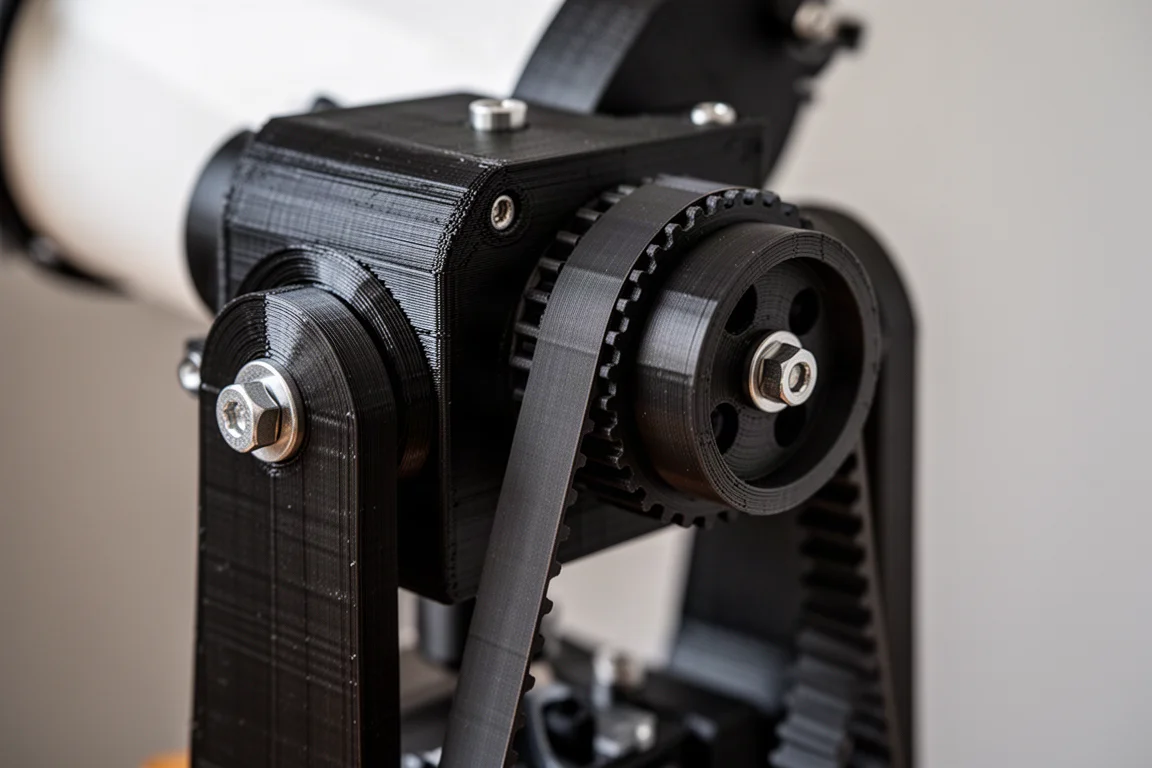
The right ascension motor and belt system are visible from the front, with the belt running around the wings and tensioning points on both sides. One potential point of failure is the belt stopper, which sits in notches to keep the belt in place. During one session, the belt slipped until only one notch remained, which would have caused the assembly to drop to the hard stop if it had slipped completely. The counterweights being slightly heavier than the setup prevented any catastrophe, but it is worth noting as a design quirk.
The mount attaches to a tripod via an Arca-Swiss plate at the base, with an adapter for EQ-style tripods. The top saddle is also Arca-Swiss, which may not suit everyone’s preference for Vixen-style plates. The mount is reasonably compact, especially with the wings removed, making it easier to transport and store.
Automatic Polar Alignment
The standout feature of the Open Astro Explorer is its fully automatic polar alignment. Using the three-point polar alignment plugin in NINA, the mount slews to multiple points, takes exposures, plate solves, and then adjusts its own azimuth and altitude motors to refine the alignment. The entire process runs without any manual intervention from the user.
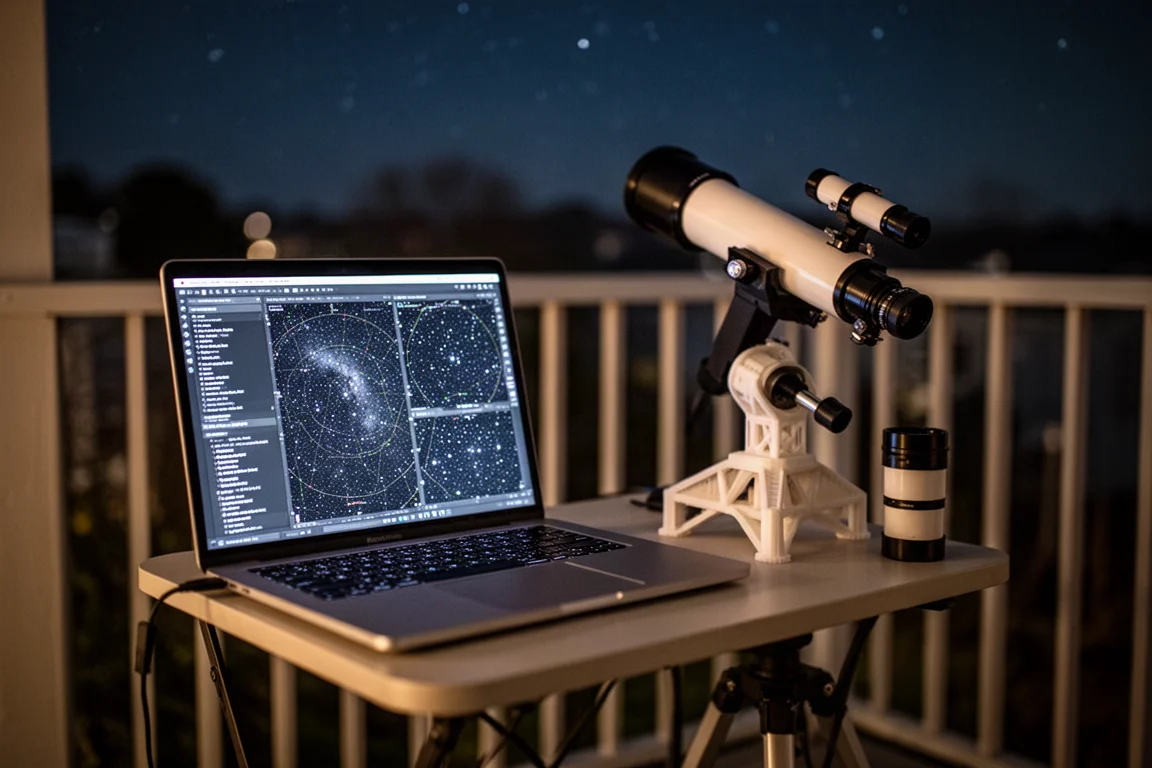
In testing, the mount brought the polar alignment error down to around five arc seconds, an impressively precise result. The user does not even need to be near the mount during the process, which is a significant convenience compared to traditional polar alignment methods that require kneeling and adjusting knobs by hand.
The mount also supports manual adjustment via motor commands. There are five speeds, and each step at a given speed corresponds to a specific angular adjustment. Once the user knows the relationship between motor steps and angle, they can fine-tune the polar alignment from their computer without touching the mount. This takes some getting used to, as it differs from a normal slew where holding an arrow key moves the axis continuously.
Tracking Performance and Limitations
The tracking accuracy of the Open Astro Explorer measured around 0.7 arcseconds when there was no wind. This is a solid result for a DIY mount. However, the mount is quite sensitive to wind, and guide charts showed noticeable excursions when gusts picked up. On a windy balcony, the mount struggled to maintain stable tracking.
The mount is also sensitive to balance between the counterweights and the telescope. Checking balance requires completely removing the counterweights and the belt so the mount can rotate freely in right ascension, then reinstalling everything. Moving the counterweights requires Allen wrenches and takes considerable time. In practice, adding a heavier guide scope helped match the counterweights, with the counterweights still slightly heavier as a safety measure in case the belt slips.
The mount has hard-coded limits in the driver that cannot be changed through the software interface. Changing them requires editing the code and compiling a custom version of the driver. This is a reasonable constraint given the mount’s payload capacity of up to 5 kg, which typically means a small telescope that does not need different limits.
The Open AstroTech Guider
Alongside the mount, Open AstroTech offers a fully integrated guider. This compact unit combines a guide scope, a guide sensor, and a dew heater in a single package. The dew heater has a switch at the bottom to turn it on or off, and the entire unit is controlled through a single USB-C port. It works with popular software like SharpCap and PHD2.
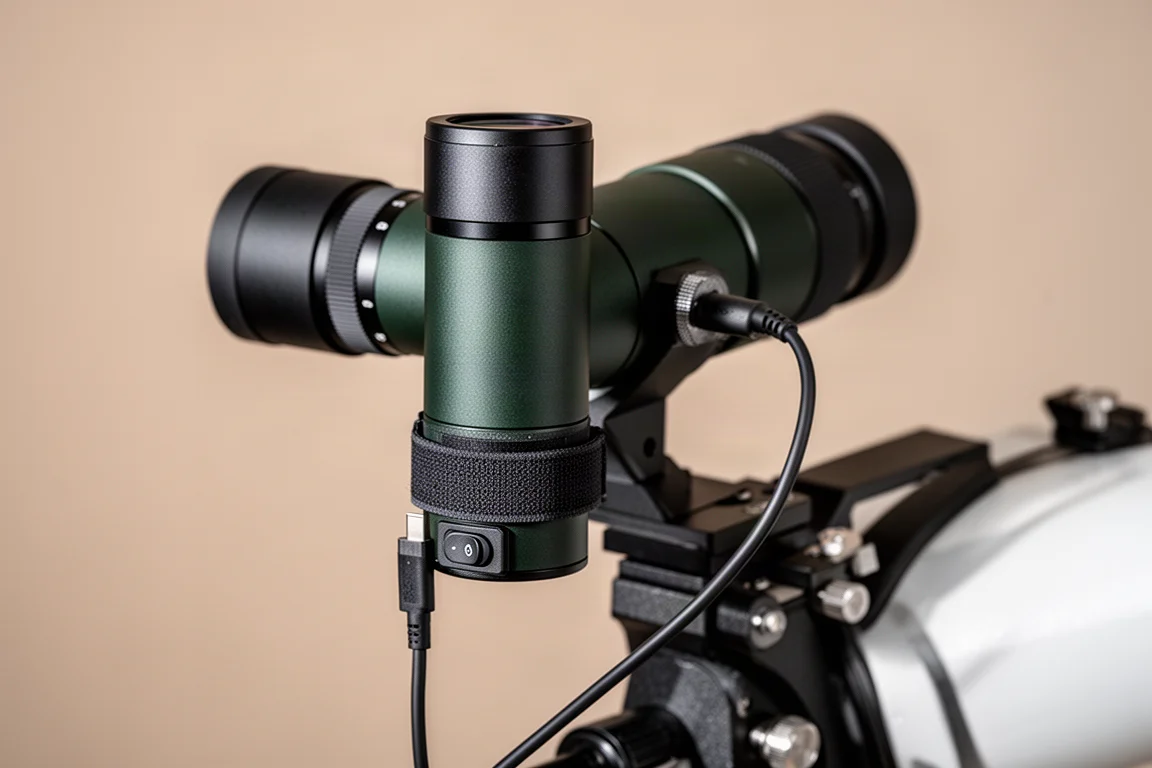
At roughly $100, the guider represents exceptional value. A fully integrated guide scope, sensor, and dew heater at that price point is hard to beat. The unit performed well in testing, but it is important to read the assembly and focus instructions carefully before use. The mounting system requires a saddle that is open on both sides, so a saddle like the one on the SQF 555, which is only open on one side, will not work. This is a known issue that the designer is already working to address.
Buying Advice
The Open Astro Explorer is not a mount for everyone. It is wobbly, sensitive to wind, and requires a level of mechanical comfort that many users will not have. For a beginner or someone used to polished commercial mounts, this is likely to be frustrating. The balance process is cumbersome, and the belt tensioning is more art than science.
However, for a tinkerer who enjoys DIY projects and wants to understand every part of their equipment, this mount is genuinely exciting. The automatic polar alignment alone is a feature that few commercial mounts offer, and the open-source nature means the hardware and software are constantly improving. When issues arise, the designer is responsive and works on enhancements that users can print and install themselves.
The Open AstroTech Guider is easier to recommend. At its price point, it offers unbeatable value for anyone who needs a compact integrated guiding solution. Just be sure to review the manual before your first session.
Conclusion
The Open Astro Explorer and Open AstroTech Guider represent a fascinating direction for astrophotography. The mount’s automatic polar alignment is a genuinely impressive achievement for an open-source project, and the guider offers remarkable value. Neither product is perfect right now, but both are alive in a way that commercial gear rarely is, with improvements flowing from the community on a regular basis. For the right user, these are projects worth following closely.
Product link
View more details for Open Astro Explorer
This product is mentioned in the review. Check the specifications, options, and compatibility before buying.
View more details for Open Astro ExplorerFurther reading
Related Reviews
Astrophotography
ASKAR FRA400C Review: A Versatile 400mm Refractor for Astrophotography and More
The ASKAR FRA400C is a compact 72mm refractor that balances reach, versatility, and portability for astrophotographers and visual observers.
Astrophotography
Askar SQA106 Review: A Premium 106mm Astrograph With Exceptional Optics
The Askar SQA106 is a premium 106mm quintuplet astrograph with impressive sharpness across full-frame sensors, though its price and weight demand careful consideration.
Astrophotography
Astro Imaging Gear 2026: Eight New Products Worth Watching
A look at the most interesting new astrophotography and astronomy products announced this year, from fast telescopes to smart cameras and wireless accessories.