AV Receivers
Onkyo TX-RZ30 Review: Dirac Live and Nine Channels for Under $1,200
A nine-channel AV receiver that pairs six 8K HDMI inputs and THX-certified Class AB amplification with Dirac Live room correction included at no extra cost.
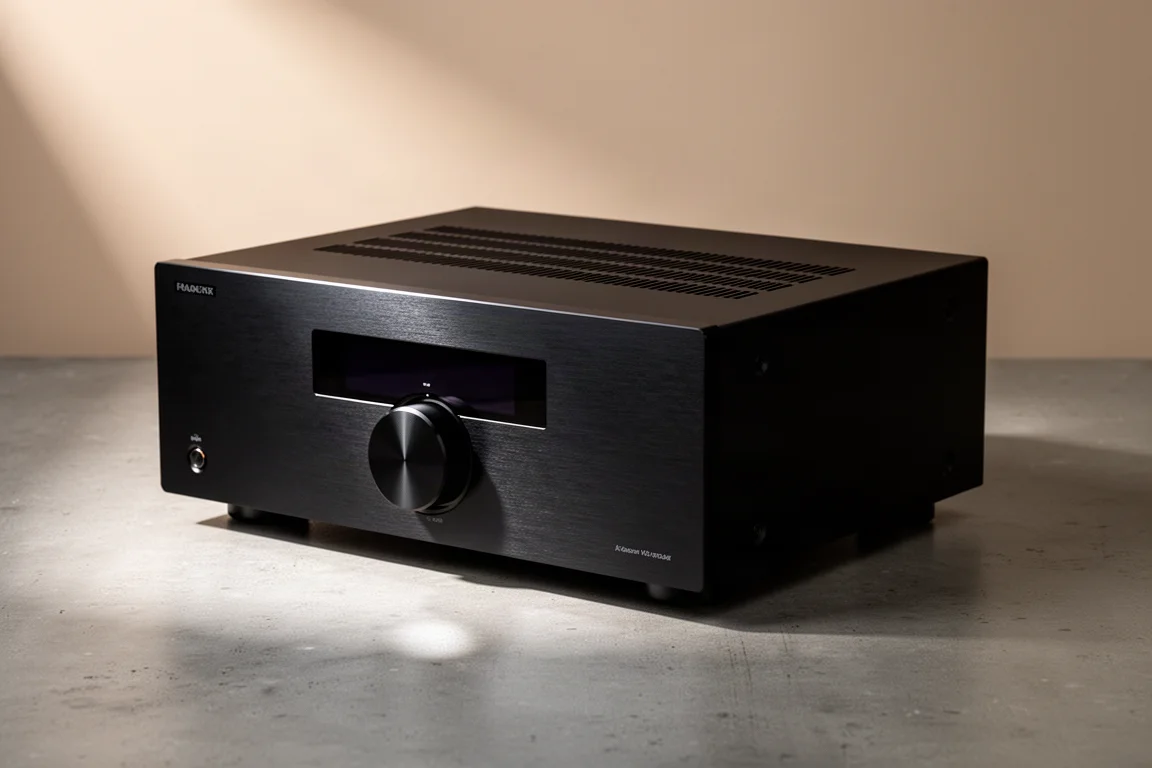
Introduction
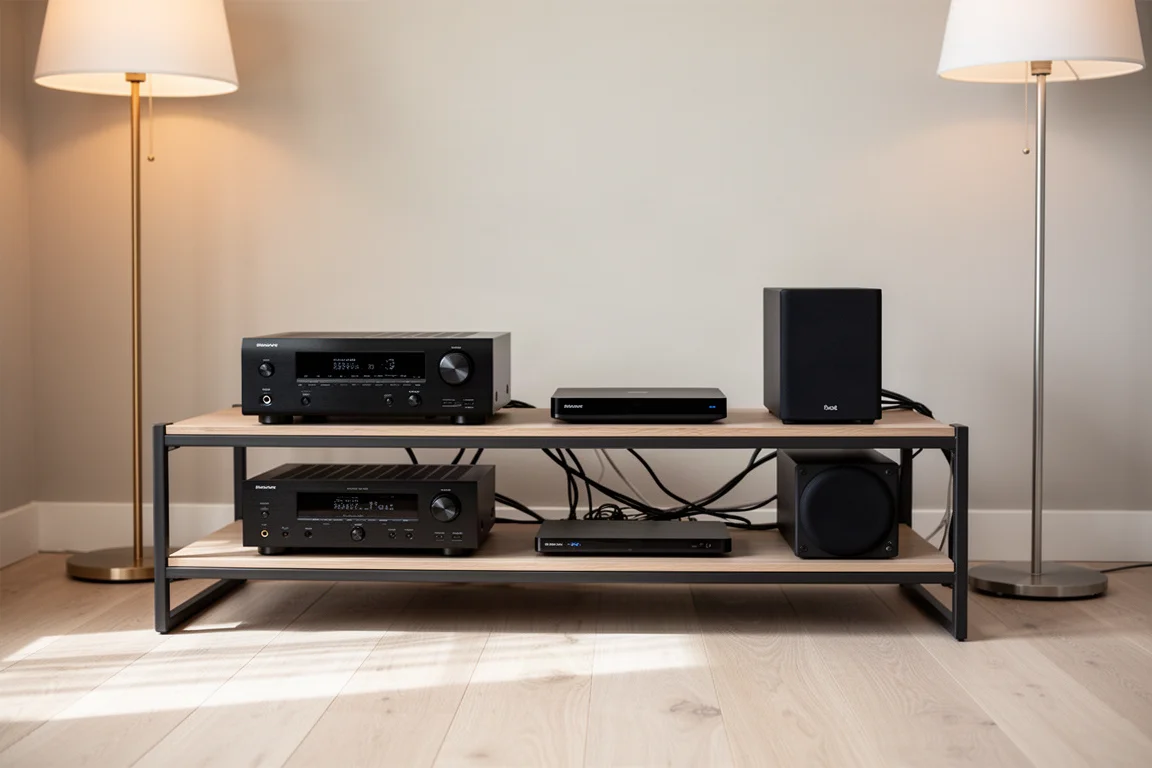
Home theater receivers remain the most flexible component in home audio. They can anchor a movie and gaming system, then switch roles and drive a two-channel music setup without a second box taking up shelf space. The Onkyo TX-RZ30 makes that case unusually well, because it arrives with six 8K HDMI inputs, THX-certified Class AB amplification, and Dirac Live room correction included rather than sold as a paid upgrade. At under $1,200, that combination is difficult to find elsewhere.
Who This Receiver Is For
The TX-RZ30 suits listeners who want one system for everything: films, games, streaming and serious music listening. Nine channels of processing cover a 5.1.4 layout, and full preamp outputs on every channel mean the receiver can stay in place if you later add external amplification. Dual independent subwoofer outputs give you more freedom when placing two subs.
It is also a sensible pick for anyone who has been weighing a stereo integrated amplifier against a receiver. Integrated amps have been adding HDMI with ARC, but they still trail a receiver like this on input count and format support.
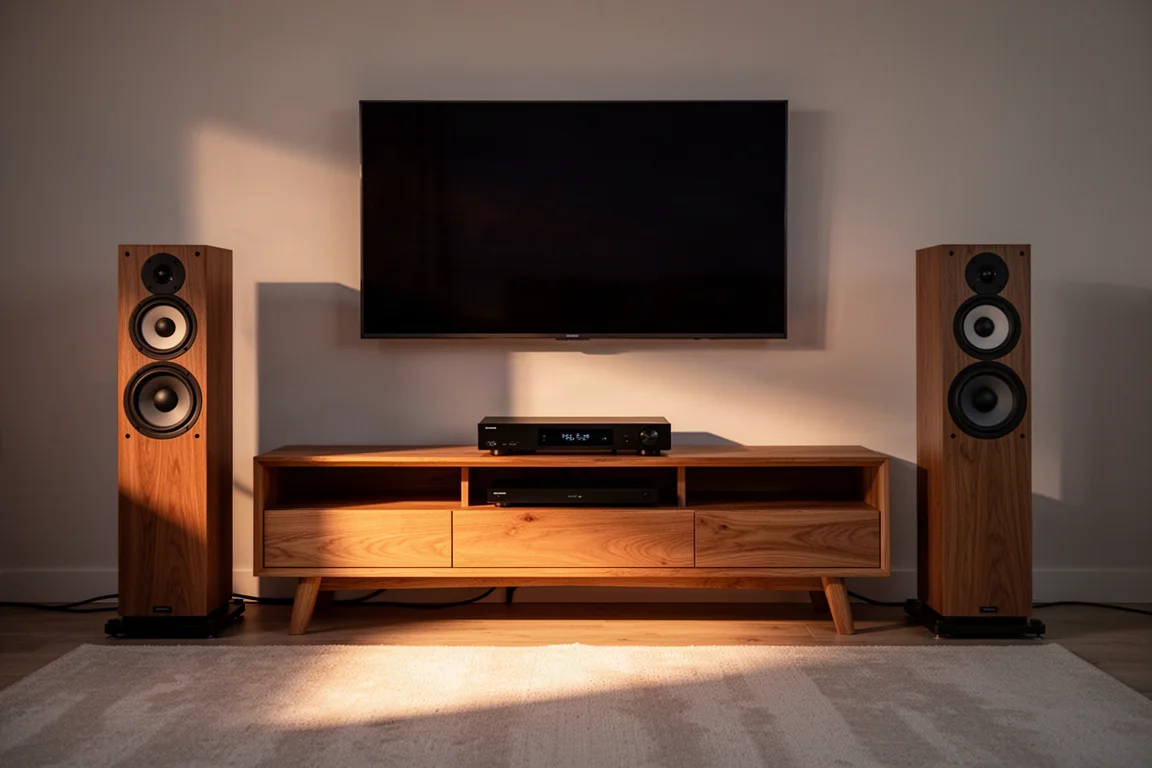
The one caveat is tonality. The TX-RZ30 leans neutral from top to bottom, so listeners chasing a specific house sound may want to listen first. Some competing receivers are described as more lively in movie playback, while others come across as fuller or warmer.
Main Strengths
Six 8K HDMI Inputs With Modern Gaming Support
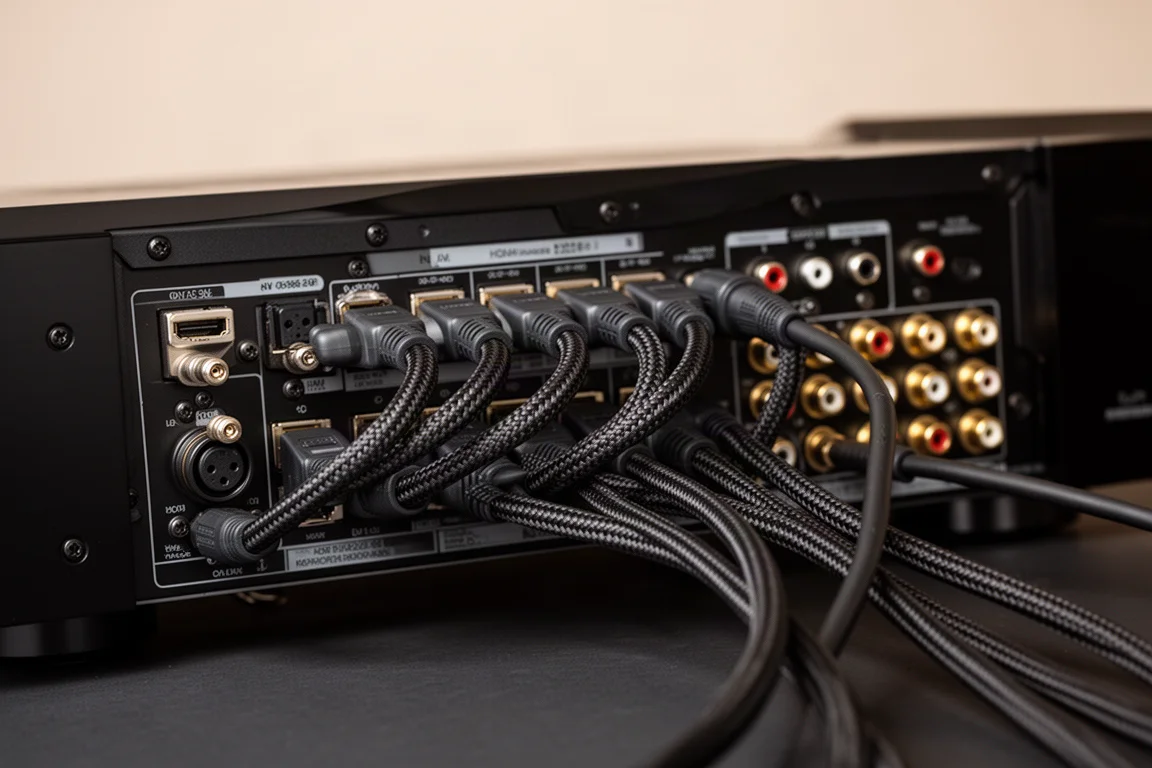
Connectivity is the headline. Six 8K HDMI inputs feed two HDMI outputs, one of which supports ARC and eARC, so a television and a projector can both stay connected. Dolby Vision and HDR10+ are supported, along with gaming features including VRR, ALLM and quick frame transport. Analog video inputs are converted to digital and played back through the HDMI monitor outputs, which keeps older disc and tape players in the chain. A Pure Direct mode is available for listeners who want the shortest possible signal path.
Gaming performance held up well with a PlayStation 5 running in both HD and 4K at high frame rates, with or without HDR and VRR engaged, and no noticeable extra input lag.
Amplification and Preamp Flexibility
The Class AB amplifier section is THX certified and rated at up to 100 watts per channel with two channels driven. In practice it drove a 5.1.4 system with a subwoofer handling everything below 40 Hz, with no signs of strain even at volumes cresting 100 dB. Detail and texture come through cleanly across the frequency range, and vocals and instruments stay intelligible. The top end is extended and smooth rather than brittle or fatiguing.
Dirac Live Room Correction Out of the Box
Dirac Live is included, not unlocked for an extra fee, and it is arguably the strongest reason to consider this receiver. The only paid extra is Dirac’s bass management add-on at $299, which is a far smaller ask than the $699 it can cost on some competing models.
Three Dirac profiles can be stored at once, which makes it easy to keep one neutral setting, one tuned for dialogue clarity and tighter bass, and one pushed toward a bigger cinematic presentation. The free desktop software allows finer adjustments than the receiver’s own controls, and the results are worth the effort. The main annoyance is transfer speed: moving profiles to the receiver is slow, noticeably slower than on the TX-RZ70 or TX-RZ50.
Streaming, Hi-Res Audio, and Multiroom
Wireless and network support is broad. Wi-Fi, Ethernet, Bluetooth and AirPlay are all on board, with Chromecast built in for Spotify, Tidal Connect, Amazon Music and Deezer. The receiver works with Sonos and is Roon tested, features usually associated with costlier hi-fi components. Hi-res files are supported up to 24-bit/192kHz through the built-in DAC. Two-channel listening with Dirac and bass management engaged was among the most satisfying music experiences this platform has produced, with drive, control and detail that belie the price.
Things to Consider Before Buying
The hardware is strong, but the user experience has rough edges. The control app works reliably yet feels dated, and cheaper Onkyo models offer a similar experience, which makes the upgrade less obvious from the app alone. Setup graphics look polished while the on-screen overlays look like an afterthought. Input response could also be quicker, and switching between HDMI sources takes slightly longer than on higher-end Marantz or Sony receivers. None of this undermines the sound, but it is worth knowing before you buy.
Buying Advice
Compared directly with the Marantz Cinema 70s at a similar price, the TX-RZ30 offers more channels, more inputs, more power, full preamp outputs and Dirac Live in the box, which makes it a strong candidate as a budget preamp processor. The Cinema 70s remains a solid choice and both deliver good sound, so taste still matters.
Against the Yamaha Aventage A4A, which is priced similarly, the Onkyo again brings more channels and features. The older Onkyo TX-NR7100 shares several traits, but the TX-RZ30 adds longevity and full preamp outputs with an upgradeable Dirac license. The TX-RZ50 is still excellent value, though it lacks Dirac bass control and no release timeline for that feature has been announced, so buyers should weigh how long they are willing to wait.
If the lower power rating is not a concern for your speakers, the TX-RZ30 is the smarter buy of the two.
Conclusion
The Onkyo TX-RZ30 delivers a level of fidelity and feature depth that is hard to find at this price in either the hi-fi or home theater market. Six 8K HDMI inputs, THX-certified amplification, full preamp outputs, broad streaming support and Dirac Live included as standard make it a compelling one-box solution for listeners who want movies and music from the same system.
Product link
View more details for Onkyo TX-RZ30
This product is mentioned in the review. Check the specifications, options, and compatibility before buying.
View more details for Onkyo TX-RZ30Further reading
Related Reviews
AV Receivers
Anthem MRX 740 8K Review: Composed Home Theater Sound With a Few Rough Edges
A close look at Anthem's mid-tier MRX 740 8K receiver, covering its sound, ARC Genesis room correction, HDMI 2.1 features and the daily quirks worth knowing before you buy.
AV Receivers
Anthem MRX 740 vs MRX 1140: Which AV Receiver Fits Your System?
A measured look at the Anthem MRX 740 and MRX 1140, covering preamp output performance, amplifier behaviour, bass management, and expansion headroom.
AV Receivers
Best AV Receivers for Home Theater: Denon, Onkyo, Marantz and Yamaha Compared
Four home theater receivers compared on features, sound character, setup and value, with clear guidance on which one fits which kind of buyer.