AV Receivers
Onkyo RZ70 Review: A Flagship 11-Channel AV Receiver for Music and Movies
A closer look at the Onkyo RZ70, a flagship 11-channel AV receiver with Class AB amplification, dual ESS Sabre DACs, full bandwidth Dirac Live, and a deep HDMI 2.1 feature set.
Introduction
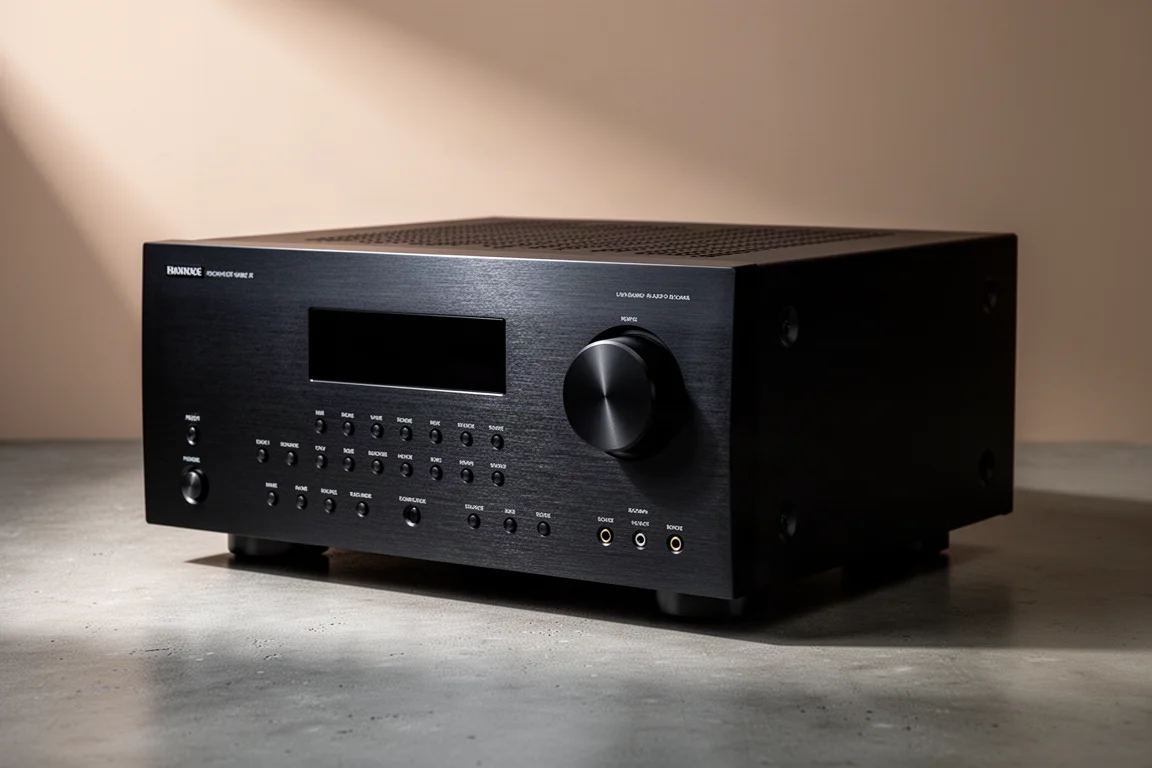
Onkyo has built a reputation for putting current technology into receivers that compete well above their class, and the RZ70 is the brand’s flagship home theater receiver. It sits at the top of a line that includes the well regarded RZ50, and Onkyo has used the flagship position to push amplifier design, processing, and room calibration further than before. This article walks through what the RZ70 includes, how it behaves in a real system, and what is worth weighing before buying.
Who the Onkyo RZ70 Is For
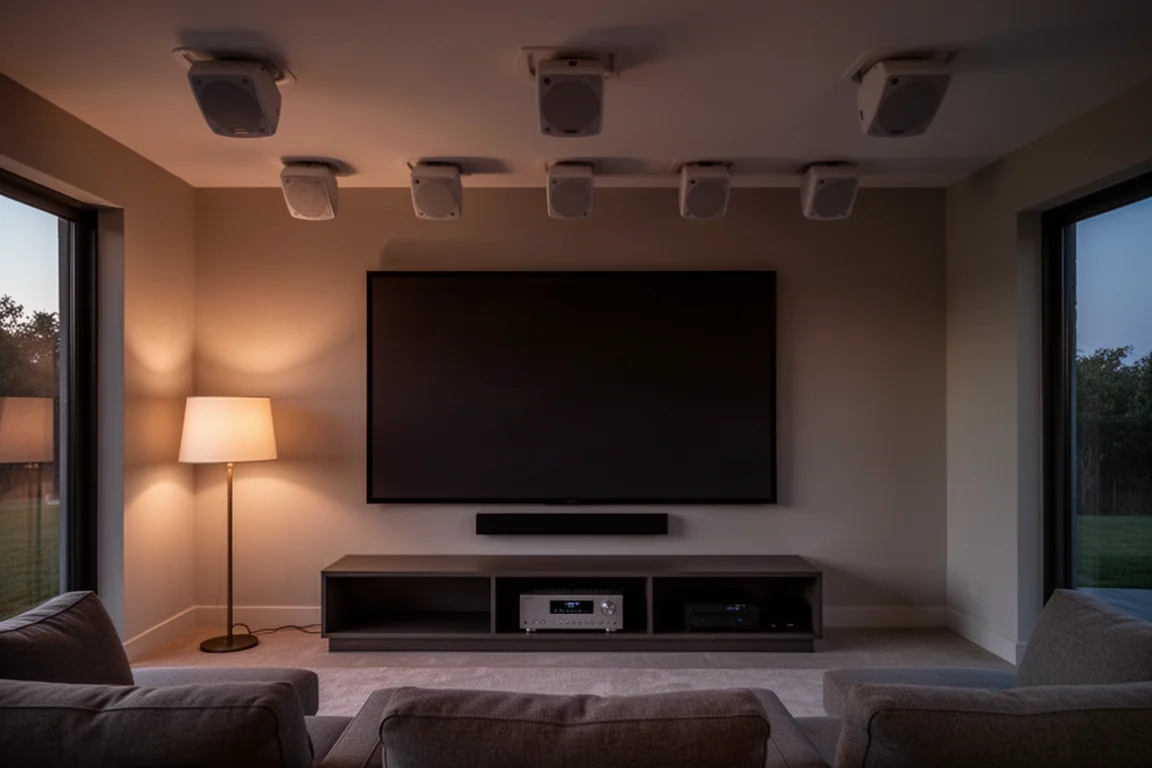
The RZ70 is an 11-channel receiver, which is enough to power a complete 7.1.4 Dolby Atmos speaker layout with height channels from a single chassis. It also suits households that want a five or seven channel system in a main room while using the remaining channels for Zone 2 or Zone 3, since those additional zones are fully independent of the main room.
Gamers are covered as well. Every HDMI port supports 4K at 120Hz, and VRR, ALLM, and QFT are included to eliminate the video issues that high refresh rate gaming can otherwise introduce.
For anyone who expects to expand later, preamp outputs are provided for all channels along with trigger outputs, so external power amplifiers can be added and switched on and off by the receiver itself.
Main Strengths
The RZ70’s strengths fall into three areas: amplification, calibration and connectivity, and real world performance with both music and film soundtracks.
Amplifier Design and Power
Rather than a Class D amplifier section, Onkyo chose Class AB topology for its most powerful receiver, aiming to combine strong sound quality with high power and heat that stays in check. The power supply is built around an oversized transformer housed in its own sub-enclosure to keep noise away from the amplifier modules and circuits.
Output is rated at 140 watts into 8 ohms with two channels driven. Just as importantly, the supply is designed to hold up when many channels are active at once, which is where plenty of home theater receivers fall short, and to handle the dynamic peaks that modern soundtracks depend on.
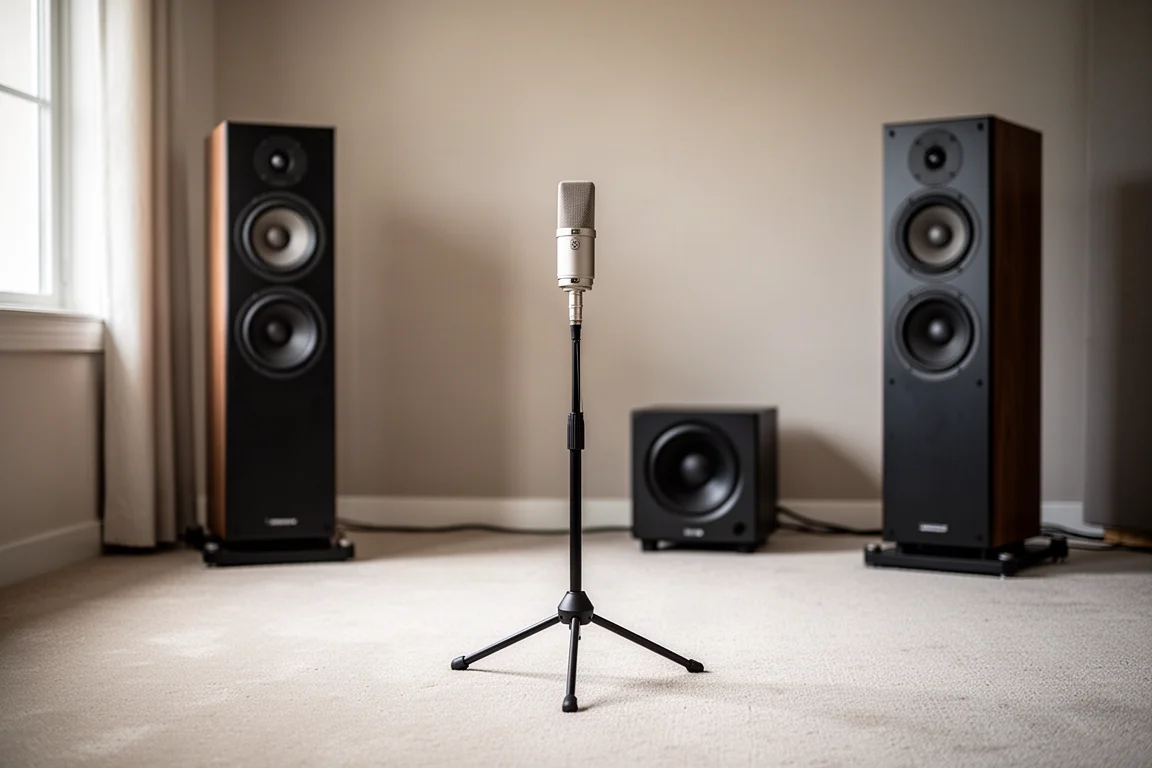
Because the power delivery is intended to cover a full suite of home theater speakers rather than a single channel pair, the RZ70 should satisfy home theater owners running reasonably efficient speakers in a normal sized room.
Room Correction and Connectivity
A standout inclusion is the full bandwidth version of Dirac Live at no extra cost, a room calibration package that many receivers charge for separately and that is widely regarded as one of the best available. The bundled version manages a single subwoofer, and an upgrade to Dirac Live Bass Control for multiple subwoofers is available for $4.99, adding much more adjustability for systems with more than one sub.
Digital to analog conversion is handled by a pair of ESS Sabre DACs, the same class of processor used in some of the better stereo components on the market. That choice supports wide codec compatibility and strong measured signal to noise and distortion performance.
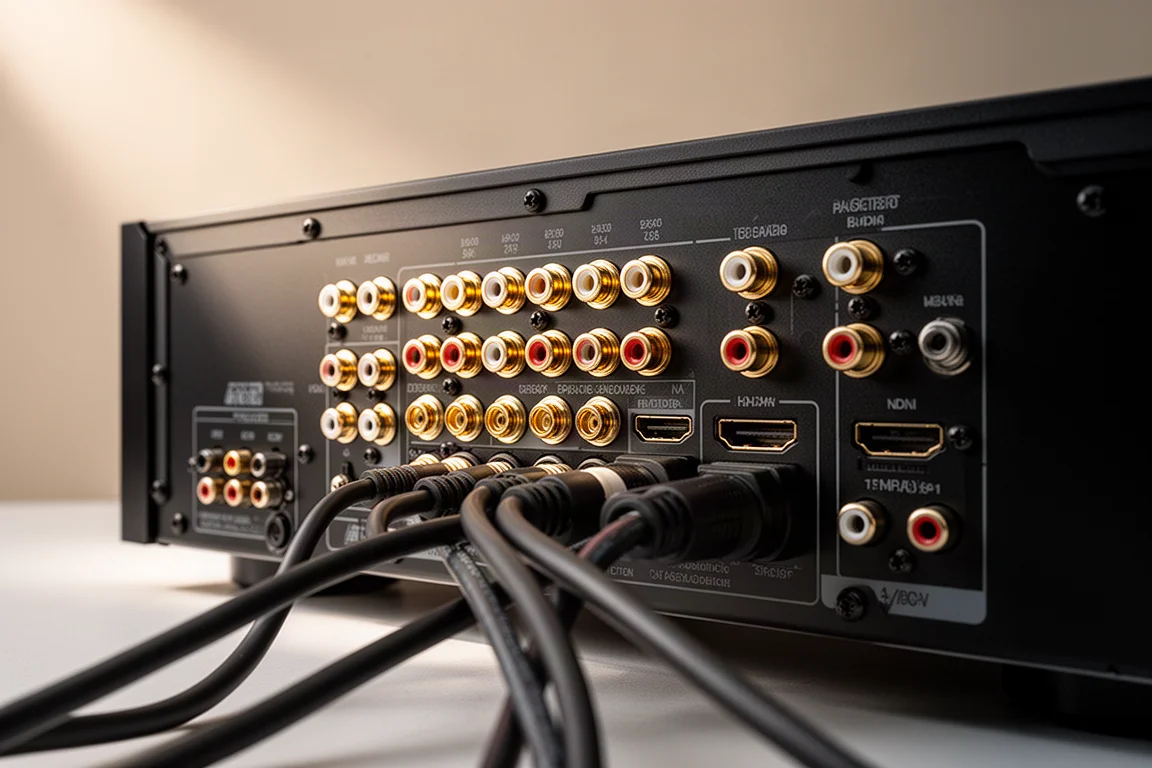
On the video side, the receiver offers six 8K60 HDMI inputs on the back panel plus a front mounted 4K60 input for convenient temporary connections. The rear HDMI ports are full HDMI 2.1 with Dolby Vision, HDR10+, and HDCP 2.3 support, so several gaming systems and a 4K Ultra HD Blu-ray player can stay connected alongside a PC. The main HDMI output supports eARC, carrying Dolby Atmos and DTS:X from a TV’s built-in streaming apps back through the receiver. QMS technology reduces the screen blanking that usually accompanies source switching, and Zone 2 can use discrete HDMI switching, so an 8K movie in the main room and a different 4K source in Zone 2 can play at the same time.
There are composite and component inputs for legacy gaming systems, a phono input for a turntable, and two independent subwoofer outputs. Streaming and multi-room features include Chromecast, AirPlay 2, DTS Play-Fi, Roon readiness, Sonos compatibility, and Alexa voice control, with integration for Control4, Crestron, and Savant home automation systems. Bluetooth works in both directions, receiving SBC and AAC and transmitting SBC, aptX, and aptX HD for wireless headphones.
Owners of Klipsch Reference and Reference Premiere speakers get a Klipsch optimized mode: select the model in use for each channel and the receiver optimizes the crossover for that speaker.
Performance in Music and Movies
In two channel listening the RZ70 showed a neutral frequency balance and enough resolution to hear well into the music, a sign of quality in the amplifier and circuit design. Willie Nelson’s 2023 album Bluegrass was a good demonstration: the standup bass came through with natural body while staying tight and detailed, the acoustic guitar was full of detail, and the vocal was natural and focused. Treble is an area where home theater receivers often stumble, sounding brittle or etched, but the RZ70 keeps it smooth and natural.
Fink’s 2017 album Resurgam showed that a heavy low end is no problem here. The title track’s low tuned bass drum can turn muddy on lesser amplifiers, while the RZ70’s 140 watts into 8 ohms kept the driver controlled and the bass tight and detailed. Vocals stayed clear and correctly centered, and the hi-hats that enter around the two minute mark were detailed without glare or harshness.
On multichannel material the receiver was equally convincing. Soundtracks from Top Gun: Maverick, The Greatest Showman, and 6 Underground sounded dynamic and immersive without glare or compression, and Dolby Atmos effects were placed precisely around the room. In the race scene from 6 Underground, small details in the Atmos mix were easy to pick out and evenly spaced, with enough power in reserve for large explosions while rear and height effects stayed distinct. Better presentations exist at higher prices, but the RZ70 is comparable in sound quality to units that cost more.
Things to Consider Before Buying
- Dirac Live as included manages one subwoofer. Multiple subwoofers require the paid Dirac Live Bass Control upgrade.
- The Dolby Atmos height virtualizer is genuinely useful when mounting speakers is not possible, but dedicated height channel speakers still deliver the best result.
- Power output should be matched to reasonably efficient speakers and a normal sized room. Very large rooms or demanding speakers may call for external amplification through the preamp outputs.
- The on-screen menus are decent rather than luxurious, and a careful setup is what unlocks the receiver’s best performance.
Buying Advice
Setup is straightforward: connect speakers, sources, and network, and the receiver is up and running. Taking the time to configure Dirac properly is what separates a good result from a great one. The front panel is clean rather than cluttered, with each input on its own button, which makes quick source changes faster than the cycling buttons found on many receivers, and the supplied remote is intuitive in daily use.
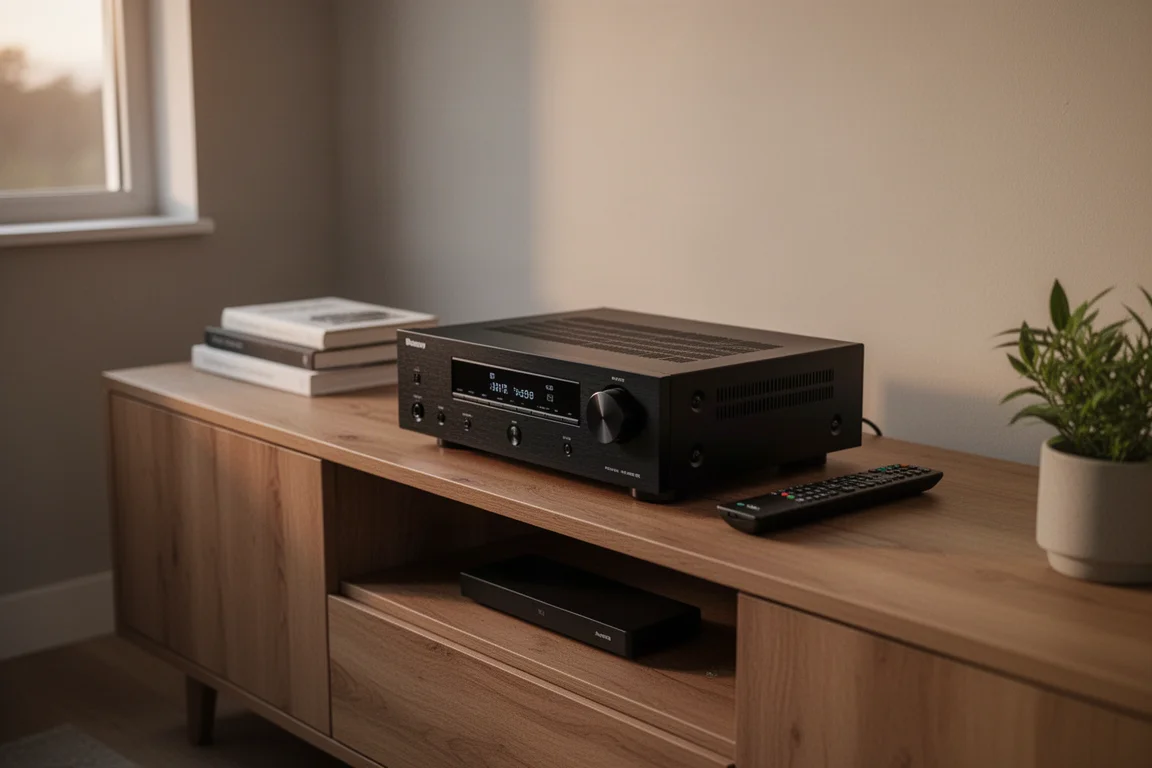
Match the RZ70 to the room and speakers you actually have. If the plan is a 7.1.4 Atmos layout, a mix of music and film listening, and the option to add amplification later, the feature set lines up well. If the system will stay at five channels with modest speakers, a simpler receiver may cover the same ground.
Conclusion
The Onkyo RZ70 reads as a complete flagship package: 11 channels of Class AB amplification, a robust power supply, dual ESS Sabre DACs, a generous HDMI 2.1 input count, and full bandwidth Dirac Live included rather than sold separately. Music listening is neutral and composed, multichannel film sound is dynamic and precise, and the connectivity covers gaming, streaming, multi-room audio, and legacy sources. For a home theater that also needs to behave as a serious music system, it is a strong candidate.
Product link
View more details for Onkyo RZ70
This product is mentioned in the review. Check the specifications, options, and compatibility before buying.
View more details for Onkyo RZ70Further reading
Related Reviews
AV Receivers
Anthem MRX 740 8K Review: Composed Home Theater Sound With a Few Rough Edges
A close look at Anthem's mid-tier MRX 740 8K receiver, covering its sound, ARC Genesis room correction, HDMI 2.1 features and the daily quirks worth knowing before you buy.
AV Receivers
Anthem MRX 740 vs MRX 1140: Which AV Receiver Fits Your System?
A measured look at the Anthem MRX 740 and MRX 1140, covering preamp output performance, amplifier behaviour, bass management, and expansion headroom.
AV Receivers
Best AV Receivers for Home Theater: Denon, Onkyo, Marantz and Yamaha Compared
Four home theater receivers compared on features, sound character, setup and value, with clear guidance on which one fits which kind of buyer.