Stereo Components
Onkyo Icon Series Review: P80, M80, A50 and C30 Explained
A practical look at Onkyo's flagship Icon lineup, covering the P80 network preamplifier, the M80 power amplifier, the A50 network integrated amplifier and the C30 CD player.
Introduction
Onkyo has been part of home audio for close to 80 years. The company was formed in 1946, during Japan’s post-war reconstruction, and from the very beginning the focus was not only on electronics. It was on craftsmanship, and on music as a way to connect with people emotionally. In recent years, much of that reputation has been carried by the brand’s cinema receivers, which earned a following for strong performance and dependable reliability. Dedicated two-channel components have been less of a focus over the same period.
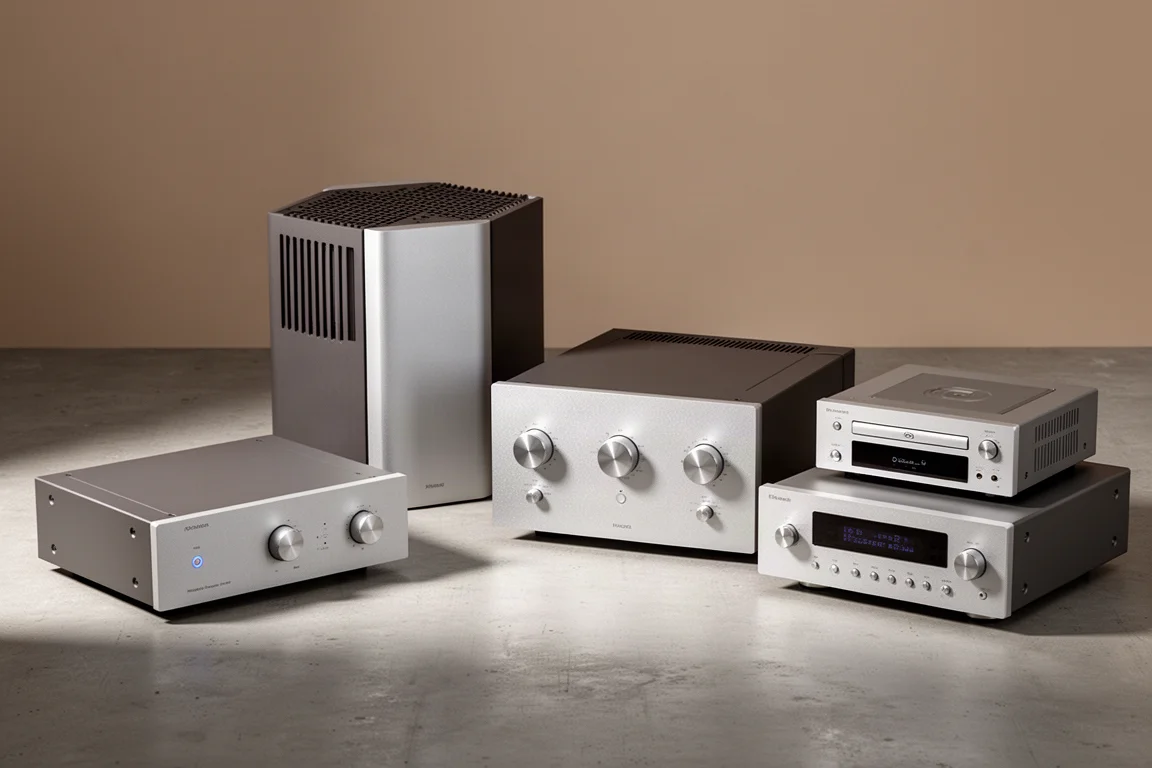
The Icon series changes that. It brings together four components: the P80 network preamplifier, the M80 power amplifier, the A50 network integrated amplifier and the C30 CD player. Alongside the upcoming Muse streaming amplifiers, it signals a serious push back into premium stereo. The lineup was developed at the company’s premium audio technology center, where veteran engineers worked on components intended to become new icons for the brand.
What Defines the Onkyo Icon Series
The first thing you notice with the Icon series is physical presence. There is something satisfying about a component that feels substantial in your hands, with controls that carry real weight and precision. The design philosophy behind the lineup is described as a refined style you can feel, and it shows up in the details.
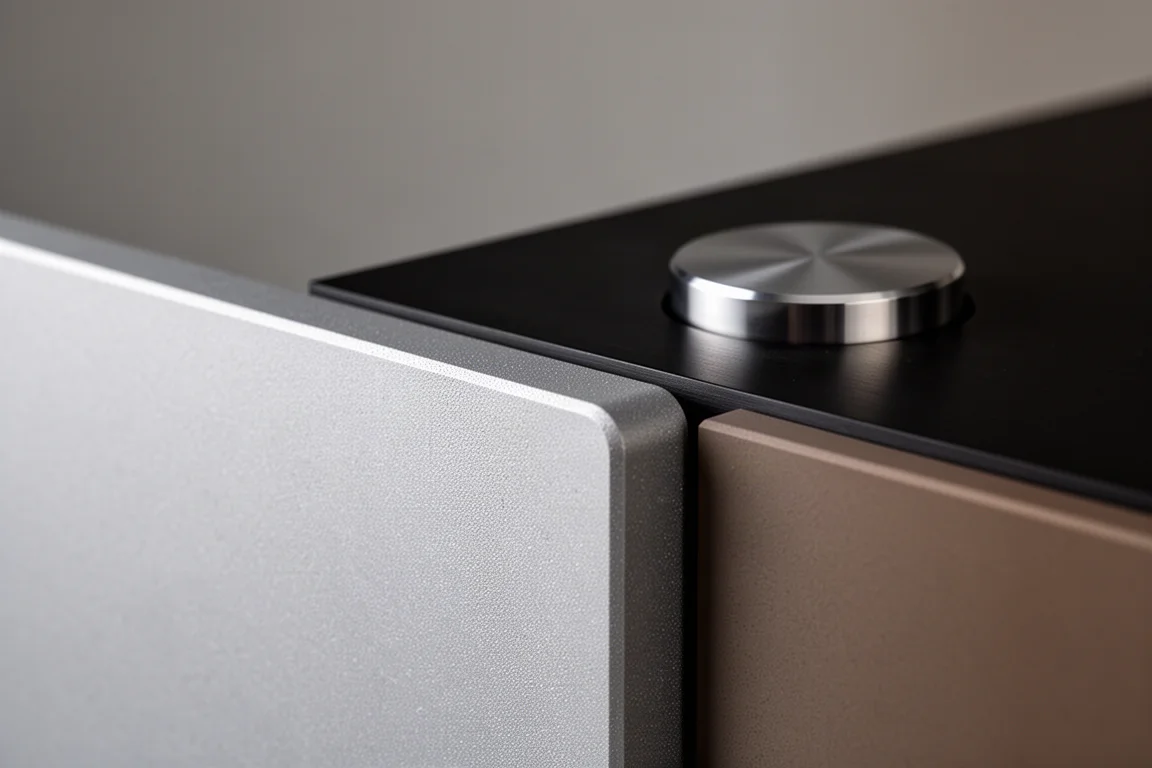
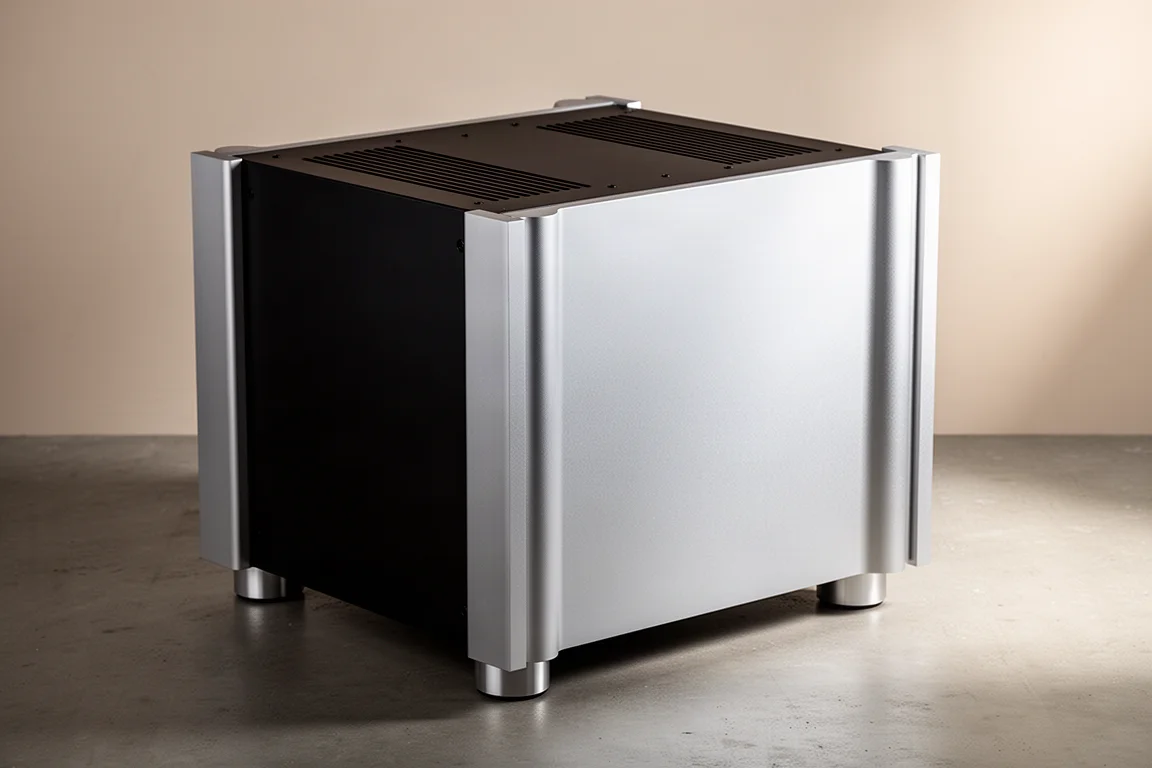
Each component uses a three-piece housing construction: two aluminum side panels and a heavy-duty steel top panel. That hybrid approach significantly increases rigidity and improves seismic resistance, deadening the external vibrations that could otherwise microphonically degrade the audio signal. In practical terms, the heavier and more rigid enclosure helps isolate the internal circuitry so vibration stays out of the music.
The front panels are aluminum with a sandblasted finish that reduces glare for a clean matte look, while adding a subtle texture where you touch the controls. Beneath the surface, an oval chassis design uses pressed lines to strengthen the bottom plate and help disperse vibration. Even the knobs and buttons are tuned for tactile response, so turning the volume dial on the A50 or selecting an input on the P80 feels deliberate and precise. Every component is available in a silver or a black finish.
Under the hood, two technologies shape the intended sound. The first is DIDRC, or dynamic intermodulation distortion reduction circuitry. With modern digital audio, digital-to-digital conversion can generate ultra-high-frequency noise far above the range of human hearing. You cannot hear it directly, but it can create intermodulation distortion that folds down into the audible range, showing up as a subtle smear or glare that makes instruments sound less natural. DIDRC is a discrete signal control circuit designed to eliminate that noise, helping digital sources sound smoother and more natural without losing detail. Both the P80 and the A50 use AKM’s AK4452 DAC, implemented with careful clocking, power isolation and DIDRC working together.
The second is three-stage inverted Darlington circuitry, found in the power sections of the M80 and the A50. This topology is designed for high current and low impedance performance. Speakers are not a fixed load, and their impedance changes as music plays, which is where many amplifiers begin to struggle and end up with thin bass or compressed dynamics. The inverted Darlington design provides a large instantaneous current supply to control the speaker drivers with authority. It also lets the amplifier operate with very low negative feedback, so it remains less affected by back EMF sent back from the speakers. Fanless designs remove mechanical noise, and custom-made 10,000 microfarad capacitors complete the power supply picture.
Onkyo Icon P80 Network Preamplifier
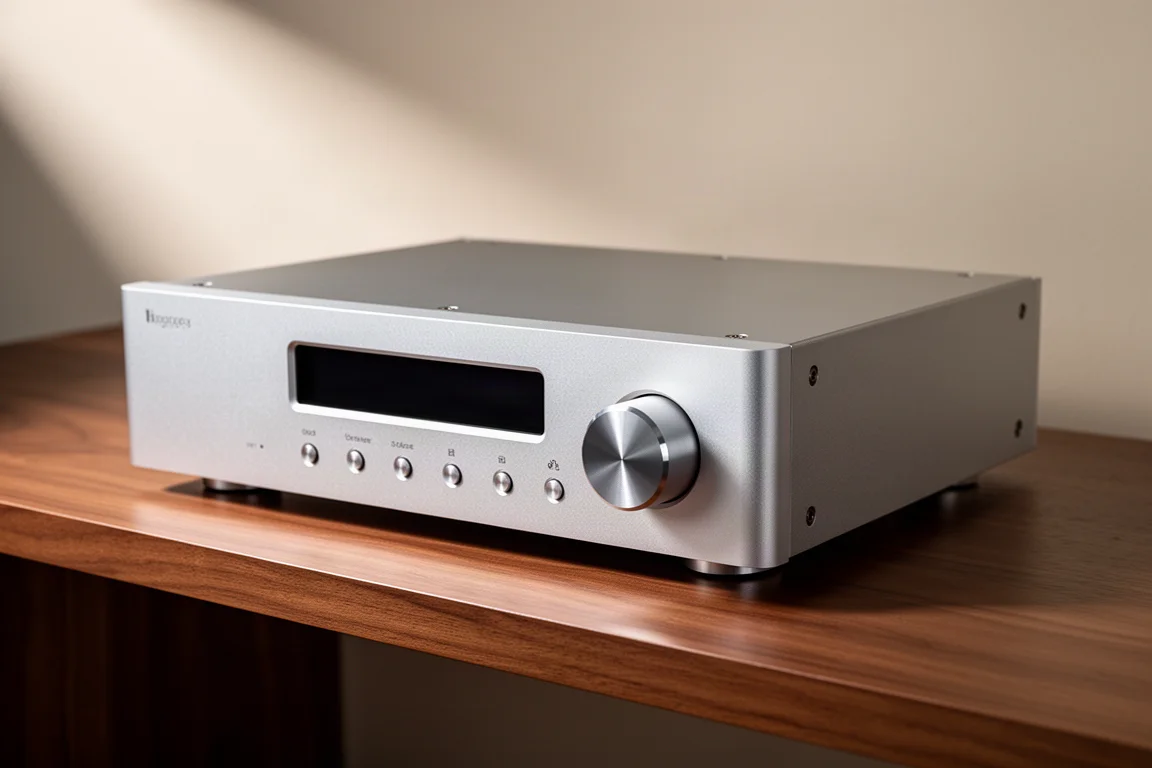
The P80 serves as the modern command center of a separates system. On the back you get three pairs of RCA analog inputs and a dedicated phono stage that supports both moving magnet and moving coil cartridges. The moving coil circuit is built as a discrete component so it can reproduce the tiny signals of higher-end cartridges accurately, without distortion.
For digital sources there are coaxial, optical and USB-A inputs. HDMI eARC is the feature many living rooms will care about most, because it lets a stereo system replace a soundbar while volume control stays on the TV remote. As a network streamer, the P80 supports Spotify Connect, Tidal Connect, Qobuz Connect and Amazon Music, is Roon ready, and includes Chromecast built-in and AirPlay 2 support, so casting from whichever device you use is straightforward.
Room correction arrives in the form of Dirac Live, which uses a microphone to analyze your room acoustics and then correct frequency response anomalies. A limited-bandwidth version is included at no extra cost, covering 20 Hz to 500 Hz, with a full-bandwidth upgrade available.
Onkyo Icon M80 Power Amplifier
The M80 provides the muscle. It is rated at 130 watts per channel into 8 ohms and 200 watts into 4 ohms, giving it the headroom to drive demanding speakers with ease. The output stage uses transistors in a parallel push-pull configuration, which increases current capability and helps control the motion of the speaker drivers for tighter, more impactful bass.
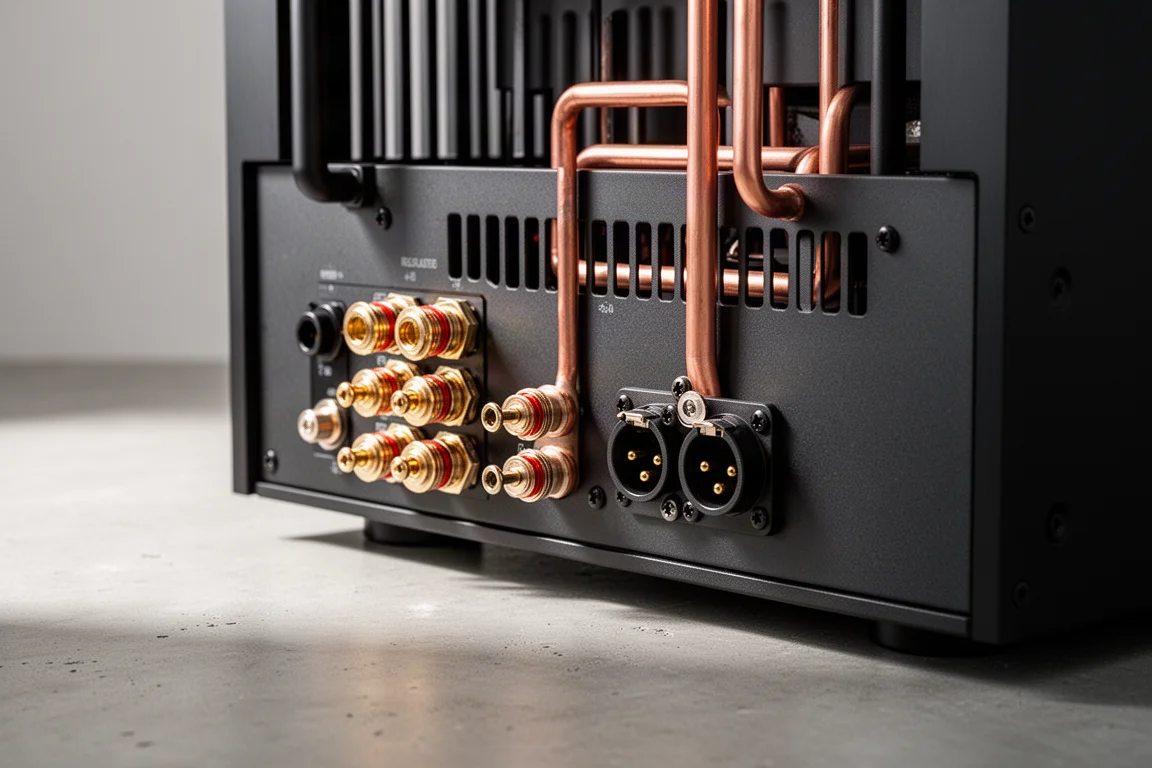
It offers both RCA and XLR balanced inputs, making it a natural partner for the P80’s balanced outputs and helping keep the connection clean and quiet. Inside, copper bus bars support low-resistance power flow, and the rigid chassis works to suppress vibration.
The three-stage inverted Darlington circuitry and the fanless layout are central to how the M80 behaves over long listening sessions. The design goal here is refinement and power at the same time, rather than one at the expense of the other.
Onkyo Icon A50 Network Integrated Amplifier
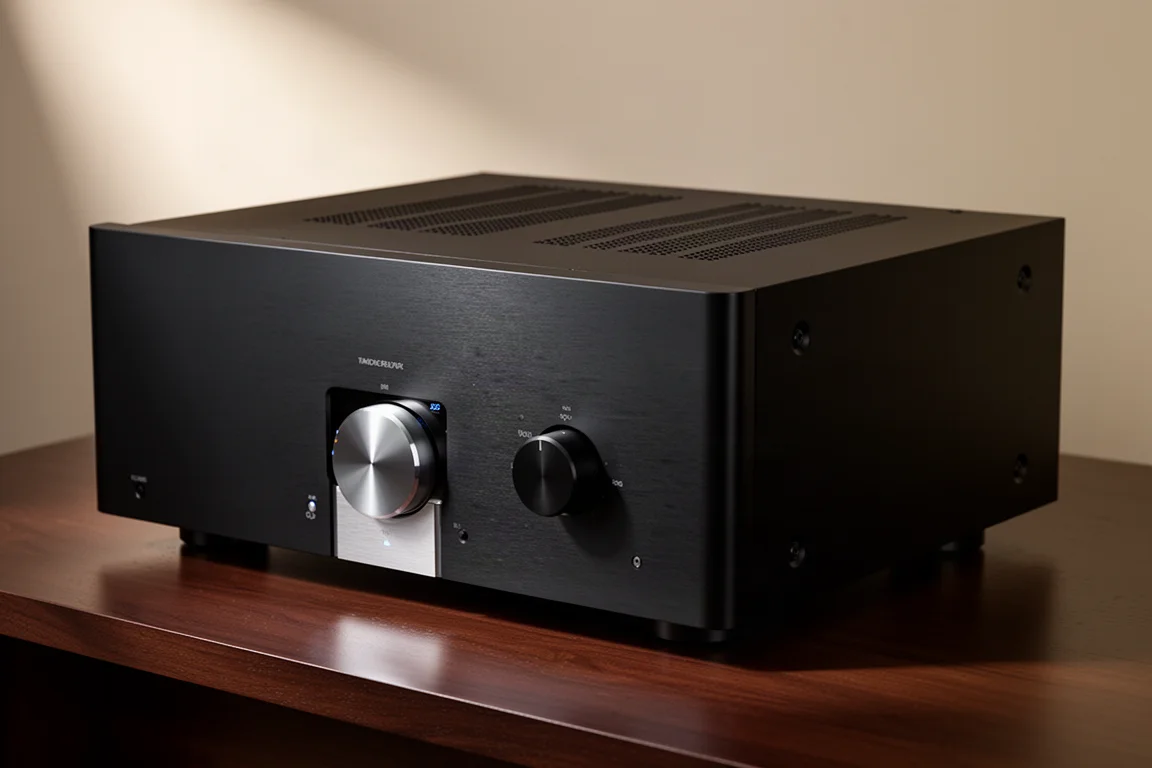
Not every music lover has the rack space or the budget for separates, and the A50 is Onkyo’s answer to that. It delivers 110 watts per channel into 8 ohms and 180 watts into 4 ohms, using the same inverted Darlington circuitry and custom high-current power supply approach found in the M80. A fanless design with extruded aluminum heat sinks helps ensure that the only thing you hear is your music.
Connectivity is virtually identical to the P80. That includes HDMI eARC for your TV, the full suite of streaming options with Roon ready and Chromecast, a high-quality MM and MC phono stage for a turntable, and Dirac Live room correction for tailoring the sound to your room. The AK4452 DAC is on board as well, so digital sources stay clean and natural.
Onkyo Icon C30 CD Player
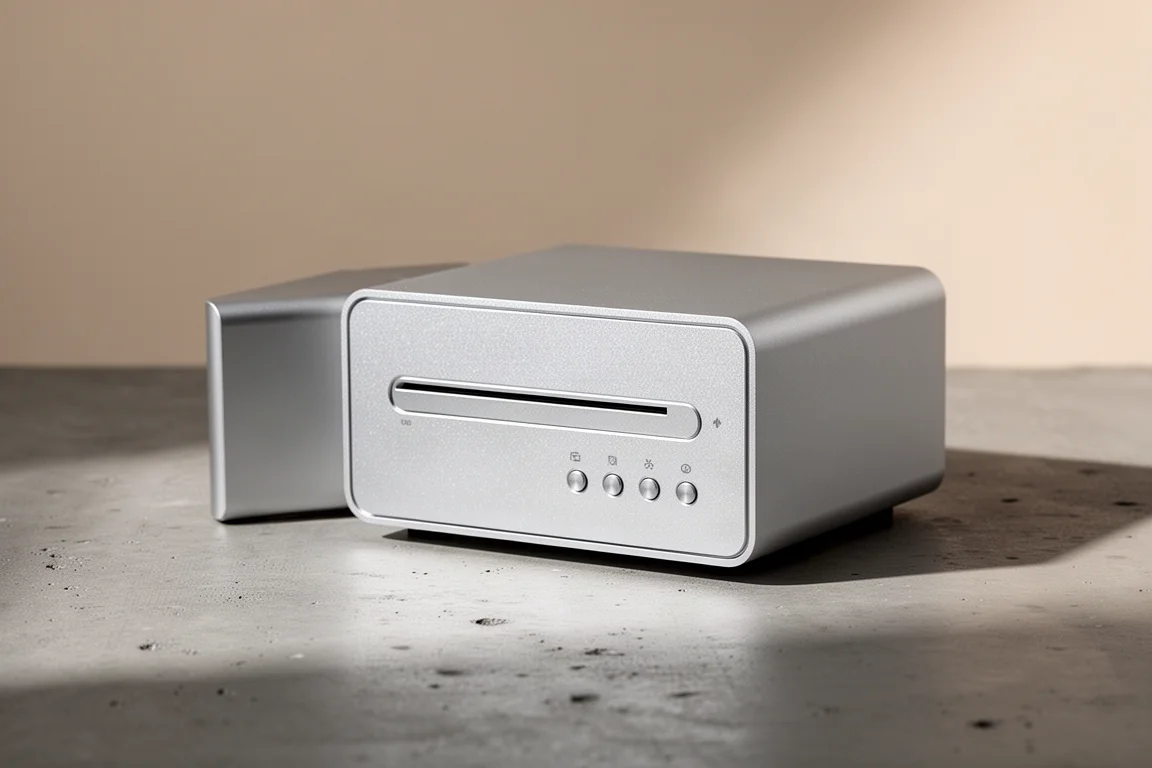
The C30 is not treated as an afterthought in this lineup. It is engineered around VLSC, or vector linear shaping circuit. Standard digital-to-analog converters use analog filters to smooth out the digital signal, which can introduce phase distortion and noise. VLSC uses a proprietary algorithm to generate a smoother analog waveform between sampling points, effectively removing pulse noise for a cleaner output.
To read the digital bitstream accurately, the C30 includes a high-precision clock with an accuracy of plus or minus 10 parts per million. That timing accuracy helps preserve stereo imaging and instrument placement. The player also offers optical and coaxial digital outputs, so you can send a digital coax signal from the C30 to the P80 or the A50 and let the higher-performance AK4452 DACs inside those components handle the conversion instead.
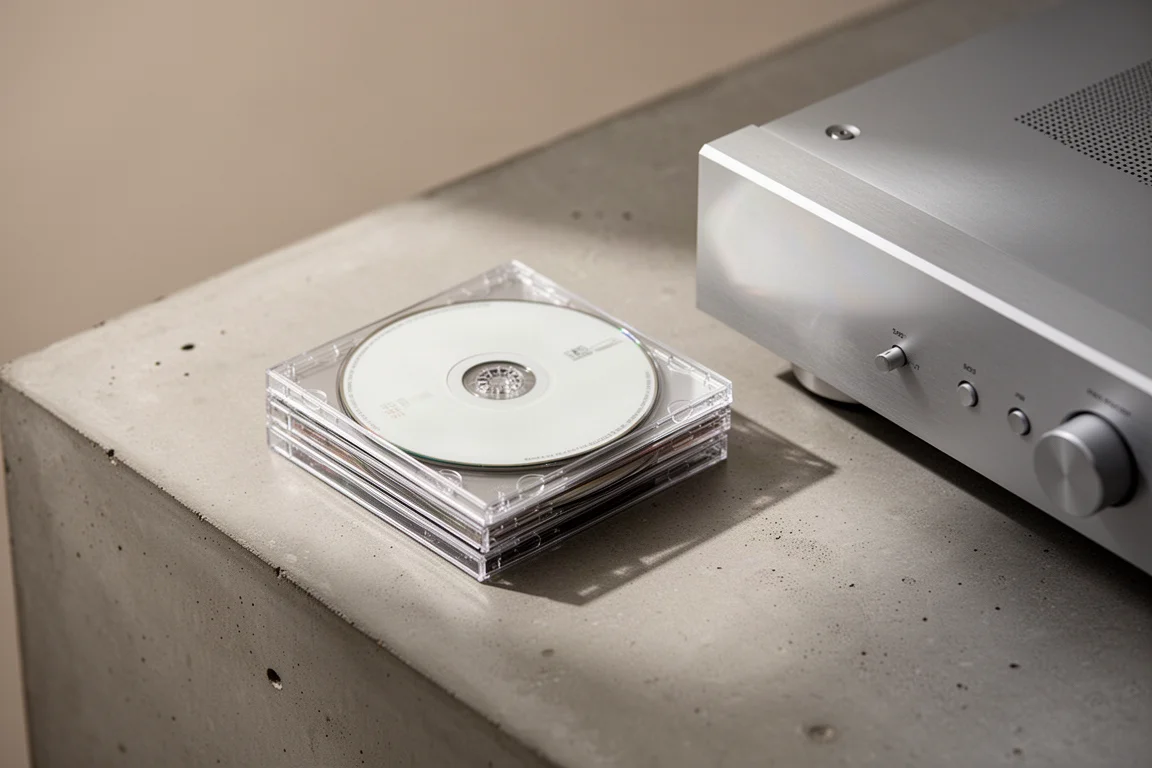
For anyone who still buys CDs, or who has gone back to physical media, having a player of this quality inside a modern stereo lineup is a genuine convenience.
Listening Notes: How the Icon Series Sounds
Sitting down with the Icon series, the first quality that stands out is the silence. Thanks to the DIDRC circuitry and careful grounding, the background is pitch black, which lets micro details come through cleanly: breath, cymbal decay, guitar texture.
With complex orchestral tracks or driving rock, the inverted Darlington power section kept everything composed. Instrument separation stayed strong, the soundstage remained stable at higher volumes, and the bass was deep and authoritative without losing much definition.
The A50 shows a clear family resemblance to the separates. The separates do offer a slightly wider soundstage and a bit more grip in the very bottom octave, but the A50 gets impressively close to that level of performance from a single box. After calibration with Dirac Live, the boominess that often shows up in living room spaces tended to vanish, leaving an open and natural midrange.
Buying Advice: Choosing Between the Icon Components
Two paths run through this lineup. The separates route pairs the P80 with the M80 and keeps the delicate low-voltage preamplifier signals isolated from the magnetic fields and current delivery of the power amplifier. It is the more flexible option, and the one to choose when you want the widest soundstage and the firmest grip at the bottom end.
The A50 collapses most of that experience into one chassis and is the sensible choice when rack space or budget points toward a single component. Adding the C30 makes sense for anyone with a disc collection, and its digital output gives you the option of using the better DACs in the P80 or the A50 instead of the player’s own conversion.
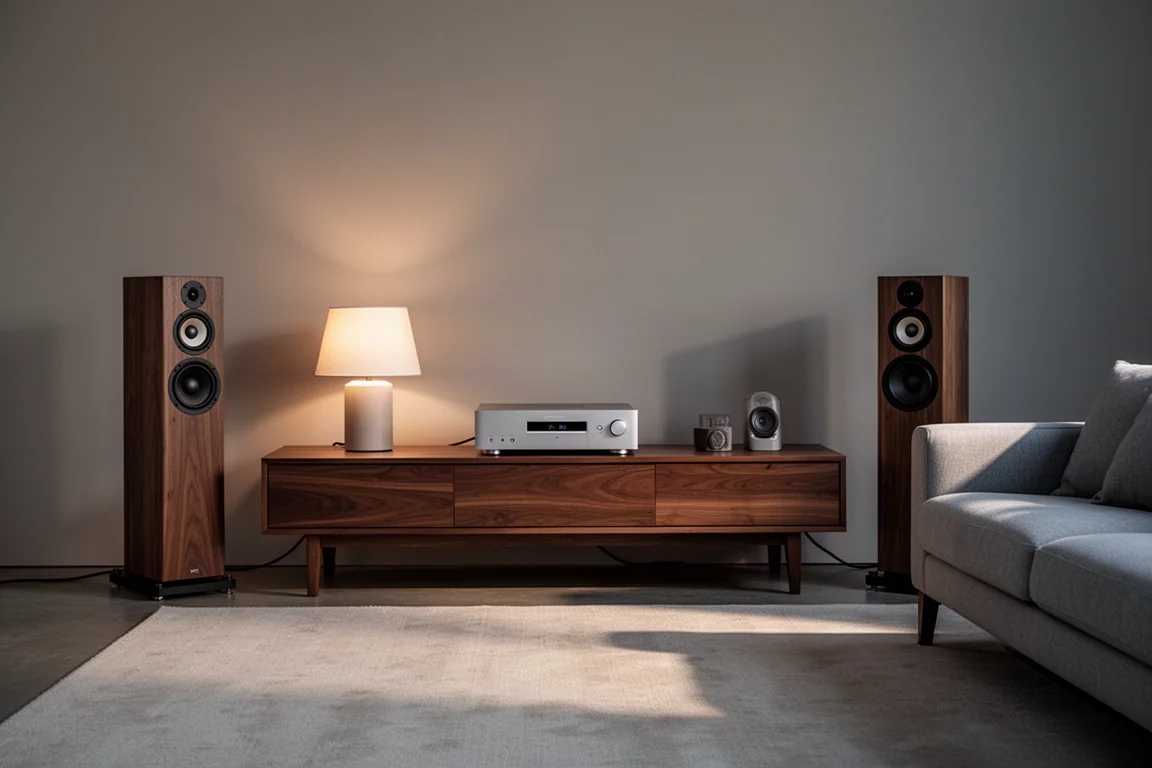
All four components share the same chassis philosophy, the same tactile controls and the same tonal intent, so mixing and matching within the series stays coherent. That consistency is part of what makes the lineup easy to plan around, whether you build it in one step or over several.
Conclusion
The Icon series reads as a return to form for a brand with a long hi-fi history. It combines the tactile satisfaction and robust build quality of classic audio gear with the connectivity and processing power that modern systems demand. Whether the goal is a dedicated listening room built around the P80 and M80, a versatile living room system anchored by the A50, or a way to rediscover a CD collection with the C30, the lineup keeps the emotional connection to the music at the center of the experience.
Further reading
Related Reviews

Backpacking Gear
Building a 10 lb Base Weight: An Ultralight Backpacking Gear List
A practical walkthrough of the ultralight pieces behind a 10 lb base weight, from a 765 g pack and a roomy one-person tent to a full camp chair and a dependable water filter.

Road Bikes
10 New Road Bikes Worth Watching: Aero, Titanium, Steel and Endurance Standouts
A practical roundup of 10 new road bikes, from aero flagships chasing single-watt gains to titanium, steel and endurance platforms built for real roads.

Bikepacking Gear
11 Bikepacking Essentials for Long-Distance Cycling
Eleven bikepacking essentials for long-distance cycling, from a steel gravel frame and a two-person tent to helmet lights, packable gloves, and a frame bag that puts weight in the right place.