Hi-Fi Amplifiers
Onkyo Icon A-50 Review: A Modern Integrated Amplifier With Traditional Hi-Fi Character
A feature-rich Class AB integrated amplifier with Dirac Live, HDMI ARC and a capable phono stage, plus the speaker-matching limits worth knowing before you buy.
Introduction
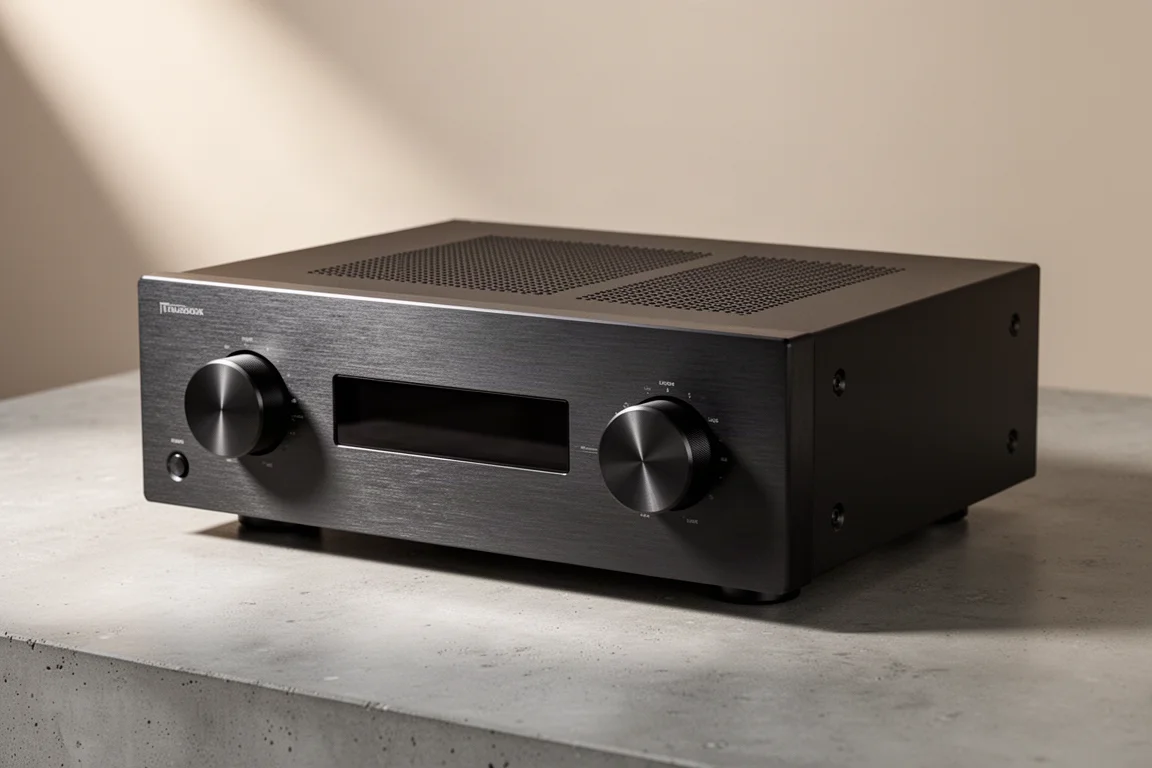
The Onkyo Icon A-50 is a stereo integrated amplifier that carries an unusually long feature list for $1,599. It runs Class AB amplification, accepts analog and digital sources, includes a built-in DAC, adds HDMI with ARC and CEC, and covers Wi-Fi, Bluetooth and streaming. Dirac Live room correction is part of the package as well.
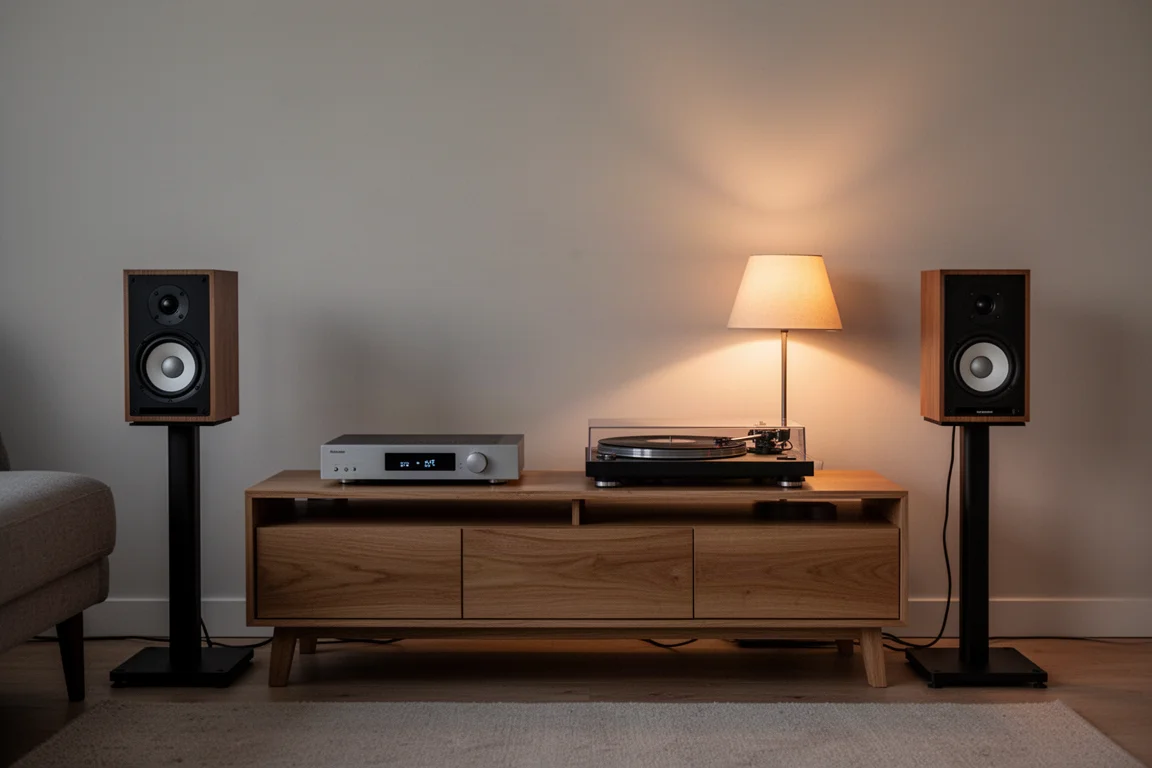
That combination makes it a genuinely complete single-box option for listeners who want two-channel sound without giving up television integration or room correction. The sections below cover how it sounds, what it does well, where it runs into limits, and how it sits against the rest of Onkyo’s Icon range.
Who the Onkyo Icon A-50 Is For
The A-50 is aimed at listeners who want a traditional hi-fi experience with a handful of modern conveniences built in. That includes people assembling a first serious two-channel system, and equally those who want to simplify an existing setup by removing a separate DAC, streamer or phono preamp from the rack.
A single chassis covers analog and digital sources, network streaming, Bluetooth and television audio over HDMI ARC with CEC. With the built-in phono stage included, the amplifier can serve a turntable, a streamer, a disc player and a TV without extra boxes. That breadth is the core of its appeal, and it is the main reason the A-50 stands out within its own lineup.
Main Strengths: Sound Character and Power
The A-50 is rated at 110 watts per channel into 8 ohms and 180 watts into 4 ohms. Inside, it uses a three-stage inverted Darlington amplifier topology related to the design used in Onkyo’s RZ70 AV receiver and in the more powerful M-80 power amplifier in the Icon range. The stated goal of that design is high current delivery for more demanding speakers.
Left flat, with no EQ or adjustment, the amplifier leans neutral and can come across as slightly polite in places. Paired with energetic speakers, the low end stayed tight and grippy, the mid-range came through clearly, and the treble sat a little rolled off. Cymbals had presence, but the final layer of shimmer and decay felt held back. Nothing sounded wrong, and that restraint at the top end reads as intentional rather than as a flaw.
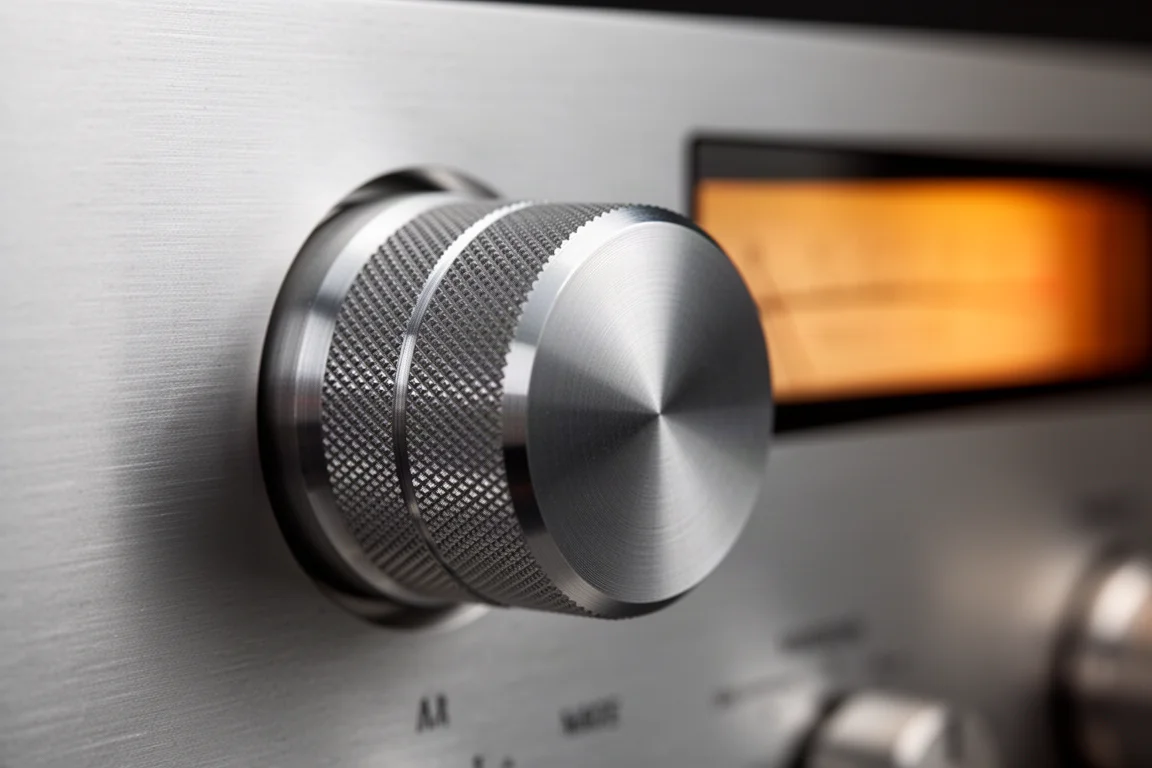
Volume changes the character noticeably. As the amplifier is pushed higher, there is an audible click as it draws on more of its power reserves, and above that point the sound opens up considerably. Below it, the A-50 sounds softer and more restrained. Fidelity IQ, a modern loudness function with low, medium and high settings, adds weight and presence at lower listening levels and works well, though the amplifier still rewards a little more volume before it gives its best.
Connectivity, Streaming, and Dirac Live
The feature set is unusually broad for a stereo integrated amplifier. There are analog and digital inputs, a built-in DAC, HDMI with ARC and CEC, plus Wi-Fi, Bluetooth and streaming. Dirac Live room correction is included, with the option to upgrade to the full version to help integrate the speakers, particularly their bass, into the room.
The built-in DAC is good rather than exceptional. It does not offer the last word in channel separation, detail retrieval or microdynamics that dedicated converters can provide, but as part of an all-in-one integrated amplifier under $2,000, few listeners are likely to feel short-changed. Depending on the library, that can even be an advantage, because less than perfect recordings sound more forgiving here than through more revealing external DACs.
In daily use, the connectivity means one amplifier can handle a turntable, a network streamer, a disc player and a television without a stack of separate components. That is a meaningful simplification for anyone who wants a tidy rack and a short list of remote controls.
Phono Stage and Everyday Usability
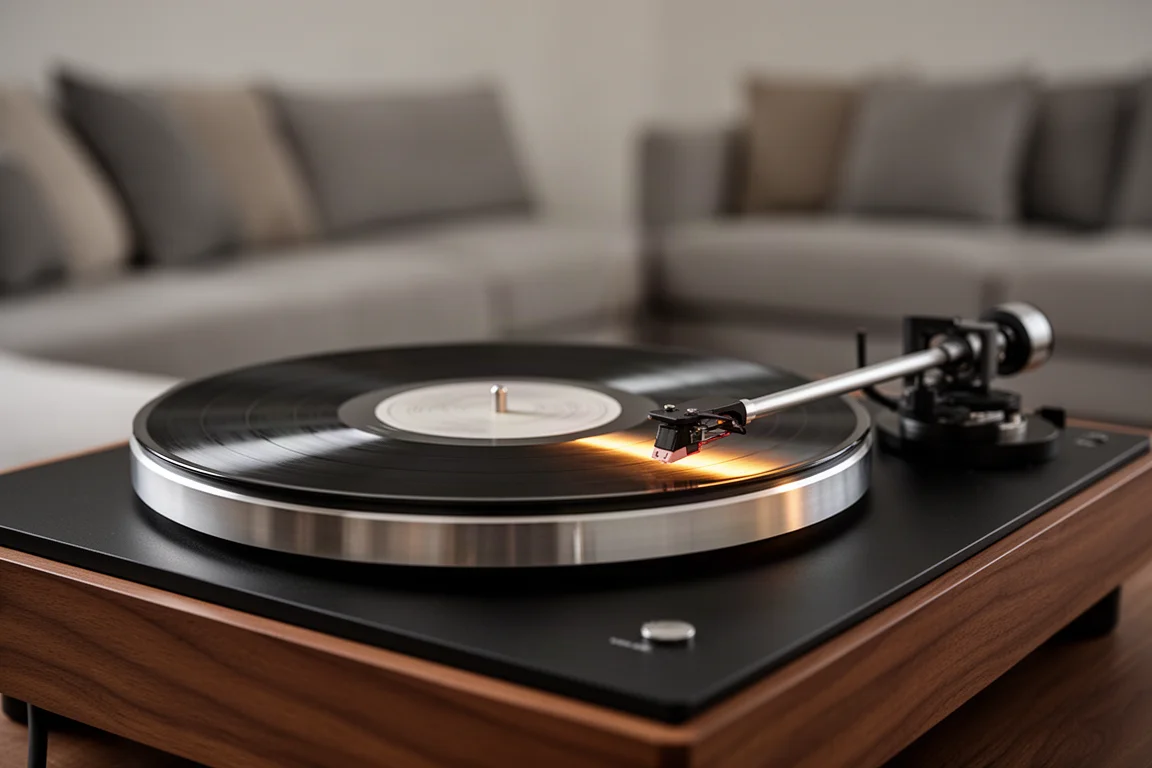
The phono stage is the quiet surprise of the package. Compared with the stage inside a turntable that costs more on its own than the amplifier, it gave up only a slight edge in absolute performance, and not by a wide margin. For most listeners, and certainly for a first or second turntable setup, the built-in stage is more than enough.
Dirac Live itself worked flawlessly in use, and even in its limited form it is a genuinely useful tool rather than a marketing checkbox. Multiple customisable profiles are supported, though they have to be managed through the Onkyo control app or a computer, and there is no dedicated button on the remote to toggle correction on and off. Filter uploads felt quicker here than on the RZ30 receiver, and the amplifier responded promptly to a connected laptop.
Things to Consider Before Buying
The clearest limitation is bass management. The A-50 has no subwoofer output and no internal bass management, which means Dirac bass management is not supported either. For listeners who want to integrate a subwoofer properly, that alone can be a deal breaker.
The second consideration is speaker matching. The Icon series is described as capable of handling difficult loads, but speakers whose impedance dips well below 4 ohms, such as a design that drops to around 3 ohms, ask for more current than the A-50 can comfortably supply. At low to moderate volumes the amplifier held up well: the tone stayed neutral, the mid-range remained clear, and the slightly polite top end still felt deliberate. Pushed past roughly 70 dB in-room, bass softened and lost definition, bleeding into the mid-range, the top end turned sharp and fatiguing, and the soundstage flattened out. Entry to mid-tier speakers are a far better match for this amplifier.
Two smaller points are worth knowing in advance. The click as the amplifier moves into a higher power band is audible, and Dirac profiles can only be adjusted through the app or a computer rather than from the remote.
Buying Advice
Within Onkyo’s current lineup, the A-50 strikes the best balance for anyone who wants a traditional hi-fi experience with a few modern conveniences. Stepping up to the separate P-80 preamplifier brings better isolation and dedicated power supplies, and those are real upgrades, but most of what it does, including the built-in DAC, HDMI, streaming, Wi-Fi and Dirac, is already built into the A-50. At roughly $400 less than either the P-80 or the M-80 on their own, and about $2,400 less than running both separates, the A-50 is the more sensible option for most systems.
The RZ50 receiver is the other strong option from the same brand. It is currently on sale for $1,150, offers 120 watts per channel, covers much the same feature set, adds a path into home theatre, and includes two subwoofer outputs, all while saving $450. Listeners who care about subwoofers or surround sound should weigh it carefully before deciding.
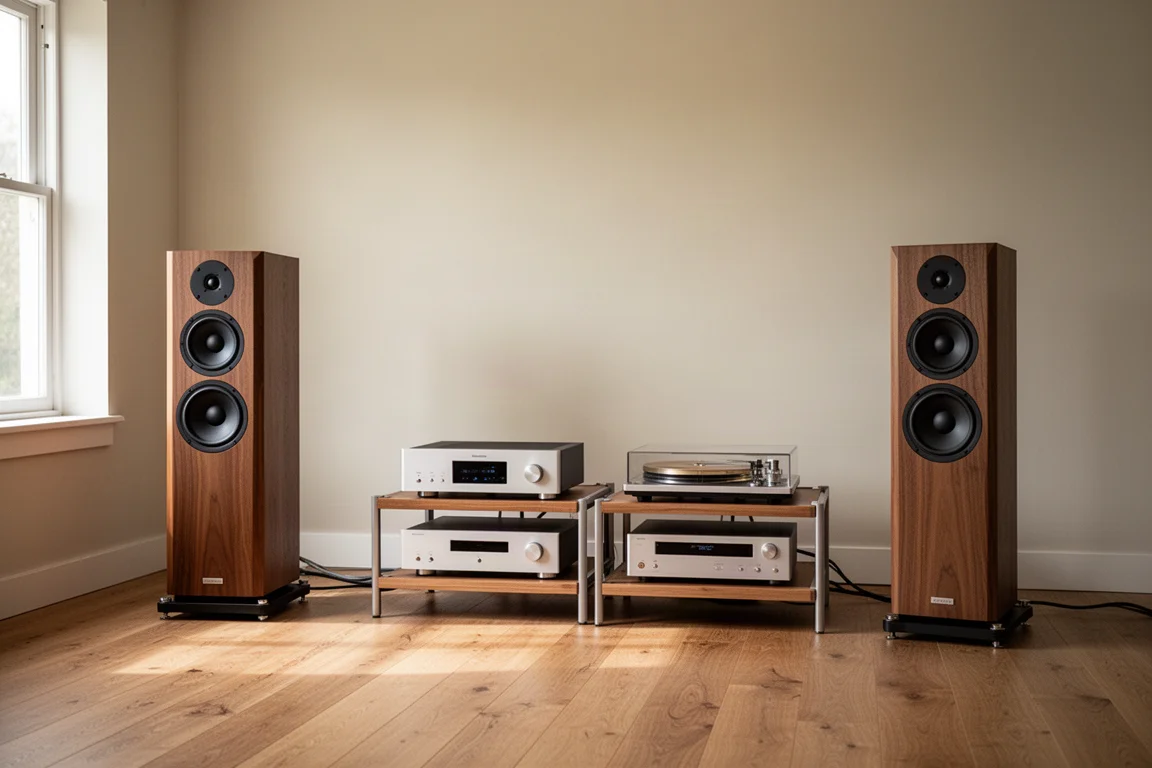
Outside the brand, the A-50 faces stiff competition. Rotel’s RAS-5000 offers more stable power and a full colour display at a similar price, Yamaha’s alternatives are just as feature-rich and arguably more user-friendly, and Cambridge’s integrated amplifiers handle difficult loads better, though they cost a little more. Neither Rotel nor Cambridge includes Dirac, and depending on the room that can matter a great deal. The practical advice is straightforward: if the speakers are entry to mid-tier and reasonably easy to drive, the A-50 is a well-rounded, feature-rich choice with few obvious gaps. If the speakers are known to demand serious current, budget for more amplifier.
Conclusion
The Onkyo Icon A-50 is a solid, affordable and slightly aspirational integrated amplifier that works with a wide range of speakers and music. It delivers a complete modern feature set, a capable phono stage, useful room correction and a neutral sound that opens up as the volume rises.
Its limits are clear rather than hidden: no subwoofer output, no bass management, and a real need for sensible speaker matching. Buyers who keep those constraints in mind will find a lot of amplifier for $1,599, and enough here to justify putting the A-50 on an audition list.
Product link
View more details for Onkyo Icon A-50 Integrated Amplifier
This product is mentioned in the review. Check the specifications, options, and compatibility before buying.
View more details for Onkyo Icon A-50 Integrated AmplifierFurther reading
Related Reviews
Hi-Fi Amplifiers
Accuphase E-280 Review: Entry-Level Accuphase With Flagship Attention to Detail
A close look at the Accuphase E-280 integrated amplifier, covering its champagne build, AAVA volume control, sound quality, and the speakers and sources that suit it best.
Hi-Fi Amplifiers
Advance Paris A10 Classic vs Yamaha A-S301: Two Integrated Amplifiers Compared
A practical comparison of a $350 integrated amplifier and a $2,500 reference model, covering the differences that matter and the ones that do not.
Hi-Fi Amplifiers
Affordable Chinese Amplifiers Worth Buying: Five Budget Hi-Fi Amps Compared
A practical look at five affordable amplifiers, what each one does well, and the trade-offs to weigh before you buy.