CD Players
Onkyo C-30 Review: A Modern Affordable CD Player Worth a Closer Look
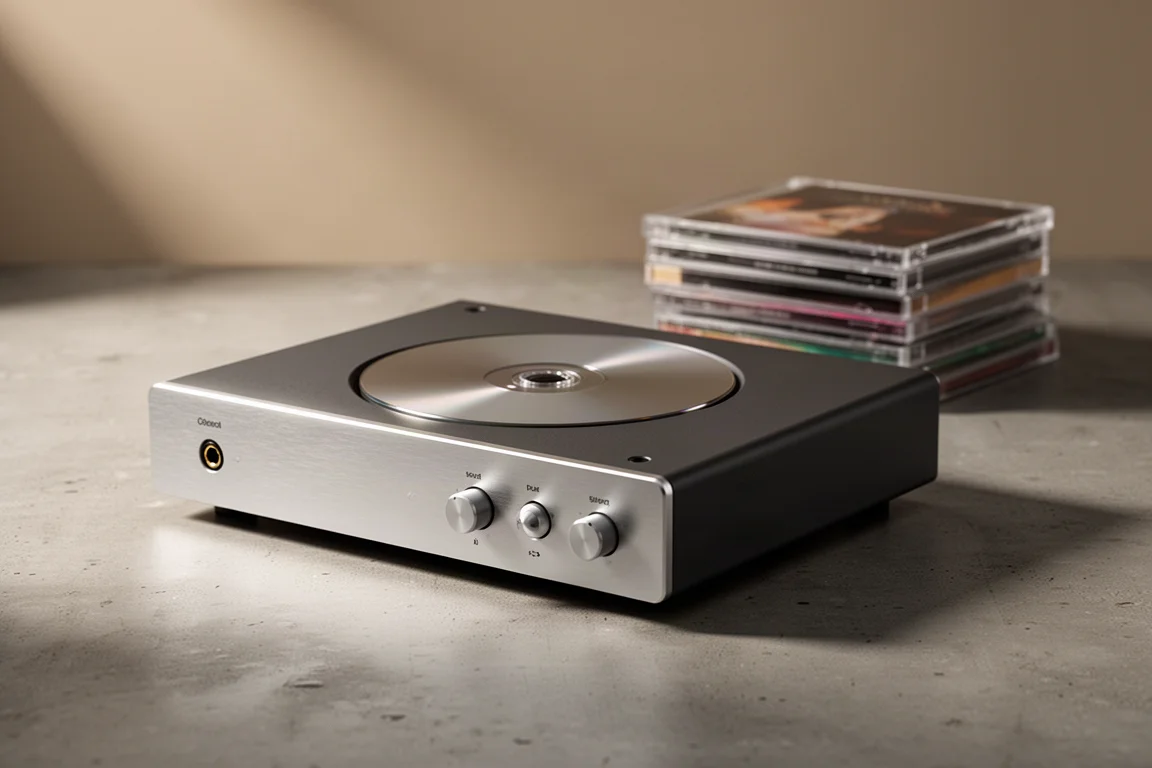
The Onkyo C-30 is a $399 single-disc CD player from the new Icon series, with noise-reduction circuitry, a proprietary clock, and a clean, balanced sound.
Introduction
Compact discs never actually died. Sales stopped collapsing and then started to grow again, helped along by limited-edition pressings and a younger audience that likes owning something physical. The hardware side of that revival has been far less balanced. Budget direct-to-consumer imports sit at the bottom of the market, premium players sit well above $800, and the roughly $300 to $500 middle ground quietly emptied out as most mainstream brands stepped away from it.
That gap is exactly where the Onkyo C-30 lands. It is a single-disc CD player from the new Icon series, priced at $399, and it was released alongside far more expensive components: a high-end preamplifier, an integrated amplifier, and a power amplifier. Onkyo’s own explanation for the pairing is straightforward. The goal was to build a more accessible CD player that still follows the design principles behind the Icon series, giving more listeners a way into the ecosystem without asking them to jump straight into high-end separates.
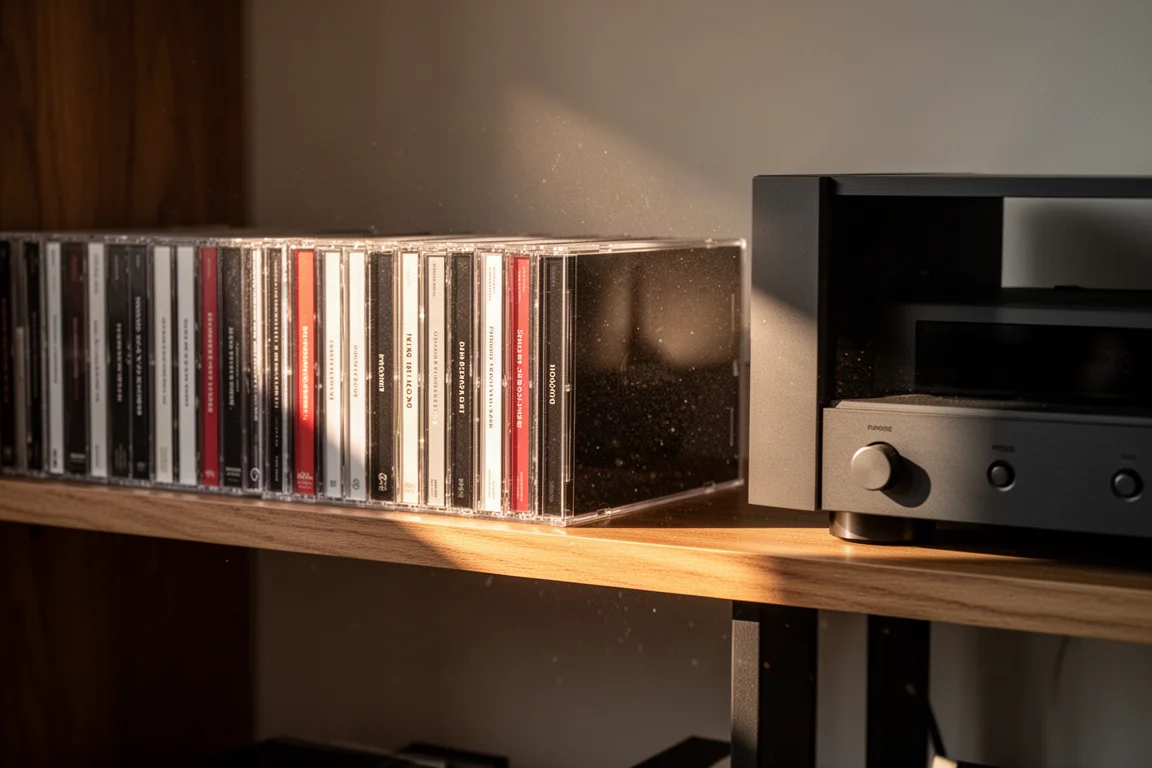
The result is a player that carries technology usually reserved for pricier hardware, including the company’s noise-reduction circuitry and a proprietary clock design. Whether any of that matters in practice is the interesting question, and it is one worth answering plainly.
Who This Product Is For
The C-30 makes the most sense for listeners who want to be a little more intentional about how they play music. Streaming remains cheap, convenient, and genuinely good, but a dedicated player asks you to choose an album, load it, and listen from start to finish. That ritual is the appeal.
It also suits headphone listeners in a specific way. The front panel includes a headphone output with its own volume control, so the C-30 can be used on its own with a pair of headphones and no amplifier or speakers at all. For anyone assembling a first proper two-channel system, that flexibility removes a step.
Finally, it fits listeners who already own a good digital-to-analog converter. Analog and digital outputs on the back mean the C-30 can act as a transport and hand conversion off to hardware you already trust.
Main Strengths
Build quality is the first thing that stands out. The knobs and the front plate are metal, and the front plate is designed to reduce vibration. On digital hardware that can sound like marketing talk, but the same approach appears in far more expensive players, and it contributes to how solid the C-30 feels in daily use.
The second strength is the sound. Compared with the warmer, thicker presentation of a six-disc carousel, the C-30 is cleaner through the mid-range and more balanced overall. It does not add bloom to the lower mid-range or the bass, which means it more closely resembles what came out of the mastering stage. Listeners who want a forgiving, rich sound may prefer the alternative. Listeners who want detail and neutrality will likely prefer this.
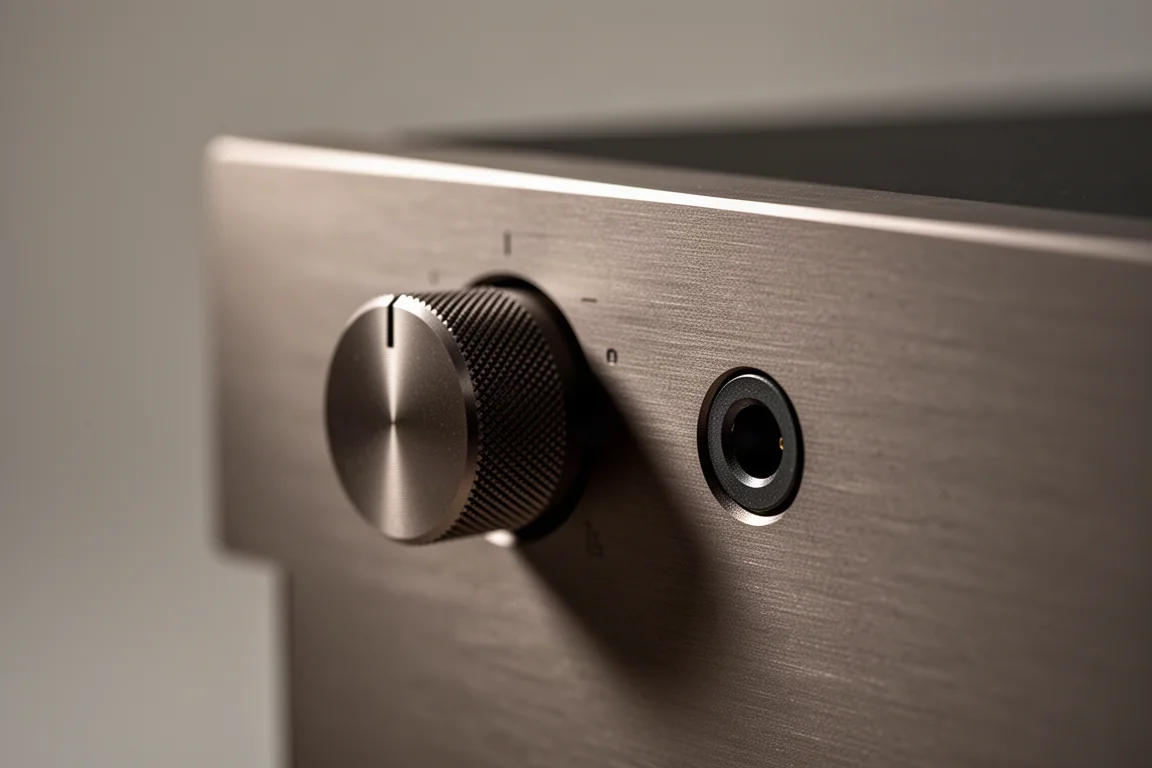
The headphone output, the metal chassis, and the price below $400 are a combination that is genuinely hard to find in a new player right now. Most of the obvious rivals have been on the market for a decade or more, and several are on backorder.
VLSC and Clock Circuitry
The feature Onkyo highlights most is VLSC, a circuit that targets the pulse noise created during digital-to-analog conversion. The clearest way to picture it is the way noise-cancelling headphones sample ambient sound and then send an inverted signal to cancel it out. Onkyo applies a similar idea to conversion noise, generating a correction signal that offsets it.
The C-30 also uses a proprietary clock design, which matters because timing errors in digital playback affect how cleanly the conversion stage can do its job. Both technologies are shared with hardware elsewhere in the lineup, which is part of why the C-30 is interesting. The engineering is not exclusive to the expensive models.
How the C-30 Compares to Other CD Players
The most direct internal comparison is Onkyo’s own six-disc carousel, which sells for around $350. It sounds noticeably warmer and thicker, and that richness can flatter weaker recordings. The C-30 goes the other way: cleaner in the mid-range, more balanced, and less likely to smooth over detail.
Against a $4,000 high-end player, the C-30 does not embarrass itself. It sounds closer to that flagship than it does to the budget carousel, which is a striking result for a player costing roughly a tenth as much. It is not identical, and it should not be, but the tonal direction is similar.
The wider market tells its own story. A Yamaha CD-S303 and a Cambridge Audio AXC35 both list around $450, a Denon DCD-600NE sits near $500, a Rotel CD11 Tribute lists at $500 after a discount, and a NAD C538 comes in around $400. Many of those have been in production for years, and several are on backorder. Onkyo, Rotel, and Integra stock has been the easiest to find.
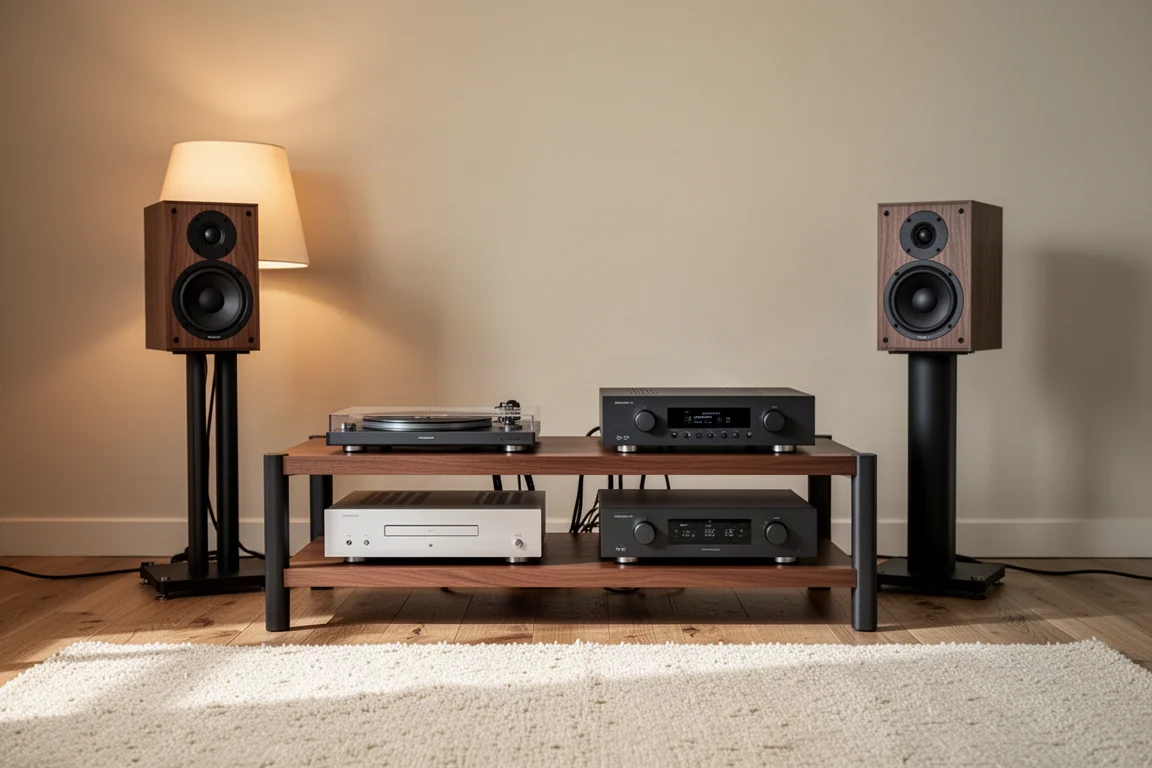
That context matters for buyers. The C-30 is one of very few genuinely new designs in its price band, and it arrives with current-generation circuitry rather than a decade-old platform.
Things to Consider Before Buying
It is a single-disc player, so anyone who likes loading a stack of discs and letting them run will find a carousel more convenient. That is a lifestyle trade-off rather than a performance one.
The sound signature is neutral rather than warm. If you are chasing the thicker, more forgiving tone of an older carousel, the C-30 will not give you that. It is more honest, and honest is not always what every listener wants at the end of a long day.
The C-30 also needs something to play through. With no amplifier and no speakers, the headphone output is the simplest path. Beyond that, budget for an amplifier and speakers, or for an external DAC if you plan to use the digital outputs.
Finally, price is relative. At $399 the C-30 sits above the cheapest imports and below the premium tier, which is precisely the gap it was built to fill. If your budget is closer to $100, this is not the player for you. If you were bracing for $800 or more, it is a considerably easier decision.
Buying Advice
For most people stepping into CD playback for the first time, the C-30 is the sensible pick. It is well built, it includes headphone listening without extra hardware, and it carries the same noise-reduction and clock technology used higher up the range. The price sits in the middle of the market rather than at the bottom, and the build quality reflects that.
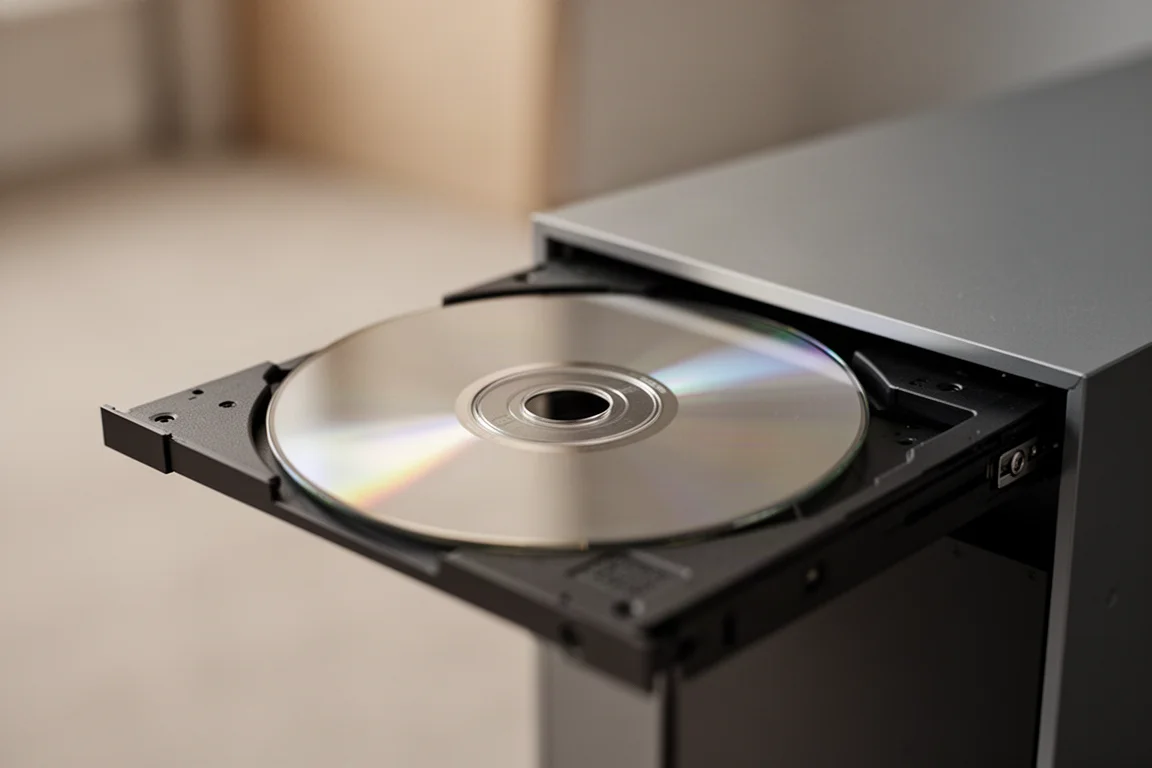
If you already own a large CD collection and want the convenience of multi-disc playback, the six-disc carousel remains a reasonable alternative, especially at its lower price. If you are chasing the absolute limit of what the format can do and your budget is measured in thousands, the high-end tier still exists for a reason. For everyone in between, the C-30 is the rare modern option.
Conclusion
The C-30 is a confident statement about where Onkyo wants to sit in two-channel audio. A $399 player released alongside high-end separates signals that the company sees value in the format and in listeners who want to own their music. It sounds balanced, it is built to last, and it fills a price band that had almost nothing new in it. For anyone curious about CDs right now, that is a genuinely appealing combination.
Product link
View more details for Onkyo C-30
This product is mentioned in the review. Check the specifications, options, and compatibility before buying.
View more details for Onkyo C-30Further reading
Related Reviews
CD Players
Advance Paris X-CD9 Review: A Tube CD Player That Also Works as a Transport
A close look at the Advance Paris X-CD9, a tube CD player that doubles as a CD transport, with listening notes, handling details, and a comparison against an external DAC.
CD Players
Best CD Players and DACs in 2026: Five Ways to Get Great CD Sound
Five CD player and converter options from roughly $80 to $600, plus what actually matters for sound quality and how buying discs supports the artists you love.
CD Players
Best CD Players Compared: Budget, Mid-Range, and High-End Picks
A practical comparison of four CD players across price points, from an entry-level deck to a reference-grade player that doubles as a DAC and headphone amplifier.