Backpacking Tents
OneWind Solo Vent Bivvy Tent Review: A Three-Season Shelter With a Smarter Awning
A single-wall, one-person bivvy shelter with a staked-out awning extension panel that keeps the inner dry in rain, plus the trade-offs to weigh before buying.
Introduction
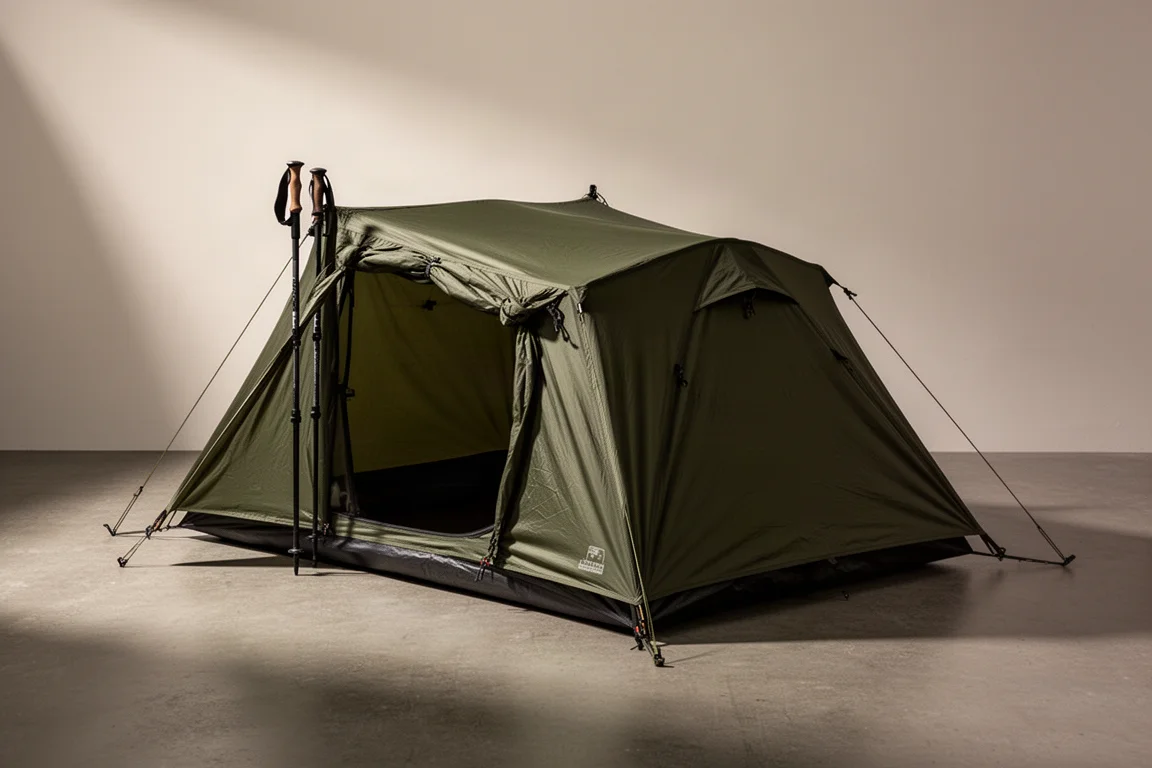
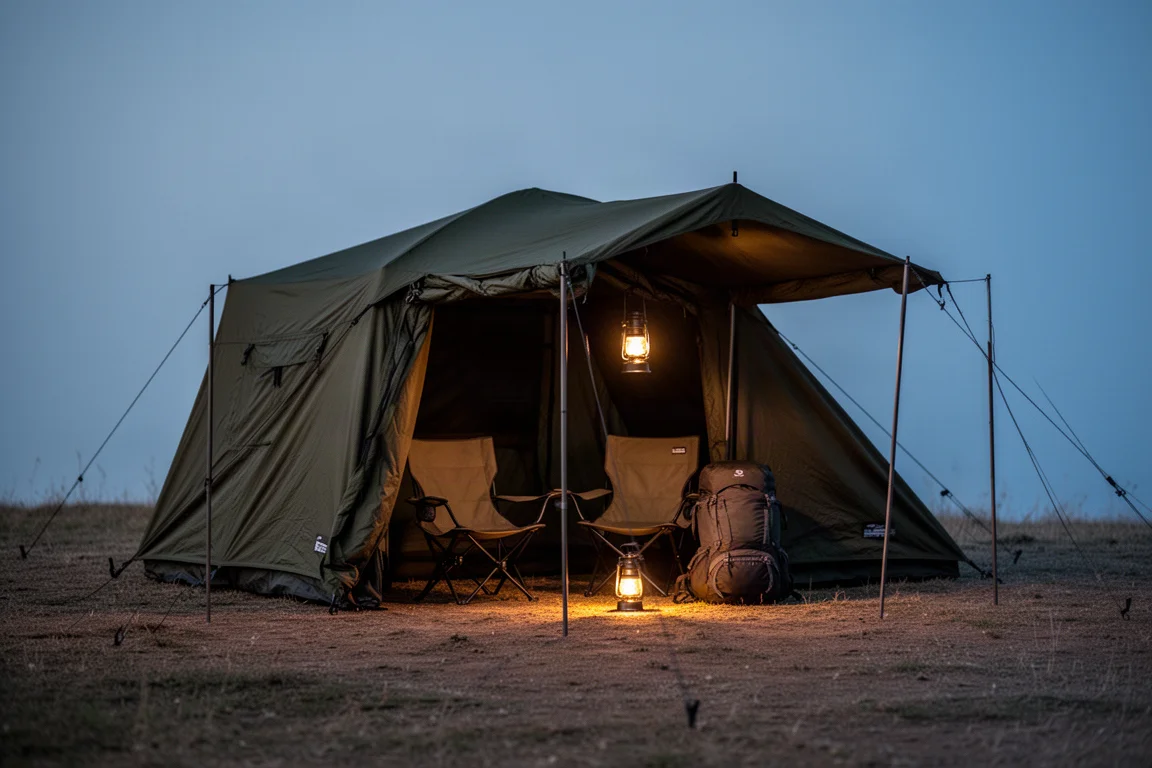
The OneWind Solo Vent Bivvy Tent is a single-wall, one-person shelter that solves a problem most awning-equipped bivvy tents have lived with for years. Its front awning includes an extension panel. Unzip the door, fold the panel out, stake it down, and the awning can stay up in the rain.
With almost every other bivvy tent that carries an awning, rain forces you to seal the opening, because water falls straight down and runs into the inner. Here the extension panel covers the opening, so the inside stays dry while you keep the covered space.
It is a niche shelter with clear strengths and a few honest trade-offs. It costs around $110 on the brand’s website and at retail, and it is available in a single colour, OD Green.
Who This Bivvy Tent Is For
Bivvy tents sit in the middle ground between a bivvy sack and a traditional tent, and this one follows that idea. It is a one-person shelter with enough room for a sleeping pad, a sleeping bag, and you, but not much else.
That makes the awning especially valuable. With the extension panel staked out, you gain covered space outside the inner for a backpack and extra gear, and you can sit half in and half out of the shelter with full protection overhead.
Because it is non-freestanding, it needs trekking poles or gathered sticks to pitch. No poles are included, which keeps the packed weight down but means the shelter depends on what you already carry.
Usable interior measurements are 81 inches long (6 feet 9 inches), 34 inches wide at the head and 28 inches at the foot, with a peak height of 38 inches at the head and 26 inches at the foot.
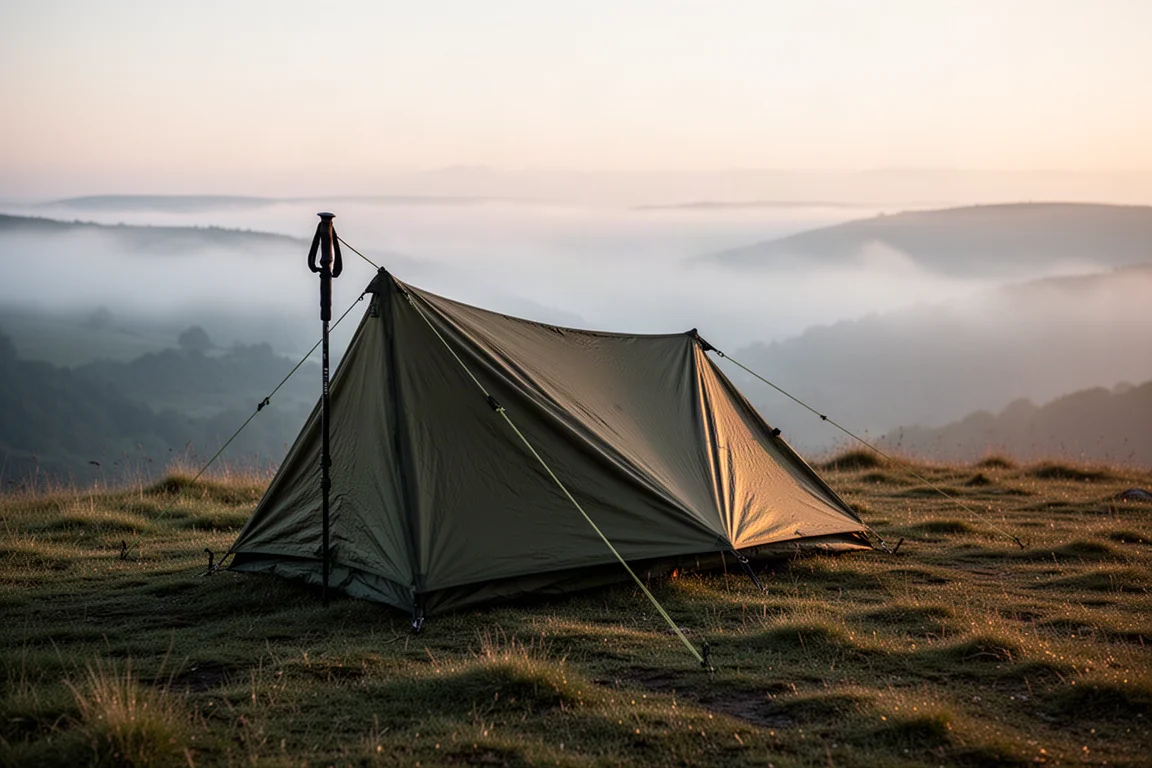
Beyond backpacking, it suits bikepacking, kayaking trips, and hiking as an emergency shelter. The low profile and dark earth tone also make it an interesting option for stealth camping, with the caveat that it needs a good number of stakes and guy lines to stand properly.
The Awning Extension Panel
This is the feature that separates the Solo Vent from the crowd. The awning can be used in a fully open position for maximum covered space, or lowered into a storm configuration with the awning closed off at the end.
To keep the inner dry in rain, you zip up the side that carries the extension panel and stake it out, which lets you leave the awning up instead of sealing everything shut. With that side zipped and the other side open, you still get plenty of protection and plenty of room underneath for a chair, a pack, or a cooking setup.
The extension is only on one side. A version with a matching panel at the foot box would add protection, airflow, and versatility, and it would not add much weight or cost.
Ventilation, Weight, and Packed Size
Airflow is one of this shelter’s strongest points. There is a large vent at the top of the back wall, a smaller vent below it, and generous mesh throughout. A night out produced no condensation issues.
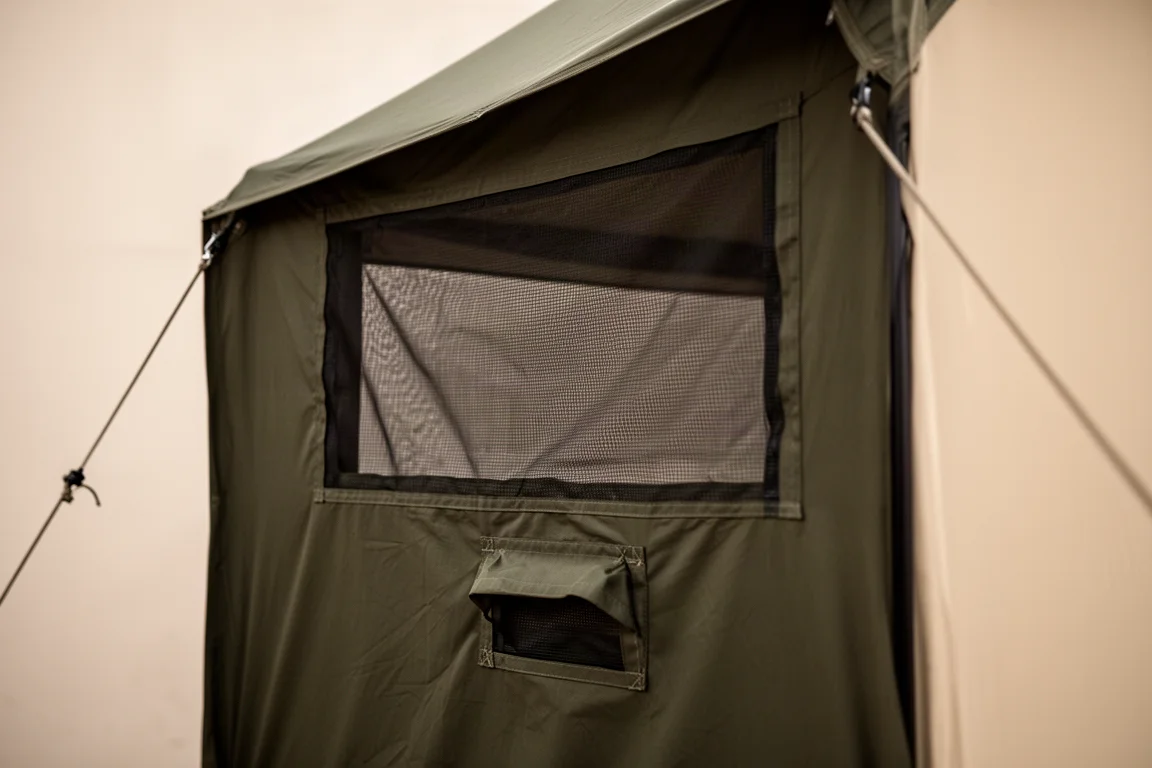
That airflow is a genuine asset in warm weather, and it is also why this should be treated as a three-season shelter. One retail listing describes it as a four-season tent, but a four-season shelter is built to hold warmth in winter, and this one deliberately does the opposite.
Weight including all components and storage bags is 2.3 pounds, and the packed size is 15.8 by 9.4 by 6.1 inches, small enough to drop into a backpack without much fuss. Once trekking poles are added, it is best described as lightweight rather than ultralight.
Materials look solid on paper. The fly uses 1.1 oz silnylon with a 3,000 mm hydrostatic head rating, the floor is 40D ripstop nylon rated to 5,000 mm, and the vent mesh is polyester. Seams are taped.
Setup and Staking Notes
Pitching is fairly straightforward but takes time, because the shelter uses a lot of anchor points. Expect roughly 10 to 15 minutes, around 15 with the awning deployed and about 10 without it. That time drops as you learn the sequence.
Included with the tent are 10 aluminum stakes and two additional guy lines, bringing the total guy line count to seven once the attached lines are counted.
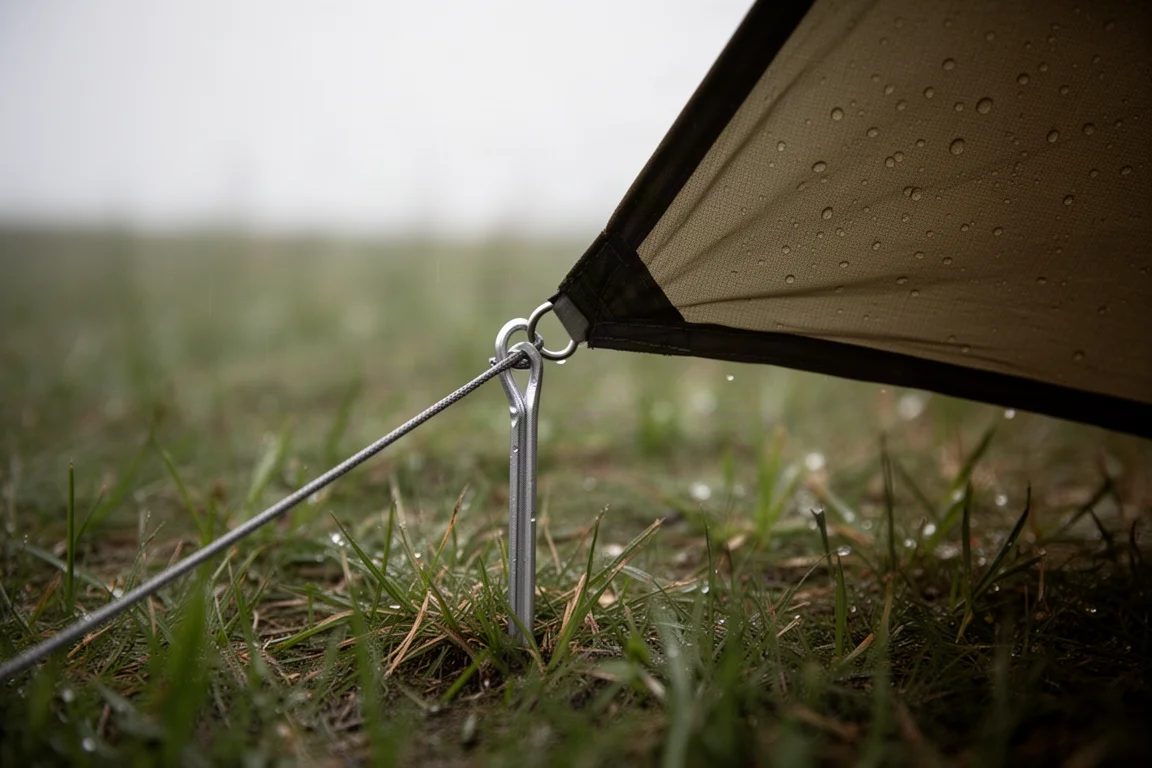
One practical tip matters here. Each corner has elastic where the tent meets the ground, and staking through that elastic tends to lift the shelter off the ground. Stake through the loops the elastic attaches to instead, and the tent stays anchored.
The front door is a large mesh panel with two-way zippers and storm flaps over the zips, and the solid panel rolls up and stores out of the way. The fly can also be rolled and stored inside. Two mesh pockets, one at the head and one at the foot, handle small items, and one of the vents can be adjusted from inside the tent.
Things to Consider Before Buying
A few points are worth weighing before you commit:
- No poles are included, so the shelter depends on trekking poles or found sticks.
- It is lightweight at 2.3 pounds packed, but not ultralight once poles are counted.
- Silnylon sags when it gets wet. After a day and night of rain, noticeable sagging appeared and the tent needed re-tensioning to stay taut. In wind, loose fabric flaps.
- No footprint is included, so floor protection is a separate purchase. A lightweight one-person footprint lines up well with the floor.
- The awning extension is on one side only.
- It is non-freestanding and takes a lot of stakes and guy lines, which is a minor hassle on hard or rocky ground.
None of these are deal-breakers on their own, but they shape how the shelter should be used. Plan for a few extra minutes at camp, carry a footprint, and expect to check tension during wet weather.
Where This Shelter Works Best
Testing so far has been limited to one trip, which brought light rain on and off through the day and night, with a spell of moderate rain heavy enough to soak the outside of the tent and the ground. The shelter did not leak, and the inner stayed dry.
Heavier rain testing is still to come, but the hydrostatic head ratings and taped seams give good reason for confidence. The main thing to plan for in wet weather is sag: keep an eye on tension and adjust the guy lines as the fabric relaxes.
The versatility is the other argument in its favour. It works for backpacking, bikepacking, and kayaking trips, and it is a sensible emergency shelter for hiking. For stealth camping, the low profile and dark earth tone are exactly what you want.
Buying Advice
If you already carry trekking poles, want a low-profile three-season shelter, and value covered outdoor space, this is one of the more interesting options at its price. The awning extension panel is a genuinely useful piece of design, and it is the reason the covered space stays usable when the weather turns.
It is not the right choice if you need a freestanding tent, a winter shelter, or a shelter that holds heat. If those priorities matter more than covered space and airflow, look elsewhere.
Conclusion
The OneWind Solo Vent Bivvy Tent is a well-executed first version of a smart idea. Light, compact, and very well ventilated, with a large door, taped seams, and a fly and floor rated for real rain, it covers the basics well. The awning extension panel is the reason to pay attention: it keeps the covered space usable in rain, which is exactly when most bivvy awnings become dead weight.
The trade-offs are honest ones. Bring your own poles and footprint, expect to re-tension silnylon in wet weather, and treat it as a three-season shelter. Do that, and it is a compelling option for backpacking, bikepacking, and low-profile camping.
Product link
View more details for OneWind Solo Vent Bivvy Tent
This product is mentioned in the review. Check the specifications, options, and compatibility before buying.
View more details for OneWind Solo Vent Bivvy TentFurther reading
Related Reviews
Backpacking Tents
3F UL Lanchan Pro 1 Review: A 1 lb 8 oz Single-Wall Trekking Pole Tent
A practical look at the 3F UL Lanchan Pro 1, a single-wall trekking pole shelter with a 1 lb 8 oz weight, 20D silnylon fabrics, and a roomy 90 x 31 x 49 inch interior.
Backpacking Tents
3F UL Taiji 2-Person Tent: A Convertible Backpacking Shelter Worth a Closer Look
A practical look at the 3F UL Taiji two-person tent, covering its materials, true two-person interior, fly-first pitching, and the seasonal inner swap that lets one shelter cover more of the year.
Backpacking Tents
3FUL Lanshan Twoerson Pro Review: A Light Trekking Pole Shelter That Struggled in Rain
A two-person trekking pole shelter with a 2026 redesign, pitched with sticks and put through a night of steady rain. Here is what worked, what did not, and what to check before buying.