Camping Tents
OneTigris Tetra Review: A Small, Lightweight Shelter With a Distinctive Shape
The OneTigris Tetra packs down very small, sleeps two cots with gear, and vents exceptionally well. Here is how it handled freezing temperatures, high wind, and freezing rain.
Introduction
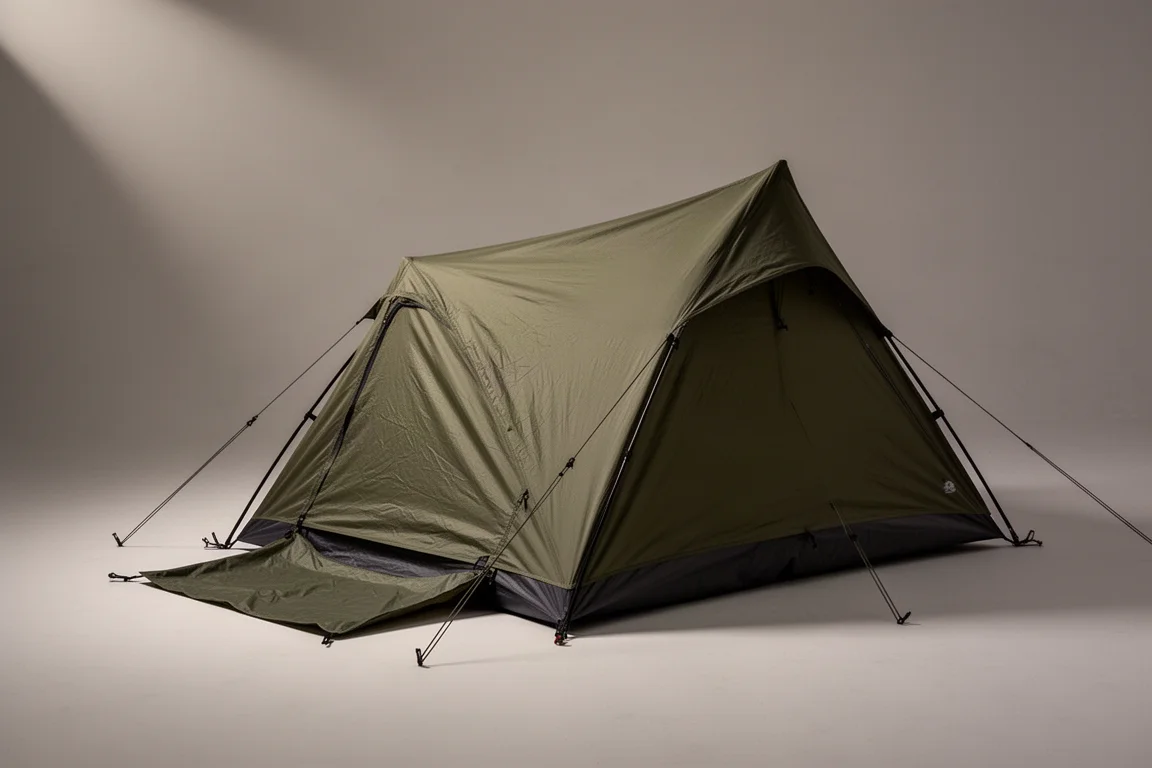
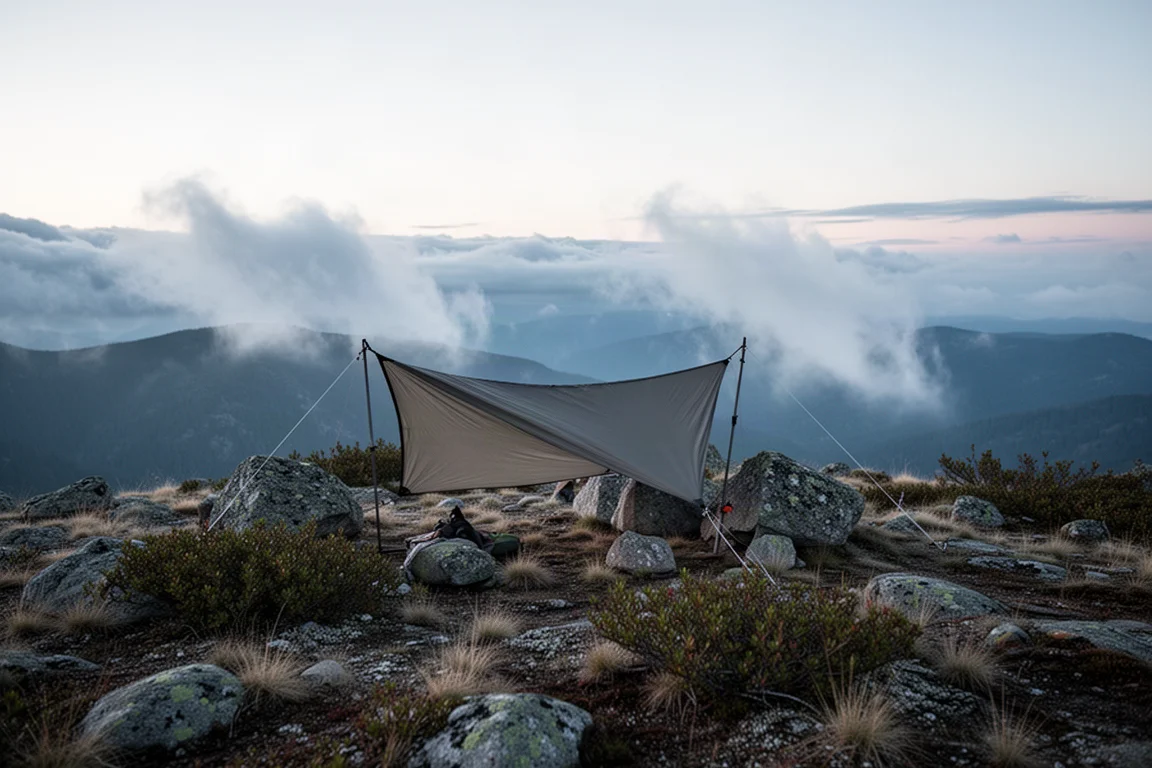
The OneTigris Tetra is a compact camping shelter that packs down remarkably small for the interior space it offers. The small version covered here takes a different approach from the larger model in the same line, and its shape is unlike most tents you will see on a campsite. It was pitched at roughly 5,900 feet in freezing temperatures, with high winds overhead and a mix of rain and freezing rain moving through overnight. That is a useful test for a lightweight shelter, because wind and moisture expose weak points quickly.
This guide covers what the Tetra does well, where its design creates real limitations, and who should consider it.
Who the OneTigris Tetra Is For
This shelter suits campers who want a small packed footprint and a light carry without giving up interior room. Inside, there is enough space for two cots plus gear, which is generous for a tent that disappears into a pack. It also appeals to anyone who prefers a simple layout without a permanently attached bug net. The larger version of this tent has an interconnected bug net that cannot be removed, while the small version covered here does not include one, which keeps the setup simpler on trips where insects are not a concern.
If your priority is a shelter that goes up quickly, carries easily, and still leaves room to move, the Tetra is aimed squarely at you.
Design and Setup
The Tetra uses a TP-style design with a square footprint. The back of the shelter sits higher and slopes down toward the front, giving it a profile that sheds weather while keeping headroom where you need it. Setup is straightforward and the whole process is easy to complete.
The front vestibule can be staked out either raised or lowered, which gives you some control over how much coverage you get at the entrance. Lowering it closes the front down; raising it opens the space up.
Ventilation and Weather Protection
Ventilation is one of the Tetra’s strongest points. A large vent runs all the way across the back, and it performs very well in practice. After a night in damp, cold conditions, there was very little condensation on the inside of the shelter, which is unusual for a tent this size in wet weather.
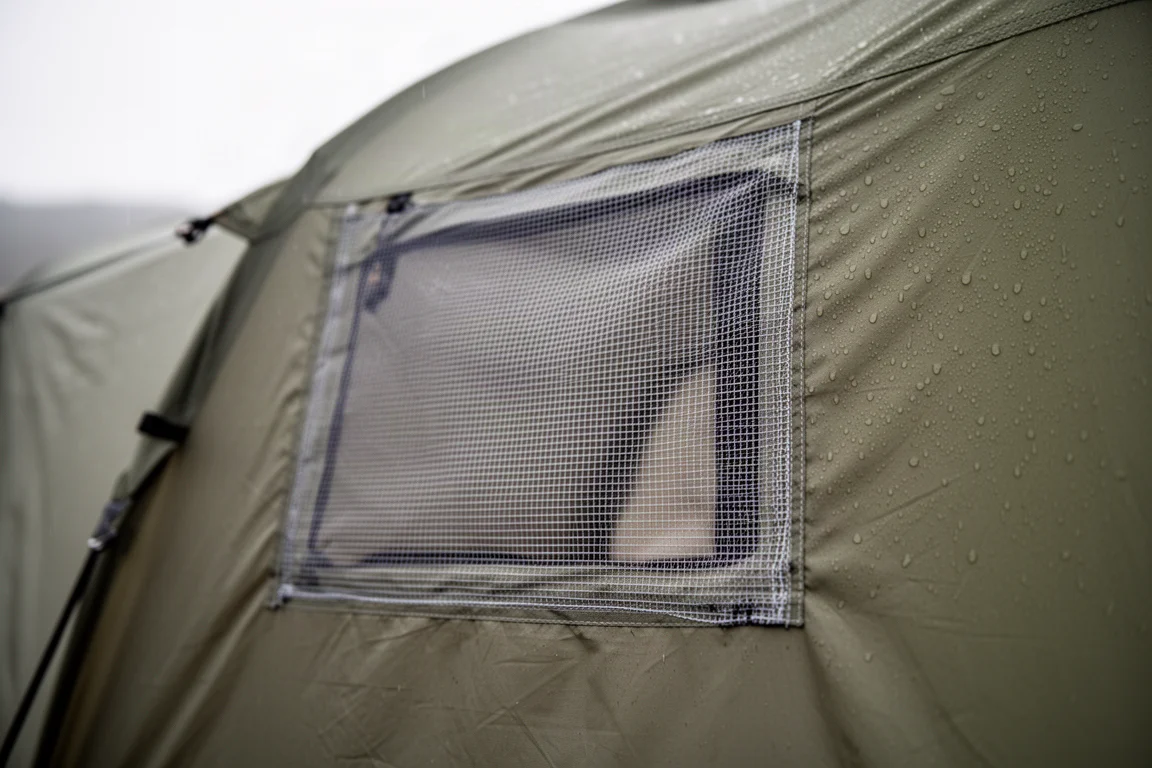
The fabric is waterproof and showed no leaking at all during a night of rain and freezing rain. That is a single night of use, so treat it as an encouraging early sign rather than a long-term verdict.
Main Strengths
- Very small packed size for the interior volume it provides
- Low weight, which matters on any trip where you carry your own shelter
- Easy setup with a clear, simple structure
- Room for two cots plus additional gear
- Large rear vent that keeps condensation low
- Waterproof construction with no leaking observed in rain and freezing rain
Performance in Wind and Wet Weather
The shelter was staked out and every stake was rock braced before the weather moved in, a sensible habit when high winds are forecast. Winds roared overhead through the night, loud enough to be unsettling, while conditions at ground level stayed far calmer. The Tetra stayed standing and the interior stayed dry through rain and freezing rain.
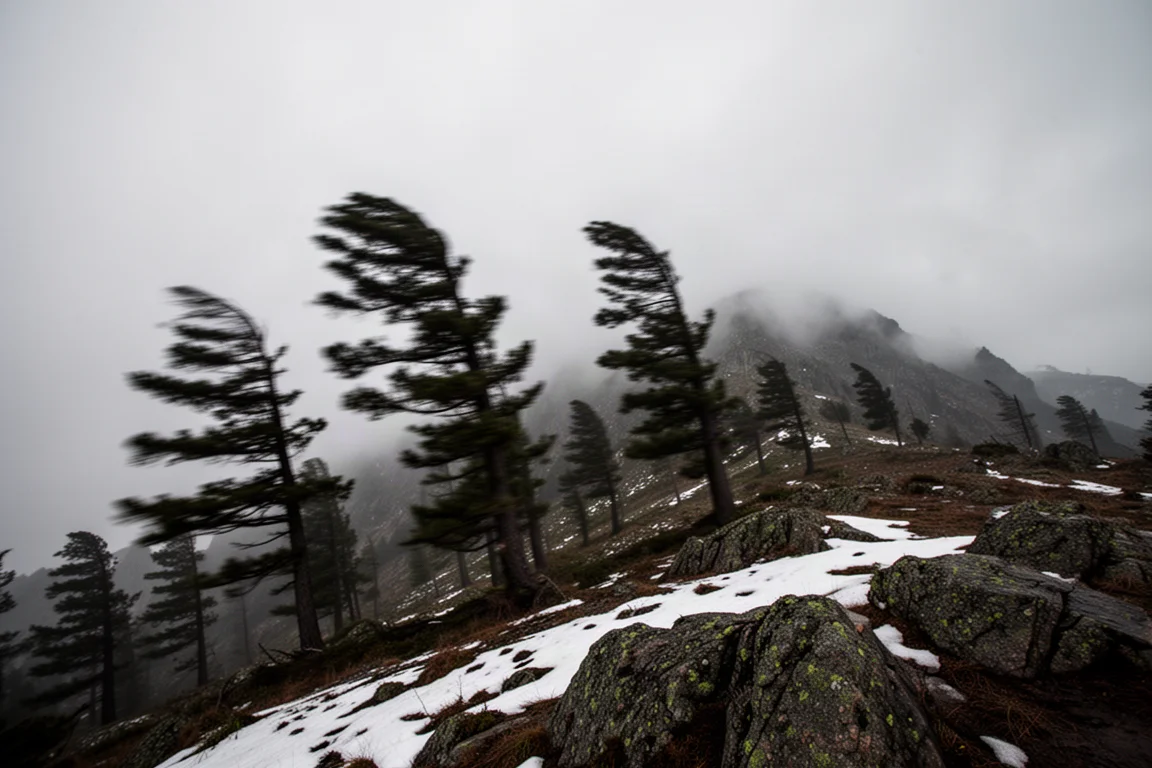
High-level wind and low-level wind are different problems, and the Tetra handled the overnight gusts without the structure failing. As with any lightweight tent, strong enough wind can still pull stakes, so a proactive approach to staking and bracing is worth keeping.
Things to Consider Before Buying
The stake cordage is the weakest detail. The stakes have cords attached so they can be pulled out of the ground more easily, but the knots are poor and the cordage works loose. In practice the cords can slip off the stakes entirely, which leaves the bare stake head exposed when you pull it. It is a small issue, but a needless one, and it is easy to fix with better knots or replacement cord.
The front vestibule also deserves a realistic look. It flares out wide and then narrows as it approaches the tent body, so it does not offer much usable rain coverage. It works better as a sun shade than as a wet-weather porch.
Finally, this assessment is based on a single overnight trip. Ventilation and waterproofing both performed well, but long-term durability is not something one night can establish.
Buying Advice
The Tetra makes sense if you want a shelter that packs small, carries light, and goes up without fuss, and if you value the interior room to fit two cots and your gear. Its ventilation and waterproofing both held up in genuinely wet, cold, windy conditions.
Before your first trip, plan on re-tying or replacing the stake cords, since the factory knots do not hold well. If an integrated bug net matters to you, the larger version of this tent includes one, though it cannot be removed.

Weigh those two points against your own priorities and the Tetra is a straightforward, capable option for three-season camping.
Conclusion
The OneTigris Tetra is a distinctive, compact shelter with real strengths: a very small packed size, low weight, easy setup, room for two cots and gear, excellent rear ventilation, and waterproof fabric that kept the interior dry through rain and freezing rain. The stake cordage and the limited front vestibule are the details to know about going in, and both are manageable. For campers who want maximum interior space from a minimum pack size, it is worth a close look.
Product link
View more details for OneTigris Tetra
This product is mentioned in the review. Check the specifications, options, and compatibility before buying.
View more details for OneTigris TetraFurther reading
Related Reviews
Camping Tents
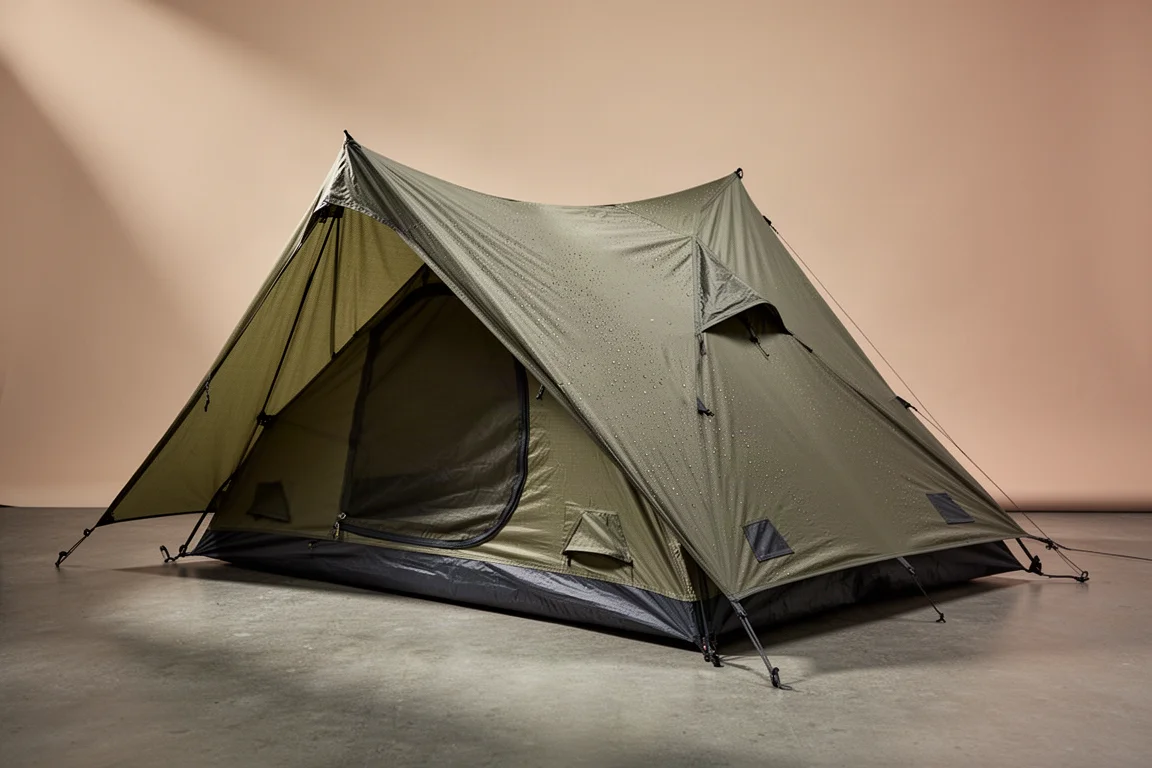
3F UL Gear Taiji Two-Person Tent Review: Field Waterproofing Results and Buying Advice
The Taiji pairs an attached fly with a removable inner, but sustained rain exposed untaped vent seams that need sealing before this shelter can be trusted.
Camping Tents
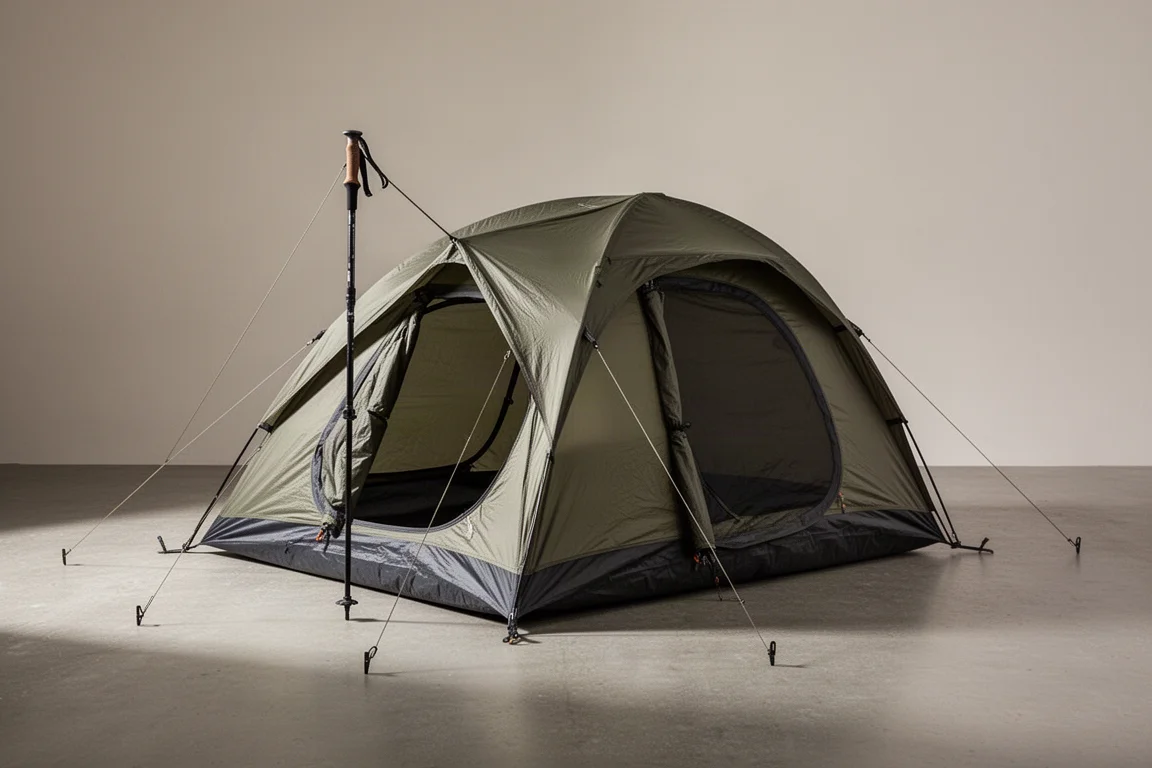
3FUL Gear Lanshan 2 Pro 4-Season Review: A Sub-$200 Single-Wall Trekking Pole Tent
An early look at the 3FUL Gear Lanshan 2 Pro 4-Season, covering its straightforward pitch, generous interior space, and the condensation and seam-sealing questions that come with any single-wall shelter.
Camping Tents
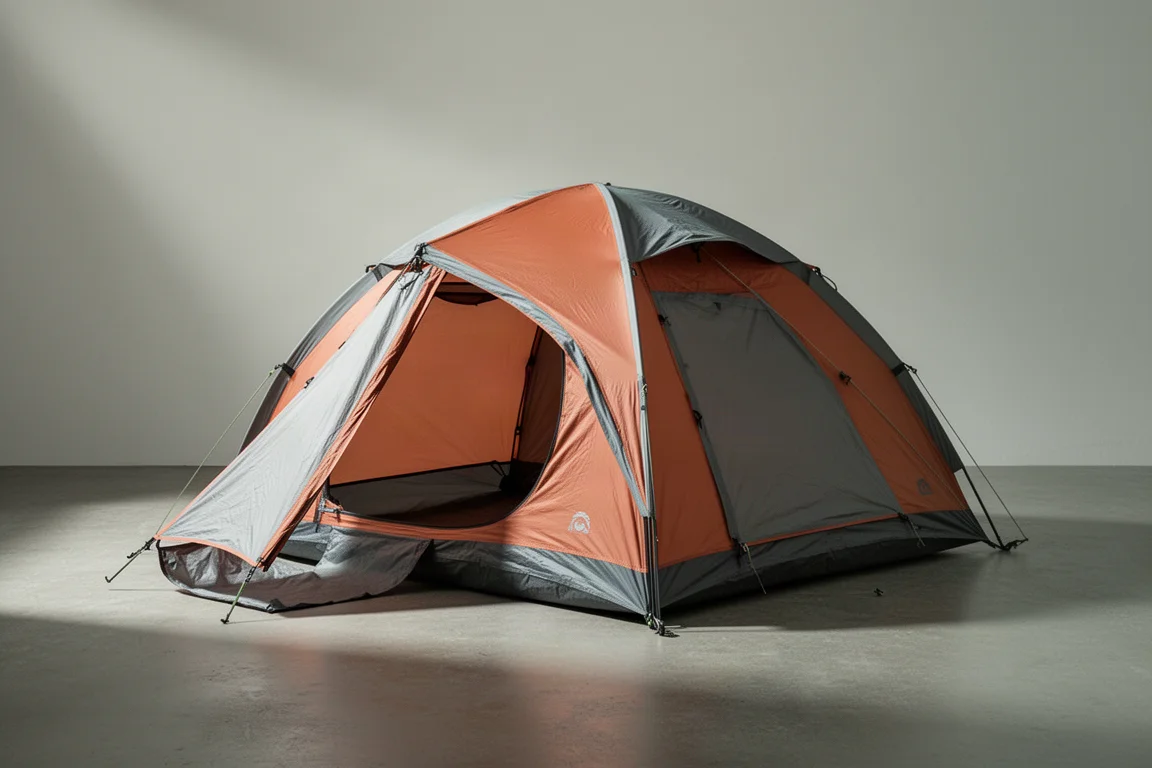
Alps Mountaineering Lynx 1-Person Tent Review: Big Value in a Small Budget Tent
A close look at the Alps Mountaineering Lynx 1-Person Tent, covering real interior dimensions, materials, setup time, ventilation limits, and who should buy it.