Camping Shelters
OneTigris Tetra 160 vs Tetra 130: Which Square Trekking-Pole Shelter Fits Your Camp?
Two square trekking-pole shelters from OneTigris compared on materials, interior space, weather protection, and value, with clear guidance on which size suits which kind of camper.
Introduction
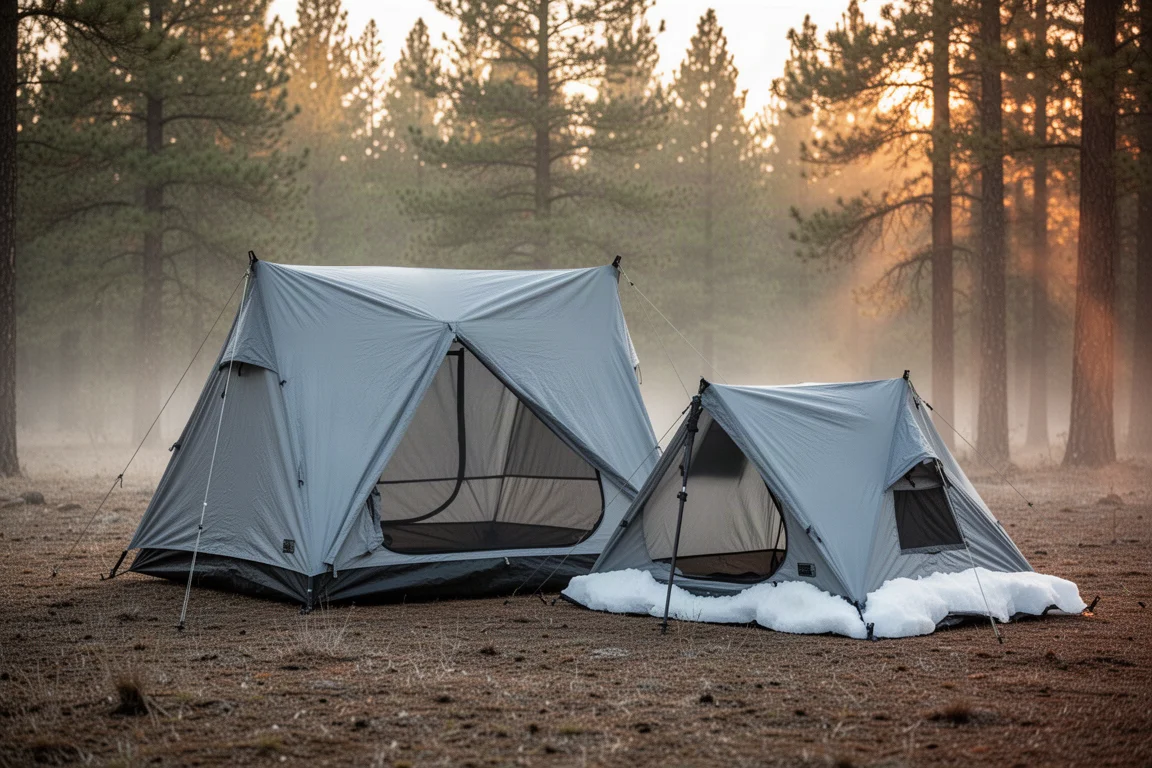
The OneTigris Tetra 160 and Tetra 130 are two square trekking-pole shelters built around the same core idea. Both pitch from a single centre pole with the perimeter staked out in a square, both use the same coated nylon and the same zippers, and both carry the same 3,000 mm waterproof rating. The difference lies in what each shelter is built to do: the Tetra 160 is a complete tent with an integrated inner, while the Tetra 130 sits much closer to a lightweight tarp.
Both have been used in snow, ice, and heavy rain, and the two shelters share most of the same strengths along with the same handful of flaws. This guide covers what each one includes, how they behave in real weather, and which of the two makes more sense depending on how you camp.
OneTigris Tetra 160: The Larger Shelter With a Built-In Inner
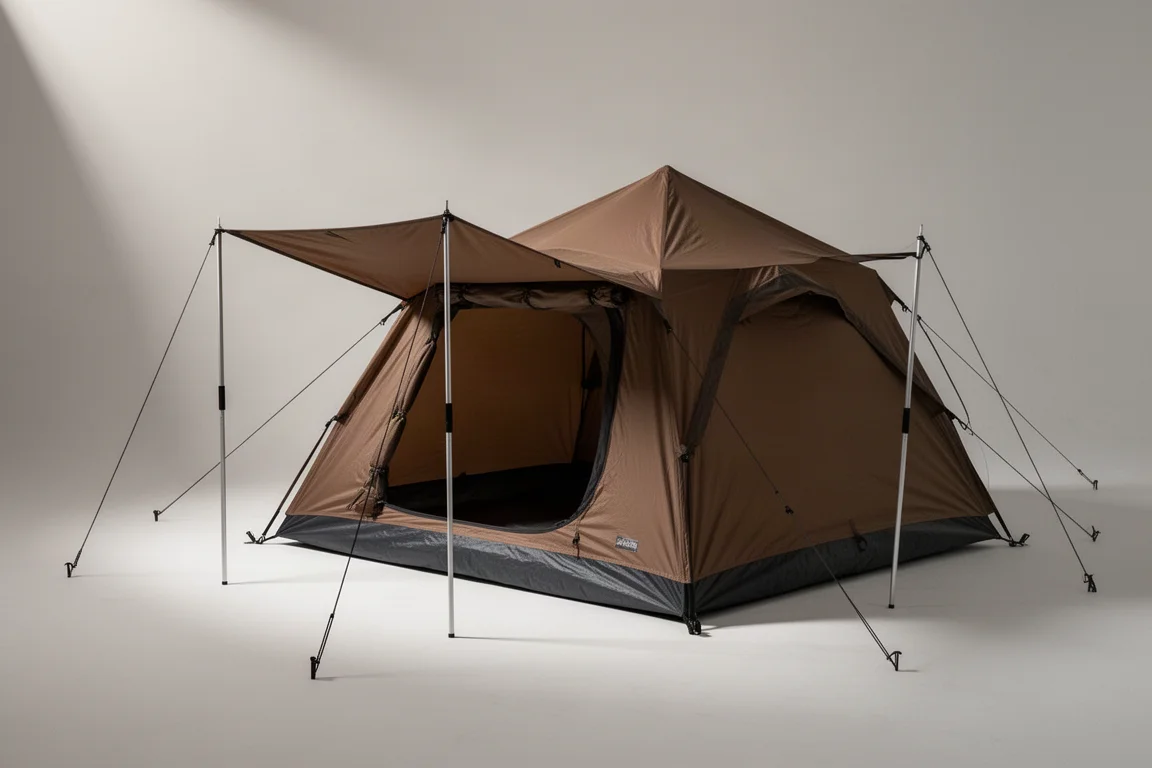
The Tetra 160 is the larger of the two at 5 feet 3 inches tall, 7.2 feet deep, and 7.8 feet wide. Its defining feature is the integrated inner tent, which is permanently connected to the outer and cannot be removed. That inner adds a bathtub floor and bug-proof mesh, so the shelter arrives ready to sleep in without a separate inner or groundsheet.
The inner uses three zippers that run up and to the sides, and a storm flap behind the vent can be lowered when you want maximum airflow. There is no snow skirt on this model. It packs down to 17.3 by 6.3 inches, weighs 4 pounds, and ships with an aluminium pole, so trekking poles are not required to pitch it. Price is around $180.
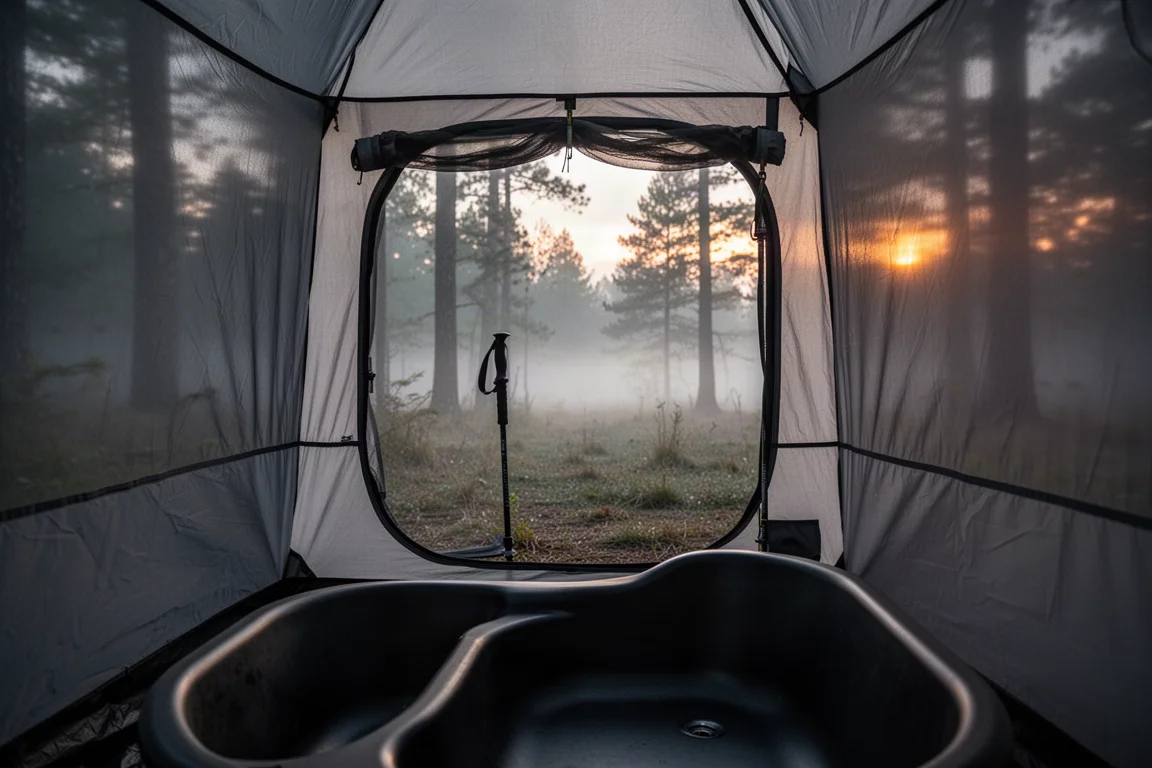
For a shelter of this size, the packed weight stays reasonable, and the included aluminium pole means the Tetra 160 can be pitched by anyone, whether or not they carry trekking poles.
OneTigris Tetra 130: The Lighter Tarp-Style Setup
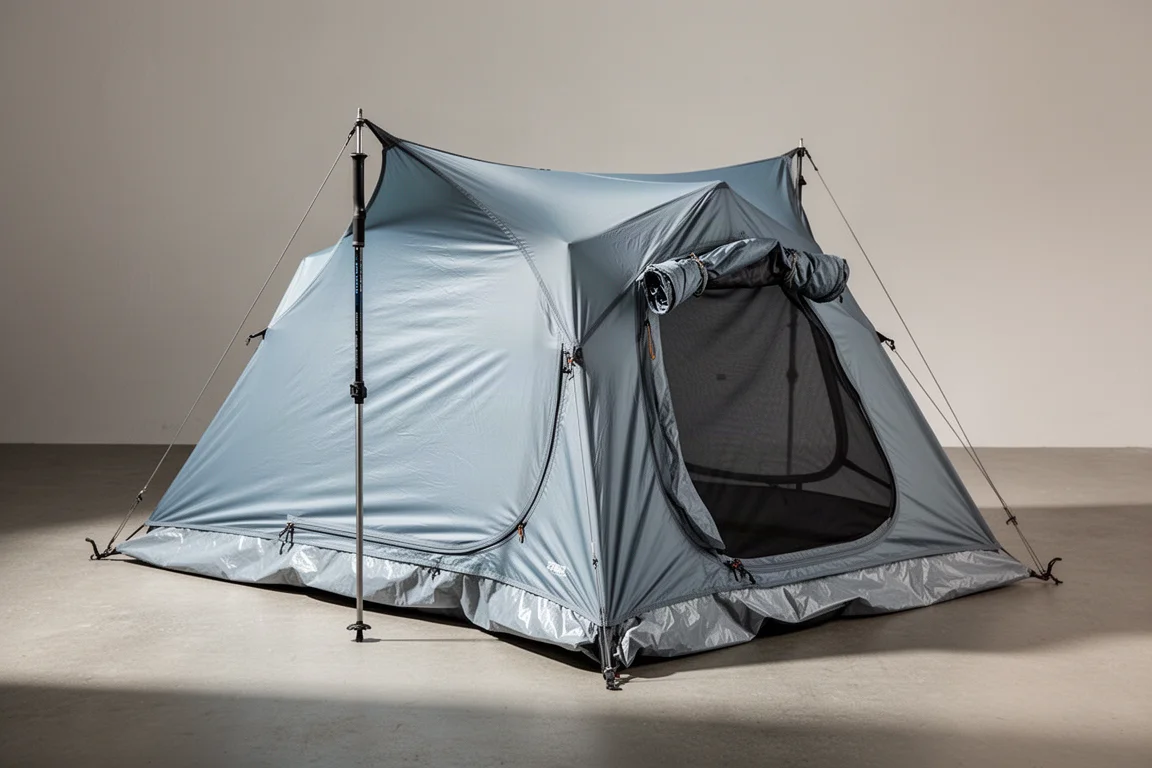
The Tetra 130 is the smaller shelter at 4.3 feet tall, 7.2 feet deep, and 7.5 feet wide. It has no integrated inner, no floor, and no bug mesh, which is what pushes it toward tarp territory rather than a full tent. A snow skirt runs along the base, and the large rear vent can be opened and dropped completely for heavy airflow in warm conditions.
It weighs 2.4 pounds, packs to 15.7 by 5.9 inches, and is priced at around $130. No pole is included, so you will need to supply your own trekking pole or similar support. Inside, there is enough floor area for two cots, which makes it very generous for a single camper.
Materials, Zippers, and Build Quality
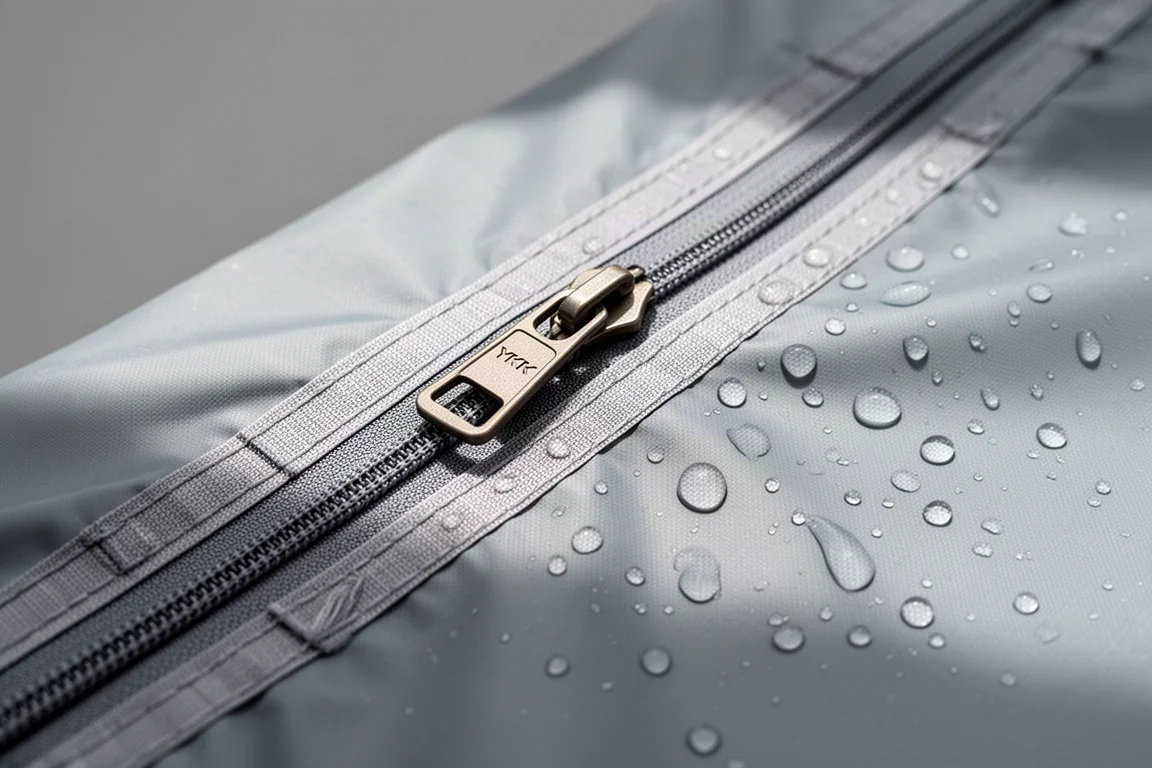
Both shelters use the same 20D silicone and PU coated nylon in a color OneTigris calls Urban Gray, a soft bluish grey that looks good in daylight. Zippers are YKK throughout, and both carry a 3,000 mm waterproof rating. Build quality is a genuine highlight: stitching is clean, there are no loose threads, and the seam tape is neatly applied.
The tent stakes are the one weak point in the hardware. The cord fitted to each stake is not well suited to the knot used, so knots work loose over time. On one trip the cord pulled free of a stake and the exposed edge was sharp enough to cut a finger. The fix is simple enough: cinch the knot down and add a drop of super glue, coat it with seam grip for a rubbery finish, or replace the cordage entirely.
OneTigris has said the stake issue is being addressed. The company has a track record of listening to user feedback and revising its designs, which is a good sign for anyone buying into the current generation.
Setup, Space, and Who Each Tent Fits
Square trekking-pole shelters can be fiddly to pitch because every stakeout point has to be right, but the square footprint here removes most of that risk. Lay the shelter out, stake the corners in a square, insert the centre pole, pull everything tight, and make small adjustments. It is fast, and it is hard to get badly wrong.
Both shelters can be configured in several ways. The doors can be rolled fully open, one side can stay closed while the other is open, or the panels can be arranged as a porch with one or two poles. If a branch is overhead, the shelter can be tied off and hung instead of poled. The smaller Tetra 130 offers the most flexibility simply because it has fewer fixed parts.
Interior space is generous on both. Two cots fit inside the Tetra 130, and the Tetra 160 is larger still. Both work well for taller and larger campers. One caveat: OneTigris markets these as two-person shelters, but in practice they are better treated as one-person shelters. Silicone nylon stretches, and overnight the fabric sags noticeably. Because neither shelter has guy line points at the rear, there is no way to pull that sagging fabric away from the sleeping area. There is room for two people inside, but after a few hours the material would be resting on both of them.
Weather Protection, Ventilation, and Condensation
Waterproofing has held up completely. Both shelters have been used in snow, ice, and heavy rain without a drop getting inside. Rain has not worked under the storm flap, through the zippers, or through any of the vents.
Ventilation is the standout feature. Each shelter has two vents at the top and one large vent at the rear, which OneTigris calls a 3D condensation system. The rear wall is sloped, the vent is mesh, and a protective flap sits behind it on the inside. Because the rear of the shelter is elevated, condensation runs down the walls and exits rather than pooling. Airflow through that rear vent is strong enough to keep condensation manageable even though both shelters are single walled. Some condensation still forms, but it is not a serious problem.
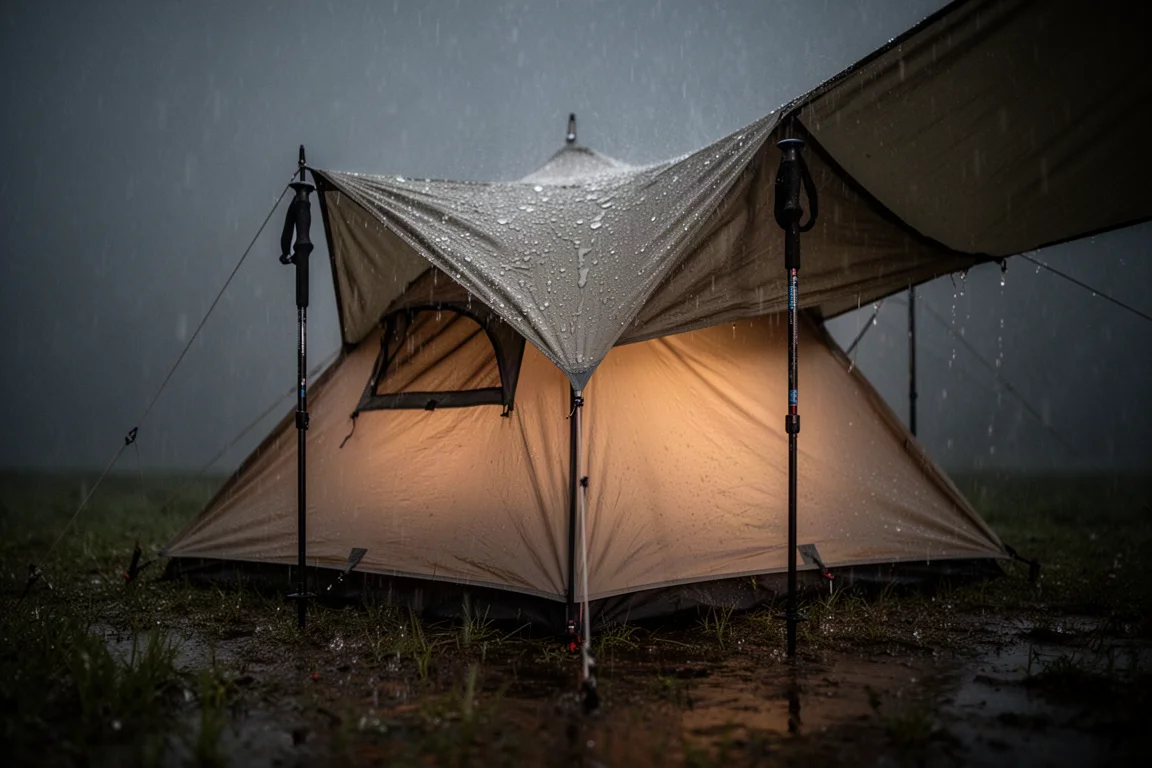
Two limits are worth knowing before you commit. The vents cannot be sealed shut, so on a cold, windy night there is no way to close the shelter up and hold in heat. The porch configuration is also not storm proof: the open sides leave gaps on both sides, and rain will reach the ground around you. The porch is excellent for blocking sun and adds useful covered living space, but in real rain it needs a tarp over the top. And because there are no guy line points at the rear, these are not shelters to rely on in very strong, stormy wind.
Pack Sizes, Weights, and What Comes in the Box
| Specification | Tetra 130 | Tetra 160 |
|---|---|---|
| Packed size | 15.7 x 5.9 in | 17.3 x 6.3 in |
| Weight | 2.4 lb | 4 lb |
| Footprint | 7.2 ft deep x 7.5 ft wide | 7.2 ft deep x 7.8 ft wide |
| Peak height | 4.3 ft | 5 ft 3 in |
| Included pole | No | Yes, aluminium |
| Price | $130 | $180 |
Both shelters ship with a burrito-style stuff sack that is genuinely well made. There is plenty of room to get the shelter back inside without a fight, which is not always the case with lightweight shelters. OneTigris lists 12 stakes with each shelter, though both arrived with 14, along with four guy lines.
Which Tetra Makes More Sense for You?
The Tetra 160 is the easier recommendation for most people. Because the inner, floor, and bug mesh are built in, it works as a complete shelter across the year, from summer camping to cold-weather trips. The extra height also makes it noticeably easier to get in and out of, and the included aluminium pole removes any dependency on trekking poles.
The Tetra 130 suits a different kind of camper. It is lighter and packs smaller, it has the snow skirt and the large openable rear vent, and it costs less. The trade-off is that it behaves more like a tarp than a tent. Without an inner, floor, or bug mesh, it is best treated as a warm-weather or fair-weather shelter, and it needs an added inner if you want to sleep in it through bug season. If you already carry trekking poles and want the lightest possible option, it makes sense. If you want one shelter that covers every trip, the Tetra 160 is the safer buy.
Either way, the fundamentals are strong: excellent materials, low prices, easy pitching, and proven weather protection.
Conclusion
The Tetra 160 and Tetra 130 share a design that gets most things right. Both are built from premium coated nylon with YKK zippers, both pitch in minutes from a square footprint, both handle heavy rain without leaking, and both cost far less than their materials suggest. The remaining flaws are consistent across the pair: no guy line points at the rear, vents that cannot be fully closed, stakes whose cords need attention, and a porch that needs a tarp in real rain. Choose the Tetra 160 for a year-round tent with a built-in inner, or the Tetra 130 for a lighter, tarp-style shelter for warm-weather trips.
Further reading
Related Reviews
Camping Shelters
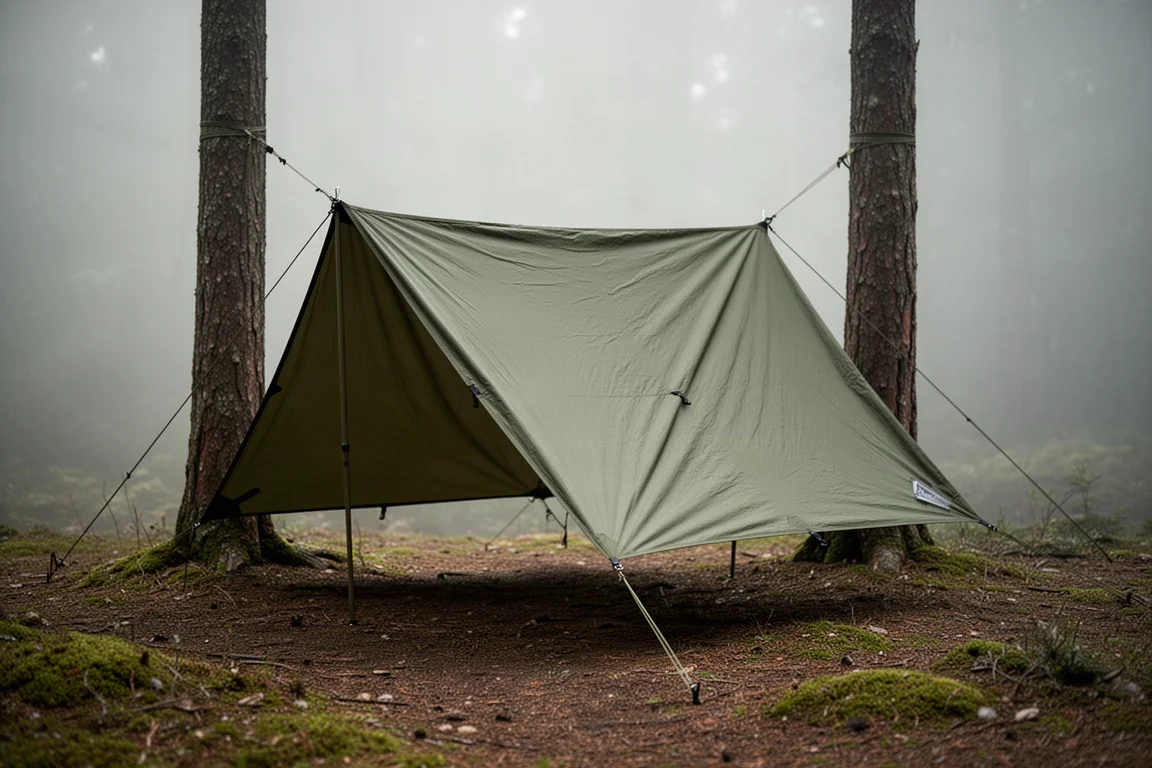
Alps Mountaineering Stealth 1 Bivy Review: A Waterproof Claim That Does Not Hold Up
The Alps Mountaineering Stealth 1 Bivy carries a 2,000 mm hydrostatic head rating and a waterproof claim, but sustained rain exposure and build quality concerns make it difficult to recommend.
Camping Shelters
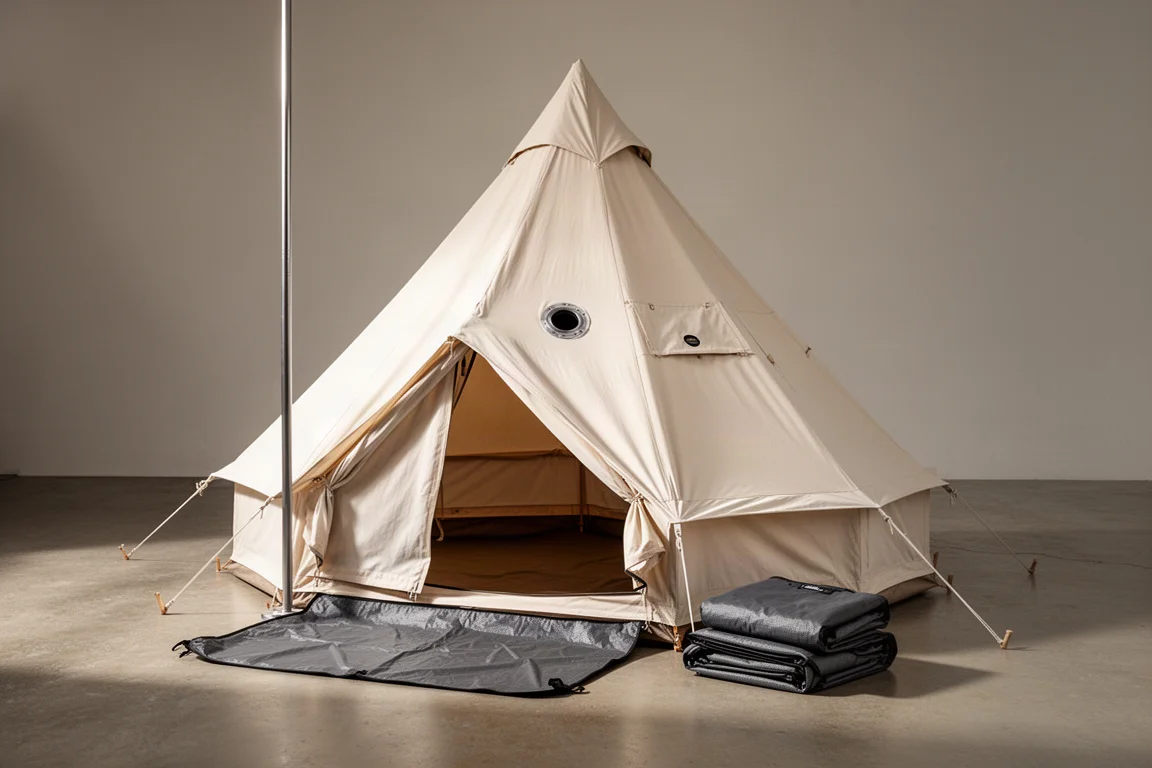
AquaQuest Safari Hybrid 20 ft x 13 ft Tarp Review: Two Years Under a Very Large Roof
A long-term look at the AquaQuest Safari Hybrid 20 x 13 tarp, covering build quality, weather protection, setup realities, and who should buy one.
Camping Shelters
Backcountry Light Mesa 3 Hot Tent and Floor SL Tarp Review
A practical look at the Backcountry Light Mesa 3 four-season hot tent and its optional Floor SL Tarp, covering materials, stove jack design, packed weight, pricing, and the trade-offs to weigh before buying.