Camping Tents
OneTigris Tetra 160 Tent: A Roomy Teepee Shelter With a Fast Setup
A close look at the OneTigris Tetra 160, a single-wall teepee tent with a quick square-footprint pitch, generous ventilation, and a few wind-weather trade-offs to weigh first.
Introduction
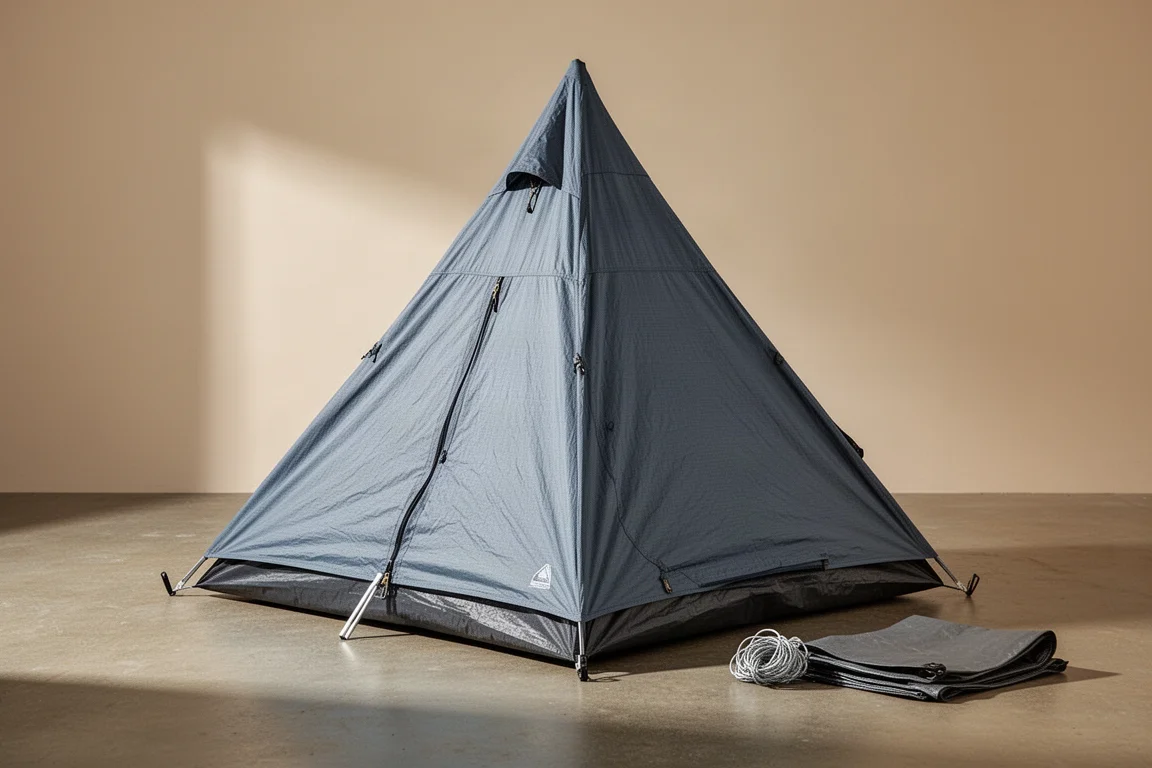
The OneTigris Tetra 160 is the larger of the two shelters in the Tetra line, a single-wall teepee tent that replaces a conventional sleeve-and-pole frame with a square footprint, one center pole, and a set of stakes. It comes in the color the company calls Urban Gray, a muted gray-blue, and it sells for $180.
The Tetra 160 is also a meaningful step up from the smaller Tetra 130. The 160 includes an aluminum center pole and an integrated bug inner with a mesh floor, and the 130 does not. The 130 costs about $130, weighs less and adds a snow skirt, but you supply your own pole and sleep without an inner tent.
This article covers the first full setup, the components in the bag, the ventilation design, the interior space, and the trade-offs worth understanding before you buy. Long-term weather testing is still ahead, so the performance notes here are a considered first assessment rather than a full season of field results.
Who the OneTigris Tetra 160 Is For
The Tetra 160 makes the most sense for campers who want room to move rather than a minimal bivy-style shelter. The peak stands five feet three inches high, which is enough to sit upright, change clothes and sort gear without folding yourself in half. Tall campers in particular will notice the difference, because the usable height carries across a good part of the floor rather than tapering immediately.
It is a strong match for a solo camper who wants a sleeping pad, a pack and a duffel all inside, and for a pair of small adults who are comfortable sleeping close together. The integrated inner tent with its mesh floor also suits campers who want insect protection built into the shelter instead of added separately.
Because the Tetra 160 is a non-freestanding, single-wall design, it depends on stakes and reasonable ground. Loose sand, deep snow or a solid rock slab will make the pitch harder, so plan for soil you can drive a stake into.
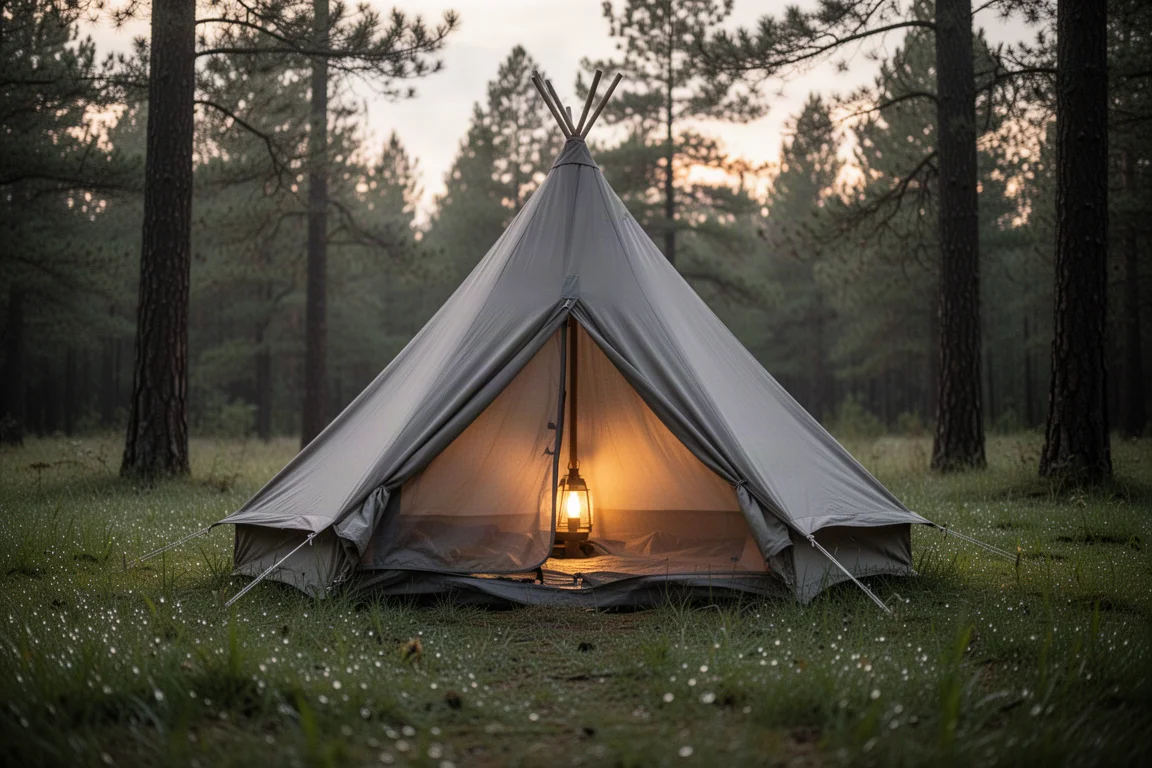
Campers who like the idea of an open porch on warm, dry evenings will get the most from the dual-zipper door, which can be peeled back on either side or on both at once. It is a flexible arrangement that turns the front of the tent into a shaded sitting area with a view, and it costs nothing in extra hardware.
Setup and Included Components
The Tetra 160 ships in a burrito-style stuff sack with two compression straps and a drawcord at the top, a format that packs down neatly and is easy to cinch. Inside you get the tent body, an aluminum center pole, fourteen aluminum tent stakes and four guy lines, which is a generous stake count for a shelter of this shape.
The pole is worth understanding before you buy. Each segment is separate rather than linked by an internal shock cord, and it is a fixed length rather than telescoping, so assembly is a matter of slotting the pieces together by hand. It is a small amount of extra fiddling at the start of a pitch, and the payoff is a simpler, lighter pole with fewer moving parts.
Pitching is straightforward. Lay the body out flat, orient the door the way you want it, stake out the corners so the square footprint is taut, then seat the pole and you are done. The square shape does most of the work here, because it holds its geometry without the constant re-tensioning that some teepee shelters demand. There is also a loop at the apex, so the tent can be hung from a branch or a ridgeline instead of supported by the pole.
Ventilation and Condensation Control
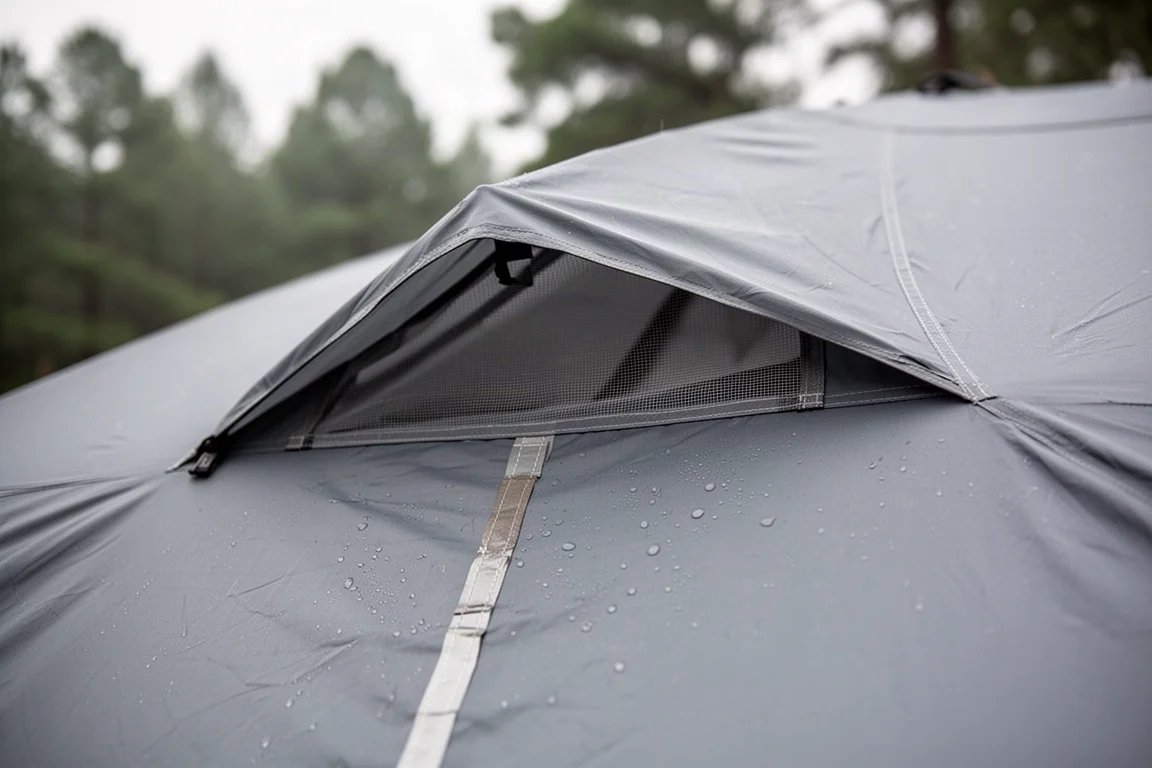
Ventilation is the most considered part of this design. OneTigris uses what it calls 3D condensation technology, which in practice means a large vent opening on the outside of the canopy paired with a protective flap on the inside. Air moves through the vent, travels up the inner walls and exits, which reduces the amount of condensation that forms overnight. Any moisture that does collect on the inner surface of the fly runs down the walls and out of the tent rather than dripping onto your sleeping bag.
The rear of the tent is raised and slopes down toward the front, and the vents sit high at the back on both sides. That placement keeps the openings away from the main living area and lets warm, moist air escape at the highest point. The vents are adjusted from the outside, so it is worth setting them before you settle in for the night.
That combination matters across seasons. In summer, the openings and the mesh inner keep air moving when the tent is closed up against insects. In colder conditions, the same path gives moisture somewhere to go instead of condensing on the walls and wetting out your insulation. It is the kind of detail that rarely shows up in a spec sheet but shapes how comfortable a shelter feels after a few nights.
Interior Space and Build Quality
Inside, the Tetra 160 feels considerably larger than the smaller Tetra 130. There is enough floor area for a sleeping pad, a pack and a duffel, with room left to sit up and dress. Two small mesh pockets, one on each side, hold a headlamp, a phone and small essentials off the floor.
Entry to the inner is through a three-way zipper, and the inner tent is integrated into the body rather than suspended separately, so it stays in place and cannot be removed. The floor is a partial bathtub design with a mesh mosquito floor, which keeps insects out while letting the floor breathe. The condensation prevention panel is visible inside the body as well.
Build quality looks solid on inspection. The zippers are YKK, the stakes and pole are aluminum, and the canopy is a 20 denier nylon with silicone and PU coatings. Seam tape is applied cleanly and there were no loose threads anywhere on the shelter. The waterproof rating is 3,000 millimeters, and the complete package weighs four pounds with a packed size of 17.3 by 6.3 inches, which is only modestly larger than the smaller version.
One thing to be clear about: the company lists the Tetra 160 as a two-person tent, and it can genuinely hold two people, but they will be close together. Two small adults will manage comfortably. Two larger adults will feel every inch of the floor.
Weather Protection and Wind Considerations
The 3,000 millimeter coating and taped seams give the canopy solid protection against ordinary rain. The dual-zipper door can be opened from either side or from both at once, and with both sides unzipped the front converts into a porch, which is one of the smartest parts of the design.
That porch mode is best treated as fair-weather gear. When the front is unzipped and propped into a porch, the panel pulls to a point and the sides of the tent become less secure against driven rain, so water has an easier path in. In wet conditions, a lightweight tarp pitched over the porch keeps the interior and the surrounding camp area dry.
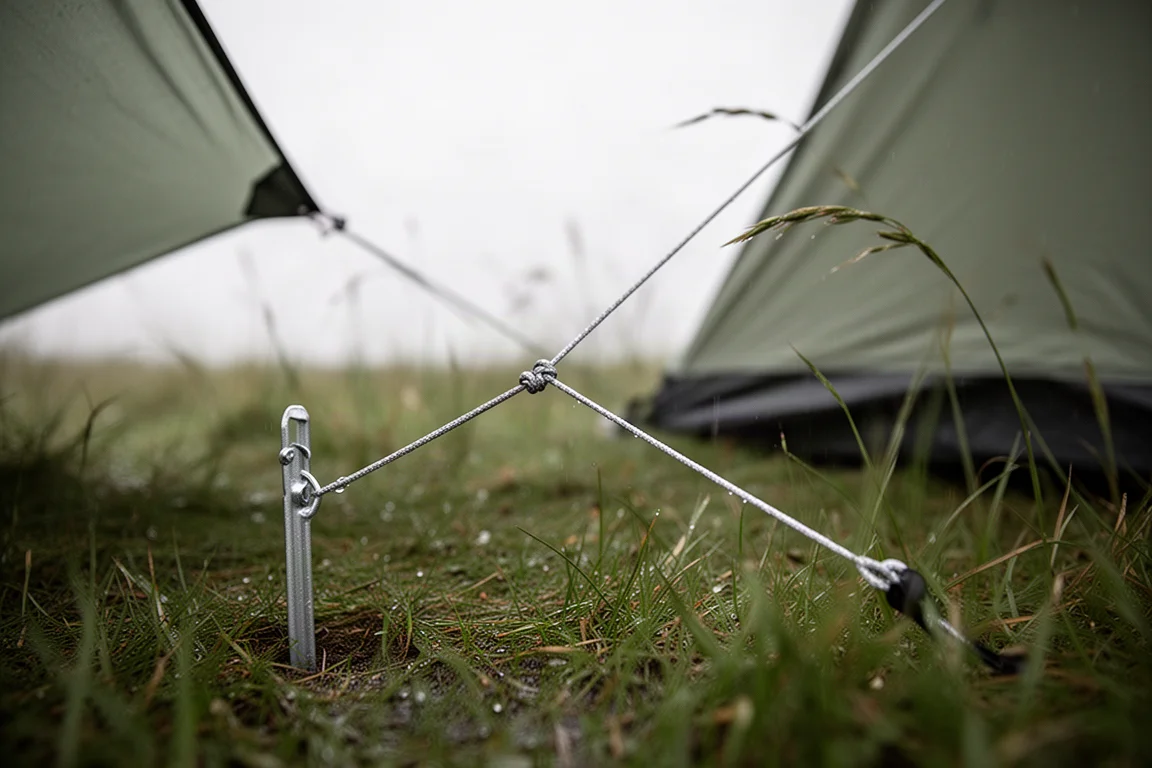
The bigger limitation is anchoring. Guy line points are provided at the front of the tent, two on each side, but there are none at the rear. Since most campers pitch with their back to the prevailing wind so the porch stays sheltered, the rear is exactly where extra guy lines would be most useful. In calm and moderate conditions the shelter holds up well. In genuinely windy weather it will not perform at its best, and it is not the tent to reach for when the forecast turns nasty.
Things to Consider Before Buying
A few practical points are worth weighing before you commit.
The Tetra 160 is non-freestanding and single-walled, so it needs stakes and a surface that accepts them. If you frequently camp on rock, hard-packed ground or snow, factor in a freestanding alternative or a set of suitable anchors.
The inner tent is integrated and cannot be removed. That is a benefit if you want permanent bug protection and a floor, and a limitation if you prefer a bare, ultra-light body for cold-weather trips.
The stake pull cords are a small but real annoyance. The corded loops on the stakes fray quickly, and a frayed cord can come away in your hand or leave a sharp edge that cuts. Handle the stakes by the shaft rather than the loop, and inspect the cords periodically.
Capacity deserves an honest read. Two occupants fit, but only just, so plan on a snug night unless both sleepers are on the smaller side.
Buying Advice
At $180, the Tetra 160 sits in a reasonable spot for what it includes. You are getting an aluminum center pole, an integrated bug inner with a mesh floor and a partial bathtub base, fourteen stakes, four guy lines, YKK zippers and a 3,000 millimeter coated canopy in a shelter that pitches in a few minutes. The smaller Tetra 130 costs about $130, but you give up the pole and the inner tent to get there, which makes the 160 the more complete package for anyone who wants a ready-to-camp setup.
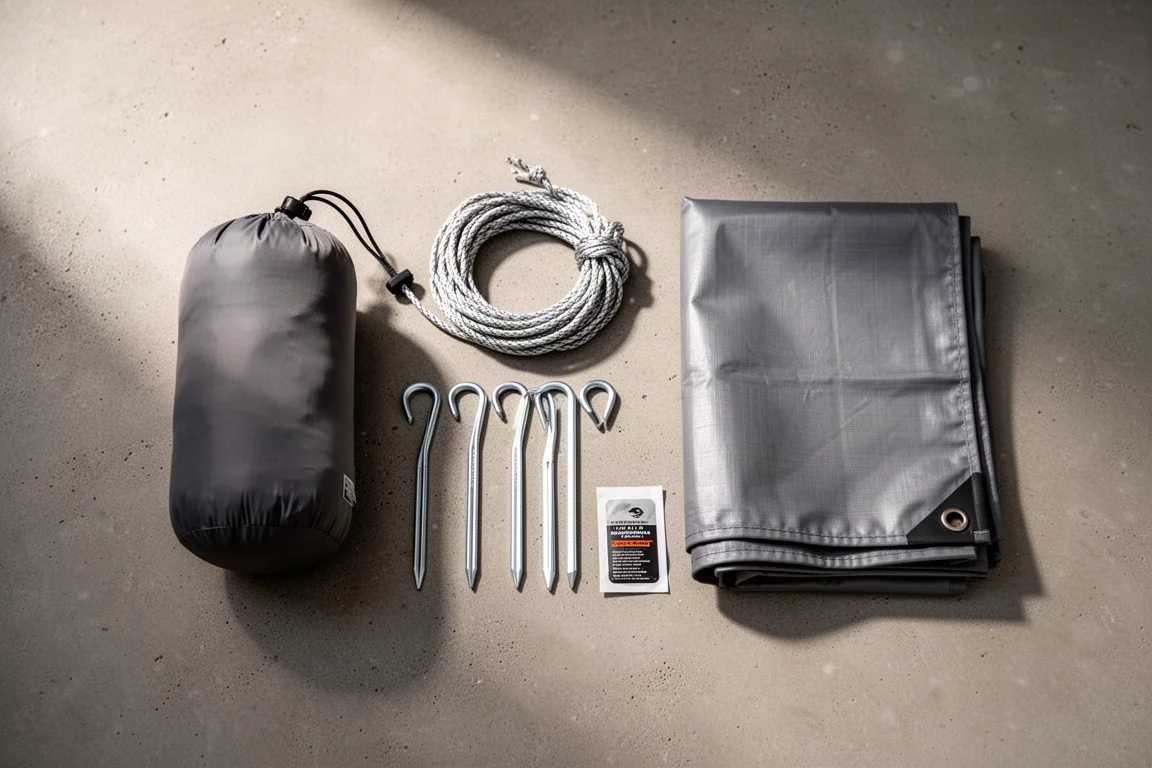
Buy the Tetra 160 if you want a tall, roomy, quick-pitching shelter for mild to moderate conditions, especially if you are tall, camp solo with a lot of gear, or want built-in insect protection. Look elsewhere if you regularly camp in exposed, windy terrain, if you need a freestanding design, or if you want a removable inner for fast-and-light trips. Pair it with a lightweight tarp if you plan to use porch mode in damp weather, and the setup covers most three-season trips comfortably.
Conclusion
The OneTigris Tetra 160 takes the simple square-footprint teepee concept and adds the two things the smaller version leaves out: a center pole and a proper inner tent. Setup is quick and undemanding, the ventilation design is genuinely thoughtful, and the interior has enough height and floor space to keep tall campers and gear-heavy solo trips happy.
The trade-offs are equally clear. Two occupants will be cozy rather than comfortable, the integrated inner is permanent, and the lack of rear guy line points limits how much wind the shelter can handle. For calm and moderate conditions, and for campers who value an easy pitch over maximum storm resistance, the Tetra 160 is an easy shelter to recommend.
Product link
View more details for OneTigris Tetra 160 Tent
This product is mentioned in the review. Check the specifications, options, and compatibility before buying.
View more details for OneTigris Tetra 160 TentFurther reading
Related Reviews
Camping Tents
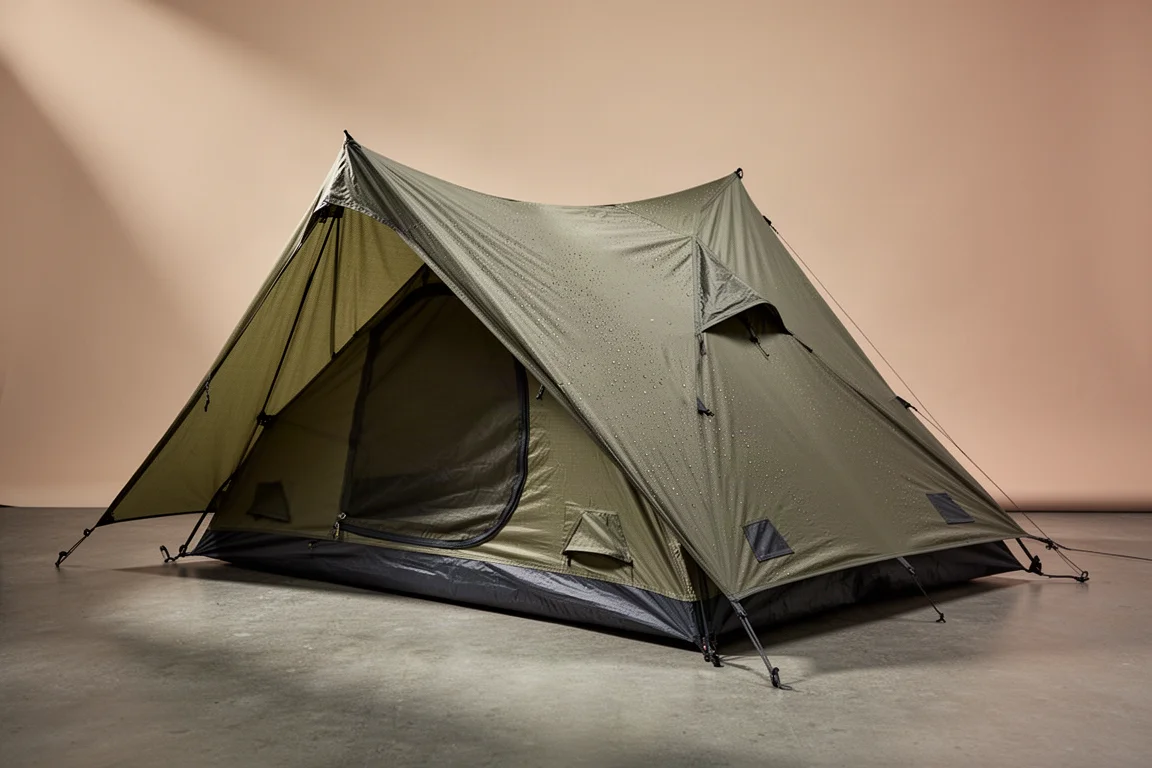
3F UL Gear Taiji Two-Person Tent Review: Field Waterproofing Results and Buying Advice
The Taiji pairs an attached fly with a removable inner, but sustained rain exposed untaped vent seams that need sealing before this shelter can be trusted.
Camping Tents
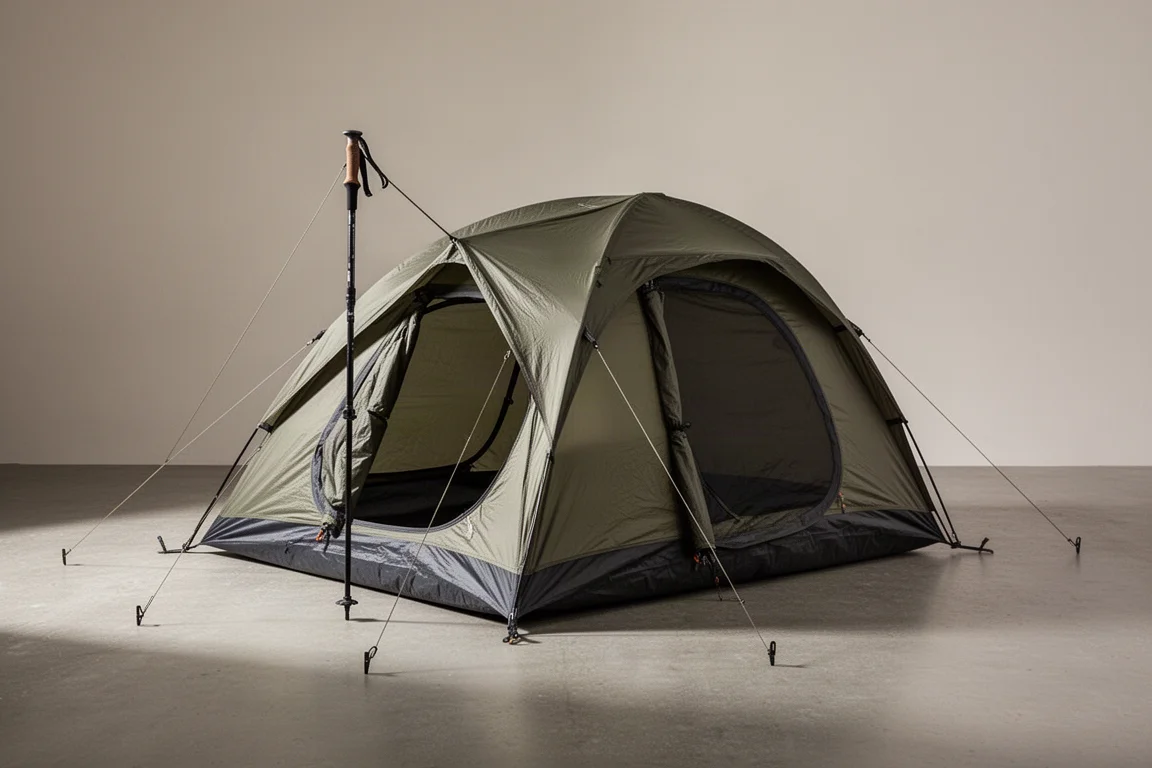
3FUL Gear Lanshan 2 Pro 4-Season Review: A Sub-$200 Single-Wall Trekking Pole Tent
An early look at the 3FUL Gear Lanshan 2 Pro 4-Season, covering its straightforward pitch, generous interior space, and the condensation and seam-sealing questions that come with any single-wall shelter.
Camping Tents
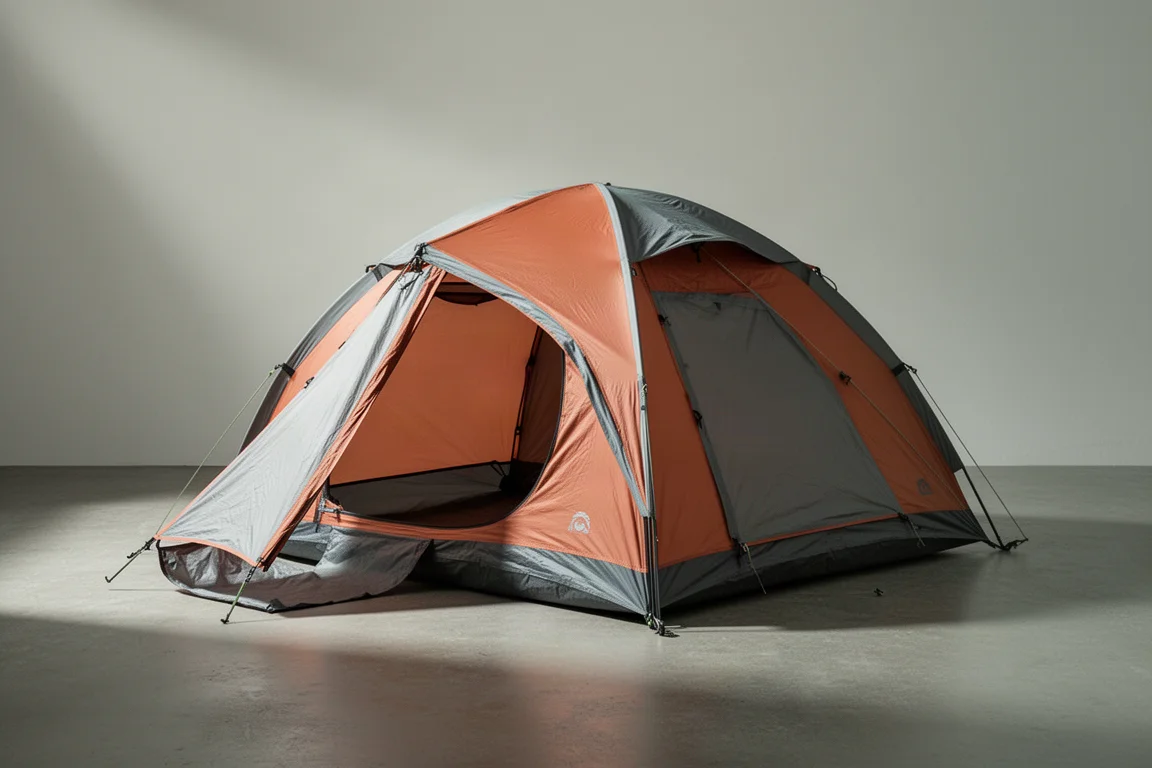
Alps Mountaineering Lynx 1-Person Tent Review: Big Value in a Small Budget Tent
A close look at the Alps Mountaineering Lynx 1-Person Tent, covering real interior dimensions, materials, setup time, ventilation limits, and who should buy it.