Camping Tents
OneTigris Tetra 160 Tent Review: A Roomy Teepee Shelter With a Smart Door
A detailed look at the OneTigris Tetra 160, a square-footprint teepee tent with an integrated bug inner, strong ventilation, and a few weather-related trade-offs.
Introduction
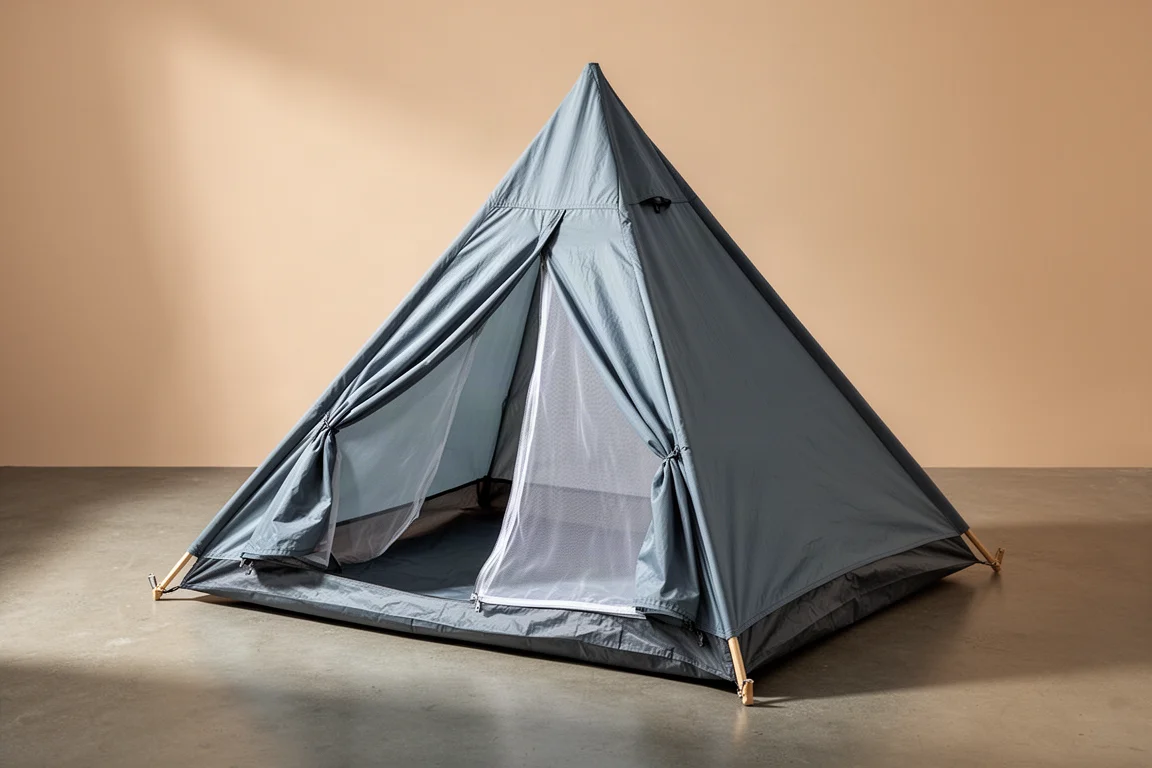
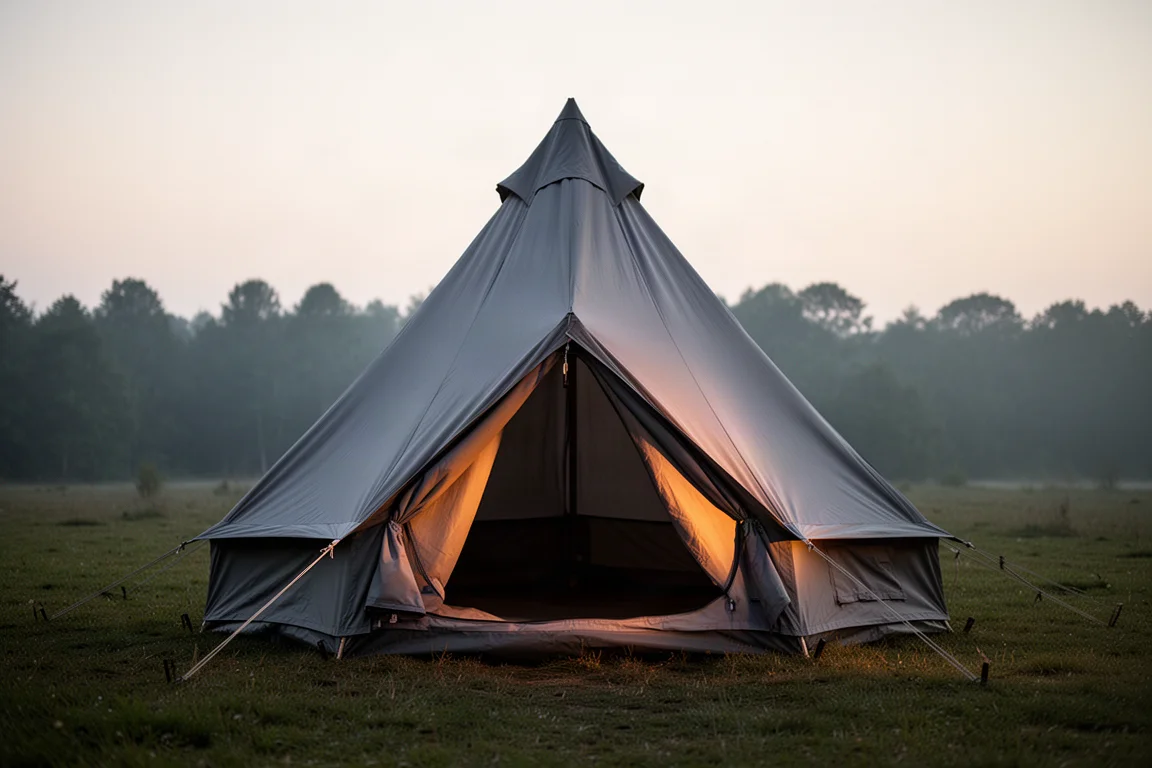
The OneTigris Tetra 160 is the larger of the company’s teepee-style shelters, and it keeps the square footprint and quick pitch of the smaller Tetra 130 while adding two things that version does not include: a pole and an integrated inner tent with a mesh floor. It sells for around $180, weighs about four pounds, and uses a 20-denier nylon fly that is silicone and PU coated with a 3,000 mm waterproof rating.
This article covers what arrives in the bag, how the tent goes up, the ventilation and door design, and the details worth weighing before you order one.
Who the OneTigris Tetra 160 Tent Is For
The headline number here is headroom. Set up, the Tetra 160 stands about five feet three inches tall, which means most people can sit upright, change clothes, and move around without folding themselves in half. If you are tall and have found smaller teepee shelters cramped, this is the version worth a close look.
OneTigris markets it as a two-person tent. In practice, two smaller campers can make it work, but two adults will be close together and will likely end up sharing the floor with their gear. A single camper with a sleeping pad, a duffel, and a bit of extra kit will find the space genuinely generous.
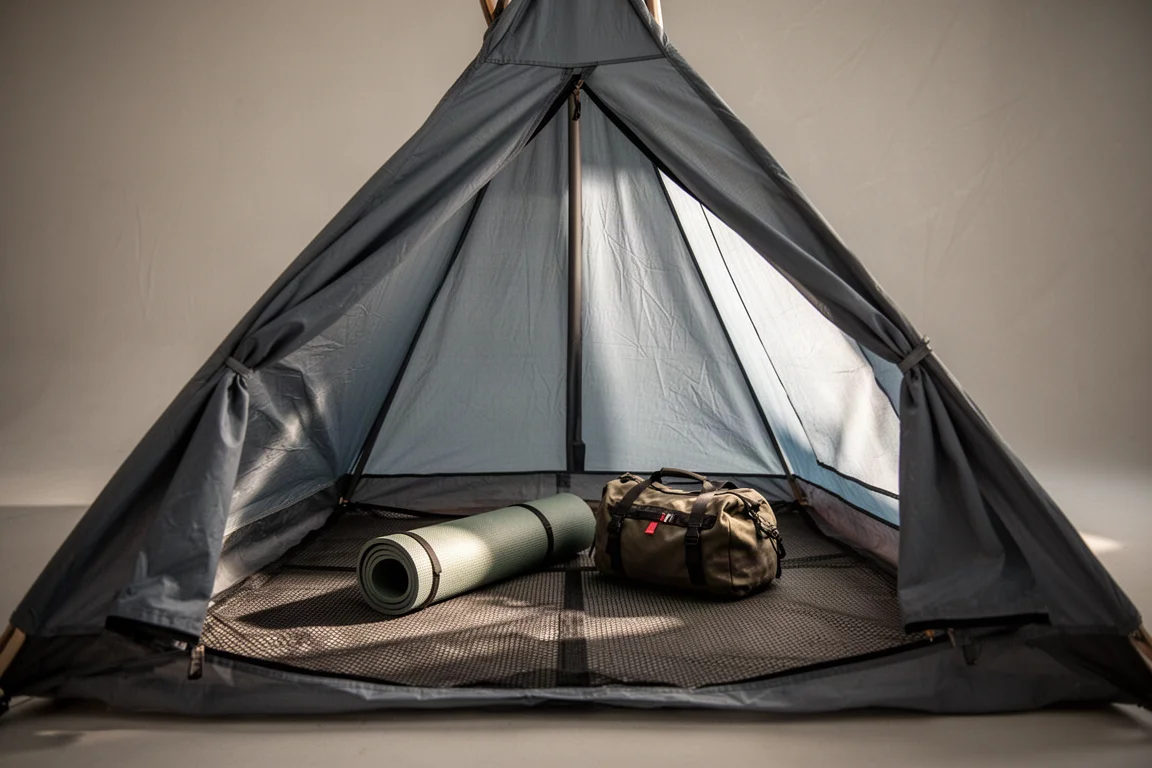
It is a non-freestanding, single-wall shelter, so it relies on stakes and guy lines rather than a pole structure that holds its own shape. That keeps the pitch simple, but it does mean you want ground you can drive stakes into.
Design and Setup: What Comes in the Bag
The package includes a burrito-style stuff sack with two compression straps, guy lines, aluminium stakes, and an aluminium pole. The pole is a set of separate sections rather than a connected or telescoping design, and it is a fixed length, so there is nothing to adjust once it is assembled.
Pitching follows a straightforward sequence: lay the body out on the ground, orient the door the way you want it, stake out the corners, and insert the pole. The square formation does most of the work here, and the process needs very little of the re-pegging and readjustment that some teepee shelters demand. It is one of the tent’s most appealing traits.
Build quality looks sound. The zippers are YKK, the seams are taped cleanly, and there were no loose threads on inspection.
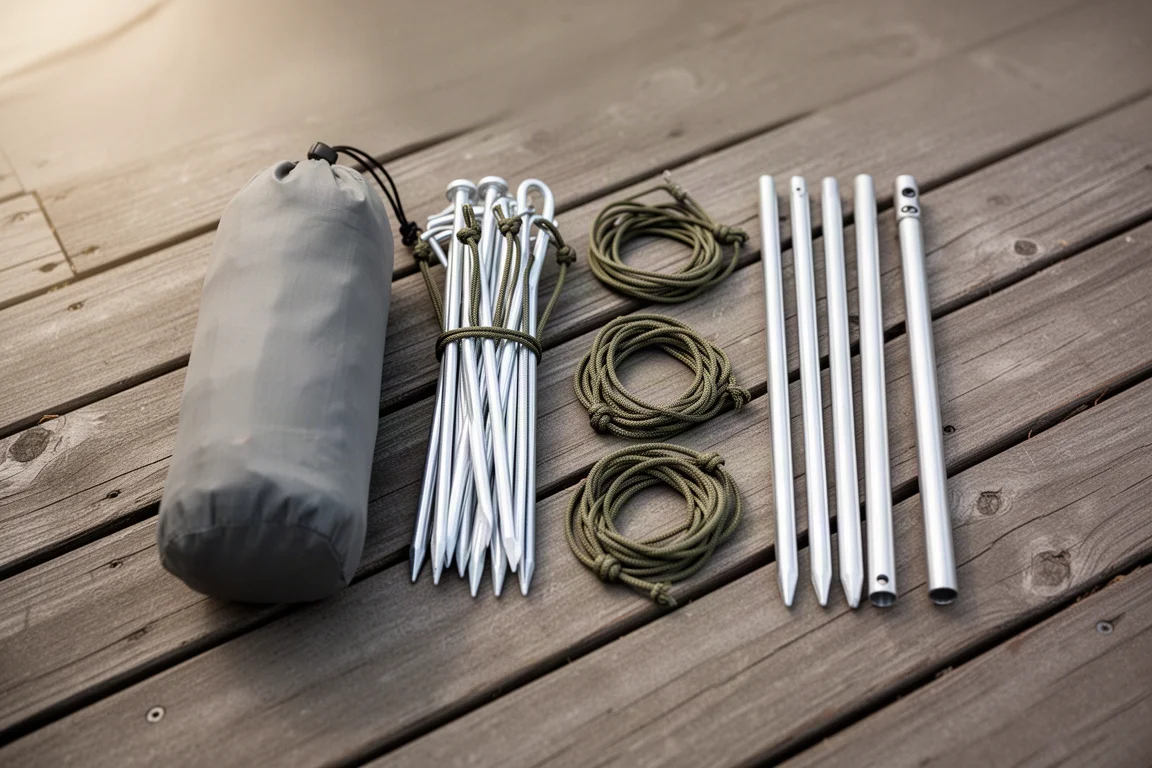
One small handling note: the corded loops on the guy lines can fray or come loose, so it is worth gripping them carefully rather than yanking them out of the ground.
Ventilation, Condensation Control and Weather Protection
The Tetra 160 uses the same condensation strategy as the smaller model. A large vent sits on the outside of the shelter with a protective flap on the inside, letting air travel through the vent and up the walls. Any condensation that does form on the inside of the fly runs down and out of the tent rather than dripping onto you.
There are two vents at the top, one on each side at the back, and the rear of the tent is pitched higher than the front to support that airflow. Stakeout points are well distributed around the base, with three along the rear, three along the sides, and three along the front.
The weak point is guy line coverage. There are two guy line points on each side of the tent, but they sit on the front. Nothing is provided at the rear, which is exactly where wind tends to hit. The tent should perform well in ordinary conditions, but it will not be at its best in the nastiest, windiest weather, and a few rear guy line points would have made a meaningful difference. A loop at the apex also lets you hang the shelter instead of using the pole.
Room Inside: Space, Storage and the Integrated Bug Inner
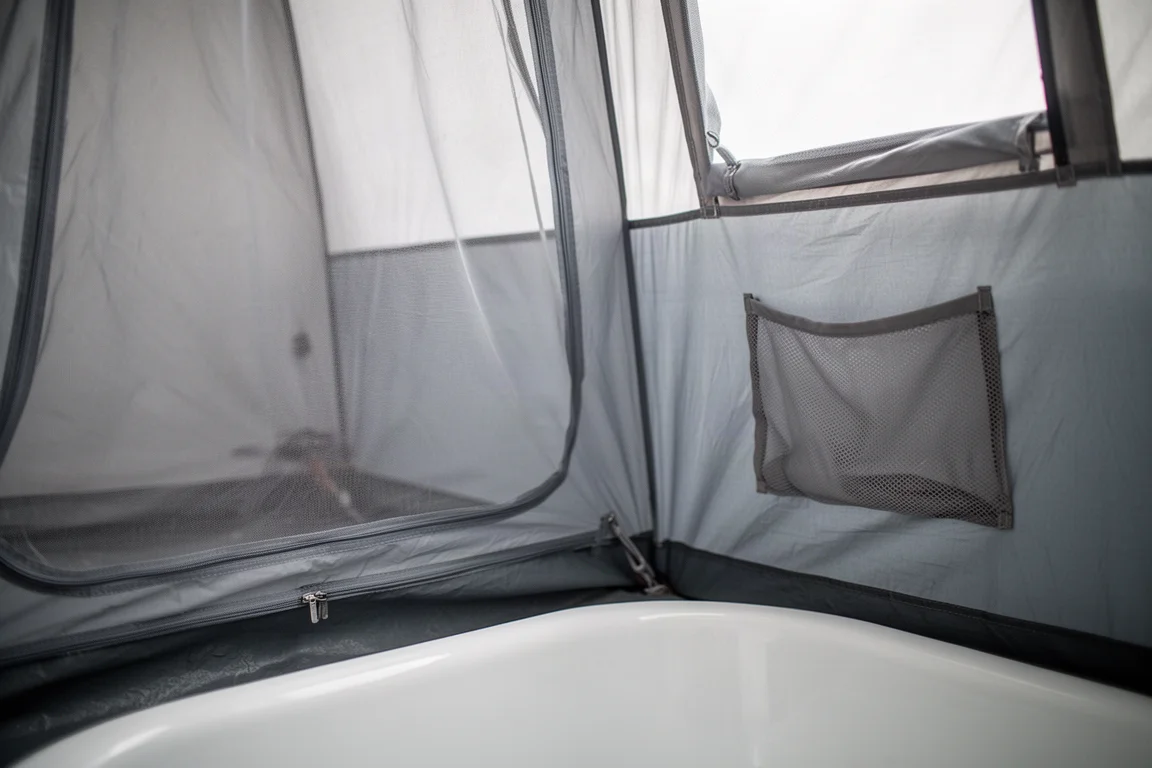
The inner tent is the biggest functional difference from the Tetra 130, and it cannot be removed. It is integrated into the body and stays there. Inside you get a floor with mosquito mesh, a partial bathtub floor, and a condensation prevention panel.
Entry to the inner body uses a three-way zipper, so you can open it from more than one direction. Two small mesh pockets, one on each side of the tent, handle small items like a headlamp or a phone.
The door itself is the same clever arrangement found on the smaller version. Two zippers let you open the tent from either side, or open both to create a porch configuration. That porch setup is genuinely useful, though it does pull to a point, which leaves the sides slightly less protected from rain. In dry conditions it works beautifully. In wet weather, a lightweight tarp pitched over the porch is the sensible move to keep the interior and the surrounding camp area dry.
Things to Consider Before Buying
A few points deserve honest weight before you commit.
The rear of the tent has no guy line points, which limits how much you can stabilise it when wind comes from behind. The porch configuration is best suited to dry conditions unless you add a tarp. The inner tent is permanent, so if you wanted a bare, minimal shelter for fast trips, this is not that tent.
There is also the question of durability on the small parts. The corded loops on the guy lines can fray, and they are worth handling with some care.
Finally, this is a newer release and long-term field testing is still to come. The impressions here come from a full setup and a close inspection of the materials, seams, and hardware, and so far the tent mirrors the smaller Tetra closely in the ways that matter.
Buying Advice
At around $180, the Tetra 160 sits above the smaller Tetra 130, which runs closer to $130. The price difference buys the pole and the integrated bug inner. The smaller version does not include either, but it does add a snow skirt and comes in lighter. That is the real decision: choose the 160 if you want mesh protection and a pole included out of the box, and choose the 130 if you want the lowest weight and a snow skirt instead.
Colour is a muted grey-blue that OneTigris calls Urban Gray, and the packed size is about 17.3 by 6.3 inches. If you are tall, want to sit up inside your shelter, and mostly camp in mild to moderate conditions, the Tetra 160 is an easy recommendation.
If you regularly camp in exposed, windy terrain, factor in a few extra guy lines and consider how you will anchor the rear of the shelter. Used within its strengths, it is a comfortable, fast-pitching tent with a genuinely smart door.
Conclusion
The OneTigris Tetra 160 takes a simple teepee concept and adds the two features that make it far more liveable: a pole and a built-in mesh inner. Setup is quick, ventilation is well thought out, headroom is excellent, and the dual-zipper door remains one of the better designs in this class. The trade-offs are real but narrow, centred on rear guy line coverage and a porch that prefers dry weather. For tall campers and anyone who wants a roomy, straightforward shelter at a fair price, it is a strong option.
Product link
View more details for OneTigris Tetra 160 Tent
This product is mentioned in the review. Check the specifications, options, and compatibility before buying.
View more details for OneTigris Tetra 160 TentFurther reading
Related Reviews
Camping Tents
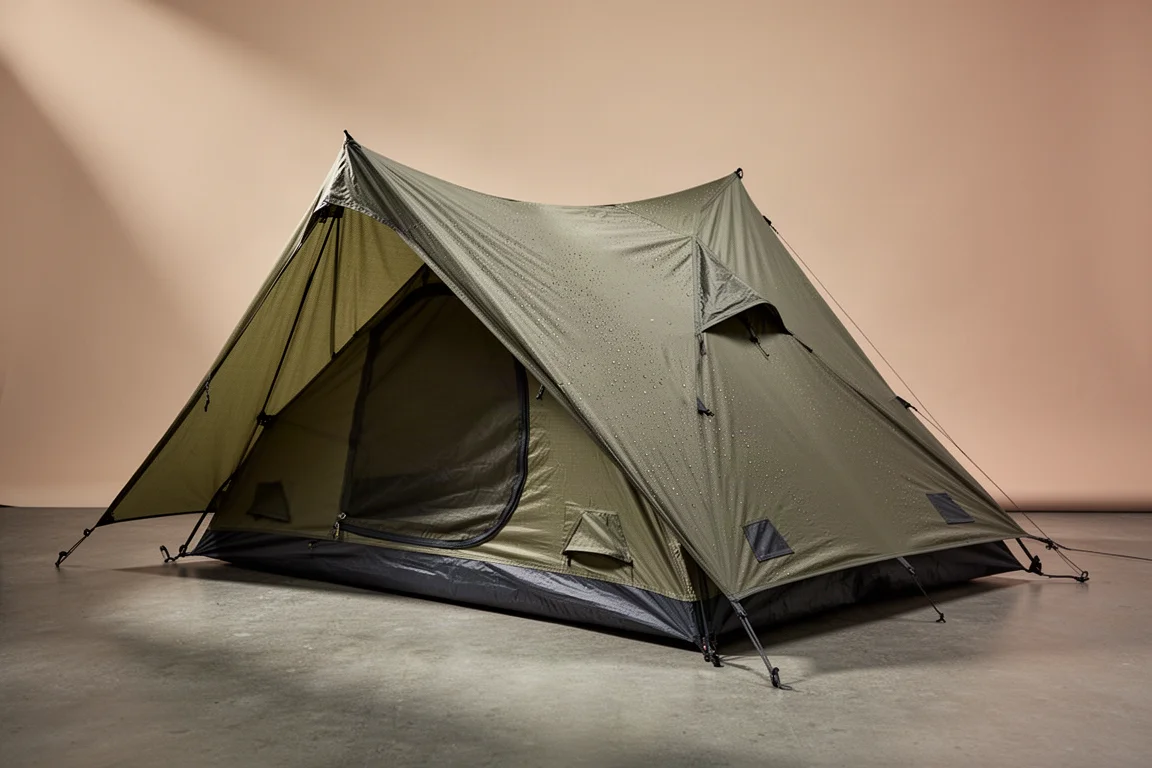
3F UL Gear Taiji Two-Person Tent Review: Field Waterproofing Results and Buying Advice
The Taiji pairs an attached fly with a removable inner, but sustained rain exposed untaped vent seams that need sealing before this shelter can be trusted.
Camping Tents
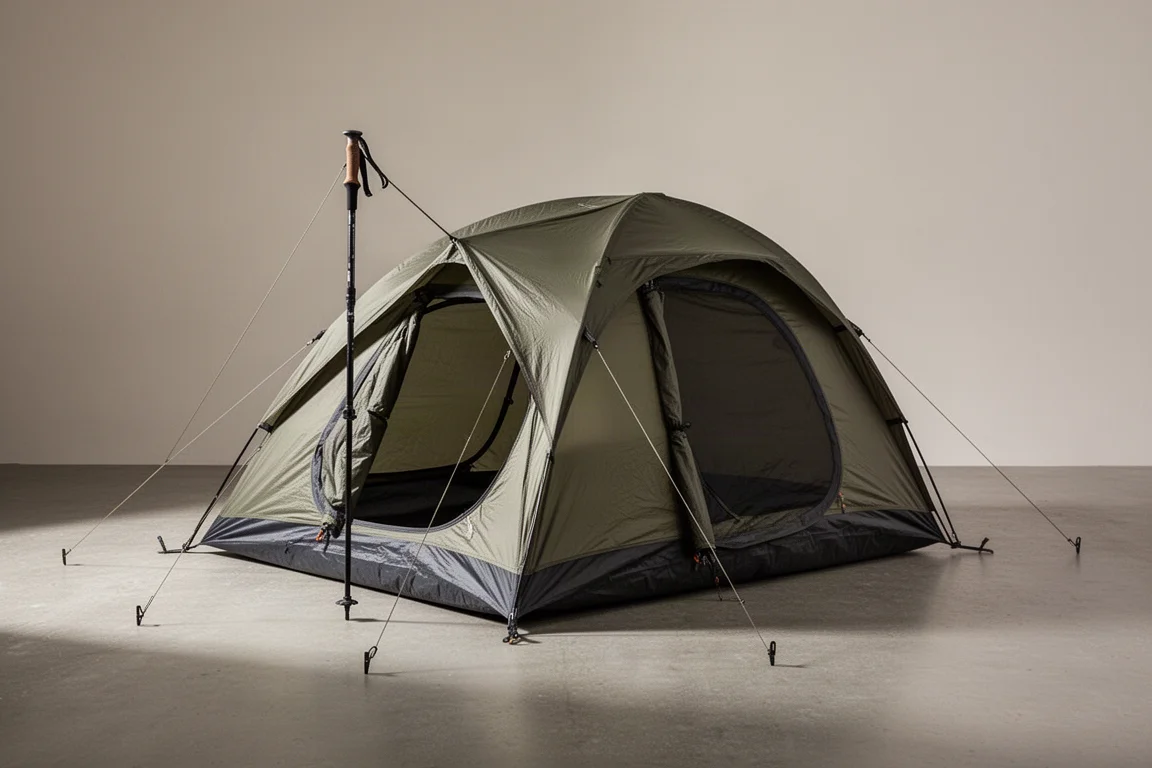
3FUL Gear Lanshan 2 Pro 4-Season Review: A Sub-$200 Single-Wall Trekking Pole Tent
An early look at the 3FUL Gear Lanshan 2 Pro 4-Season, covering its straightforward pitch, generous interior space, and the condensation and seam-sealing questions that come with any single-wall shelter.
Camping Tents
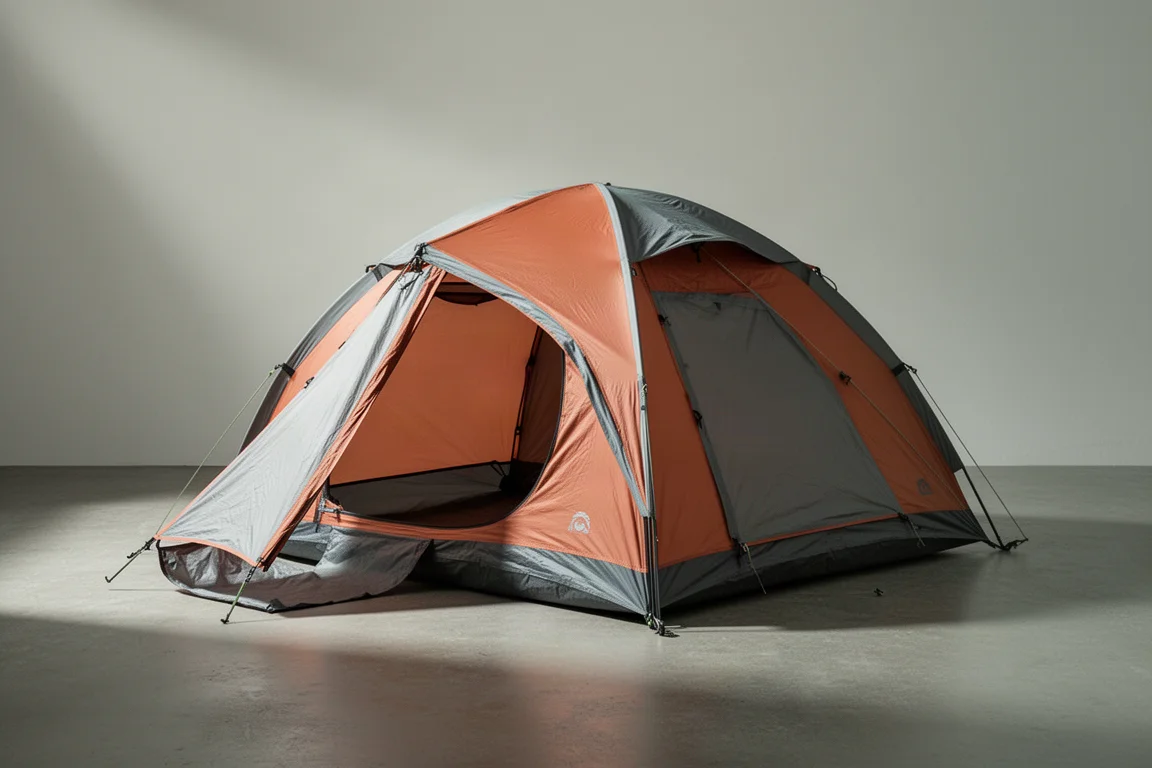
Alps Mountaineering Lynx 1-Person Tent Review: Big Value in a Small Budget Tent
A close look at the Alps Mountaineering Lynx 1-Person Tent, covering real interior dimensions, materials, setup time, ventilation limits, and who should buy it.