Camping Tents
OneTigris Tetra 160 Review: The Generation 2 Guyline Fix That Matters
The second-generation OneTigris Tetra 160 adds rear guyline points for better wind stability, keeps its low price, and leaves a few small practical details unresolved.
Introduction
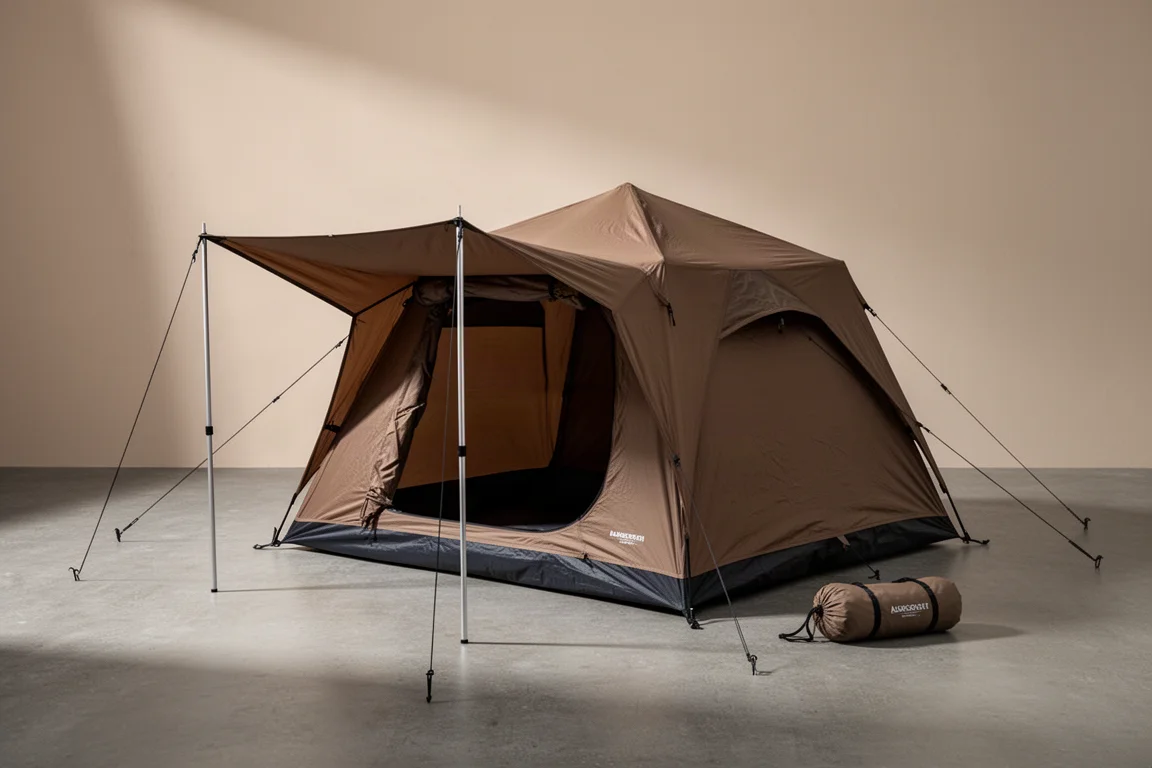
The OneTigris Tetra 160 is the larger of the two tents in the Tetra line, and the second-generation version fixes the single weakness that mattered most in the original. It is a square-shaped tarp-style shelter built from genuinely good materials and sold at a price that undercuts much of its competition. For campers who ride out heavy rain and want a tent that stays planted when the wind picks up, that combination is appealing.
The update itself is narrow but significant. The original Tetra carried guyline points on the front and sides only, which left the rear of the tent unanchored. The current version adds guyline points at the back, and a new Coyote Brown colourway now sits alongside the original Urban Gray. The overall layout, footprint and awning carry over unchanged.
This review covers what changed, where the Tetra 160 still falls short, and who should consider it.
Who This Tent Is For
The Tetra 160 suits three-season campers who want a compact, square footprint and a shelter that copes with wet weather without a premium price. The 160 is the roomier of the two models, while the smaller Tetra 130 is aimed at solo campers or anyone watching pack weight.
Because the design is a square tarp-style tent, it relies on a taut pitch and well-tensioned guylines rather than a complex pole structure. That makes it a natural fit for campers who are comfortable staking a shelter out properly and who value shade during the day as much as weather protection at night.

Campers who pitch in exposed spots or windy valleys will notice the benefit of the redesign most, because the rear of the tent can now be tensioned instead of left to flap. It also remains a sensible option for wet climates, where the fabric and construction have shown they can take sustained rain without drama.
Main Strengths
Stability is the headline. With six guyline points in total, the tent can be anchored at the sides, at the door and at both rear corners, which spreads load across the whole structure rather than concentrating it at the front. A tent that once struggled in strong wind is now something you can leave pitched when a storm rolls through.
Rain performance is the second strength. The Tetra line has a strong record in prolonged wet weather, and the materials used here sit well above what the price would normally suggest. Campers who spend a lot of time in damp regions get a shelter that holds up rather than one that merely survives a shower.
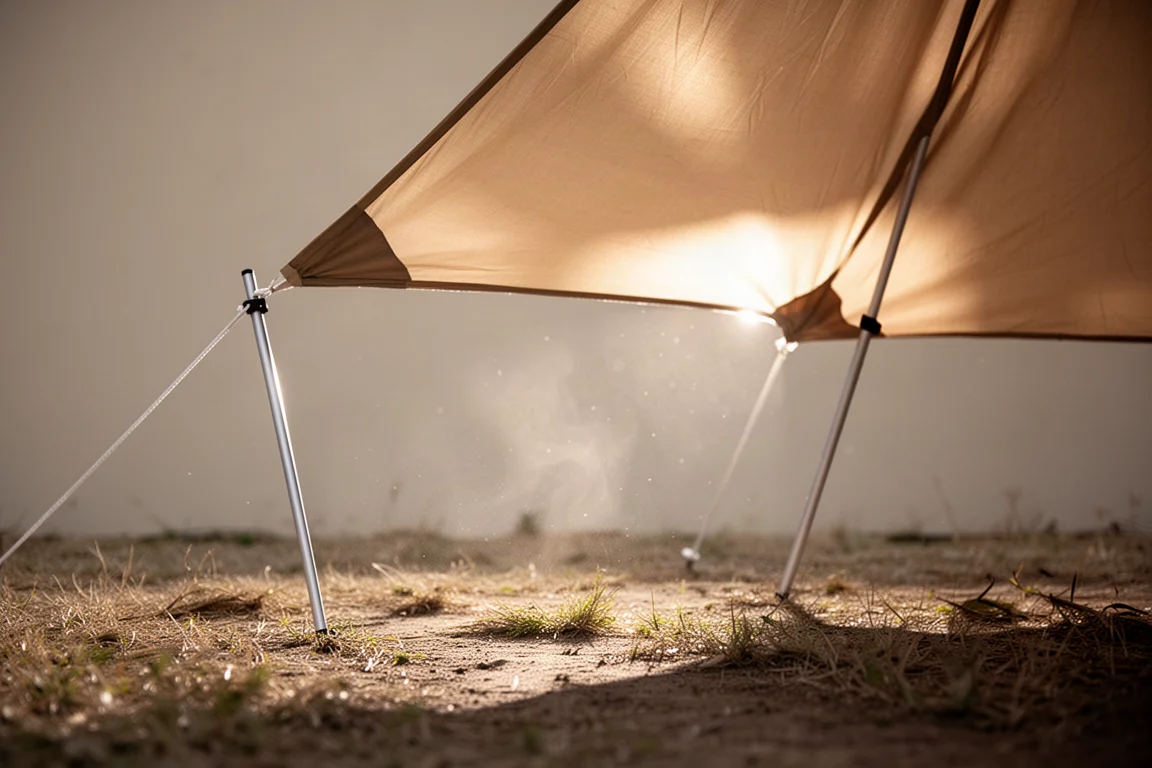
The awning is the third. It can be propped open with poles or with sticks found on site, giving you a shaded spot to sit or even stand under during the day. It is a genuinely useful feature on warm trips, and it is one of the reasons the Tetra feels more versatile than a plain sleeping shelter.
Finally, value. The larger Tetra 160 is priced at around $180, with the smaller Tetra 130 at roughly $100 at the time of the update. Pairing high-end materials with that kind of pricing is unusual, and it is the main reason these tents have earned such a loyal following.
What Changed in Generation 2
The original Tetra had four guyline points: one on the side, one at the door and one on the opposite side. The rear of the tent had none at all. In practice that meant a camper pitching for cold or windy weather could not orient the tent with the wind hitting the back panel, which is normally the smartest setup, because the back of the shelter could not be tied down. The result was a tent that moved around more than it should in strong wind, thunderstorms and cold-weather camps.
The current version adds two rear guyline points, one at each rear corner, for a total of six. That single change transforms how the tent behaves in poor conditions. You can now pitch with the wind at your back, keep the interior shielded from cold air, and tension the whole structure so it holds its shape when gusts arrive.
The second change is cosmetic: Coyote Brown is now offered alongside the original Urban Gray. It is a small addition, but it gives buyers a choice between a muted earth tone and the original neutral grey, and both suit the understated look of the tent.
Things to Consider Before Buying
Two practical issues are worth knowing about before you order.
The first is labelling. Tents and the accessories that come with them are not marked with product names, and neither are the stuff sacks. If you own more than one item from the same brand, identifying what is inside a given sack becomes guesswork, whether you are sorting a poncho from a tarp or a three-season tent from a four-season one. Labelling each item as you unpack it solves the problem entirely, but it is work the buyer has to do rather than something the brand handles.
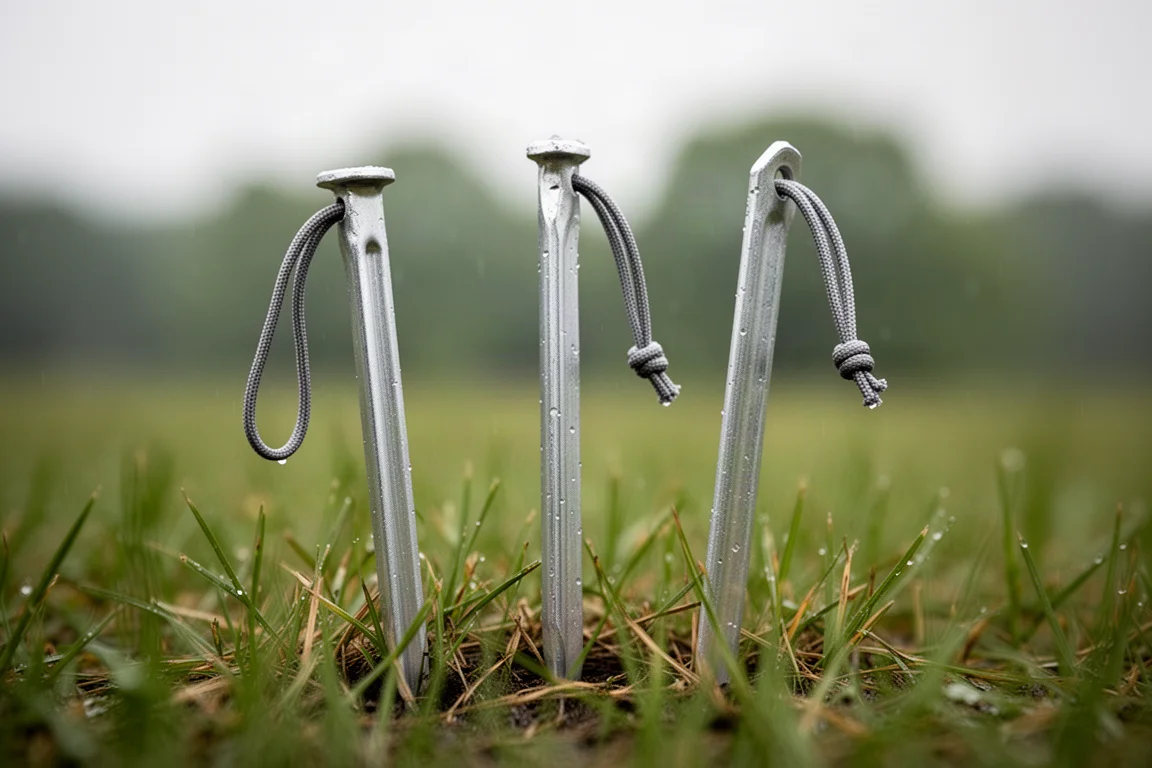
The second concerns the tent stakes. The cord loop attached to each stake can slip off the metal head, and when it does, the exposed edge of the stake is sharp. This has caused a cut finger during a routine pack-down, and other owners have reported the same thing happening to them. The issue has been raised with the company, which indicated it was looking into a solution, but the second-generation model does not include a fix. Bringing a few spare stakes or replacing the stock ones with a design that uses a closed loop is a cheap and sensible precaution.
The Awning: Sun Shelter With Limits
The awning is one of the most appealing features of the Tetra design. Set it up with poles or with sticks you find on site, and you get a covered area where you can sit, cook or simply get out of the sun for a while. On a hot trip it effectively doubles the usable living space of the tent.
Its limits show up in rain. The awning has open sides and gaps around its edges, so water blowing in from the side will land on whoever is underneath and can end up inside the tent. In still air and very light rain you can stay dry, but that is a narrow window. In real weather, treat the awning as shade rather than as a rain shelter.
That does not make the feature a mistake. It makes it a fair-weather advantage, and if you plan trips around warm, dry conditions, you will get plenty of use out of it. Just do not count on it to keep you dry when the weather turns.
Pricing, Value, and Availability
Pricing is where the Tetra 160 makes its strongest case. The larger model runs around $180, and the smaller Tetra 130 sits at roughly $100. For tents made from high-end materials and designed for serious rain, those figures are aggressive.
Two colour options are available, Coyote Brown and Urban Gray. Both are restrained, practical tones that suit backcountry use, and the choice comes down to personal preference rather than any difference in the tent itself.
The combination of a low price and durable materials is the reason the Tetra line has been described as being close to perfect for its class. It is not a flawless tent, as the sections above show, but the gap between what it costs and what it delivers is unusually wide.
Buying Advice
Buy the Tetra 160 if you want a square tarp-style tent that can be anchored properly in wind, handles heavy rain well, and costs far less than its materials suggest. It is a strong choice for three-season campers, for wet climates, and for anyone who wants an awning for shade on summer trips.
Choose the smaller Tetra 130 if you camp solo or want to keep weight and packed size down, since the two models share the same design approach and the same six-point guyline layout.
Before your first trip, do two things. Label your tent and its accessories so you can identify them later, and either check the cord loops on the supplied stakes or swap in a set with closed loops. Both take minutes and remove the two annoyances that come with an otherwise very capable shelter.
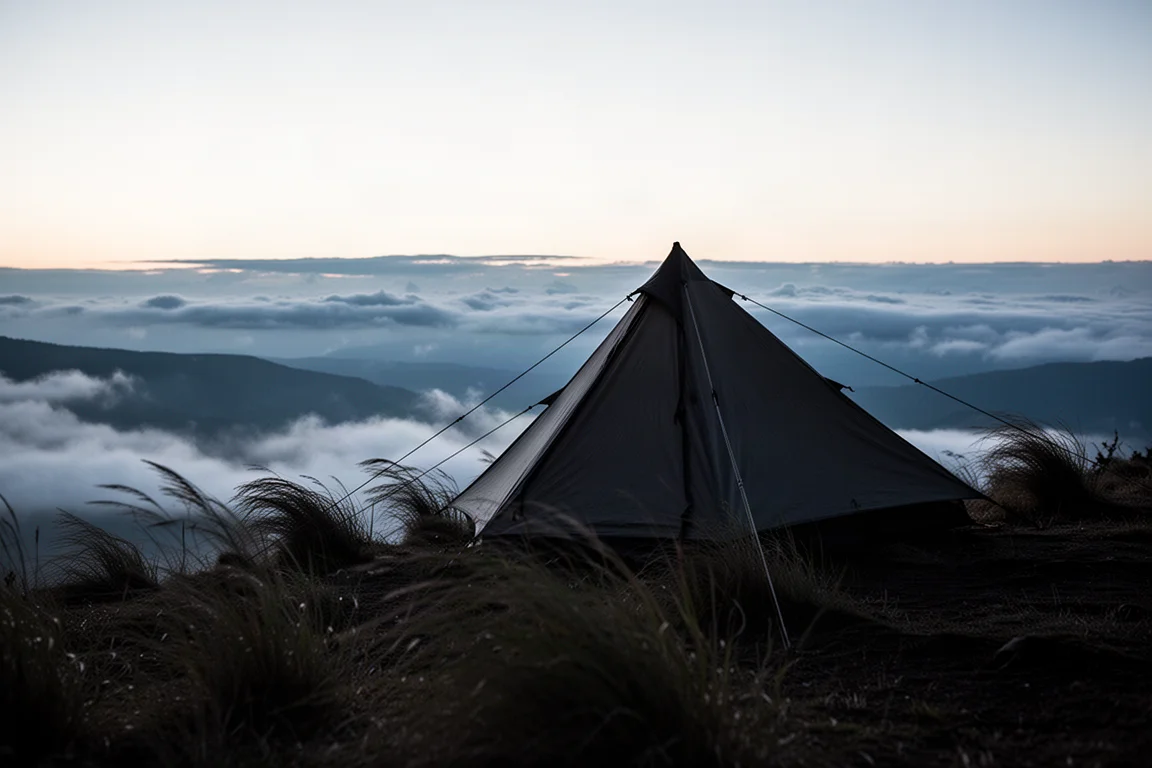
If wind stability and rain protection matter more to you than having a perfect feature set, the Tetra 160 delivers where it counts. The second-generation fix addressed the flaw that previously held the design back, and for the price, that makes it an easy tent to recommend to the right camper.
Conclusion
The OneTigris Tetra 160 is a well-made, affordable square tarp-style tent that became meaningfully better with the addition of rear guyline points. It stands up to wind, shrugs off sustained rain, and offers a genuinely useful awning for sunny days. The unlabelled sacks and the loose stake cord loops are real irritations, and the awning will not keep you dry in blowing rain, but none of those issues change the core value on offer. For three-season campers shopping on a budget, it is a shelter worth putting on the shortlist.
Product link
View more details for OneTigris Tetra 160
This product is mentioned in the review. Check the specifications, options, and compatibility before buying.
View more details for OneTigris Tetra 160Further reading
Related Reviews
Camping Tents
3F UL Gear Taiji Two-Person Tent Review: Field Waterproofing Results and Buying Advice
The Taiji pairs an attached fly with a removable inner, but sustained rain exposed untaped vent seams that need sealing before this shelter can be trusted.
Camping Tents
3FUL Gear Lanshan 2 Pro 4-Season Review: A Sub-$200 Single-Wall Trekking Pole Tent
An early look at the 3FUL Gear Lanshan 2 Pro 4-Season, covering its straightforward pitch, generous interior space, and the condensation and seam-sealing questions that come with any single-wall shelter.
Camping Tents
Alps Mountaineering Lynx 1-Person Tent Review: Big Value in a Small Budget Tent
A close look at the Alps Mountaineering Lynx 1-Person Tent, covering real interior dimensions, materials, setup time, ventilation limits, and who should buy it.