Camping Tents
OneTigris Tangram Tent Review: Wind-Ready Shelter With a Learning Curve
A practical field review of the OneTigris Tangram tent, covering the pitching sequence, interior space, wind behaviour, condensation, and the setup details worth sorting before your first trip.
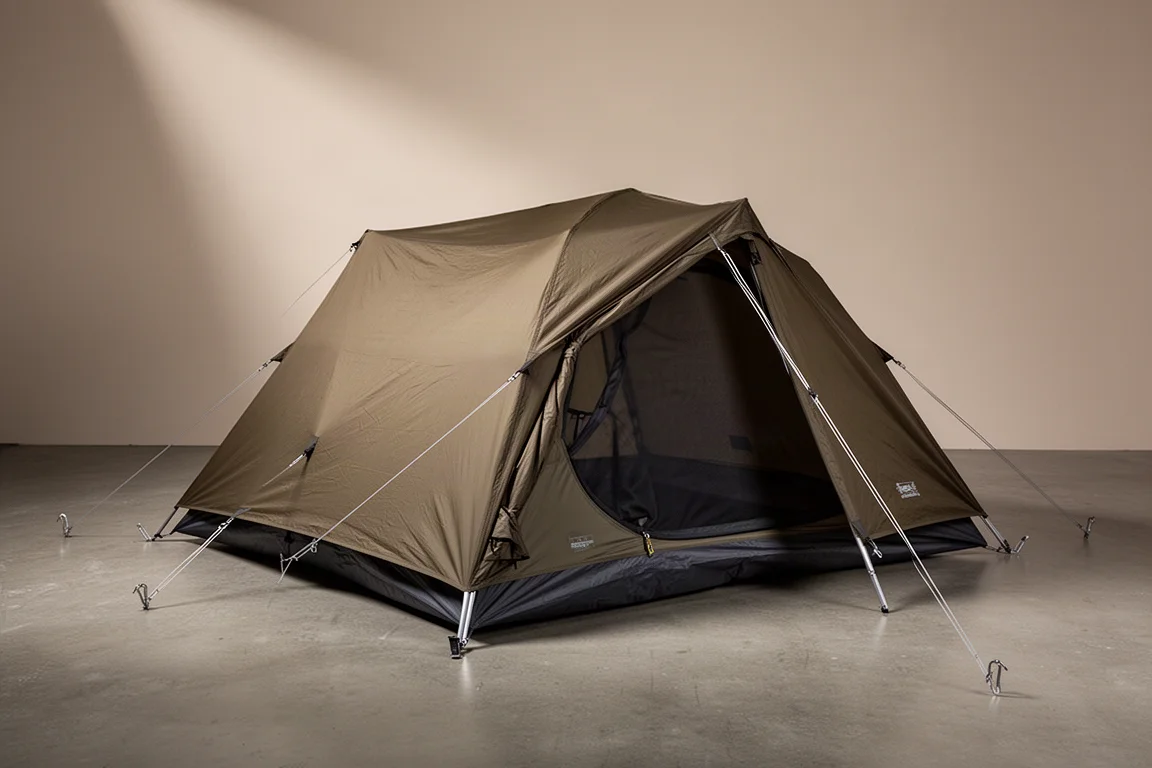
Introduction
The OneTigris Tangram is a low-profile two-layer tent that asks a fair amount of its owner before it gives anything back. Pitched carefully, it stands rigid in wind that would flatten a poorly tensioned shelter. Pitched in a hurry, it sags, flaps and generally makes its case badly.
This review is based on a night out on exposed moorland in roughly 30 mph winds with gusts reported around 40 to 45 mph, a deliberately awkward test for a tent of this type. The forecast rain never arrived, so wet-weather performance remains untested here, but the wind performance was genuinely informative.
The short version: the tent held up well once it was up properly. Getting it to that point is the part worth understanding before you buy.
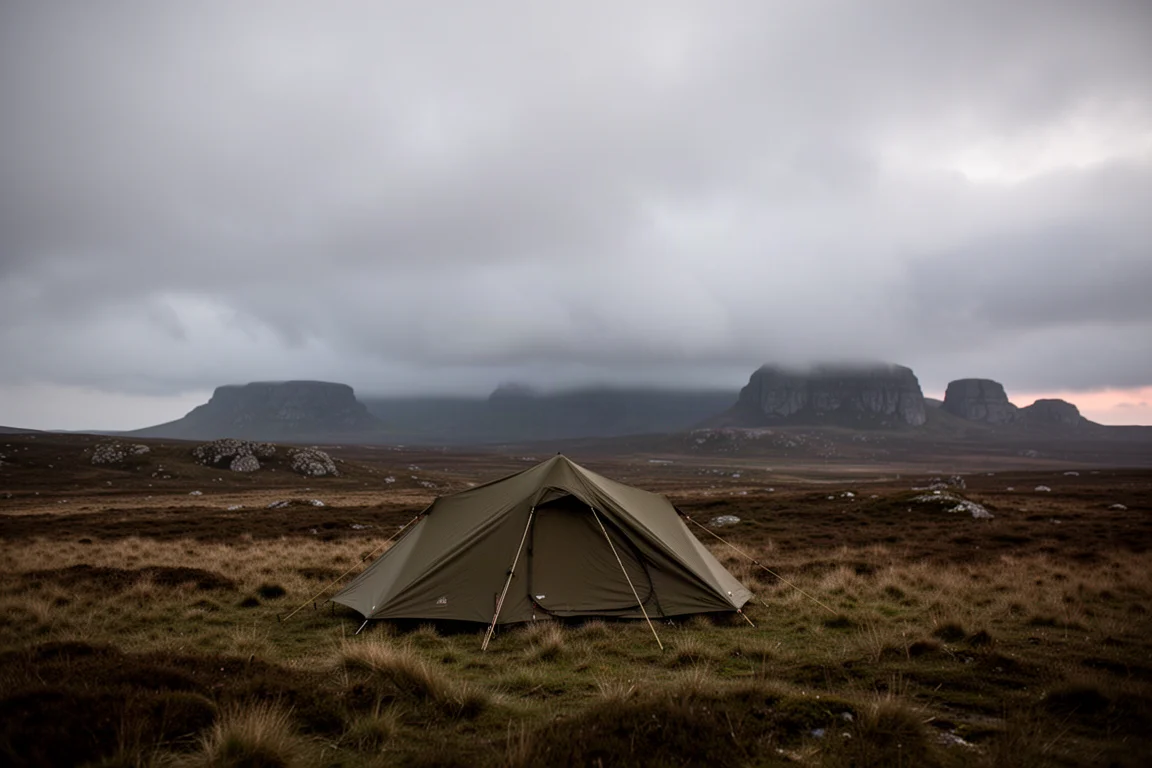
What follows covers who the Tangram suits, where it performs well, and the specific setup details that separate a taut pitch from a frustrating one.
Who This Tent Is For
The Tangram makes most sense for campers who are willing to learn a pitching sequence once and repeat it, rather than those who want a shelter that goes up intuitively on the first attempt. The inner and outer are separate layers that have to be linked at each corner, and the guy lines are not attached out of the bag.
It also suits anyone who values interior headroom. Once pitched, the roof stays clear of the occupant, so you can sit upright inside rather than lying flat with fabric pressing against your face.
The colourway deserves a mention for wild camping. The earthy outer fabric blends into moorland and dry grass rather than standing out against it, which is exactly what you want when you are pitching somewhere exposed.
Main Strengths: Space and Pitching
The Tangram’s strongest quality is how it behaves once properly tensioned. With the poles set correctly and the corners hooked up, the structure becomes tight and rigid, and the inner stops sagging. Interior space is generous for a tent of this footprint, with enough height to sit up comfortably and gear stored around you rather than on top of you.
Two setup details matter more than they look. First, the poles go in upside down, which is an easy mistake to make if you are working from memory. Second, the corners of the inner hook to the outer through a dedicated hole at each corner, and skipping or rushing that step is what produces the sagging inner that makes the tent feel badly made.
Tension is a balance rather than a maximum. Pulling everything as tight as it will go can hold the structure lower than it needs to be, so loosening one side slightly and lifting the centre gives a better result.
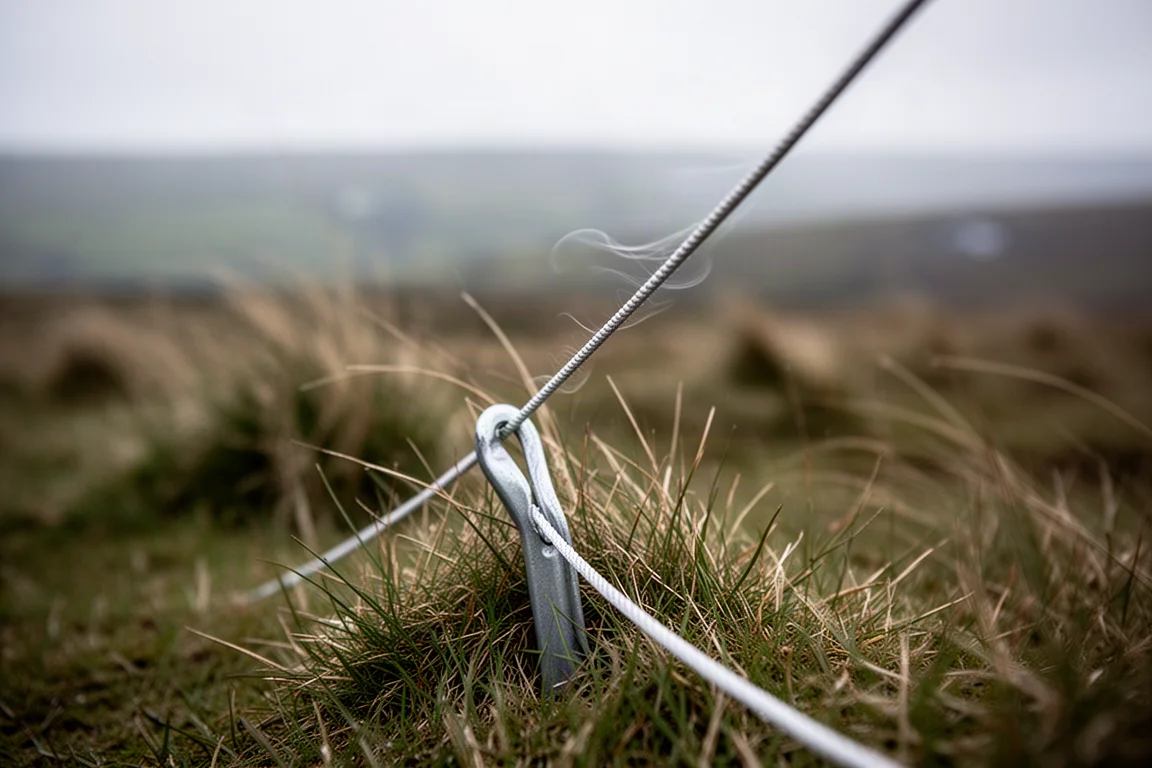
The tent also ships with extra guy lines that can be tied off partway down the apex to brace the sides against crosswinds. Adding two on the windward side made a visible difference on an exposed pitch.
Wind and Weather Behaviour
On an exposed moorland pitch with steady wind and stronger gusts, the Tangram stayed up and stayed quiet for long stretches. It was not silent, and there were periods where it flapped noticeably, but it did not collapse or shift. Pegging out the extra guy lines on the exposed side was the single biggest factor in that stability.
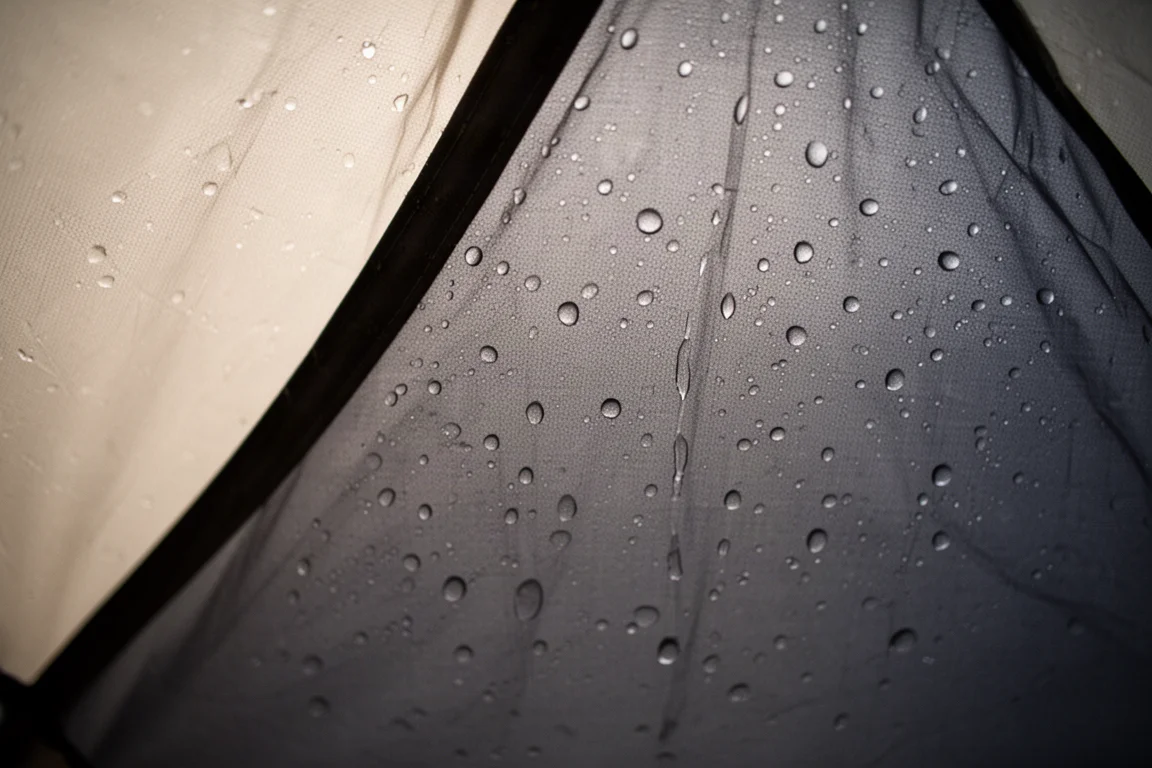
The fully mesh inner is a genuine trade-off in these conditions. It makes the interior draughty, and on a windy night that airflow is felt directly. Condensation also formed heavily on the inside of the fly, and water flicking down through the mesh was enough to be noticeable. Ventilation is clearly prioritised over warmth and dryness here.
Rain performance was not tested on this trip, so it is worth treating wet-weather ability as unproven rather than assuming the wind performance carries over.
Things to Consider Before Buying
There are no instructions in the packaging. If you are not the type to search out a pitching guide before your first trip, expect a slow and irritating first attempt. The tent does not come with all its guy lines attached either, so you will need to fit them before you start pitching rather than mid-pitch in bad weather.
The peg count is a practical limitation. There are enough pegs for a basic pitch, but not enough to brace both sides of the apex with the extra guy lines, which is precisely the setup that helps most in strong wind. Packing a couple of spare pegs is a sensible addition.
The stuff sack has its compression straps oriented so that the bag cannot be pulled down as tightly as it should be. Running the straps the other way lets you compress the load properly, which matters if the tent is going inside a rucksack. The bag itself is roomy rather than compact.
The mesh-heavy inner and the resulting condensation mean this is a fair-weather and three-season shelter in practice, best suited to campers who prioritise airflow and headroom over warmth and insulation.
Packing and Portability
Packing down is straightforward once the inner and outer are separated and the poles are out. The outer rolls down reasonably small for a two-layer tent, and with the compression straps rerouted it will pull tight enough to sit neatly in a pack.
The bag is on the generous side, so there is some slack to manage, and the packed tent is better suited to a car-camping kit or a short walk-in pitch than to a long-distance ultralight load.
Buying Advice
Buy the Tangram if you want a stable, roomy shelter for exposed pitches and you are happy to spend ten minutes learning how it goes together. The wind behaviour is the reason to choose it, and that behaviour depends almost entirely on pitching it properly.
Skip it if you want something that pitches itself out of the bag, if you camp in cold or wet conditions regularly, or if you would rather not think about guy lines at all. A spare set of pegs and a quick run-through in the garden before your first trip will make the difference between a shelter you trust and one you fight with.
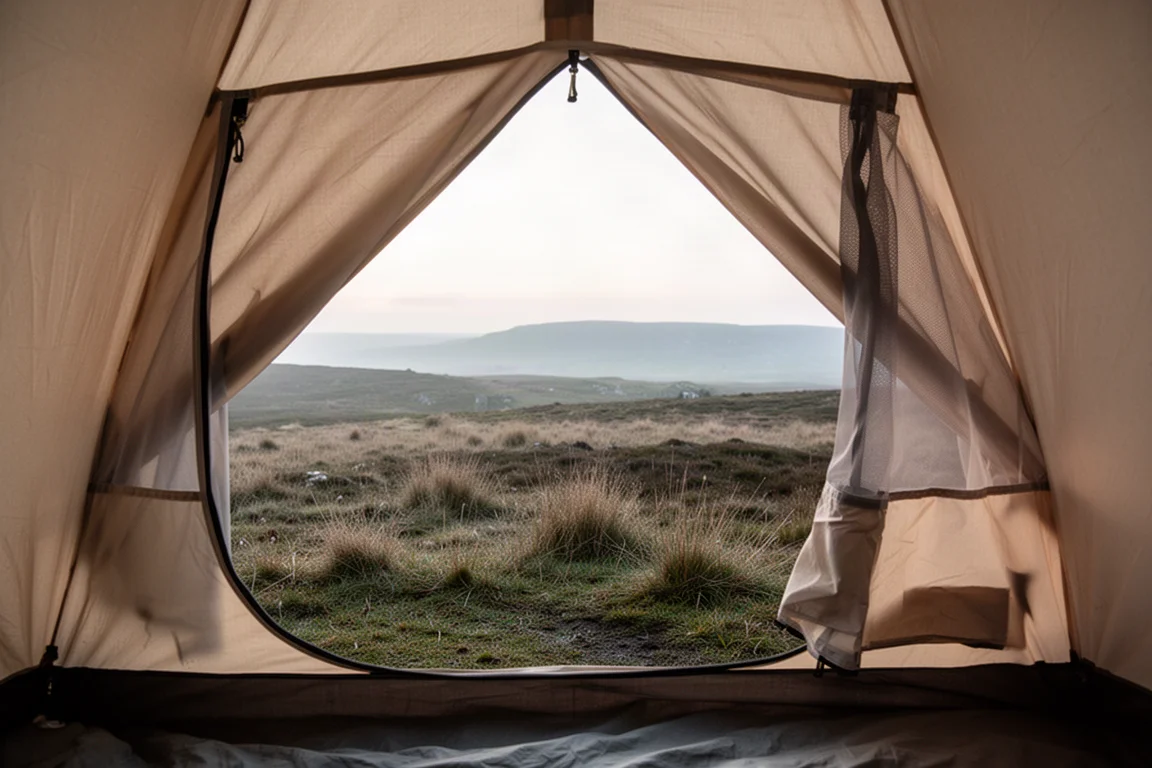
The honest summary is that this is a capable tent with an unnecessarily steep first pitch. Once past that, it earns its place on an exposed hillside.
Conclusion
The OneTigris Tangram is a solid, wind-capable tent that rewards patience. Interior space and headroom are genuine strengths, the low-profile colourway suits wild pitches, and it stood firm in conditions that would expose a sloppy setup.
Its weaknesses are equally clear: no instructions in the box, guy lines that must be attached first, a mesh inner that runs draughty and condensation-prone, and a peg count that falls short of the bracing setup the tent benefits from most. For a camper who wants headroom and wind stability and is willing to learn the sequence, it is a sensible buy. For everyone else, there are simpler options.
Product link
View more details for OneTigris Tangram Tent
This product is mentioned in the review. Check the specifications, options, and compatibility before buying.
View more details for OneTigris Tangram TentFurther reading
Related Reviews
Camping Tents
3F UL Gear Taiji Two-Person Tent Review: Field Waterproofing Results and Buying Advice
The Taiji pairs an attached fly with a removable inner, but sustained rain exposed untaped vent seams that need sealing before this shelter can be trusted.
Camping Tents
3FUL Gear Lanshan 2 Pro 4-Season Review: A Sub-$200 Single-Wall Trekking Pole Tent
An early look at the 3FUL Gear Lanshan 2 Pro 4-Season, covering its straightforward pitch, generous interior space, and the condensation and seam-sealing questions that come with any single-wall shelter.
Camping Tents
Alps Mountaineering Lynx 1-Person Tent Review: Big Value in a Small Budget Tent
A close look at the Alps Mountaineering Lynx 1-Person Tent, covering real interior dimensions, materials, setup time, ventilation limits, and who should buy it.