Winter Camping Tents
OneTigris Stella Tent Review: A Budget Four-Season Shelter for Winter Camping
A close look at the OneTigris Stella, a fabric-bodied four-season tent for cold nights, moderate snow, and moderate wind at a budget price.
Introduction
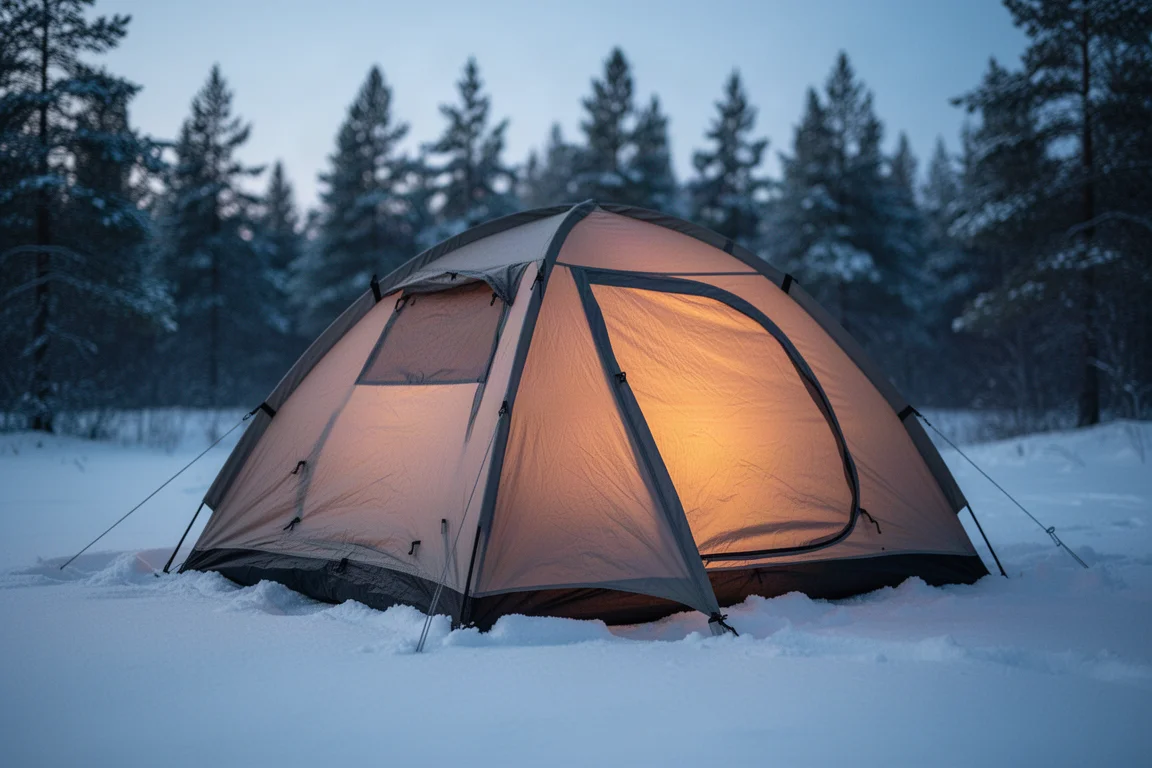
Winter camping raises a question that comes back every season: is a four-season tent actually necessary? The honest answer is that it depends on the conditions, because no single shelter is right for every temperature range and every environment. A three-season tent is built around airflow, while a four-season tent is built to hold heat and block wind. This review looks at the OneTigris Stella, a budget four-season tent with a fabric inner that sits well below premium pricing while leaning clearly toward winter use.
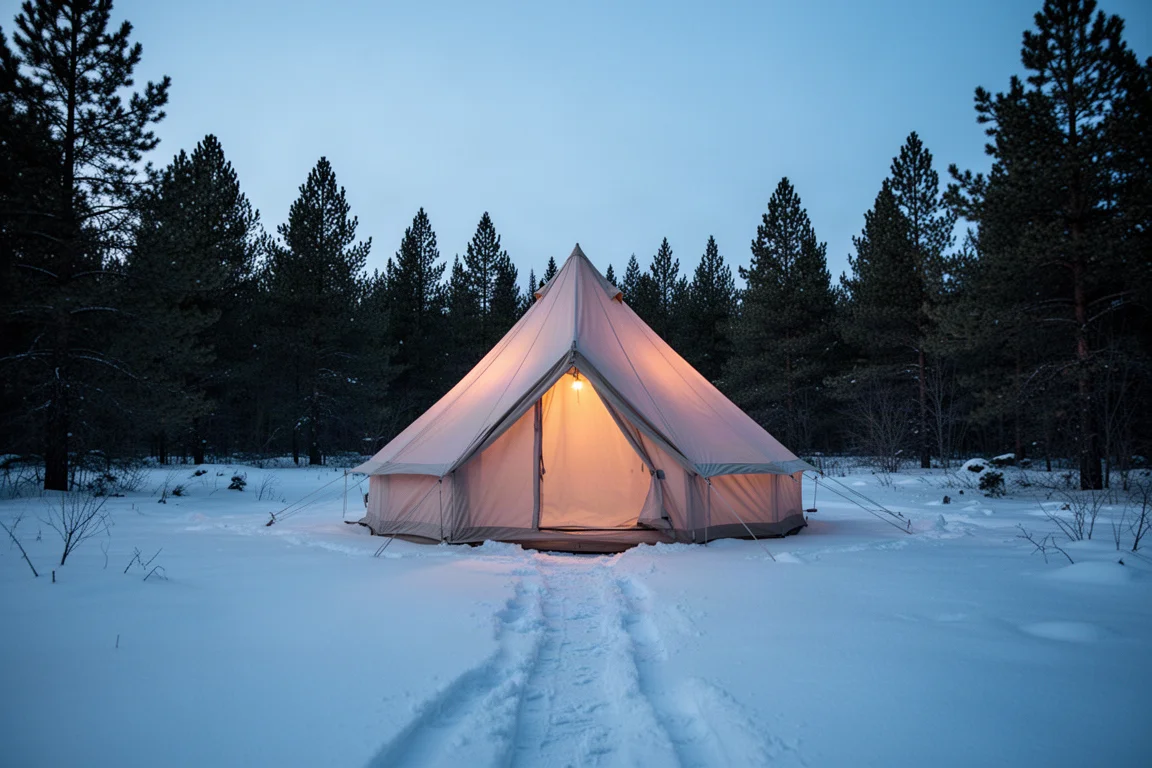
The distinction matters most in the body of the tent. Three-season shelters use large mesh panels to vent warm air and keep summer nights comfortable. The Stella uses a solid fabric inner, which traps warmth and cuts the airflow that would otherwise drain heat on a cold night. That single design choice is what separates it from a typical warm-weather tent, and it shapes everything else about how the shelter should be used.
Who This Tent Is For
The Stella suits campers who head out in cold conditions and expect moderate snowfall and moderate wind rather than alpine extremes. It is a sensible choice for late fall and winter trips where temperatures drop overnight and the forecast is cold but not severe.
It also fits anyone who wants the heat retention of a fabric inner without moving into premium pricing. Campers who mostly travel in late spring, summer, and early fall will usually be happier in a mesh three-season tent, since a fabric body that holds heat becomes uncomfortable in warm weather.
Severe weather changes the calculation. If a trip could bring heavy snow loading, ice, or very strong winds, a high-end four-season shelter is the right tool, because those tents use stronger materials and thicker poles. The Stella is not positioned as that kind of shelter, and it does not need to be for the trips most winter campers actually take.
Main Strengths
The clearest strength is the fabric inner. It holds heat inside the tent and blocks wind from passing through the body, which is exactly what you want when the temperature falls after dark. In colder climates a four-season shelter provides better insulation and protection from the elements, and the Stella delivers that through the design of its inner rather than through add-on accessories.
Testing through the fall in heavy snow left a strong impression: the Stella handled the conditions well and felt like far more tent than its price suggests. For a budget four-season design, that combination of a solid inner and dependable performance in snow is unusual.
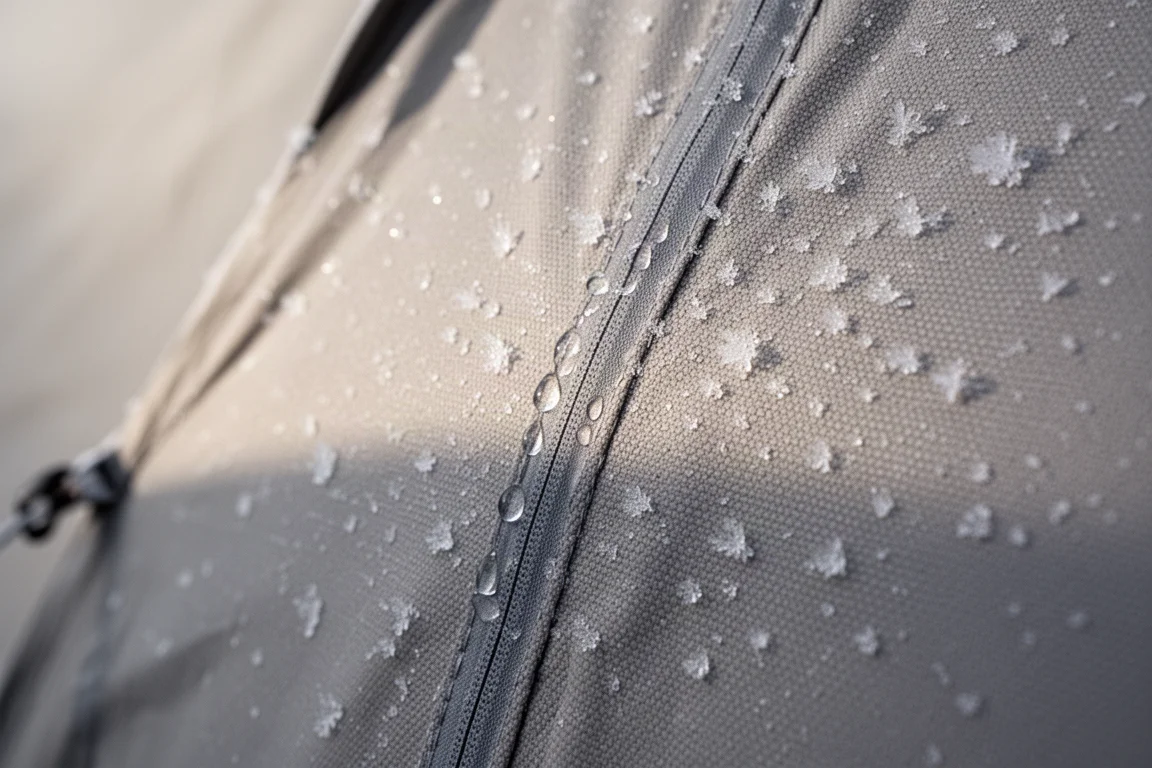
For cold-weather trips, this means less reliance on the tent to vent heat and more reliance on it to keep the cold out. That is the behavior you want from a winter shelter, and it is the main reason the Stella stands apart from warm-weather designs at a similar price. Riders and backpackers who mostly camp in mild conditions will find the same feature working against them, which is why the tent is best judged against the season it was built for.
What Sets the Stella Apart From Typical Budget Tents
Budget four-season tents are a difficult category. Many low-cost options sold through large marketplaces are built from the cheapest available materials, and they are often offered by brands that most buyers have never encountered. A four-season tent has to be stronger than a three-season tent to stand up to weather, and that strength costs money. A $20 four-season tent is not a realistic proposition, and a genuinely capable one is rarely found at $100.
Against that backdrop, the Stella is a rarity. It delivers a fabric inner and cold-weather capability for less than $200, which is well below the roughly $825 that high-end four-season shelters can command. Those premium tents justify their price with stronger materials, thicker poles, heavier construction, and manufacturers whose products are tested worldwide, but that level of engineering is not required for every winter trip.
For buyers, the practical lesson is to be careful in this category. If the brand is unfamiliar, it is worth doing real research before purchasing: read independent reviews, compare specifications, and use common sense about what a four-season tent can realistically cost. A shelter built to handle inclement weather cannot be assembled from the cheapest components and sold for pocket change.
Things to Consider Before Buying
Be realistic about the conditions you will meet. A budget four-season tent is stronger than a three-season tent but not as strong as a high-end four-season tent, and its poles are typically close in size and strength to those of a three-season design, only slightly stronger. The Stella is best suited to moderate snow loading, moderate winds, and cold temperatures.
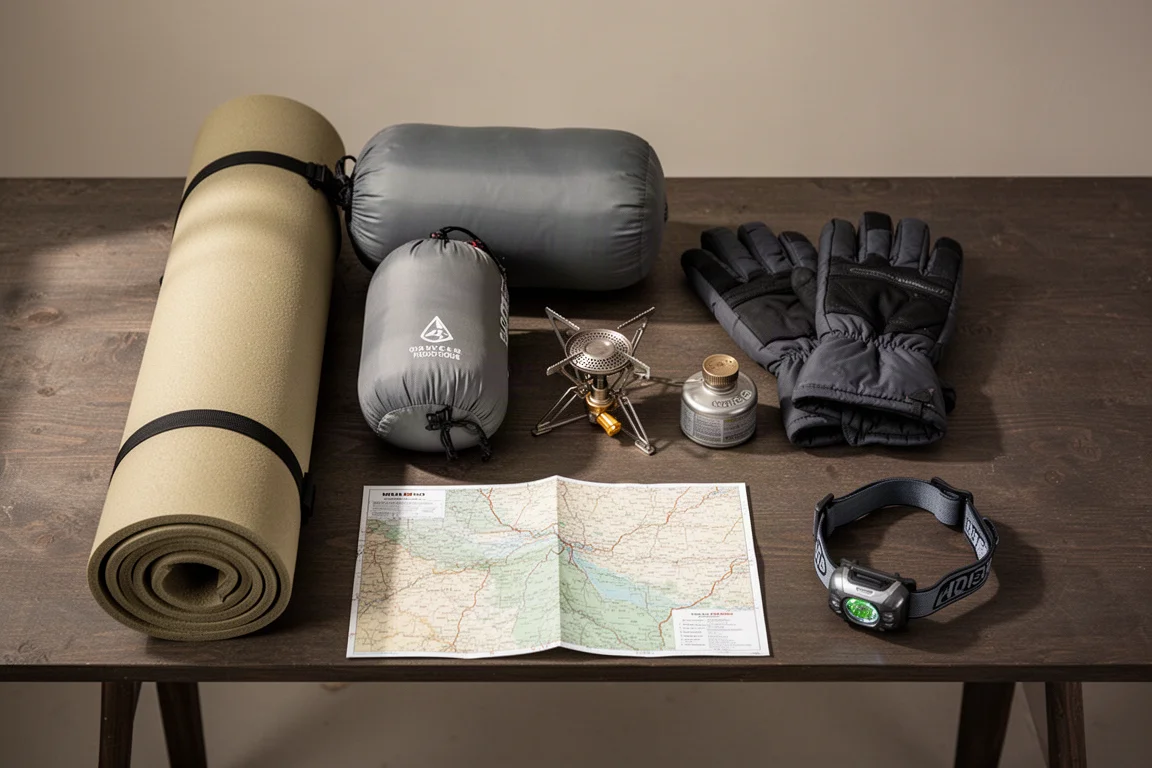
Weight is another factor. Four-season tents generally weigh more than three-season equivalents because the fabric body and stronger structure add material. That matters if you plan to carry the tent over long distances, and it is part of the trade-off you accept in exchange for winter protection.
Also consider how you will use it outside winter. The fabric inner that keeps you warm in the cold becomes a disadvantage in mild weather, so this is not a tent to reach for on warm summer nights. Campers who need one shelter for the whole year should expect to own two tents rather than compromise on one, because a three-season tent and a four-season tent are answering different problems.
How the Stella Handles Cold, Wind, and Snow
Cold is where the Stella makes the most sense. The fabric body holds heat and blocks wind, so overnight temperatures feel more manageable and the inside of the tent stays a more comfortable place to sleep. For trips where the main challenge is cold rather than weather, that is the feature doing the work.
Wind and snow define the limits. Moderate wind and moderate snow loading sit comfortably within its range. Heavy snow loading, significant ice buildup, and very strong winds are where a high-end shelter earns its keep, with stronger materials and thicker poles built for the worst of the worst.
That does not make the Stella fragile. It simply places it correctly: a capable budget four-season tent for the conditions most winter campers actually encounter, rather than a specialist shelter for expedition-grade weather.
Buying Advice
For most cold-weather campers, a budget four-season tent like the Stella is the practical middle path. It costs far less than a premium shelter and still gives you the fabric inner, heat retention, and wind blocking that a mesh three-season tent cannot provide.
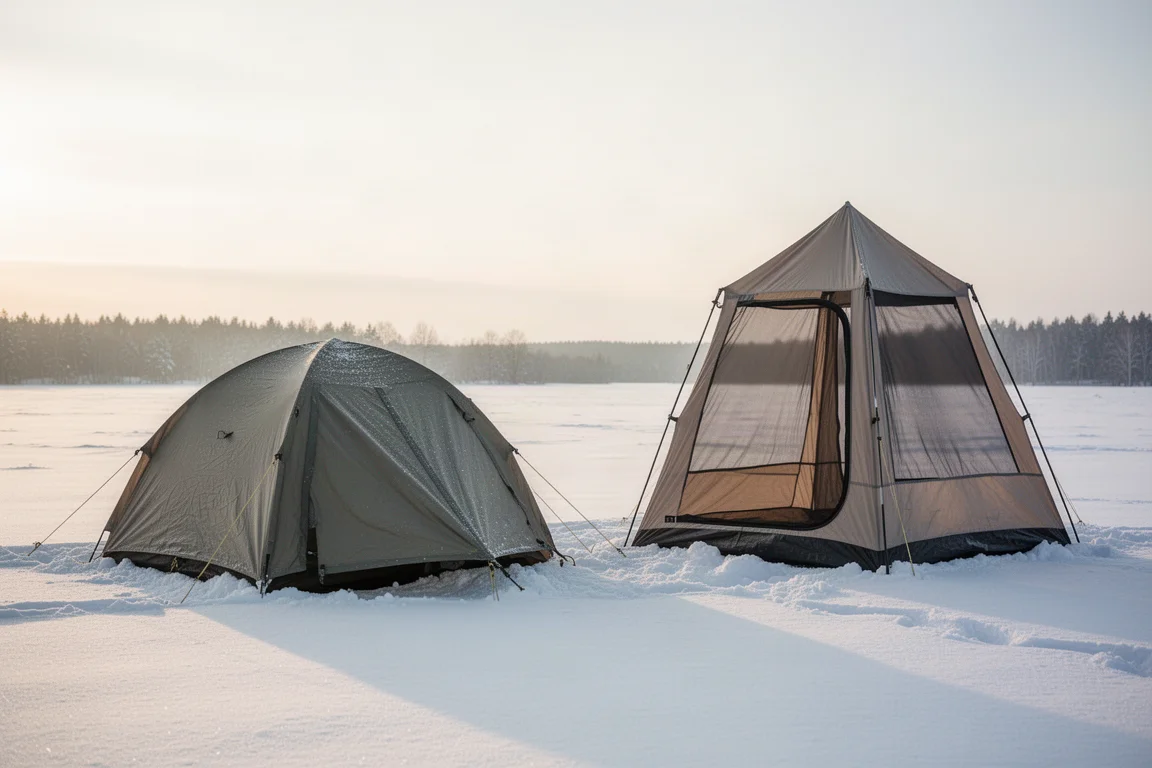
A three-season tent can still work in winter if the trip is mild: cold nights without wind or heavy snow, backed by a sufficient sleeping bag, sleeping pad, and clothing. A three-season shelter in that role costs far less, with typical models around $90. What it cannot do is stand up to severe weather, and that is the line that decides which tent belongs in your pack.
If severe conditions are possible, even as a slight possibility, plan around a high-end four-season tent. That is the shelter that provides peace of mind when the forecast turns. Between those two extremes, the Stella covers the broad middle of winter camping at a price that makes the decision straightforward.
Conclusion
The question of whether you need a four-season tent has no single answer, because the weather decides. What the Stella shows is that a budget four-season tent can be a genuinely good choice when the conditions are moderate: cold temperatures, moderate wind, and moderate snow. Its fabric inner holds heat and blocks wind, it has proven itself in heavy snow, and it costs less than $200. For winter campers who want a real four-season design without a premium budget, it is an easy tent to recommend considering.
Product link
View more details for OneTigris Stella Tent
This product is mentioned in the review. Check the specifications, options, and compatibility before buying.
View more details for OneTigris Stella TentFurther reading
Related Reviews
Winter Camping Gear
Affordable Winter Camping Gear: Six Budget Pieces Tested Below Freezing
Three reflective sleeping pads, an updated down jacket, a titanium pot and a $25 winter stove, assessed on frozen ground at around minus 12 degrees Celsius.
Camping Gear
Best Heated Sleeping Bags 2025: Five Options for Winter Camping
Five heated sleeping bags designed to eliminate cold nights and restless sleep during winter camping and cold-weather adventures.
Camping Tents
Best Pop-Up Tents 2026: 7 Fast-Pitching Tents Compared
Seven pop-up tents compared on setup speed, space, ventilation, rain and wind protection, quality, and portability, with clear picks for different campers.