Camping Tents
OneTigris Stella Review: A Budget Four-Season Tent for Winter Camping
A practical review of the OneTigris Stella, a fabric-bodied four-season tent under $200, and how to judge when winter camping really calls for a four-season shelter.
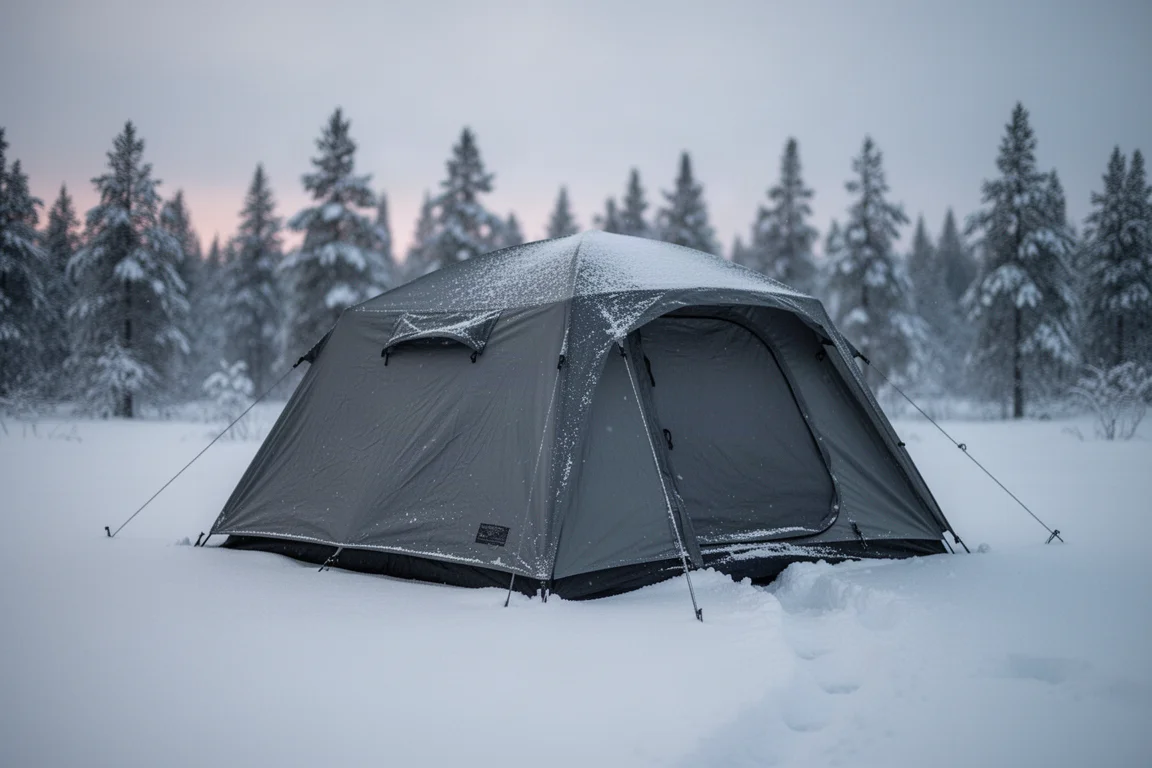
Introduction
Winter camping raises a question with a less obvious answer than it first appears. Do you actually need a four-season tent once the temperature drops, or can a well-specified three-season shelter do the job?
The answer depends on conditions rather than the calendar. A tent that performs beautifully on a mild winter night can become a liability in driving snow, and a shelter engineered for expedition-grade weather is heavier and far more expensive than most winter trips require. The OneTigris Stella sits in the practical middle of that range: a four-season tent priced under $200, well below the high-end four-season shelters that frequently cost $800 or more, and built around a very different set of priorities from the mesh-bodied three-season tents that typically sell for around $90.
Do You Need a Four-Season Tent for Winter Camping?
No, not automatically. A four-season tent is not a requirement for every cold-weather trip, but there are conditions where it stops being optional. Three factors decide the answer.
Location and conditions come first. If you camp somewhere prone to heavy snowfall, high winds, and extreme cold, a four-season tent is strongly recommended. The added strength and stability of the shelter is what keeps a trip comfortable when the weather turns.
Temperature and precipitation come next. In colder climates, a four-season design provides better insulation and better protection from the elements. In milder conditions, a three-season tent can still work, provided the sleeping bag, sleeping pad, and clothing are warm enough for the temperatures you expect.
Personal comfort and safety complete the picture. If there is even a remote possibility of severe weather in the forecast, a four-season tent is the safer and more comfortable choice, and it buys genuine peace of mind.
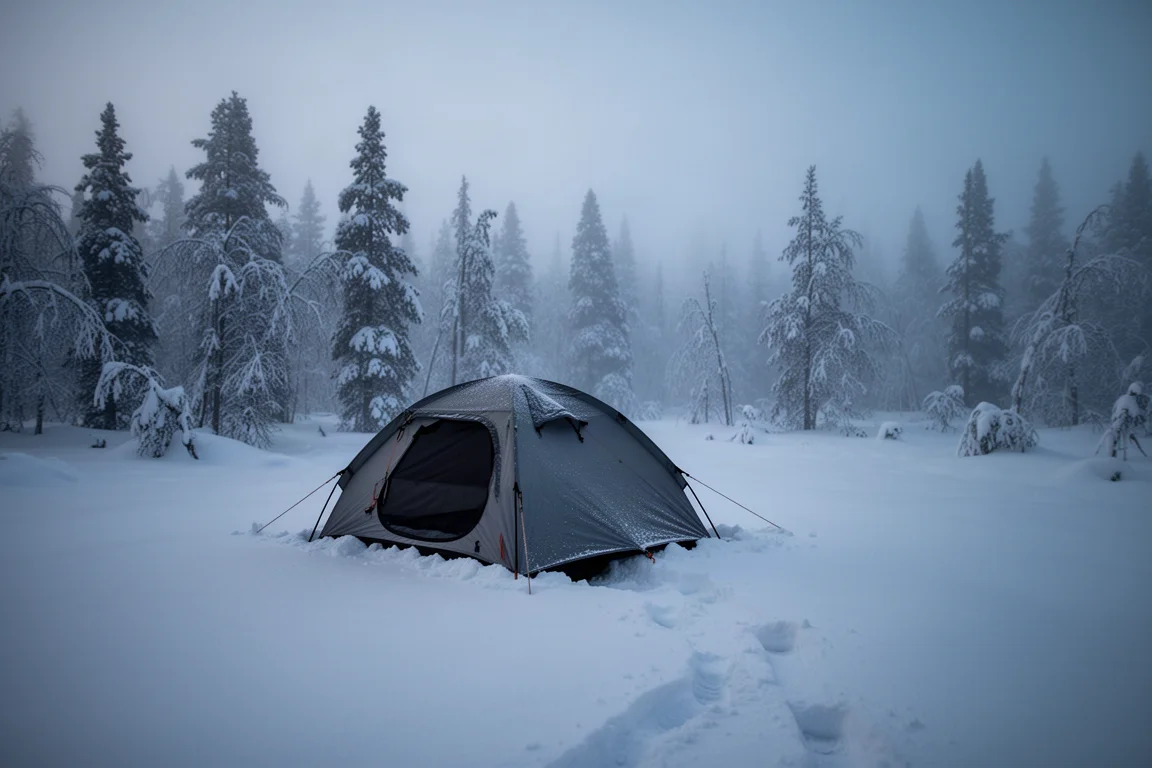
In practice, the decision is rarely about winter as a whole. It is about whether the specific trip involves serious snow loading, strong wind, or temperatures low enough that heat retention inside the shelter starts to matter.
How Four-Season Tents Differ from Three-Season Designs
The clearest difference is the inner body. A three-season tent is built around mesh, and that mesh is the point: it lets air move through the shelter, releases body heat, and keeps the interior comfortable during late spring, summer, and early fall trips. The same design keeps weight down, which matters when the tent has to be carried, and it still provides solid protection against bugs, rain, and mild wind.
A four-season tent replaces that mesh with fabric. The fabric holds heat in and blocks airflow, which is exactly what you want in cold conditions and exactly what you do not want in warm ones. A mesh-bodied shelter in a summer heatwave is comfortable; a fabric-bodied shelter in the same conditions is miserable. That is the main reason four-season tents are not used as general-purpose shelters.
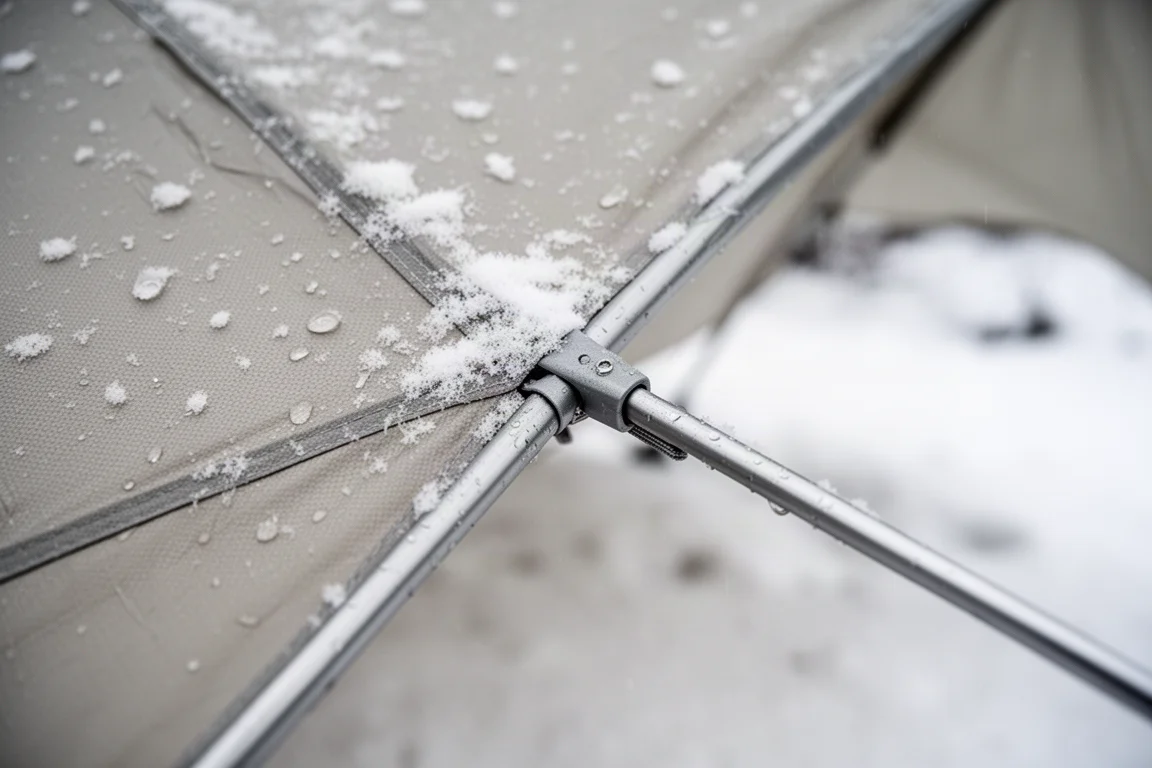
Within the four-season category there are two distinct tiers. A budget four-season tent is stronger than a three-season model but not as strong as a high-end one. In most budget designs, the poles are similar in size and strength to those on a three-season tent, only slightly beefier, and the shelter is best suited to moderate snow loading, moderate wind, and cold temperatures. A high-end four-season tent moves to stronger materials and noticeably thicker poles, and it is engineered for heavy snow loading, ice, very strong winds, and the coldest conditions. Weight and price rise substantially along with that capability. Only a small number of companies operate at that end of the market, and their shelters are typically tested in conditions worldwide.
Who the OneTigris Stella Is For
The Stella is aimed at the winter camper who wants four-season behaviour without four-season pricing. Its fabric inner body is the defining feature, holding warmth and blocking wind in the way a mesh shelter cannot.
That makes it a good match for cold nights, moderate snowfall, and moderate wind, which is what most winter camping trips actually involve. It is not a substitute for a high-end shelter when severe weather is on the table.
It also suits buyers who have been put off by the state of the budget four-season market. Low-priced four-season tents are plentiful, but quality is inconsistent, and many are made from the cheapest available materials by companies with no track record. A tent that delivers genuine four-season construction at this price point is uncommon.
Main Strengths of the OneTigris Stella
The first strength is the design itself. There is no mesh in the inner body, so heat stays inside the shelter and cold air stays outside. For winter camping, that is the single most important structural decision a tent can make.
The second is price. At under $200, the Stella costs a fraction of a high-end four-season shelter. For campers whose trips involve cold temperatures and moderate weather rather than full winter storms, that gap in price does not translate into a gap in usefulness.
The third is how it has held up in use. Through a fall season that included heavy snow, the tent has performed well beyond what its price suggests, which is the reason it stands out in a category where so many options disappoint.
Things to Consider Before Buying the OneTigris Stella
The fabric inner body is a winter feature, not an all-season one. This is a tent for cold conditions. Using it in warm weather would defeat the purpose of its design, and a three-season shelter would be the better tool for those months.
It is also worth being realistic about the ceiling of any budget four-season tent. The category is built for moderate snow loading and moderate wind, not for the worst conditions a mountain can produce. If your plans include severe winter weather, a high-end four-season shelter is the appropriate choice.
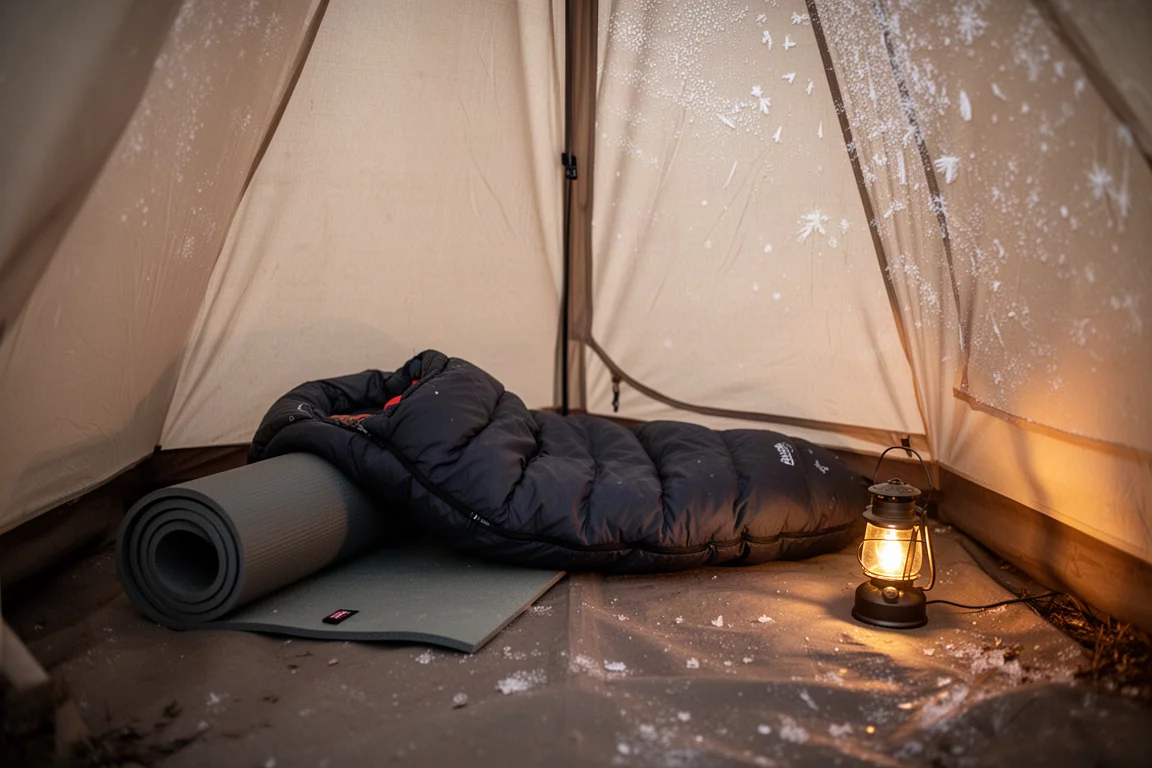
Finally, weigh the whole system rather than the tent alone. A four-season shelter only solves part of the problem. The sleeping bag, sleeping pad, and clothing still have to match the temperatures you expect, and in milder winter conditions a three-season tent paired with a warm sleep system can be entirely adequate.
What to Look For in a Budget Four-Season Tent
Budget four-season tents are a difficult category to shop. A large share of what is available from big marketplaces is built from very cheap materials, frequently from brands with no established reputation, and the price often reflects that.
Brand familiarity is the simplest filter. If you do not recognise the manufacturer, do not buy. A genuine four-season tent will not cost $20, and a good one will not cost $100. The materials and pole structures required to handle winter weather simply do not come that cheap, so an unusually low price is a warning rather than a bargain.
Independent research matters more here than in most gear categories. Marketplace star ratings are not a reliable signal on their own, since feedback can be incentivised, and a verified badge does not guarantee anything. Use listings to check specifications and pricing, then confirm a tent’s reputation elsewhere before committing.
Buying Advice
Match the shelter to the conditions rather than to the season.
A three-season tent remains a sensible choice for winter trips where the weather is mild, the snow is light, and a warm sleep system is in place. A high-end four-season tent is the right answer when heavy snow, ice, and severe wind are realistic possibilities, and it is worth the weight and the cost in those circumstances.
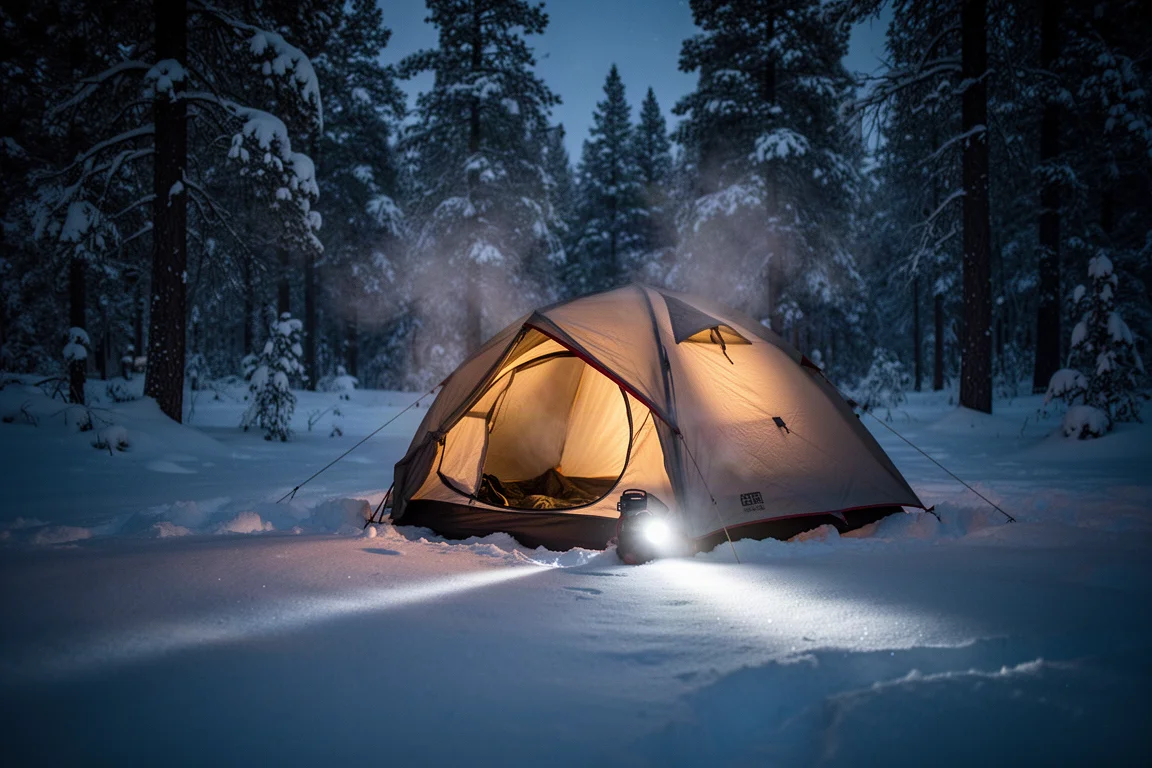
For most people, the middle ground is where the value sits. A budget four-season tent like the OneTigris Stella delivers the heat retention and wind blocking that winter camping requires, at a price that does not demand an expedition budget. As long as the trip stays within moderate winter conditions, it is a straightforward choice.
Conclusion
The question of whether winter camping demands a four-season tent has a conditional answer, and the conditions are what matter: snow loading, wind strength, and temperature. Mesh-bodied three-season tents are built for airflow and warm weather. Fabric-bodied four-season tents are built to hold heat and block wind. Budget four-season designs cover cold, moderate conditions, while high-end designs cover the worst of the worst.
The OneTigris Stella lands in the practical part of that map. Under $200, fabric-bodied, and proven through a snowy fall season, it offers genuine four-season behaviour for campers whose winter trips stay within moderate conditions.
Product link
View more details for OneTigris Stella
This product is mentioned in the review. Check the specifications, options, and compatibility before buying.
View more details for OneTigris StellaFurther reading
Related Reviews
Camping Tents
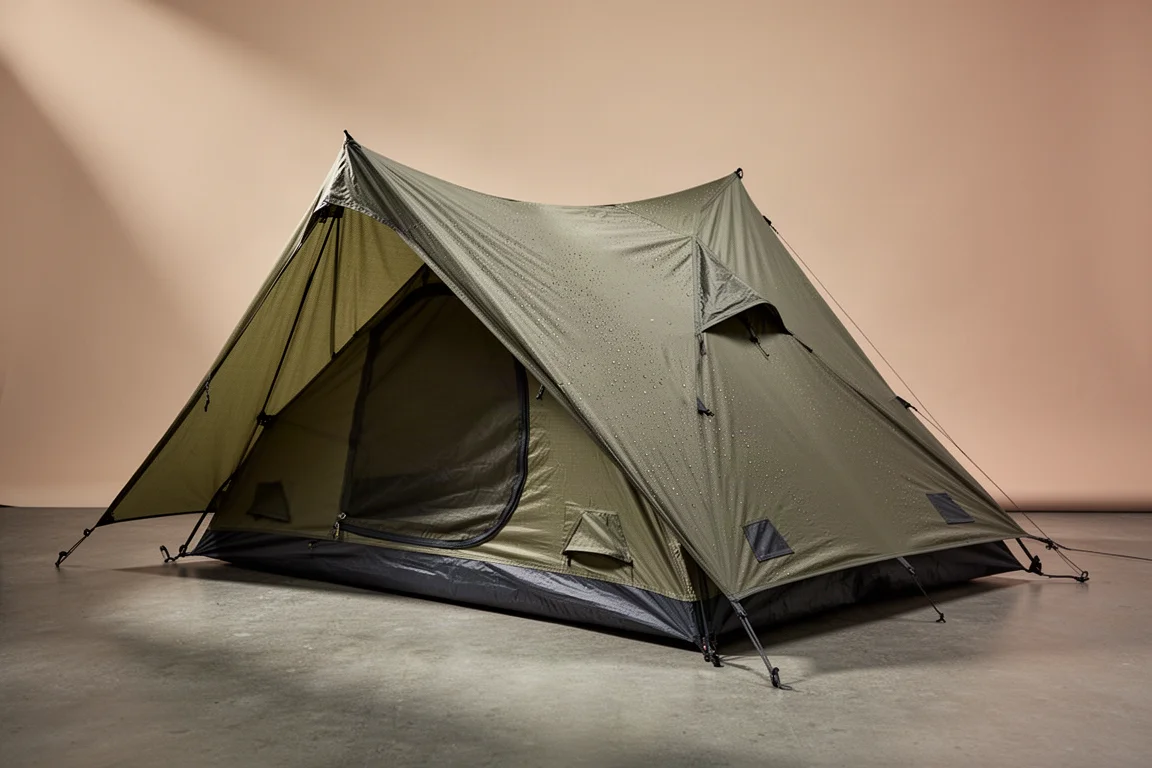
3F UL Gear Taiji Two-Person Tent Review: Field Waterproofing Results and Buying Advice
The Taiji pairs an attached fly with a removable inner, but sustained rain exposed untaped vent seams that need sealing before this shelter can be trusted.
Camping Tents
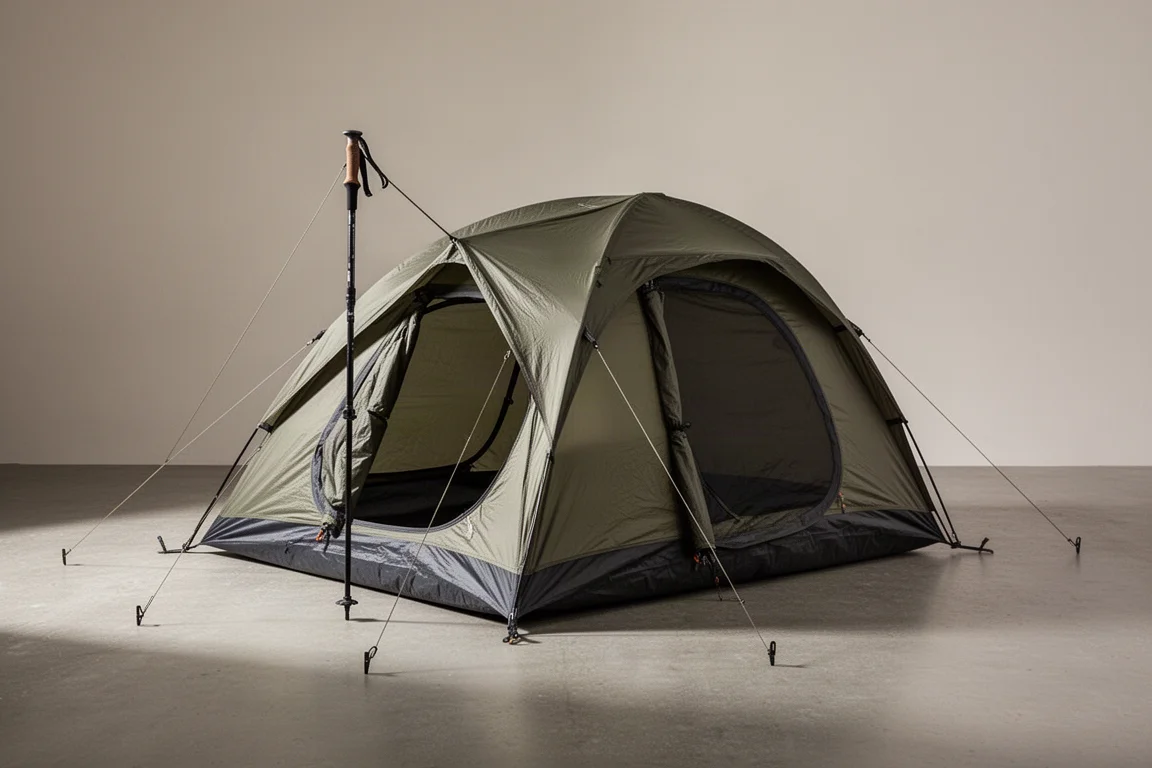
3FUL Gear Lanshan 2 Pro 4-Season Review: A Sub-$200 Single-Wall Trekking Pole Tent
An early look at the 3FUL Gear Lanshan 2 Pro 4-Season, covering its straightforward pitch, generous interior space, and the condensation and seam-sealing questions that come with any single-wall shelter.
Camping Tents
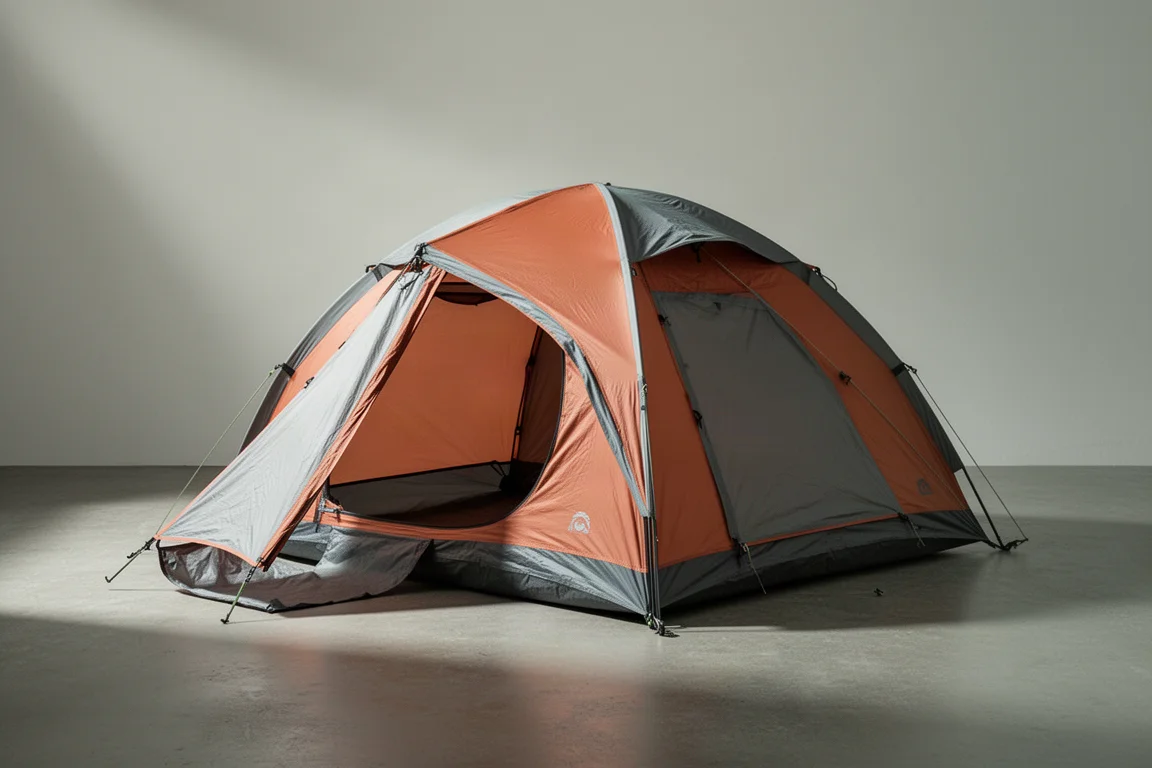
Alps Mountaineering Lynx 1-Person Tent Review: Big Value in a Small Budget Tent
A close look at the Alps Mountaineering Lynx 1-Person Tent, covering real interior dimensions, materials, setup time, ventilation limits, and who should buy it.