Tents
OneTigris Skyena Tent Review: Internal Fly Tested in Torrential Rain
A three-season tent built around a rare internal fly design, pushed through torrential rain and overnight hail without a single leak.
Introduction
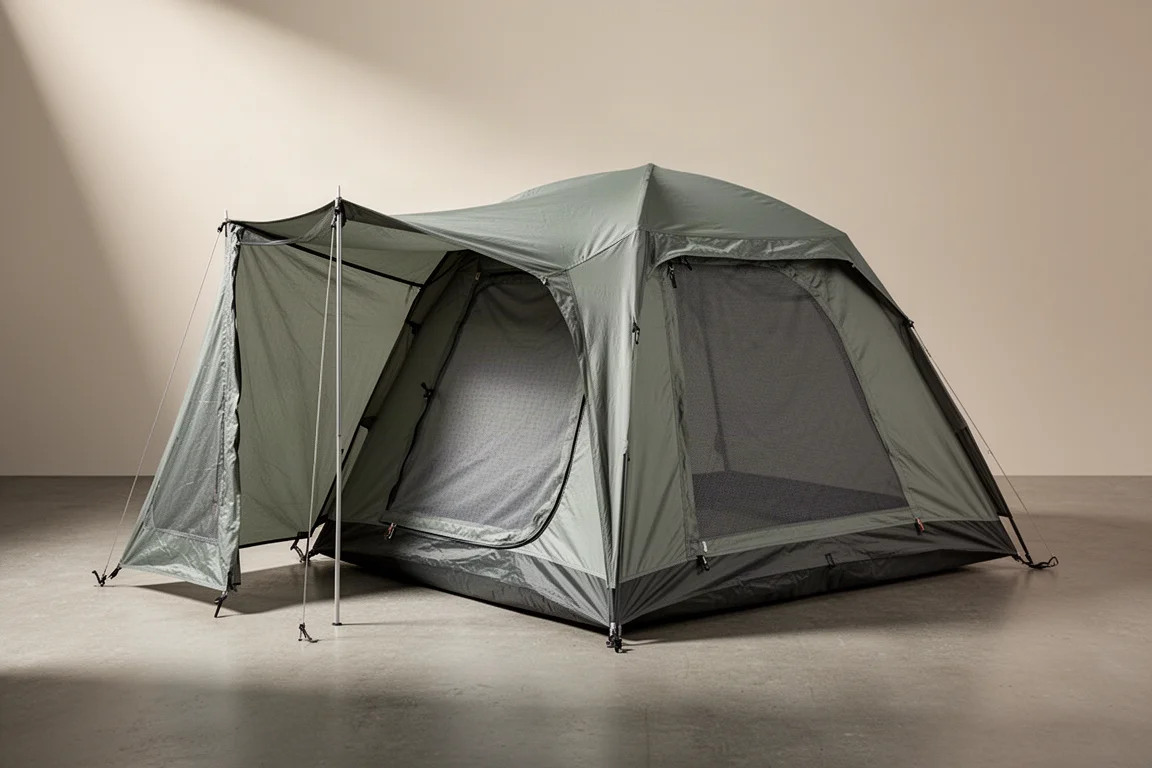
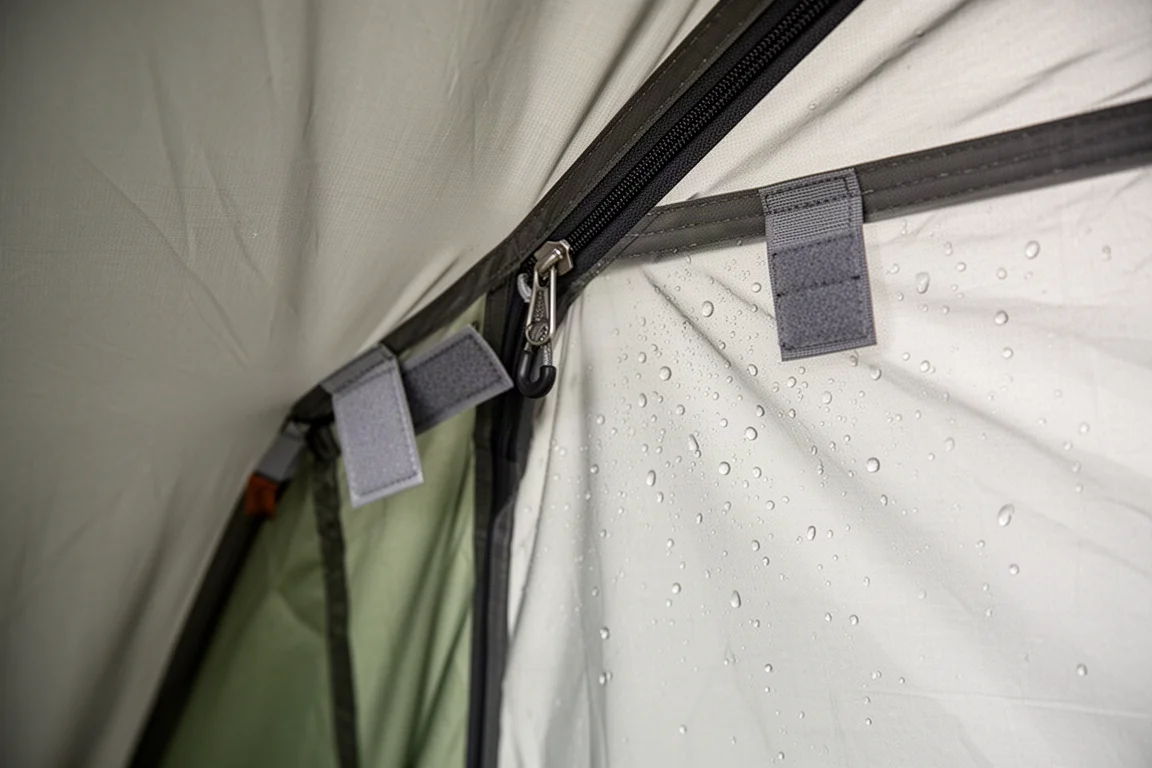
The OneTigris Skyena Tent is a three-season shelter built around an internal fly, a layout that places the waterproof layer behind the mesh inner rather than over it. That arrangement is genuinely uncommon, and it is the reason this tent has attracted so much attention. The fly zips up at the center of the inner and connects at two points, with a velcro tab on each side holding the layers together.
The real question with any unusual design is whether it keeps water out when the weather turns serious. This tent has now been through four moderate rain events and two rounds of storm testing, including torrential rainfall and overnight hail, without leaking. For a shelter in this class, that is a notable result.
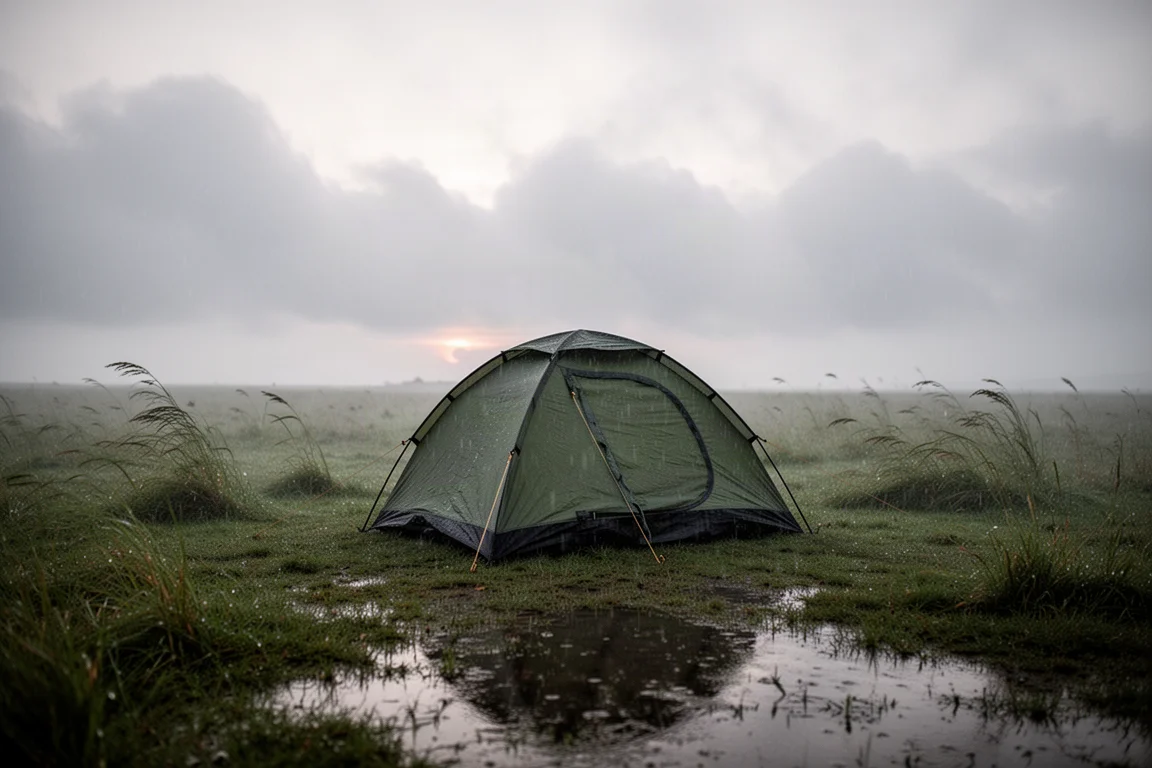
Storm testing is never about a single downpour. It is about sustained rain, wind-driven spray, and the small details that decide whether water eventually finds a way inside. So far, the Skyena has handled those conditions better than expected.
Who This Tent Is For
This tent suits three-season campers who want dependable rain protection without carrying a conventional fly-over-inner setup. It fits people who pitch in open, exposed spots where storms build quickly, and anyone who appreciates a design that stands apart from the usual reworkings of established layouts.
It is less suited to winter mountaineering or four-season use. This is a three-season shelter, so its job is summer and shoulder-season camping, where an afternoon storm can arrive with little warning and a dry interior matters most.
Main Strengths
The internal fly is the defining feature. Because the fly sits behind the mesh, it is shielded from the worst of the wind, and the tent keeps a clean, simple profile. The two velcro contact points and the center zip hold the layers in place, while the fly stands well clear of the inner body, giving water room to run off instead of sitting against the mesh.
Waterproofing is the other headline. Across four moderate rain events and then far heavier weather, the interior stayed dry. The fabric sheds water rather than soaking through, and the gap between fly and body keeps the inner from wicking moisture inward.

Design deserves credit as well. The internal fly is not a borrowed layout. It is a different approach that appears to have been researched, developed, and tested rather than copied from something already on the market.
Storm Performance: Torrential Rain and Hail
The hardest test arrived in stages. First came several hours of steady rain with no storms, which the tent handled without a leak. Then thunderstorms rolled in with lightning and rolling thunder, followed by rainfall heavy enough to fall at roughly an inch in about thirty minutes. Water sheeted off the fly in visible streams and local creeks began to rise. The interior stayed dry throughout.
Overnight, hail joined the rain, heavy enough to wake people sleeping inside a well-insulated house nearby. By morning the tent body was covered in debris thrown up by the force of the rain, yet the inside was completely dry.
That combination of intensity and duration is about as severe as three-season rain testing gets. The tent came through it with nothing inside.
Things to Consider Before Buying
The one open question is wind-driven rain. The area between the velcro tabs is the spot worth watching, because a storm strong enough to drive rain sideways could push water behind the fly panels. That has not happened in testing so far, but it is the scenario where a leak would most plausibly appear.
Keep expectations aligned with the category. This is a three-season tent, built for summer and shoulder-season weather rather than snow loading or sustained alpine conditions. Testing on this shelter is also still ongoing, so the full picture is not yet complete.
Buying Advice
If your trips involve warm-weather camping where storms arrive without warning, the Skyena addresses the main risk directly. The internal fly keeps the waterproof layer where wind and runoff are less likely to work against it, and the tent has already proven it can hold up through genuinely heavy rain.

Weigh that against how you actually camp. If you mostly pitch in sheltered sites and settled weather, a conventional design will do the job perfectly well. If you camp in the open and want a shelter that has been through torrential rain and overnight hail without leaking, this one is worth a close look.
Conclusion
The OneTigris Skyena Tent is an unusual design that does the ordinary job of keeping rain out, and it does it convincingly. An internal fly is the kind of idea that could easily fail in practice, and instead it has held up through moderate rain, torrential downpours, and hail.
The remaining caveat is honest rather than alarming: extreme wind-driven rain aimed directly at the panels between the velcro tabs is the scenario to keep an eye on. For three-season camping in changeable weather, this tent has earned real confidence.
Product link
View more details for OneTigris Skyena Tent
This product is mentioned in the review. Check the specifications, options, and compatibility before buying.
View more details for OneTigris Skyena TentFurther reading
Related Reviews
Tents
Black Dog Instant Setup 5 to 8 Person Tent Review: Fast Pitch, Serious Weather Problems
A quick-pitching Black Dog tent that goes up in seconds, but wet-weather testing revealed seam leaks, an overstated capacity claim, and awkward doors.
Tents
Lightfighter Dragoon Review: An Eight-Person Four-Season Military Shelter
The Lightfighter Dragoon is a 57-pound, eight-person expedition tent built for extreme weather. Here is what its materials, size, and setup demands mean for real buyers.
Tents
Lone Rider Motorcycle Tent Review: A Big Shelter That Stays Dry
A double-wall motorcycle tent with two large awnings, two entry points, and enough interior height to stand up, plus the pack size trade-off to weigh first.