Camping Tents
OneTigris Sky Island Tent Review: Space, Ventilation and an Unusual Fly Design
A two-person tent built around a partial internal fly, tested across mountain and coastal trips. Here is what works well, what to check before buying, and who it suits.
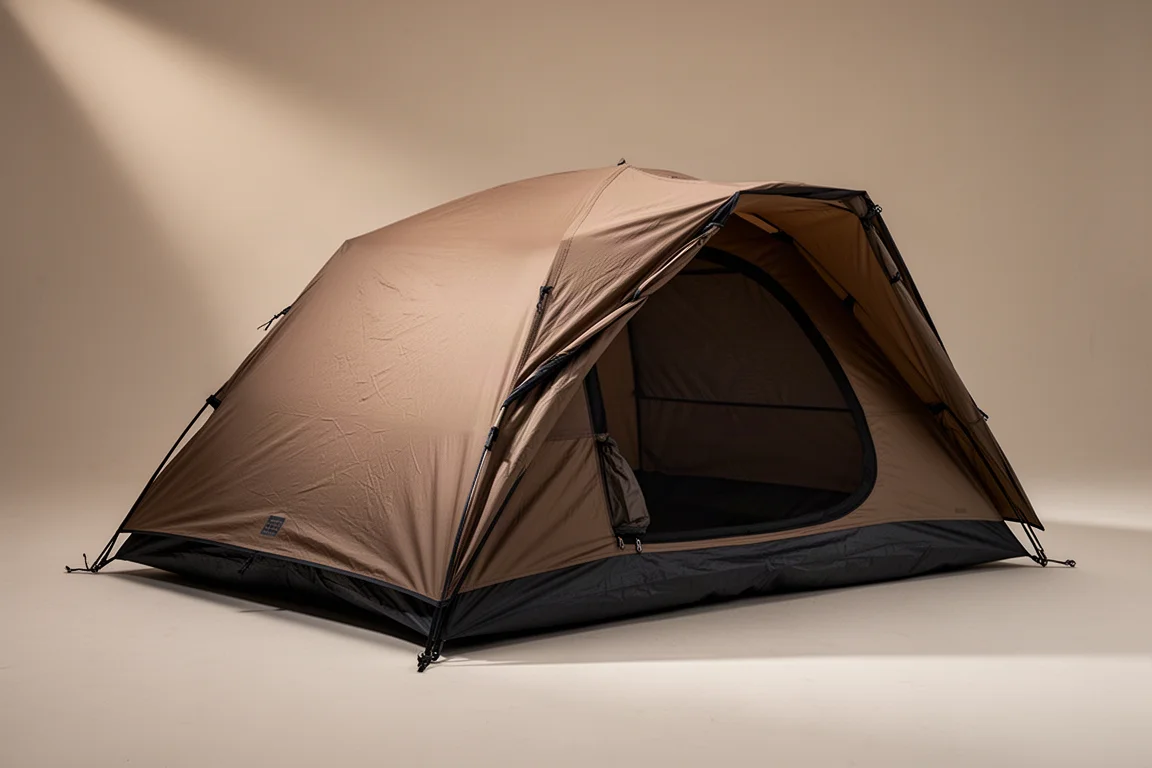
Introduction
The OneTigris Sky Island is a two-person tent built around an idea that is genuinely uncommon in camping gear: a partial fly that continues inside the tent as an internal panel. It is also a redesign. An earlier tent in the same family had serious waterproofing problems, and the company went back to the drawing board rather than patch it. The result is a shelter with a distinctive silhouette, a lot of interior volume, and a weather strategy that rewards a careful setup.
This assessment comes from roughly 15 nights in the tent, plus repeated rain testing. It has been pitched in the mountains of North Carolina and along the North Carolina coast, in hot, warm, wet and windy conditions, from still summer evenings to thunderstorms with heavy downpours.

At $250, the Sky Island sits in the middle of the two-person tent market. For that money you get a nylon build, a full set of hardware, and a design that stands out from the rows of near-identical shelters around it.
Who This Tent Is For
The Sky Island is aimed at two campers who want room to spread out. The floor is 6.8 feet long and 4.1 feet wide, and the peak height is 3.7 feet, so two adults plus their gear fit without the usual shuffling. Campers who sleep hot or pitch in humid conditions will also appreciate how much airflow the design allows.
It also suits anyone who wants a shelter that can be tuned to the weather. The internal panel can be closed down to block wind or stowed out of the way when the night is warm and still. That flexibility is unusual at this price.
If you camp mostly in persistently wet climates, the fly design deserves careful thought, and the section below on waterproofing explains why.
Design and Materials
The Sky Island is available in one colour, coyote brown, and the finish leans on earthy tones with black accents.
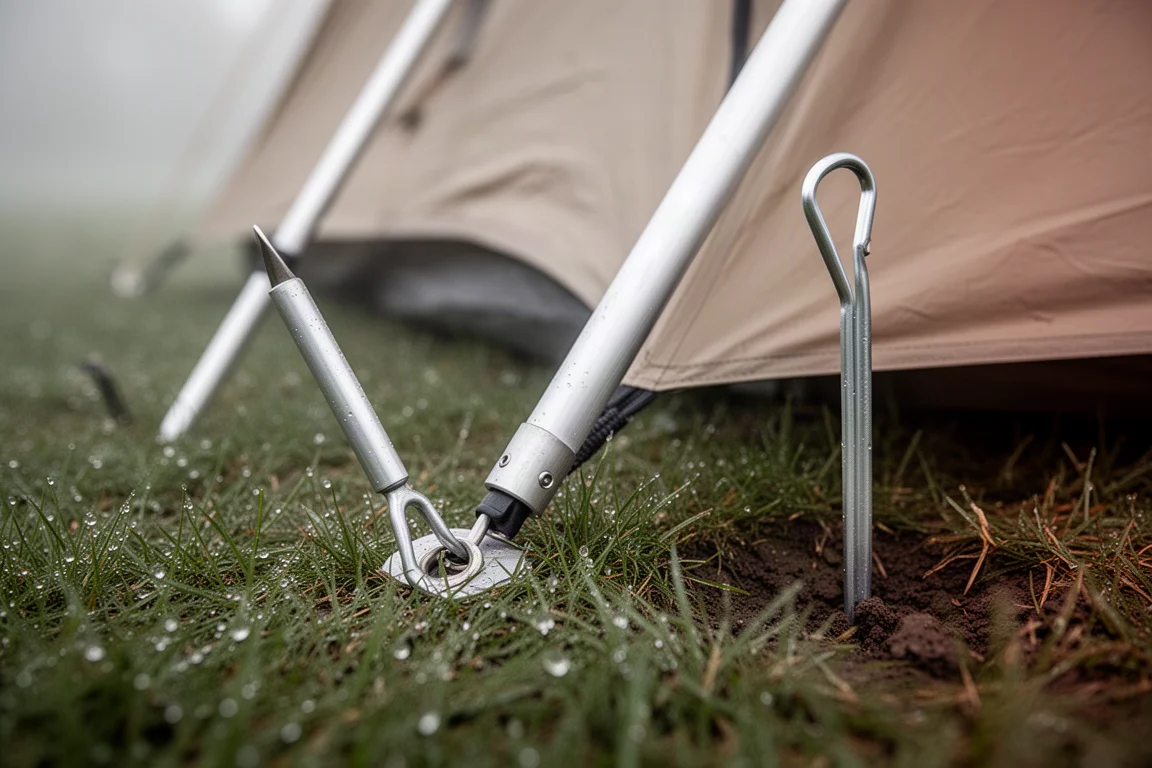
The materials are a step above the usual budget specification. The fly is a 20 denier silicone treated ripstop nylon with a 3,000 mm hydrostatic head rating, and the body is a 40 denier silicone treated ripstop nylon with the same 3,000 mm rating. Poles are 7001 aluminium, the stakes are aluminium, and the zippers come from YKK. All seams are taped.
In the bag you get the tent, a ground sheet, five guy lines, ten tent stakes, three poles and a storage bag. Packed, it measures about 15.5 inches by 8.5 inches and weighs 5.3 pounds, which is reasonable for a shelter this size.
The layout uses two doors and one vestibule. Inside, there are two large mesh pockets and a hook at the centre of the ceiling for a headlamp or a small lantern. The two-pole structure can be pitched in two ways: fully flyed, or as a quicker fly-only shelter.
What Works Well in Camp
Build quality is the first thing that stands out. The seam taping is clean and consistent, and the stitching shows no faults. The nylon choice matters here too: an equal-strength polyester build would push the weight of this tent towards eight pounds, because polyester needs considerably more material to match the strength of nylon.
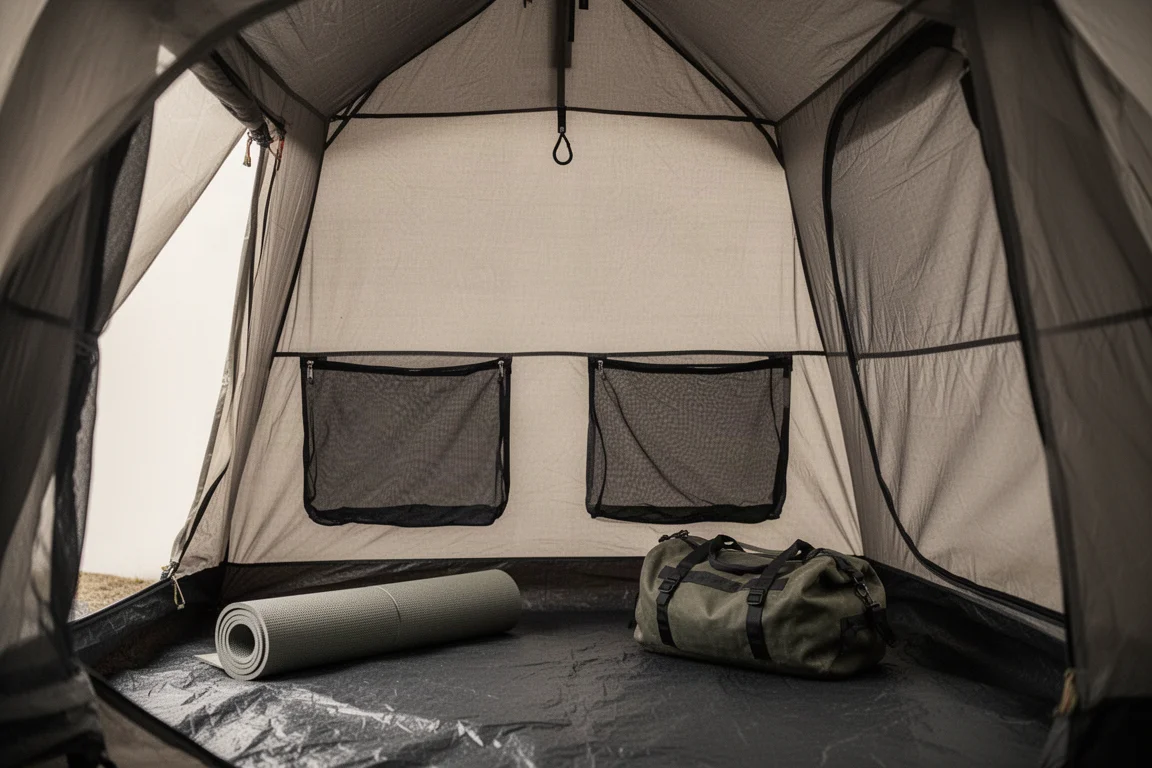
Space is the second strength. This is a tent designed for two people and their gear rather than two people and nothing else. It is long, wide and tall, and the front of the internal-fly side pulls outward to add usable room inside.
Ventilation is excellent. The body is largely mesh, and the fly stands off the body at the top and bottom so air can move up underneath it and into the tent. Condensation can still form on the fly and on the internal panel, as it does in any tent, but the panels can be rolled back and the vestibule side opened when conditions allow.
Small details are handled well: two generous mesh pockets that swallow a lot of kit, a ceiling hook, storm flaps over the zippers held in place with velcro, and doors that roll back and tie off. The overall look is sharp, with the dark coyote brown fabric and black hardware reading as more premium than the price suggests.
The Internal Fly: A Different Approach to Weather Protection
The defining feature is the partial fly. On one side, the fly runs over the tent and then stops, continuing inside the body as an internal panel. Companies have attempted internal fly designs for years with limited success, and this version is the most convincing argument for the idea so far.
The panels are secured with velcro in two positions on the inside and can be stowed away entirely when you want maximum airflow. Closed down, they do more than keep rain out: they block wind and give the tent a measure of four-season capability. On an exposed ridge, you can dial in exactly how much wind reaches the sleeping area.
That adaptability is where the design earns its place. The natural next step would be a full fly, either as standard or as an optional accessory. A full fly would add protection and versatility, particularly for campers who spend most of their nights in wet conditions.
The fly-only quick pitch is the weak point of the concept. With a partial fly, the fly-only setup functions mostly as a sun shade and little else.
Setup, Packed Size and Weight
Pitching and packing down are straightforward, with nothing complicated standing in the way. With a little practice, the tent goes up in about five minutes.
There are two small annoyances worth knowing about. The grommets at the corners are slightly oversized for the diameter of the pole tips, so poles can pop out while you are tensioning the shelter, which adds a bit of friction to an otherwise quick setup. And the cords on the tent stakes came loose over a couple of months of use and needed re-tying.
Packed size is manageable and the weight is fair for a two-person-plus shelter, especially given the space on offer. Neither is a reason to look elsewhere at this price.
Things to Consider Before Buying
Waterproofing is the one topic that needs real attention, and the answer is not simple. Across heavy rain, downpours and thunderstorms with strong winds, this tent has not leaked. But some users have experienced leaks, and the cause has been traced to a single point.
That point is the corner on the internal-fly side, where two zippers meet. The tent does not leak through the wide gap between the body and the fly, which is where you would expect moisture to enter. It leaks, when it leaks, at the zipper corner. The storm flap has to sit flush over the zipper along its whole length, and the zipper pulls have to be pulled down into the channel at the bottom. If either is off, water can travel through the channel and into the tent.
The practical consequence is simple: when rain is possible, get in and out through the vestibule side, and check that the internal-fly door is closed perfectly before you settle in. Adjusting those zippers from inside the tent is awkward. Wind-driven rain could also be pushed into the internal panels in exposed situations, which comes back to the value of a full fly.
Two smaller points. The vestibule is small, enough for boots or a compact pack and not much more. And on the vestibule side, the two body zippers meet at a point that leaves a permanent gap which cannot be sealed, so insects can find their way in.
Buying Advice
At $250, the Sky Island is a strong package for campers who prioritise interior space, ventilation and an adaptable interior panel. It is a clear upgrade over the earlier tent it replaces, and the materials, hardware and stitching justify the price.
Buy it with clear expectations. If you camp in mixed or dry conditions and want a roomy two-person shelter with real airflow, it is an easy recommendation. If you camp in sustained wet weather, decide whether the partial fly and the careful zipper routine suit how you actually pitch and live in a tent. For anyone who wants the protection of a full fly, it is worth waiting to see whether one becomes available for this platform.
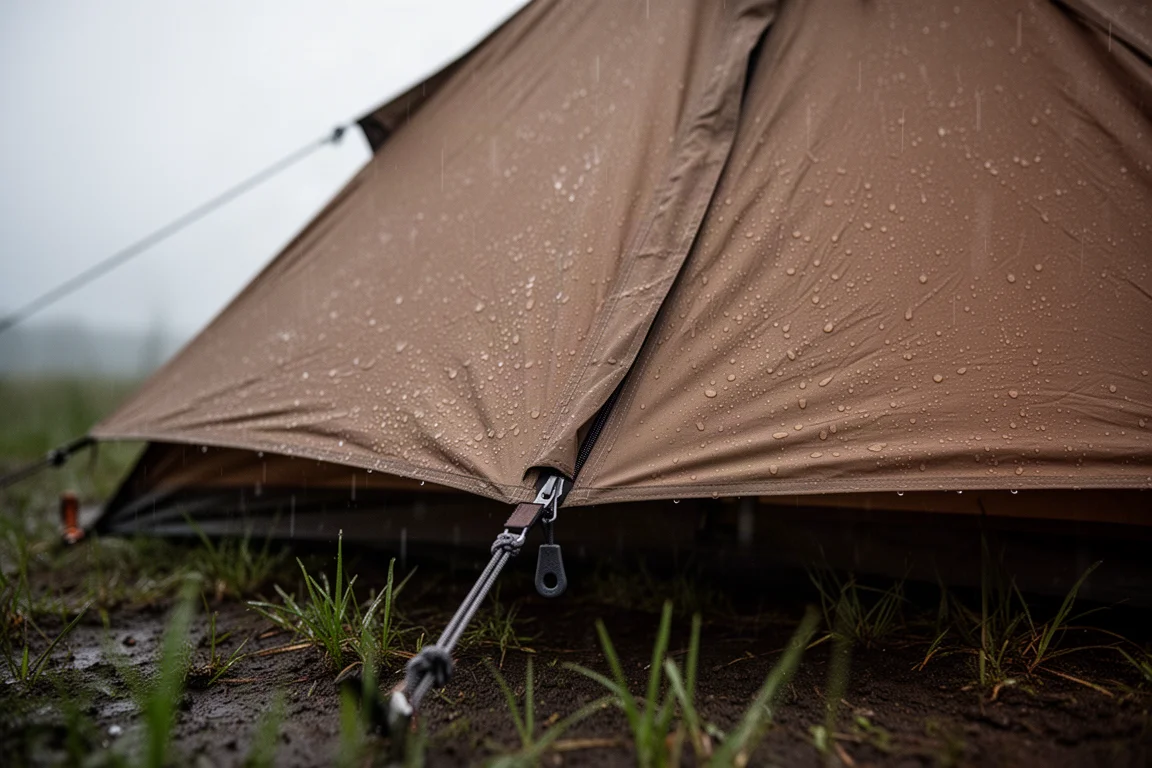
One last note on care: because the internal-fly corner is the critical point, make closing that door properly part of your routine rather than an afterthought. Done consistently, it keeps the tent performing the way it does in testing.
Conclusion
The OneTigris Sky Island is a genuinely interesting tent at a fair price. It is well made, remarkably spacious for two people, easy to pitch, and it stayed dry through everything thrown at it here. The internal fly is not a gimmick: it blocks wind, adds versatility and makes the shelter usable in more conditions than a standard summer tent.
The caveats are specific rather than broad. The corner where the zippers meet is the only place this tent has been known to leak, and it depends entirely on how carefully that door is closed. The vestibule is small, the fly-only pitch has limited value, and a full fly would make an already good design considerably better. None of that changes the conclusion: for campers who want space and airflow and who are willing to close a door properly, this is a tent worth owning.
Product link
View more details for OneTigris Sky Island Tent
This product is mentioned in the review. Check the specifications, options, and compatibility before buying.
View more details for OneTigris Sky Island TentFurther reading
Related Reviews
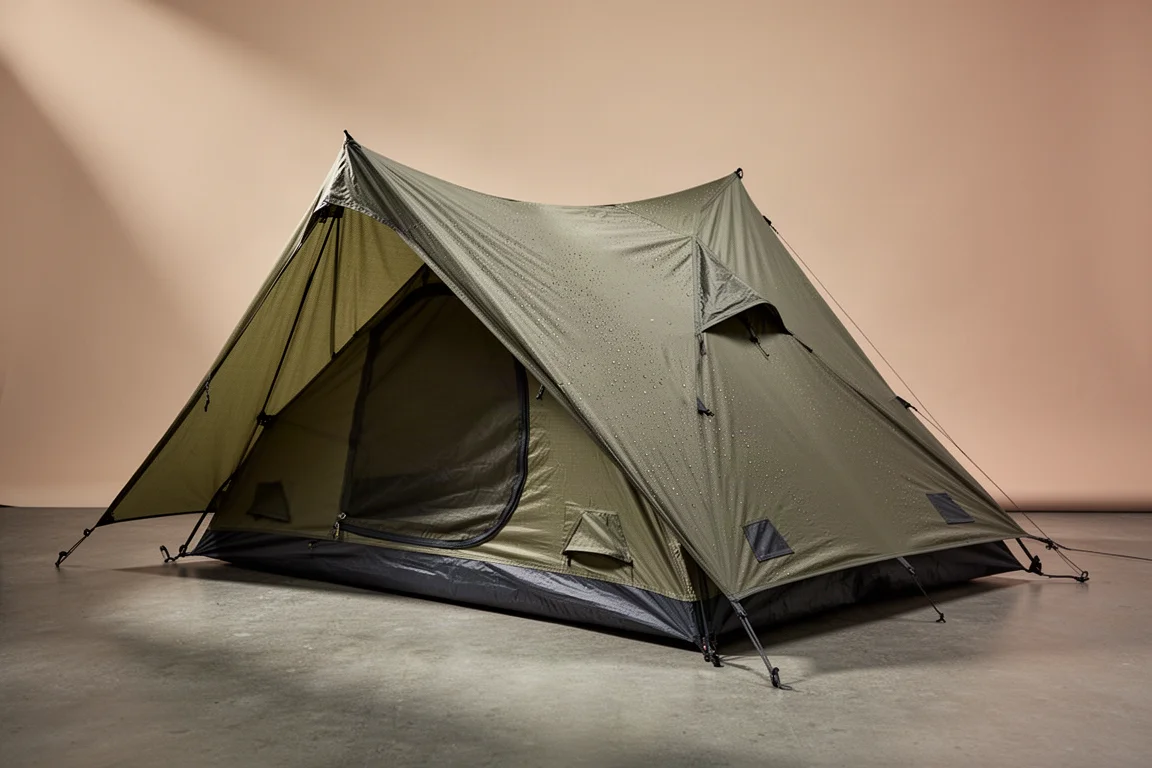
Camping Tents
3F UL Gear Taiji Two-Person Tent Review: Field Waterproofing Results and Buying Advice
The Taiji pairs an attached fly with a removable inner, but sustained rain exposed untaped vent seams that need sealing before this shelter can be trusted.
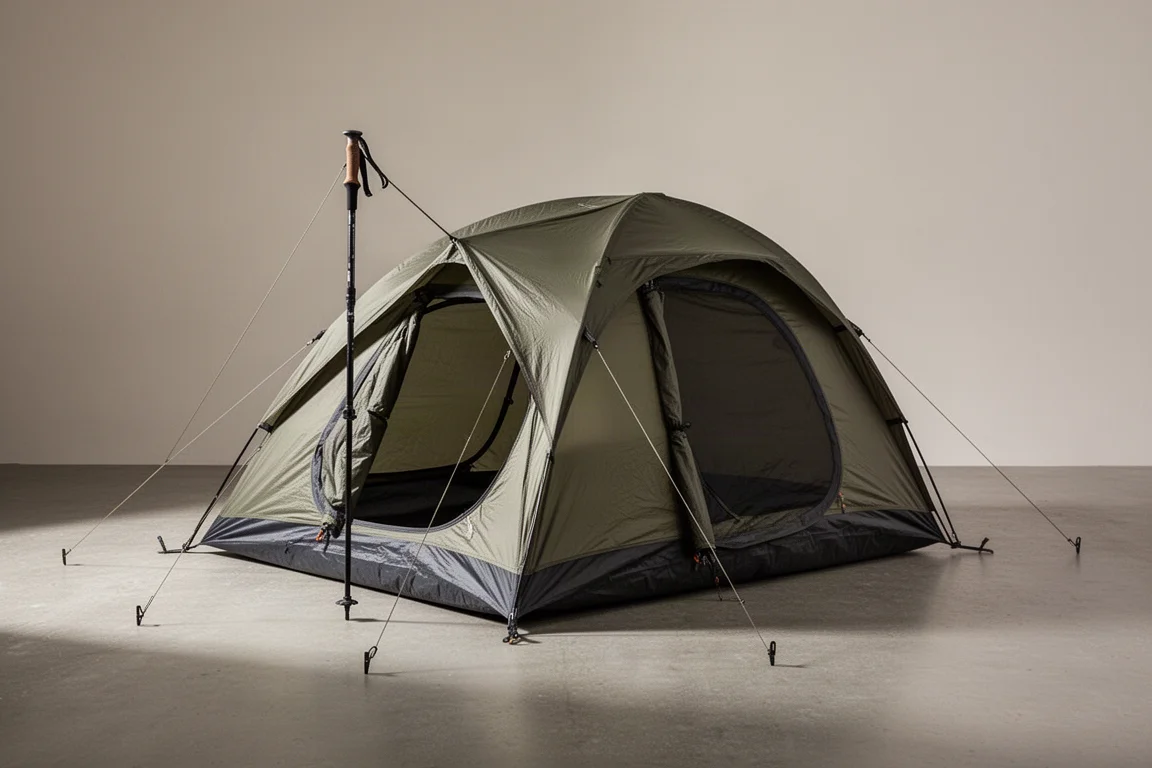
Camping Tents
3FUL Gear Lanshan 2 Pro 4-Season Review: A Sub-$200 Single-Wall Trekking Pole Tent
An early look at the 3FUL Gear Lanshan 2 Pro 4-Season, covering its straightforward pitch, generous interior space, and the condensation and seam-sealing questions that come with any single-wall shelter.
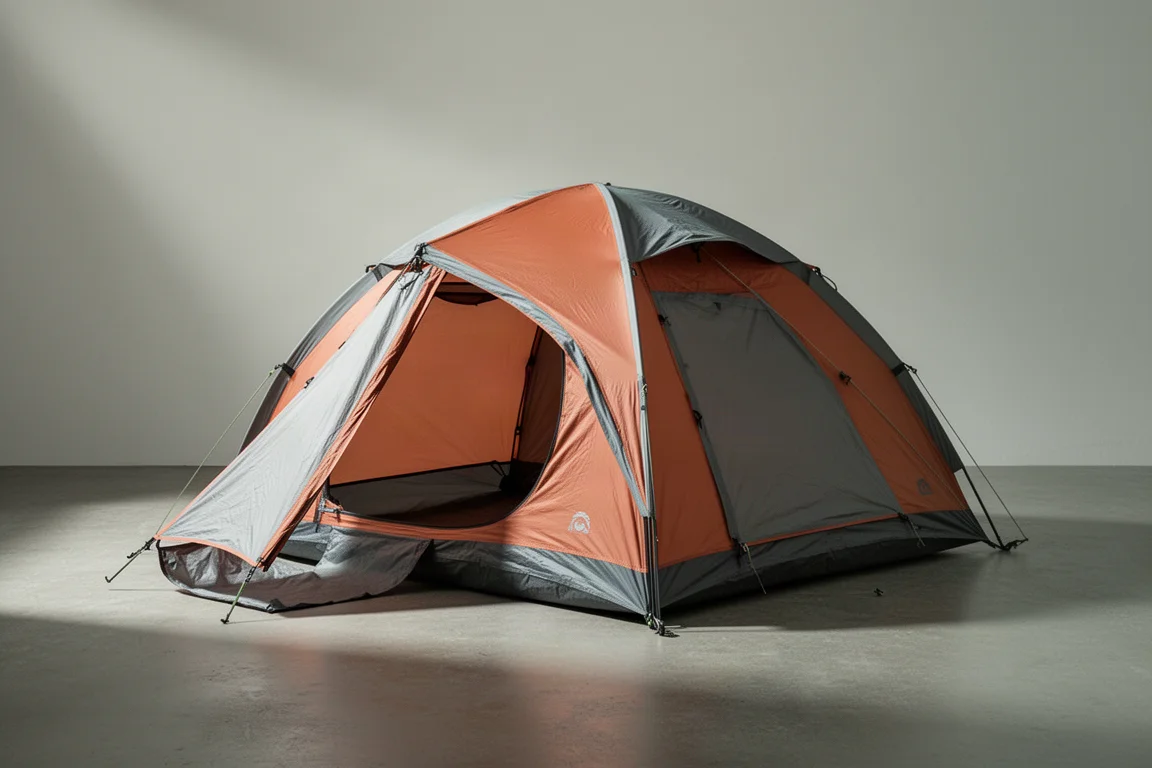
Camping Tents
Alps Mountaineering Lynx 1-Person Tent Review: Big Value in a Small Budget Tent
A close look at the Alps Mountaineering Lynx 1-Person Tent, covering real interior dimensions, materials, setup time, ventilation limits, and who should buy it.