Sleeping Pads
OneTigris Obsidian vs Therm-a-Rest XTherm: Which Insulated Sleeping Pad Is Worth Buying?
Two insulated sleeping pads compared: the $80 OneTigris Obsidian with a claimed 5.2 R-value, and the premium Therm-a-Rest XTherm benchmark.
Introduction
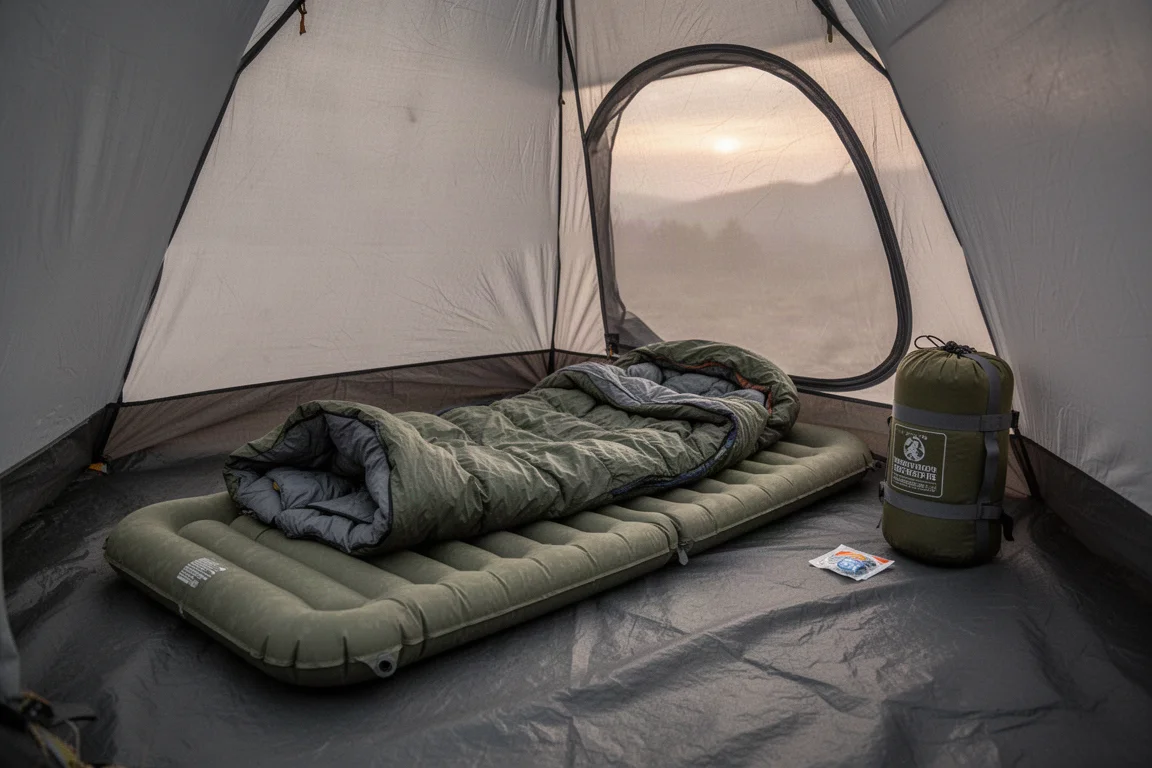
An insulated sleeping pad has to do two jobs well: keep you off the cold ground and keep you comfortable enough to actually sleep. On paper, the OneTigris Obsidian looks capable of both for a fraction of the price of the established benchmark. It retails for $80, uses a 20 denier nylon shell over multiple layers of aluminum foil, carries a claimed R-value of 5.2 and weighs 2 lb. The Therm-a-Rest XTherm sits at the opposite end of the market: around 1 lb, the reference point for cool to cold conditions, and priced above $200.
After extended field use across roughly a dozen outings, the gap between these two pads turned out to be far wider than the spec sheets suggest. This comparison covers what each pad offers, where the Obsidian struggles, and which type of camper each one genuinely suits.
What to Look For in an Insulated Sleeping Pad
A few things decide whether a pad earns its place in your pack. Warmth comes first. An R-value describes resistance to heat loss into the ground, and the number matters most once overnight temperatures drop toward freezing. Comfort is next, and it is harder to measure: a pad needs enough air and enough internal structure to keep hips and shoulders clear of the dirt when you roll onto your side. Packed size and weight decide how willingly you carry it, and noise decides whether you sleep through the night. Build quality and price sit underneath all of it, because a cheap pad that fails early is not cheap at all.
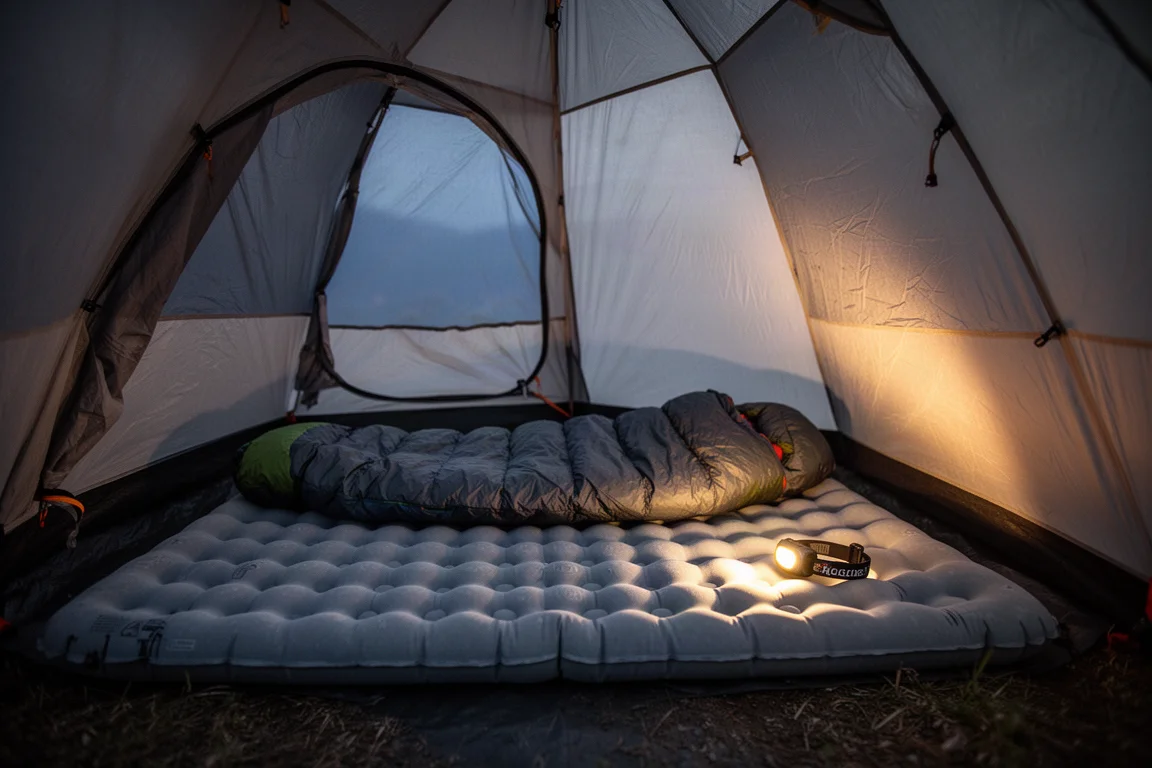
Both pads here attack the same problem from opposite directions. The OneTigris Obsidian targets budget buyers with a large, thick design and reflective internals, while the Therm-a-Rest XTherm targets weight-conscious campers who expect to pay more for warmth that shows up when it is cold.
OneTigris Obsidian Sleeping Pad: Specs, Build, and Value
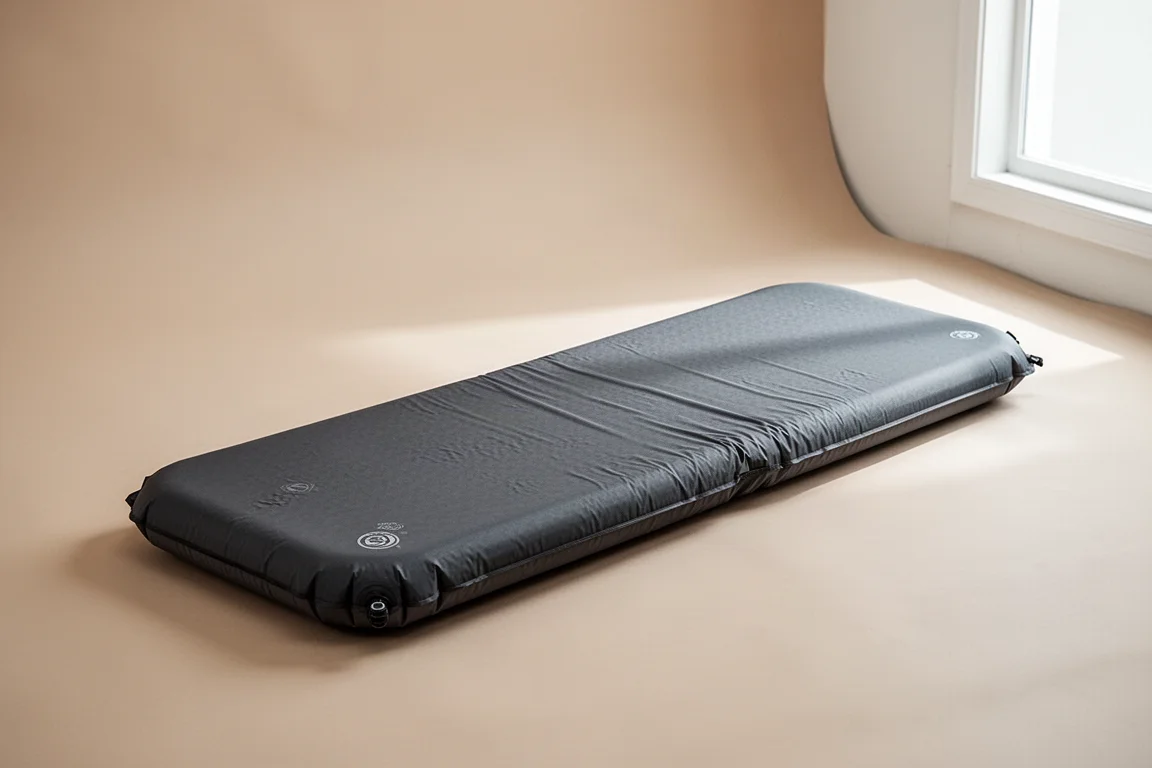
The Obsidian retails for $80 and comes in a single rectangular size in dark gray. Inflated, it measures 74.4 in long, 24.8 in wide and 3.1 in thick, which makes it a large pad by any measure. It weighs 2 lb and packs down to 11 in by 5.1 in, so it does not demand much room in a backpack.
The construction is more interesting than the price suggests. The outer shell is 20 denier nylon rather than a cheap polyester, and the interior uses multiple layers of aluminum foil to reflect body heat back toward the sleeper, which is what produces the claimed R-value of 5.2. The company does not publish a weight limit for the pad.
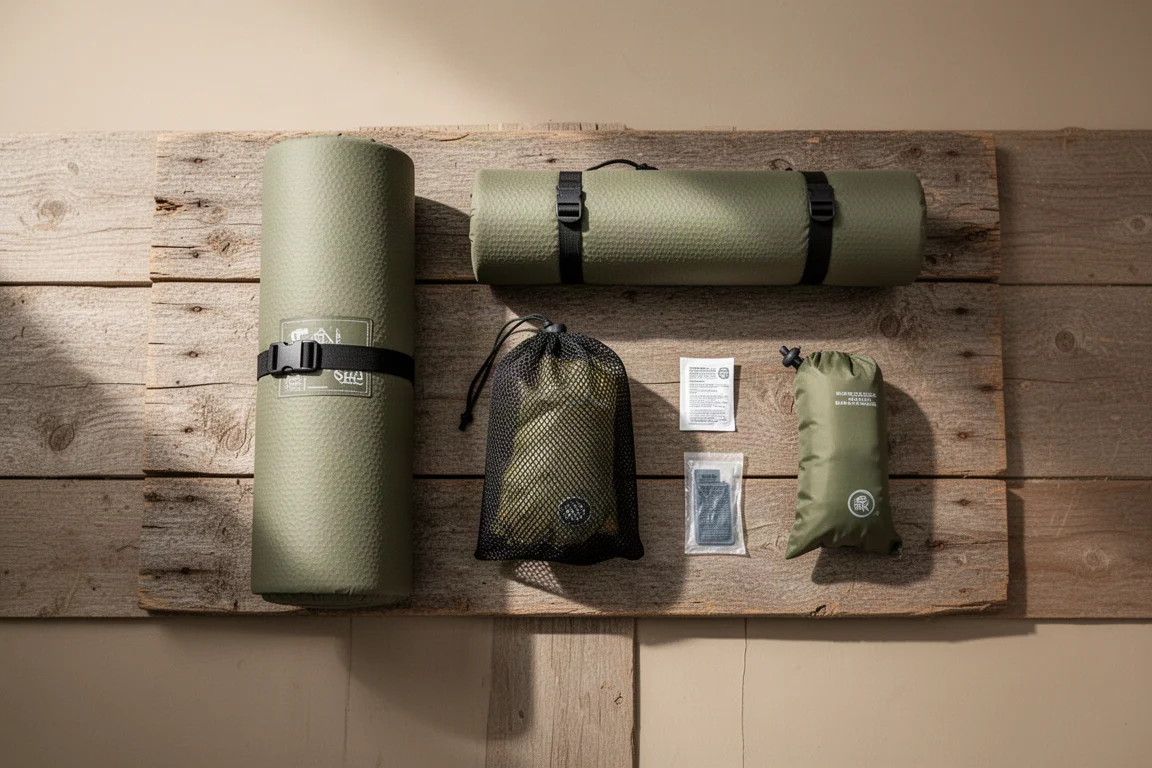
Included in the bag are the pad itself, a compression strap, an inflation sack and a small repair kit. The inflation and deflation valve sits at the top left corner. Everything in the package looks and feels well made, and the materials are a real step above what this price normally buys.
OneTigris Obsidian in Real-World Use: Comfort and Warmth
This is where the Obsidian comes apart. Comfort is the biggest problem. Inflating the pad by breath takes roughly 40 breaths at minimum, and even at 45 breaths it is still possible to feel the ground through it. Lying flat on the back is tolerable, but rolling onto a side pushes hips and shoulders straight into the dirt. Across roughly a dozen trips, nights on this pad were consistently restless, and the support it provides is among the weakest recorded from an air pad of this size.
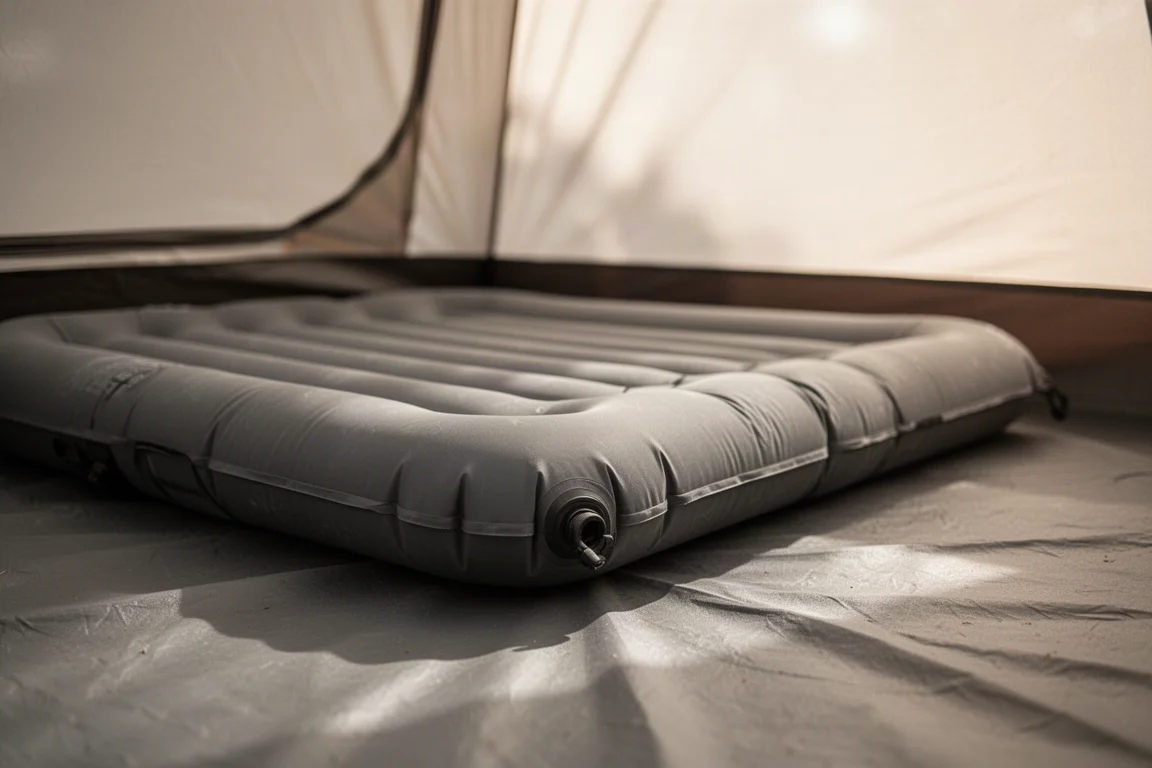
Warmth is the second disappointment. The claimed R-value of 5.2 suggests a pad that holds up well below freezing, yet field use tells a different story. Even at around 50 degrees Fahrenheit, roughly 10 degrees Celsius, the pad feels cold, and the sensation is one of ground chill rising through the mat rather than body heat reflecting back. Temperatures above roughly 60 degrees Fahrenheit are where it finally feels acceptable, which places it firmly in warm-weather territory.
Noise, at least, is not an issue. The Obsidian stays quiet when you shift around during the night. The inflation sack helps with setup, although filling a pad this large still takes real effort, and a compact electric pump would be a sensible addition for anyone who camps often.
Therm-a-Rest XTherm Sleeping Pad: The Cold-Weather Benchmark
The XTherm is the pad most others are measured against. It weighs around 1 lb, half the Obsidian, and it delivers the warmth and comfort that make it a genuine option for cool and cold conditions. The sensation on lying down is immediate: body heat reflects back rather than draining into the ground.
The trade-offs are price and noise. The XTherm costs over $200, more than twice the price of the Obsidian, and it has a reputation for being a noisy pad that crinkles with movement. Neither point changes the fact that nothing else in this comparison comes close on warmth per pound.
Warmth and Comfort Compared
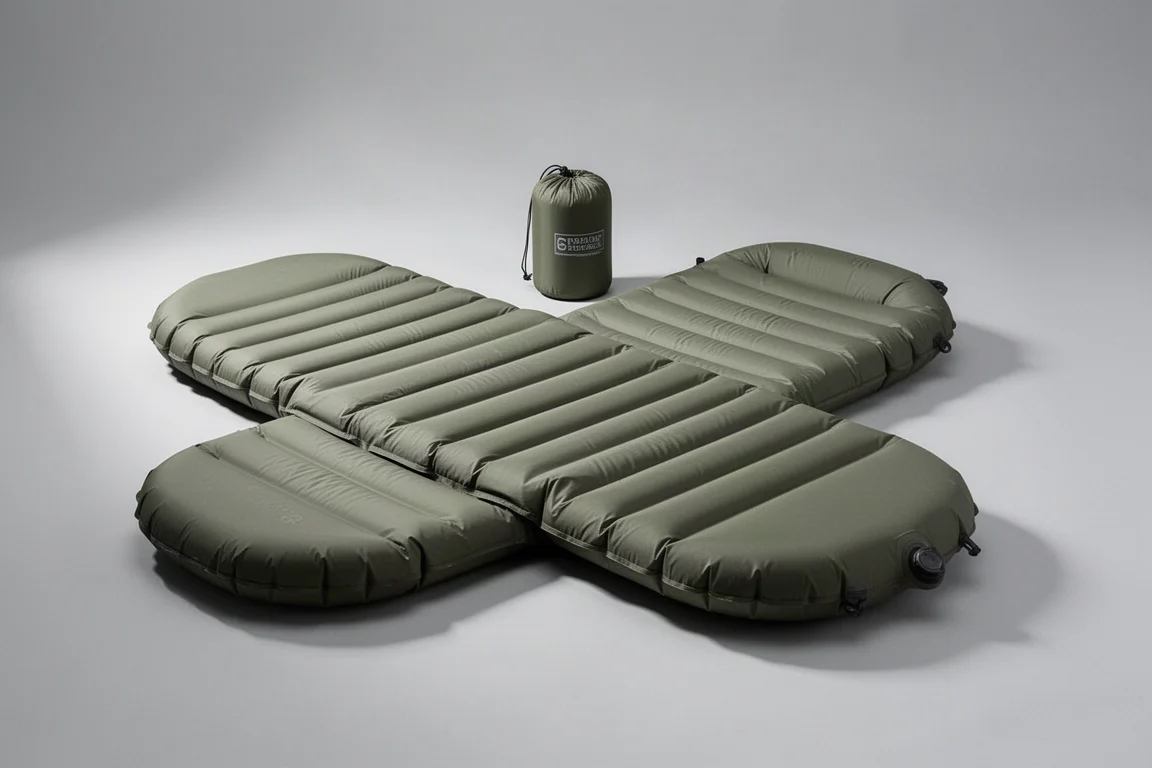
Place the two pads side by side and the difference is not subtle. On the XTherm, warmth is felt within seconds of lying down. On the Obsidian, the dominant sensation at cool temperatures is cold rising from the ground. The same pattern applies to comfort: one pad holds a side sleeper clear of the ground, while the other gives way under hips and shoulders even when inflated as far as it will go.
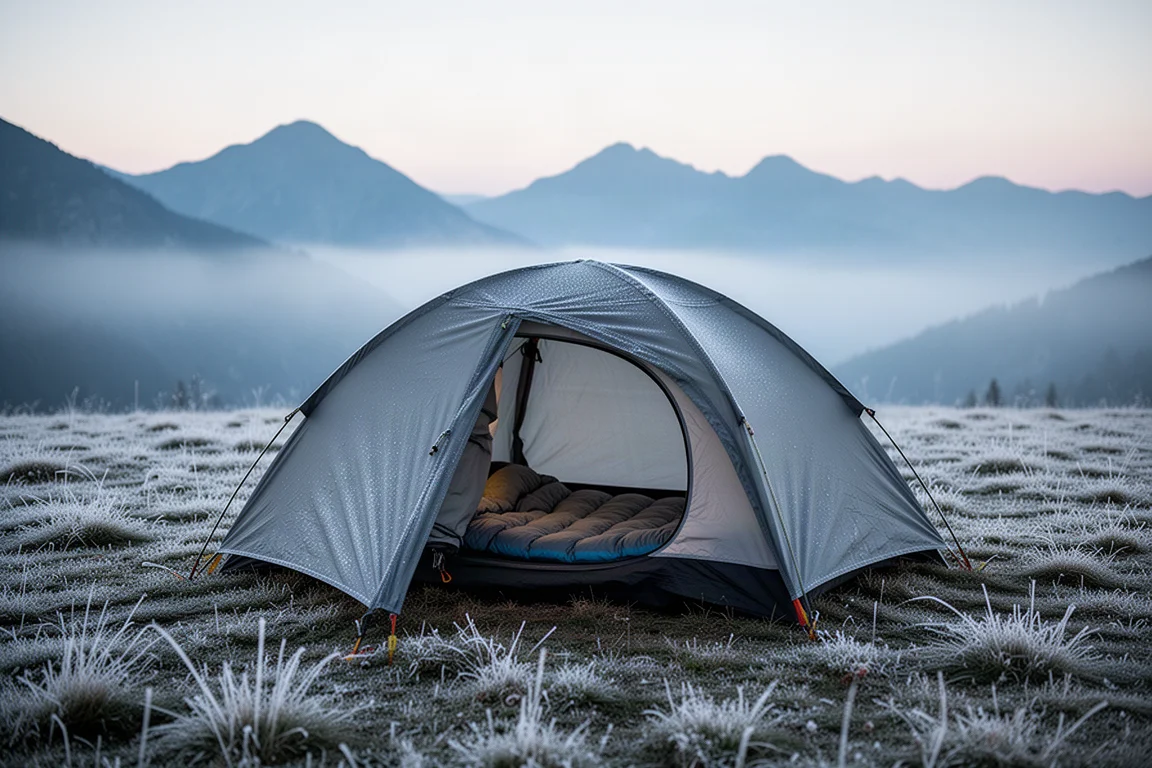
Temperature range is where that gap becomes practical. The Obsidian performs acceptably on warm nights above roughly 60 degrees Fahrenheit, and below that its insulation does not behave the way the claimed rating implies. The XTherm is built for the range where most shoulder-season and cold-weather trips happen, and it stays comfortable there.
Weight follows a similar pattern. The Obsidian saves money and still manages 2 lb for a much larger sleeping surface, which is reasonable for the price. The XTherm halves that figure at around 1 lb, and for backpackers counting grams on long approaches, that difference is the whole point of the product.
Weight, Pack Size, and Value Compared
On weight and packed size, the Obsidian is genuinely competitive for its dimensions. A 2 lb pad that inflates to 74.4 in by 24.8 in and rolls down to 11 in by 5.1 in is a lot of sleeping surface for the money, and the storage bag is sized generously enough that packing up at the end of a trip is not a fight.
Value is where the picture gets complicated. At $80 the Obsidian is inexpensive by the standards of insulated air pads, and it includes an inflation sack and a repair kit. That price would be a clear win if the pad were comfortable and warm in cool conditions. Because it is neither, the low price is less of an advantage than it first appears, even though it stays comfortably under $100.
The XTherm makes the opposite argument. It costs more than twice as much, but it delivers the two things a sleeping pad is bought for, and it does so at half the weight.
Buying Advice
Choose based on the nights you actually sleep outdoors, not the spec sheet. If your camping is limited to summer trips where overnight temperatures stay above roughly 60 degrees Fahrenheit, the OneTigris Obsidian offers a large sleeping surface, quiet use and a low price, and it works as an entry point into an insulated air pad.
If you camp in spring or autumn, or anywhere the temperature drops toward 50 degrees Fahrenheit and below, the Obsidian is the wrong purchase. Warmth is the one feature you cannot work around, and this pad does not deliver it at those temperatures. The XTherm costs considerably more, but it keeps cool and cold nights comfortable and weighs half as much. Buyers who expect to use one pad for years across a range of conditions should weigh that higher price against the cost of replacing a pad that never quite worked.
Conclusion
Two pads, two very different outcomes. The OneTigris Obsidian looks strong on paper: a claimed 5.2 R-value, a 20 denier nylon shell over reflective aluminum layers, 2 lb of weight and an $80 price. In practice, comfort and warmth do not match those numbers, which makes it hard to recommend beyond warm-weather camping.
The Therm-a-Rest XTherm remains the reference point for insulated sleeping pads in cool to cold conditions. It is lighter at around 1 lb, warmer, more comfortable, and considerably more expensive at over $200. For campers who sleep out in shoulder seasons or colder, that price buys the performance the Obsidian only promises.
Further reading
Related Reviews
Sleeping Pads
Best Backpacking Sleeping Pads 2026: Nine Pads Rated on Price, Comfort, Warmth, and Weight
Nine backpacking sleeping pads compared on price, comfort, warmth, and weight, from a $65 summer pad to a year-round option rated at R-7.3.
Sleeping Pads
Best Backpacking Sleeping Pads: Comfort, Warmth, and Weight Compared
A practical comparison of the Nemo Quasar 3D, Therm-a-Rest NeoAir XTherm Max, and Big Agnes Rapide SL for backpackers choosing between comfort, warmth, and packed weight.
Sleeping Pads
Best Backpacking Sleeping Pads: Ultralight, Winter, Comfort and Budget Picks
A practical roundup of the sleeping pads that stand out for ultralight weight, winter warmth, pressure relief and value, plus three popular pads that fell short.