Sleeping Pads
OneTigris Obsidian Sleeping Pad Review: A Budget Pad That Falls Short in the Cold
The OneTigris Obsidian promises a 5.2 R-value for around $80. Extended field use shows a roomy, quiet, well-built pad that struggles with comfort and cold-weather warmth.
Introduction
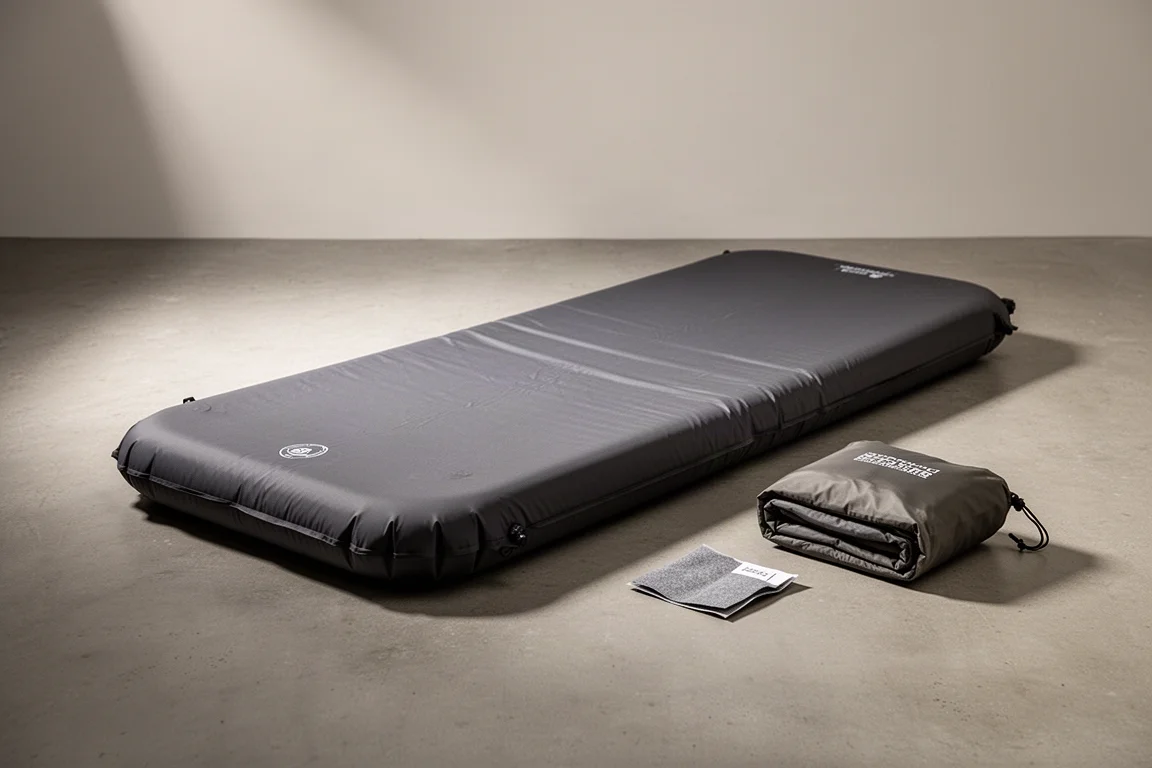
The OneTigris Obsidian is a rectangular insulated sleeping pad that sells for around $80 and claims an R-value of 5.2. On specification alone, that combination sits in rare territory: a wide, thick, lightly insulated air pad priced well below most premium alternatives. The materials list is unusually serious for the money, pairing a 20-denier nylon shell with multiple internal layers of aluminum foil intended to reflect body heat back toward the sleeper.
The distance between that specification sheet and the pad’s behavior in the field is wide. Across roughly a dozen nights of use, the Obsidian proved difficult to make comfortable, and its insulation did not hold up in cool conditions.
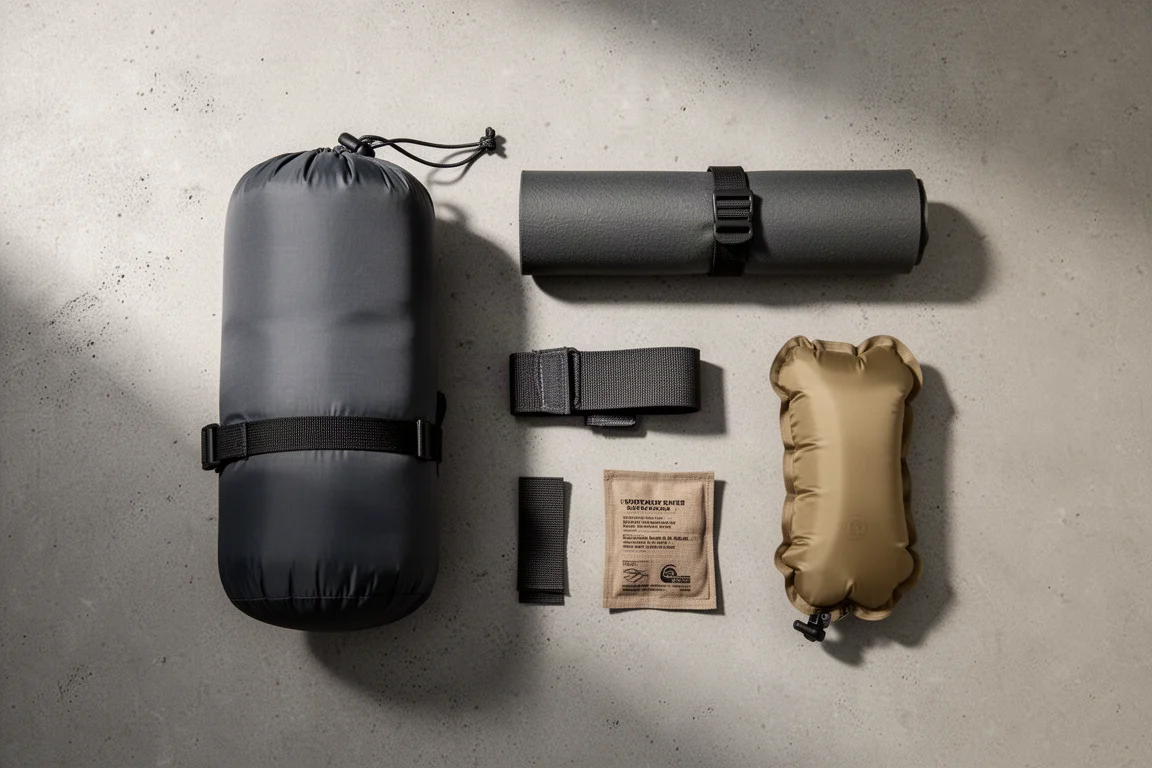
In the box, buyers receive the pad itself, a storage bag with a drawstring opening at the top, a compression strap, an inflation sack, and a small repair kit. The inflation and deflation valve sits at the upper left corner of the pad. Packed, the pad measures about 11 by 5.1 inches. Inflated, it measures 74.4 inches long, 24.8 inches wide, and 3.1 inches thick, and it weighs around 2 pounds. It comes in one rectangular size and in dark gray only. OneTigris does not publish a weight limit for the pad.
Who This Sleeping Pad Is For
The Obsidian’s strongest selling point is its footprint. At 74.4 inches long and 24.8 inches wide, it offers noticeably more surface area than a standard pad, and the 3.1-inch thickness suggests a plush sleeping surface. Campers who are broad-shouldered, tall, or simply tired of narrow backpacking pads will find the dimensions appealing, and the $80 price makes it an easy pad to try for summer trips, car camping, and casual warm-weather outings.
That audience should be drawn narrowly. The pad is not a good fit for cold-weather camping, for side sleepers, or for anyone who treats sleep quality as the single most important factor in a shelter setup. Buyers who need reliable insulation for shoulder-season or winter nights will want to look at a higher-end pad instead.
Main Strengths
Weight is reasonable for a pad this large. At roughly 2 pounds, the Obsidian carries only a modest penalty relative to its size, and that trade-off is easier to accept at this price than it would be on a premium pad.
Packed size is genuinely impressive. A pad this wide, long, and thick compresses down to about 11 by 5.1 inches, which takes up little room in a pack. The included storage bag is generously sized, so getting the pad back inside at the end of a trip is not a fight.
Noise is another area where the pad performs well. It stays quiet through the night, and turning over on it does not produce the crinkling that some reflective pads are known for.
Build quality and materials look strong. The 20-denier nylon shell feels durable, the internal aluminum layers are a legitimate choice for a reflective pad, and the construction shows no obvious weak points. Including an inflation sack in the box is a thoughtful touch, since it gives buyers an alternative to inflating entirely by breath.
Finally, price works in the Obsidian’s favor. At under $100, it undercuts almost every insulated pad with a comparable claimed R-value. That advantage would be decisive if the pad delivered on comfort and warmth. It does not, which makes the price a missed opportunity rather than a clear win.
Comfort and Real-World Warmth
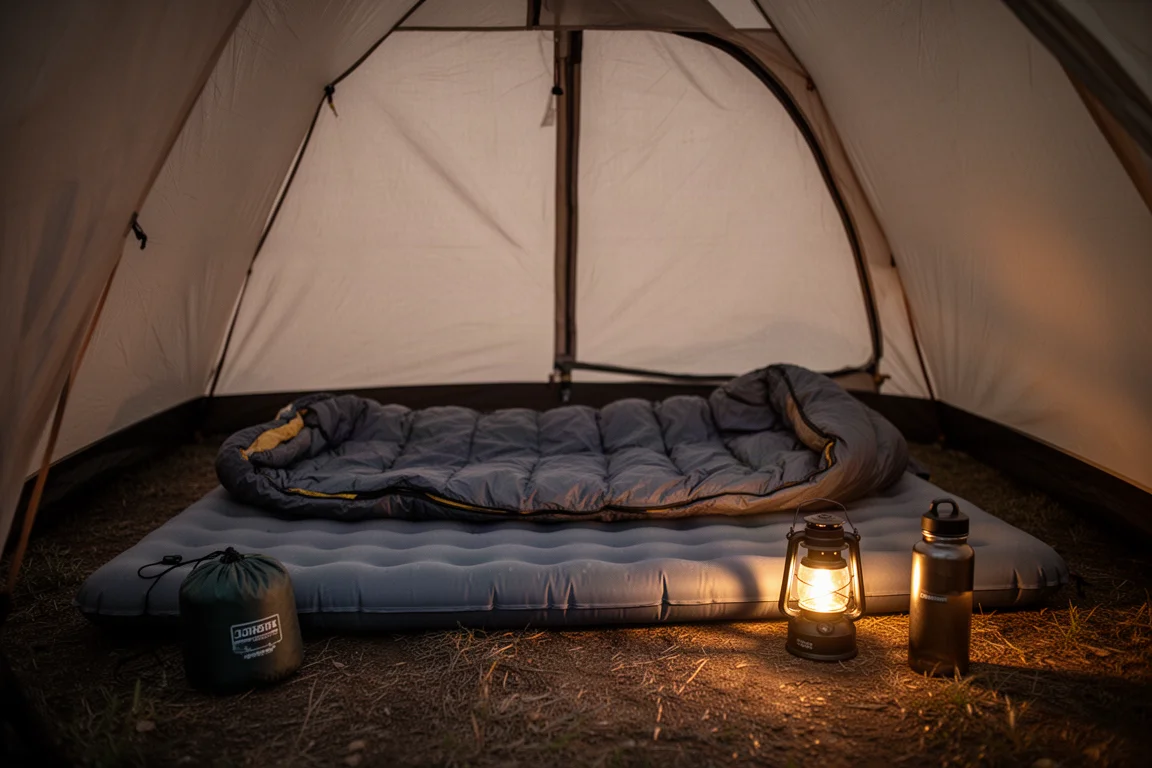
Comfort is the pad’s central problem. The Obsidian needs a substantial volume of air to reach a usable firmness, and even after roughly 40 to 45 breaths, the surface still bottomed out under body weight. Lying flat on the back is passable, but any shift in position sends pressure straight through to the ground, and side sleeping pushes the hip and shoulder into the dirt. Across many nights on this pad, the result was more restless sleep than on almost any other air pad tested.
Warmth is the second disappointment. The claimed 5.2 R-value suggests a pad suited to cool nights, yet the Obsidian felt cold at temperatures around 50 degrees Fahrenheit, roughly 10 degrees Celsius. Insulated pads with lower claimed ratings have felt noticeably warmer. On this pad, there is no sense of body heat reflecting back from the aluminum layers. What comes through instead is cold from the ground. Warmth only felt adequate on nights above roughly 60 degrees Fahrenheit, which places the Obsidian firmly in the warm-weather category.
Inflation and Setup Experience
Inflating the Obsidian is a workout. Inflating by breath takes a long time and enough effort to leave most people lightheaded and reaching for a break, a consequence of the pad’s wide, long, and thick profile. The included inflation sack reduces the strain on the lungs, but it still takes considerable pumping to fill the pad to a usable pressure.
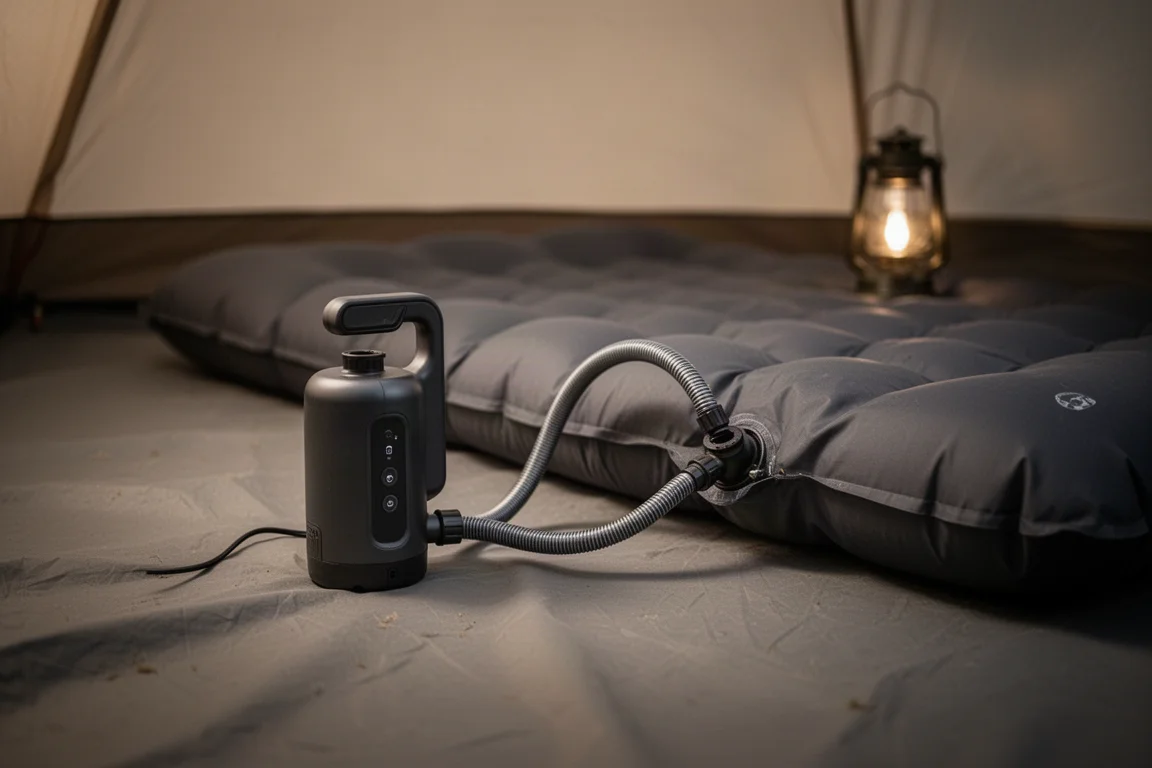
For anyone set on this pad, a compact electric air pump is the practical solution. Small, lightweight pumps designed for sleeping pads connect to the valve and do the work far faster, and the pad’s valve is compatible with that kind of accessory. Setup time and effort are worth weighing before purchase, because the inflation burden repeats every single night of a trip.
How It Compares to the Therm-a-Rest XTherm
The Therm-a-Rest XTherm remains the reference point for insulated sleeping pads. It weighs around 1 pound, delivers the warmth and comfort that the Obsidian lacks, and has no direct rival among pads currently available. Its two drawbacks are price, at over $200, and a crinkly surface that some sleepers find disruptive at night.
The Obsidian beats the XTherm on price and on noise, and it offers a larger sleeping surface. It loses on weight, on comfort, and decisively on warmth. Buyers weighing the two should treat the comparison as a question of purpose rather than value: the Obsidian is a warm-weather pad at a budget price, while the XTherm is a cold-weather pad that costs considerably more. Nothing in the Obsidian’s performance suggests it can substitute for the XTherm when temperatures drop.
Buying Advice
The Obsidian makes sense in a narrow set of circumstances. Buyers who camp mostly in warm summer conditions, want a wide and thick pad for a low price, and are willing to add a small electric pump to their kit will get a roomy, quiet, well-built pad for around $80. Larger sleepers may also appreciate the extra surface area, and the construction quality suggests the pad should hold up over time.
It does not make sense for cold-weather camping, for side sleepers, or for anyone who has struggled with pads that bottom out. The claimed 5.2 R-value should not be treated as a guide to real-world insulation, and the pad should be planned around warm nights rather than cool ones.

A final note on durability expectations: because OneTigris does not publish a weight limit, heavier sleepers have no official guidance to work from. A 180-pound sleeper reported no structural issues with the pad, but that is a single data point rather than a specification.
Conclusion
The OneTigris Obsidian looks like a bargain on paper and behaves like a compromise in the field. It is light for its size, packs down small, stays quiet, and is built from materials that would be reasonable on a much more expensive pad. It is also uncomfortable after repeated inflation attempts and cold at temperatures where an insulated pad should still be holding its own.
For warm-weather camping on a tight budget, the Obsidian is worth a look as long as expectations are set accordingly. For anyone who camps in cool conditions or prioritizes sleep quality, the pad is difficult to recommend, and the premium alternatives remain the safer path.
Product link
View more details for OneTigris Obsidian Sleeping Pad
This product is mentioned in the review. Check the specifications, options, and compatibility before buying.
View more details for OneTigris Obsidian Sleeping PadFurther reading
Related Reviews
Sleeping Pads
Best Backpacking Sleeping Pads 2026: Nine Pads Rated on Price, Comfort, Warmth, and Weight
Nine backpacking sleeping pads compared on price, comfort, warmth, and weight, from a $65 summer pad to a year-round option rated at R-7.3.
Sleeping Pads
Best Backpacking Sleeping Pads: Comfort, Warmth, and Weight Compared
A practical comparison of the Nemo Quasar 3D, Therm-a-Rest NeoAir XTherm Max, and Big Agnes Rapide SL for backpackers choosing between comfort, warmth, and packed weight.
Sleeping Pads
Best Backpacking Sleeping Pads: Ultralight, Winter, Comfort and Budget Picks
A practical roundup of the sleeping pads that stand out for ultralight weight, winter warmth, pressure relief and value, plus three popular pads that fell short.