Tents
OneTigris Nebula Tent Review: A Huge Overlanding Shell With a Real Learning Curve
A close look at the OneTigris Nebula, a large shell-style tent built for overlanding and motorcycle camping, covering its unusual pitch, materials, sizing and two very different price points.
Introduction
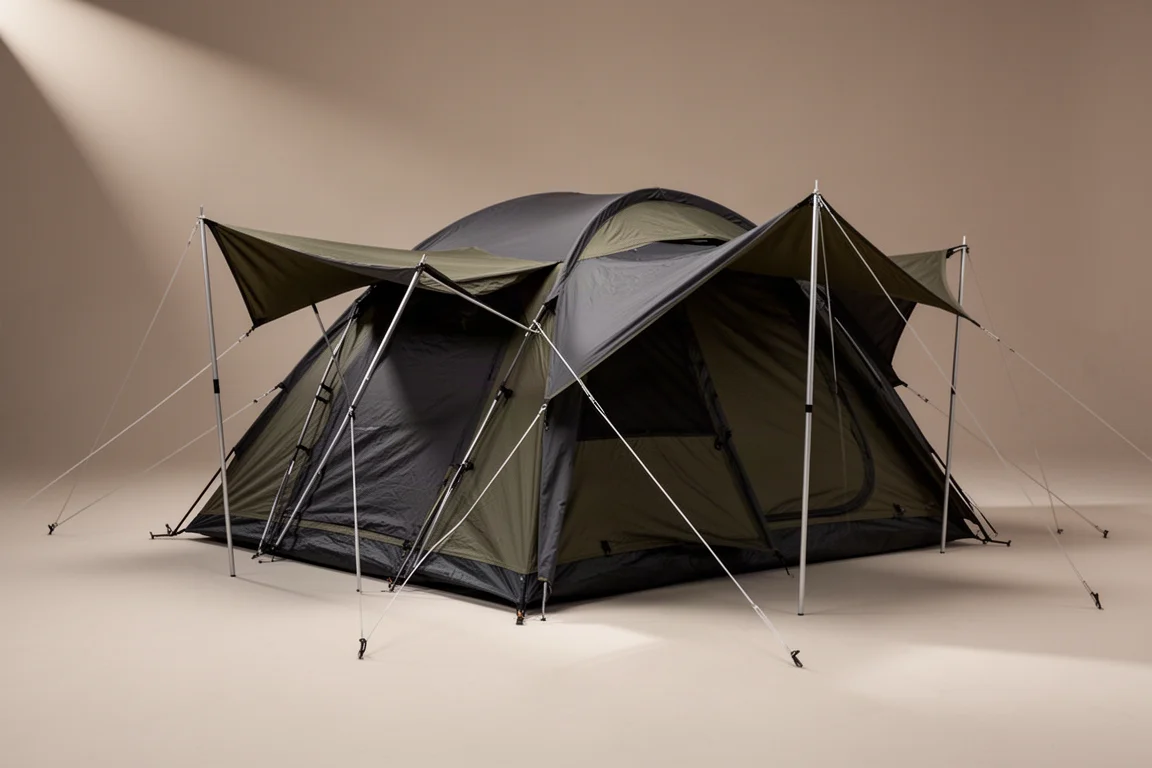
The OneTigris Nebula is the third model in the brand’s Black Tiger tent series, sitting alongside the Comida and the Stella. Those two are conventional backpacking tents. The Nebula is something else entirely. It is designed for overlanding and motorcycle travel, and the first thing anyone notices about it is scale: this is a very large, very heavy shelter that behaves more like a portable basecamp than a tent you carry on your back.
It also differs from most tents in a more fundamental way. The Nebula is a shell. There is no inner tent in the box, which means no built-in bug protection, and the structure relies on an external frame arrangement that looks unlike anything else on the market.
That combination is exactly what makes the Nebula interesting. It is a big, simple, weather-oriented enclosure with two doors, two vestibules and enough floor area to arrange the inside however you want, and the trade-offs are just as clear from the moment you unpack it.
Who the OneTigris Nebula Is For
This is a tent for people who arrive at camp with a vehicle. Overlanders and motorcycle campers are the obvious audience, along with cold-weather campers who want a large, well-sealed shell and are happy to add their own sleeping solution inside it.
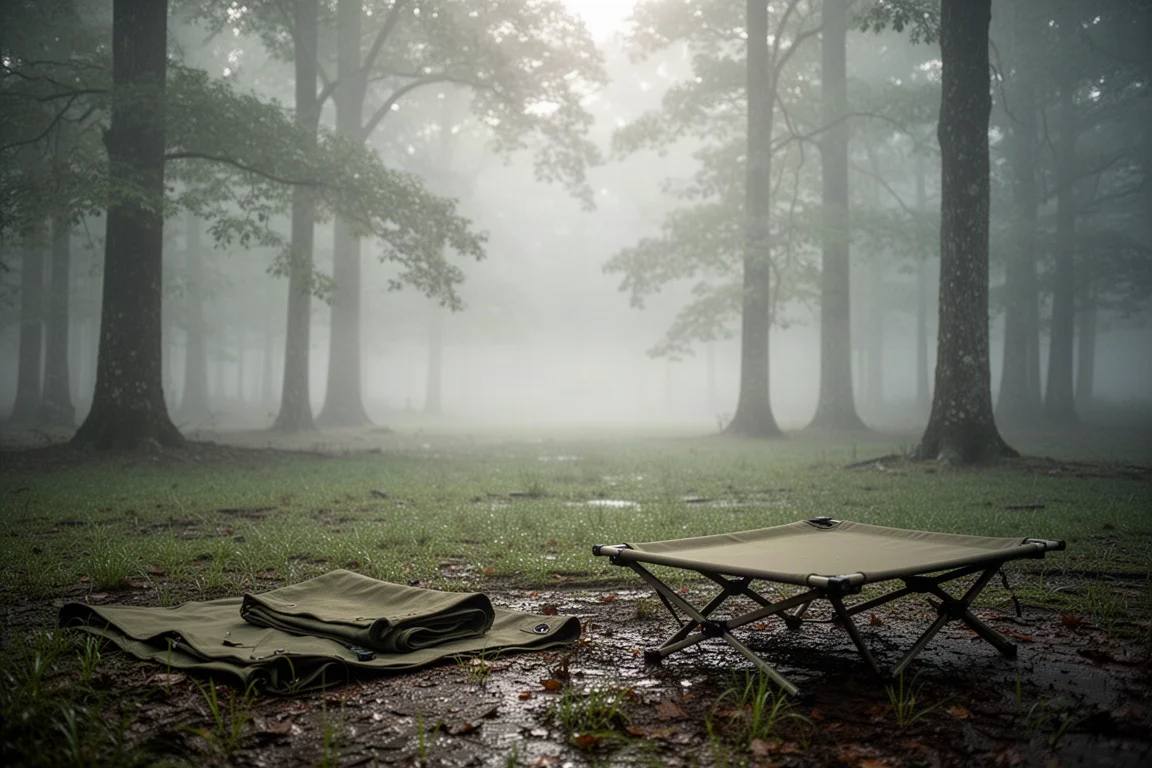
OneTigris describes it as at least a two-person tent, and the interior backs that up. Two people with two cots fit comfortably. A cot plus a motorcycle will also fit inside, which says a lot about how much floor space is available. Anyone planning to carry a shelter on their back should look elsewhere, because at 12.7 pounds the Nebula is not a backpacking tent and was never intended to be one.
Main Strengths
The headline strength is interior volume. OneTigris lists the Nebula at 13.1 feet long by 7.8 feet wide with a 5.2 foot peak height, and the usable space matches those numbers in practice. Two campers can each use a cot without brushing the walls, and the two doors are genuinely large, so getting in and out with gear is easy.
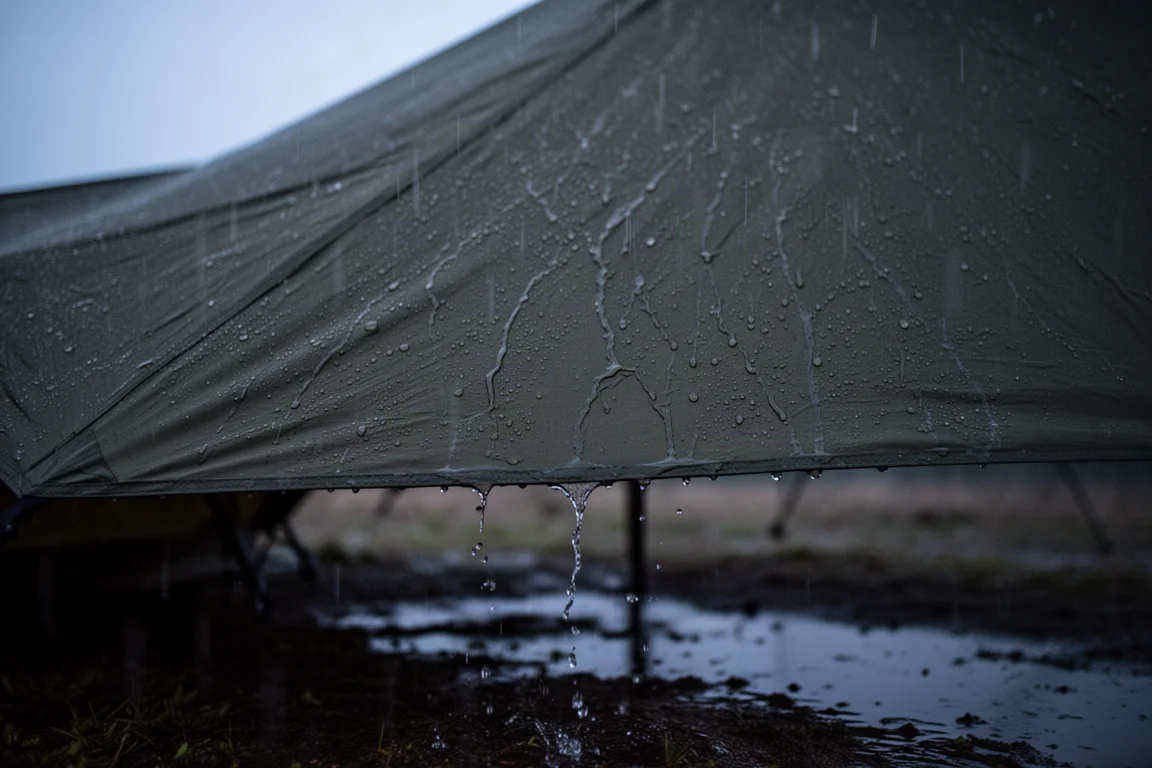
Materials are the second strong point. The shell uses 40 denier silicone-treated nylon rather than polyester, the footprint is 68 denier polyester, and the zippers come from YKK. Every seam is sealed and the tent carries a 3,000 mm waterproof rating. Stitching and finishing hold up to close inspection, with no loose threads, and the fabric quality is comparable to what considerably larger brands use at much higher prices.
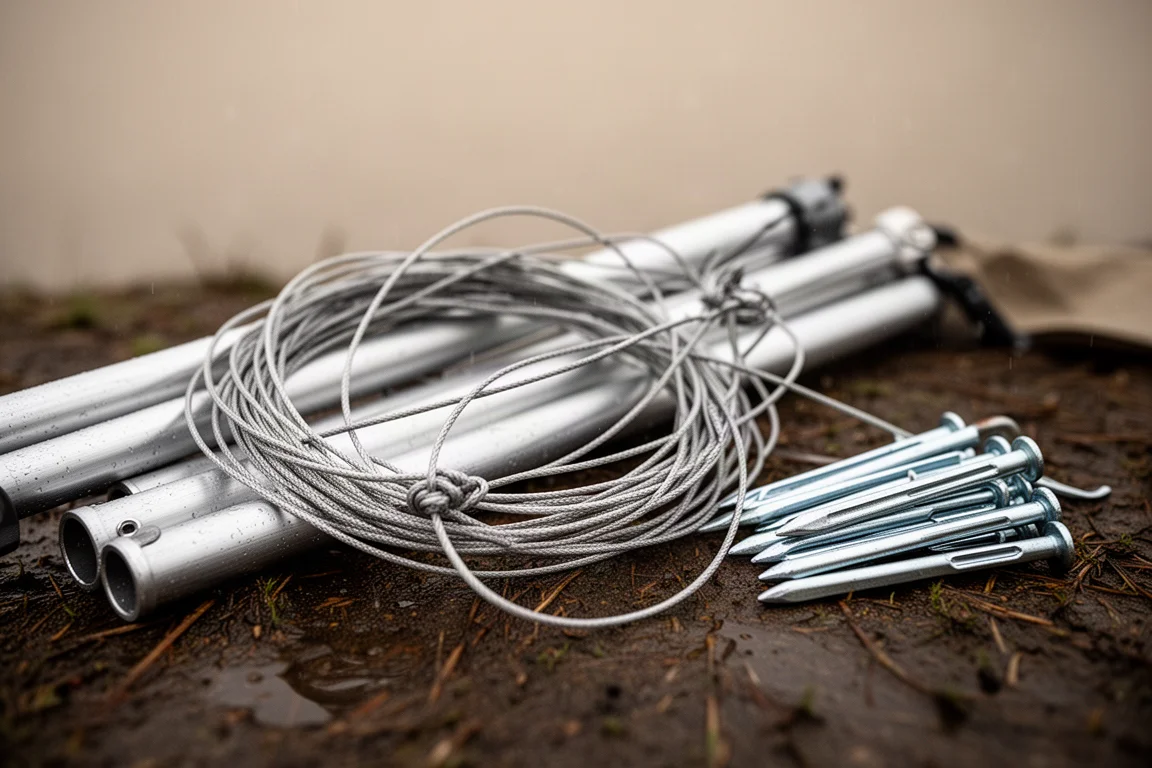
The included kit is generous: a stuff sack, 14 tent stakes, 10 guy lines, a footprint and eight poles. Each opening is layered with a mesh door, an outer nylon door and a storm flap over the zipper, and there are two vents plus a hanging hook at the centre of the ceiling.
OneTigris positions the Nebula as the sturdiest model in the Black Tiger series, citing the number of guy-line attachment points. Given how many stakeout and guy-line positions the design uses, that claim is structurally plausible, though the tent’s height means wind behaviour is the open question.
Setup and Design Notes
The pitch is where the Nebula departs most sharply from convention. The frame poles sit on the outside and attach vertically, two per side, which is an arrangement that does not resemble a typical dome or tunnel tent. Add two large main poles and two vestibule poles and you reach eight poles in total. The design actually carries two vestibules, but the supplied pole set covers a full pitch with one vestibule open, so opening both requires two additional poles.
Two practical annoyances show up before the tent is even standing. None of the poles are colour coded, and the frame poles are not shock corded, so parts are easy to mix up if they end up in the same bag as poles from another tent. Keeping the plastic sleeves and returning each pole to its sleeve during pack-down is the simplest way to avoid that. There are also no setup instructions in the box, and the product photography on the brand’s site makes it hard to read the tent’s shape or understand that it is a shell rather than a double-wall tent. A first pitch takes roughly 20 minutes of figuring out, and the sequence that works is to stake out the body, seat the frame poles, tension their guy lines, insert the two longer poles, then make final adjustments. It gets faster with repetition, but the first several attempts will not be quick.
Things to Consider Before Buying
The single most important thing to understand is that there is no inner tent. The Nebula is a shell, so there is no integrated bug protection and no bug inner in the box. Campers who want insect screening will need to add their own inner or a freestanding bug shelter inside the floor area, which the size of the tent makes perfectly practical.
Setup complexity is the second consideration. This is a chore on a calm day and would be the last tent most people would want to pitch in strong wind, at least until the process is familiar. The unusual geometry, the uncoded poles and the missing instructions all add time.
Weight and colour are worth weighing too. At 12.7 pounds the Nebula is a vehicle-camping tent by definition. It is also built with cold-weather camping in mind, but because the doors are large mesh panels rather than a fabric inner, it can be used in warmer conditions as well. The one caveat is that black fabric holds a little more heat in direct sun than a pale tent, although any tent in full sun gets hot regardless.
Price and Value
The Nebula is offered in two colourways at very different prices. The Black version is $270, while the licensed MultiCam version is $780. The gap is explained by the MultiCam material itself, which is a licensed fabric and genuinely expensive to produce.
Set against the materials list, the Black version looks like strong value. Silicone-treated nylon, sealed seams, YKK zippers, a polyester footprint, 14 stakes and 10 guy lines at that price is a competitive package, and the fabric is the same class of material used by much larger brands charging considerably more. The MultiCam version is a specialist purchase for buyers who specifically want that camouflage pattern rather than a value proposition.
Buying Advice
Buy the Nebula if you want a large, weather-focused shell that lives in or on a vehicle and can be configured however you like once it is up. It suits overlanders and motorcycle campers who value floor space, sealed construction and a low entry price over light weight and a fast pitch.
Plan for two things before your first trip. First, budget for a bug inner if you will be camping anywhere with insects, since the shell provides none. Second, accept that the pitch takes practice, and consider a dry run in the garden so the sequence is familiar before you rely on it. Once it is standing, the interior is big enough for a cot, a small table and a chair, which is a genuinely different way to camp compared with a conventional backpacking tent.
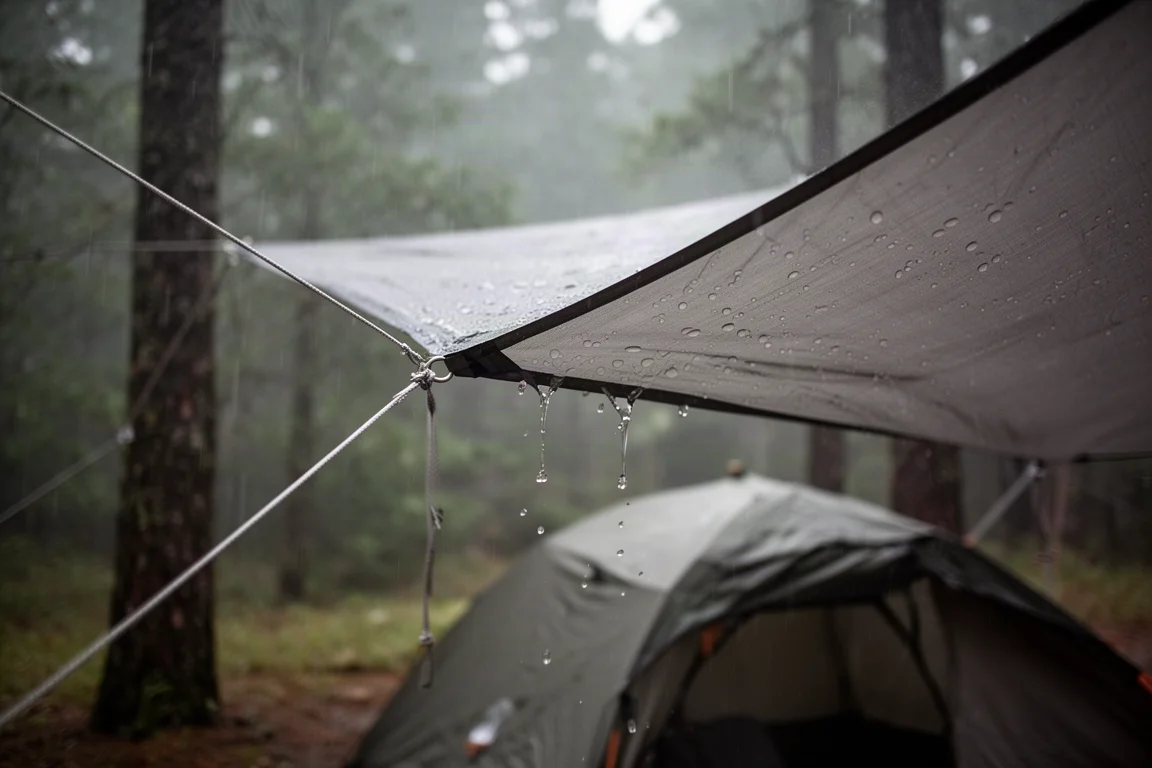
The Black version is the sensible starting point for most buyers. The MultiCam version only makes sense if the licensed pattern matters to you and the price difference is acceptable.
Conclusion
The OneTigris Nebula is unusual in almost every way that matters. It is huge, it is heavy, it pitches in a way most campers have never seen, and it arrives as a shell with no inner tent and no bug protection. It is also built from the same class of nylon that premium brands use, comes with a footprint, stakes and guy lines included, and costs $270 in its Black colourway.
That makes it a specialist tool rather than a universal tent. Buyers who understand what it is, a large overlanding and motorcycle-camping shell with an unusual but learnable pitch, will find a lot to like in the space, the materials and the price. Buyers expecting a fast-pitching double-wall backpacking tent will be surprised. Read the specification carefully, plan for a bug inner, and the Nebula rewards the effort.
Product link
View more details for OneTigris Nebula
This product is mentioned in the review. Check the specifications, options, and compatibility before buying.
View more details for OneTigris NebulaFurther reading
Related Reviews
Tents
Black Dog Instant Setup 5 to 8 Person Tent Review: Fast Pitch, Serious Weather Problems
A quick-pitching Black Dog tent that goes up in seconds, but wet-weather testing revealed seam leaks, an overstated capacity claim, and awkward doors.
Tents
Lightfighter Dragoon Review: An Eight-Person Four-Season Military Shelter
The Lightfighter Dragoon is a 57-pound, eight-person expedition tent built for extreme weather. Here is what its materials, size, and setup demands mean for real buyers.
Tents
Lone Rider Motorcycle Tent Review: A Big Shelter That Stays Dry
A double-wall motorcycle tent with two large awnings, two entry points, and enough interior height to stand up, plus the pack size trade-off to weigh first.