Camping Tents
OneTigris Kamita Tent Review: A Four-Season Shelter at $260
A closer look at the OneTigris Kamita, a nylon four-season tent with two doors, a removable inner, and a trekking-pole awning at a $260 price.
Introduction
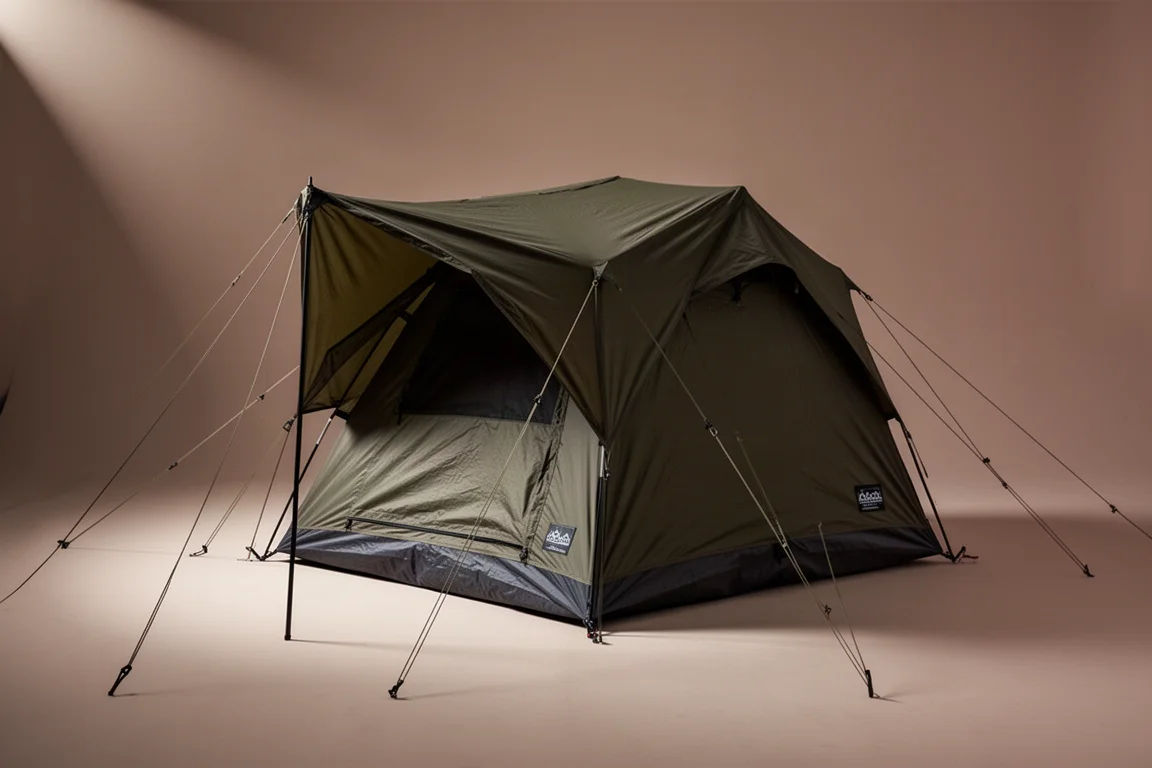
OneTigris has positioned the Kamita as a four-season tent, a category where prices tend to climb quickly. The Kamita arrives at $260, and the detail that stands out most at that figure is the fabric. This tent is made from nylon, while most budget-friendly four-season tents are built from polyester. That single choice shapes a lot of what makes the Kamita worth a closer look.
The layout adds more reasons to pay attention. There are two doors, one at the front and one on the side, plus a removable inner tent that lets you change how much shelter the Kamita provides. Set up with two trekking poles and two stakes, the front opening converts into a full awning and a second way in and out of the tent.
This article covers who the Kamita suits, how the setup process works in practice, the strengths worth knowing about, and the practical details to weigh before you buy.
Who the OneTigris Kamita Tent Is For
The Kamita makes the most sense for campers who want a single shelter that can handle colder trips without stepping into premium pricing. Four-season tents are usually where budgets break, so a nylon build at $260 opens the category to people who would otherwise stay with a three-season design.
It also suits campers who value a second exit. Two doors make a real difference on longer trips, since you can keep gear on one side and still leave through the other. The side door becomes especially useful once the awning is deployed, because it gives you a covered way in and out while the front panel is propped open.
Finally, this is a good fit for anyone who already carries trekking poles. The awning depends on two poles and two stakes, so if those are already part of your kit, you gain a covered outdoor space without buying extra hardware.
Setting Up the OneTigris Kamita Tent
Start with a ground sheet, which is not included with the tent, so plan to bring your own. Spread it out, then separate the components: the tent body, the two poles, the stakes, the guy lines, and the storage bag.
Decide how you want the doors oriented before you commit, because the Kamita has one door at the front and one on the side. On a windy day you can stake the corners first, knowing you may need to adjust them later, since inserting the poles can pull stakes out of the ground.
The two poles are the same length. Locate the two pole sleeves, one on each side of the body, and match them to the grommets at the base. There is an important detail here: the straps at each sleeve connection must run underneath the tent. If a strap sits on top of the body, the tent will not pitch correctly, so simply pull it under before you start.
Push each pole through its sleeve until roughly ten inches protrude on the far side, then seat both pole ends into the grommets. If a pole is stubborn about reaching its grommet, loosen the strap, finish the connection, and tighten it again later. Once the poles are seated, stake out the front and back.
From there, walk the perimeter and adjust every stakeout point. At each spot where the poles meet the grommets, the inner tent connects and can be tightened, which pulls the inner taut and creates more usable space inside. The same adjustment exists at the top, where the inner attaches to the fly, reachable by slipping a hand underneath. If the inner looks saggy, work around the body and the top rather than accepting the slack.
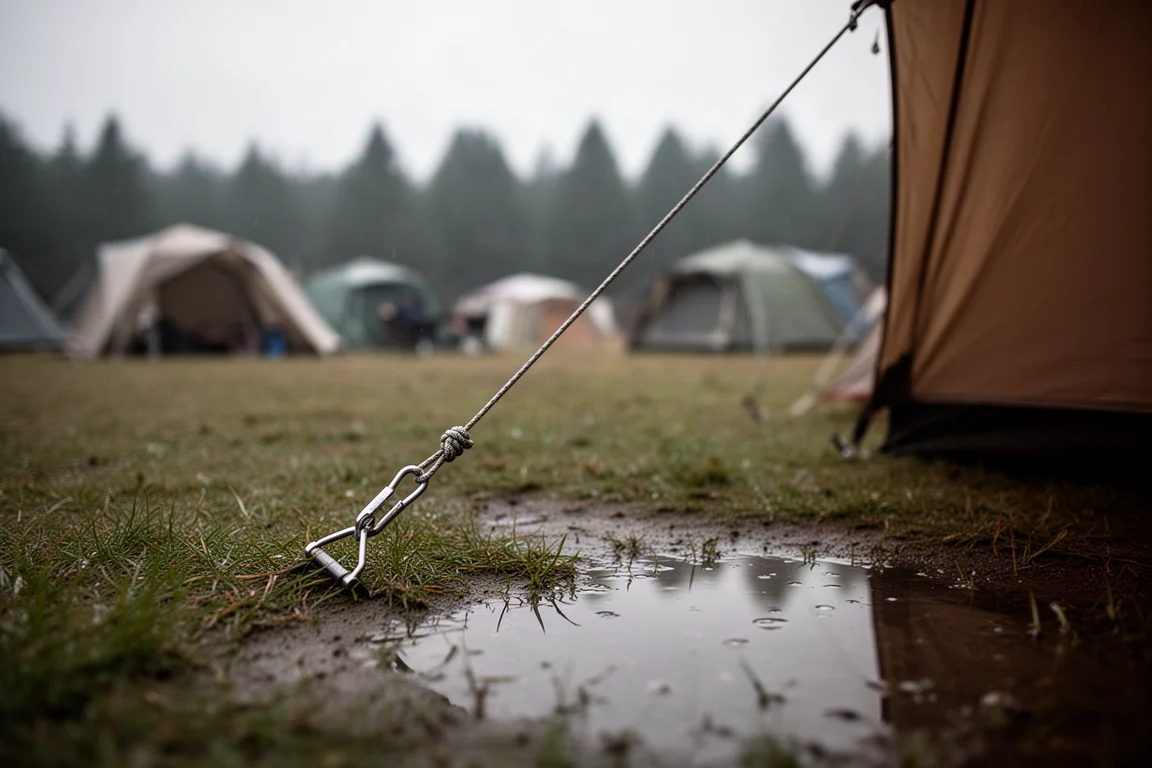
On the first setup, attach the guy lines. Where the poles curve into the grommets you will find cordage with a metal ring, and the four main guy lines clip there. Two more guy lines belong at the side door, attaching to the strap near the base. The awning is the last step: open the front, extend two trekking poles, attach them to the top of the opening, and stake them out. That completes the shelter and gives you a covered entrance.
Overall this is a straightforward pitch. The traps are small but worth knowing: straps that must sit underneath the tent, and an inner that needs tensioning if it looks loose.
Main Strengths
The headline strength is the material choice. Nylon construction at $260 is unusual in the four-season category, where polyester is the usual way to hit a budget price. That puts the Kamita in a position where it competes on fabric rather than only on price.
The removable inner tent is the second standout. Taking it out changes how the shelter behaves, which gives you flexibility across different trips without buying a second tent.
The awning rounds out the package. Two trekking poles and two stakes turn the front opening into a shaded, covered space and a second entrance. On a warm day with direct sun, that coverage is genuinely useful rather than a gimmick, and it gives you somewhere to sit outside the sleeping area while staying out of the weather.
Setup simplicity matters too. The two-pole design goes up quickly once you know where the sleeves, grommets, and straps are, and the tensioning points let you refine the pitch after the structure is standing.
Design Details That Stand Out
The awning is the most distinctive element. Because it uses trekking poles you already carry, it adds covered living space without adding dedicated hardware to your pack. It also creates a second entrance, so you are not always entering through the same door.
The two-door layout pairs well with that awning. The side door keeps working as a normal entrance when the front is propped open, which means the tent stays practical in camp rather than becoming awkward once the awning is up.
Tensioning is the quiet detail that improves the whole experience. The inner connects at the pole and grommet points and at the top, so you can pull the inner taut after the tent is standing. That adjustability is what separates a tidy pitch from a saggy one, and it costs you only a couple of minutes around the body.
The bathtub floor is another design element worth noting. It rises roughly seven to eight inches around the perimeter, which is a substantial lip. It shapes how you move in and out of the tent, and it is the kind of feature you want to understand before your first trip rather than after.
Things to Consider Before Buying
The bathtub floor is aggressive. With a lip of roughly seven to eight inches, it takes a bit of care getting in and out, especially in the dark. Watch your feet on the way through, and treat the doorway as a step rather than a stride.
No ground sheet is included. You will need to supply your own, and a properly sized sheet protects the floor and keeps the bathtub base clean. Budget for it alongside the tent itself.
Setup has a few places where attention pays off. The straps where the poles meet the sleeves must run underneath the tent body, and if they are on top, the pitch will be wrong. The inner also needs tensioning at the pole points and at the top, so plan on a short adjustment pass after the poles are seated.
Guy lines need to be attached the first time you pitch the tent. Four go to the rings where the poles curve, and two go to the side door strap. If you want the awning, you will also need two stakes and two trekking poles, so that is worth confirming against the gear you already own.
Buying Advice
At $260, the Kamita sits in a spot where the four-season label usually means a polyester build. If you want a cold-weather-capable shelter and the nylon construction matters to you, this is one of the more interesting options at that price. The removable inner and the trekking-pole awning add usable flexibility rather than padding a feature list.
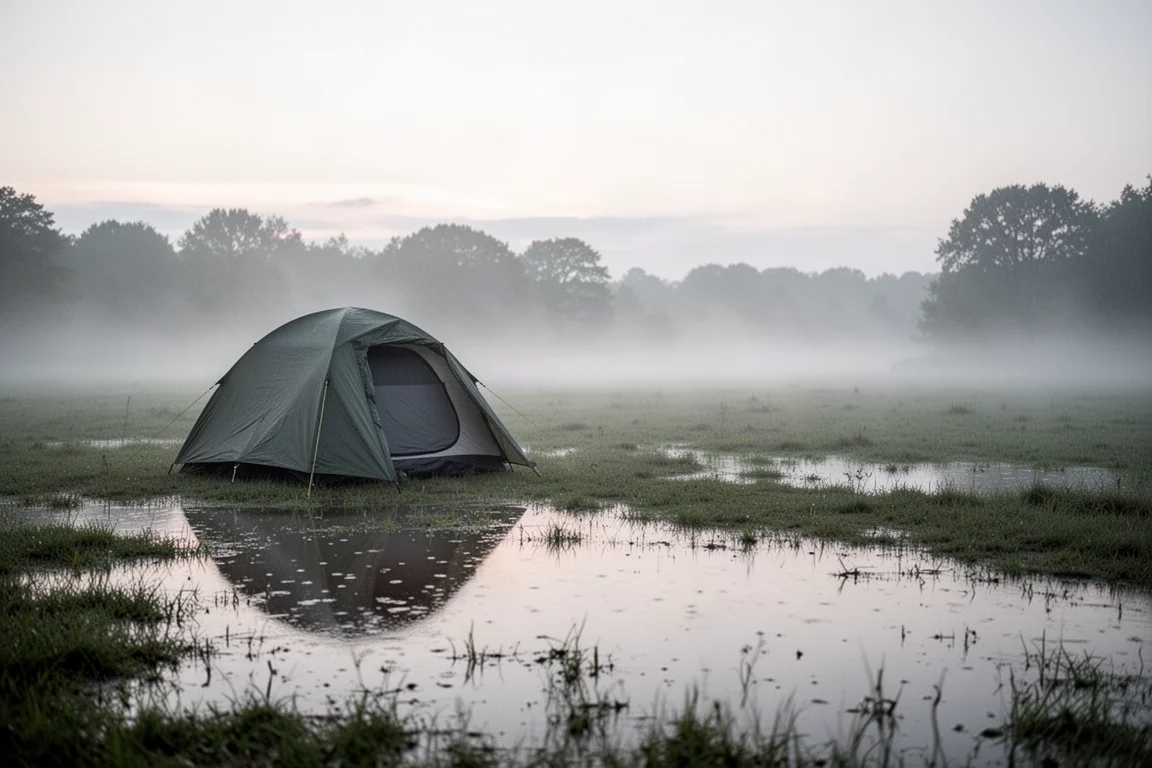
Think about how you camp before committing. If you already carry trekking poles and want covered space at the front of the tent, the awning setup will earn its place in your routine. If you prefer to travel with the absolute minimum of stakes and poles, you can still pitch the Kamita as a standard two-pole shelter and skip the awning.
Add a ground sheet to your list, since one is not included, and give yourself a few minutes of tensioning on the first pitch to get the inner taut. Do that, and the setup becomes quick and repeatable.
Conclusion
The OneTigris Kamita Tent is a four-season shelter that stands out mainly because of what it offers at $260: a nylon build, two doors, a removable inner tent, and an awning that runs off two trekking poles. Setup is simple once you know about the straps that belong underneath the body and the tensioning points that tighten the inner.
The trade-offs are practical rather than hidden. The high bathtub floor asks for care at the doorway, a ground sheet is a separate purchase, and the awning depends on poles and stakes you supply yourself. For campers who want four-season capability without premium pricing, those are manageable conditions on a tent with a genuinely useful feature set.
Product link
View more details for OneTigris Kamita Tent
This product is mentioned in the review. Check the specifications, options, and compatibility before buying.
View more details for OneTigris Kamita TentFurther reading
Related Reviews
Camping Tents
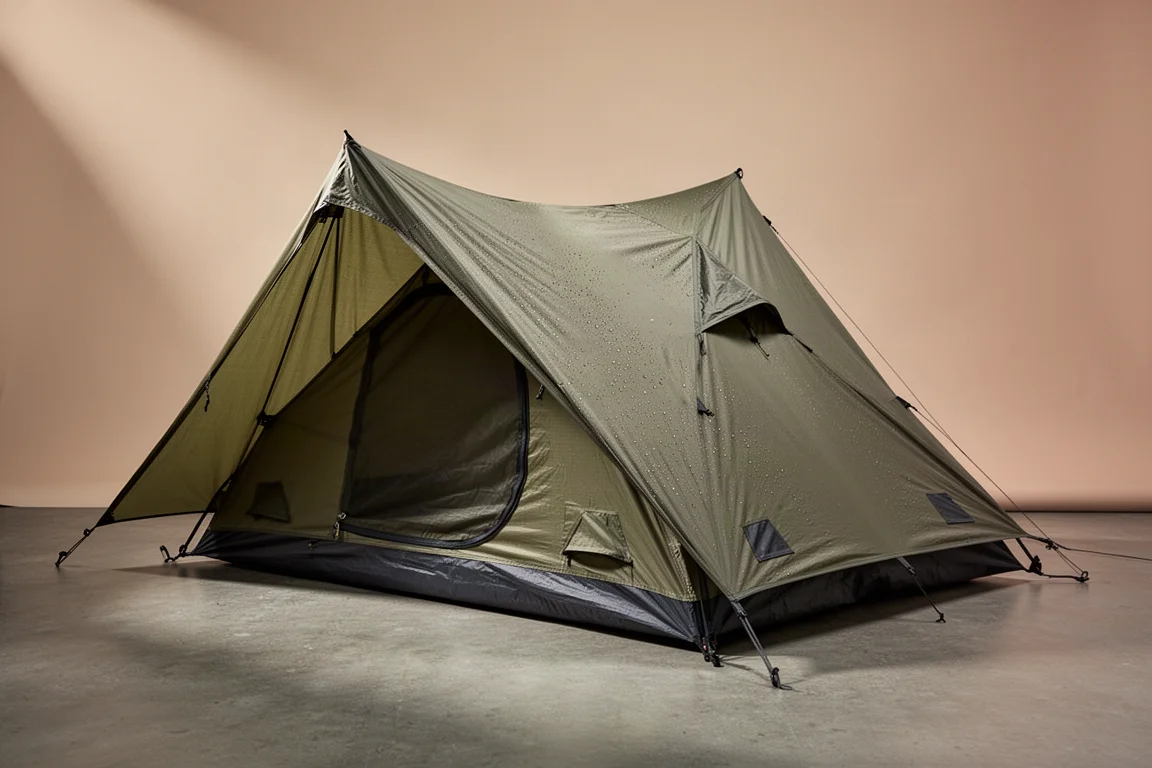
3F UL Gear Taiji Two-Person Tent Review: Field Waterproofing Results and Buying Advice
The Taiji pairs an attached fly with a removable inner, but sustained rain exposed untaped vent seams that need sealing before this shelter can be trusted.
Camping Tents
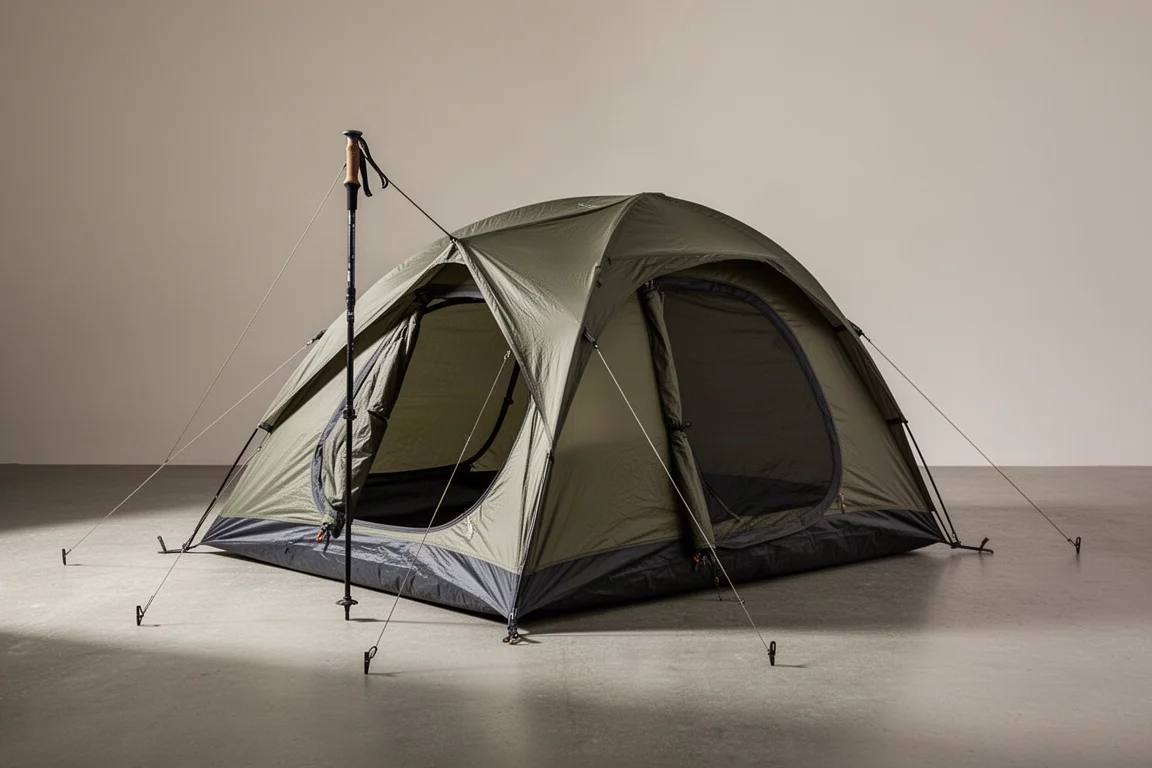
3FUL Gear Lanshan 2 Pro 4-Season Review: A Sub-$200 Single-Wall Trekking Pole Tent
An early look at the 3FUL Gear Lanshan 2 Pro 4-Season, covering its straightforward pitch, generous interior space, and the condensation and seam-sealing questions that come with any single-wall shelter.
Camping Tents
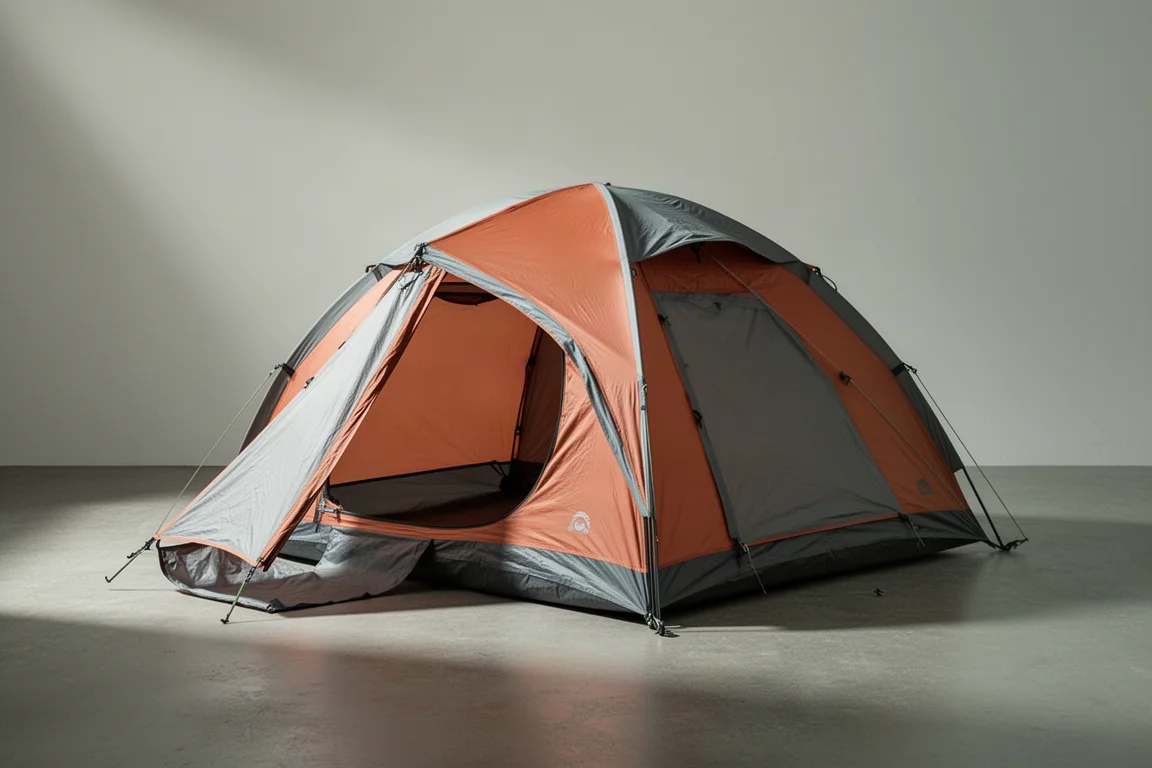
Alps Mountaineering Lynx 1-Person Tent Review: Big Value in a Small Budget Tent
A close look at the Alps Mountaineering Lynx 1-Person Tent, covering real interior dimensions, materials, setup time, ventilation limits, and who should buy it.